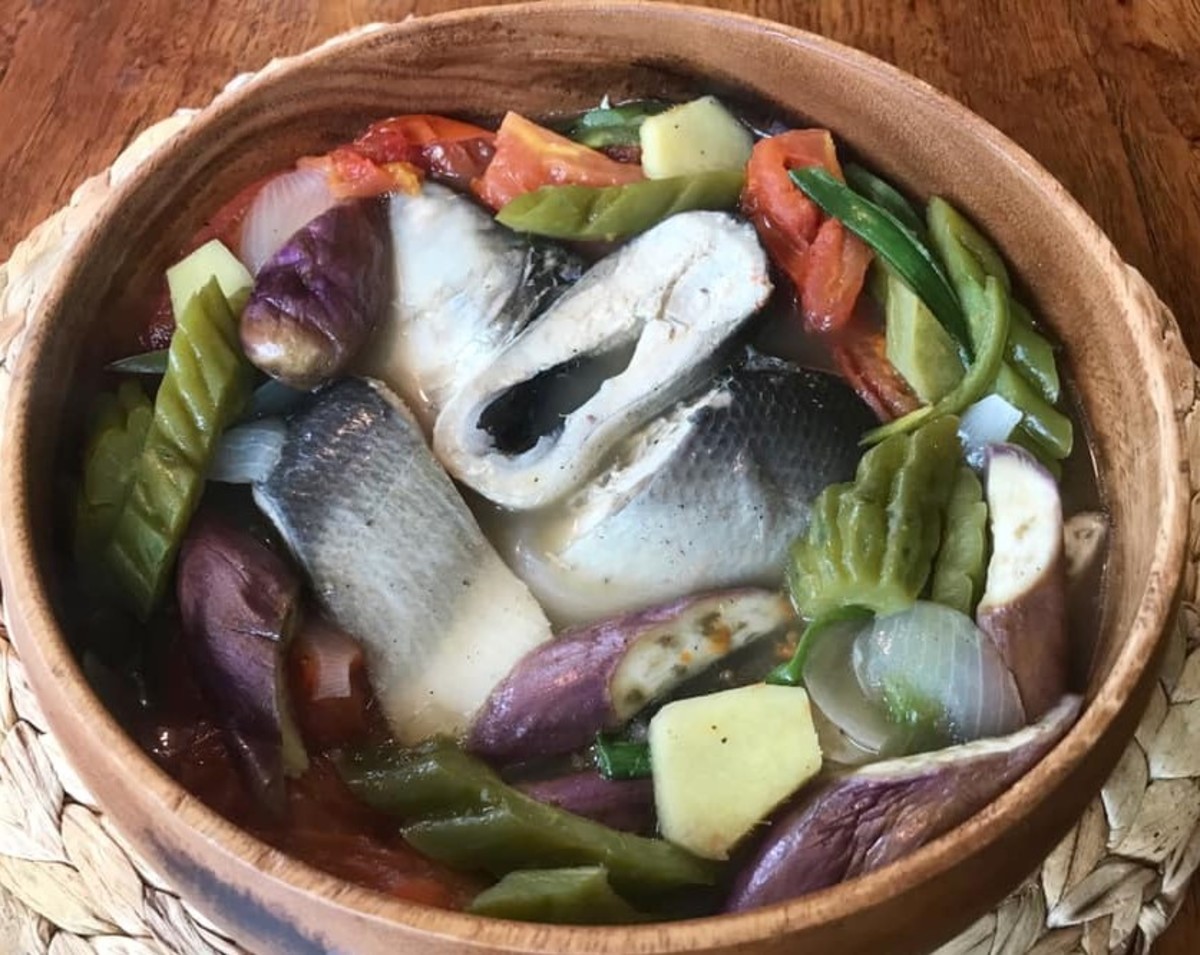
Category: Pinoy Seafood Specialties

  • How Does the Paksiw (Steaming in Vinegar) Technique Enhance the Flavor of Seafood in Philippine Cuisine?

    How Does the Paksiw (Steaming in Vinegar) Technique Enhance the Flavor of Seafood in Philippine Cuisine?

    The Paksiw technique in Philippine cuisine involves steaming fish in vinegar to preserve and enhance its flavor, creating a succulent and aromatic dish with a tangy broth. Vinegar acts as a natural preservative, balances the richness of seafood, and infuses it with aromatic flavors, making Paksiw a beloved part of Filipino culinary heritage.

    Key Takeaways

    • The Paksiw technique is a traditional cooking method in Philippine cuisine that involves steaming fish in vinegar to preserve it and enhance its flavor.
    • Vinegar acts as a natural preservative and enhances the natural flavors of seafood, while balancing its richness and contributing to its overall quality and texture.
    • The acidic nature of vinegar reacts with seafood, resulting in a succulent and flavorful dish with a tangy and aromatic broth.
    • Aromatic flavors from vinegar, garlic, ginger, and spices are infused into the seafood, making Paksiw a flavor powerhouse and a beloved part of Philippine culinary heritage.

    Origin of Paksiw Technique

    The evolution of the Paksiw technique reflects the ingenuity and resourcefulness of Filipino culinary traditions in preserving and enhancing the flavors of seafood.

    Paksiw, which means ‘to cook in vinegar,’ originated as a practical method to preserve fish, a common occurrence in the Philippines.

    This traditional cooking technique involves steaming fish in vinegar, infusing it with a unique tangy flavor that sets it apart in Philippine cuisine.

    The versatility of the technique allows for the use of various fish, such as bangus (milkfish), tilapia, and galunggong (mackerel scad), enhancing the natural flavors of the seafood.

    Through simmering, slow cooking, boiling, and marinating, the Paksiw technique elevates the taste of Filipino fish, making it a beloved and essential part of the country’s culinary heritage.

    Impact of Vinegar on Seafood

    Enhance the natural flavors of seafood by infusing it with the tangy and savory profile of vinegar. When seafood is cooked with vinegar using the paksiw technique, it undergoes a remarkable transformation. The impact of vinegar on seafood is truly profound.

    Here’s how it works:

    • Enhances natural flavors: Vinegar brings out and enhances the natural flavors of seafood, creating a tangy and savory profile.
    • Acts as a natural preservative: The acidity in the vinegar helps to preserve the seafood, extending its shelf life while maintaining its quality.
    • Balances richness: The acidity of the vinegar helps to balance the richness of seafood, providing a refreshing and balanced taste.

    The technique not only enhances the flavor but also contributes to the overall quality and texture of the seafood, making it a staple in Philippine cuisine.

    Science Behind Paksiw’s Flavor Enhancement

    When you use vinegar in Paksiw, its acidic reaction with the seafood creates a mouthwatering fusion of flavors.

    As the aromatic spices and garlic infuse into the dish, they add depth and complexity to the overall taste.

    Additionally, the preservation and tenderization process ensures that the seafood remains fresh and succulent, making each bite a delightful experience.

    Vinegar’s Acidic Reaction

    Utilizing the paksiw technique unleashes vinegar’s acidic prowess, infusing the seafood with a tantalizing zest and tenderness that elevates its natural flavors to new heights.

    When seafood is subjected to the acidic reaction of vinegar, it undergoes a transformative process, resulting in a dish that’s both succulent and flavorful. The acidity of the vinegar helps break down the proteins in the seafood, tenderizing it and balancing its inherent taste.

    This reaction not only enhances the flavor but also contributes to the preservation of the seafood, allowing it to develop a more complex and robust taste over time.

    The combination of vinegar and spices in the cooking pot creates a tangy and aromatic broth, infusing the seafood with a rich and zesty flavor profile that’s characteristic of Philippine cuisine.

    Infusion of Aromatic Flavors

    The transformative process of the paksiw technique not only tenderizes the seafood through the acidic reaction of vinegar but also infuses it with a tantalizing blend of aromatic flavors, including garlic, ginger, and spices, resulting in a dish that is both succulent and bursting with robust taste.

    The infusion of these aromatic flavors plays a crucial role in elevating the overall taste profile of the seafood, creating a harmonious blend of tangy, savory, and fragrant notes. Check out the table below for a glimpse of the delightful aromatics that make paksiw a flavor powerhouse in Philippine cuisine.

    Aromatic Flavors
    Vinegar Garlic Ginger
    Spices Tangy Savory Fresh

    This infusion is what makes paksiw seafood dishes so appealing, as it enhances not only the taste but also the overall dining experience.

    Preservation and Tenderization

    In the art of paksiw, the harmonious marriage of vinegar, garlic, and spices not only preserves and tenderizes the seafood but also unlocks a symphony of flavors that elevate the dining experience to new heights.

    The vinegar in the paksiw technique acts as a tenderizer, breaking down the proteins in the fish, resulting in a more tender and flavorful dish. Its acidic nature enhances the natural flavors of the seafood, creating a tangy and savory taste profile.

    Additionally, the slow cooking process in vinegar allows the flavors of the spices and aromatics to infuse into the seafood, adding depth and complexity to the overall taste.

    This combination of preservation and tenderization not only extends the shelf life of the seafood but also ensures a mouthwatering dining experience.

    Traditional Seafood Ingredients in Paksiw

    Using a medley of traditional ingredients, you can transform your seafood into a tantalizing and flavorful dish through the Paksiw technique. Traditional Paksiw ingredients play a crucial role in infusing the seafood with rich and aromatic flavors. Here’s a glimpse at some of the key traditional ingredients used in Paksiw:

    Ingredients Description Purpose
    Vinegar Provides tanginess Infuses the seafood with a tangy taste
    Garlic Adds savory depth Creates a flavorful broth for the seafood
    Ginger Adds aromatic warmth Enhances the overall flavor profile
    Finger Chilies Adds a spicy kick Adds depth and complexity to the flavor

    These traditional ingredients, combined with the steaming in vinegar method, result in a delectable seafood dish that is a hallmark of Philippine cuisine.

    Regional Variations of Paksiw

    Get ready to explore the rich tapestry of regional variations of paksiw.

    From the bold and tangy flavors of the Visayan region to the savory and slightly sweet variations of Luzon, each area brings its own unique twist to this beloved dish.

    You’ll discover how different ingredients and cooking techniques come together to create distinct flavor profiles that will transport your taste buds to different parts of the Philippines.

    Flavor Profiles

    Unleash the delightful array of regional flavors in Paksiw na Isda, from the rich, robust taste of Paksiw na Bangus to the vibrant, tangy notes of Paksiw na Tilapia and the savory, earthy undertones of Paksiw na Galunggong.

    Each variation offers a unique culinary experience, showcasing the versatility of the Paksiw technique in Philippine cuisine. The distinct flavor profiles of these regional variations are a result of the different types of fish used and the additional ingredients incorporated.

    Whether it’s the creamy twist of Paksiw na Isda sa Gata or the introduction of complementary vegetable flavors in Paksiw na Isda with Vegetables, the diversity in flavor is truly captivating.

    Enhance your Paksiw na Isda experience by experimenting with condiments like soy sauce, calamansi, and chili peppers to elevate the already exquisite taste of this traditional Filipino dish.

    Ingredient Variations

    Explore the diverse tastes of Paksiw na Isda by delving into the regional variations that highlight the unique flavors of different types of fish and additional ingredients, creating an enticing array of culinary experiences.

    In the Northern regions of the Philippines, Paksiw na Isda is often prepared with a hearty dose of ginger, giving it a warm and spicy kick that complements the richness of large fish like bangus (milkfish) or galunggong (mackerel scad).

    Moving south, the Visayan version of Paksiw features a generous amount of coconut milk, lending a creamy and slightly sweet undertone to the dish.

    In the Bicol region, the addition of fiery chili peppers intensifies the pungent aroma and bold flavor of Paksiw, making it a perfect match for meaty fish such as tuna or swordfish.

    These regional variations showcase the versatility of Paksiw, adapting to local flavors and ingredients while retaining its signature tangy and savory profile.

    Culinary Importance of Paksiw in Philippine Cuisine

    The culinary landscape of Philippine cuisine is enriched by the profound significance of the Paksiw technique in enhancing the flavors of seafood, particularly fish. The technique’s culinary importance can be seen in the way it preserves and brings out the natural flavors of the seafood, making it a staple in Filipino cooking.

    The tangy and savory taste that the vinegar imparts to the fish through the Paksiw method creates a unique and delightful dining experience, showcasing the depth of flavors in Philippine cuisine. The popularity of Paksiw na Bangus, cooked with boneless bangus bellies, reflects the technique’s integral role in Filipino culinary traditions.

    Variations like lechon paksiw, paksiw na tulingan, and paksiw na pata further highlight the versatility and significance of the Paksiw technique in Philippine cuisine.

    Health Benefits of Paksiw Cooking Method

    Indulge in the health benefits of the paksiw cooking method as it preserves nutrients and promotes a low-fat, heart-healthy approach to preparing seafood.

    When steaming in vinegar, the seafood retains its essential nutrients, making it a nourishing choice. With minimal oil used in the cooking process, paksiw offers a low-fat alternative for fish recipes, promoting heart health.

    The vinegar’s acetic acid content helps regulate blood sugar levels, making it a suitable option for those conscious of their sugar intake. Seafood prepared using the paksiw method retains its omega-3 fatty acids, which are essential for heart health.

    Additionally, the vinegar used in paksiw has antioxidant properties, offering potential health benefits.

    Embrace the health advantages of the paksiw cooking method, particularly when preparing flavorful Bangus and other seafood in Philippine cuisine.

    How Does Vinegar Enhance the Flavor of Filipino Cuisine, Specifically in Seafood Dishes?

    Vinegar is a key ingredient in Filipino cuisine, particularly in seafood dishes. The acidity of the Filipino mango vinegar drink recipe enhances the flavors of the seafood, cutting through the richness and enhancing the overall taste. It adds a unique tangy taste, taking the dish to the next level.

    Modern Interpretations of Paksiw Dish

    Immerse yourself in the evolution of the paksiw dish, where chefs are infusing traditional flavors with modern twists, creating innovative and visually stunning interpretations that elevate this classic recipe to new heights.

    Contemporary variations of Paksiw incorporate diverse seafood options beyond the traditional fish, such as shrimp, squid, and other shellfish, to create innovative and diverse Paksiw dishes.

    Fusion variations of Paksiw combine Filipino flavors with international cuisines, introducing new and unique flavor profiles to the dish.

    Some modern interpretations involve deconstructing the traditional Paksiw dish and reimagining its presentation and serving style to offer a more refined and visually appealing dining experience.

    These modern interpretations are redefining the culinary landscape, offering a fresh perspective on a beloved tradition while preserving the essence of Philippine cuisine.

    Frequently Asked Questions

    What Is the History of Paksiw?

    Paksiw has a rich history, originating as a preservation method for fish in the Philippines. It’s a versatile dish with various fish options and customizable flavors. The dish’s flavors develop over time, making it a unique culinary experience.

    Paksiw Is a Filipino Dish Made by Cooking Meat or Seafood in Vinegar, Garlic, and Spices

    Cooking seafood in vinegar, garlic, and spices, paksiw technique infuses it with tangy and savory flavors. The slow process allows the seafood to absorb these rich flavors, resulting in a well-seasoned and delicious dish.

    What Is the Difference Between Pangat and Paksiw?

    Pangat showcases souring agents like tomatoes or tamarind with a variety of fish, while Paksiw, cooked in vinegar, brings a tangy and slightly sweet flavor to mainly seafood, particularly fish, creating a unique taste experience.

    What Is the Description of Bangus?

    Bangus, the national fish of the Philippines, boasts a distinct flavor and is rich in omega-3 fatty acids. Its savory nature makes it a perfect candidate for the Paksiw technique, resulting in a flavorful and tangy dish.

    Conclusion

    In conclusion, the Paksiw (Steaming in Vinegar) technique is a game-changer for seafood in Philippine cuisine. Its tangy and savory flavor profile, combined with the natural tenderizing and preserving properties of vinegar, makes it a must-try cooking method.

    Whether you’re enjoying traditional seafood ingredients or exploring modern interpretations, the Paksiw technique is a culinary gem that adds depth and richness to every dish.

    Embrace the flavors and experience the magic of Paksiw in Philippine cuisine.
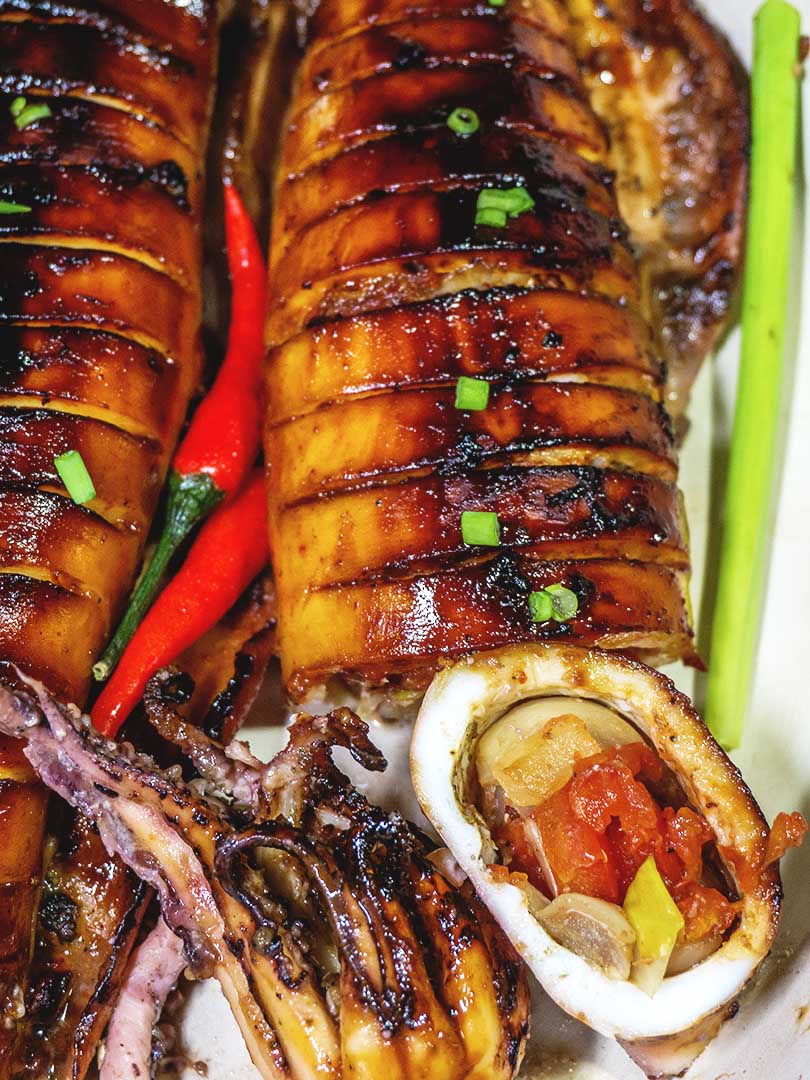
  • What Are Some Popular Seafood Dishes That Use the Inihaw (Grilling) Technique in the Philippines?

    What Are Some Popular Seafood Dishes That Use the Inihaw (Grilling) Technique in the Philippines?

    Popular seafood dishes in the Philippines using the inihaw (grilling) technique include Inihaw na Bangus (Grilled Milkfish), Tanigue (Spanish mackerel), Tilapia, Lapu-Lapu (Grouper), and Tuna.

    Key Takeaways

    • Grilled fish dishes in the Philippines include popular choices such as Inihaw na Bangus (Grilled Milkfish), Tanigue (Spanish mackerel), Tilapia, Lapu-Lapu (Grouper), and Tuna.
    • Grilled shrimp dishes in the Philippines feature flavorful options like Inihaw na Hipon (Grilled Shrimp), Grilled Gambas, Pinaputok na Hipon (Stuffed Shrimp), and Grilled Sinuglaw (combination of grilled pork belly and shrimp).
    • Grilled squid dishes in the Philippines include Inihaw na Pusit (Grilled Squid), Grilled Stuffed Squid, Grilled Calamares (Squid Rings), Grilled Squid Skewers, and Grilled Squid Salad.
    • Grilled shellfish dishes in the Philippines consist of popular choices like Inihaw na Tahong (Grilled Mussels), Grilled Oysters, Grilled Clams, Grilled Scallops, and Grilled Shellfish Platter.

    Grilled Milkfish (Bangus) Recipe

    If you’re craving a taste of authentic Filipino cuisine, you’ll want to try your hand at preparing the delectable Grilled Milkfish (Bangus) using the traditional inihaw (grilling) technique.

    Start by removing the guts and gills of the milkfish, then wash it thoroughly and season it with salt, lemon, and ground black pepper.

    The next step is to cook the milkfish on a charcoal grill for 10 to 12 minutes on each side.

    While it’s grilling to perfection, prepare a dipping sauce of lemon juice and soy sauce to elevate the flavors.

    Once the grilled milkfish is ready, serve it with warm white rice for a fulfilling meal.

    For those who enjoy a bit of heat, add chopped Thai chili for an extra kick.

    This nutritious dish provides 305kcal, 6g carbohydrates, 46g protein, and 9g fat per serving.

    Enjoy the authentic flavors of the Philippines with this grilled milkfish recipe.

    Inihaw Na Pusit (Grilled Squid) Preparation

    You’re in for a treat as you learn the art of preparing Inihaw Na Pusit (Grilled Squid).

    The key to perfecting this dish lies in mastering the grilling technique and infusing the squid with a flavorful marinade.

    Get ready to tantalize your taste buds with the rich flavors of vinegar, honey, garlic, and chili peppers as you embark on this culinary adventure.

    Grilling Squid Technique

    To achieve succulent and flavorful grilled squid, there are a few key steps to follow.

    First, it’s important to marinate the cleaned squid in vinegar. This helps to tenderize the squid and enhance its taste.

    Next, soak the squid in milk. This further enhances tenderness by breaking down the protein fibers.

    When it comes time to grill the squid, make sure the heat is high. This will allow for quick browning while maintaining its tenderness.

    To add a burst of flavor, prepare a marinade consisting of vinegar, honey, brown sugar, garlic, ginger, and chili peppers. This will infuse the squid with a delicious combination of flavors.

    For a delectable serving, consider stuffing the grilled squid with tomatoes, ginger, salt, and Thai chili peppers. This adds an extra layer of flavor that complements the grilled squid perfectly.

    Inihaw Na Pusit Recipe

    Grilling squid is an art that yields succulent and flavorful results. Now we’re diving into the preparation of the irresistible Inihaw Na Pusit, a beloved grilled squid dish in the Philippines.

    • Marinate the squid in a mixture of vinegar, honey, brown sugar, garlic, ginger, and chili peppers before grilling.
    • Consider stuffing the squid with tomatoes, ginger, salt, and Thai chili peppers for added flavor.
    • Explore other popular squid dishes like Crispy Fried Calamari, Adobong Pusit sa Gata, and Ginataang Seafood.
    • Try the Inihaw na Bangus, marinated with tomato, onion, ginger, lemon juice, and ground black pepper before grilling.
    • Experiment with Inihaw na Panga, a Filipino favorite, made by grilling soy sauce-marinated fish jaws, considered the best part of the fish in Asian countries.

    Master the Inihaw na pusit recipe for an authentic taste of Filipino seafood grilling.

    Grilled Stuffed Squid Dish

    You’re about to discover the mouthwatering world of Grilled Stuffed Squid, a dish that bursts with flavorful stuffing options, tantalizing grilling process details, and stunning serving and presentation.

    The combination of tender grilled squid and the savory stuffing is a match made in seafood heaven, creating a dish that’s sure to delight your taste buds and leave you craving for more.

    Get ready to savor every bite of this delectable grilled seafood dish as we explore the irresistible flavors and textures that make it a beloved favorite in Filipino cuisine.

    Flavorful Stuffing Options

    When preparing the popular grilled stuffed squid dish, Inihaw na Pusit, in the Philippines, the flavorful stuffing options, such as tomatoes, ginger, salt, and Thai chili peppers, are essential for creating a truly delectable seafood experience. The combination of these ingredients infuses the squid with a burst of savory and spicy flavors, complementing its natural taste.

    Here are some additional stuffing options that can elevate the dish:

    • Lemongrass for a citrusy aroma and a hint of freshness
    • Shallots to add a slightly sweet and mild onion flavor
    • Cilantro for a touch of herbal brightness
    • Lemons or calamansi for a tangy and zesty kick
    • Coconut milk to introduce a creamy and rich texture

    Inihaw na Pusit becomes a culinary adventure with these stuffing variations, offering a symphony of flavors that tantalize the taste buds.

    Grilling Process Details

    To achieve a succulent and flavorful grilled stuffed squid dish, begin by marinating the squid in vinegar for 30 minutes to an hour to tenderize it before grilling. Soak the cleaned squid in milk to enhance tenderness during grilling.

    When grilling, use a charcoal grill and grill the squid over hot coals to quickly brown while maintaining its tenderness. Prior to grilling, stuff the squid with a delectable mixture of tomatoes, ginger, salt, and Thai chili peppers.

    While grilling, boil the marinade to create a baste for the squid, enhancing its flavor. The inihaw (grilling) technique imparts a smoky aroma and charred flavor to the squid. Grill the stuffed squid for a few minutes on each side until it achieves a tempting char.

    Serve with a delightful dipping sauce made from soy sauce, garlic, and Thai chili for a delightful seafood experience.

    Serving and Presentation

    For a visually stunning and mouthwatering presentation, carefully arrange the grilled stuffed squid on a platter, showcasing its charred exterior and fragrant aroma. When serving this delectable dish, consider the following to enhance the dining experience:

    • Garnish the platter with fresh cilantro and slices of lemon to add a burst of color and freshness.
    • Drizzle the grilled stuffed squid with a light soy sauce and lemon juice dressing to elevate its flavors.
    • Serve it alongside warm, fluffy white rice to complement the smoky and savory profile of the dish.
    • Consider pairing it with a side of sautéed garlic spinach or bok choy for a delightful contrast in textures and tastes.
    • Encourage diners to squeeze some extra lemon juice over the squid just before indulging to enhance its citrusy notes and brighten the overall flavor profile.

    Inihaw Na Tanigue (Grilled Spanish Mackerel)

    Grill up a tantalizing plate of Inihaw na Tanigue, marinated in a blend of vinegar, soy sauce, garlic, and spices, for a smoky, charred flavor that perfectly complements the natural taste of the Spanish mackerel.

    The grilling process infuses the tanigue with an enticing aroma, creating a delightful sensory experience.

    As the mackerel sizzles on the grill, the marinade caramelizes, forming a flavorful crust that seals in the fish’s juiciness.

    The smokiness from the grilling adds depth to the dish, elevating its overall taste.

    Served alongside fresh vegetables and a zesty dipping sauce made from calamansi, soy sauce, and chili peppers, the Inihaw na Tanigue embodies the essence of Filipino coastal cuisine.

    This beloved dish is a staple at outdoor gatherings and beach picnics, where its irresistible aroma beckons seafood enthusiasts to indulge in its delightful flavors.

    Grilled Stuffed Pompano Recipe

    Savor the irresistible flavors of the Grilled Stuffed Pompano, a beloved seafood dish in the Philippines that tantalizes the senses with its succulent, herb-infused essence. Here’s what makes this dish so special:

    • The Grilled Stuffed Pompano Recipe is a popular seafood dish in the Philippines that uses the inihaw (grilling) technique.
    • The dish involves stuffing pompano with flavorful ingredients like tomatoes, onions, and herbs before grilling.
    • The pompano is grilled over high heat to achieve a smoky flavor and a perfectly cooked, tender texture.
    • The Grilled Stuffed Pompano is often served with a side of rice and a zesty dipping sauce for added flavor.
    • This dish is a favorite among seafood lovers and a must-try for those exploring Filipino cuisine.

    This dish is a true delight for anyone looking to experience the rich, smoky flavors of Filipino cuisine.

    Inihaw Na Tilapia (Grilled Tilapia) Dish

    You’re in for a treat as we dive into the world of Inihaw Na Tilapia (Grilled Tilapia) dish.

    Learn about the different grilling techniques that ensure the perfect smoky flavor and tender texture of the fish.

    We’ll also explore the various marinade variations that elevate the taste of the tilapia, along with serving suggestions that will make your meal truly satisfying.

    Tilapia Grilling Techniques

    Indulge in the tantalizing flavors of Inihaw na Tilapia, a beloved Filipino seafood dish that captures the essence of grilling traditions and culinary mastery. The tilapia grilling techniques used in preparing this dish are a testament to the rich culinary heritage of the Philippines.

    Here are some essential tilapia grilling techniques to perfect this delectable dish:

    • Marinate the tilapia in a blend of vinegar, soy sauce, garlic, and spices to enhance its natural taste.
    • Grill the marinated tilapia over an open flame to infuse it with a smoky flavor, adding a delightful depth to its taste.
    • Serve the grilled tilapia with a side of steamed rice, perfectly complementing its succulent and flavorful flesh.
    • Prepare a dipping sauce using calamansi juice and soy sauce to accentuate the grilled tilapia’s savory notes.
    • Enjoy the simplicity and delicious taste of this dish, making it a favorite for gatherings and celebrations.

    Inihaw Marinade Variations

    With its roots deeply embedded in Filipino grilling traditions, the Inihaw na Tilapia dish offers a tantalizing array of marinade variations that elevate the succulent flavors of grilled tilapia to new heights.

    The inihaw marinade variations commonly include a blend of vinegar, soy sauce, calamansi, garlic, and pepper, each adding its own unique flair to the dish.

    The vinegar provides a tangy punch, while the soy sauce adds depth and a savory richness.

    The calamansi contributes a hint of citrusy brightness, complementing the robust flavors of the fish.

    Meanwhile, the garlic infuses a delightful aroma, and the pepper brings a gentle heat.

    When combined, these ingredients create a harmonious marinade that perfectly enhances the natural taste of the tilapia, resulting in a delectable and aromatic grilled dish that’s beloved across the Philippines.

    Serving Suggestions for Tilapia

    For a delightful and satisfying meal, consider serving Inihaw Na Tilapia with a side of steamed white rice. Once the perfectly grilled tilapia is ready, garnish it with freshly chopped cilantro and a generous squeeze of calamansi to elevate its citrusy flavor.

    Accompany this Filipino favorite with a refreshing side salad dressed in a light vinaigrette, offering a delightful contrast to the smoky essence of the dish. To further enhance the experience, make a dipping sauce using soy sauce, calamansi, and chopped chili for an extra kick of heat.

    And for a well-rounded and nutritious meal, complement the Grilled Tilapia with a side of grilled vegetables like eggplant, zucchini, and bell peppers. This combination promises a culinary adventure that will leave you craving more.

    Grilled Stuffed Lapu-Lapu (Grouper) Recipe

    A succulent and savory Grilled Stuffed Lapu-Lapu (Grouper) is a quintessential dish in Filipino cuisine, showcasing the vibrant flavors of the sea and the artistry of grilling.

    To create this delectable dish, the Lapu-Lapu is marinated in a special mixture, stuffed with a flavorful combination of tomatoes, onions, and local spices, and then expertly grilled over high heat.

    The result is a smoky, charred exterior that gives way to tender, juicy flesh bursting with aromatic goodness.

    The combination of the Lapu-Lapu’s natural flavors and the infusion of the stuffing creates a truly delightful culinary experience.

    Served alongside warm white rice and a complementary dipping sauce, Grilled Stuffed Lapu-Lapu is a perfect harmony of taste and texture, embodying the rich seafood tradition of the Philippines.

    Inihaw Na Hipon (Grilled Shrimp) Dish

    Embrace the alluring world of Filipino grilled seafood as we now turn our attention to the mouthwatering Inihaw Na Hipon (Grilled Shrimp) dish.

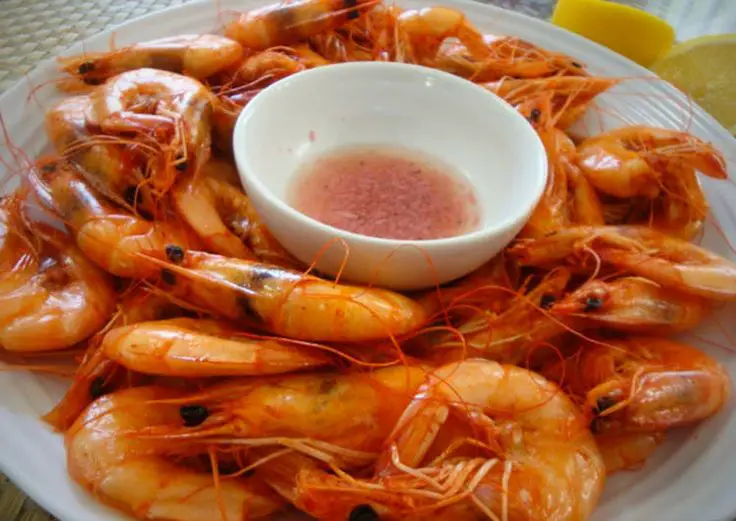
    • Inihaw Na Hipon is a popular seafood dish in the Philippines that uses the grilling technique, resulting in a smoky, charred flavor that enhances the natural sweetness of the shrimp.
    • The shrimp is typically marinated in a blend of vinegar, garlic, and other seasonings before grilling, infusing it with a delightful combination of tangy and savory notes.
    • Grilled shrimp can be served with a dipping sauce made with calamansi juice and soy sauce for added flavor, elevating the dish with a zesty and umami-rich element.
    • Inihaw Na Hipon is often enjoyed with warm white rice, creating a satisfying and comforting meal that celebrates the bounties of the sea.
    • This dish is a delicious example of the Filipino love for grilling seafood, showcasing the country’s vibrant culinary traditions.

    Grilled Stuffed Blue Marlin Recipe

    Indulge in the tantalizing flavors of Grilled Stuffed Blue Marlin, a beloved seafood dish in the Philippines that embodies the essence of inihaw cooking with its vibrant blend of herbs and spices. The succulent blue marlin is carefully stuffed with a tantalizing mixture of tomatoes, onions, garlic, and aromatic herbs, creating a burst of flavors with every bite.

    The grilling process further enhances the natural taste of the fish while infusing it with smoky aromas, resulting in a dish that is both tender and full of depth. Paired with a side of steamed rice and a zesty dipping sauce, this grilled stuffed blue marlin recipe promises a delightful dining experience that showcases the rich and diverse flavors of Filipino cuisine.

    Ingredients Instructions
    Blue Marlin Steaks Make a deep slit along the side of each steak to create a pocket for stuffing.
    Tomatoes, Onions, Garlic Mix these ingredients with aromatic herbs and stuff the mixture into the pockets of the marlin steaks.
    Marinade Prepare a flavorful marinade using a blend of soy sauce, calamansi juice, and spices. Marinate the stuffed marlin steaks for at least 30 minutes.
    Grilling Grill the marlin steaks over high heat, ensuring they are cooked through and develop a smoky char on the outside.
    Serving Serve the Grilled Stuffed Blue Marlin with steamed rice and a zesty dipping sauce for a truly satisfying meal.

    How Can I Incorporate Grilled Seafood in Filipino Cheese Bread Rolls Recipes?

    Looking to elevate your dishes? Try incorporating grilled seafood in the best Filipino cheese bread rolls recipes. The addition of succulent grilled seafood like shrimp or salmon can bring a delightful twist to the classic cheesy bread rolls, creating a unique fusion of flavors that will surely impress your guests.

    Inihaw Na Isda (Grilled Fish) Selection

    Grilling seafood in the Philippines is a culinary tradition that celebrates the vibrant flavors and aromas of local ingredients. Transitioning from the delectable Grilled Stuffed Blue Marlin to exploring the diverse selection of Inihaw Na Isda (Grilled Fish) is an exciting journey into the heart of Filipino seafood cuisine.

    The array of Inihaw Na Isda dishes offers a delightful experience. From the smoky goodness of Inihaw na Pusit (Grilled Squid) to the tantalizing flavors of Inihaw na Bangus (Grilled Milkfish) marinated in lemon juice, soy sauce, and ground black pepper. Additionally, the sought-after Inihaw na Panga (Grilled Fish Jaws) provides tender, collagen-infused meat.

    All these dishes are best enjoyed fresh off the grill, paired with warm white rice and an assortment of dipping sauces, delivering a unique and flavorful seafood feast.

    Frequently Asked Questions

    What Is Inihaw Food in the Philippines?

    In the Philippines, inihaw food is a delight for seafood lovers. Grilled squid and milkfish marinated in a blend of tangy, savory flavors, or the sought-after grilled fish jaws, are just a few beloved choices.

    What Is the History of Grilling in the Philippines?

    Grilling in the Philippines has a rich history, deeply entrenched in Filipino culture. It’s a beloved tradition, with seafood like squid and fish being marinated and grilled to perfection, imparting a unique smoky flavor.

    What Is Filipino BBQ Called?

    In the Philippines, Filipino BBQ is known as ‘Inihaw.’ It’s a flavorful grilling technique used to prepare popular seafood dishes like Inihaw na Pusit (Grilled Squid) and Inihaw na Bangus (Grilled Milkfish).

    Which Seafood Is Good for Bbq?

    When you’re grilling seafood, opt for shrimp, squid, or milkfish. The smoky flavor adds depth to these dishes. Marinate them in vinegar, honey, and spices for an authentic Filipino twist. You won’t be disappointed!

    Conclusion

    You simply can’t resist the mouthwatering aroma and flavors of inihaw na pusit and inihaw na bangus. The smoky char from the grill, the tangy marinade, and the tender, succulent seafood will transport you to the shores of the Philippines with every bite.

    Whether you’re enjoying inihaw na pusit with its zesty stuffing or savoring the seasoned perfection of inihaw na bangus, these grilled seafood dishes are a true taste of Filipino culinary mastery.

  • How Is the Sinigang (Sour Soup) Cooking Technique Used in Philippine Seafood Dishes?

    How Is the Sinigang (Sour Soup) Cooking Technique Used in Philippine Seafood Dishes?

    The sinigang cooking technique can be used with different types of seafood in Philippine dishes, complementing the tartness of the tamarind broth and adding a unique flavor to traditional recipes.

    Key Takeaways

    • Sinigang is a traditional Filipino cooking technique that uses souring agents to flavor stews and soups.
    • Tamarind paste is a popular souring agent used in Sinigang for its tartness and depth of flavor.
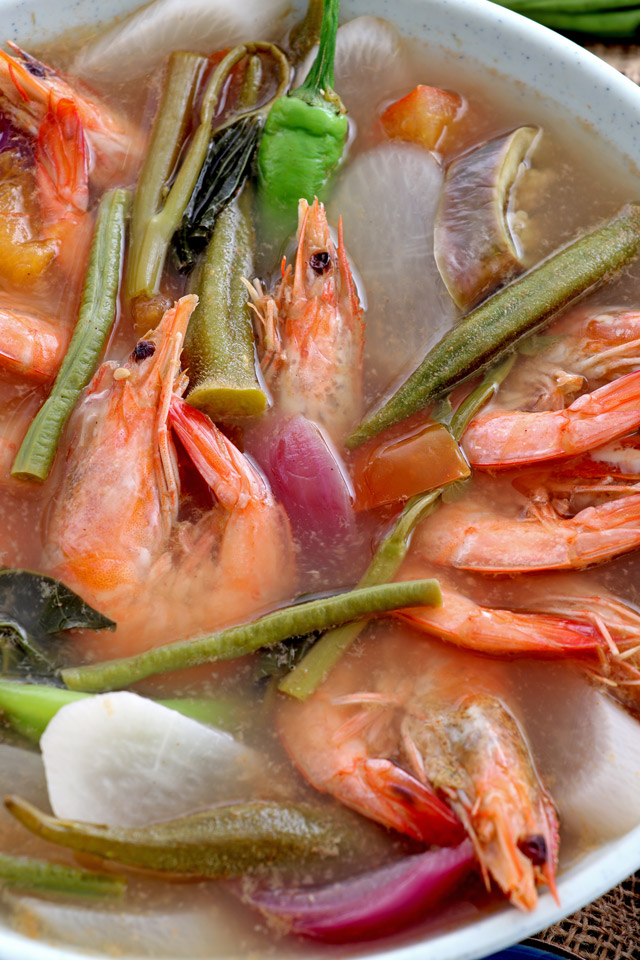
    • Sinigang seafood dishes typically include succulent seafood, tangy tamarind, a colorful array of veggies, and a flavorful broth.
    • There are variations of Sinigang seafood dishes that use different souring agents and seafood choices, showcasing the versatility of the dish.

    History of Sinigang Cooking Technique

    The history of the Sinigang cooking technique traces back to the indigenous Filipino practice of using souring agents to flavor stews and soups, creating a unique blend of savory and sour tastes that has become a hallmark of this beloved dish.

    Sinigang, one of the most iconic Filipino dishes, stands out for its use of souring agents like tamarind paste and fish sauce. These ingredients contribute to the distinct tangy flavor that defines Sinigang. Tamarind paste, in particular, is a popular choice due to its tartness and the depth of flavor it adds to the dish.

    The evolution of Sinigang showcases the ingenuity of Filipino cuisine, as it has adapted to the availability of various souring agents, resulting in a delightful array of Sinigang variations, each with its own unique twist.

    Key Ingredients in Sinigang Seafood Dishes

    So, what makes a Sinigang seafood dish truly stand out?

    It’s all about the key ingredients. Picture this: succulent seafood, tangy tamarind, and a colorful array of veggies all coming together in a flavorful broth.

    These elements are the building blocks of a Sinigang seafood masterpiece, and knowing how to combine them is the first step to creating a mouthwatering dish.

    Sinigang Seafood Variations

    Among the various seafood options used in Sinigang dishes, shrimp and fish stand out as popular choices for their ability to absorb the rich and tangy flavors of the soup. The sour and savory seafood soup combines sour, salty, slightly sweet, spicy, and umami flavors, often achieved using tamarind, bilimbi, guava, or Philippine lime.

    To prepare seafood sinigang, seafood stock is poured into a saucepan, then lemon juice and sugar are added before simmering with onions and tomatoes. Fish or shrimp is added to the simmering broth until cooked, and vegetables like beans and water spinach are cooked in the broth.

    The dish is served piping hot, often accompanied by rice or crusty bread. For added flavor, gremolata can be sprinkled on top.

    Cooking Sinigang Broth

    For making the sinigang broth, start by pouring seafood stock into a saucepan and adding lemon juice and sugar to create a tangy and savory base for your seafood dish. Bring the mixture to a boil and then add onions and tomatoes. Cover the pan, reduce the heat, and simmer until the onions are translucent and the tomatoes are mushy.

    Next, add the fish to the simmering broth and cook until it’s opaque throughout. Finally, transfer the fish to a plate and set it aside.

    • Use Filipino sour tamarind or calamansi for an authentic flavor.
    • Ensure the broth is cooked using medium heat to develop rich flavors.
    • Add water spinach and Daikon radish for traditional sinigang na isda.
    • Make sure to balance the sourness and sweetness of the sour soup to perfection.

    This cooking process creates a delightful sour broth that perfectly complements the seafood in your dish.

    Variations of Sinigang Seafood Dishes

    Exploring the diverse array of Sinigang seafood dishes reveals a tantalizing fusion of flavors and ingredients, each contributing to the distinctive regional variations of this beloved Filipino cuisine.

    Sinigang sa isda, where fish is cooked in a sour broth, is a popular variation that showcases the delicate flavors of the sea. The addition of bok choy brings a delightful crunch and a hint of bitterness, balancing the tangy broth.

    The need to cook Sinigang sa seafood with the perfect balance of sourness and savory flavors is an art mastered by Filipino cooks. Whether it’s the subtle sweetness of shrimp or the briny richness of crab, Sinigang sa seafood dishes offer a delightful medley of tastes, textures, and aromas that truly embody the heartwarming essence of Filipino comfort food.

    Traditional Sinigang Seafood Recipes

    Let’s talk about some classic seafood sinigang recipes that capture the essence of traditional Filipino cuisine.

    From the rich, tangy broth to the tender, succulent seafood, these dishes are a celebration of bold flavors and fresh ingredients.

    Get ready to discover the time-honored cooking techniques and secret ingredients that make these sinigang seafood recipes truly unforgettable.

    Sinigang Seafood Variations

    Discover the rich and flavorful variations of seafood sinigang, a beloved Filipino dish known for its tangy broth and diverse seafood options.

    When it comes to sinigang seafood variations, you have a range of delectable choices to explore:

    • Sinigang na Isda: This traditional fish sinigang brings out the natural flavors of the fish, complemented by the sour broth and assorted vegetables.
    • Sinigang na Hipon: A delightful shrimp sinigang featuring plump, juicy shrimp and a medley of vegetables, creating a perfect harmony of sour and savory flavors.
    • Sinigang na Alimasag: This crab sinigang offers a delightful mix of sweet crab meat and the sourness of the tamarind-based broth, providing a unique and satisfying taste.
    • Sinigang na Lapu-Lapu: A sinigang dish made with grouper fish, adding a rich and meaty flavor to the sour broth, making it a seafood lover’s delight.

    These variations exemplify the versatility of Filipino seafood sinigang, showcasing the delicious interplay of sourness and fresh seafood.

    Sinigang Cooking Method

    If you’re looking to master the art of preparing traditional sinigang seafood recipes, the cooking method involves infusing the sour broth with a variety of fruits and simmering the seafood and vegetables until they reach a delectable tenderness.

    The sinigang cooking method starts with creating a flavorful broth by boiling fruits like tamarind, bilimbi, guava, or Philippine lime. Once the broth is infused with the sourness, seafood such as fish and shellfish are gently simmered until they’re thoroughly cooked.

    To enhance the dish, a variety of vegetables like beans, chiles, and water spinach are added to the broth and cooked until they reach the desired tenderness.

    This method results in a delightful harmony of flavors and textures, making sinigang one of the most beloved Philippine seafood dishes.

    Modern Twists on Sinigang Seafood Dishes

    When modernizing Sinigang seafood dishes, chefs often infuse unconventional souring agents like lemon to provide a unique twist to the traditional Sinigang broth. The incorporation of different seafood options such as salmon, shrimp, or tilapia creates innovative variations of the classic Sinigang dish, appealing to diverse palates.

    Experimenting with unique ingredients like gremolata adds depth to the Sinigang soup, elevating its flavor profile. Additionally, adapting the traditional Sinigang recipe to accommodate modern dietary preferences, such as creating vegan versions with tofu and mushrooms, ensures inclusivity for all diners.

    Furthermore, presenting Sinigang seafood dishes in visually appealing and modern plating styles enhances the overall dining experience, making it a feast for both the eyes and the palate.

    Steps to Prepare Sinigang Seafood Broth

    So, you’re ready to create a flavorful Sinigang seafood broth that will be the foundation of your dish.

    First, gather the essential ingredients for the broth, including a variety of seafood, tomatoes, onions, and other flavorful components.

    Then, follow the cooking process to infuse the broth with the delicious taste of the sea, ensuring a rich and satisfying base for your Sinigang seafood dish.

    Ingredients for Seafood Broth

    To prepare the Sinigang Seafood Broth, start by using a seafood stock as the base for the flavorful broth. Enhance the sourness of the broth by adding lemon juice and a hint of sweetness with sugar, then bring it to a gentle boil.

    Infuse the broth with the aromatic flavors of onions and tomatoes, allowing them to simmer until the onions turn translucent and the tomatoes become mushy.

    Next, gently cook the fish in the simmering broth until it becomes opaque throughout, ensuring it absorbs the tangy flavors.

    Cooking Process for Seafood

    Now, as you embark on the cooking process for the seafood in your Sinigang Seafood Broth, infuse the aromatic flavors of onions and tomatoes into the simmering broth, allowing them to work their magic until the onions turn translucent and the tomatoes become mushy. After this, cook the fish until it is opaque throughout.

    Simmer the broth until the onions are translucent and the tomatoes are mushy. Cook the vegetables in the simmering broth until tender but still vibrant in color. Taste the broth and adjust seasoning with fish sauce and more lemon juice if needed. Serve the sinigang piping hot with rice or crusty bread and scale the recipe based on the number of servings needed.

    Steps to Prepare Sinigang Seafood Broth
    Prepare seafood stock and add lemon juice and sugar, then bring the mixture to a boil before adding onions and tomatoes.
    Simmer the broth until the onions are translucent and the tomatoes are mushy, then cook the fish until it is opaque throughout.
    Cook the vegetables in the simmering broth until tender but still vibrant in color.
    Taste the broth and adjust seasoning with fish sauce and more lemon juice if needed.

    Choosing the Best Seafood for Sinigang

    When choosing the best seafood for sinigang, opt for fresh options such as shrimp, fish, or shellfish to ensure the dish is bursting with flavor and the perfect texture.

    Consider using a firm-fleshed fish, like tilapia or salmon, as they hold up well in the sour broth.

    Select shellfish like shrimp or crab for a richer and sweeter flavor profile in the sinigang.

    If using whole fish, ensure it’s fresh and has clear, bright eyes and firm flesh for the best results in the dish.

    Experiment with different seafood combinations to find the flavors that best suit your preferences in the sinigang.

    Tips for Achieving the Perfect Sourness

    Consider the importance of achieving the perfect sourness in your sinigang by exploring various tips and techniques to enhance the flavor of your dish.

    Use authentic souring agents like tamarind, bilimbi, guava, or Philippine lime to infuse the soup with a genuine sour taste. Adjust the amount of souring agent according to your personal preference for tanginess, ensuring the ideal balance of flavors.

    Incorporate the souring agent at the right time during cooking to achieve the desired level of sourness, allowing it to permeate the dish effectively. Experiment with different combinations of fruits to find the perfect equilibrium of sourness and sweetness that suits your palate.

    Continuously taste the broth as you cook and add more souring agent if necessary to reach the desired sourness, ensuring a harmonious and flavorful sinigang.

    Serving and Pairing Sinigang Seafood Dishes

    To enhance the dining experience, serve Sinigang seafood dishes piping hot, ensuring each bowl is generously filled with an array of flavorful seafood and vegetables. Here are some tips for serving and pairing Sinigang seafood dishes:

    • Accompany the piping hot dish with a side of rice or crusty bread to soak up the flavorful and sour broth.
    • Experiment with a variety of seafood options, such as fish, shrimp, and shellfish, to find the perfect pairing for your taste.
    • Scale the dish up or down depending on the number of servings needed, making it versatile for both intimate meals and larger gatherings.
    • Consider topping the Sinigang seafood dish with gremolata, a Filipino condiment, to add a fresh and aromatic element to the soup.

    The key is to distribute and arrange the seafood and vegetables evenly in each bowl before ladling the piping hot broth over them.

    Health Benefits of Sinigang Seafood

    Seafood Sinigang offers a multitude of health benefits, making it a nutritious and flavorful addition to your diet. The table below highlights the specific health benefits of incorporating Sinigang seafood dishes into your meals:

    Health Benefit of Sinigang Seafood Description
    Rich in Omega-3 Fatty Acids Beneficial for heart health and reducing inflammation
    Abundant in Essential Vitamins and Minerals Contributes to a well-rounded and nutritious meal
    Contains Antioxidants Boosts the immune system and fights against free radicals
    Low-Fat Content Great source of lean protein, aiding in muscle growth and weight management
    Nutrient-Rich Combination Promotes overall health and well-being

    Incorporating Seafood Sinigang into your diet not only offers a delicious culinary experience but also provides an array of health benefits, from supporting heart health to boosting the immune system and promoting overall well-being.

    Cultural Significance of Sinigang in Philippine Cuisine

    With its rich history and deep cultural roots, Sinigang holds a prominent place in Philippine cuisine, embodying the diverse flavors and culinary traditions of the region.

    This beloved dish isn’t only a flavorful culinary experience but also a symbol of Filipino heritage. Its cultural significance is evident in the way it brings people together, often being prepared for family gatherings and special occasions.

    Sinigang reflects the resourcefulness of Filipino cooking, using a variety of souring agents readily available in the local environment. The dish also showcases the Filipino value of hospitality, as it’s often generously shared with guests.

    Furthermore, Sinigang represents the blend of indigenous and foreign influences in Philippine cuisine, illustrating the nation’s history of trade and cultural exchange.

    Can Sinigang Cooking Technique be Used with Different Types of Seafood in Philippine Dishes?

    The sinigang cooking technique can indeed be used with different types of seafood in kinilaw. Whether using shrimp, fish, or squid, this method perfectly complements the tartness of the tamarind broth. It’s a versatile way of preparing various types of seafood in kinilaw, adding a unique flavor to traditional Philippine dishes.

    Sinigang Seafood Fusion Innovations

    Innovative chefs and home cooks alike are reimagining the traditional Sinigang seafood soup by incorporating unconventional souring agents and experimenting with non-traditional seafood options to create exciting fusion dishes.

    For example, Jacqueline Chio-Lauri has introduced a unique twist to the classic recipe by using lemon as a substitute for traditional souring fruits. This unconventional addition adds a refreshing and tangy flavor to the dish, elevating the dining experience.

    Additionally, some culinary enthusiasts have ventured beyond the usual fish and shrimp choices, opting for unconventional seafood such as squid, clams, or even crab meat to infuse diverse textures and tastes into the sour soup.

    These innovations reflect the dynamic nature of Filipino cuisine, where traditional recipes are continually being reinvented to cater to evolving palates and culinary preferences.

    Frequently Asked Questions

    How Is Sinigang Served?

    When you enjoy sinigang, it’s best served piping hot, ladled into bowls with seafood and veggies. The dish is sprinkled with gremolata, a Filipino twist. Scale the recipe easily, and pair it with steamed rice.

    What Is the Significance of Sinigang in the Philippines?

    Sinigang holds immense cultural significance in the Philippines, representing the country’s diverse culinary heritage and communal dining traditions. Its bold mix of sour, salty, sweet, spicy, and umami flavors creates a truly satisfying culinary experience.

    What Are the Characteristics of Sinigang?

    Sinigang boasts bold flavors like sour, salty, sweet, and umami, creating a rich seafood dish. Its tangy taste comes from fruits like tamarind and guava. It’s a comforting soup often served hot with rice.

    What Are the Souring Agents Used in Sinigang?

    To achieve Sinigang’s tangy flavor, use tamarind, green mango, santol, calamansi, or guava as souring agents. If these are hard to find, try lemon. Simmer them with seafood stock, onions, and tomatoes for the perfect sourness.

    Conclusion

    So there you have it, the sinigang cooking technique is a delicious and savory way to prepare Philippine seafood dishes. With its sour and flavorful broth, it’s a dish that has been enjoyed for generations and continues to be a staple in Filipino cuisine.

    Whether you’re enjoying a traditional sinigang recipe or a modern twist, the combination of seafood, sour fruits, and vegetables is sure to delight your taste buds and leave you feeling satisfied.

  • How Are Tulya (Clams) Typically Cooked in Philippine Cuisine?

    How Are Tulya (Clams) Typically Cooked in Philippine Cuisine?

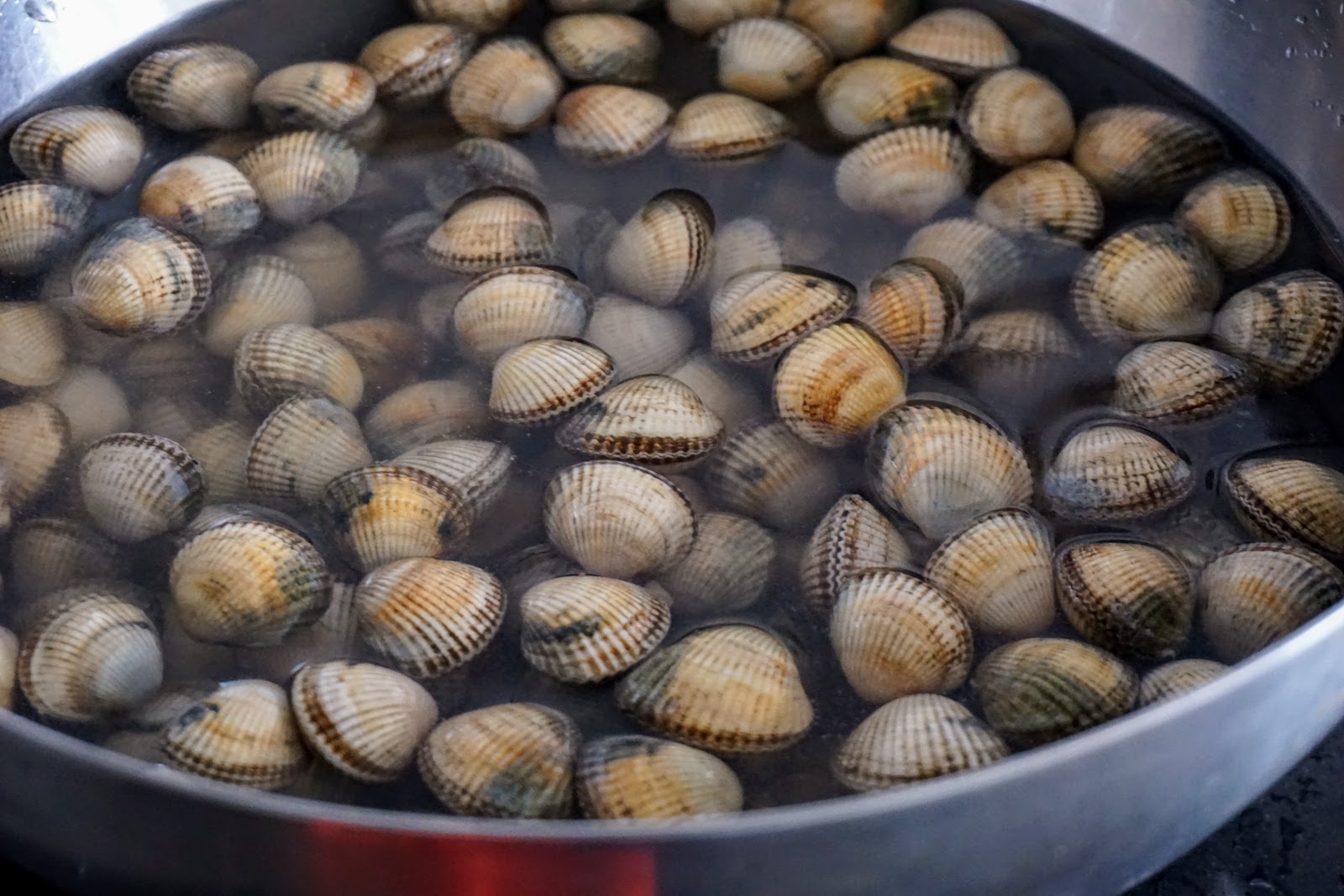
    Tulya (clams) are typically cooked in Philippine cuisine using methods like sautéing and boiling, which preserve their flavors and textures. These methods are integral to Filipino clam dishes, such as Tinolang Tulya, which involves sautéing garlic, onion, and ginger, then adding clams, water, and fish sauce, and simmering until the clams open up. Another common method is boiling clams in medium heat, which is used in dishes like Sinigang na Halaan and Ginataang Halaan. These cooking methods capture the essence of Filipino cuisine, ensuring that the flavors and textures of the clams are preserved and celebrated.

    Key Takeaways

    • Tulya (clams) have a deep historical and cultural significance in Philippine cuisine, reflecting the reliance of indigenous communities on nature’s bounties.
    • Clams are a cornerstone of Filipino cuisine, especially in hearty soups that have sustained generations, carrying the flavors and stories of the past.
    • Each region in the Philippines offers a unique selection of clam species, contributing to the diverse flavors in Filipino cuisine.
    • Cooking methods for tulya in Philippine cuisine include sautéing and boiling, which preserve the flavors and textures of the clams and are integral to Filipino clam dishes.

    Historical Significance

    With its roots deeply intertwined in the history of Philippine cuisine, the significance of cooking tulya (clams) spans centuries and embodies the rich cultural heritage of the archipelago. Fresh clams aren’t just ingredients; they represent a deep connection to the land and sea, reflecting the indigenous communities’ reliance on the bounties of nature.

    Clams have been a cornerstone of Filipino cuisine, especially in the creation of hearty soups that have sustained generations. The historical significance of cooking tulya is evident in the traditional recipes passed down through time, each carrying the flavors and stories of the past.

    In Filipino communities, the act of preparing clams is more than just a culinary practice; it’s a celebration of history, tradition, and the enduring spirit of the Filipino people.

    Regional Varieties

    When it comes to cooking Tulya (Clams) in Philippine cuisine, regional varieties play a crucial role in shaping the diverse flavors and cooking methods.

    Each region in the Philippines offers a unique selection of clam species, contributing to the rich tapestry of flavors found in Filipino cuisine.

    From the abundance of clams in coastal areas like Visayas and Mindanao to the varied cost and availability across different regions, the regional variations in clam dishes highlight the cultural and culinary heritage of the Philippines.

    Cooking Methods

    Explore the diverse regional varieties of clams in Filipino cuisine, each offering a unique tapestry of flavors and textures that have influenced traditional and modern clam dishes. When it comes to cooking methods, Filipino cuisine showcases a range of techniques to bring out the best in clams. A popular dish, Tinolang Tulya, involves sautéing garlic, onion, and ginger until fragrant, then adding clams, water, and fish sauce, and simmering until the clams open up, before adding spinach or chili leaves and seasoning with salt and pepper.

    Another common method is boiling clams in medium heat, which is used in dishes like Sinigang na Halaan and Ginataang Halaan. These methods capture the essence of Filipino cuisine, ensuring that the flavors and textures of the clams are preserved and celebrated.

    Cooking Methods Description
    Sautéing Garlic, onion, and ginger are sautéed until fragrant, then clams, water, and fish sauce are added
    Boiling Clams are boiled in medium heat, often used in dishes like Sinigang na Halaan and Ginataang Halaan

    These cooking methods are integral to the rich tapestry of Filipino clam dishes, preserving their cultural significance and ensuring a delightful culinary experience.

    Flavor Variations

    Regional varieties of clams in Filipino cuisine offer a diverse tapestry of flavors, each reflecting the unique culinary heritage of the Philippines. When it comes to tulya, the wedge shell clam, its flavor variations are a testament to the rich and varied Filipino culinary landscape.

    Here are some distinct flavor variations you can expect to find:

    1. Ginger and Onion: In some regions, tulya is cooked with a generous amount of ginger and onion, imparting a warm and aromatic flavor to the dish.
    2. Fish Sauce: Other areas prefer to enhance the natural brininess of tulya with the umami richness of fish sauce, creating a deeply savory profile.
    3. Regional Spices: Depending on the locality, a myriad of regional spices and herbs are used, adding layers of complexity to the tulya dishes, making each bite a culinary adventure.

    Traditional Clam Dishes

    Now, let’s talk about the mouthwatering traditional clam dishes that have been cherished for generations in Filipino cuisine.

    From the comforting Tinolang Tulya to the flavorful Sinigang na Halaan, these recipes showcase the rich flavors and cultural heritage of the Philippines.

    The cooking methods and unique ingredient pairings in these dishes reflect the creativity and innovation of Filipino chefs in preserving and reimagining traditional clam recipes.

    Popular Clam Recipes

    Indulge in the rich flavors of traditional Filipino cuisine with a tantalizing array of clam dishes, each bursting with unique aromas and textures. These popular clam recipes are beloved for their ability to capture the essence of Philippine coastal living and the Filipino love for seafood.

    Experience the warmth and comfort of Tinolang Tulya, a savory seafood soup featuring fresh clams immersed in a ginger-infused broth. Let your taste buds dance with Sinigang na Halaan, a sour soup brimming with the delightful flavors of clams, tamarind, and fresh vegetables.

    Delight in the creamy richness of Ginataang Halaan, where clams are cooked in a luscious coconut milk sauce, creating a dish that’s both indulgent and comforting. These beloved clam recipes are a true celebration of Filipino culinary heritage.

    Cooking Methods

    Embrace the vibrant flavors of traditional Filipino cuisine as you explore the art of cooking Tulya (clams) using time-honored methods that have been cherished for generations.

    In Filipino cuisine, the cooking methods for Tulya are deeply rooted in tradition. For the beloved dish Tinolang Halaan, fresh clams are meticulously cleaned by scrubbing their shells under running water. The clams are then simmered in a fragrant ginger-based broth until they delicately open up, releasing their briny essence into the soup.

    This process allows the clams to infuse the broth with their natural flavors, resulting in a truly authentic experience. Additionally, incorporating cloves of garlic into the broth enhances the overall aroma and taste of the dish, adding a layer of depth to the already rich flavors of the Tulya.

    These time-honored cooking methods showcase the intricate and mindful approach to preparing traditional clam dishes in Filipino cuisine.

    Modern Interpretations

    With a passionate embrace of culinary innovation, Filipino chefs are infusing traditional clam dishes with contemporary flair, exploring unique ingredient pairings and inventive cooking methods. In modern interpretations of Filipino cuisine, tulya (clams) are taking center stage in a culinary renaissance, offering a delightful fusion of flavors and techniques.

    Culinary Fusion:

    Chefs are blending Filipino culinary traditions with international flavors, creating innovative clam dishes that appeal to a diverse audience.

    Artistic Presentation:

    Modern presentation techniques and artistic plating elevate clam dishes, turning them into visually stunning creations that showcase the creativity and artistry of Filipino gastronomy.

    Sustainable Creativity:

    Innovative dishes celebrate the natural essence of clams while promoting responsible culinary practices, reflecting a deep respect for the environment and local ingredients.

    These modern interpretations of tulya (clams) in Filipino cuisine are redefining the traditional soup dish, captivating both local and international diners with their inventive and culturally rich approach.

    Sustainability and Cuisine

    Sustainability in cuisine involves actively considering the environmental impact of food production, sourcing, and consumption, promoting a deep respect for local ecosystems and communities while minimizing harm to the environment.

    In the context of Filipino cuisine and the cooking of tulya (clams), sustainability plays a crucial role in preserving the delicate balance of marine ecosystems. It calls for responsible sourcing of seafood, supporting ethical fishing practices, and minimizing waste in food preparation.

    By valuing the sustainability of seafood, such as clams, in traditional Filipino dishes, we can contribute to the preservation of ocean biodiversity and the livelihoods of local fishing communities.

    Embracing sustainable practices in Filipino cuisine not only honors cultural traditions but also ensures the long-term availability of essential ingredients, safeguarding the rich culinary heritage for generations to come.

    Clam Soup Recipe (Tinolang Halaan)

    In Filipino coastal kitchens, the aroma of Tinolang Tulya, a comforting clam soup simmering with ginger-infused broth, fills the air, invoking a deep sense of tradition and nourishment.

    This beloved dish reflects the heart of Filipino cuisine, blending the freshness of clams with the warmth of ginger in a soul-soothing broth. The recipe captures the essence of coastal living, where the sea provides an abundance of flavorful clams.

    The process of cooking Tinolang Tulya is a cultural celebration, as each ingredient is carefully combined to create a harmonious blend of flavors. The soup not only satisfies the palate but also nourishes the body, making it a go-to comfort food during chilly weather or times of illness.

    Cooking Tinolang Tulya is an art that brings together the essence of Filipino coastal life in a single, heartwarming bowl.

    Clam Soup

    How do you capture the essence of the sea in a single bowl? In Filipino cuisine, clam soup, known as Tinolang Tulya, accomplishes just that.

    This beloved dish combines the freshness of clams with the warmth of ginger-based broth, reflecting the coastal abundance of seafood in the Philippines.

    The soup not only satisfies the Filipino love for seafood but also offers a nutritious option, particularly during colder weather or when feeling under the weather.

    To prepare this comforting delicacy, gather fresh clams, ginger, onion, garlic, fish sauce, and spinach or chili leaves.

    Each spoonful offers a burst of natural flavors from the clams and a hint of warmth from the ginger.

    This soup, with its roots in Filipino food culture, is a testament to the country’s rich culinary heritage.

    What Are Some Merienda Pastries that Pair Well with Tulya (Clams) in Filipino Cuisine?

    Some of the top Philippine merienda pastries that pair well with tulya (clams) in Filipino cuisine are pandesal, bibingka, and turon. The soft, warm pandesal complements the rich flavor of the clams, while the sweet and crispy turon offers a delightful contrast. Bibingka adds a savory and delightful touch to the meal.

    Manila Clam and Mussel Tinola Recipe

    Gather your fresh Manila clams and mussels, infuse your kitchen with the aromas of ginger and onion, and prepare to savor the exquisite flavors of a traditional Filipino soup – Manila Clam and Mussel Tinola.

    This recipe brings the heartwarming essence of Filipino cuisine to your table, offering a symphony of flavors that dance on your taste buds.

    Here’s how to create this beloved dish:

    1. Start by simmering ginger and onion to create a fragrant base for the soup.
    2. Add fennel to infuse the broth with an extra layer of aromatic depth.
    3. Introduce mussels, clams, baby spinach, and a dash of red pepper flakes for a spicy kick, resulting in a light and refreshing soup that’s perfect for any occasion.

    Immerse yourself in the rich culinary heritage of the Philippines with each spoonful of this Manila clam and mussel tinola.

    Frequently Asked Questions

    How Do Manila Clams Eat?

    You eat Manila clams by steaming them in a flavorful ginger-based broth until they open up. Discard any unopened ones. Enjoy this traditional Filipino dish, Tinolang Tulya, hot with steamed rice for a comforting and flavorful meal.

    What Is the Difference Between Manila Clams and Littleneck Clams?

    Littleneck clams are smaller and sweeter than Manila clams, which are larger and more briny. Manila clams are commonly used in Asian dishes, like sinigang and tinola, due to their robust flavor and meaty texture.

    What Do Manila Clams Taste Like?

    Manila clams boast a delicate, briny flavor with a hint of sweetness. They offer a tender texture and absorb the essence of the broth or seasonings they’re cooked in. Their taste is often described as a mix of oceanic and slightly nutty notes.

    Do You Need to Soak Clams Before Cooking?

    Before cooking clams in Philippine cuisine, you definitely need to soak them. Soaking helps release sand and impurities, preserving natural flavors. It’s time-consuming but essential for a clean, delightful clam soup.

    Conclusion

    In conclusion, Tulya (clams) are a beloved ingredient in Philippine cuisine, especially in dishes like Tinolang Tulya. The rich flavors and nourishing qualities of this seafood soup make it a favorite among Filipinos, particularly in coastal areas.

    The tradition of cooking clams in various dishes reflects the cultural significance of seafood in Filipino cuisine. With its nutrient-packed ingredients and delicious taste, Tinolang Tulya is a must-try dish for anyone looking to experience the vibrant flavors of the Philippines.

  • What Makes Wasay-Wasay (Spiny Oyster) a Unique Delicacy in the Philippines?

    What Makes Wasay-Wasay (Spiny Oyster) a Unique Delicacy in the Philippines?

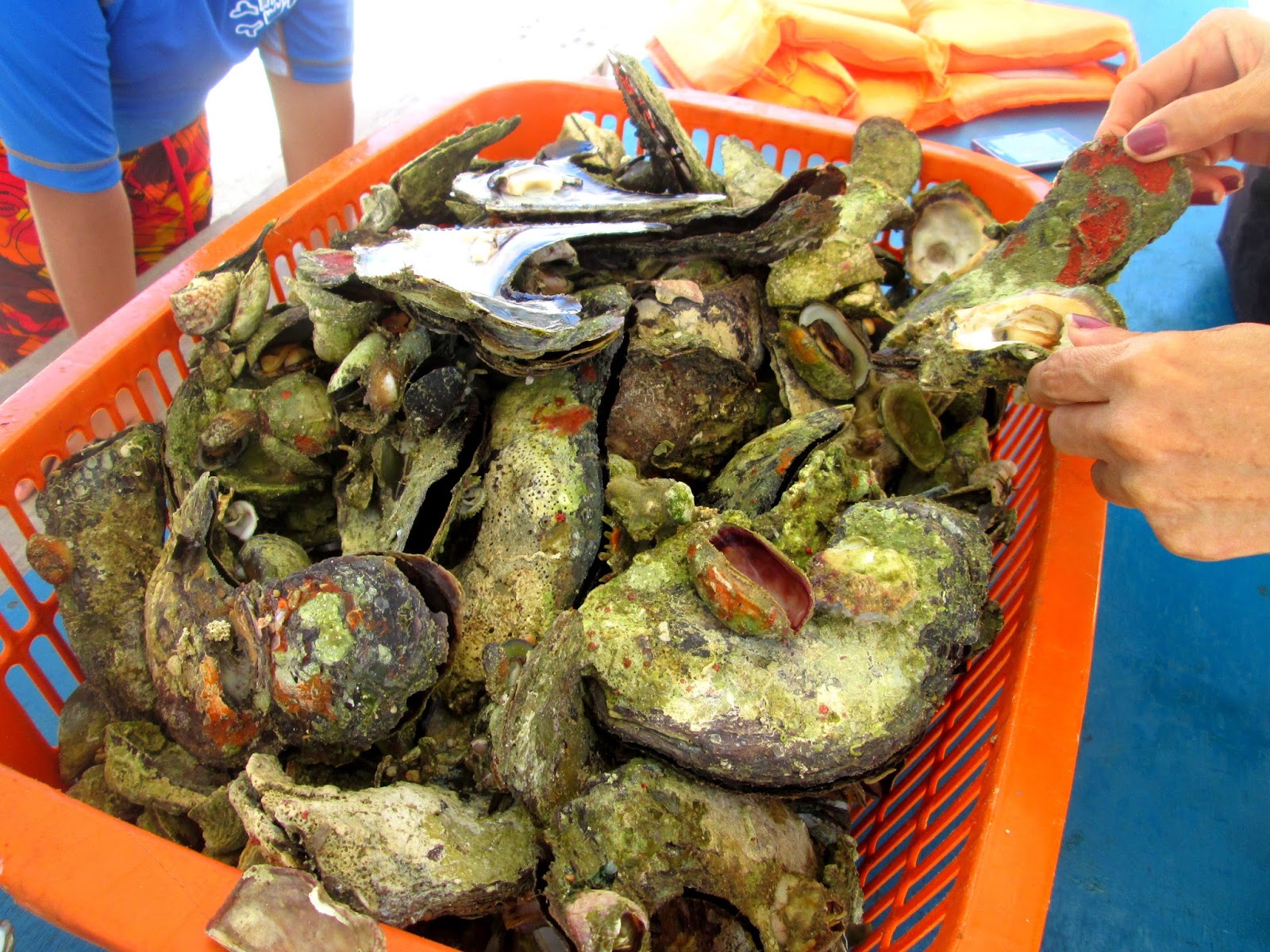
    Wasay-wasay, also known as black lip oyster, is a unique seafood delicacy from Bantayan Island in the Philippines. It literally translates to “axe-axe”. Wasay-wasay is often prepared using traditional cooking methods like sugba (grilled), tuwa (boiled), or even as a raw kinilaw. It’s considered a local specialty and a taste of the island’s culture.

    Elaboration:

    What it is:
    Wasay-wasay refers to the black lip oyster, a type of oyster found in the waters of Bantayan Island.
    Why it’s unique:
    This seafood is a local specialty on Bantayan Island, showcasing the island’s unique culinary traditions.
    How it’s prepared:
    Wasay-wasay can be cooked in various ways, including sugba (grilled), tuwa (boiled), or as a raw kinilaw (prepared with vinegar and spices).
    Cultural significance:
    The preparation and consumption of Wasay-wasay often reflect the island’s cultural heritage and pre-colonial cooking practices, as noted in a Waterfront Hotels & Casinos article.

    Origins of Wasay-Wasay

    The origins of Wasay-Wasay date back to the rich and diverse marine waters of the Philippines, where this remarkable species thrives in its natural habitat. Scientifically known as the spiny oyster, Wasay-Wasay is commonly used for pearl aquaculture, and it’s renowned for producing exquisite pink pearls. Its significance in the jewelry industry is undeniable, as it’s valued for its ability to create Mabe pearls, making it a sought-after species.

    The warm, tropical waters of the Philippines provide the perfect environment for the Wasay-Wasay to flourish, contributing to the country’s reputation as a hub for pearl production. The unique delicacy of Wasay-Wasay lies in its capacity to produce these beautiful pearls, adding a touch of elegance and allure to the jewelry crafted from them.

    Culinary Uses and Flavors

    With its sweet and succulent flavor, the Wasay-Wasay meat is a prized ingredient in Filipino cuisine, adding a touch of elegance to traditional dishes. Its delicate texture and briny, oceanic taste make it a versatile ingredient in seafood recipes, while its vibrant color and unique taste make it a standout element in Filipino dishes.

    The meat is commonly used in dishes such as kinilaw (Filipino ceviche) or simply grilled with garlic and butter, allowing its natural flavors to shine through. Additionally, it can be added to soups and stews to enhance their flavors, contributing a depth of taste that’s both distinct and satisfying.

    The Wasay-Wasay’s culinary uses and flavors not only celebrate the richness of Filipino cuisine but also offer a delightful and unforgettable dining experience.

    Cultural Significance

    Exemplifying enduring cultural heritage and spiritual significance, the Wasay-Wasay, or spiny oyster, holds a revered place in the traditions of indigenous peoples across the Americas.

    Its cultural significance spans thousands of years, with archaeological evidence dating back to 4200 BCE showcasing its importance in rituals, cuisine, and even as a form of currency.

    The Quechua and Inca civilizations considered spiny oyster shells as sacred offerings to their gods, underscoring their deep cultural and spiritual significance. These shells were also extensively traded, reflecting their role in ancient trade and cultural exchange.

    Today, the use of spiny oyster shells in Native American jewelry styles continues to emphasize their enduring importance in indigenous cultures, further solidifying their cultural significance and the profound impact they’ve had on the traditions and beliefs of indigenous communities across the Americas.

    Harvesting and Preparation Methods

    Harvesting and preparing Wasay-Wasay, or spiny oysters, requires a deep respect for tradition and a meticulous approach to extracting and processing the vibrant shells.

    The process is a labor of love, involving skilled divers handpicking the oysters from depths of 30 to 150 meters. Once harvested, the oyster meat is carefully extracted and cleaned for consumption or crafting into exquisite jewelry pieces.

    The shells undergo meticulous processing to reveal their stunning colors and patterns, a task that demands patience and precision. Artisans then expertly craft the spiny oyster shells into various jewelry pieces like beads, pendants, and earrings, often pairing them with materials like silver or turquoise to create unique and stylish adornments.

    It’s a tradition that honors the natural beauty of the spiny oyster and showcases the artistry of Filipino craftsmanship.

    What Makes Wasay-Wasay a Unique Delicacy Compared to Other Regional Specialties in the Philippines?

    Wasay-wasay is a unique delicacy compared to other regional specialties in the Philippines because of its distinct flavor and cooking method. Unlike batangas lomi sa malabon, wasay-wasay is made from fresh oysters cooked in coconut milk, giving it a rich and creamy taste that sets it apart from other dishes.

    Sustainability and Conservation

    To ensure the long-term availability of spiny oysters, sustainable harvesting practices are crucial, especially given the depths from which they are handpicked in the ocean. Conservation efforts should focus on protecting the habitats of spiny oysters, such as the Gulf of California, the Gulf of Mexico, and the Caribbean Ocean, to maintain their population.

    Collaboration with local communities and indigenous groups can aid in developing sustainable management plans for spiny oyster populations, respecting their cultural significance and historical use. Proper regulation of spiny oyster harvesting and trade is essential to prevent overexploitation and ensure the species’ survival for future generations.

    Public awareness and education campaigns about the value of spiny oysters in ecosystems and indigenous cultures can encourage support for conservation measures.

    Conservation Efforts Importance
    Protecting habitats Maintaining population
    Collaborating with local communities Developing sustainable management plans
    Regulating harvesting and trade Preventing overexploitation
    Public awareness campaigns Encouraging support for conservation

    Frequently Asked Questions

    Why Is Spiny Oyster so Expensive?

    Spiny oysters are expensive due to their challenging harvest, vibrant natural colors, and historical significance. Their rarity and value come from being used in rituals, jewelry making, and pearl production, making them highly sought after.

    What Is the History of Spiny Oyster Shells?

    Spiny oyster shells hold a rich history, dating back to ancient times. Used in rituals, food, and currency, they’re found in the Gulf of Mexico and Caribbean. Their cultural significance spans indigenous cultures across the Americas.

    What Are the Metaphysical Properties of Spiny Oyster Shell?

    Feeling stressed? Wearing spiny oyster jewelry might help. It’s believed to bring calmness and enhance awareness. Some say it promotes emotional balance, inner harmony, and aids in meditation. It’s like carrying a piece of tranquility with you.

    What Is the Spiritual Meaning of the Spiny Oyster?

    The spiritual meaning of the spiny oyster lies in its connection to the sea and the energy of life. Its vibrant colors symbolize vitality and creativity, while its presence invokes a sense of harmony and balance.

    Conclusion

    So next time you’re in the Philippines, make sure to try the unique delicacy that’s Wasay-Wasay.

    Its spiny exterior protects the soft and flavorful meat inside, making it a sought-after dish in Filipino cuisine.

    Whether it’s cooked in kinilaw or grilled with garlic and butter, the combination of its distinct appearance and delicious taste will leave you craving for more.

    Don’t miss out on this culinary gem during your visit to the Philippines!

  • How Is Hipon (Shrimp) Used in Philippine Seafood Specialties?

    How Is Hipon (Shrimp) Used in Philippine Seafood Specialties?

    Hipon (shrimp) is a key ingredient in various Philippine seafood specialties, including Ginataang Hipon, Sinigang na Hipon, and Sizzling Gambas. It is often cooked with coconut milk for a rich and creamy flavor, or in sour broths like tamarind and tomatoes for tanginess. Shrimp can also be deep-fried into Crispy Hipon Fritters, adding a delightful crunch and seasoned batter. The versatility of shrimp allows for its use in a wide range of dishes, showcasing its succulent taste and nutritional benefits.

    Key Takeaways

    • Coconut milk is a key ingredient in many shrimp dishes, such as Ginataang Hipon, and adds a rich and creamy flavor to the dish.
    • Sinigang na Hipon is a popular sour shrimp soup that showcases the tangy and sour flavors of tamarind, tomatoes, and onions.
    • Shrimp can be cooked in aromatic and spicy dishes like Sizzling Gambas, where it is cooked with garlic, onions, and bell peppers to create a flavorsome sauce.
    • Deep-fried shrimp, like Crispy Hipon Fritters, is a versatile dish that can be served as an appetizer or main course and is loved for its delightful crunch and seasoned batter.

    Traditional Ginataang Hipon Recipe

    If you want to experience the authentic flavors of Filipino cuisine, the traditional Ginataang Hipon recipe is a must-try dish that brings together the richness of coconut milk and the succulent taste of shrimps.

    This Filipino recipe, also known as Sinigang na Hipon, showcases the perfect blend of creamy coconut milk, tender shrimp, and a hint of spice.

    To achieve the rich taste, it’s essential to cook the coconut milk until it almost turns into oil. Opt for freshly grated coconut instead of packaged coconut milk for an even better flavor.

    When sautéing garlic and ginger, be careful not to burn them to avoid a bitter taste in your Ginataang Hipon. Additionally, ensure not to overcook the shrimps and adjust the spiciness of chilies to your liking.

    The versatility of this dish allows for variations, including the addition of different vegetables and seafood, making it a true Filipino culinary gem.

    Sinigang Na Hipon: a Sour Delight

    Sinigang Na Hipon, a beloved Filipino seafood dish, delights with its tangy and sour flavors, creating a culinary experience that tantalizes the taste buds. This classic sour soup showcases the natural sweetness of shrimp, combined with the tang of tamarind, tomatoes, and onions, creating a harmonious balance of flavors.

    Each spoonful offers a burst of sourness, complemented by the sweetness of the shrimp and the medley of vegetables. The dish’s versatility allows for regional variations, with different souring agents and vegetable choices, adding to its rich tapestry of flavors.

    Sinigang Na Hipon isn’t just a delight for the taste buds; it’s also a nutritious choice, packed with essential vitamins, minerals, and omega-3 fatty acids from the shrimp. It’s a dish that embodies the heart and soul of Philippine seafood specialties.

    Hipon in Sizzling Gambas

    Savor the irresistible aroma of sizzling shrimp as it mingles with the robust flavors of garlic, onions, and bell peppers in the delectable Filipino dish known as Hipon in Sizzling Gambas.

    This popular seafood specialty showcases the succulent shrimp cooked to perfection in a sizzling and flavorsome sauce, creating a dish that tantalizes the taste buds. The combination of fresh Hipon, aromatic garlic, and the vibrant colors of bell peppers make for an eye-catching and appetizing presentation.

    Sizzling Gambas is celebrated for its ability to deliver a delightful blend of spicy, tangy, and savory flavors that complement the natural sweetness of the shrimp. Whether enjoyed as an appetizer or a main course with steamed rice, this Filipino food classic, with its customizable spice levels, promises a memorable dining experience.

    Crispy Hipon Fritters

    Deep-fried to golden perfection, Crispy Hipon Fritters are a beloved Filipino seafood delicacy that captivates with their delightful crunch and flavorful shrimp filling. These fritters are a staple in Filipino cuisine, showcasing the versatility and deliciousness of shrimp. They’re often served as an appetizer or main dish, providing a satisfying seafood experience.

    The shrimp are coated in a seasoned batter, creating a delightful crunchy texture that’s enhanced with various spices and herbs, adding depth and complexity to the flavor profile. Crispy Hipon Fritters are a crowd-pleasing dish, perfect for gatherings and celebrations, making them an integral part of Filipino food culture.

    Whether enjoyed with a dipping sauce or as a standalone dish, these fritters highlight the exquisite taste of hipon in Filipino cuisine.

    Hipon in Kare-Kare: A Unique Twist

    Taking a flavorful departure from the crispy fritters, the unique twist of Hipon in Kare-Kare showcases a delightful fusion of shrimp and savory peanut sauce, adding a distinct dimension to this beloved Filipino dish.

    In this variation, tender and succulent hipon are gently simmered in a rich, thick sauce made from ground peanuts, creating a delectable contrast of flavors and textures.

    The sweetness of the shrimp harmonizes with the nutty undertones of the peanut sauce, resulting in a dish that’s both comforting and indulgent.

    The addition of hipon to Kare-Kare not only elevates the traditional flavors but also introduces an enjoyable seafood element to this iconic Filipino food.

    Whether enjoyed with steamed rice or the customary bagoong (shrimp paste), this hipon-infused Kare-Kare offers a delightful twist to seafood enthusiasts and Filipino cuisine aficionados.

    Hipon in Pinakbet: A Flavorful Addition

    You’re about to discover how adding hipon to pinakbet can elevate the flavors of this classic Filipino dish.

    The natural sweetness and umami of the shrimp will complement the earthy flavors of the vegetables, creating a delightful harmony of tastes.

    Get ready to experience a burst of savory goodness with every bite as the hipon infuses its essence into every element of the dish.

    Pinakbet Flavor Enhancement

    Enhance the traditional Filipino dish of Pinakbet with the flavorful addition of Hipon, elevating its taste with a natural sweetness and seafood essence.

    When preparing Pinakbet, consider the following to enhance its flavor:

    • Incorporate fresh Hipon to infuse the dish with a rich, seafood flavor.
    • Add coconut milk to create a creamy base that complements the natural sweetness of the shrimp.
    • Ensure not to overcook the Hipon, preserving its tender texture and sweet taste.
    • Experiment with regional variations of Pinakbet, incorporating Hipon to add a unique twist and enhance the overall flavor profile.

    Hipon’s Role

    Infuse your traditional Filipino dish of Pinakbet with the rich, seafood essence of Hipon, elevating its flavor profile with a natural sweetness and satisfying depth.

    The addition of shrimp brings a delightful seafood flavor to this classic Filipino vegetable stew. When combined with coconut milk, garlic, ginger, and chili peppers, Hipon adds a savory richness that enhances the overall taste experience.

    The shrimp’s protein and omega-3 fatty acids, along with the healthy fats from coconut milk, make this dish not only delicious but also nutritious.

    The combination of tender shrimp and creamy coconut milk creates a harmonious blend, adding depth to the dish while maintaining its authentic Filipino essence.

    Hipon truly plays a vital role in elevating the flavors of this beloved Filipino food, making it a delightful and wholesome culinary experience.

    Hipon in Seafood Paella: A Taste of Spain

    You’re in for a treat as we explore the tantalizing combination of hipon in a classic Seafood Paella, offering a delectable taste of Spain.

    Picture succulent shrimp nestled in a bed of saffron-infused rice, mingling with an assortment of other fresh seafood to create a symphony of flavors.

    The Spanish influence in this dish brings a unique twist to the familiar Filipino hipon, making it a must-try for seafood enthusiasts.

    Hipon in Paella

    Hipon, a flavorful and versatile seafood ingredient, plays a central role in adding depth and richness to the traditional Spanish dish of Paella, creating a delightful fusion of Filipino and Spanish culinary influences.

    When it comes to Paella, the succulent hipon is a key component that enhances the overall seafood flavor and texture of this iconic Spanish dish. The juicy and tender hipon adds a delightful pop of briny sweetness to the dish, elevating its taste to a whole new level. The vibrant color and plumpness of the hipon make for an appealing visual in the Paella.

    As the Paella simmers, the hipon releases its natural flavors, infusing the entire dish with a delectable seafood essence.

    Spanish Influence

    Drawing from its rich Spanish influence, the succulent hipon takes on a new role in the aromatic Seafood Paella, infusing the dish with a delightful fusion of flavors and textures.

    The Spanish introduced paella to the Philippines, and it has since become a beloved dish, reflecting the enduring influence of Spanish cuisine.

    In this delectable seafood paella, the tender hipon adds a touch of sweetness and a hint of brininess, complementing the savory flavors of the dish.

    The vibrant colors of the shrimp also contribute to the visual appeal of the paella, making it a feast for the eyes as well as the taste buds.

    With each bite, the plump hipon delivers a burst of seafood goodness, epitomizing the harmonious blend of Spanish and Filipino culinary traditions in Philippine seafood specialties.

    Flavorful Seafood Dish

    Incorporating the succulent hipon into Seafood Paella creates a flavorful fusion of Spanish and Filipino culinary traditions. The hipon, or shrimp, in Seafood Paella offers a delightful burst of seafood flavor, complementing the dish’s medley of rice, vegetables, and aromatic spices. Each bite of Seafood Paella with hipon brings a perfect balance of tender shrimp, savory rice, and a delightful hint of saffron.

    The juicy hipon in Seafood Paella adds a succulent texture, enriching every mouthful with its delectable taste. The shrimp’s natural sweetness infuses the paella with a rich depth of flavor, making it a true standout in the realm of Philippine seafood specialties.

    How Can I Use Hipon (Shrimp) in Cebu’s Sugba-Sugba (Grilled Seafood) Dish?

    Hipon, hailed as one of the key ingredients in Cebu’s sugbasugba, brings a sweet, oceanic burst to this beloved grilled seafood feast. Skewer these succulent shrimp alongside fresh catch, marinate in a blend of local spices, and char to perfection over hot coals for a true Filipino delicacy.

    Hipon in Filipino-style Tempura

    With its light, crispy batter and succulent marinated shrimp, Filipino-style Tempura showcases the delicate flavors of the hipon in a satisfyingly crunchy dish. The shrimp, marinated in a blend of soy sauce, calamansi juice, and garlic, are then coated in a light tempura batter, typically made with flour, cornstarch, baking powder, and ice-cold water to achieve the desired texture.

    Once fried until crispy, the dish is often served with a side of sweet and tangy dipping sauce made from vinegar, soy sauce, sugar, and garlic. This combination results in a delightful contrast of flavors and textures, highlighting the natural sweetness of the shrimp.

    Filipino-style Tempura encapsulates the essence of Filipino food, incorporating the rich flavors of the sea with the subtle creaminess of coconut milk to create a truly remarkable dish.

    Frequently Asked Questions

    Is Hipon a Seafood?

    Yes, hipon is indeed a seafood! It’s a versatile ingredient in Filipino cuisine, featuring in dishes like Ginataang Hipon and Sinigang na Hipon. Its delicate flavor and health benefits make it a popular choice.

    Where Did Sinigang Na Hipon Originate From?

    Sinigang na Hipon is a classic Filipino recipe, believed to have originated during the Spanish colonial period. It’s a traditional seafood soup with shrimp as the main ingredient, known for its tangy and sour flavor.

    Where Did Hipon Come From?

    Hipon, a staple in Filipino cuisine, comes from the abundant coastal waters of the Philippines. It’s used in a variety of seafood specialties, like Sinigang na Hipon, bringing a delightful flavor to traditional dishes.

    How to Cook Shrimp Like a Restaurant?

    To cook shrimp like a restaurant, start by ensuring your shrimp are fresh and properly cleaned. Then, season them generously and cook them quickly over high heat to achieve a perfect sear and juicy texture. Enjoy!

    Conclusion

    In conclusion, hipon (shrimp) is a versatile and delicious ingredient in Philippine seafood specialties. Whether it’s cooked in creamy coconut milk in Ginataang Hipon, or in a tangy tamarind-based broth in Sinigang na Hipon, the sweet and succulent flavor of shrimp shines through in every dish.

    From sizzling gambas to crispy fritters, hipon adds a unique and flavorful twist to traditional Filipino cuisine, making it a favorite among seafood lovers in the Philippines.

  • What Are Some Traditional Ways of Cooking Tahong (Mussels) in the Philippines?

    What Are Some Traditional Ways of Cooking Tahong (Mussels) in the Philippines?

    Traditional ways of cooking Tahong (Mussels) in the Philippines include soup-based recipes like Tinolang Tahong and Filipino-Style Mussel Soup, as well as methods like cooking in coconut milk, baking, steaming, grilling, and frying, each offering unique flavors and textures.

    Key Takeaways

    • Traditional soup-based recipes such as Tinolang Tahong and Filipino-Style Mussel Soup are popular ways of cooking Tahong (Mussels) in the Philippines.
    • Fresh mussels are essential for these recipes and contribute to the overall flavor and quality of the dish.
    • Seasoning and garnishing play a crucial role in elevating the flavor profile of Mussel Soup, enhancing the taste and presentation.
    • Apart from soup-based recipes, there are various other cooking methods for Tahong, including cooking in coconut milk, baking, steaming, grilling, and frying, each offering a unique taste and texture.

    Tinolang Tahong Recipe

    To cook a delicious Tinolang Tahong, start by sautéing onion, garlic, and ginger in a pot to release their aromatic flavors. Once the onions are soft, add fresh mussels and let them simmer until they start to open.

    Then, pour in water and bring it to a gentle boil. Enhance the soup with the addition of long green pepper and hot pepper leaves or spinach. These ingredients not only add flavor but also provide essential nutrients.

    Season the soup with ground black pepper and fish sauce or salt to your liking. The combination of the briny mussels, the earthy ginger, and the tangy tomatoes creates a classic Filipino soup that’s both comforting and nourishing.

    This Tinolang Tahong is a perfect dish to warm your soul on a chilly evening.

    Filipino-Style Mussel Soup (Sabaw Ng Tahong)

    Now, let’s talk about creating a flavorful broth base for your Filipino-style Mussel Soup.

    It all starts with sautéing the onion, garlic, and ginger to build a robust foundation of flavor.

    Once the broth is ready, the key is to use fresh mussels to ensure the authentic taste of this beloved Filipino dish.

    Then, the seasoning and garnishing with long green pepper, hot pepper leaves, ground black pepper, and fish sauce or salt will elevate the overall taste of your Sabaw Ng Tahong to perfection.

    Flavorful Broth Base

    Enhance the flavor of your Filipino-style mussel soup by sautéing onion, garlic, and ginger to create a rich and aromatic broth base.

    As the onions caramelize, the garlic releases its pungent aroma, and the ginger adds a subtle heat, infusing the broth with layers of deep, savory flavors.

    The fragrance of the ocean emanates as the fresh mussels simmer in the broth, imparting their unique and briny essence to the soup.

    The addition of long green pepper and hot pepper leaves or spinach elevates the broth, providing a hint of spiciness and earthy undertones.

    The resulting sinabawang tahong is a testament to the vibrant and robust flavors of Filipino cuisine, capturing the essence of the sea in every spoonful.

    Fresh Mussels Essential

    Using the freshest mussels is essential for creating an authentic and flavorful Filipino-style Mussel Soup (Sabaw Ng Tahong). In the Philippine tradition, the key ingredients for this dish include ginger, onion, garlic, and long green pepper.

    To cook, start by sautéing onion, garlic, and ginger to enhance the flavors, then add the fresh mussels and continue sautéing until the onion softens. After adding the mussels, pour water and allow it to boil, then include long green pepper and hot pepper leaves or spinach. Season the soup with ground black pepper and fish sauce or salt to taste.

    For a variation, consider adding canned tomatoes, chili peppers for spiciness, or other vegetables besides spinach. This personalized touch can elevate the traditional Filipino-style Mussel Soup to suit your preferences.

    Seasoning and Garnishing

    To elevate the Filipino-style Mussel Soup (Sabaw Ng Tahong), consider garnishing the dish with fresh hot pepper leaves or spinach, adding a burst of color and enhancing the overall flavor profile.

    Here are some ways to take your mussel soup to the next level:

    1. Sprinkle ground black pepper and add a dash of fish sauce or salt to bring out the natural flavors of the mussels and other ingredients.
    2. Consider adding a squeeze of calamansi juice for a tangy and refreshing twist to the soup.
    3. Just before serving, sprinkle some chopped green onions on top of the soup for a burst of fresh, aromatic flavor.

    These additions won’t only add depth to the soup but also create a visually appealing dish that’s bursting with fresh and vibrant flavors.

    Mussels in Clear Broth

    Infuse your mussels with the aromatic base of sautéed onion, garlic, and ginger, creating a flavorful foundation for the clear broth. As the onion softens, the mussels absorb the rich flavors, enhancing their natural taste.

    Pour water and bring it to a boil, allowing the mussels to cook and meld with the savory broth. The addition of long green pepper and hot pepper leaves or spinach adds a layer of depth and freshness to the dish, elevating its traditional essence.

    Season the broth with ground black pepper and fish sauce or salt, adjusting to your preference for a delightful and savory finish. This classic method of cooking mussels in a clear broth captures the authentic flavors of the Philippines, offering a comforting and satisfying dish that celebrates the natural sweetness of the mussels.

    Sinabawang Tahong (Filipino Mussel Soup) Recipe

    You’ll love the rich, savory flavors of Sinabawang Tahong, a comforting Filipino mussel soup.

    The broth-based cooking method infuses the mussels with the aromatic blend of sauteed onion, garlic, and ginger.

    As the mussels simmer and soak up the flavors, the addition of long green pepper and hot pepper leaves or spinach adds a delightful touch of heat and freshness to this steamed mussels dish.

    Broth-Based Cooking Method

    Enhance the savory flavors of sinabawang tahong by sautéing a medley of onion, garlic, and ginger in the soup base, creating a rich and aromatic broth.

    Add fresh mussels, water, long green pepper, and hot pepper leaves or spinach to the broth.

    Season the sinabawang tahong with ground black pepper and fish sauce or salt for a savory taste.

    As the ingredients simmer together, the enticing aroma fills the air, evoking feelings of warmth and comfort.

    The broth-based cooking method allows the natural sweetness of the mussels to infuse into the soup, creating a delightful taste that’s both familiar and satisfying.

    The process of cooking mussels in this traditional way not only results in a delicious dish but also provides essential nutrients, making it a wholesome choice for your meal.

    Steamed Mussels Dish

    As you embark on preparing the Steamed Mussels Dish (Sinabawang Tahong), savor the continuation of the tantalizing flavors achieved through the savory broth-based cooking method.

    This traditional Filipino dish showcases the rich and briny essence of cooking mussels, combined with the aromatic blend of ginger, onion, garlic, and long green pepper.

    The steamed mussels dish is a hearty and nutritious delight, providing a good source of selenium, vitamin B12, zinc, and folate from the mussels, complemented by the anti-inflammatory and vitamin benefits from the ginger and spinach.

    With approximately 177kcal and 10g of protein per serving, this dish not only delights the palate but also nourishes the body.

    Once cooked, transfer the fragrant creation to a bowl, and relish the wholesome flavors that capture the essence of traditional ways of cooking mussels in the Philippines.

    Adobong Tahong (Mussels Adobo)

    To create a delectable Adobong Tahong, start by cleaning and preparing fresh mussels to ensure their quality and taste. Here’s how to cook this traditional Filipino dish:

    1. Infuse Flavor: Sauté garlic, onions, and ginger in a pan before adding the mussels. This step infuses the mussels with aromatic flavors, enhancing their taste.
    2. Simmer to Perfection: Cook the mussels in a mixture of water, fish sauce, and seasonings until they open up and become tender. This cooking process allows the mussels to absorb the savory flavors, resulting in a rich and satisfying dish.
    3. Customize to Taste: Consider adding variations such as chili peppers or different vegetables to customize the Adobong Tahong according to your preferences, adding a personal touch to this traditional Filipino dish.

    Ginataang Tahong (Mussels in Coconut Milk)

    If you’re craving a classic Filipino dish with minimal effort, then Ginataang Tahong is the way to go.

    The simple cooking process involves sautéing mussels, ginger, onion, and garlic before adding creamy coconut milk and a hint of spiciness with long green peppers.

    Once simmered to perfection, the dish is seasoned with fish sauce or salt and black pepper, resulting in a rich and flavorful delight.

    Classic Filipino Dish

    Indulge in the rich and creamy flavors of Ginataang Tahong, a classic Filipino dish where fresh mussels are simmered in luscious coconut milk and aromatic spices.

    When you take the first bite, you’ll experience the delicate balance of sweetness from the coconut milk intertwining with the briny essence of the mussels, creating a truly exquisite flavor profile.

    The dish’s aroma alone will make your mouth water as the fragrance of ginger, garlic, and onions fills the air, promising a delightful culinary experience.

    As you savor each spoonful, the velvety coconut milk sauce will coat your palate, leaving you longing for more.

    It’s best enjoyed piping hot, paired with a generous serving of steamed rice to soak up every last drop of the flavorful sauce.

    Simple Cooking Process

    Immerse yourself in the simple yet captivating cooking process of Ginataang Tahong, where the rich flavors of coconut milk and aromatic spices transform fresh mussels into a delectable Filipino dish. Begin by thoroughly cleaning the fresh mussels, ensuring all debris and beards are removed. In a pot, combine coconut milk, ginger, garlic, and onions, bringing the mixture to a gentle simmer. Then, add the fresh mussels, allowing them to cook until they open up, indicating that they are done.

    Finally, season the dish with fish sauce or salt, and serve the Ginataang Tahong hot, garnished with chili peppers or spring onions for an added burst of flavor.

    Ingredients Instructions Garnish
    Fresh mussels Clean thoroughly Chili peppers
    Coconut milk Combine with spices Spring onions
    Aromatic spices Simmer gently

    Baked Tahong (Baked Mussels)

    To prepare the delectable Baked Tahong (Baked Mussels), begin by preheating your oven to 375°F (190°C) for a flavorful and satisfying seafood dish.

    Once the oven is ready, arrange the fresh mussels on a baking tray, ensuring they’re clean and debearded.

    Then, top the mussels with a mixture of butter, garlic, and cheese, creating a mouthwatering combination of flavors.

    As the mussels bake in the oven, the aroma of savory garlic and melted cheese fills the air, building anticipation for the delightful dish.

    After about 10-15 minutes, take out the tray from the oven when the cheese is melted and bubbly.

    Steamed Tahong (Steamed Mussels)

    After relishing the delightful flavors of Baked Tahong, let’s now explore the art of preparing Steamed Tahong, a classic method that captures the essence of the mussels’ natural taste and aroma.

    When cooking Steamed Tahong, it’s essential to clean the mussels thoroughly and then place them in a steaming basket or tray. Enhance the flavors by adding traditional aromatics such as ginger, garlic, and onion to the mussels. Steam the mussels until their shells open, indicating they are cooked to perfection. Once ready, serve the steamed tahong with a dipping sauce to complement the natural flavors or enjoy them as they are. For an added touch, garnish the steamed mussels with chopped cilantro or green onions, elevating the dish with a burst of freshness.

    Cooking Method Steamed Tahong
    Country Philippines
    Style Traditional

    Grilled Tahong (Grilled Mussels)

    Looking to savor the tantalizing flavors of the sea? Grilled Tahong (Grilled Mussels) offers a smoky essence and tender texture that will transport your taste buds to coastal bliss.

    1. The aroma of the sea mingles with the smoky char from the grill, creating a sensory experience that evokes memories of beachside cookouts.
    2. As the mussels cook, their shells begin to open, revealing plump, succulent meat that’s infused with the essence of the grill.
    3. Squeezing a fresh lemon over the grilled mussels adds a zesty brightness, while dipping them in spicy vinegar provides a robust, tangy kick that perfectly complements the smoky, briny flavors.

    In the Philippines, grilling mussels is a traditional way of cooking that celebrates the natural flavors of the sea, making it a beloved dish for seafood enthusiasts.

    How to Cook Tahong (Mussels) at Home in Traditional Filipino Style?

    To make taho at home, start by cleaning the mussels thoroughly and removing any beards or sand. In a large pot, sauté garlic, onion, and ginger. Add the mussels, fish sauce, and water, then cover and cook until the mussels open. Serve with a side of steamed rice for a traditional Filipino dish.

    Fried Tahong (Fried Mussels)

    The tantalizing flavors of the sea that you experienced with Grilled Tahong now take on a new dimension as we explore the art of savoring Fried Tahong in the Philippines.

    To prepare this traditional dish, heat oil in a pan and sauté garlic, ginger, and onions until fragrant. Then, add fresh mussels and fry them until they open with slightly crispy edges. Season with salt, pepper, and other desired spices to enhance the flavor.

    Serve the fried mussels hot, accompanied by a side of spicy vinegar or a squeeze of calamansi for added zest. For an extra layer of flavor and texture, garnish with chopped spring onions or fried garlic.

    This method of cooking mussels captures the essence of Filipino culinary tradition, offering a delightful way to enjoy the natural goodness of mussels.

    Frequently Asked Questions

    How to Prepare Tahong for Cooking?

    To prepare tahong for cooking, choose fresh mussels with tightly closed shells. Discard any cracked or open ones. Rinse and scrub to remove sand. Gently scrape away the beard. Cook immediately after cleaning for best flavor.

    What Is Tahong Made Of?

    Tahong, commonly made of fresh mussels, ginger, onion, garlic, and long green pepper, creates traditional Filipino dishes like Tinolang Tahong, Baked Tahong, Ginataang Tahong, Adobong Tahong, and Sinigang na Tahong.

    Conclusion

    So there you have it, a variety of traditional ways to cook Tahong (Mussels) in the Philippines.

    From the flavorful Tinolang Tahong to the savory Adobong Tahong and the indulgent Baked Tahong, there’s a dish for every taste and occasion.

    Whether steamed, grilled, or fried, mussels are a versatile and delicious ingredient that can be enjoyed in many different ways in Filipino cuisine.

    Try these recipes to experience the rich and diverse flavors of Tahong!

  • How Is Alimango (Crab) Typically Prepared in Philippine Seafood Dishes?

    How Is Alimango (Crab) Typically Prepared in Philippine Seafood Dishes?

    Alimango, or mud crab, is a prized ingredient in Philippine cuisine known for its sweet and tender meat. It is typically prepared in dishes like Ginataang Alimango, where it is cooked in rich coconut milk, and is considered a cornerstone of Filipino cuisine. To prepare fresh crabs, they are numbed in the freezer before boiling for 10-20 minutes, and then meticulously cleaned, removing undesirable parts.

    Key Takeaways

    • Alimango is a prized ingredient in Filipino cuisine known for its sweet and tender meat.
    • It takes center stage in dishes like Ginataang Alimango and is considered a cornerstone of Filipino cuisine.
    • When selecting fresh crabs, choose ones that are still alive, with moving claws and wriggling bodies, and consider local regulations for immature she-crabs.
    • To prepare fresh crabs, numb them in the freezer before boiling, boil them for 10-20 minutes, and meticulously clean them, removing undesirable parts.

    Alimango in Filipino Cuisine

    Discover the succulent flavors and rich culinary heritage of Filipino cuisine through the delectable use of Alimango, a prized ingredient that adds a luscious taste to traditional dishes. The crab, known for its sweet and tender meat, takes center stage in Filipino cuisine, particularly in the beloved dish ‘Ginataang Alimango’.

    This sumptuous delicacy features the crab cooked in rich and creamy coconut milk, enhanced with the subtle sweetness of squash and a kick of heat from red chili peppers. The combination of succulent crab meat and the luxurious creaminess of coconut milk creates a harmonious blend of flavors that’s truly a feast for the senses.

    Whether it’s ‘Ginataang Alimasag’ or ‘Halabos na Alimasag’, Alimango is a cornerstone of Filipino cuisine, celebrated for its ability to elevate dishes with its unique and indulgent taste.

    Choosing and Preparing Fresh Crabs

    You want to start by finding the liveliest crabs at the market, ensuring they’re fresh and full of flavor.

    After bringing them home, give them a quick numbing in the freezer before preparing them for your dish.

    Remember to consider the crab fat and adjust your cooking time based on their size and weight for the best results.

    Selecting Fresh Crabs

    When seeking out fresh crabs for your seafood dishes, ensure they’re still alive to guarantee the best quality and flavor. Look for crabs that are lively, with their claws moving and bodies wriggling.

    During the mud crab season from June to September, you can find more affordable options. Opt for both male and female crabs to savor the rich tomalley or crab fat. If you require immature she-crabs with immature roe due to local regulations, make sure to comply.

    Select crabs that feel heavy for their size, indicating a good amount of meat.

    When buying fresh crabs, consider the specific requirements of your crab recipe and be prepared to properly cook and clean them to enjoy a delightful seafood experience.

    Cleaning and Preparing

    After selecting your lively and fresh crabs for your Filipino seafood dishes, it’s essential to properly clean and prepare them to ensure a delightful culinary experience.

    Start by numbing the live crabs in the freezer briefly before boiling them in a large pot of water for 10-20 minutes. Once cooked, meticulously clean the crabs, removing the gills, stomach, and other undesirable parts.

    For a delectable Filipino dish, consider preparing the crabs in coconut milk, known as Ginataang Alimango. Begin by sautéing garlic and then adding the crabs to the pot with squash and red chili peppers, creating a rich and flavorful dish.

    This method not only enhances the natural sweetness of the crab but also provides a creamy and savory sauce that perfectly complements the tender crab meat.

    Classic Filipino Crab Adobo Recipe

    Exuding a delightful blend of savory and tangy flavors, the Classic Filipino Crab Adobo recipe showcases the succulent sweetness of crab meat complemented by the traditional adobo seasonings of soy sauce, vinegar, and garlic. The dish offers a tantalizing experience, with the crab meat absorbing the rich adobo sauce, resulting in a burst of delectable flavors in every bite.

    For a creamy twist, some variations of this recipe include the addition of coconut milk, elevating the dish to a whole new level of indulgence. To add a spicy kick, red chili can be incorporated, providing a perfect contrast to the sweetness of the crab meat. Below is a table summarizing the key ingredients for the Classic Filipino Crab Adobo recipe:

    Ingredients Amount
    Crab Meat 1 kg
    Soy Sauce 1/2 cup
    Vinegar 1/4 cup
    Garlic 6 cloves

    Ginataang Alimango With Coconut Milk

    You’re in for a treat as we explore the delightful world of Ginataang Alimango with Coconut Milk. From the tantalizing blend of coconut milk, yardlong beans, and fiery chili peppers to the intricate process of simmering tender crab in a luscious coconut broth, this dish promises an explosion of flavors.

    And when it’s finally served alongside steaming hot rice, you’re in for a culinary experience that’s rich, creamy, and irresistibly satisfying.

    Ingredients for Ginataang Alimango

    With a touch of tropical flair, this recipe for Ginataang Alimango with Coconut Milk promises a tantalizing blend of flavors that will transport you to the islands of the Philippines.

    To create this delectable dish, you’ll need a tablespoon of oil for sautéing, along with thinly sliced garlic, shallots, and finely diced plum tomato to build a fragrant base.

    The star of the show is the 2.2 lbs of crab, which brings a sweet and succulent taste to the dish.

    The creamy richness comes from a 13.5 oz can of coconut milk, elevated by 2-3 tablespoons of fish sauce.

    Adding a pop of color and crunch are long beans, Filipino or butternut squash, and banana peppers.

    Finally, for an indulgent touch, coconut cream is incorporated as needed.

    This combination of coconut milk and crab creates a luxurious and flavorful experience.

    Cooking Process for Ginataang Alimango

    To prepare Ginataang Alimango with Coconut Milk, start by selecting fresh, live crabs, preferably during the mud crab season for optimal flavor and freshness.

    After purchasing the crabs, numb them in the freezer for 10-15 minutes to make handling easier.

    Then, boil the crabs in a large pot of water for 10-20 minutes depending on their size and weight.

    Once they’re cooked, drain, rinse, and clean them as needed.

    The next step involves sautéing garlic and onion, adding squash, yardlong beans, and chili peppers, and seasoning with fish sauce.

    Finally, pour in the coconut milk and let the delicious crab simmer until the sauce thickens.

    Once ready, serve the flavorful Ginataang Alimango with hot steamed rice for a truly satisfying meal.

    Serving Suggestions for Ginataang Alimango

    Enhance your dining experience with Ginataang Alimango by serving it alongside freshly steamed rice to savor the rich coconut sauce. Add a kick of heat and a pop of color by garnishing the dish with fresh red or green chili peppers. For an explosion of flavors and textures, pair the creamy crab dish with steamed or stir-fried vegetables such as bok choy or spinach.

    Balance the richness of the coconut milk by serving the meal with a side of sliced ripe mangoes or a refreshing green mango salad. Complete the experience by offering a zesty dipping sauce made with a combination of calamansi juice, soy sauce, and chili peppers. The combination of creamy coconut milk, succulent crab, and vibrant accompaniments will leave your taste buds dancing with delight.

    Suggested Accompaniments
    Freshly Steamed Rice Fresh Red or Green Chili Peppers
    Steamed or Stir-fried Vegetables Sliced Ripe Mangoes or Green Mango Salad

    Rellenong Alimango (Stuffed Crab)

    Occasionally, during special occasions and celebrations, you can savor the sumptuous delight of Rellenong Alimango, a Filipino stuffed crab dish that tantalizes the taste buds with its succulent crab meat and flavorful filling.

    When you indulge in this dish, expect a culinary experience like no other. Picture this: a perfectly cleaned crab shell stuffed with a delectable mixture of crab meat, breadcrumbs, and a symphony of seasonings. The stuffed crab is then baked to a glorious golden hue, creating a crispy outer layer that gives way to the tender, juicy crab meat and savory filling inside.

    This delightful main dish pairs wonderfully with steamed rice and can be elevated even further with a side of tangy dipping sauce or a glass of chilled white wine.

    • A tantalizing mixture of crab meat, breadcrumbs, and seasonings
    • Baked to perfection, resulting in a crispy golden outer layer
    • Best enjoyed as a main dish with steamed rice
    • Can be accompanied by a tangy dipping sauce or white wine

    Steaming Alimango With Aromatic Flavors

    Unlock the tantalizing aroma and flavors of steamed Alimango by infusing it with a delightful blend of aromatic spices and creamy coconut milk. This traditional Filipino dish combines the succulent sweetness of Alimango with the richness of coconut milk, creating a dish that is both hearty and flavorful.

    The addition of long beans, squash, and banana peppers not only adds vibrant colors to the dish but also provides a satisfying crunch and a hint of spiciness. The steaming process allows the crab to soak up the aromatic flavors, resulting in a dish that is a perfect balance of sweet, savory, and spicy. Here’s a glimpse of the essential ingredients for steamed Alimango with Aromatic Flavors:

    Ingredients Quantity
    Alimango (Crab) 2 lbs
    Coconut Milk 2 cups
    Long Beans 1 cup
    Squash 1 cup

    Steamed Alimango with Aromatic Flavors is a delightful addition to any seafood lover’s table.

    What are the differences between Alimango and Curacha in Filipino seafood dishes?

    Alimango and Curacha are both popular seafood dishes in Filipino cuisine. Alimango is a mud crab, while Curacha is a spanner crab unique to Zamboanga. The main difference lies in the crab species used. When preparing Zamboanga Curacha dish, it’s important to highlight the distinct flavor and texture of the spanner crab.

    Crispy Fried Alimango Delights

    Indulge your taste buds with the irresistible crunch and succulent flavors of Crispy Fried Alimango Delights, a delightful departure from the aromatic steamed Alimango dish.

    This popular main dish is made by deep frying fresh, cleaned blue crabs until they turn golden brown and crispy. The fried crabs are then seasoned with salt and pepper, creating a delightful contrast between the crispy texture and the sweet, succulent meat inside.

    For an added kick, they can be served with a side of sweet chili sauce for dipping.

    Crispy Fried Alimango Delights are a beloved and indulgent way to savor the rich, savory taste of crabs in Filipino cuisine, often enjoyed alongside steamed rice and a side of vegetables.

    Frequently Asked Questions

    How Is Crab Usually Cooked?

    When cooking crab, you typically start by numbing them in the freezer, then boiling for 10-20 minutes. For a Filipino twist, try Ginataang Alimango, a creamy dish with coconut milk, squash, and chili peppers. Delicious!

    Which Cooking Method Is Best for Crab?

    For crab, the best cooking method depends on your taste. If you prefer tender and succulent, halabos na alimasag with its natural flavors is perfect. If you crave rich and creamy, ginataang alimango is unbeatable.

    How Do You Prepare Crab?

    To prepare crab, you can start by numbing them in the freezer before cooking and then plunging them headfirst into boiling water. Explore delicious seafood recipes like spicy crab, or try Ginataang Alimango with coconut milk and squash for a flavorful dish.

    How Do You Cook Coconut Crabs?

    To cook coconut crabs, start by simmering them in a flavorful mix of coconut milk, squash, and red chili peppers. Let the crabs soak up the rich, creamy goodness for a truly indulgent dining experience.

    Conclusion

    So there you have it – the delicious and versatile alimango prepared in various ways in Philippine seafood dishes. Whether it’s the creamy goodness of Ginataang Alimango, the bold flavors of Crab Adobo, or the crispy delights of fried alimango, there’s a preparation method to suit every seafood lover’s taste.

    So go ahead, indulge in the rich, succulent flavors of alimango and experience the best of Filipino cuisine!

  • What Are Some of the Shellfish Delicacies in the Philippines?

    What Are Some of the Shellfish Delicacies in the Philippines?

    Some shellfish delicacies in the Philippines include succulent oysters, sweet and tender crabs with coconut, garlic butter, or chili sauce, flavorful shrimp dishes like Sinigang na Hipon, Ginataang Hipon, and Nilasing na Hipon, as well as Buntaa and Baked Tahong with clams and mussels.

    Key Takeaways

    • Oysters are a prized shellfish delicacy in the Philippines, known for their rich and briny flavor. They can be enjoyed raw or cooked in various ways, often served with tangy and spicy vinegar-based dipping sauce.
    • Crabs offer a symphony of flavors, with varieties such as Crab with Coconut, Garlic Butter Crabs, and Chili Crab. Each variation showcases different cooking techniques and flavor profiles, from creamy and savory to sweet and spicy.
    • Shrimp dishes like Sinigang na Hipon, Ginataang Hipon, and Nilasing na Hipon highlight the diverse options within Filipino cuisine. These dishes burst with flavors and showcase the natural sweetness and versatility of shrimp.
    • Clams and mussels have their own unique preparations, such as Buntaa and Baked Tahong. These dishes showcase the rich culinary tapestry of the Philippines, offering succulent and flavorful taste experiences for seafood enthusiasts.

    Succulent Oysters

    If you’re seeking a taste of the ocean’s finest flavors, succulent oysters from the Philippines are a culinary treasure worth savoring. Filipino seafood dishes are incomplete without these prized shellfish delicacies.

    The rich and briny flavor of these succulent oysters makes them a standout in the world of seafood. Whether you prefer them raw with a squeeze of calamansi or cooked in various delectable ways, these oysters never fail to deliver a burst of the sea in every bite. A popular way to enjoy them is with a tangy and spicy vinegar-based dipping sauce, enhancing their natural flavors.

    Freshness is key to savoring these ocean gems, ensuring a delightful experience. Whether enjoyed as a standalone dish or as an ingredient in various seafood recipes, succulent oysters truly embody the essence of the ocean.

    Sweet and Tender Crabs

    You’re in for a treat as we explore the exquisite world of Sweet and Tender Crabs.

    From the luscious Crab with Coconut to the indulgent Garlic Butter Crabs and the tantalizing Chili Crab Recipe, these delectable crustaceans offer a symphony of flavors that will tantalize your taste buds.

    Whether you’re a seafood enthusiast or a culinary adventurer, the sweet and tender meat of these crabs is bound to elevate your dining experience.

    Crab With Coconut

    Indulge in the delectable combination of sweet and tender crabs cooked in spiced coconut milk, creating a flavor explosion that will tantalize your taste buds. The succulent crab meat absorbs the richness of the coconut milk, resulting in a dish that is both creamy and savory. Here’s a glimpse of some delightful crab with coconut dishes you can savor in the Philippines:

    Dish Name Description Notable Ingredients
    Buntaa Fresh coconut and crab fat stuffing, cooked in spiced coconut milk for a flavor explosion Fresh coconut, crab fat
    Dumaguete Express Surf and turf dish with fish, prawns, and squid in a savory coconut milk sauce Fish, prawns, squid
    Sinigang na Pritong Isda Twice-cooked fish and vegetables in a tamarind-infused broth for a tangy and flavorful experience Fish, vegetables

    These dishes showcase the versatility of crab with coconut, offering a symphony of flavors that highlight the natural sweetness of the crab meat combined with the richness of coconut milk.

    Garlic Butter Crabs

    Wondering how to elevate your crab dining experience to a whole new level of indulgence? Look no further than Manila’s best – the delectable Garlic Butter Crabs.

    Picture this: sweet, tender crab meat infused with the rich, aromatic flavors of garlic and butter. It’s a symphony of sweet, savory, and buttery goodness that will tantalize the taste buds of any seafood lover.

    The crabs are cooked to perfection, ensuring that every bite yields tender, juicy meat that’s simply irresistible. This dish showcases the natural sweetness and delicate texture of the crab meat, enhanced by the heavenly combination of garlic and butter.

    If you’re a seafood enthusiast, this delightful treat is an absolute must-try for a truly indulgent dining experience.

    Chili Crab Recipe

    Elevate your crab dining experience to a whole new level of indulgence with the tantalizing Chili Crab Recipe, featuring sweet and tender crabs infused with a rich blend of aromatic spices and savory flavors. This Filipino favorite dish is a delightful harmony of succulent crab meat and a delectable chili sauce that will surely tantalize your taste buds. Here’s a glimpse of what this mouthwatering dish has to offer:

    Key Ingredients Cooking Time Serving Size
    Sweet Chili Sauce 24 minutes 4 servings
    Fresh Crabs
    Aromatic Spices

    This Chili Crab Recipe is a must-try for any seafood enthusiast. The perfectly balanced sweet and spicy flavors, combined with the tender crab meat, make it a true delicacy that you won’t want to miss. Whether you’re hosting a dinner party or simply craving a special homemade meal, this recipe is guaranteed to impress.

    Flavorful Shrimp Dishes

    Looking for a delicious way to savor the succulent flavors of shrimp? The Philippines offers a variety of flavorful shrimp dishes that are a must-try for seafood enthusiasts. Here are some delectable options:

    • Sinigang na Hipon (Shrimp in Sour Soup): This popular dish features plump shrimp cooked in a tangy tamarind broth with an assortment of vegetables, delivering a perfect blend of sourness and savory goodness.
    • Ginataang Hipon (Shrimp in Coconut Milk): Indulge in this creamy and aromatic dish where succulent shrimp are simmered in rich coconut milk, creating a luscious and satisfying flavor profile.
    • Nilasing na Hipon (Drunken Shrimp): Experience a burst of flavors with this dish, as shrimp are marinated in beer and spices, then deep-fried to golden perfection, resulting in a crispy and flavorful treat.

    These flavorful shrimp dishes showcase the diverse and mouthwatering options within Filipino cuisine.

    Mouthwatering Lobster Creations

    Get ready to tantalize your taste buds with some mouthwatering lobster creations!

    From a rich and creamy lobster bisque to perfectly grilled lobster tails, there’s no shortage of delectable dishes to try.

    Whether you’re a seafood lover or just looking to indulge in something special, these lobster recipes are sure to impress.

    Lobster Bisque Recipe

    Indulge in the decadent flavors of a luxurious lobster bisque, a creamy soup crafted with tender lobster, aromatic seasonings, and a splash of sherry for a truly indulgent dining experience.

    When preparing this classic Filipino dish, remember that the key to a mouthwatering lobster bisque lies in the rich and flavorful broth, created by simmering lobster shells and aromatics.

    To make it even more mouthwatering, finish the soup with a touch of heavy cream and garnish it with chunks of tender lobster meat.

    Pair this sour and savory delight with crusty bread or a side salad to balance the richness.

    Experiment with different seasonings and garnishes to add an extra layer of depth and complexity, making each spoonful a truly delightful experience.

    Lobster Tail Grilling

    Enhance your culinary repertoire and elevate your dining experience with the succulent and flavorful creations achieved through grilling lobster tails.

    Grilling lobster tails is a fantastic way to enhance the natural sweetness and tenderness of the meat, resulting in a delightful dining experience. The process imparts a smoky, charred flavor to the lobster tails, adding depth to the dish.

    Seasoned with various herbs, spices, and a squeeze of lemon, grilled lobster tails offer a zesty finish that tantalizes the taste buds.

    The versatility of grilling lobster tails allows for creativity in preparation and presentation, making it a perfect addition to your repertoire of shellfish delicacies.

    Whether you’re hosting a backyard barbecue or preparing a special meal at home, grilled lobster tails are sure to impress and delight.

    Exquisite Clam Specialties

    Amidst the rich culinary tapestry of the Philippines, the exquisite clam specialties stand out as a testament to the country’s vibrant seafood culture. When it comes to shellfish delicacies, the Philippines offers a delightful array of clam dishes that are a must-try for any seafood enthusiast:

    • Buntaa: Features fresh coconut and crab fat stuffing, cooked in spiced coconut milk for a flavor explosion.
    • Dumaguete Express: A surf and turf dish with fish, prawns, and squid in a savory coconut milk sauce, topped with crispy pork and fresh coconut strips.
    • Sinigang na Pritong Isda: Upgrades the sour soup game with twice-cooked fish and vegetables in a tamarind-infused broth for a tangy and flavorful experience.

    These exquisite clam specialties showcase the Filipino talent for creating unique and delectable seafood dishes.

    Delectable Mussel Delights

    Among the myriad shellfish delicacies in the Philippines, the delectable mussel delights offer a tantalizing array of succulent and flavorful dishes that are a must-try for any seafood enthusiast.

    Baked Tahong, known for its succulent and flavorful taste, is a popular shellfish delicacy.

    Sinigang na Tahong, a delectable and tangy dish, showcases the natural sweetness of mussels.

    Ginataang Tahong, a creamy and aromatic shellfish delight, is often enjoyed with a side of rice.

    Adobong Tahong offers a savory and slightly tangy flavor, making it a favorite among seafood enthusiasts.

    Additionally, Buttered Tahong presents mussels sautéed in butter and garlic, creating a rich and indulgent treat for the taste buds.

    The Philippines’ diverse culinary landscape offers an abundance of delectable mussel delights that are sure to tantalize your palate.

    Tasty Scallop Preparations

    Indulge in the tantalizing flavors of scallop delicacies with a variety of mouthwatering preparations that showcase the rich and savory essence of this delectable seafood.

    Treat your taste buds to the following tasty scallop creations:

    • Baked scallops with cheese and garlic offer a rich and savory flavor profile.
    • Grilled scallops with chicken oil and garlic provide a delicious and aromatic twist to this seafood delicacy.
    • Tasty scallop preparations can also include grilled scallops brushed with garlic, offering a simple yet flavorful option.

    These delectable options are just a glimpse of the delightful scallop dishes awaiting your palate.

    Whether you prefer the indulgent flavors of baked scallops or the aromatic twist of grilled scallops, there’s a preparation to satisfy every seafood lover’s craving.

    And for an extra kick, try adding a sprinkle of salted egg to elevate the flavors even further.

    Savory Squid and Octopus Dishes

    Exploring the vibrant flavors of Filipino cuisine, you can delight in a variety of savory squid and octopus dishes that showcase the rich and aromatic essence of these delectable seafood delicacies. The table below provides a glimpse into the diverse and mouthwatering squid dishes that are beloved in the Philippines:

    Dish Description
    Adobong Pusit Squid adobo marinated in vinegar, soy sauce, and spices, offering a flavorful and tender delight.
    Grilled Pusit Tender and smoky squid, marinated in a tangy mixture and grilled to perfection for a delightful treat.
    Sinigang na Pusit Beloved squid sour soup featuring tender squid cooked in a tangy broth with an assortment of vegetables, offering a delightful blend of flavors.
    Baby Squid Rice Seasoned with fermented sautéed squid and salted egg, providing a distinctive and rich taste.

    These savory squid dishes, including Sinigang na Pusit, encapsulate the diverse and vibrant culinary tapestry of the Philippines.

    What Are Some Other Unique Shellfish Delicacies in the Philippines?

    The Philippines is not just famous for its balut and sisig; it also offers other unique delicacies like tamilok (woodworms), bouncing shrimp, and sinigang na sugpo (tiger prawn soup). These unique delicacies in the Philippines are sought after by locals and tourists alike for their distinct flavors and cultural significance.

    Unique Shellfish Combinations

    Discover the delightful and unexpected shellfish combinations that offer a burst of flavors and textures unique to the Philippines’ culinary landscape.

    • Buntaa: Featuring fresh coconut and crab fat stuffing, this dish is cooked in spiced coconut milk for a flavor explosion.
    • Dumaguete Express: A surf and turf combination with fish, prawns, and squid, served in a savory coconut milk sauce and topped with crispy pork and fresh coconut strips.
    • Sinigang na Pritong Isda: This dish upgrades the sour soup game with twice-cooked fish and vegetables in a tamarind-infused broth for a tangy and flavorful experience.

    These unique shellfish combinations showcase the creativity and diversity of shellfish delicacies in the Philippines, providing a culinary adventure that tantalizes the taste buds with a fusion of rich and vibrant flavors.

    Frequently Asked Questions

    What Kind of Shellfish Do They Eat in the Philippines?

    In the Philippines, people love to eat a variety of shellfish, including mussels, crabs, shrimp, and squid. These seafood delicacies are often prepared in flavorful dishes like Sinigang na Tahong, Ginataang Alimango, and Buttered Shrimp. Delicious!

    What Are the Names of Shellfish Food?

    Here are some shellfish delicacies in the Philippines: Sinigang na Tahong (Mussels in Sour Soup), Ginataang Alimango (Crabs in Coconut Milk), Buttered Shrimp, Adobong Pusit (Squid Adobo), and Baked Tahong (Baked Mussels). Enjoy!

    Why Is Seafood Popular in the Philippines?

    Seafood is popular in the Philippines due to its abundance and diverse dishes. You can enjoy fresh and affordable seafood in the Philippines, reflecting the country’s rich seafood culture and contributing to its economy.

    What Are Popular Seafood Dishes?

    In the Philippines, popular seafood dishes include Sinigang na Tahong, Ginataang Alimango, Buttered Shrimp, Adobong Pusit, and Baked Tahong. Each dish offers a delightful blend of flavors that you must try!

    Conclusion

    Indulge in the diverse and flavorful shellfish delicacies that the Philippines has to offer. From succulent oysters to sweet and tender crabs, there’s something for every seafood lover to enjoy.

    Whether you’re in the mood for mouthwatering lobster creations or delectable mussel delights, the Philippines is a haven for shellfish enthusiasts. With its rich seafood culture and abundance of fresh, locally sourced ingredients, you’re in for a truly unforgettable culinary experience.

  • How Is Malasugue (Blue Marlin) Typically Cooked in the Philippines?

    How Is Malasugue (Blue Marlin) Typically Cooked in the Philippines?

    Malasugue (Blue Marlin) in the Philippines can be cooked by grilling, making sinigang, adobo, kinilaw, and inihaw na pinais. Each dish offers a unique flavor profile showcasing the art of Filipino cuisine.

    Key Takeaways

    • Malasugue (Blue Marlin) can be cooked in various ways in the Philippines, including grilling, making sinigang (sour soup), adobo (marinated and simmered), kinilaw (ceviche-like dish), and inihaw na pinais (grilled in banana leaves).
    • Grilled malasugue is marinated in tangy calamansi juice and vinegar, resulting in a zesty flavor and a delicate yet meaty texture.
    • Sinigang with malasugue is a sour tamarind soup where the fish absorbs the tanginess of the soup, and it is commonly made with malasugue, along with radish, eggplant, and leafy greens for added crunch and earthy essence.
    • Adobong malasugue is made by marinating the fish in a mixture of soy sauce and vinegar, then sautéing garlic, onions, and bay leaves before adding the marinated fish. The dish is simmered until the malasugue is tender, and it is garnished with green chilies for heat and vibrant color.
    • Kinilaw with malasugue is a traditional dish where the fish is soaked in vinegar and calamansi juice, and coconut milk is added for a creamy richness. The tangy marinade tenderizes the fish, and salt is used to season it. Kinilaw showcases the freshness of the seafood and the tradition of communal dining.

    Grilled Malasugue With Tangy Calamansi Marinade

    Marinating the blue marlin in tangy calamansi juice and vinegar infuses it with a zesty flavor that perfectly complements its natural tenderness when grilled. The pan-grilled malasugue, with its delicate yet meaty texture, is a testament to the art of Filipino cuisine.

    As the fish sizzles on the grill, the tantalizing aroma of the calamansi marinade fills the air, creating an anticipation of the feast to come. Once the malasugue is cooked to perfection, a luscious lemon butter sauce is drizzled over it, adding a velvety richness that enhances the dish’s succulence.

    Each bite of the grilled malasugue is a symphony of flavors—citrusy, smoky, and buttery—all dancing harmoniously on your palate.

    This culinary experience is a celebration of the Philippines’ vibrant and diverse food culture.

    Sinigang: Sour Tamarind Soup With Malasugue

    Indulge in the vibrant flavors of Filipino cuisine as you savor the rich and tangy Sinigang, a sour tamarind soup featuring succulent malasugue (blue marlin) that promises to tantalize your taste buds.

    Sinigang’s flavorful broth is a harmonious blend of sour tamarind, savory fish stock, and aromatic spices, creating a tantalizing symphony of tastes.

    The malasugue, with its firm texture and mild flavor, absorbs the delightful tanginess of the soup, offering a delectable seafood experience.

    The addition of radish, eggplant, and leafy greens adds a delightful crunch and earthy essence to the dish, elevating its nutritional value.

    This traditional Filipino dish is best enjoyed with a steaming mound of rice, allowing the flavors to meld and create a truly satisfying dining experience.

    Seasoned with a dash of salt and pepper, Sinigang with malasugue is a culinary masterpiece that captures the essence of Filipino comfort food.

    Adobong Malasugue: Braised in Soy Sauce and Vinegar

    Embark on a new culinary adventure as we immerse ourselves in the flavors of Filipino cuisine with the savory embrace of Adobong Malasugue, a dish that braises blue marlin in a delectable blend of soy sauce and vinegar, conjuring a symphony of rich and tangy flavors.

    To prepare this exquisite dish, marinate the blue marlin in a mixture of soy sauce and vinegar, allowing the flavors to permeate the fish for at least 30 minutes. Sauté garlic, onions, and bay leaves in oil, then add the marinated blue marlin, letting it simmer until tender.

    Balance the dish’s acidity with a touch of sugar, further enhancing the flavor of the blue marlin. Garnish with green chilies for a hint of heat and vibrant color. Serve with steamed rice for a truly gratifying meal.

    Add salt and pepper to taste, and delight in the delightful fusion of savory and tangy notes.

    Kinilaw: Fresh Malasugue Ceviche With Coconut Milk

    Immerse yourself in the vibrant flavors of Filipino cuisine with the exquisite freshness of Kinilaw, a traditional dish featuring fresh malasugue (blue marlin) soaked in vinegar and calamansi juice, elevated with the creamy richness of coconut milk.

    Indulge in the contrast of flavors as the tangy vinegar and calamansi juice tenderize the fresh malasugue, creating a delightful ceviche-like dish.

    The coconut milk adds a luxurious creaminess to the dish, balancing the acidity of the marinade and imparting a subtle sweetness.

    The malasugue, a favorite fish in the Philippines, is transformed into a refreshing delicacy when seasoned with salt and combined with the vibrant flavors of the region.

    Kinilaw not only showcases the freshness of the seafood but also highlights the cultural tradition of communal dining and social gatherings in the Philippines.

    Can Melon Sa Malamig be Paired with Malasugue (Blue Marlin) Dish in Filipino Cuisine?

    In Filipino cuisine, the perfect melon sa malamig can be paired with a hearty malasugue (blue marlin) dish. The sweet and refreshing flavor of the melon sa malamig complements the savory and meaty taste of the malasugue, creating a well-balanced and satisfying meal.

    Inihaw Na Pinais Na Malasugue: Grilled in Banana Leaves

    Curious about the traditional Filipino dish of Inihaw Na Pinais Na Malasugue? This delectable dish involves marinating blue marlin in a mixture of vinegar, garlic, and spices, then wrapping it in banana leaves to be grilled. The banana leaves not only help to keep the fish moist but also impart a unique aroma during grilling, enhancing the overall flavor.

    The marinated and wrapped blue marlin is then grilled over charcoal or an open flame, resulting in a smoky and flavorful dish. The grilling process brings out the natural succulence of the blue marlin, creating a dish that is both tender and rich in taste. This traditional method of cooking in a cast iron pan over an open flame infuses the dish with a delightful smokiness. Here’s a quick guide to the ingredients used:

    Ingredient Quantity/Description
    Blue Marlin Fresh, thick slices
    Vinegar Filipino cane vinegar
    Garlic Minced
    Black Pepper Freshly ground
    Banana Leaves Large, for wrapping

    Frequently Asked Questions

    What Is Malasugue Fish in English?

    Malasugue, or Blue Marlin, is a prized fish in the Philippines. It’s known for its meaty texture and mild flavor. When cooking it, you can grill, pan-fry, or prepare it in dishes like Kilawin.

    How Much Does a Blue Marlin Eat per Day?

    Blue marlins can eat up to 3-4% of their body weight per day, which amounts to around 10-15 pounds of food daily. Their diet consists of small fish like mackerel, tuna, and squid, as well as various crustaceans.

    Conclusion

    So there you have it, the many ways Malasugue, or blue marlin, can be cooked in the Philippines.

    Whether it’s grilled with a tangy calamansi marinade, braised in soy sauce and vinegar, or enjoyed as a fresh ceviche with coconut milk, Malasugue offers a taste of Filipino culinary tradition.

    The next time you’re in the Philippines, be sure to try one of these delicious and culturally rich Malasugue dishes for a truly authentic dining experience.