Author: A. Pineda

  • Filipino Superfoods: Malunggay, Coconut, and More

    Filipino Superfoods: Malunggay, Coconut, and More

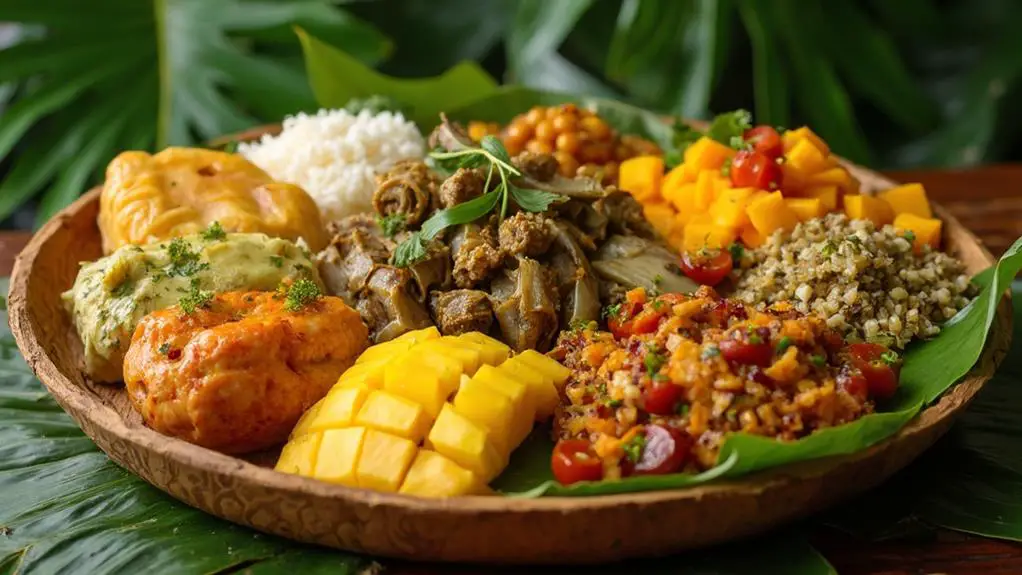
    Filipino superfoods are nutrient-dense foods that offer numerous health benefits and enhance culinary experiences.

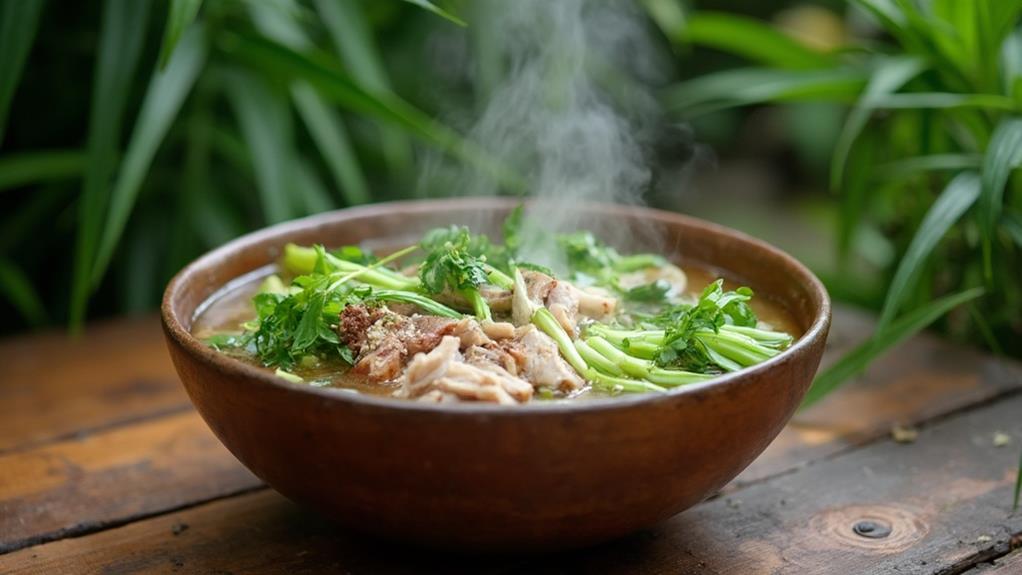
    Malunggay, or moringa, is rich in vitamins A, C, and calcium, making it an excellent addition to soups and salads. This nutrient-packed ingredient supports healthy vision, immune function, and bone development.

    Coconut is another Filipino superfood that provides hydration through its water and healthy fats that support heart health. The healthy fats in coconut also contain fiber, which aids digestion and promotes satiety.

    Moreover, coconut water is an excellent natural source of electrolytes, making it an ideal post-workout drink.

    Other Filipino superfoods, such as ampalaya and ube, offer unique health benefits.

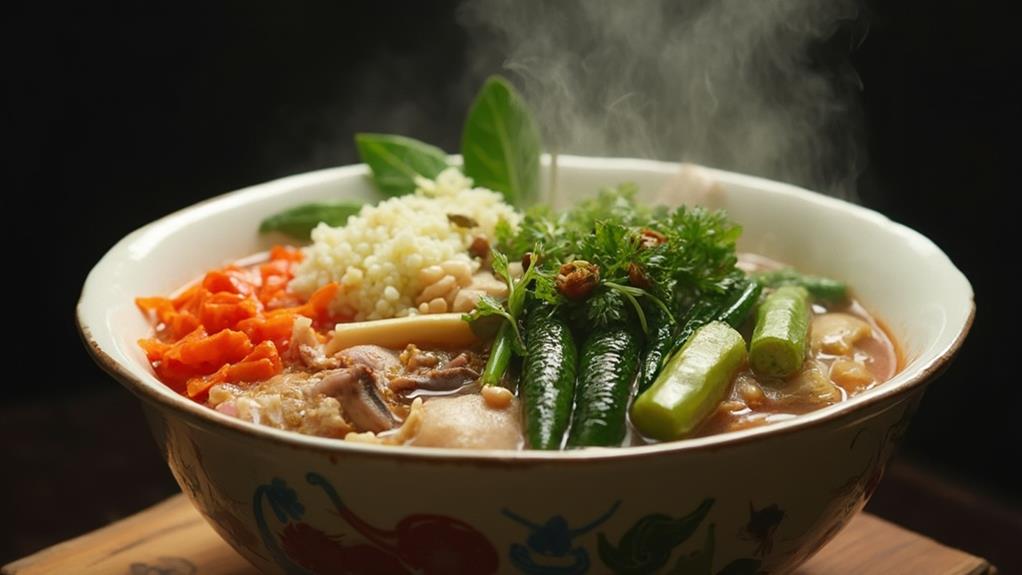
    Ampalaya, also known as bitter melon, contains antioxidants that help regulate blood sugar levels, while ube, a type of purple yam, is rich in antioxidants and fiber that support healthy digestion.

    Incorporating these ingredients into your diet can significantly enhance nutrition and flavor.

    Understanding Malunggay

    Malunggay: A Nutrient-Dense Superfood

    Malunggay, also known as moringa, is a powerhouse of nutrients and one of the most beneficial superfoods in Filipino cuisine. It is packed with vitamins A, C, and E, along with essential minerals like calcium and iron. A small serving can significantly boost your nutrient intake.

    Versatility in Cooking

    One of the remarkable aspects of malunggay is its versatility. You can easily incorporate it into soups, stews, and salads, enriching your meals with its slightly peppery flavor.

    Health Benefits

    Research shows that malunggay has antioxidant properties, which can help combat oxidative stress in the body.

    Its anti-inflammatory benefits may also support overall health.

    Additionally, studies suggest that malunggay can aid digestion and may even help regulate blood sugar levels.

    Health Benefits of Coconut

    Coconuts: A Nutritious Superfood

    Hydration and Electrolytes

    Coconut water is an excellent source of hydration, packed with electrolytes like potassium, sodium, and magnesium. It's perfect for replenishing fluids after a workout or during hot weather.

    Additionally, coconut husks have versatile applications, such as eco-friendly planters, which reduce waste and promote sustainable practices.

    Energy and Weight Management

    Coconut meat is rich in medium-chain triglycerides (MCTs), which can boost energy levels and aid in weight management. MCTs are quickly metabolized by the body, providing a rapid source of fuel.

    Moreover, the healthy fats in coconut can promote heart health by increasing good cholesterol (HDL) levels.

    Antimicrobial and Anti-Inflammatory Properties

    Coconut oil is known for its antimicrobial and anti-inflammatory properties. Using it in cooking may help improve digestion and support the immune system.

    Digestion and Gut Health

    The fiber found in coconut meat can aid digestion and promote a healthy gut. It can also help you feel full longer, which is beneficial for weight control.

    Incorporating Coconuts into Your Diet

    Incorporating coconuts into your diet not only enhances flavor but also delivers numerous health advantages that support overall wellness.

    Whether you enjoy fresh coconut, oil, or water, you're making a nutritious choice.

    Other Popular Filipino Superfoods
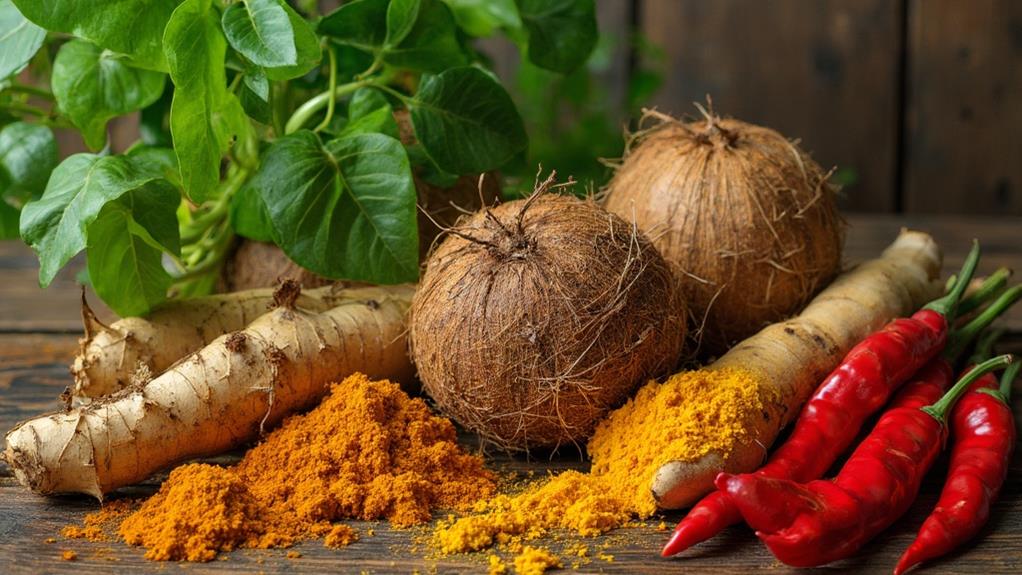
    filipino superfoods variety list

    Ampalaya: A Diabetes-Fighting Superfood

    Ampalaya, also known as bitter melon, is a green vegetable that helps regulate blood sugar levels, making it a popular choice for those managing diabetes.

    Quinoa: A Protein-Packed Alternative to Rice

    Quinoa is a gluten-free superfood that's rich in protein and essential amino acids. It's an excellent alternative to rice for those looking to diversify their diet.

    Ube: A Heart-Healthy Superfood

    Ube, or purple yam, contains anthocyanins, antioxidants that help reduce inflammation and promote heart health. Its vibrant color comes from these powerful antioxidants.

    Banana Heart: A Fiber-Rich Superfood

    The banana heart, or "puso ng saging," is rich in fiber, vitamins, and minerals, making it perfect for salads or stews.

    It's a versatile superfood that adds nutrition and flavor to any dish.

    Incorporating Superfoods into Your Diet

    Incorporating these superfoods into your meals not only boosts nutrition but also enriches your culinary experience.

    How Does Filipino Seafood Compare to Filipino Superfoods in Terms of Nutritional Value?

    When comparing the nutritional value of filipino seafood to Filipino superfoods, it’s evident that both offer a wide range of health benefits. However, the nutritional value of Filipino seafood stands out due to its high protein content, omega-3 fatty acids, and various vitamins and minerals, making it a crucial part of a healthy diet.

    Cooking With Malunggay

    Incorporating malunggay into your cooking can significantly enhance the nutritional value of your meals. This leafy green is packed with vitamins, minerals, and antioxidants, making it an excellent addition to various dishes.

    Malunggay can be added to soups for a nutrient boost. For example, you can add malunggay leaves to tinola or chicken soup.

    It can also be used in stir-fries for a fresh flavor. Simply toss in malunggay leaves during the last few minutes of cooking.

    Malunggay makes a healthy breakfast option when blended with fruits and yogurt in smoothies.

    You can also mix chopped malunggay into rice dishes like fried rice or risotto for added color and nutrition. Additionally, you can experiment by using malunggay in salads, omelets, or as a garnish for various dishes.

    When cooking with malunggay, remember to add it towards the end of the cooking process to preserve its nutrients. By doing so, you're not just adding flavor but also elevating your meals to a healthier level.

    Malunggay is a superfood that can provide numerous health benefits when incorporated into your everyday cooking.

    Coconut in Traditional Remedies

    coconut s healing traditional uses

    Coconut: A Versatile Traditional Remedy

    Coconut has been a staple in traditional remedies across many cultures, particularly in the Philippines, due to its numerous health benefits.

    Its oil, milk, and water are used to treat various ailments.

    Coconut Oil: Antibacterial Properties

    Coconut oil is known for its antibacterial properties, making it effective for treating skin infections and promoting wound healing.

    Coconut Husk: A Sustainable Resource

    The coconut husk, often discarded, can be transformed into a sustainable resource, such as eco-friendly planters, reducing waste and minimizing environmental impact.

    Coconut Water: Replenishing Electrolytes

    When you drink coconut water, you're not just hydrating; you're also replenishing electrolytes, which can be particularly beneficial after illness or physical exertion.

    Coconut Meat: Rich in Fiber

    The meat of the coconut is rich in fiber and can aid digestion, helping to alleviate constipation.

    Traditional Filipino Medicine: Coconut Paste

    In traditional Filipino medicine, a paste made from grated coconut can soothe rashes and skin irritations.

    Additionally, coconut milk is often recommended for soothing coughs or sore throats due to its creamy texture and mild flavor.

    Incorporating Superfoods Into Your Diet

    Incorporating Superfoods Into Your Diet

    The Importance of Superfoods

    Traditional remedies highlight the significance of integrating superfoods into your daily diet. Superfoods like malunggay (moringa) and coconut offer essential nutrients that can enhance your health.

    Incorporating Malunggay

    To effectively incorporate malunggay into your diet, add malunggay leaves to your soups and stews. They're rich in vitamins A, C, and iron, boosting your immune system and energy levels.

    Utilizing Coconut

    Coconut can be used in numerous ways. Use coconut oil as a healthier alternative for sautéing vegetables or baking, as it contains medium-chain triglycerides that can support weight management.

    Enjoy grated coconut in desserts or sprinkle it on salads for added texture and flavor. You can also use coconut water as a refreshing drink.

    Creating Nutrient-Packed Smoothies

    Experiment with smoothies by blending coconut milk with fruits and a handful of malunggay for a nutrient-packed breakfast.

    Remember, the key is variety; rotating different superfoods will ensure you're getting a broad spectrum of nutrients.

    Enhancing Your Meals and Well-being

  • Food and Filipino Health: A Holistic Approach

    Food and Filipino Health: A Holistic Approach

    Food plays a vital role in Filipino health and well-being. It is deeply rooted in the culture, with staple foods like rice and local vegetables providing essential nutrients to the body.

    Traditional dishes like sinigang and adobo offer both flavor and health benefits, as they are rich in antioxidants and other nutrients.

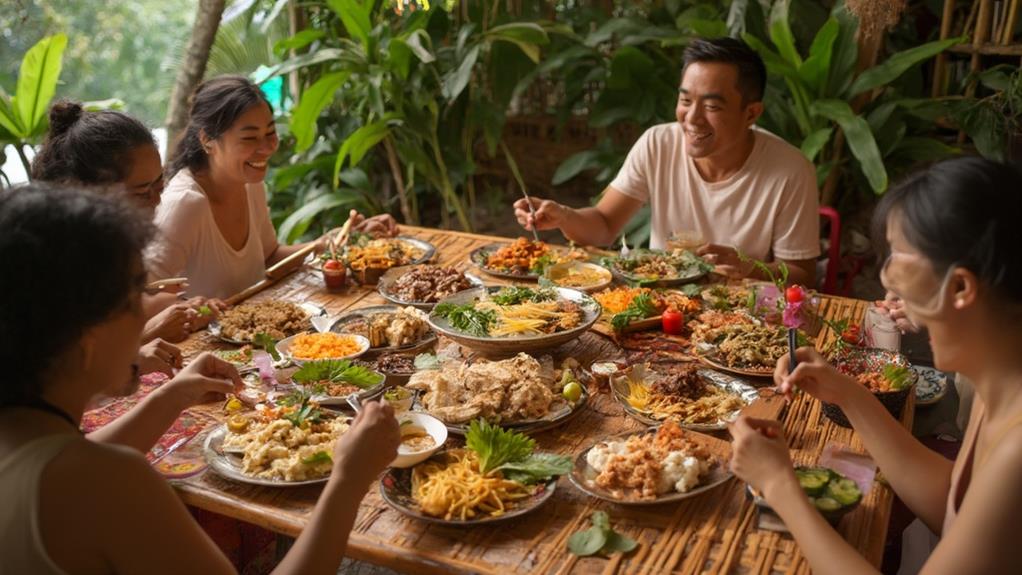
    Communal dining is an integral part of Filipino culture, and it strengthens family bonds and fosters a sense of community. This, in turn, enhances mental wellness by providing emotional support and reducing stress.

    Each meal reflects Filipino identity, evoking memories and reinforcing cultural values.

    Sustainable food practices support both health and the environment. Sourcing local ingredients reduces carbon footprint and supports local farmers, while also providing fresh and nutritious food.

    Understanding the multifaceted role of food in daily life can enrich experiences and connections with others, by promoting a sense of community and cultural heritage.

    Traditional Filipino Ingredients

    Traditional Filipino ingredients are the foundation of the country's diverse culinary landscape, deeply rooted in its history and culture.

    Rice is a staple ingredient in Filipino cuisine, forming the foundation of many meals and symbolizing sustenance and community. Other essential vegetables like eggplant, bitter melon, and leafy greens provide vital vitamins and minerals that contribute to health and well-being.

    The art of lechon roasting is a centuries-old practice that symbolizes celebration. This traditional dish brings together various ingredients to create a meal that's both delicious and culturally significant.

    Filipino cuisine is known for its bold flavors and vibrant presentations, as seen in the Parada Ng Lechon festival, where over 1000 creatively dressed lechons are paraded, symbolizing prosperity and festivity.

    Seafood and meats are significant ingredients in Filipino cuisine, often sourced from local markets. Ingredients like pork, chicken, and fish reflect the region's geography and farming practices, and aren't just protein sources.

    Condiments like soy sauce, vinegar, and bagoong (fermented shrimp paste) add depth of flavor and nutritional value to many traditional dishes.

    Herbs and spices like garlic, ginger, and lemongrass elevate flavors and offer health benefits, ranging from anti-inflammatory properties to digestive support.

    Communal Dining Practices

    Communal Dining: A Cherished Filipino Tradition

    Gathering around the dining table is a vital part of Filipino culture, fostering strong family bonds and a sense of community. Sharing meals promotes social interaction, emotional well-being, and better mental health by reducing feelings of isolation and increasing a sense of belonging. This is supported by research, which highlights the importance of communal dining in maintaining overall well-being.

    Filipino households often practice communal dining, where a variety of dishes are served on a large platter, encouraging everyone to share and interact. This practice promotes generosity, camaraderie, and a sense of togetherness.

    Meals typically feature a range of dishes, reflecting the cultural emphasis on diversity and balance in nutrition.

    Communal dining also fosters intergenerational relationships, allowing younger family members to learn from their elders and share stories and experiences. This nurturing environment not only enhances appreciation for food but also reinforces cultural values, making it an essential aspect of Filipino identity.

    By embracing communal dining practices, individuals actively contribute to a tradition that uplifts both physical and mental health, leading to holistic well-being.

    Cultural Significance of Meals

    meals reflect cultural identity

    Meals hold profound cultural significance in Filipino society, acting as a medium for expressing identity and values. They represent more than just sustenance; they embody traditions, family ties, and community bonds. When you share a meal, you're participating in a rich tapestry of customs that have been passed down through generations.

    Meals strengthen familial relationships. Sharing meals with family members creates opportunities for bonding and reinforces family ties. For example, Sunday family lunches are a common practice in many Filipino households, where families gather together to share a meal and catch up on each other's lives.

    Food plays a key role in festivities. In Filipino culture, food is an essential component of celebrations. Lechon, a whole roasted pig, is often served during fiestas, symbolizing abundance and prosperity.

    Ingredients and dishes reflect local culture. The use of specific ingredients and cooking techniques in certain regions of the Philippines reflects the unique cultural identity of that area. For instance, sinigang, a sour soup, is a popular dish in the southern region, showcasing the region's distinct flavor profile.

    Sharing food signifies kindness and respect. In Filipino culture, offering food to guests is a sign of hospitality and respect. When visiting someone's home, it's customary to be offered snacks or refreshments, which symbolizes the host's warmth and welcoming nature.

    How Can Traditional Filipino Food Contribute to Holistic Health and Well-being?

    Traditional Filipino food holds the potential to contribute to holistic health and well-being. With future filipino food health research innovation, we can uncover the nutritional benefits of dishes like sinigang, adobo, and kare-kare. By embracing these traditional dishes, we can promote a healthier lifestyle rooted in cultural heritage.

    Emotional Connections With Food

    Food serves as a bridge between our past and present, forging deep emotional connections that resonate throughout our lives.

    In many cultures, including Filipino, meals aren't just about sustenance; they're a vital aspect of social gatherings, family traditions, and celebrations. For instance, sharing a plate of adobo or sinigang creates memories tied to family gatherings or festive occasions.

    The aroma of certain foods can evoke strong memories, often linked to specific flavors and aromas. Research has shown that smells can trigger powerful recollections. For many Filipinos, the scent of freshly cooked lumpia reminds them of their grandmother's kitchen, while the taste of leche flan transports them back to childhood birthdays.

    These sensory experiences shape our emotional well-being, providing comfort and a sense of belonging.

    Health Benefits of Local Dishes

    nutritional advantages of regional cuisine

    Local dishes in the Philippines offer a wealth of health benefits. By incorporating fresh, local ingredients, these dishes often provide essential nutrients that support overall well-being.

    Sinigang, made with tamarind and various vegetables, is rich in vitamin C and antioxidants, which can boost your immune system and help fight inflammation.

    Traditional cooking methods preserve the nutritional value of ingredients. Many traditional recipes use cooking methods like steaming and boiling, which help retain the nutrients in the food.

    Adobo, a popular dish, typically features protein-rich meats marinated in vinegar and soy sauce, providing a source of iron and protein while also being lower in calories due to its lean preparation.

    Local staples are high in fiber. Brown rice and root vegetables, such as sweet potatoes, are rich in fiber, which can improve digestion and help maintain a healthy weight.

    The diverse use of herbs and spices, such as ginger and garlic, contributes to heart health and anti-inflammatory properties, enhancing flavor and providing additional health benefits.

    Sustainable Food Practices

    Embracing Sustainable Food Practices in the Philippines

    Promoting Health and Environmental Well-being
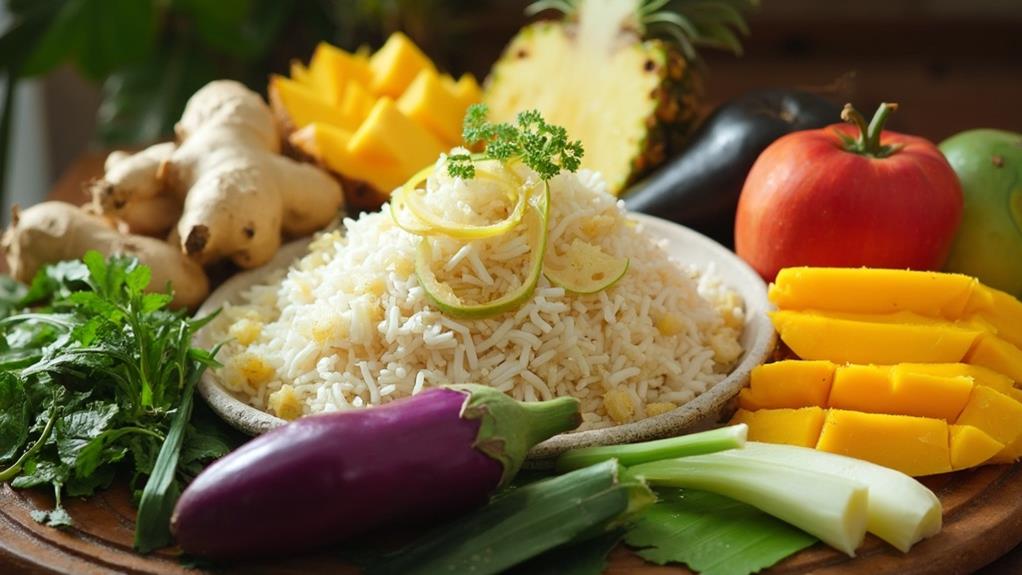
    Embracing sustainable food practices is crucial for promoting both health and environmental well-being in the Philippines. This can be achieved by making conscious choices that contribute to a healthier planet and community.

    Adopting Sustainable Practices

    Sustainable practices not only reduce waste but also encourage the consumption of local, nutritious foods. The abaca industry's community engagement and sustainable practices can serve as a model for other industries.

    Supporting local farmers and conserving natural habitats can provide valuable lessons for the food industry.

    Practical Tips for Sustainable Food Practices

    Choose Local Produce: Support local farmers and reduce carbon footprints by purchasing fresh fruits and vegetables from nearby markets.

    Minimize Food Waste: Plan your meals and use leftovers creatively to avoid throwing away edible food.

    Grow Your Own Food: Even small spaces can yield a variety of crops, providing fresh ingredients for your meals.

    Practice Mindful Eating: Savor your meals, which can promote better digestion and reduce overeating.

    Engage in Community Gardens: Engage with your neighbors in cultivating shared spaces, fostering community ties and healthy eating habits.

  • Vegetarian and Vegan Filipino Food

    Vegetarian and Vegan Filipino Food

    Vegetarian and vegan Filipino food offers a rich culinary experience.

    Traditional dishes like pinakbet and laing showcase the freshness of local vegetables. These vibrant dishes are a testament to the country's rich agricultural heritage.

    Vegan alternatives to traditional Filipino dishes are also available. For example, jackfruit adobo and creamy kare-kare capture the authentic tastes of these classic dishes without the meat. These alternatives are made possible by the creative use of essential ingredients like coconut milk and calamansi, which infuse dishes with depth and flavor.

    Mastering cooking techniques is key to enhancing flavors and nutrients. Sautéing and marinating are two essential techniques that bring out the best in plant-based ingredients. These techniques allow for the perfect balance of flavors and textures in dishes like vegan adobo and stir-fried vegetables.

    Regional variations add unique flair to plant-based meals. Different regions in the Philippines offer their own twist on traditional dishes, making plant-based Filipino food a diverse and exciting culinary experience.

    Overview of Filipino Cuisine

    Filipino cuisine is a vibrant blend of flavors and influences that reflect the country's rich history and diverse culture.

    The country's history has shaped the culinary landscape, where indigenous ingredients blend with Spanish, Chinese, and American flavors. This blend is evident in each dish, often featuring rice as a staple, accompanied by a variety of meats, vegetables, and bold spices.

    The cultural heritage of Filipino folk music also resonates in the culinary traditions, where love and passion are poured into every dish.

    Fresh herbs add layers of aroma and depth to Filipino dishes, with cilantro and lemongrass being popular choices. For example, adobo is a popular dish where meat is marinated in vinegar and soy sauce, creating a savory-sour sensation.

    Sinigang, a tangy soup made with tamarind, brings warmth and comfort, while lechon showcases a whole roasted pig, celebrated for its crispy skin and succulent meat.

    Street food plays a significant role in Filipino culture, with treats like lumpia (spring rolls) and fish balls offering quick and delicious bites.

    The communal aspect of dining is central, as meals are often shared among family and friends, embodying the spirit of hospitality that defines Filipino culture. Each bite connects you to the archipelago's heart and soul, making every meal a memorable experience.

    Popular Vegetarian Dishes

    Filipino Vegetarian Delights

    Filipino cuisine offers a variety of delicious vegetarian dishes that showcase the country's rich flavors.

    Pinakbet is a standout dish, a savory vegetable stew made with a mix of fresh vegetables like eggplant, squash, and bitter melon, all cooked in a flavorful shrimp paste or a plant-based alternative.

    Another beloved option is Laing, which features dried taro leaves simmered in coconut milk, providing a creamy, aromatic dish that's both hearty and satisfying.

    Gising-Gising is a spicy dish made with green beans and ground peanuts, offering a delightful crunch and a kick of heat.

    These dishes celebrate the essence of Filipino cooking and make it easy for you to enjoy a fulfilling meal without meat.

    Vegetarian Options:

    • Pinakbet: A hearty vegetable stew with rich flavors.
    • Laing: Creamy taro leaves in coconut milk, full of aromatic goodness.
    • Gising-Gising: A spicy, crunchy mix that's sure to awaken your taste buds.

    These Filipino vegetarian dishes are a testament to the country's vibrant culinary identity.

    Innovative Vegan Alternatives

    plant based culinary innovations

    Vegan Filipino cuisine is transforming traditional dishes into plant-based delights.

    Innovative vegan alternatives are reimagining classic Filipino flavors with plant-based ingredients. A rich, creamy vegan adobo made with jackfruit, soy sauce, vinegar, and spices captures the essence of the traditional dish. This dish proves that you don't need meat to enjoy the classic flavors.

    Filipino designers blend modern style with indigenous patterns, and a similar approach is seen in vegan Filipino food. Traditional flavors are reimagined with plant-based ingredients, creating a new wave of dishes. Kare-kare, typically made with oxtail, is now reimagined with eggplant, green beans, and a luscious peanut sauce. This vegan version is just as satisfying as the original.

    Vegan lumpia is filled with a vibrant mix of vegetables and tofu, wrapped in a delicate rice paper shell. This dish is perfect for dipping in sweet chili sauce.

    For a sweet treat, vegan halo-halo features shaved ice topped with coconut milk, sweetened fruits, and a scoop of ube ice cream made from plant-based ingredients.

    These innovative dishes not only honor Filipino culinary traditions but also promote a healthier lifestyle. Plant-based versions can be equally flavorful and fulfilling. With each new creation, you'll discover that Filipino flavors can be celebrated in a whole new way, whether you're a lifelong vegan or just curious.

    Key Ingredients for Plant-Based Cooking

    Key Ingredients for Plant-Based Filipino Cooking

    To craft authentic plant-based Filipino dishes, you need to stock your kitchen with essential ingredients that capture the essence of traditional flavors.

    These staples enhance the taste of your meals and provide the foundation for authentic Filipino cuisine.

    Coconut Milk: This creamy ingredient is a must-have for your pantry.

    It adds richness to soups, curries, and desserts, and its subtle sweetness complements the spices and herbs typical in Filipino dishes.

    Soy Sauce: A staple in many Filipino recipes, soy sauce brings depth and umami to your cooking.

    Use it to marinate vegetables or add a savory kick to stir-fries.

    Calamansi: This small citrus fruit is a flavor powerhouse.

    It lends a unique tartness to your dishes, and you can use it in dressings, dips, or as a finishing touch to elevate the taste of your meals.

    Traditional Dishes Reimagined

    reinventing classic culinary staples

    Reimagining traditional Filipino dishes with plant-based ingredients honors cultural heritage while embracing a healthier lifestyle.

    Transforming classic Filipino meals like adobo is a great way to start. Replace meat with tofu or tempeh, and simmer it in a rich marinade of soy sauce, vinegar, and garlic. This combination of flavors creates a dish that's both nostalgic and nourishing.

    Another beloved dish, sinigang, can easily be made vegan. Incorporate a variety of vegetables like radish, eggplant, and green beans, and use tamarind or a mix of citrus for that signature sour kick. This flavorful and comforting dish is sure to become a favorite.

    Lumpia, the Filipino spring roll, can also be reimagined with plant-based fillings. Swap out traditional meat fillings for a medley of vegetables or even jackfruit for a heartier texture. Wrapped in a crispy shell, these tasty bites make for an irresistible appetizer.

    For dessert, create a vegan version of leche flan by blending silken tofu with coconut milk and a touch of sweetener. This creamy and sweet treat is a perfect way to end a meal.

    Cooking Techniques for Plant-Based Meals

    Mastering key cooking techniques is essential for preparing delicious plant-based meals. These techniques enhance flavors, transform ingredients, and make cooking an enjoyable process.

    Sautéing is a fundamental technique that brings out the natural flavors of vegetables. To sauté effectively, use high-quality oils like coconut or olive oil to add depth and richness to your dishes.

    Steaming is a healthy cooking method that preserves nutrients in vegetables. This technique helps maintain their vibrant colors and crisp textures. To steam like a pro, use a bamboo steamer, which is an eco-friendly and sustainable option.

    Marinating is a crucial step in preparing plant-based proteins like tofu or tempeh.

    Marinating infuses flavor into these proteins, making them more delicious and savory. To create a tasty marinade, combine soy sauce, vinegar, and spices to create a flavorful blend.

    How can Filipino Ingredients be Incorporated into Vegetarian and Vegan Filipino Food?

    Filipino ingredients offer a rich array of flavors and textures that can easily be incorporated into vegetarian and vegan Filipino dishes. By utilizing the nutritional benefits of filipino ingredients such as adobo tofu with soy sauce, calamansi, coconut milk, and kesong puti, a variety of delicious and healthy options can be created.

    Regional Variations in Vegetarian Options

    diverse vegetarian cuisine choices

    Filipino cuisine offers diverse vegetarian options that vary by region. In the northern regions, like Luzon, pinakbet is a popular vegetable stew made with local produce like bitter melon and eggplant, typically seasoned with shrimp paste, which can be easily substituted with a plant-based alternative.

    The Visayas region is known for its creative twists on traditional dishes. Kinilaw, usually made with raw fish, can be reinvented using ripe mango or tofu marinated in vinegar and spices for a refreshing vegetarian version.

    Mindanao's cuisine is characterized by the use of coconut milk. In dishes like ginataang sitaw, long green beans are simmered in creamy coconut sauce, offering a rich and flavorful vegetarian option.

    Traditional Filipino dishes can be easily adapted to fit a vegetarian lifestyle. For example, adobo can be made with soy curls or jackfruit as a meat substitute, allowing vegetarians to experience the essence of Filipino culture.

    Each region offers unique ingredients and techniques, allowing vegetarians to customize traditional meals while still savoring the heart of the Philippines in every bite.

    Nutritional Benefits of Plant-Based Diets

    Plant-based diets offer numerous nutritional benefits that support overall health and well-being.

    High in Fiber: Plant-based foods are rich in fiber, which aids digestion, promotes gut health, and keeps you feeling full longer.

    For example, a single serving of brown rice, a staple in Filipino cuisine, provides about 3.5 grams of fiber.

    Lower in Saturated Fats: Many plant-based dishes are naturally lower in saturated fats, which can reduce the risk of heart disease and improve overall cardiovascular health.

    Vegetarian options like grilled eggplant and tomatoes, commonly used in Filipino dishes, are low in saturated fats and high in nutrients.

    Rich in Vitamins and Antioxidants: Fruits and vegetables are packed with vitamins and antioxidants that help boost the immune system and protect the body from oxidative stress.

    For instance, a serving of mango, a popular fruit in the Philippines, provides about 45% of the daily recommended intake of vitamin C, a powerful antioxidant.

    Resources for Plant-Based Filipino Recipes

    plant based filipino recipe resources

    Explore Plant-Based Filipino Recipes with These Resources

    Cookbooks

    "The Filipino Vegan" by Aileen Suzara offers authentic plant-based recipes, perfect for beginners and experienced chefs alike.

    Online Platforms

    Pinterest and Instagram are treasure troves of plant-based Filipino recipes, featuring stunning visuals and innovative twists on classic dishes.

    Cultural Inspiration

    The rich cultural heritage of Philippine textiles, such as the traditional T'nalak fabric, can inspire creative plant-based recipes.

    Blogs

    "The Hungry Caterpillar" and "Vegan Filipino Food" provide step-by-step guides and personal stories behind each recipe, making it easy to follow along.

    YouTube Channels

    Dedicated Filipino cuisine YouTube channels often feature vegan adaptations, allowing for easy visual follow-along.

    Online Communities

    Join online forums and communities where fellow plant-based enthusiasts share their favorite recipes and tips, providing a wealth of knowledge and support.

  • Healthier Filipino Dishes: Less Sodium and Fat

    Healthier Filipino Dishes: Less Sodium and Fat

    Modern Filipino dishes can be adapted to reduce sodium and fat without sacrificing flavor. To achieve this, replace traditional soy sauce with low-sodium soy sauce or tamari, which can significantly reduce sodium content.

    Light coconut milk or almond milk can be used as a substitute for regular coconut milk to decrease fat content.

    Incorporate more vegetables into your recipes, such as broccoli and bell peppers, to increase nutrient density and fiber content.

    Opt for lean proteins like skinless chicken or tofu to reduce saturated fat and cholesterol.

    Healthier cooking methods like grilling, steaming, or baking can be used instead of deep-frying to reduce fat absorption.

    Enhance flavor with fresh herbs, spices, and citrus juices, which can effectively replace traditional saltiness.

    These adjustments ensure vibrant, healthful meals that honor Filipino culture.

    Understanding Filipino Cuisine

    Filipino cuisine is a unique fusion of flavors and cultural influences. It's rooted in a blend of indigenous, Spanish, Chinese, and American traditions, resulting in a diverse range of cooking methods and ingredients.

    Communal dining is an essential part of Filipino culture. Meals are often shared, reflecting the strong emphasis on family and togetherness. This cultural heritage is also highlighted through traditional folk dances, such as Tinikling and Rigodon.

    Staple dishes in Filipino cuisine include adobo, sinigang, and lechon. Adobo is a marinated meat dish that can be made with chicken, pork, or even vegetables, showcasing the versatility of the cuisine.

    Adobo's regional variations include using different types of vinegar, soy sauce, and spices to create distinct flavor profiles. Sinigang offers a sour flavor profile, typically derived from tamarind, and is packed with fresh vegetables.

    Rice is a staple food in Filipino cuisine. It accompanies nearly every meal, serving as a canvas for the vibrant flavors of the main dishes.

    Understanding the techniques and ingredients that define Filipino cuisine enables adaptation of recipes for healthier eating, allowing individuals to enjoy the rich heritage while prioritizing their well-being.

    Common Ingredients to Reduce

    Filipino cuisine can be made healthier by reducing sodium and fat in traditional dishes. Lowering sodium and fat intake can enhance the nutritional profile of meals without sacrificing flavor.

    Soy sauce is a common ingredient that can be replaced with a healthier alternative. Using low-sodium soy sauce or tamari reduces salt intake while maintaining flavor. Low-sodium soy sauce has the same taste as regular soy sauce but with less sodium.

    Fish sauce is another ingredient that can be swapped with a healthier option. Opting for low-sodium fish sauce reduces sodium content in dishes. Low-sodium fish sauce provides the same umami flavor as regular fish sauce but with less salt.

    Coconut milk can be replaced with a lower-calorie alternative. Using light coconut milk or almond milk reduces fat content in recipes. Light coconut milk provides creaminess with fewer calories than regular coconut milk.

    Natural sweeteners are a healthier alternative to sugar. Swapping sugar with natural sweeteners like stevia or honey helps manage sugar levels. Natural sweeteners satisfy the sweet tooth while reducing sugar intake.

    Healthier Cooking Techniques

    nutritious culinary preparation methods

    Healthier Cooking Techniques for Filipino Dishes

    To minimize fat and calorie content while preserving flavor in Filipino dishes, adopt cooking techniques that prioritize nutrition and flavor.

    Steaming: A Nutrient-Rich Option

    Steaming is an effective method that retains nutrients and enhances natural flavors without adding fats. You can steam vegetables, fish, or even rice, ensuring a light yet satisfying meal.

    Grilling for Flavor and Nutrition

    Grilling meats and vegetables allows excess fat to drip away while achieving a smoky flavor. Marinate proteins in herbs and spices to elevate taste without relying on heavy sauces.

    Stir-Frying with a Twist

    Stir-frying with a minimal amount of oil is a smart choice. Use a non-stick pan to reduce the need for added fats, and fill your stir-fry with colorful vegetables and lean proteins for a balanced meal.

    Braising and Poaching: Gentle Cooking Methods

    Braising or poaching are alternatives to frying that use broth or water to cook food gently, maintaining tenderness without extra calories.

    These methods allow for a healthier cooking option while preserving flavor. By incorporating these healthier cooking techniques, you can enjoy the vibrant flavors of Filipino dishes while making mindful choices for your health.

    Adapted Recipes for Classics

    Opt for Lean Proteins

    Use skinless chicken, turkey, or fish as a healthier alternative to fatty meats like pork. This substitution helps reduce saturated fat intake and promotes a leaner diet.

    Incorporate Vegetables

    Add vegetables to your recipes to boost nutrition and fiber. For example, add spinach to sinigang or bell peppers to adobo to increase the nutritional value of these traditional dishes.

    Choose Healthier Cooking Methods

    Grill, steam, or bake instead of deep-frying to significantly reduce fat content in your dishes. These alternative cooking methods help retain nutrients and flavors without adding excess oil.

    Reduce Added Sugars

    Use natural sweeteners like honey or fresh fruits to satisfy your sweet cravings. For instance, try using honey or fresh fruits to sweeten desserts like leche flan instead of refined sugars.

    Flavorful Alternatives for Seasoning

    creative seasoning flavor options

    Herbs and Spices: A Healthier Alternative to Salt and Processed Seasonings

    When it comes to adding flavor to your dishes, herbs and spices are a healthier alternative to salt and processed seasonings. Using natural flavorings can significantly reduce sodium intake while still delivering bold tastes. For example, garlic and onion powder can add a savory depth to many Filipino dishes without excess salt.

    Experimenting with Fresh Herbs

    Fresh herbs like cilantro, basil, or oregano can add vibrant flavors and essential nutrients to your meals.

    A sprinkle of crushed red pepper or a dash of black pepper can elevate the heat and complexity of your dishes.

    Umami Flavor Alternatives

    For umami flavor, try incorporating nutritional yeast or a splash of low-sodium soy sauce instead of regular soy sauce.

    Citrus juices, like calamansi or lime, can brighten up your dishes while adding a refreshing zing.

    Vinegar: A Tangy Twist

    Consider using vinegar to enhance flavors in marinades and dressings.

    Balsamic, apple cider, or cane vinegar can bring a tangy twist that enhances your recipes without relying on salt.

    Incorporating More Vegetables

    Incorporating Vegetables into Filipino Dishes

    Incorporating more vegetables into your Filipino dishes not only boosts nutritional value but also enhances flavor and texture.

    Adding a variety of colorful vegetables can create meals that are healthier and visually appealing.

    The Importance of Vegetable Intake

    Research shows that increasing vegetable intake can lower the risk of chronic diseases and improve overall health. This makes it a smart choice for everyone.

    Inspiration from Filipino Cultural Heritage

    Traditional Philippine folk dances like the Pandanggo, which highlights the grace and elegance of the Filipina dancer, often feature vibrant colors and intricate designs that can inspire a variety of colorful vegetables in your meals.

    Similarly, the Tinikling dance, which requires agility and grace, can motivate you to incorporate more movement and exercise into your daily routine, such as taking a short walk after meals.

    Ways to Incorporate Vegetables

    Sautéed Greens: Mix in leafy greens like spinach or kangkong with your stir-fries and stews for a nutrient-packed boost.

    Vegetable Medleys: Prepare a variety of vegetables such as bell peppers, carrots, and zucchini to accompany your main dishes, adding both color and crunch.

    Soups and Stews: Incorporate root vegetables like sweet potatoes and carrots into your favorite sinigang or pinakbet recipes for added depth and nutrition.

    Cauliflower Rice: Substitute traditional rice with cauliflower rice in your adobo or fried rice dishes to cut down on carbs while increasing fiber intake.

    Tips for Meal Preparation

    efficient meal prep strategies

    Meal planning is essential for healthy meal preparation. A weekly meal plan helps you choose a variety of colorful vegetables, lean proteins, and whole grains, reducing food waste and ensuring healthier choices. For example, plan to include vegetables like broccoli, carrots, and bell peppers, lean proteins like chicken, fish, and tofu, and whole grains like brown rice, quinoa, and whole wheat.

    Batch cooking saves time and energy. Cooking large portions of grains or proteins and storing them in the fridge or freezer allows for quick meal assembly. For instance, cook a large batch of brown rice or quinoa and store it in the fridge for up to 5 days. Similarly, cook and store proteins like chicken or beans for easy addition to meals.

    Prepping ingredients is crucial for healthy meal preparation. Wash, chop, and store vegetables in clear containers, making them easily accessible for snacks or meal prep.

    Use healthy cooking methods like steaming, grilling, or baking to reduce added fats. For example, steam broccoli instead of sautéing it with oil, or grill chicken instead of frying it.

  • Health Concerns in Filipino Dishes

    Health Concerns in Filipino Dishes

    Filipino dishes can be high in sodium, posing health risks. Certain dishes like adobo and sinigang often contain high levels of sodium due to ingredients like soy sauce and fish sauce.

    A single serving of adobo can exceed 1,200 milligrams of sodium, which can lead to health problems like hypertension and kidney strain.

    Traditional Filipino meals often contain unhealthy fats. These fats come from fatty meats and cooking methods like frying.

    This can lead to elevated cholesterol levels and associated health issues. To address these concerns, using herbs for flavor, low-sodium options, leaner meats, and healthier cooking techniques can help reduce the sodium and fat content of these dishes.

    Overview of Filipino Cuisine

    Filipino cuisine is a fusion of different culinary traditions. This unique blend of flavors, textures, and influences reflects the country's rich history and cultural heritage. The cuisine combines indigenous ingredients with influences from Chinese, Spanish, and American traditions, showcasing the adaptability of Filipino cooks.

    Rice is a staple food in Filipino cuisine. It's often paired with a variety of viands, highlighting the importance of balance in meals. For example, lechon roasting, a tradition that symbolizes celebration, is a staple in many Filipino gatherings, including the Parada Ng Lechon festival in Balayan, Batangas.

    Local ingredients are emphasized in Filipino cuisine. Coconut, seafood, and tropical fruits are commonly used, emphasizing the connection to the land and sea. Each region has its own specialties, influenced by geography and climate, adding to the complexity of the cuisine.

    Various cooking methods contribute to the distinctive tastes and textures. Grilling, stewing, and frying are common methods used to prepare Filipino dishes, resulting in a wide range of flavors and textures.

    Common Dishes and Their Ingredients

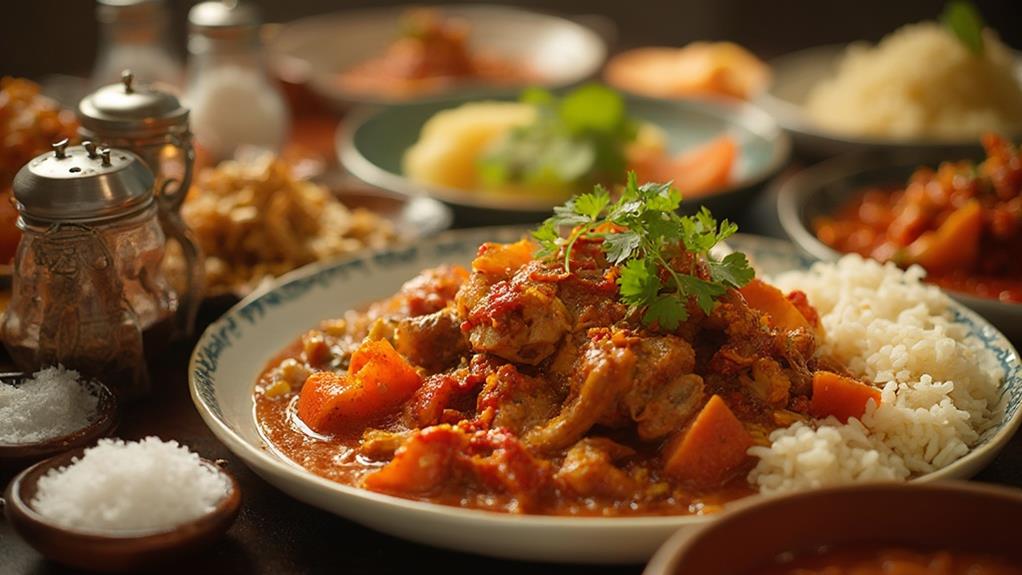
    Filipino cuisine is a rich tapestry of flavors and ingredients that reflect the nation's cultural heritage. Each dish often combines local staples like rice, vegetables, and meats, showcasing the country's agricultural bounty.

    Adobo, a popular dish, primarily consists of chicken or pork marinated in vinegar, soy sauce, and garlic, which not only enhances flavor but also preserves the meat.

    Sinigang features a sour broth made from tamarind, complemented by various vegetables and proteins, such as shrimp or beef. The sourness balances the richness of the meat, creating a harmonious dish.

    Lechon, roasted whole pig, serves as a centerpiece at celebrations, highlighting the use of marinated pork and crispy skin.

    Coconut milk is a common ingredient in many Filipino dishes, particularly in desserts like leche flan and buko pandan. This ingredient adds creaminess and richness, enhancing the overall flavor profile.

    Understanding these common ingredients helps appreciate the culinary techniques and historical influences that shape Filipino cuisine, allowing for a more informed approach to enjoying and preparing these dishes.

    Sodium Content in Popular Recipes

    sodium levels in recipes

    Sodium Content in Popular Filipino Dishes

    When consuming traditional Filipino recipes, it's essential to be aware of their high sodium content, which can significantly impact health.

    Many popular dishes, such as adobo and sinigang, contain high amounts of sodium due to the use of soy sauce, fish sauce, or salt.

    A typical serving of adobo can contain upwards of 1,200 milligrams of sodium, exceeding the recommended daily limit of 2,300 milligrams for most adults.

    Even soups, like sinigang, can pack a sodium punch, with around 1,000 milligrams per serving, depending on the type of seasoning used. These numbers can add up quickly, especially if you consume multiple servings or side dishes.

    To manage sodium content, incorporate cooking techniques such as reducing salt or using low-sodium alternatives.

    You can also boost flavor with herbs and spices, minimizing the need for salt.

    Additionally, being mindful of portion sizes and the frequency of consuming these dishes will help keep sodium intake in check.

    How Can I Make Traditional Filipino Dishes Healthier by Reducing Sodium and Fat?

    When looking to make traditional Filipino dishes healthier, consider using alternative seasonings like herbs and spices to reduce sodium, and opt for lean proteins and healthier cooking oils to cut down on fat. Incorporating more vegetables and using cooking techniques like grilling or steaming can also create hearthealthy filipino food options.

    Fat Content in Traditional Meals

    Traditional Filipino meals often have high fat content due to cooking methods and ingredients. Many dishes, like lechon (roasted pig) and kare-kare (oxtail stew), include fatty cuts of meat, significantly contributing to the overall fat content.

    Frying or sautéing ingredients in oil, especially coconut oil or lard, further increases the fat levels in meals.

    High-fat diets can lead to various health issues, including heart disease and obesity.

    The types of fats present in these dishes also matter; saturated fats, often found in animal products and certain oils, can raise cholesterol levels, posing additional health risks.

    Moreover, traditional cooking practices may emphasize deep-frying, which not only adds fat but can also create unhealthy trans fats if oils are reused frequently.

    To make healthier choices, consider opting for leaner cuts of meat, using less oil, or exploring cooking methods like steaming or grilling.

    Health Risks Associated With High Sodium

    high sodium health risks

    High Sodium Levels in Traditional Filipino Dishes Pose Significant Health Risks

    Consuming excessive sodium can lead to hypertension, a condition that affects nearly one in three adults. Elevated blood pressure increases the risk of heart disease and stroke, two leading causes of death globally.

    Sodium Strains Kidneys and Increases Risk of Kidney Disease

    High sodium intake forces kidneys to work harder to filter excess salt from the bloodstream, which can eventually lead to kidney disease.

    The World Health Organization recommends limiting sodium intake to less than 2,300 milligrams per day, yet many traditional Filipino dishes exceed this amount in a single serving.

    Excessive Sodium Contributes to Fluid Retention and Other Health Issues

    Consuming too much sodium can cause fluid retention, leading to swelling and discomfort.

    For individuals managing conditions like heart failure, low-sodium diets are often recommended to mitigate these risks.

    Understanding the sodium content in meals, especially in dishes like adobo or sinigang, is crucial for making informed decisions about diet and overall well-being.

    Tips for Healthier Filipino Cooking

    Incorporate Fresh Ingredients and Reduce Sodium

    To create healthier versions of traditional Filipino dishes, use fresh herbs and spices like ginger, garlic, and lemongrass to enhance flavor while minimizing salt.

    Instead of relying on soy sauce, opt for low-sodium versions or experiment with vinegar-based marinades, which can add a tangy kick.

    Boost Nutritional Content with Vegetables

    When preparing dishes like adobo or sinigang, include more vegetables to boost nutritional content.

    Ingredients such as spinach, eggplant, or radish increase fiber and add vibrant colors to your meals.

    Choose Healthier Cooking Methods

    Air-fry or bake instead of frying to significantly cut down on unhealthy fats.

    When making stews, skim excess fat from the surface before serving.

    Select Leaner Protein Options

    Use lean cuts of meat and skinless poultry to reduce saturated fats.

    This helps to make your dishes healthier and more nutritious.

    Practice Portion Control

    Use smaller plates to manage serving sizes effectively.

    This helps to prevent overeating and maintain a healthy diet.

  • Nutritional Benefits of Filipino Seafood

    Nutritional Benefits of Filipino Seafood

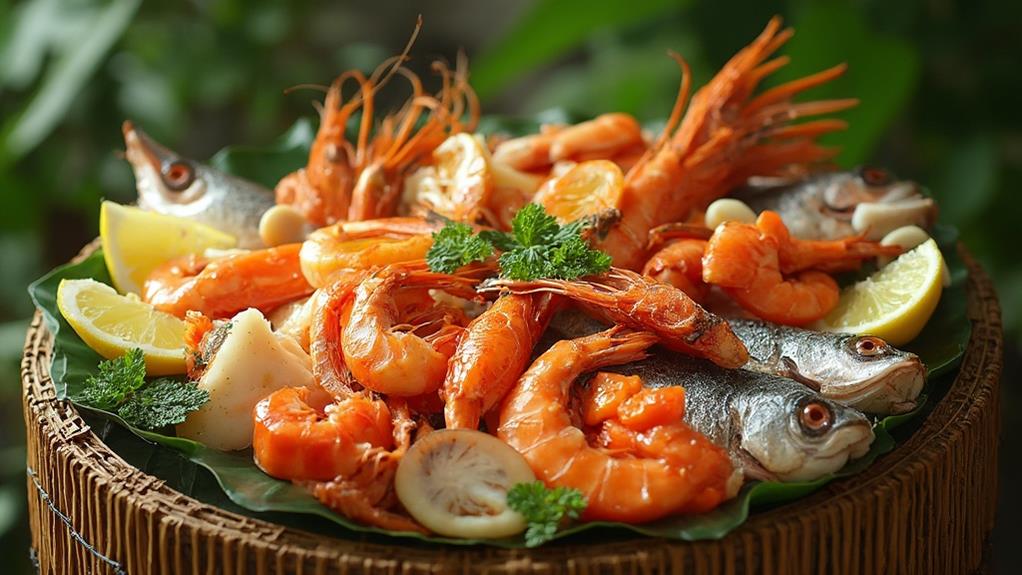
    Filipino seafood is an excellent source of omega-3 fatty acids, essential for overall health. These fatty acids support heart and brain function, making them a crucial part of a healthy diet.

    Bangus, tuna, and sardines are rich in omega-3s, with bangus providing around 20 grams of protein per serving while being low in calories.

    Sardines not only offer omega-3s but also aid in muscle repair with their high protein content. Although shrimp has lower omega-3 levels, it still contributes valuable nutrients and protein.

    To maximize the benefits of these seafood choices, cooking methods play a crucial role.

    Overview of Omega-3 Fatty Acids

    Omega-3 fatty acids play a crucial role in maintaining overall health. These essential fats, particularly EPA and DHA, are known for their anti-inflammatory properties and their ability to support cardiovascular health.

    They can help reduce triglyceride levels, lower blood pressure, and decrease the risk of heart disease.

    Filipino seafood is a rich source of omega-3 fatty acids. Varieties such as bangus (milkfish) and sardines are abundant in these beneficial fats.

    Incorporating these varieties into your diet can help meet your omega-3 needs.

    Omega-3 fatty acids are integral to brain structure and function. Research has shown that adequate intake of omega-3s is linked to improved brain function and mental health.

    They contribute to cognitive development and potentially reduce the risk of neurodegenerative diseases.

    Omega-3s are vital during pregnancy, supporting fetal brain development. Regular consumption of omega-3-rich seafood not only enhances your nutritional profile but also promotes overall well-being.

    By prioritizing these foods, you're making a positive impact on both your health and your palate.

    Key Filipino Seafood Varieties

    Filipino Seafood Varieties: Rich in Omega-3 Fatty Acids

    Filipino seafood varieties aren't only flavorful but also packed with omega-3 fatty acids, which are essential for heart health, brain function, and reducing inflammation.

    Bangus (Milkfish): A Staple with Omega-3 Benefits

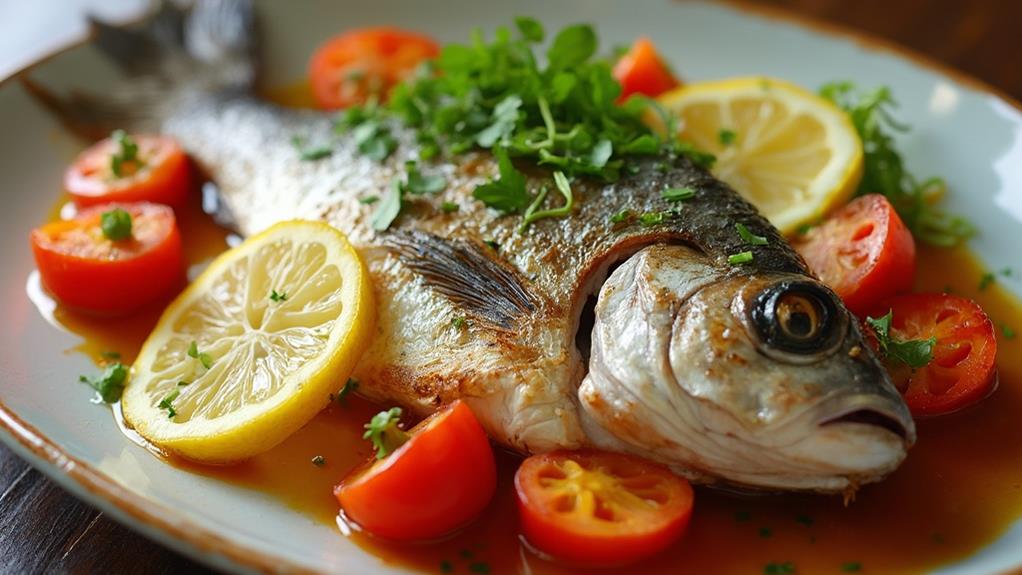
    Bangus, a popular fish in Filipino cuisine, is an excellent source of omega-3s. Its versatility makes it ideal for grilling, frying, or stewing, and it provides a healthy dose of omega-3s in every serving.

    Tuna: Rich in Omega-3s and Flavor

    Tuna is an excellent source of omega-3 fatty acids, making it a favorite for sashimi and various dishes. Whether enjoyed fresh or canned, tuna provides substantial health benefits due to its high omega-3 content.

    Mackerel: Oily Flesh with Omega-3 Benefits

    Mackerel is known for its rich, oily flesh, which is rich in omega-3s. Grilling or smoking enhances its flavor, making it a delicious and nutritious option.

    Incorporating these seafood varieties into your diet can significantly contribute to your overall health, ensuring you benefit from the essential nutrients they provide.

    Nutritional Profile of Bangus

    bangus nutritional benefits overview

    Bangus, a Nutrient-Rich Food Option

    Bangus, also known as milkfish, is a nutritionally rich food that provides numerous health benefits. A 100-gram serving of bangus contains approximately 20 grams of protein, making it an excellent source for muscle repair and growth.

    Rich in Omega-3 Fatty Acids and Vitamins

    Bangus is a significant source of omega-3 fatty acids, which are crucial for heart health and cognitive function. These healthy fats help reduce inflammation and may lower the risk of chronic diseases.

    Additionally, bangus contains vitamin B12, selenium, and phosphorus, which support metabolism, immune function, and bone health.

    Low in Calories, High in Satiety

    With only around 130 calories per serving, bangus is a suitable option for those monitoring their caloric intake. Its lean protein and healthy fat content contribute to satiety, helping you feel full longer.

    Health Benefits of Sardines

    Sardines are a nutrient-dense food that offers numerous health benefits when incorporated into your diet.

    1. Reduces Inflammation and Supports Heart Health: Sardines are an excellent source of omega-3 fatty acids, which play a crucial role in reducing inflammation and supporting heart health.

    Regular consumption can lower the risk of heart disease and improve cholesterol levels.

    2. Promotes Muscle Growth and Repair: With a high protein content, sardines help in muscle repair and growth.

    They provide essential amino acids necessary for maintaining lean body mass, making them an ideal choice for active individuals.

    3. Essential for Bone Health, Energy, and Immune Function: Sardines are packed with vitamins and minerals, including vitamins B12 and D, along with important minerals like calcium and selenium.

    These nutrients are vital for bone health, energy production, and immune function, ensuring you stay healthy and energized.

    How can the high sodium and fat content in certain Filipino dishes affect the nutritional value of seafood rich in omega-3 fatty acids?

    The high sodium and fat content in certain Filipino dishes can raise health concerns in filipino dishes. These ingredients can negatively affect the nutritional value of seafood high in omega-3 fatty acids. Consuming these dishes in excess can contribute to heart problems and other health issues related to high sodium and fat intake.

    The Role of Shrimp

    importance of shrimp ecosystem

    Shrimp is a nutrient-dense food that offers numerous health benefits due to its impressive nutritional profile.

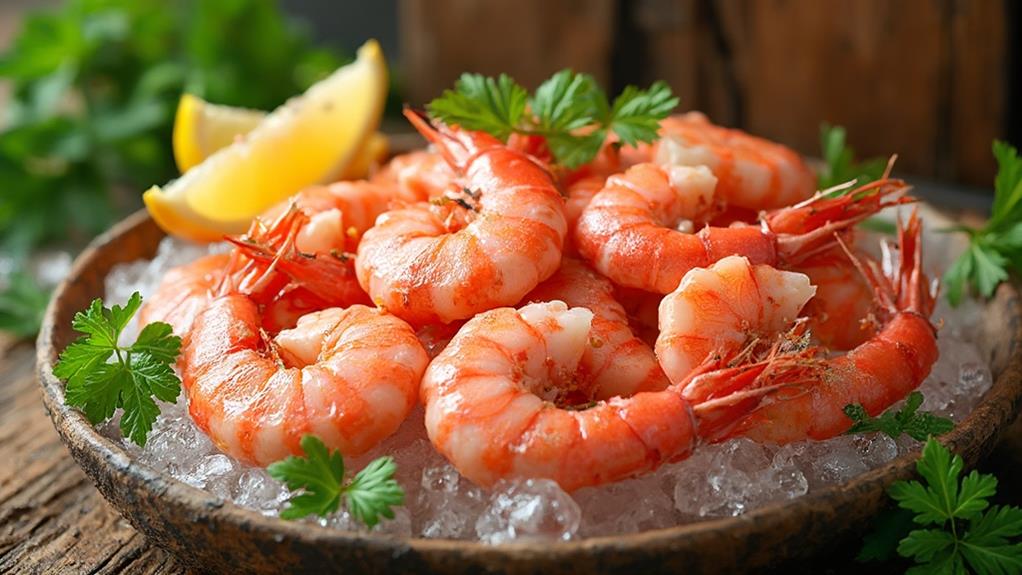
    Shrimp is an excellent source of protein, providing 24 grams per 100 grams, which supports muscle growth and repair. Additionally, it's low in calories, with only around 85 calories per serving, making it an ideal choice for those watching their weight.

    Shrimp is a rich source of omega-3 fatty acids, which contribute to heart health. While its omega-3 content is lower than some fatty fish, it still helps reduce inflammation and lower blood pressure.

    Shrimp is rich in essential nutrients, including selenium, vitamin B12, and iodine, which are crucial for metabolic processes and overall health.

    Furthermore, shrimp contains astaxanthin, a powerful antioxidant that may help protect against oxidative stress.

    Incorporating shrimp into your meals provides both culinary flexibility and nutritional benefits. By consuming shrimp, you not only enjoy its delicious taste but also reap its numerous health benefits, making it a valuable addition to your seafood choices.

    Cooking Methods to Retain Nutrients

    Retaining Nutrients in Seafood Cooking

    When cooking seafood, it's essential to choose methods that preserve its nutritional value while enhancing flavor.

    Omega-3 fatty acids, found in Filipino seafood, are particularly susceptible to degradation during cooking. To avoid nutrient loss, consider the following three effective cooking methods:

    Steaming is a low-water, low-heat method that cooks seafood evenly without leaching out nutrients. This technique retains omega-3 fatty acids and ensures a tender texture.

    Poaching involves gently cooking seafood in simmering liquid, like broth or wine, to maintain moisture and flavor. This technique minimizes nutrient loss and keeps the dish light and healthy.

    Grilling, when done correctly, enhances the natural flavors of seafood without excessive oil or frying. To avoid degrading beneficial compounds, use moderate heat to prevent charring.

    Incorporating Seafood Into Your Diet

    seafood diet incorporation tips

    Incorporating seafood into your diet can significantly enhance your nutritional intake, offering a rich source of protein, vitamins, and essential fatty acids.

    Consuming seafood regularly can improve heart health, cognitive function, and reduce inflammation due to its high omega-3 fatty acid content.

    To get started, aim to include seafood in your meals at least twice a week. Choose a variety of options, such as fish, shrimp, and squid, to benefit from different nutrient profiles.

    Fatty fish like sardines and mackerel are particularly high in omega-3s, while shellfish can provide important minerals like zinc and selenium.

    When selecting seafood, opt for sustainably sourced options to support environmental health.

    Cooking methods matter toogrilling, steaming, or baking can help retain nutrients while minimizing added fats.

    Pair seafood with fresh vegetables or whole grains for a balanced meal. For instance, a quinoa salad topped with grilled shrimp or fish can be both nutritious and satisfying.

  • Sinigang and Its Health Benefits

    Sinigang and Its Health Benefits

    Sinigang is a nutrient-dense soup that provides numerous health benefits. It is rich in vitamins A, C, and K, and essential minerals like magnesium and calcium, primarily due to its vibrant ingredients, including tamarind and fresh vegetables. For example, tamarind is an excellent source of vitamin C, with a single serving providing up to 30% of the daily recommended intake.

    The protein sources in Sinigang, such as pork, beef, or shrimp, are rich in amino acids. These amino acids are critical for muscle repair and immune function. For instance, the amino acid glutamine found in protein sources helps to boost the immune system and supports muscle recovery.

    Tamarind in Sinigang improves digestion and acts as a powerful antioxidant. The antioxidants in tamarind help to protect the body against free radicals, which can cause oxidative stress and contribute to chronic diseases. Additionally, tamarind has been shown to aid in digestion by increasing the production of digestive enzymes.

    Overall, Sinigang's robust nutrient profile supports overall well-being. By consuming Sinigang, individuals can benefit from a nutrient-dense meal that not only warms the body but also provides essential vitamins, minerals, and antioxidants.

    Nutritional Profile of Sinigang

    sinigang s nutritional composition analysis

    Nutritional Profile of Sinigang

    A serving of Sinigang, a traditional Filipino sour soup, weighing approximately 1189 grams, provides a balanced mix of macronutrients and essential vitamins and minerals.

    This serving contains approximately 520 calories, with 180.9 calories coming from fat.

    In terms of macronutrients, Sinigang provides 20.1 grams of total fat, 65.4 grams of total carbohydrates, and 28.8 grams of protein.

    This soup is particularly rich in dietary fiber, contributing 17.4 grams, which is about 69.6% of the daily recommended value.

    Sinigang is also a good source of various vitamins and minerals.

    It is rich in Vitamin A (6861.9 IU), Vitamin C (189.6 mg), and Vitamin K (1797 mcg).

    Additionally, it contains significant amounts of potassium (1959.9 mg), magnesium (148 mg), and phosphorus (538.4 mg).

    These nutrients make Sinigang a nutritious and well-rounded meal option, providing a range of health benefits from supporting immune function to aiding in bone health.

    Health Benefits of Tamarind

    Tamarind's Antioxidant Properties

    Tamarind is rich in antioxidants, which help protect the body from oxidative stress that can lead to chronic diseases.

    The antioxidants in tamarind, particularly beta-carotene and phenolic compounds, neutralize free radicals, preventing cell damage and promoting overall health.

    Essential Minerals for Bone Health

    Tamarind is a good source of essential minerals, including magnesium and calcium, crucial for bone health and other bodily functions.

    Magnesium supports over 300 processes in the body, including nerve and muscle function, blood pressure control, and strong bones.

    Anti-Inflammatory Properties

    Tamarind has anti-inflammatory properties that help reduce inflammation in the body.

    Its pulp is rich in potassium and polyphenols like flavonoids, which are known to reduce inflammation and improve conditions such as arthritis and inflammatory bowel disease.

    Managing Diabetes and Weight

    Tamarind has been shown to help manage diabetes through its hypoglycemic effects and can contribute to weight management by reducing fat absorption.

    These benefits make tamarind a valuable addition to your diet.

    Can Sinigang be made as a vegetarian or vegan dish to still get its health benefits?

    Yes, Sinigang can be made as a vegetarian or vegan dish while still retaining its health benefits. By using vegetable broth or tamarind as a souring agent, and adding a variety of vegetables like kangkong, radish, and eggplant, you can enjoy the delicious flavors of Sinigang as part of vegetarian and vegan Filipino food alternatives.

    Protein Sources in Sinigang

    sinigang protein ingredients list

    Sinigang is a nutrient-rich dish that packs a punch when it comes to protein sources.

    The primary protein sources in sinigang are pork, beef, or shrimp, each offering distinct benefits. Pork is rich in essential amino acids, providing around 25 grams of protein per serving, making it a robust option for those looking to meet their protein needs.

    Beef brings iron and zinc into the mix, crucial for energy production and immune function. Shrimp, on the other hand, provides about 20 grams of protein per serving and omega-3 fatty acids, beneficial for heart health.

    Vegetarians can enjoy sinigang too, as tofu or legumes serve as excellent protein alternatives. Tofu offers about 10 grams of protein per half-cup, while lentils add around 9 grams per half-cup.

    These protein sources ensure you're fueling your body with essential nutrients while enjoying a comforting bowl of soup.

    Medicinal Properties of Ingredients

    Sinigang ingredients offer impressive medicinal properties that can enhance overall well-being.

    Tamarind, the signature souring agent, is rich in antioxidants and vitamin C, which helps boost the immune system and promote healthy gut flora, improving digestion.

    The various vegetables, such as spinach and radish, are packed with essential vitamins and minerals. For instance, spinach is high in iron and calcium, supporting bone health and helping to combat anemia.

    The addition of tomatoes not only contributes to the flavor but also offers lycopene, a powerful antioxidant linked to a reduced risk of chronic diseases.

    Protein sources, like pork or shrimp, are rich in amino acids that aid in muscle repair and overall growth.

    Moreover, the herbs, such as ginger and chili peppers, have medicinal benefits.

    Ginger is well-known for its anti-inflammatory properties, which can help alleviate sore throats and digestive issues.

    Chili peppers contain capsaicin, which may boost metabolism and reduce pain.

    Preparing Sinigang for Health

    sinigang healthy cooking preparation

    Optimizing Sinigang's Nutritional Value

    When preparing Sinigang, it's essential to focus on nutritious ingredients to enhance its health benefits. Using lean protein sources like salmon or shrimp provides omega-3 fatty acids, which support heart health and reduce inflammation. These protein sources can be paired with a variety of vegetables, such as spinach, radish, and eggplant, to boost the soup's vitamin and mineral content.

    Spinach is rich in iron, crucial for energy production, while radish offers antioxidants that combat oxidative stress.

    Tomatoes, another essential ingredient, not only enhance flavor but are packed with lycopene, promoting skin health and reducing cancer risk.

    Tamarind, the soup's signature souring agent, provides vitamin C and aids in digestion.

    To add more nutritional value, mung beans can be incorporated, which are rich in protein and fiber, helping to manage weight and regulate blood sugar levels.

    Finally, using low-sodium broth or homemade stock controls salt intake while maintaining a rich, savory flavor.

  • The Health Benefits of Adobo: A Surprisingly Nutritious Dish

    The Health Benefits of Adobo: A Surprisingly Nutritious Dish

    Adobo: A Nutritious Dish with Antioxidant Properties

    Adobo, a traditional Filipino dish, offers numerous health benefits due to its rich blend of garlic, oregano, and other spices. These ingredients provide significant antioxidant properties, combating oxidative stress and reducing the risk of chronic diseases like heart disease and cancer.

    Heart Health Benefits

    The ingredients in adobo support heart health by lowering blood pressure and cholesterol levels. Oregano's anti-inflammatory properties also bolster immune function, further enhancing overall heart health.

    Digestive Health Benefits

    Adobo aids digestive health by nourishing beneficial gut bacteria. The spices in adobo reduce inflammation in the digestive tract, promoting a healthy gut.

    Blood Sugar Regulation

    Adobo helps regulate blood sugar levels through ingredients like cinnamon and bay leaves. This regulation can reduce the risk of developing type 2 diabetes and other blood sugar-related disorders.

    Overall Health Benefits

    The combination of antioxidant, heart health, digestive health, and blood sugar regulation benefits in adobo enhances overall health.

    By incorporating adobo into your diet, you can experience these benefits and improve your overall well-being. Adobo is a versatile and flavorful dish that can be made with a variety of proteins, including chicken, pork, or fish. It is typically marinated in a mixture of vinegar, soy sauce, garlic, and spices, then slow-cooked to perfection. By regularly consuming adobo, you can benefit from its high protein content, which is essential for muscle repair and growth. Additionally, the traditional adobo recipe often includes garlic, which has been shown to have anti-inflammatory and immune-boosting properties. Overall, incorporating adobo into your diet can be a delicious way to improve your health and well-being.

    Antioxidant Properties of Adobo

    The Antioxidant Properties of Adobo

    Adobo's Antioxidant-Rich Ingredients

    Adobo's antioxidant properties are a significant aspect of its nutritional benefits.

    The combination of garlic, oregano, and other spices in adobo seasoning creates a potent blend that fights oxidative stress and supports immune system function.

    Garlic, a common ingredient in adobo, is widely known for its antioxidant properties and has been linked to reducing the risk of chronic diseases such as heart disease and certain types of cancer.

    Oregano, another component of adobo, is also packed with antioxidants that possess anti-inflammatory properties, which can potentially bolster the immune system and provide additional health benefits.

    Heart Health Benefits

    Adobo Seasoning and Heart Health

    Incorporating adobo seasoning into your diet can be a beneficial step in maintaining heart health. The ingredients typically found in adobo seasoning, such as garlic, oregano, and bay leaves, have been associated with several heart health benefits.

    Garlic and Blood Pressure

    Garlic has been linked to reduced blood pressure levels and a lower risk of heart disease. Its antioxidant properties help combat oxidative stress, which can damage blood vessels and increase the risk of cardiovascular diseases.

    Oregano and Inflammation

    Oregano's anti-inflammatory properties help mitigate the risk of chronic inflammation, which is often a precursor to heart disease. By reducing inflammation, oregano contributes to a healthier heart.

    Adobo Marinade and Cholesterol

    The marinade in adobo, comprising vinegar and soy sauce, has been shown to potentially reduce cholesterol levels and improve heart health. This combination enhances the body's ability to regulate lipid profiles, leading to a healthier heart.

    Incorporating Adobo into Your Diet

    What are the specific health benefits of adobo and how do the herbs and spices used in Filipino cuisine contribute to its nutritional value?

    Adobo, a popular Filipino dish, offers specific health benefits due to the herbs and spices in filipino cuisine used in its preparation. These ingredients, such as garlic, bay leaves, and black peppercorns, are known for their antioxidant and anti-inflammatory properties, enhancing the nutritional value of the dish. Furthermore, adobo can also be made with other healthy ingredients such as lean cuts of meat, vinegar, and soy sauce, making it a well-balanced and nutritious meal. In fact, many variations of adobo also include vegetables like bitter gourd, which is packed with vitamins and minerals. Delicious bitter gourd adobo recipes are a great way to enjoy the health benefits of this unique ingredient while savoring the rich flavors of Filipino cuisine.

    Immune System Support

    boosting immune system health

    Adobo Seasoning: A Natural Immune System Booster

    Incorporating adobo seasoning into your diet can significantly support your immune system. The blend of herbs and spices in adobo provides several immune-boosting benefits due to its rich nutritional content.

    Key Immune-Boosting Ingredients in Adobo

    Garlic is rich in vitamin C, vitamin B6, and manganese, which support immune function and reduce the risk of chronic diseases.

    Oregano is packed with antioxidants and anti-inflammatory properties, which can bolster the immune system and reduce oxidative stress.

    Bay Leaves have been traditionally used as remedies for various health issues, including gastrointestinal problems, which are crucial for maintaining overall immune health.

    Black Pepper contains piperine, which can enhance the bioavailability of other nutrients and aid in immune function.

    Turmeric, when included in adobo recipes, provides potent anti-inflammatory and antioxidant properties that support immune health through its active compound, curcumin.

    These ingredients work synergistically to enhance your immune system's strength, protecting you against infections and diseases.

    Digestive Health Advantages

    Adobo Seasoning Supports Digestive Health

    Adobo seasoning can significantly benefit your digestive health due to its ingredients, particularly garlic, oregano, and bay leaves, which have been traditionally used to support gastrointestinal well-being.

    Garlic nourishes beneficial bacteria in your gut, which is crucial for a healthy digestive system. The anti-inflammatory properties of oregano and other herbs in adobo seasoning can also help alleviate digestive issues by reducing inflammation in the digestive tract and promoting a balanced gut microbiome, essential for efficient nutrient absorption and overall digestive health.

    Adobo Seasoning Acts as a Natural Remedy

    The spices in adobo seasoning can act as natural remedies for common digestive problems.

    Oregano, black peppercorns, and bay leaves have been used for centuries to aid in digestion and relieve symptoms such as bloating, gas, and indigestion. By incorporating adobo seasoning into your meals, you can enhance the flavor of your dishes while supporting a healthier digestive system.

    Adobo seasoning is a versatile and nutritious addition to your diet, providing both culinary and health benefits.

    Blood Sugar Regulation

    maintaining healthy blood levels

    Adobo Seasoning and Blood Sugar Regulation

    Adobo seasoning has a significant impact on blood sugar levels due to its ingredients, particularly cinnamon and bay leaves, which have been studied for their potential to regulate blood glucose.

    Key Ingredients and Their Effects on Blood Sugar

    Cinnamon lowers blood sugar by increasing insulin sensitivity and provides antioxidant and anti-inflammatory benefits.

    Bay Leaves may help slow down the digestion of carbohydrates and are a rich source of vitamins A and C, and manganese.

    Garlic improves insulin sensitivity and reduces blood sugar levels, and is also a good source of vitamins C and B6, and manganese.

    Soy Sauce has a minimal direct impact on blood sugar, but excessive sodium content can affect overall health, and it provides sodium and small amounts of vitamins and minerals.

    Black Peppercorns aid digestion and contain piperine, but have no significant direct impact on blood sugar.

    Benefits of Adobo Seasoning for Blood Sugar Regulation

    When consumed in moderation and as part of a balanced diet, Adobo seasoning can be beneficial for blood sugar regulation.

    The spices and herbs in Adobo, particularly cinnamon and garlic, have been shown to improve insulin sensitivity and help manage blood sugar levels.

    However, it's crucial to be mindful of the sodium content from soy sauce to avoid potential long-term health issues.

  • Nutritional Benefits of Filipino Ingredients

    Nutritional Benefits of Filipino Ingredients

    Filipino Ingredients: A Nutritional Powerhouse

    Incorporating Filipino staples like rice, vegetables, and fruits into your diet can significantly boost your energy and overall health.

    Rice: A Staple with a Caveat

    Rice provides energy, but it is low in vitamins and minerals. To make it a healthier option, choose brown rice, which is richer in fiber and nutrients.

    Vegetables: Rich in Vitamins and Minerals

    Vegetables are packed with vitamins and minerals that offer antioxidant properties, helping to prevent chronic diseases.

    Fruits: A Delicious Source of Vitamins A and C

    Filipino fruits like mangoes and lanzones are rich in vitamins A and C, enhancing overall health.

    Other Nutritious Ingredients

    Ingredients like malunggay, ginger, turmeric, and garlic offer various health benefits, including reducing inflammation and improving heart health.

    Nutritional Value of Rice

    Nutritional Value of Rice

    Rice is a low-nutrient food that should be consumed in moderation as part of a balanced diet. Rice, a staple in many cuisines, provides a mix of nutrients but lacks essential vitamins and minerals.

    White rice, the most commonly consumed type, is high in carbohydrates but low in fiber and many B vitamins and minerals.

    Rice can be a good source of certain minerals. It provides some manganese and selenium, which are important for enzyme function and antioxidant defenses.

    Choosing the right type of rice can make a difference. Brown rice and other varieties that retain the nutrient-rich bran and germ layers are higher in fiber, magnesium, and various B vitamins, making them a more nutritious option.

    Jasmine rice, although popular, is still a refined carbohydrate source.

    To balance your diet, pair rice with other nutrient-dense foods. Combining rice with vegetables, fruits, and lean proteins ensures a well-rounded mix of vitamins and minerals.

    Incorporating rice into your meals can be part of a balanced diet, but it's crucial to be mindful of portion sizes and combine it with other nutrient-rich foods to maximize nutritional benefits.

    Health Benefits of Malunggay

    Malunggay, also known as moringa, is a nutritional powerhouse that offers numerous health benefits. This leafy vegetable is rich in antioxidants, vitamins, and minerals, making it a valuable addition to your diet.

    Malunggay is an excellent source of essential nutrients. It contains vitamins A, C, and E, as well as calcium, iron, and potassium, which are crucial for maintaining healthy vision, immunity, and overall bodily functions. These nutrients work together to provide a range of health benefits.

    Malunggay's antioxidant properties protect cells from damage. They reduce the risk of heart diseases, cancer, and other illnesses by shielding cells from free radical damage.

    Its anti-inflammatory effects also inhibit inflammation, lowering the risk of related conditions such as heart disease.

    Malunggay helps regulate blood sugar levels. Compounds like chlorogenic acid in malunggay make it beneficial for people with diabetes.

    Malunggay supports liver health. It increases protein levels and restores liver enzymes, making it a valuable addition to a healthy diet.

    Malunggay is versatile and can be added to various dishes, including soups, stews, salads, or even made into a healthy tea.

    Antioxidant Properties of Vegetables

    vegetables antioxidant health benefits

    Vegetables are rich in antioxidants, which help protect cells from damage caused by free radicals.

    Incorporating a variety of vegetables into your diet boosts your intake of these protective compounds. Broccoli, spinach, carrots, and potatoes are particularly high in antioxidants. These vegetables contain various antioxidant types, such as beta-carotene in carrots and spinach, lutein in spinach and corn, and anthocyanins in eggplant and red cabbage.

    Specific vegetables have been linked to reduced risks of certain diseases. For example, broccoli and cabbage are rich in indoles, which have been linked to reduced risks of certain cancers.

    Similarly, the antioxidants in sweet potatoes and carrots help protect against oxidative stress, contributing to overall health and well-being.

    Making vegetables a staple in your diet can significantly enhance your antioxidant intake and reduce the risk of chronic diseases. By incorporating these vegetables into your meals, you're taking a proactive step in maintaining your health.

    Vitamin-Rich Filipino Fruits

    Vitamin-Rich Filipino Fruits

    Filipino cuisine offers a diverse range of fruits that aren't only delicious but also packed with essential vitamins and minerals. These fruits can significantly enhance your nutritional intake.

    Mangoes

    Mangoes are the national fruit of the Philippines and are rich in vitamins A and C. There are various varieties, including Manila mango, honey mango, and carabao mango, which are celebrated during peak mango season from March to June.

    Lanzones

    Lanzones are rich in vitamin A and other nutrients. They're often eaten fresh and have a sweet and sometimes sour taste, similar to grapefruit.

    Calamansi

    Calamansi is a staple in many Filipino dishes and is rich in vitamin C, making it a great addition for seasoning and as a condiment.

    Santol

    Santol is rich in vitamins B and C, along with many antioxidants. It's often eaten fresh or used in dishes like "sinigang".

    Incorporating these fruits into your diet can provide a boost in essential vitamins, enhancing your overall health and well-being.

    What are the Nutritional Benefits of Malunggay, Coconut, and Other Filipino Superfoods?

    Malunggay, coconut, and other Filipino superfoods and more offer numerous nutritional benefits. Malunggay is packed with vitamins, minerals, and protein. Coconut is rich in healthy fats and fiber. These superfoods are known for their immunity-boosting and anti-inflammatory properties, making them essential in a healthy diet.

    Digestive Benefits of Ginger

    ginger s digestive health benefits

    Ginger has significant digestive benefits that can enhance overall health. Known for its anti-inflammatory and antioxidant properties, ginger has been used for centuries to alleviate various gastrointestinal issues. It acts as a carminative, promoting the elimination of excess gas from the digestive system, which helps in soothing colic and indigestion.

    Ginger enhances gastric emptying, reducing the time it takes for the stomach to empty. This alleviates symptoms of dyspepsia and other digestive discomforts. Its active compounds, particularly gingerols, stimulate digestive enzymes, which aid in the breakdown of food and alleviate nausea and bloating.

    Ginger can relieve or prevent constipation. Studies have shown that ginger ingestion can increase movement through the digestive tract.

    When consumed in moderation, ginger is generally recognized as safe and can be a valuable addition to your diet. Whether you add fresh ginger to meals, brew ginger tea, or use ginger-infused products, it can help maintain a healthier digestive system and overall well-being.

    Heart Health With Turmeric

    Turmeric has been used for centuries in traditional medicine, and its active compound curcumin offers several advantages for heart health. Curcumin is known for its anti-inflammatory and antioxidant properties, which can help manage various cardiovascular risk factors.

    Turmeric improves blood vessel function, which is crucial for regulating blood pressure and preventing heart disease. Maintaining healthy blood vessels is essential for overall cardiovascular health.

    Turmeric reduces bad cholesterol. Curcumin can lower levels of bad cholesterol (LDL), a significant factor in heart disease prevention. High levels of LDL cholesterol can lead to plaque buildup in the arteries, increasing the risk of heart disease.

    Turmeric enhances exercise capacity, especially in individuals with heart failure. Turmeric has been shown to improve muscle function and reduce oxidative stress, allowing individuals to engage in physical activity with more ease.

    Turmeric decreases oxidative stress, which can lead to cardiovascular diseases. Turmeric's antioxidant properties help neutralize free radicals, reducing oxidative stress and promoting overall heart health.

    Incorporating turmeric into your diet, whether through food or as a supplement, can be a simple yet effective way to boost your heart health.

    However, it's always best to consult a healthcare provider before making any significant changes to your diet.

    Immunity Boost From Garlic

    garlic enhances immune function

    Garlic, a staple ingredient in many cuisines, has been revered for its health benefits for centuries. In Filipino cooking, garlic is more than just a flavor enhancer; it plays a significant role in boosting your immune system.

    Garlic contains allicin, a compound with potent antibacterial, antiviral, and antifungal effects, making it a natural antibiotic. This compound helps the body fight off infections and promotes overall wellness.

    Garlic boosts immunity by stimulating white blood cell production, which enhances the body's defense against infections. This is particularly important because white blood cells are the body's first line of defense against pathogens.

    Garlic reduces blood pressure by lowering cholesterol levels and preventing blood clots, which supports heart health. High blood pressure is a major risk factor for heart disease, so incorporating garlic into your diet can have a significant impact on cardiovascular health.

    Garlic has antibacterial properties that kill bacteria and other pathogens, which helps prevent illnesses. This is especially important in today's world, where antibiotic-resistant bacteria are becoming increasingly common.

    Garlic has antioxidant effects that protect cells from oxidative stress, which reduces the risk of chronic diseases. Oxidative stress occurs when the body's cells are damaged by free radicals, and garlic's antioxidant properties help to neutralize these free radicals.

    Garlic aids in digestion and reduces gastrointestinal discomfort, promoting better gut health. A healthy gut is essential for overall health, and garlic's digestive benefits can have a significant impact on overall wellness.

  • Rural Philippines' Hidden Culinary Gems Revealed

    Rural Philippines' Hidden Culinary Gems Revealed

    Rural Philippines is home to a wealth of unexplored culinary gems, waiting to be discovered beyond the usual tourist trails. Each region boasts its own unique flavors shaped by local ingredients and cultural traditions.

    For example, the savory stew adobo is a staple in many Filipino households, while tinola, a ginger-based chicken soup, is a comforting favorite in rural areas. On the sweet side, halo-halo, a shaved ice dessert, and bibingka, a rice cake, are must-try treats.

    Family-run restaurants and street food vendors offer a taste of genuine Filipino hospitality. As you explore the countryside, you'll discover heirloom recipes, such as traditional cooking methods passed down through generations, and innovative twists on classic dishes.

    For instance, some rural restaurants serve modern versions of adobo with unique ingredients like pineapple or coffee. The scenic countryside views only add to the appeal, making you crave for more.

    Filipino Food Culture and Traditions

    Filipino food culture is a unique blend of indigenous, Spanish, Chinese, and American influences. This rich cultural fusion is reflected in the country's traditional dishes, which showcase the diverse culinary heritage of the Philippines.

    Adobo, sinigang, and halo-halo are iconic examples of this cultural mix, each dish telling a story of the country's complex history and cultural exchange.

    Adobo, a savory stew made with meat or seafood, vinegar, soy sauce, and spices, is a staple dish that has been passed down through generations.

    Sinigang, a sour soup made with tamarind broth and various vegetables and proteins, highlights the country's indigenous and Spanish influences.

    Halo-halo, a sweet and refreshing dessert made with shaved ice, sweetened beans, and fruits, is a popular treat that showcases the country's Chinese and American influences.

    These traditional dishes offer a culinary adventure that showcases the fusion of flavors and techniques that have been refined over time.

    Unique Filipino Food Traditions

    Filipino Cuisine: A Blend of Cultural Influences

    Filipino cuisine is a unique fusion of indigenous, Spanish, Chinese, and American influences. This blend of cultural heritage and regional diversity has shaped the country's gastronomic identity.

    Traditional Cooking Methods

    Filipino cooking involves various traditional methods that have been passed down through generations.

    Adobo, a staple dish, is cooked using a combination of vinegar, soy sauce, and garlic.

    Sinigang, a sour soup, is prepared using tamarind broth.

    Lechon, a whole roasted pig, is slow-cooked over charcoal.

    Grilling and Steaming are also common methods used to prepare various Filipino dishes.

    Regional Specialties

    The Philippines is composed of different regions, each with its own unique specialties.

    Bicol Express, a spicy dish from the Bicol region, is made with chili peppers and coconut milk.

    Sisig, a popular appetizer from Pampanga, is a mixture of chopped pork's face and ears served with a sizzling plate.

    Kare-kare, a peanut-based stew from the northern regions, is served with steamed rice.

    Halo-halo, a Filipino version of shaved ice dessert, is a refreshing treat from various regions.

    Bibingka, a traditional rice cake, is a staple during Christmas celebrations in many regions.

    These unique food traditions reflect the country's cultural heritage and regional diversity, making Filipino cuisine truly distinct.

    Culinary Heritage of Rural Philippines

    Rural Philippines is a treasure trove of culinary secrets. Traditional dishes in rural Philippines burst with local flavors and cooking techniques passed down through generations. For instance, the dish 'tinola' is a traditional soup made with ginger, onions, and chicken or fish, which is a staple in many rural households.

    Regional specialties highlight the diverse culinary landscape. Seafood dishes are common in coastal areas, while hearty stews are popular in mountainous regions. In the Visayas region, for example, 'batchoy' is a popular noodle soup made with pork organs, shrimp, and vegetables.

    Rural Filipino cuisine emphasizes fresh, locally sourced ingredients, promoting sustainability and farm-to-table practices. This emphasis on local ingredients ensures that dishes aren't only delicious but also support the local economy.

    Authentic dining experiences await in rural Philippines. By immersing yourself in rural Philippines' culinary heritage, you'll uncover the authentic flavors and traditions that make this cuisine so special. For instance, dining at a local 'carinderia' (a small, family-owned eatery) will give you a taste of homemade Filipino cooking.

    Hidden Gems of Filipino Cuisine

    Uncover the Authentic Flavors of Rural Philippines

    Rural Philippines is home to a treasure trove of traditional dishes with unique flavors and cooking techniques. These hidden gems can be found in local eateries, markets, and community-driven food experiences. By exploring these off-the-beaten-path destinations, you'll discover authentic flavors and fresh ingredients that showcase the country's diverse food culture.

    Innovative Culinary Creations

    Rural Filipino cuisine blends traditional techniques with modern twists, creating a unique gastronomic experience. For example, Tinol, a traditional dish from the Visayas region, combines chicken cooked in ginger broth with a modern twist of adding coconut milk and lemongrass. This fusion of flavors showcases the innovative spirit of rural Filipino cuisine.

    A Glimpse into Culinary Heritage

    These hidden gems offer a glimpse into the vibrant culinary heritage of rural Philippines. They preserve traditional cooking methods, such as grilling over charcoal and cooking in clay pots, which are often lost in modernized urban cuisine. By trying these dishes, you'll experience the rich cultural heritage of the rural Philippines.

    Unpretentious and Delicious

    Rural Filipino cuisine is unpretentious, flavorful, and utterly delicious. Dishes like Kinilaw, a raw fish dish marinated in vinegar and spices, and Batchoy, a noodle soup made with pork organs and crushed pork cracklings, are just a few examples of the mouth-watering flavors you can discover. By venturing off the beaten path, you'll uncover the hidden treasures of Filipino cuisine that will leave you wanting more.

    Regional Exploration of Filipino Flavors

    The Philippines boasts a diverse culinary landscape, with each province and city offering its own unique flavors shaped by local ingredients, cultural traditions, and innovative twists.

    Regional flavors in the Philippines are a reflection of the country's cultural heritage and agricultural diversity.

    For instance, Antipolo, Rizal, is known for its blend of traditional Filipino dishes and modern fusion cuisine.

    In Silang, Cavite, farm-to-table dining experiences and local delicacies highlight the region's agricultural heritage.

    Meanwhile, San Pablo, Laguna, offers a diverse range of dishes featuring the region's famous crater lakes.

    These regional flavors are a testament to the richness and complexity of Filipino cuisine.

    Immersive Culinary Experiences Await

    Rural Philippines offers immersive culinary experiences that combine traditional dishes, regional cuisine, and unique dining settings. In these culinary destinations, you'll encounter a rich blend of Filipino-Spanish flavors and Ilocano traditions, as well as innovative fusion dishes.

    Heirloom recipes passed down through generations and modern twists on classic favorites showcase the country's culinary diversity. By exploring rural Philippines, you'll uncover authentic and unforgettable dining experiences that will leave you craving for more.

    For example, in the town of Vigan, you can try traditional Ilocano dishes like pinakbet and bagnet. In the Cordillera region, indigenous ingredients like ube and coffee are used to create unique fusion dishes.

    These culinary experiences will give you a taste of the true essence of rural Philippines' gastronomic delights.

    Filipino Culinary Gems Uncovered

    Filipino culinary gems can be found in rural towns and cities, offering a unique taste of the country's rich culinary heritage.

    Tahanan Bistro in Antipolo serves modern Filipino cuisine in a cozy, ancestral home setting.

    Gata in Quezon City indulges diners in traditional Filipino-Spanish dishes.

    Balai Ilocos in Tagaytay presents authentic Ilocano flavors and heritage recipes.

    These hidden gems showcase the diversity and richness of Filipino cuisine, from traditional recipes to modern twists. Each dish is a testament to the country's culinary expertise, reflecting the cultural influences that have shaped the nation's cooking.

    Rural Philippines' Best-Kept Secrets

    Rural Philippines' Culinary Gems

    Venturing off the beaten path in rural Philippines leads to the discovery of authentic eateries and family-run restaurants serving traditional recipes passed down through generations. These hidden gems specialize in regional specialties, such as sisig, a popular dish made from chopped pork's face, and kinilaw, a Filipino version of ceviche. Even street food vendors offer a taste of local flavors, like grilled corn and fried fish balls.

    As you explore these culinary gems, you'll experience the warm hospitality of the Filipino people and gain a deeper understanding of the community's values and traditions.

    In rural Philippines, food is more than just a meal; it's a celebration of culture and heritage.

    Discovering Authentic Filipino Flavors

    Authentic Filipino flavors are rooted in the country's rich cultural heritage, where traditional cuisine is a beautiful fusion of coastal and mountainous influences.

    Locally sourced ingredients and unique cooking methods are used to create dishes that tantalize the taste buds.

    Filipino-Spanish fusion cuisine blends the country's colonial past with its indigenous roots. For example, dishes like adobo, which combines Spanish vinegar with Filipino spices, showcase this fusion.

    Heirloom recipes have been passed down through generations, highlighting the country's rich culinary heritage. These recipes, such as traditional Filipino desserts like kakanin, have been preserved and continued to be enjoyed by families.

    Innovative culinary creations put a modern twist on traditional Filipino dishes. Chefs are experimenting with new ingredients and cooking techniques to create unique flavors, such as modern takes on classic dishes like sinigang and lechon.

    Off the Beaten Path Culinary Adventures

    Rural Philippines is home to hidden culinary gems beyond popular tourist spots, where traditional Filipino dishes and regional cuisine are served in lesser-known eateries. These eateries are tucked away in rolling hills and scenic coastal towns, offering a unique dining experience that showcases the rich culinary heritage of the Philippines.

    In these off-the-beaten-path eateries, you can savor authentic flavors and traditional cooking methods while enjoying breathtaking views of the surrounding landscape. By immersing yourself in the local culture and culinary traditions of rural communities, you'll gain a deeper understanding of the vibrant food scene in rural Philippines.

    Every bite is a journey, taking you deeper into the heart of rural Philippines' culinary heritage.

    Conclusion

    The rural Philippines is home to a wealth of hidden culinary gems. These gems are characterized by unique food customs and regional flavors that reflect the country's authentic flavors and traditions.

    For example, the dish 'tinola' from the Visayas region is a spicy ginger-based chicken soup that's often served with steamed rice. In these rural areas, food is often prepared using traditional methods and ingredients, resulting in a simplicity and richness of flavor that's deeply rooted in Filipino culture.

    The use of locally sourced ingredients, such as coconut milk and patis (fish sauce), adds depth and complexity to these regional dishes. By exploring these hidden gems, one can gain a deeper appreciation for the Philippines' gastronomic heritage and the role that food plays in rural Filipino life.