Author: A. Pineda

  • Promoting Food Security and Nutrition in the Philippines

    Promoting Food Security and Nutrition in the Philippines

    Governments and organizations play a crucial role in promoting food security and nutrition. They develop data-driven policies to increase agricultural productivity and support local food systems. For instance, these policies can include initiatives like precision agriculture, which uses technology to optimize crop yields.

    To ensure effectiveness, community engagement is essential to tailor initiatives to specific local needs. This involves consulting with local farmers, consumers, and other stakeholders to understand their unique challenges and requirements.

    Public-private partnerships are also vital in promoting food security and nutrition. These partnerships bring together the resources and expertise of governments, private companies, and non-profit organizations to develop innovative solutions. For example, biofortification – the process of breeding crops to be rich in essential micronutrients – has been successful in addressing micronutrient deficiencies in many countries.

    Additionally, mobile health apps have been used to provide nutrition education and support to marginalized communities.

    International organizations provide critical funding and knowledge to address food insecurity and promote sustainable practices. They support initiatives that enhance agricultural productivity, improve access to nutritious food, and promote sustainable agriculture practices.

    Furthermore, investing in nutrition education and establishing safety nets is crucial in enhancing public health and reducing malnutrition rates. This includes initiatives like school meal programs, nutrition counseling, and emergency food assistance.

    Importance of Food Security

    Food security is crucial for individual well-being, societal stability, and economic growth. When people have reliable access to sufficient, safe, and nutritious food, public health improves, and malnutrition rates decrease. Research shows that food insecurity directly correlates with higher healthcare costs and lower productivity levels, draining national resources.

    Preserving cultural heritage, such as traditional practices, contributes to food security. For instance, sustainable agricultural practices and supporting local communities are promoted through these efforts.

    Community-based initiatives prioritizing food security foster social cohesion and stimulate local economies.

    Food security plays a vital role in fostering social cohesion. Communities with stable food systems experience lower crime rates and improved educational outcomes, as children perform better academically when they're not preoccupied with hunger.

    A secure food supply chain enhances agricultural productivity, supporting local economies. When farmers thrive, they're more likely to invest in sustainable practices, creating a ripple effect that can stimulate job growth and innovation.

    In essence, the importance of food security extends beyond mere survival; it's a cornerstone for building resilient societies. By prioritizing food security, you're not just addressing immediate needs but also laying the groundwork for long-term economic prosperity and social stability.

    Government Policies and Frameworks

    Implementing effective government policies and frameworks is crucial for achieving food security on a national scale. A robust policy environment can address the multifaceted challenges of food security and nutrition.

    To create such an environment, governments can consider the following key elements:

    Investing in agriculture enhances productivity and sustainability. This can be achieved by allocating resources to provide training programs for local farmers, which can lead to increased crop yields and more efficient farming practices.

    Nutritional education is essential for promoting healthy eating habits. Governments can implement programs that educate communities on the importance of consuming locally sourced ingredients and traditional food systems, leading to better health outcomes and a reduced reliance on imports.

    Supporting local food systems reduces dependency on imports and boosts local economies. Governments can encourage local food production by providing incentives, such as subsidies and tax breaks, to local farmers and food producers.

    Safety nets and subsidies ensure access to adequate food for vulnerable populations. Governments can implement financial support programs, such as food stamps or cash transfers, to help vulnerable populations, including low-income families and the elderly, access nutritious food.

    Data-driven decision-making is critical for assessing food security levels and tailoring interventions. Governments can utilize robust data to monitor food security levels, identify areas of need, and allocate resources effectively to address these needs.

    Role of International Organizations

    global governance and cooperation

    International organizations are crucial players in achieving global food security and nutrition. They contribute through funding, knowledge sharing, and policy advocacy. For instance, the Food and Agriculture Organization (FAO) and the World Food Programme (WFP) use their expertise to implement programs addressing malnutrition. Their data-driven approaches help identify vulnerable populations and tailor interventions accordingly.

    International organizations support countries in developing and implementing sustainable agricultural practices. They provide technical assistance, enabling countries to enhance food production.

    Through partnerships, they foster collaboration among nations, enabling shared learning and best practices. For example, initiatives focusing on climate-resilient agriculture can mitigate the impacts of climate change on food systems.

    In emergency response situations, international organizations deliver food aid and nutrition support. Their established networks ensure timely assistance reaches those in need, reducing the risk of famine.

    International organizations advocate for policy frameworks that prioritize food security. They promote evidence-based policies that address both the immediate and underlying causes of food insecurity, fostering a holistic approach to nutrition and health. This ultimately contributes to achieving global food security and nutrition goals.

    Community Engagement and Participation

    Community Engagement: A Key to Food Security

    Involving local communities in decision-making processes is crucial for addressing food security and nutrition challenges. This approach ensures that solutions are tailored to local needs and values, leading to more sustainable and effective outcomes. By empowering communities, food security programs become more effective, and community cohesion and pride are strengthened.

    Strengthening Local Food Systems

    Collective action is essential for strengthening local food systems. This can be achieved by identifying and promoting culturally appropriate nutritional practices, such as traditional cuisine and cooking methods. For instance, reviving traditional craftsmanship, like weaving, can contribute to community cohesion and pride.

    Empowering Marginalized Groups

    Empowering marginalized groups to voice their needs is critical for ensuring that their concerns are addressed. This can be achieved by facilitating education on sustainable agriculture techniques and building resilience against food price volatility.

    Benefits of Community Engagement

    Engaging communities improves program outcomes and builds trust among stakeholders. When individuals are involved in planning and executing food security initiatives, they're more likely to adopt healthy behaviors and contribute to local food systems.

    Therefore, policy frameworks should emphasize participatory approaches, ensuring that community voices are integral to strategies aimed at enhancing food security.

    Investing in Community Engagement

    How do Government and Organizations Ensure Food Safety and Nutrition for the Public?

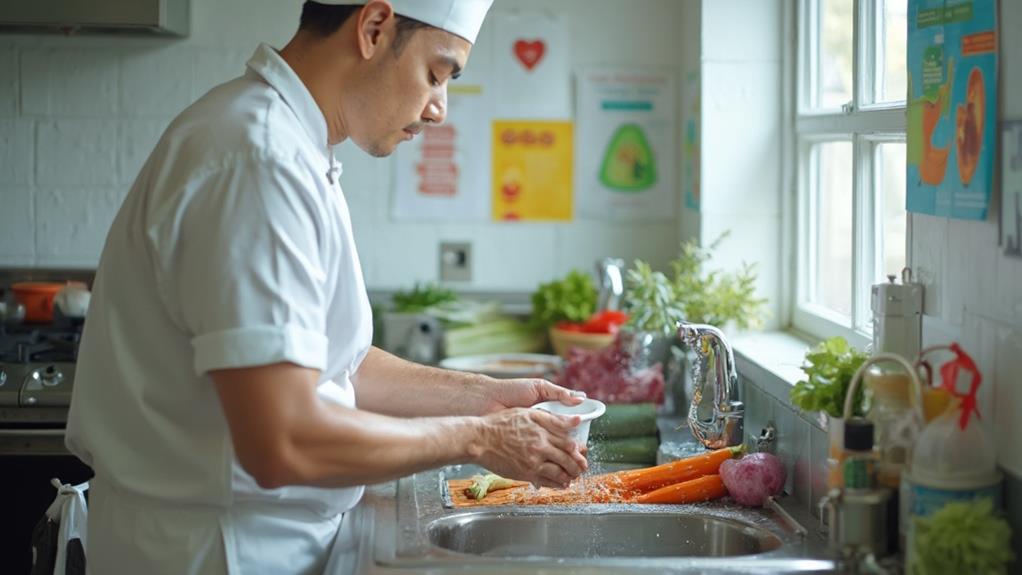
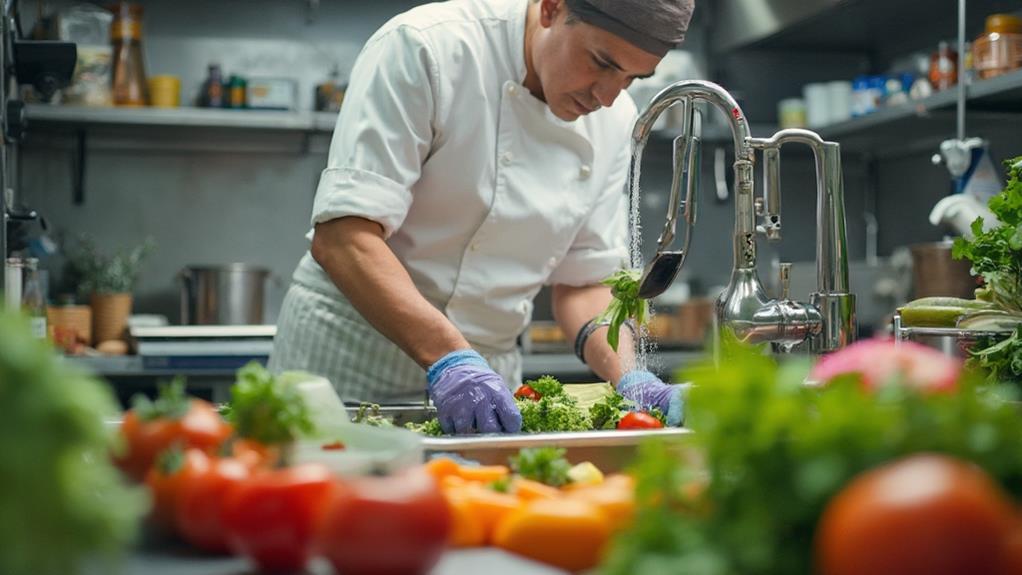
    Government and organizations ensure the importance of food safety and nutrition through strict regulations, regular inspections, and public awareness campaigns. They enforce proper handling, storage, and preparation of food to prevent contamination. Furthermore, they provide education and resources to promote healthy eating habits and make nutritious options accessible to the public.

    Public-Private Partnerships

    collaborative investment initiatives explained

    Public-Private Partnerships (PPPs) for Food Security and Nutrition

    PPPs are essential for enhancing food security and nutrition. By combining the strengths of both sectors, these collaborations can create innovative solutions to address food scarcity and malnutrition.

    Benefits of PPPs

    Resource Mobilization: PPPs ensure funding and policy support from the public sector and provide technology and innovation from the private sector. For example, the public sector can provide subsidies for farmers, while the private sector can offer advanced irrigation systems.

    Infrastructure Development: PPPs bring together the public sector's facility-building and maintenance capabilities with the private sector's investment in logistics and supply chains. For instance, the public sector can build roads, while the private sector can invest in transportation infrastructure.

    Community Engagement: PPPs facilitate outreach and education from the public sector and implement programs and services from the private sector. For example, the public sector can educate farmers on new farming techniques, while the private sector can provide training on business management.

    Successful PPPs

    Successful PPPs focus on shared goals and mutual benefits.

    Governments and corporations can collaborate on agricultural initiatives to enhance productivity and ensure nutritious food reaches vulnerable populations.

    By fostering transparency and accountability, these partnerships can build trust among stakeholders.

    Embracing PPPs can be a game-changer in the quest for food security and improved nutrition outcomes.

    Innovative Approaches in Nutrition

    Innovative approaches in nutrition are revolutionizing the way we address food security, offering effective solutions to combat malnutrition and improve dietary quality.

    Biofortification enhances the nutritional value of crops through genetic modification or selective breeding. For instance, vitamin A-enriched sweet potatoes have been developed to combat vitamin A deficiency in sub-Saharan Africa.

    Mobile Health Apps utilize technology to provide real-time nutritional advice and resources to individuals. These apps can offer personalized nutrition plans, track dietary intake, and connect users with registered dietitians.

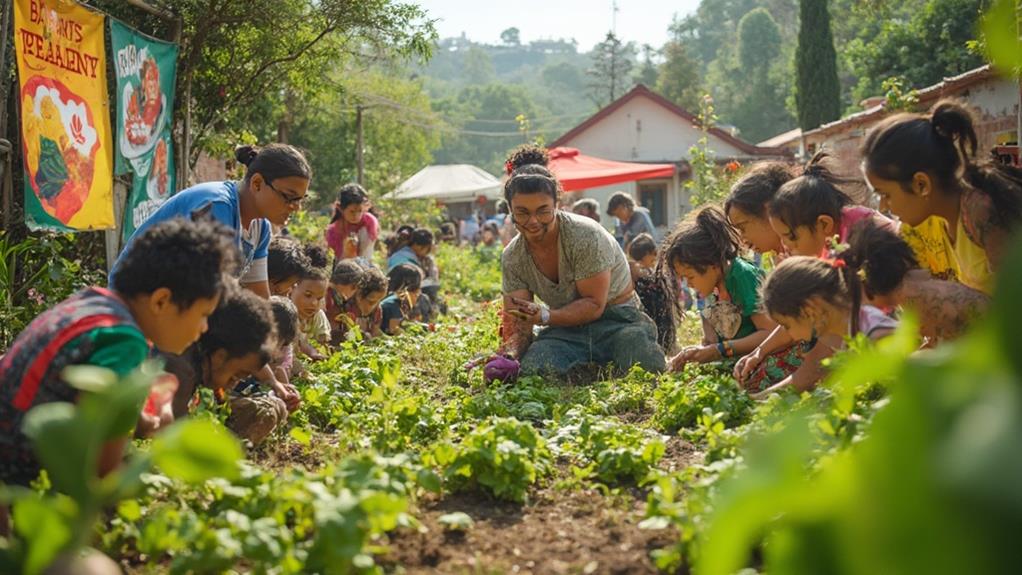
    Community Gardens encourage local food production and education around healthy eating habits. These gardens not only provide access to fresh produce but also serve as educational hubs, teaching residents about nutrition, food preparation, and sustainable agriculture practices.

    Nutrition Education Programs implement targeted initiatives to raise awareness about balanced diets and food choices. For example, a program might provide nutrition workshops, cooking classes, and demonstrations on meal planning and preparation.

    Food Policy Advocacy influences government policies to prioritize nutrition in food security initiatives. Advocates can push for policies that promote the production and distribution of nutritious foods, reduce food waste, and increase access to healthy food options.

    Monitoring and Evaluation Strategies

    effective assessment techniques implementation

    Effective Monitoring and Evaluation Strategies

    Implementing effective monitoring and evaluation strategies is crucial for understanding the impact of nutrition initiatives on food security. Clear indicators must be established to measure both immediate and long-term outcomes. For instance, tracking changes in dietary diversity, access to nutritious foods, and rates of malnutrition provides valuable insights into the effectiveness of programs.

    Regular Data Collection is Essential

    Regular data collection, through surveys and direct observations, helps assess progress and identify areas needing improvement.

    Engaging stakeholders, including community members, is vital to gather qualitative data that complements quantitative findings. This mixed-method approach enriches understanding of the local context and the challenges faced.

    Systematic Data Analysis Informing Policy Decisions

    Data must be analyzed systematically to inform policy decisions.

    Using frameworks like the Logical Framework Approach (LFA) guides the linking of activities with expected outcomes, making it easier to justify resource allocation. Regular feedback loops can help adjust strategies in real time, ensuring that initiatives remain relevant and impactful.

    Robust Monitoring and Evaluation Framework

    Ultimately, a robust monitoring and evaluation framework enhances accountability and promotes transparency, fostering trust among stakeholders and encouraging sustained investment in nutrition and food security initiatives.
  • Why Education Matters for Healthy Eating Habits

    Why Education Matters for Healthy Eating Habits

    Education and awareness are essential for developing healthy eating habits. Understanding nutritional basics enables you to identify essential macronutrients, such as carbohydrates, proteins, and fats, and micronutrients, like vitamins and minerals, that fuel your body.

    For instance, knowing that whole grains provide fiber and B vitamins helps you make informed choices.

    Learning to interpret food labels is crucial. It helps you make informed choices by avoiding misleading marketing tactics.

    For example, understanding the difference between "whole wheat" and "whole grain" on bread labels ensures you choose the healthier option.

    Enhancing your cooking skills gives you control over ingredients. By learning to prepare balanced meals at home, you can avoid relying on processed foods.

    Community health initiatives support your journey by providing resources like cooking classes and workshops.

    Knowledge equips you to navigate food choices effectively. It fosters a culture of wellness by enabling you to make informed decisions about the food you eat.

    Understanding nutrition has long-term benefits, such as reducing the risk of chronic diseases like diabetes and heart disease.

    Understanding Nutritional Basics

    Macronutrients Provide Energy and Support Body Functions

    Macronutrients, consisting of carbohydrates, proteins, and fats, are the primary sources of energy for the body.

    Carbohydrates fuel daily activities, while proteins support muscle repair and growth.

    Healthy fats play a crucial role in hormone production and brain health.

    Micronutrients Support Various Bodily Functions

    Micronutrients, including vitamins and minerals, are essential for optimal health, even though they don't provide energy.

    Vitamin C boosts the immune system, while calcium strengthens bones.

    These micronutrients support various bodily functions, from immune response to bone health.

    Hydration is Vital for Overall Health

    Water helps transport nutrients, regulate body temperature, and maintain joint lubrication.

    Aim to consume about eight glasses of water a day, adjusting the amount based on individual activity levels.

    Portion Control is Crucial for a Balanced Diet

    Understanding serving sizes is essential to avoid overeating and maintain a balanced diet.

    The Role of Food Labels

    Food Labels Reveal Vital Information

    When you scan a food label, you can uncover crucial details that inform your dietary choices. Food labels provide serving size, calories, and nutritional content, which helps you make informed decisions about what you eat.

    The Ingredient List is Crucial

    The ingredient list reveals what's actually in the product, allowing you to identify added sugars, unhealthy fats, and preservatives. This knowledge empowers you to select foods that align with your health goals.

    For instance, if you're aiming to reduce sugar intake, you can quickly spot high-sugar items and opt for healthier alternatives.

    Nutrients and Daily Value Percentages

    Food labels often highlight important nutrients such as fiber, protein, vitamins, and minerals. Recognizing these can assist you in balancing your diet and ensuring you're getting essential nutrients.

    Daily value percentages show how much a nutrient contributes to your daily needs, helping you gauge whether a product fits your dietary requirements.

    Actively Engaging with Food Labels

    Overcoming Misleading Marketing

    navigating deceptive advertising practices

    Beware of Misleading Labels in Grocery Shopping

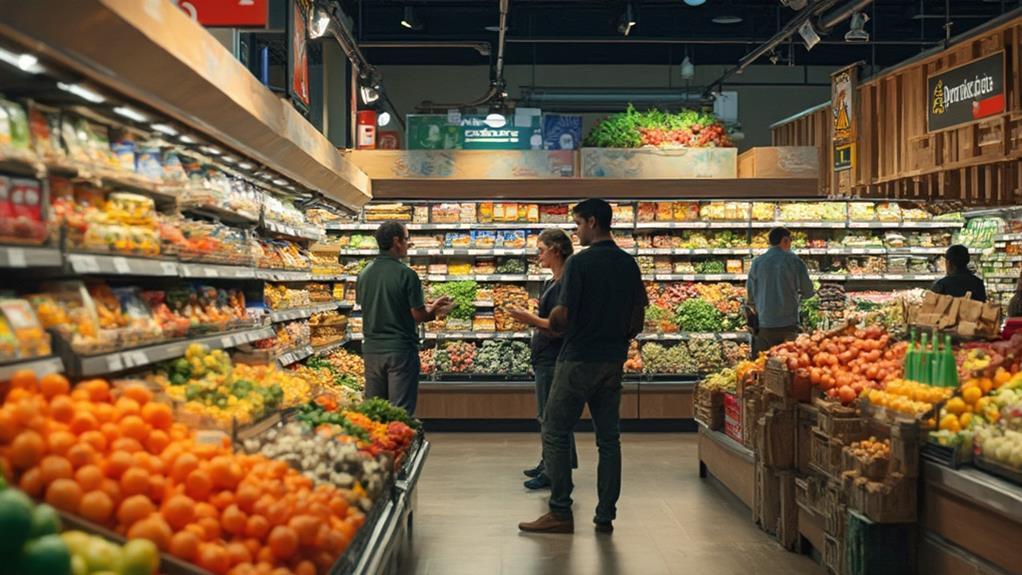
    When shopping for groceries, it's essential to be aware of misleading marketing tactics used by brands. Terms like "natural," "organic," or "low-fat" can be deceiving. For instance, a "low-fat" product might be high in sugar to compensate for flavor.

    Read Labels Carefully

    To navigate this, read ingredient lists and nutritional information carefully. Look for whole ingredients rather than processed ones. If a product contains numerous additives or preservatives, consider putting it back on the shelf.

    Recognize Marketing Tactics

    Familiarize yourself with common marketing tactics. Phrases like "heart-healthy" or "sugar-free" can mask poor nutritional value. Don't hesitate to question what you see. Research brands and products online to find independent reviews and nutritional analyses.

    You can also use apps designed to help you assess food quality.

    Make Informed Choices

    By arming yourself with knowledge, you can make informed choices. This will help you resist the pull of misleading marketing, leading to healthier eating habits.

    How Can Education and Awareness Promote Healthy Hydration Habits along with Healthy Eating Habits?

    Education and awareness play a vital role in promoting the importance of hydration and water, in addition to healthy eating habits. By teaching people about the benefits of staying hydrated and consuming water, they can make informed decisions about their diet and improve their overall well-being.

    Importance of Cooking Skills

    Cooking skills are essential for healthy eating habits. When you know how to cook, you have control over the ingredients you use, allowing you to make healthier choices.

    For instance, cooking at home reduces calorie and sugar intake compared to relying on pre-packaged or restaurant meals.

    Cooking skills can be shared and learned from family members, preserving cultural traditions and promoting healthy eating habits within communities. This is similar to how traditional cultural practices, such as indigenous weaving techniques, are passed down through generations.

    Developing basic cooking skills enables you to incorporate fresh fruits and vegetables into your diet, which are crucial for overall health.

    Community Health Initiatives

    empowering local health programs

    Community health initiatives play a vital role in promoting healthy eating habits among diverse populations. These programs target specific communities, addressing unique cultural and socioeconomic factors that influence dietary choices. For instance, cultural traditions like the significance of abaca in the Philippines can be leveraged to support local farmers and promote healthy eating habits.

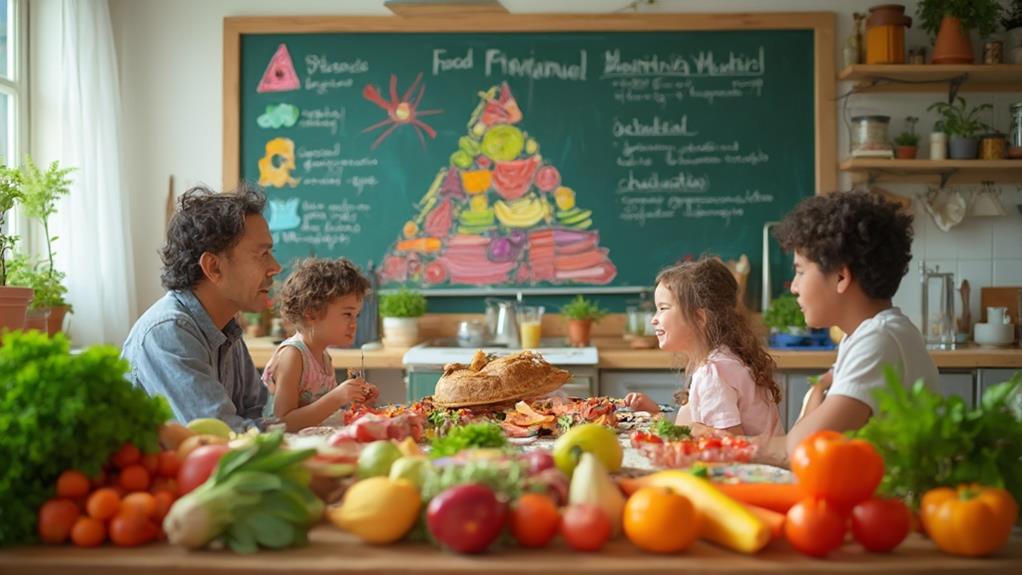
    By providing resources, community health initiatives empower individuals to make informed food choices. These resources include cooking classes, nutritional workshops, and community gardens. One effective approach is partnering with local organizations to create accessible food education programs. For example, when schools collaborate with health departments, they can introduce kids to fresh produce and teach them the benefits of a balanced diet.

    Community health initiatives focus on reducing food deserts, areas with limited access to fresh foods. By establishing farmers' markets and food co-ops, these programs increase access to healthy options, making it easier for individuals to adopt better eating habits.

    Ultimately, these initiatives foster a supportive environment that encourages individuals to prioritize nutrition. By participating in community health initiatives, individuals not only improve their own diet but also contribute to a healthier community overall.

    Long-term Benefits of Education

    Education has a profound impact on our physical health, leading to better health outcomes over time. Individuals with a strong educational background are more likely to make informed food choices, reducing the risk of chronic diseases. For instance, understanding the importance of physical activity and healthy eating can lead to a significant reduction in chronic diseases.

    Education empowers individuals to navigate the complex world of nutrition. By understanding the science behind nutrition, individuals can discern between myths and facts, enabling them to choose foods that support their long-term health. For example, they can evaluate the nutritional value of different food products and make informed decisions about their diet.

    Critical thinking skills fostered through education enable individuals to critically evaluate advertising and marketing claims related to food products. This skill helps individuals to identify misleading information and make informed choices about their diet. By doing so, they can avoid falling prey to false advertising and make healthier choices.

    Education has a ripple effect, promoting healthier eating habits within communities. As individuals become more knowledgeable about healthy eating, they're likely to pass that information on to friends and family, creating a collective shift towards healthier eating habits. This, in turn, can lead to lower rates of obesity and chronic diseases, contributing to a healthier society.

    Prioritizing education isn't just an investment in individual health but also in cultivating a culture of wellness for future generations. By doing so, individuals can contribute to creating a society that values healthy eating and physical activity, ultimately leading to a better quality of life for everyone.

  • The Future of Filipino Food and Health

    The Future of Filipino Food and Health

    Filipino cuisine is undergoing a significant transformation, driven by research and innovation. Traditional dishes are being redefined through nutritional advancements and sustainable practices. For instance, chefs are working with scientists to enhance the nutritional value of classic dishes like adobo and sinigang while maintaining their flavor profiles.

    New techniques like molecular gastronomy and fermentation are revitalizing ingredients. One example is the use of malunggay, a leafy green vegetable rich in antioxidants and vitamins, in innovative dishes. These techniques not only create exciting culinary experiences but also provide opportunities to develop new products and flavors.

    Emphasizing local sourcing supports farmers and enriches biodiversity. By using locally sourced ingredients, Filipino cuisine can promote sustainable agriculture and preserve the country's biodiversity. This approach also helps to develop rural communities and preserve traditional farming practices.

    As the demand for health-conscious options rises, adaptations of classic dishes are emerging. For example, vegan and gluten-free versions of traditional dishes like lechon and pancit are being developed.

    These adaptations not only cater to the growing demand for healthier options but also help to preserve culinary identity and elevate Filipino cuisine on a global scale.

    Historical Context of Filipino Cuisine

    Filipino cuisine is shaped by diverse influences, including indigenous practices, colonial impacts, and trade interactions.

    The indigenous peoples of the Philippines initially cultivated local staples such as rice, root crops, and a variety of fruits, laying the foundation for the country's culinary landscape. This foundation allowed for the development of a more complex cuisine over time.

    Spanish colonization introduced new ingredients and cooking techniques, merging with local flavors to create dishes like adobo and lechon. The Spanish influence is evident in the use of ingredients like garlic, onions, and tomatoes, which are now staples in Filipino cooking. These ingredients combined with local flavors to create dishes that are uniquely Filipino.

    The Chinese influence is evident in staples such as lumpia and pancit. The Chinese introduced noodles, dumplings, and other cooking techniques that were adapted and incorporated into Filipino cuisine. These dishes have become an integral part of Filipino food culture.

    American colonization brought canned goods and fast food, further diversifying the culinary scene. The introduction of canned goods and fast food led to the creation of dishes like spaghetti with banana ketchup and fried chicken with rice. These dishes may seem unusual, but they're a testament to the adaptability and resourcefulness of Filipino cuisine.

    Food acts as a narrative of cultural identity, resilience, and adaptation. The history of Filipino cuisine reflects the country's social and economic changes throughout history. Understanding this historical context not only enhances appreciation for Filipino cuisine but also informs contemporary discussions about health and innovation in food practices.

    The past continues to influence the present.

    Innovations in Food Technology

    Innovations in food technology are transforming the way Filipinos cook and think about nutrition.

    Cutting-edge techniques like molecular gastronomy and fermentation are updating traditional dishes into modern culinary experiences.

    Sous-vide cooking, for instance, ensures precise temperature control, leading to better nutrient retention and enhanced flavors.

    Advancements in food preservation techniques are extending shelf life without compromising nutritional value. High-pressure processing, for example, allows for the year-round enjoyment of locally sourced ingredients, reducing food wastage while supporting local farmers.

    Smart kitchen appliances equipped with AI are making meal prep more efficient. These devices suggest recipes based on available ingredients, promoting creativity in the kitchen and minimizing reliance on processed foods.

    Plant-based alternatives are gaining traction, addressing health concerns and sustainability issues. Innovations in plant protein extraction are creating meat substitutes that mimic the texture and taste of traditional Filipino meats, making it easier to adopt healthier diets without sacrificing cultural flavors.

    By embracing these innovations, Filipino cuisine is evolving and becoming a vital part of a healthier lifestyle.

    Nutritional Research and Development

    advancing nutritional science innovations

    Filipino cuisine is evolving with advancements in food technology, and nutritional research and development are crucial in shaping healthier eating habits. These research efforts focus on identifying key nutrients in traditional dishes and enhancing their health benefits. For example, researchers are analyzing the nutritional profiles of popular ingredients like malunggay, which is rich in vitamins and antioxidants, and quinoa, a complete protein source.

    Innovative food processing techniques are being explored to improve the bioavailability of nutrients and reduce unhealthy components. Fermentation, for instance, can increase the nutritional value of foods, while fortification can enrich them with essential vitamins and minerals.

    Additionally, incorporating probiotics into traditional sauces not only enhances flavor but also boosts gut health.

    The cultural significance of traditional textiles can inspire new approaches to food production and presentation. The rich cultural heritage of Cordillera textiles and Tboli pis syabit can influence the development of sustainable and eco-friendly food packaging.

    Studies on the glycemic index of staple foods can help make informed choices that align with dietary needs. For example, research on the glycemic index of rice, a staple food in the Philippines, can help individuals with diabetes manage their blood sugar levels.

    Nutritional research is a bridge connecting traditional Filipino flavors with contemporary health standards. By understanding the nutritional value of traditional dishes and applying innovative food processing techniques, Filipinos can enjoy healthier and more nutritious meals that still honor their cultural heritage.

    Sustainable Practices in Agriculture

    Sustainable Agriculture: Ensuring a Healthy Environment and Community

    Sustainable practices in agriculture are crucial for the long-term health of the environment and communities in the Philippines. By adopting innovative techniques, farmers can contribute to a more resilient food system that prioritizes ecological balance and community well-being.

    Preserving Cultural Identity and Community Empowerment

    Sustainable agriculture can also contribute to the preservation of cultural identity and community empowerment, much like the cultural significance of traditional textiles.

    Additionally, sustainable agriculture can promote the economic empowerment of local farmers, providing them with opportunities to improve their livelihoods.

    Effective Sustainable Practices

    Crop Rotation: Alternating crops maintains soil fertility and reduces pest buildup, minimizing the need for chemical fertilizers. This practice helps to avoid depleting soil nutrients and reduces the risk of pest infestations.

    Agroforestry: Integrating trees with crops enhances biodiversity, improves soil structure, and increases water retention. This approach provides shade, reduces soil erosion, and creates a habitat for beneficial organisms.

    Organic Farming: Using natural fertilizers like compost and manure enhances soil health while reducing harmful chemical runoff into water systems. Organic farming promotes a balanced ecosystem and minimizes the environmental impact of agriculture.

    Conservation Tillage: Minimizing soil disturbance preserves soil integrity and encourages beneficial microorganisms, leading to healthier crop yields. This practice reduces soil erosion, conserves water, and promotes soil biota.

    Benefits of Sustainable Agriculture

    Implementing sustainable agriculture practices can mitigate the adverse effects of climate change, enhance food security, and promote economic viability for local farmers.

    How Can Research and Innovation Help Balance Tradition and Health in Filipino Food and Nutrition?

    Research and innovation in Filipino food can help preserve traditional recipes while improving their nutritional value. By incorporating modern techniques and ingredients, the future of filipino food can maintain its rich cultural heritage while promoting health and wellness in the population.

    Health Benefits of Traditional Ingredients

    traditional ingredients health benefits

    Traditional Filipino ingredients offer numerous health benefits that are often overlooked in modern diets.

    Malunggay (moringa) is an excellent source of vitamins A, C, and E, as well as calcium and iron, which can boost the immune system and improve overall well-being.

    Incorporating traditional condiments, such as vinegar in adobo, can provide acetic acid, which has been linked to better blood sugar control and is particularly beneficial for those at risk of diabetes.

    Additionally, the use of coconut milk, rich in medium-chain triglycerides (MCTs), can enhance metabolic rates and support weight management.

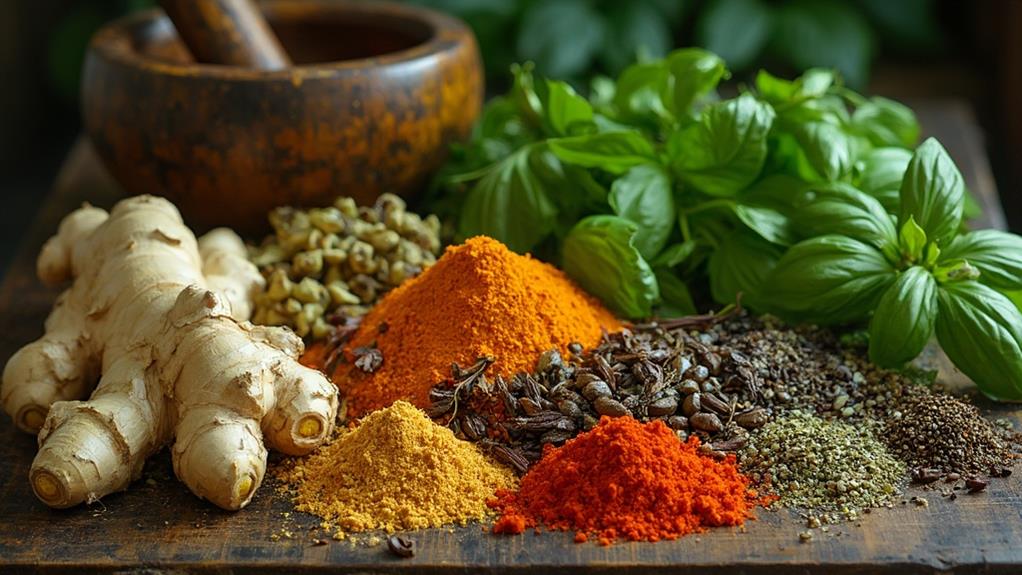
    Traditional spices, such as ginger and turmeric, commonly used in Filipino dishes, possess anti-inflammatory properties that can reduce the risk of chronic diseases, including heart disease and arthritis.

    Collaborations Between Chefs and Scientists

    When exploring the intersection of culinary art and science, collaborations between chefs and scientists can enhance the nutritional value of Filipino cuisine in innovative ways. These partnerships can lead to groundbreaking discoveries that not only elevate traditional dishes but also promote health benefits.

    Applying Scientific Principles

    By applying scientific principles, chefs can fine-tune recipes to maximize flavor while preserving, or even improving, nutritional content. For example, understanding the Maillard reaction, a chemical reaction between amino acids and reducing sugars, can help chefs optimize the browning process to enhance flavors and aromas.

    Inspiration from Cultural Heritage

    The rich cultural heritage of Philippine weaving traditions can also inspire innovative approaches to culinary art. The significance of patterns and colors in Philippine textiles, where geometric shapes symbolize unity and strength, can influence the presentation and visual appeal of dishes.

    For instance, the use of vibrant colors and geometric patterns on plates can create a visually appealing dining experience.

    Potential Outcomes of Collaborations

    Collaborations between chefs and scientists can lead to the following outcomes:

    1. Fermentation Techniques: Boosting probiotics in traditional dishes like bagoong can enhance gut health by utilizing modern fermentation methods.
    2. Nutrient Analysis: Conducting detailed nutrient profiling of classic ingredients like malunggay (moringa) can inform healthier cooking practices, ensuring that traditional dishes aren't only delicious but also nutritious.
    3. Flavor Pairing: Researching molecular gastronomy principles can help chefs create unexpected yet harmonious flavor profiles that delight diners, such as pairing sweet and savory flavors.
    4. Sustainable Sourcing: Collaborating on sustainable farming practices ensures that traditional ingredients aren't only preserved but also environmentally friendly, reducing the environmental impact of food production.

    Future Trends in Filipino Food

    emerging filipino culinary innovations

    Filipino Food Trends: Embracing Innovation and Cultural Heritage

    The Filipino culinary landscape is undergoing a significant transformation, driven by a blend of innovation and a renewed focus on cultural identity.

    Local Ingredients Take Center Stage

    Filipino chefs are increasingly emphasizing the use of local ingredients to showcase the country's rich biodiversity.

    This farm-to-table movement not only supports local farmers but also promotes sustainability, a critical concern in today's food industry.

    For example, restaurants are now incorporating native ingredients like ube, kamote, and labuyo into their dishes.

    Fusion Cuisine Gains Momentum

    Traditional Filipino dishes are being infused with global flavors, resulting in unique fusion cuisine.

    Restaurant menus now feature dishes like adobo tacos and sinigang ramen, reflecting a dynamic culinary dialogue that broadens the appeal of Filipino food.

    This trend is made possible by digital platforms that facilitate the sharing of recipes and culinary techniques, preserving heritage while inviting experimentation.

    Health-Conscious Adaptations

    Filipino cuisine is adapting to evolving consumer preferences by introducing plant-based versions of classic dishes.

    Expect to see more plant-based lumpia and lechon, catering to the growing demand for healthier options.

    These innovations make Filipino cuisine more accessible and align with global health trends.

    As these trends unfold, Filipino food is poised to capture both local and international palates, ensuring its place in the future of global cuisine.

  • How Food Builds Community and Social Connection

    How Food Builds Community and Social Connection

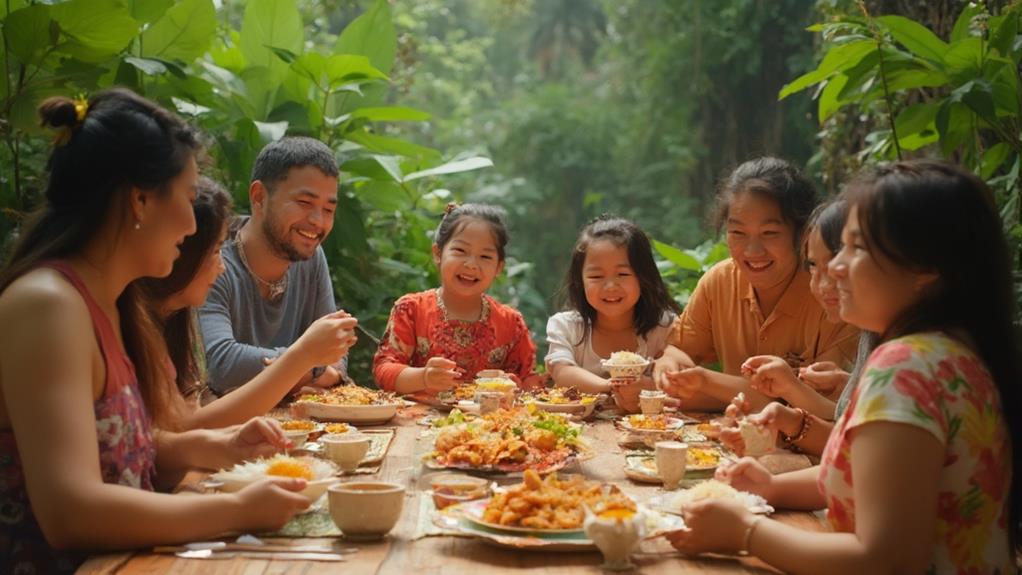
    Food plays a significant role in building community and social connections. Sharing meals brings people together, fostering laughter and deeper bonds through simple gestures like sharing food.

    Cultural heritage and traditions are reflected in each dish, uniting people from diverse backgrounds. For example, traditional dishes like tamales in Latin American culture or dumplings in Chinese culture bring people together and evoke a sense of community.

    Festivals and gatherings centered around food create vibrant celebrations. These events transform spaces into welcoming environments where everyone feels included.

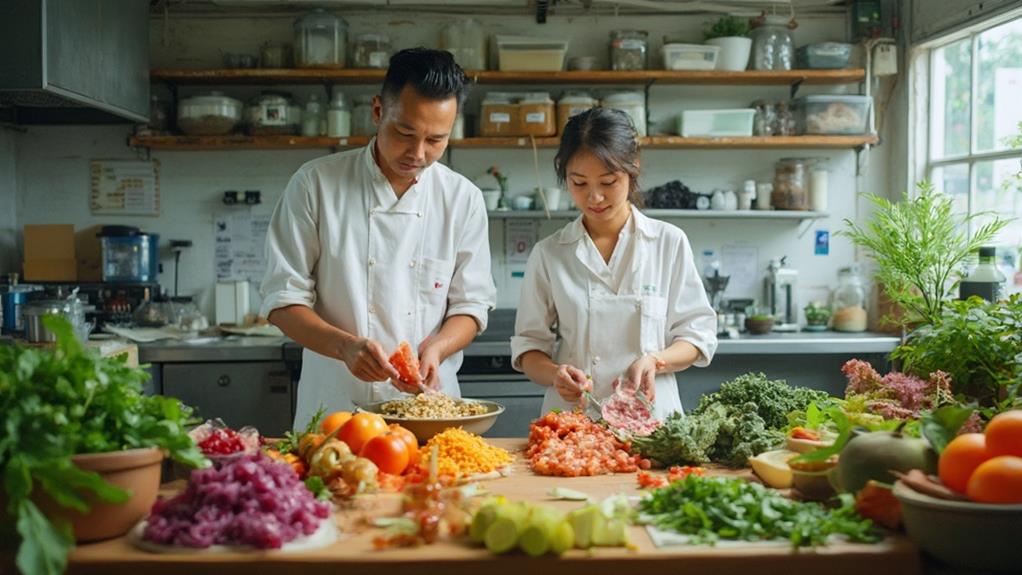
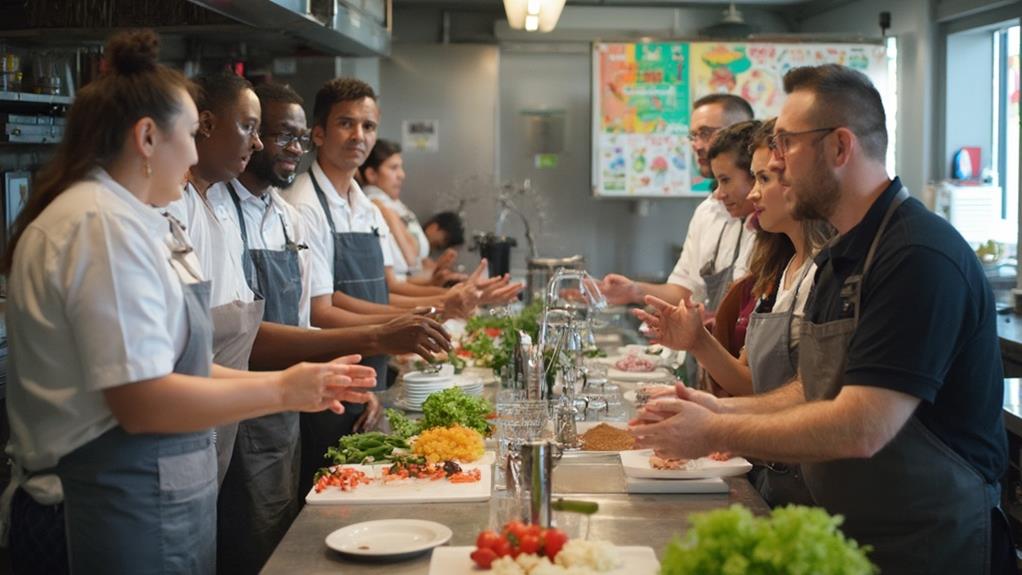
    Cooking together promotes creativity, teamwork, and breaks down barriers. When people cook together, they develop new skills, learn from each other, and form lasting bonds. For instance, community cooking classes can bring together people from different backgrounds, teaching them new recipes and fostering friendships.

    Food has the power to create a sense of belonging and togetherness. When people share meals, they feel connected and part of a community.

    By exploring these culinary connections, you can enrich your life and foster richer relationships. By participating in food-centered events and activities, you can meet new people, learn about different cultures, and develop a stronger sense of community.

    Shared Meals and Relationships

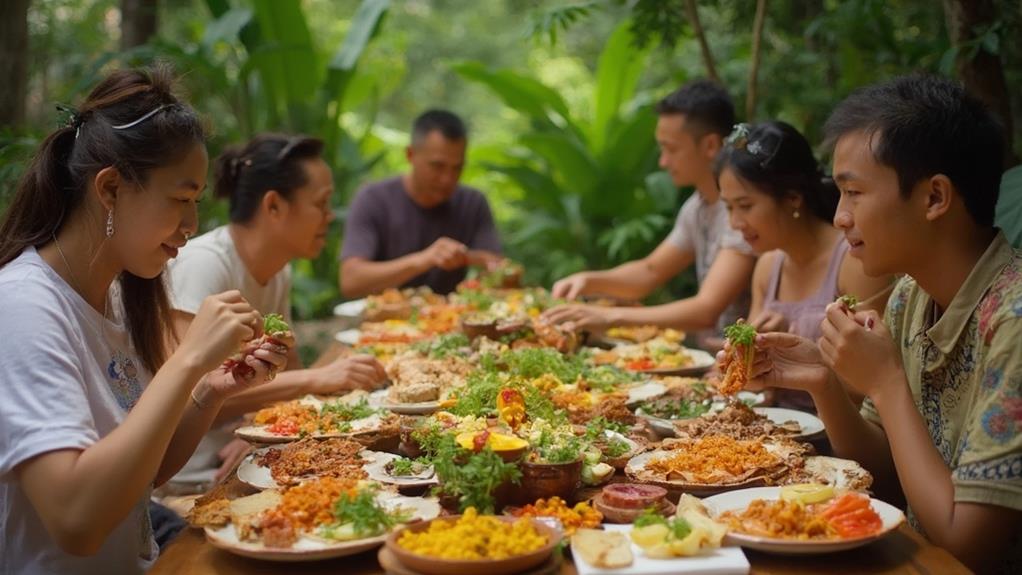
    Shared meals have the power to strengthen relationships. When people gather around a table to share a meal, they create opportunities for bonding and connection. The atmosphere is filled with warmth as laughter and conversation flow freely, accompanied by the aromas of food wafting from the kitchen.

    Each dish has a story, a memory, and sharing bites nourishes not just the body but also the connections between people.

    Small gestures create strong bonds. Passing bread or pouring wine may seem like small actions, but they create bonds that run deeper than words. These actions weave a tapestry of shared experiences, making each meal a thread in the collective narrative of the group.

    Conversations flow freely, revealing layers of personality and often leading to laughter or debates.

    Food festivals showcase the importance of shared meals. In the Philippines, festivals like Parada Ng Lechon highlight the significance of food in bringing people together. Over 1000 creatively dressed lechons are paraded, symbolizing prosperity and festivity, demonstrating the power of shared meals in fostering community and social connection.

    Vulnerability emerges in shared meals. When people share meals, they often open up and share their dreams, fears, or secrets, reinforcing trust and understanding.

    The table becomes a safe haven, allowing people to be their authentic selves.

    Breaking bread together solidifies relationships. Sharing meals celebrates connection, belonging, and the joy of being together. It's a timeless ritual that reminds us that food is more than sustenance – it's a bridge between hearts.

    Cultural Significance of Food

    Food and Cultural Identity

    Food is a powerful symbol of cultural identity, reflecting a community's history, values, and traditions. When we share meals, we participate in a shared narrative that spans generations, fostering personal connections and cultural understanding.

    Cultural Significance of Different Cuisines

    Italian cuisine represents family and togetherness, with pasta and bread often at the center of gatherings.

    Mexican cuisine embodies heritage and community, featuring tamales and mole in celebrations.

    Japanese cuisine reflects respect, harmony, and simplicity, as seen in sushi and tea ceremonies.

    These meals offer a deeper understanding of the values and stories behind each dish.

    By savoring the flavors, we engage with the history and customs that have shaped a community.

    Food connects us to the broader cultural landscape and strengthens community bonds.

    How Does Food Play a Role in Building Social Connections and Community?

    Food plays a crucial role in building social connections and community. Sharing meals brings people together, creating a sense of belonging and fostering communication and relationships. The impact of food on mental health can also positively influence mood and overall well-being, further strengthening social connections within the community.

    Food Festivals and Community Events

    culinary celebrations and gatherings

    Food Festivals and Community Events: Vibrant Celebrations of Culture and Connection

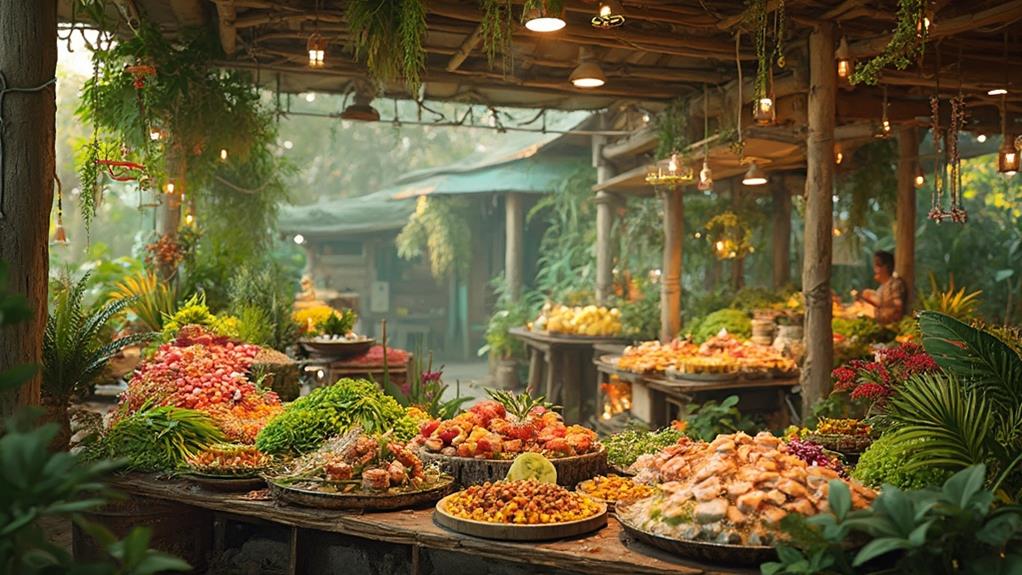
    Food festivals and community events transform local spaces into vibrant hubs of culture and connection, bringing people together through diverse cuisines and shared experiences.

    Celebrating Cultural Heritage

    At events like the Parada Ng Lechon, a Filipino culinary tradition where over 1000 creatively dressed lechons are paraded, symbolizing prosperity and festivity, the sense of community spirit is palpable.

    This festival showcases the rich cultural heritage of the Filipino community, highlighting the significance of food in their traditions.

    Savoring Local Flavors

    As you stroll through colorful booths, the aroma of diverse cuisines wafts through the air.

    You can sample spicy tacos from local vendors or savor artisanal cheeses crafted by nearby farmers. Each bite tells a story, connecting you to the history and passion behind the food.

    Fostering a Sense of Belonging

    These gatherings invite everyone to share, learn, and celebrate together, fostering a sense of belonging.

    Music fills the atmosphere, adding to the joyous vibe, while children engage in fun activities and adults share recipes and cooking tips, building friendships in the process. Each event becomes a tapestry woven with shared experiences, laughter, and connection, reminding you that food is more than sustenance—it's a powerful catalyst for community spirit.

    Cooking Together as a Bonding Activity

    Cooking Together Fosters Deeper Connections

    When people cook together, the kitchen transforms into a vibrant space where laughter, creativity, and storytelling blend. As you share stories and ideas while chopping vegetables and stirring pots, you forge deeper connections. The kitchen becomes a canvas where each ingredient adds a personal touch to the dish you're creating.

    Competition and Collaboration Ignite Camaraderie

    You might find yourself playfully competing to make the best dish or working together to perfect a family recipe, sparking a sense of teamwork. This shared experience celebrates the beauty of shared experiences and cultural heritage, just like the rich cultural tapestry of the Philippines.

    The Rhythm of Cooking Creates a Shared Soundtrack

    The sounds of chopping, sizzling, and mixing create a soundtrack to your shared experience. It's not just about the food; it's about the moments that unfold. You learn new skills from each other, such as mastering the art of seasoning or discovering a secret cooking technique passed down through generations.

    Savoring the Fruits of Your Labor

    As you gather around the table to enjoy your creations, the bond deepens. Each bite reflects not just the flavors but the joy of teamwork.

    Cooking together cultivates a spirit of collaboration and understanding, reminding you that the heart of any community thrives when people come together to create something beautiful. Food becomes the ultimate connector, celebrating the essence of togetherness.

    Food and Social Inclusion

    nourishment through community engagement

    Food brings people together, regardless of their background. When we share a meal, we create an inviting space where everyone feels welcome. The aroma of spices and the vibrant colors of dishes invite curiosity and encourage dialogue.

    Sharing food breaks down barriers. As you pass a plate of your grandmother's recipe or a dish from a new culture you've discovered, you're not just feeding hungry mouths; you're feeding connections.

    For example, in the Philippines, the tradition of lechon roasting has been a cornerstone of festivities for centuries, bringing people together to share in the joy of good food and company.

    Food is a powerful equalizer. Whether you're enjoying a lavish feast or a simple potluck, the act of sharing transforms strangers into friends. It cultivates empathy and understanding, reminding you that everyone has a story worth sharing.

    Food becomes a catalyst for social inclusion, turning a simple meal into a celebration of community, diversity, and unity, where every voice is heard, and every palate is appreciated.

  • The Importance of Mindful Eating in Filipino Culture

    The Importance of Mindful Eating in Filipino Culture

    Mindful eating is crucial in Filipino culture as it fortifies family bonds and deepens appreciation for the rich culinary heritage. When gathering around the table, savoring each bite allows you to create memories and foster connections with family and friends.

    Traditional dishes like adobo and sinigang evoke emotions and express gratitude for cultural heritage. By slowing down and sharing meals, you cultivate a sense of community and belonging.

    This practice enables individuals to appreciate the vibrant colors, aromas, and flavors of traditional dishes, honoring their cultural roots.

    Historical Context of Filipino Dining

    Filipino dining has a rich cultural heritage shaped by centuries of diverse influences. The history of Filipino cuisine reflects the country's blending of indigenous practices with Spanish, Chinese, and American cultures. Each wave of influence introduced new ingredients and cooking techniques, enriching the culinary landscape.

    Communal meals have long been a way to bond with family and friends in Filipino culture. In earlier times, meals centered around rice, fish, and vegetables, bringing people together. This tradition continues to play a vital role in Filipino dining today.

    The introduction of dishes like adobo and sinigang showcases the melding of cultural influences. These dishes, which combine indigenous, Spanish, and Chinese flavors, resonate with many Filipinos.

    Adobo, a stew made with vinegar, soy sauce, and garlic, is a staple dish that reflects the country's cultural fusion.

    Food extends beyond mere sustenance in Filipino culture; it embodies hospitality and warmth. When you share a meal, you're not just enjoying flavors – you're participating in a cultural narrative that honors heritage and community.

    Understanding this historical context allows you to appreciate the depth of Filipino dining, making your experience not just about the food on your plate but the stories and traditions that come with it.

    The Role of Food in Family Bonds

    Food is a vital thread that weaves together shared experiences and memories in Filipino families. When families gather around the dining table, meals become more than just nourishment; they foster connection, laughter, and storytelling, creating a rich tapestry of familial bonds that deepen with each meal.

    Traditional meals involve everyone's participation, whether it's preparing ingredients or sharing stories while cooking. This collective effort helps family members appreciate not just the food, but also the love and effort that goes into every dish. Each meal carries history, reflecting family traditions that can be passed down to future generations.

    For example, lechon roasting, a centuries-old practice, symbolizes celebration and community spirit, making it a staple in many Filipino gatherings.

    Food is central to community and belonging in Filipino culture, where celebrations, holidays, or even casual get-togethers are marked by feasting. When families share a meal, they're not just eating; they're nurturing relationships and creating lasting memories. This is an opportunity to reconnect, share joys, and even navigate challenges together.

    Mindful eating allows families to be present during these moments, enhancing their appreciation for the flavors and the people around them. In this way, food becomes a powerful symbol of love, unity, and continuity within Filipino families.

    Traditional Filipino Meals and Ingredients

    filipino cuisine traditional dishes

    Filipino cuisine is characterized by a diverse array of traditional meals and ingredients that reflect the country's rich cultural heritage.

    Each dish tells a story, blending flavors from various regions and influences. Rice, seafood, and tropical fruits are staple ingredients that create a comforting familiarity in many Filipino meals.

    Traditional Filipino meals often feature a combination of key ingredients, which vary depending on the dish. For example:

    Traditional Meal Key Ingredients
    Adobo Chicken, soy sauce, vinegar
    Sinigang Pork, tamarind, vegetables
    Lechon Whole roasted pig
    Kare-Kare Oxtail, peanut sauce, vegetables
    Pancit Noodles, vegetables, meat

    These traditional meals not only satisfy hunger but also invite individuals to experience the heart and soul of Filipino culture. Sharing and enjoying food together is an essential part of Filipino culture, reinforcing bonds and traditions. By embracing these ingredients and meals, individuals can deepen their connection to Filipino heritage and the people who cherish them.

    Mindful Eating Practices in Filipino Culture

    Mindful eating practices can enrich your experience of Filipino cuisine by allowing you to truly savor each bite while connecting with the culture. In Filipino households, meals often begin with a moment of gratitude, reflecting the importance of appreciating the food on your plate. This is evident in the effort put into preparing dishes like adobo, a traditional Filipino stew made with marinated meat or seafood, and sinigang, a sour soup made with tamarind broth.

    Focus on the textures and flavors of Filipino dishes to fully appreciate their complexity. For example, the crunch of fresh vegetables, the tanginess of tamarind, or the savory notes of marinated meats create a symphony of tastes that deserve your full attention.

    Slow down and enjoy the company of those around you, rather than rushing through your meal.

    Engaging all your senses can deepen your appreciation for traditional ingredients, such as fragrant garlic and the vibrant colors of vegetables. This mindful approach allows you to embrace a cultural experience that celebrates history, community, and love.

    When you practice mindful eating, you're not just filling your stomach; you're immersing yourself in the rich tapestry of Filipino culinary traditions.

    The Significance of Sharing Meals

    importance of communal dining

    Sharing meals is a vital part of Filipino culture, going beyond just eating to foster connections and create lasting memories. When families and friends gather around the table, they not only nourish their bodies but also strengthen bonds and build relationships.

    Food serves as a medium for connection in Filipino culture. The Parada Ng Lechon festival in Balayan, Batangas, is a prime example of this, where over 1000 creatively dressed lechons are paraded, symbolizing prosperity and festivity. This festival highlights the importance of community spirit, hospitality, unity, and gratitude in Filipino culture.

    Sharing meals encourages open conversations and a sense of belonging. Dishes are often served family-style, promoting everyone to share and savor the flavors together. This practice reflects the Filipino belief that food is a gift, meant to be enjoyed collectively. As people share laughter and stories, a simple meal becomes a cherished event.

    Sharing meals allows people to honor traditions and cultural heritage. Recipes are passed down through generations, and by participating in this ritual, individuals contribute to a legacy that celebrates love, respect, and community.

    So, the next time you sit down to eat with others, remember that it's more than just food – it's an experience that nurtures your spirit.

    Celebrations and Communal Eating

    Celebrations and Communal Eating in Filipino Culture

    Communal eating is a vibrant expression of joy and togetherness in Filipino culture. During special occasions like fiestas and birthdays, sharing food goes beyond just eating together; it strengthens bonds and creates lasting memories. Each dish served tells a story, reflecting the heritage and love poured into every recipe.

    Traditional Philippine folk dances and communal eating during celebrations promote a sense of national identity and unity.

    Food is more than sustenance; it's a language of affection and celebration. When gathering with family and friends, everyone contributes to the meal, whether it's a favorite dish or a traditional delicacy. This sharing of food creates a sense of belonging, making every meal a cherished event in Filipino life.

    The act of eating shifts from a solitary task to a communal experience. During celebrations, people are encouraged to slow down, appreciate the flavors, and engage with those around them. This mindful approach to eating fosters a sense of togetherness and unity, making every meal a special occasion.

    Health Benefits of Mindful Eating

    mindful eating promotes health

    Health Benefits of Mindful Eating

    Practicing mindful eating during celebrations can foster a deeper connection with others and improve overall well-being. Mindful eating is more than just savoring each bite; it's about embracing the experience and listening to your body.

    Improved Digestion

    Chewing slowly allows your body to break down food more effectively, making nutrients easier to absorb.

    When you eat slowly, your body can break down carbohydrates, proteins, and fats more efficiently, leading to better nutrient absorption.

    Weight Management

    By tuning into hunger cues, you're less likely to overeat, helping you maintain a healthy weight.

    Paying attention to your body's hunger and fullness signals can prevent overeating and lead to a healthier weight.

    Enhanced Enjoyment

    Focusing on flavors and textures can make meals more satisfying, reducing the urge to snack mindlessly later.

    Savoring your food can increase satisfaction, making you less likely to reach for unhealthy snacks between meals.

    Stress Reduction

    Mindful eating can serve as a form of meditation, helping you relax and enjoy the present moment.

    Eating mindfully can calm your mind and reduce stress, making mealtime a more enjoyable experience.

    Incorporating mindfulness into your meals can lead to a healthier lifestyle, enriching both your physical health and cultural experiences.

    How Does Mindful Eating Contribute to Building Community and Social Connections in Filipino Culture?

    In Filipino culture, food plays a vital role in building community and social connections. Mindful eating, or being present and appreciative during meals, fosters deeper connections among family and friends. It encourages sharing and communication, ultimately strengthening the bonds within the community. Food building community and social connections is an integral part of Filipino culture.

    Mindfulness Techniques for Everyday Meals

    Incorporating Mindfulness into Everyday Meals

    Incorporating mindfulness techniques into your everyday meals can profoundly enhance your dining experience.

    By becoming more present during meals, you not only savor your food but also connect more deeply with your culture and traditions.

    Slow Down

    Take your time to eat; chew slowly and savor each bite. This allows you to appreciate the flavors, textures, and aromas of your food.

    Engage Your Senses

    Notice the colors, textures, and aromas of your food. For example, observe the vibrant colors of a fresh salad or the crispy texture of a perfectly baked cookie.

    Express Gratitude

    Acknowledge the effort that went into preparing your meal. Recognize the hard work of the farmers, cooks, and others involved in getting your food from farm to table.

    Focus on the Moment

    Eliminate distractions like TV or phones to fully immerse yourself in the experience. This helps you focus on the taste, smell, and company, making mealtime more enjoyable.

    Share the Meal

    Eat with family or friends to foster connection and shared appreciation. Sharing meals with others can strengthen relationships and create lasting memories.

    Cultural Rituals Surrounding Food

    food related cultural traditions

    Filipino meals are deeply rooted in cultural rituals that make dining a meaningful experience. These rituals create a sense of belonging and appreciation for the food on the plate.

    Sharing and community are essential in Filipino dining. The concept of Bayanihan Spirit emphasizes sharing dishes and serving one another, fostering community and togetherness. This spirit is evident in the way Filipinos gather around the table, sharing food and stories.

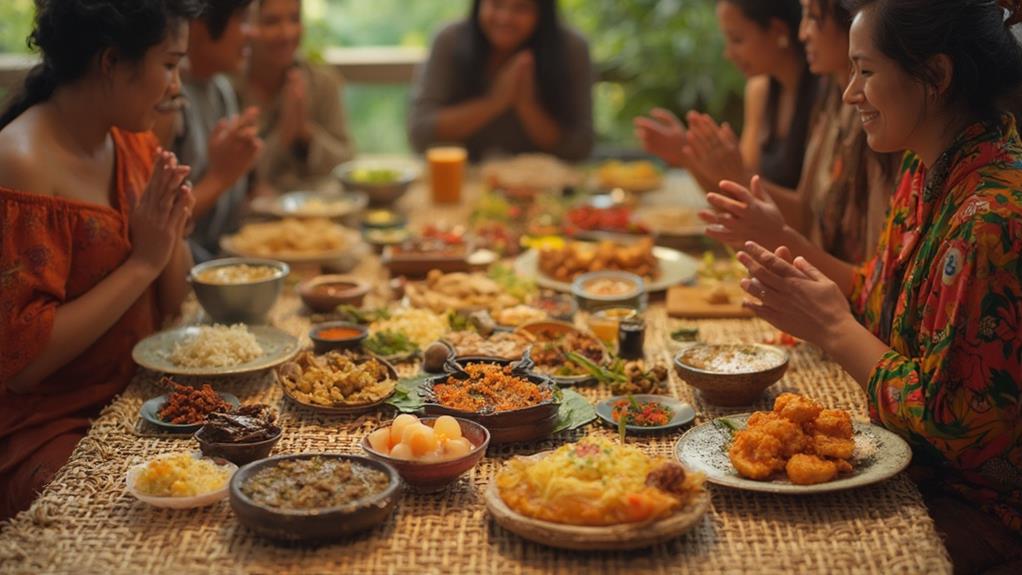
    Gratitude is expressed before each meal. Filipinos often offer a short prayer or say "Salamat" (thank you) before eating, expressing gratitude for the food and those who prepared it.

    Mealtimes are invitations to gather. The phrase "Kain tayo!" (let's eat) is commonly used to invite everyone to eat together, emphasizing the importance of sharing meals with others.

    Food is often tied to special occasions. Filipino cuisine is deeply connected to festive celebrations, allowing people to connect with their heritage while savoring traditional recipes.

    For example, roasted pigs are often served at festivals like Parada Ng Lechon, showcasing the country's passion for traditional cuisine and cultural heritage.

    Embracing Mindful Eating Today

    Embracing mindful eating today means reconnecting with the essence of Filipino culture and its food-related rituals.

    Slowing down during meals allows you to appreciate the vibrant colors, smells, and flavors of each dish, enhancing your dining experience and fostering gratitude for the labor that goes into preparing traditional meals. For example, taking a moment to acknowledge the effort that went into cooking a traditional Filipino dish like adobo or sinigang can evoke a sense of appreciation and respect for cultural heritage.

    Preserving cultural heritage through traditional practices, such as folk dances and rituals, can bring a sense of national pride and identity.

    Sharing stories during meals can deepen this connection, allowing food to serve as a bridge between generations. For instance, sharing stories about the origins of a traditional dish or the cultural significance of a particular ingredient can create a sense of community and shared identity.

    Engaging your senses while eating encourages healthier choices.

    Savoring each bite helps you become more attuned to what your body needs, honoring your hunger and fullness cues. This aligns with the Filipino value of respeto (respect) for oneself and others, promoting a healthier relationship with food.

  • The Impact of Food on Mental Health and Well-being

    The Impact of Food on Mental Health and Well-being

    Food Choices Affect Mental Health

    What you eat has a profound impact on your mental well-being. A healthy diet enriches gut flora, which produces neurotransmitters like serotonin that regulate mood.

    For instance, consuming foods rich in omega-3 fatty acids, such as fatty fish, can help reduce symptoms of depression and anxiety. On the contrary, processed sugars can lead to mood swings and increased anxiety levels.

    Nutrient-Dense Foods Enhance Cognitive Function

    Staying hydrated and incorporating nutrient-dense foods into your diet can improve cognitive function.

    Leafy greens and blueberries are examples of nutrient-dense foods that support brain health. By making informed choices about your meals, you can strengthen your emotional resilience and overall mental health.

    Understanding the Gut-Brain Connection

    The gut-brain connection plays a crucial role in overall mental health.

    The state of your digestive system can influence your mood and cognitive functions. This connection is possible because the gut isn't just a digesting organ, but a complex ecosystem of bacteria that communicates with the brain.

    A balanced gut flora produces neurotransmitters like serotonin, which is vital for regulating mood.

    When the gut health deteriorates due to poor diet, stress, or other factors, it can lead to symptoms like anxiety or depression.

    The gut microbiome sends signals to the brain, affecting how you feel and think. This connection explains why digestive issues often accompany mental health struggles.

    Inflammation in the gut can lead to increased permeability, sometimes referred to as "leaky gut." This allows toxins to enter the bloodstream and potentially impact brain function.

    Prioritizing gut health through nutrition and lifestyle choices can cultivate a more positive mental state. Understanding this connection empowers you to take proactive steps toward improving not just your digestive health, but also your emotional well-being.

    Nutrients That Boost Mood

    Nutrients That Boost Mood

    Gut Health and Mood

    Maintaining a healthy gut directly influences your mood and mental well-being.

    A healthy gut produces neurotransmitters like serotonin, which regulates mood. Certain nutrients, such as B vitamins, play a crucial role in this process.

    B Vitamins and Mood

    B vitamins, especially B6, B12, and folate, produce neurotransmitters like serotonin. Foods rich in these vitamins, such as leafy greens, eggs, and legumes, can help boost your emotional health.

    Complex Carbohydrates and Mood

    Complex carbohydrates like whole grains stabilize blood sugar levels, providing a steady supply of energy and preventing mood swings. This helps maintain emotional balance throughout the day.

    Magnesium and Anxiety

    Magnesium, found in nuts, seeds, and dark chocolate, helps combat anxiety and promotes relaxation. Including magnesium-rich foods in your diet can reduce feelings of anxiety and stress.

    Antioxidants and Mental Health

    Antioxidants found in fruits and vegetables reduce inflammation and oxidative stress, both linked to mental health issues.

    Berries, citrus fruits, and leafy greens are rich in antioxidants and can help promote mental well-being.

    Protein and Neurotransmitters

    Amino acids from protein sources are essential for neurotransmitter synthesis, ensuring your brain has the resources it needs to function optimally.

    Including protein-rich foods like lean meats, fish, and legumes in your diet can support mood regulation.

    The Role of Omega-3 Fatty Acids

    omega 3 fatty acids importance

    Omega-3 fatty acids play a crucial role in enhancing mental health and emotional well-being. These essential fats, primarily found in fatty fish like salmon, walnuts, and flaxseeds, have been linked to reduced symptoms of depression and anxiety.

    Research suggests that omega-3s can influence neurotransmitter function, particularly serotonin and dopamine, which are crucial for regulating mood.

    Incorporating omega-3s into your diet can improve overall mood and cognitive function. Studies indicate that individuals who consume higher amounts of these fatty acids tend to experience fewer mood swings and lower levels of psychological distress.

    This is especially important for those who may be struggling with mental health issues.

    Omega-3s possess anti-inflammatory properties that contribute to brain health. Chronic inflammation has been associated with various mental health disorders, so ensuring an adequate intake of omega-3s might help mitigate these risks.

    Effects of Processed Sugars

    Reducing Processed Sugars Improves Mental Health

    Cutting back on processed sugars can significantly benefit your mental health. High sugar intake is linked to mood swings, anxiety, and depression. This is because sugary foods cause a rapid spike in blood sugar, followed by a crash that leaves you feeling irritable and fatigued.

    This rollercoaster effect can contribute to feelings of anxiety and exacerbate existing mental health issues.

    Inflammation from Processed Sugars Affects Brain Health

    Diets high in processed sugars are linked to inflammation, which is a factor in mental health disorders. Inflammation disrupts neurotransmitter function and leads to a decline in overall brain health, affecting your mood and cognitive abilities.

    Stabilizing Blood Sugar Improves Energy and Mood

    Consuming sugary snacks may provide a temporary energy boost, but this is often followed by a significant drop, leaving you craving more sugar.

    Reducing processed sugar intake and opting for whole foods stabilizes blood sugar levels, leading to more consistent energy and improved mood. By making these dietary changes, you can take charge of your mental well-being and enhance your overall quality of life.

    How Does Filipino Cuisine Affect Mental Health and Well-being Compared to Other Cultures?

    The holistic approach to filipino health considers not just physical well-being, but also mental and emotional health. Filipino cuisine, rich in fresh ingredients and diverse flavors, contributes to a sense of comfort and connection, which can positively impact mental well-being. The communal aspect of Filipino dining also fosters a sense of belonging and emotional nourishment.

    Foods That Enhance Cognitive Function

    cognitive boosting foods selection

    Foods That Enhance Cognitive Function

    1. Fatty Fish: Rich in omega-3 fatty acids, fatty fish support brain health and cognitive function. Omega-3 fatty acids, particularly EPA and DHA, found in fish like salmon and sardines, have been shown to lower the risk of dementia and improve cognitive function.

    2. Blueberries: Packed with antioxidants, blueberries improve communication between brain cells and may delay brain aging. The antioxidants in blueberries, such as anthocyanins and flavonoids, have been found to enhance memory and cognitive function.

    3. Turmeric: Turmeric contains curcumin, which has anti-inflammatory and antioxidant properties that boost memory and stimulate new brain cell growth. Curcumin has been shown to cross the blood-brain barrier, reducing inflammation and oxidative stress in the brain.

    4. Leafy Greens: Leafy greens, such as kale, spinach, and broccoli, are high in vitamins and nutrients that support brain health and cognitive function. Vitamin K, found in these vegetables, plays a critical role in the synthesis of neurotransmitters and the maintenance of healthy neurons.

    Incorporating these foods into your daily meals can provide the essential nutrients your brain needs to function at its best.

    The Importance of Hydration

    Hydration is essential for optimal brain function. Even mild dehydration can impair cognitive abilities and mood. When you're well-hydrated, your brain can perform at its best, helping you focus, think clearly, and manage stress effectively.

    Dehydration can significantly impact mental health. The level of hydration directly affects emotional well-being. To understand this connection, consider the following effects of hydration levels on mental health:

    Hydration Level Effects on Mental Health
    Well-hydrated Enhanced mood, better focus
    Mildly dehydrated Increased anxiety, fatigue
    Severely dehydrated Impaired cognition, irritability

    In essence, staying hydrated is crucial for maintaining a healthy brain and emotional state.

    Mindful Eating Practices

    conscious consumption techniques

    Mindful eating practices can transform your relationship with food and its impact on mental health. By focusing on the present moment while you eat, you can cultivate a deeper awareness of your body's signals and emotions. This shift not only enhances your enjoyment of food but also fosters a healthier mindset.

    To adopt mindful eating practices, follow these steps:

    1. Slow Down Your Eating: Take your time with each meal. Chew your food thoroughly and savor the flavors, which can lead to better digestion and satisfaction. For example, try to chew each bite 20-30 times before swallowing.

    2. Eliminate Distractions: Put away your phone and turn off the TV. Create an environment that encourages you to focus solely on your meal. This means eating in a quiet room or area without electronic devices.

    3. Listen to Your Body's Hunger and Fullness Cues: Pay attention to hunger and fullness cues. This awareness can help you avoid overeating and promote healthier choices. For instance, stop eating when you feel satisfied, rather than stuffed.

    4. Appreciate Your Food: Consider where your food comes from and the effort that went into it. This appreciation can enhance your connection to what you eat. Think about the farmers who grew your vegetables, the cooks who prepared your meal, or the people who harvested your favorite ingredients.

  • Filipino Herbs and Spices for Medicinal Use

    Filipino Herbs and Spices for Medicinal Use

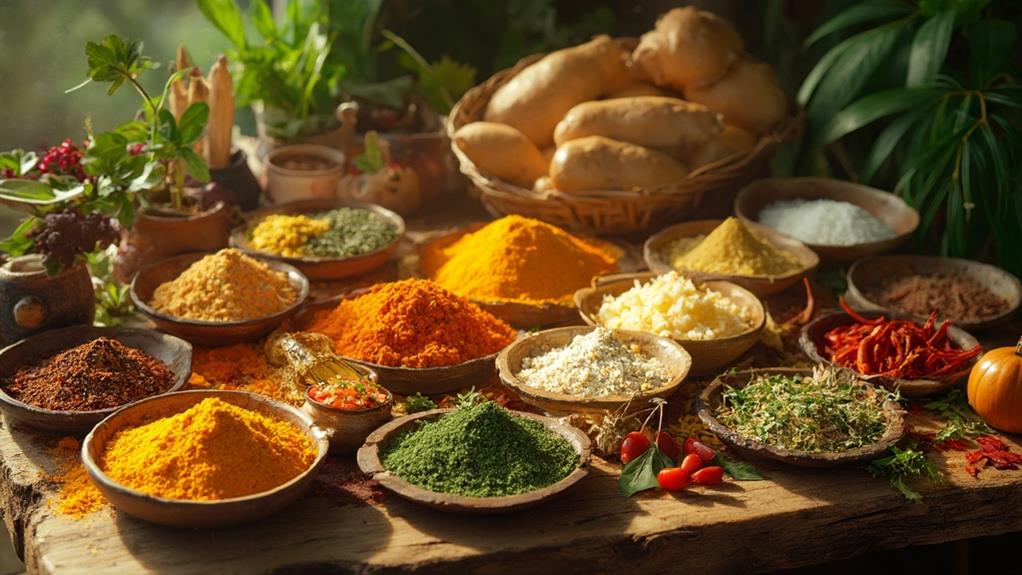
    Herbs and spices in Filipino cuisine serve a dual purpose, providing flavor and medicinal benefits.

    Traditional remedies passed down through generations utilize common herbs like lagundi to treat coughs and pansit-pansitan to alleviate joint pain.

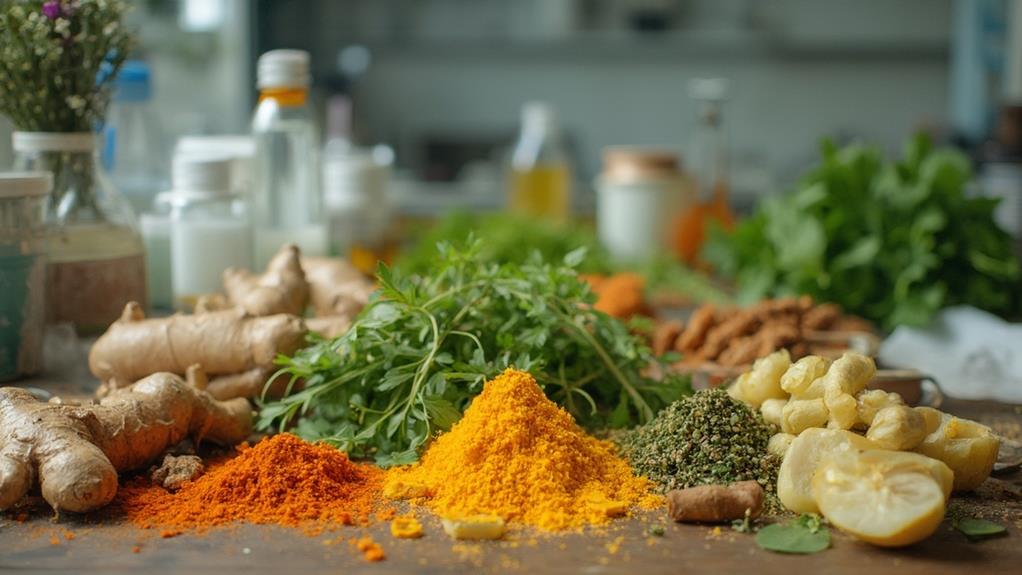
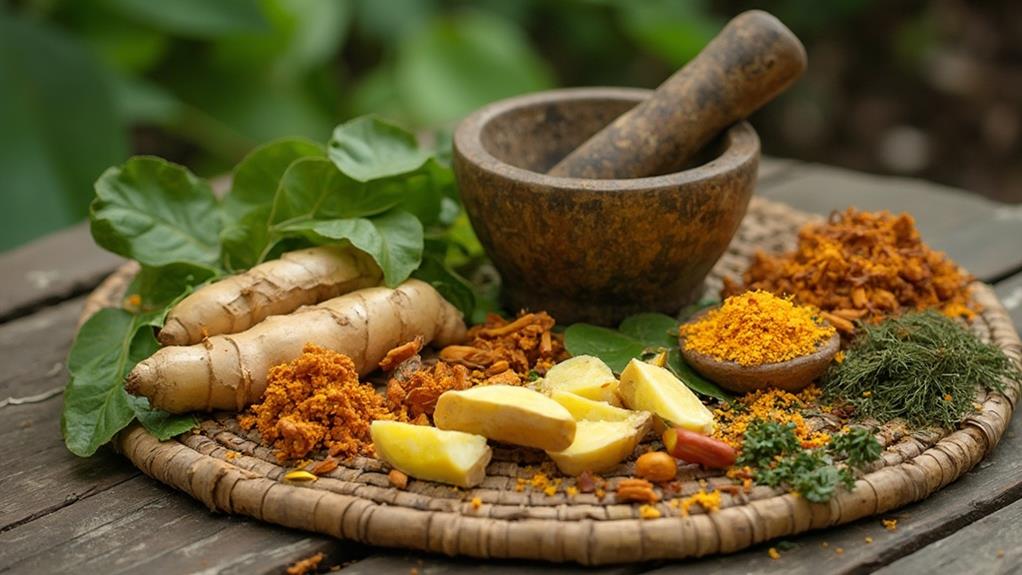
    Garlic boosts the immune system, while turmeric supports overall health.

    In many Filipino households, ginger tea is brewed to soothe digestive issues, and lemongrass is steeped for a refreshing drink.

    This blend of culinary and medicinal usage reflects the culture's resilience and resourcefulness.

    Historical Significance of Herbs

    Herbs have played a vital role in Filipino cuisine, reflecting the country's history and cultural heritage. They not only add flavor to dishes but also tell stories of migration, trade, and local traditions. The Spanish colonization introduced new herbs, which blended with indigenous plants, creating a unique culinary identity.

    Cilantro and bay leaves are commonly used herbs in Filipino cooking, adding depth to savory stews. In contrast, lemongrass and ginger bring brightness to soups. These herbs are often used in traditional Filipino dishes, such as tinola (a ginger-based chicken soup) and sinigang (a sour soup made with tamarind broth).

    Regional herbs reflect local resources and culinary practices. In the Visayas, tanglad (lemongrass) is frequently used in various dishes. In Mindanao, indigenous recipes incorporate a rich variety of herbs. These plants symbolize resilience and adaptation, as Filipinos have cherished them not only for their flavors but also for their cultural significance.

    Understanding the background of these herbs deepens appreciation for the culinary experiences they enrich. Each region's unique use of herbs reflects its history, cultural heritage, and local traditions. By recognizing the importance of herbs in Filipino cuisine, we can better appreciate the stories and traditions they carry with them.

    Common Medicinal Herbs

    Filipinos Rely on Medicinal Herbs for Health Benefits

    Many Filipinos turn to common medicinal herbs for their health benefits, relying on nature's remedies passed down through generations.

    Lagundi Treats Coughs and Respiratory Issues

    Lagundi is one of the most popular medicinal herbs in the Philippines, known for its effectiveness in treating coughs and respiratory issues. Its leaves can be brewed into a tea for soothing relief, and it can be easily found growing in backyards.

    Pansit-Pansitan Has Anti-Inflammatory Properties

    Pansit-pansitan is another staple herb, renowned for its anti-inflammatory properties. Its leaves can be used to make a poultice or tea, helping to alleviate joint pain or arthritis.

    Sibuyas Has Antimicrobial Properties

    Sibuyas, or onion, isn't just a kitchen staple; it also has antimicrobial properties that can aid in fighting colds.

    Balbas Pusa Supports Urinary Health

    Balbas pusa, or cat's whiskers, is a lesser-known herb that works wonders for urinary issues and kidney health. Its leaves can be steeped in hot water or consumed as a tincture.

    Bawang Supports Heart Health

    Bawang, or garlic, is celebrated not just for its flavor but also for its ability to support heart health.

    How Can Herbs and Spices in Filipino Cuisine Benefit Health and Wellness?

    In Filipino cuisine, herbs and spices play a vital role in enhancing flavors while also offering potential health benefits. Many traditional healthy filipino cooking methods use a variety of herbs and spices like turmeric, ginger, and calamansi, which are known for their antioxidant and anti-inflammatory properties, contributing to overall wellness.

    Spices With Healing Properties

    medicinal benefits of spices

    Spices with Healing Properties in Filipino Cuisine

    Turmeric: Anti-Inflammatory and Antioxidant Properties

    Turmeric is a vibrant golden spice commonly used in Filipino cooking, known for its anti-inflammatory and antioxidant properties.

    When added to dishes, turmeric not only enhances flavor but also promotes overall health.

    Ginger: Soothing Digestive Issues and Reducing Nausea

    Ginger is a staple spice in Filipino cooking, renowned for its ability to soothe digestive issues and reduce nausea.

    Consuming ginger tea or adding fresh ginger to stir-fries taps into its natural healing powers.

    Garlic: Immune-Boosting and Heart Health Benefits

    Garlic is a frequently used spice in Filipino recipes, celebrated for its immune-boosting properties and heart health benefits.

    Its pungent aroma adds depth to meals while helping to ward off illnesses.

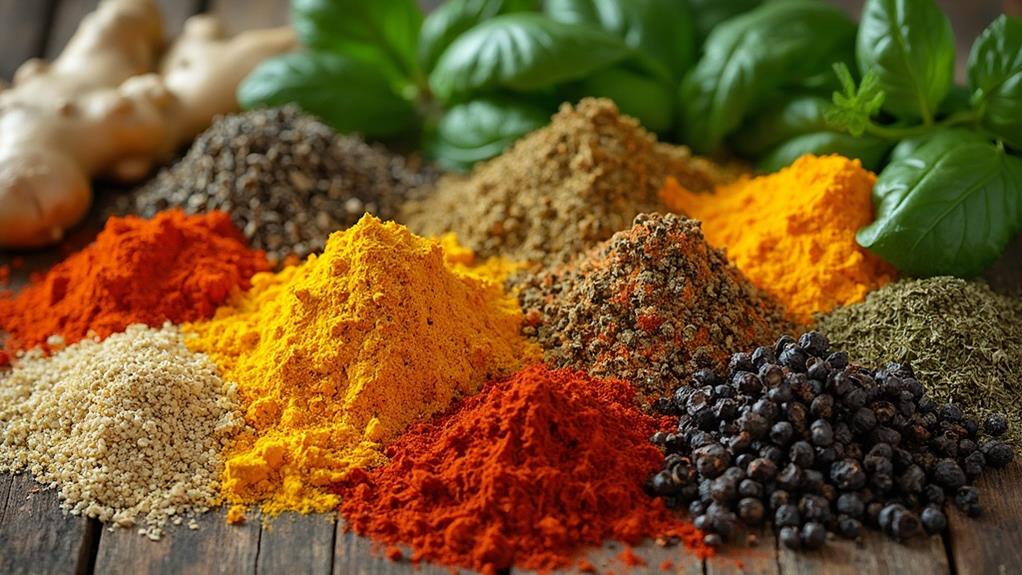
    Black Pepper: Aiding Digestion and Enhancing Nutrient Absorption

    Black pepper is a spice that aids digestion and enhances nutrient absorption.

    Incorporating these spices into daily meals supports overall well-being while enjoying the rich flavors of Filipino cuisine.

    Traditional Remedies in Filipino Culture

    Traditional Remedies in Filipino Culture

    In Filipino culture, healing traditions thrive due to the reliance on natural remedies passed down through generations. These remedies often utilize common herbs and spices found in kitchens across the archipelago to address various ailments.

    Families Rely on Traditional Remedies

    Many families in the Philippines rely on these time-honored practices as both preventative and curative measures. These remedies are deeply rooted in the belief that local flora possesses healing properties.

    Examples of Traditional Remedies

    Several herbs and spices are commonly used in traditional remedies:

    Herb/Spice Common Use Preparation Method
    Ginger Relief from colds Brewed as tea or added to dishes
    Turmeric Anti-inflammatory Used in cooking or as a paste
    Lemongrass Digestive aid Steeped in hot water for tea

    Embracing Traditional Remedies

    Modern Applications and Research

    contemporary studies and innovations

    Modern Applications and Research

    Traditional remedies continue to hold significant cultural value in the Philippines, and modern research is now validating their effectiveness.

    Universities and research institutions in the Philippines are investigating the medicinal properties of local herbs and spices, exploring their historical uses. This includes the preservation of cultural heritage, such as traditional tattooing practices.

    The cultural significance of tattoos as markers of tribal identity and community belonging is being applied to the study of herbs and spices. For example, lagundi (Vitex negundo) has been found effective in treating respiratory ailments, while sambong (Blumea balsamifera) has shown potential in managing kidney stones.

    Researchers are also exploring the antimicrobial properties of garlic (Allium sativum) and ginger (Zingiber officinale), which have been staples in Filipino kitchens for generations.

    The integration of these herbs into modern pharmaceuticals is gaining traction, with companies developing herbal supplements based on traditional recipes.

    Additionally, local farmers are cultivating these plants sustainably, ensuring their availability for future generations.

  • Traditional Filipino Medicine and Wellness

    Traditional Filipino Medicine and Wellness

    Traditional Filipino medicine takes a holistic approach to health and wellness. This approach combines the use of herbal remedies, such as lagundi for coughs and sambong for fevers, with spiritual and ritualistic practices that promote balance and harmony.

    Community healers, or albularyos, serve as trusted caregivers, integrating emotional and spiritual well-being into their care.

    Traditional Filipino medicine draws upon centuries of indigenous knowledge, which is often passed down through generations.

    As awareness grows, traditional practices are being embraced alongside modern healthcare for more comprehensive support. By combining these two approaches, individuals can receive more well-rounded care that addresses their physical, emotional, and spiritual needs.

    Historical Context of Filipino Medicine

    Filipino Medicine: A Rich Cultural Heritage

    The roots of Filipino medicine date back centuries, shaped by the country's diverse cultural influences. Traditional healing practices have evolved from a blend of indigenous beliefs, Spanish influence, and Chinese medicine.

    Early Filipinos relied on their extensive knowledge of local herbs, plants, and natural remedies to treat ailments. They passed down this wisdom through generations. For instance, tattoos played a significant role in traditional Filipino medicine, serving as markers of tribal identity and community belonging.

    Community healers, known as "albularyos," played a crucial role in society. They were the primary figures for medical advice and treatment, utilizing a holistic approach that emphasized the balance between body, mind, and spirit.

    This practice often involved rituals and spiritual elements, reflecting the deep connection to cultural beliefs.

    During colonial times, Western medicine influenced Filipino practices, leading to a unique fusion of methods. Despite these changes, traditional medicine remained resilient, adapting and evolving with the times.

    Today, there's a resurgence of interest in traditional Filipino medicine. It serves as a vital part of health and wellness, reminding us of the importance of heritage in healing practices.

    Key Principles of Traditional Healing

    Traditional Filipino healing prioritizes holistic well-being, recognizing that true health involves more than just the absence of illness. This approach emphasizes the interconnectedness of mind, body, and spirit. When assessing a person's state, traditional healers consider their overall well-being, rather than focusing solely on symptoms.

    The balance of elements is a key principle, reflecting a deep understanding of nature. Healers believe that health is achieved when the body's energies—hot and cold, wet and dry—are in harmony. For example, a healer might diagnose an imbalance of hot energy and treat it with cooling remedies, such as herbal tea or a cooling bath.

    Community and familial ties are essential, as traditional healing often involves collective support and shared practices. In many Filipino communities, family members and neighbors come together to provide emotional support and assist with healing rituals.

    Intuitive knowledge passed down through generations is crucial, encompassing various techniques, such as massage, rituals, and dietary adjustments, aimed at restoring balance. This wisdom is often shared through oral traditions and hands-on training.

    Spirituality plays a significant role, recognizing the importance of faith and belief in the healing process. Traditional Filipino medicine often incorporates spiritual practices, such as prayer and meditation, to promote healing and well-being.

    Common Herbal Remedies Used

    popular herbal healing practices

    Traditional Filipino Herbal Remedies

    Filipino medicine has a rich tradition of using herbal remedies, passed down through generations and shared among family members and communities.

    Lagundi is a popular herb used to treat coughs and respiratory issues. Its effectiveness has made it a staple in many Filipino households.

    Sambong, renowned for its diuretic properties, is often used to treat fever and flu-like symptoms.

    Malunggay, also known as moringa, is packed with vitamins and minerals, making it an excellent supplement for overall wellness.

    Bawang, or garlic, is celebrated for its ability to lower cholesterol and boost heart health.

    For digestive concerns, peppermint, or yerba buena, can soothe upset stomachs and reduce bloating.

    Luyang dilaw, or turmeric, is often used for its anti-inflammatory benefits.

    These herbal remedies have been used for generations, offering natural and effective solutions for various health concerns.

    Spiritual and Ritual Healing Practices

    Spiritual and Ritual Healing Practices in Traditional Filipino Medicine

    Balance and Harmony through Spiritual Practices

    In traditional Filipino medicine, spiritual and ritual healing practices play a vital role in restoring health and wellness. These practices are rooted in the belief that physical health is closely tied to spiritual and emotional states.

    Rituals are designed to restore balance and harmony within oneself, often involving the invocation of spirits or ancestors.

    Filipino Tattoos as Spiritual Expression and Healing

    Filipino tattoos, for instance, serve as markers of tribal identity and community belonging, reflecting a rich cultural tapestry that binds communities together.

    They can also be seen as a form of spiritual expression and healing. Traditional tattooing practices are considered sacred rituals, passed down through generations, with origins intertwined with Filipino traditions and beliefs.

    Diagnosing Ailments through Rituals

    One common practice is the "pagtatawas," a ritual where a healer uses a candle and a basin of water to diagnose ailments. This process helps identify spiritual disturbances affecting one's health.

    Similarly, "hilot" involves massage techniques that relieve physical pain and align one's energy.

    Ceremonies for Healing and Community

    You may find ceremonies, like "babaylan," where a spiritual leader performs prayers, chants, and offerings to promote healing.

    These rituals foster a sense of community and connection, reinforcing the idea that healing isn't just an individual journey but a collective experience.

    The Role of Community Healers

    importance of local healers

    Community healers play a vital role in traditional Filipino medicine, serving as both caregivers and cultural custodians. They possess a deep understanding of herbal remedies, spiritual practices, and local healing traditions passed down through generations.

    For example, they often draw inspiration from the rich cultural tapestry of Filipino tattoos, which serve as markers of tribal identity and community belonging.

    These healers assess your condition holistically, considering not just physical symptoms but also emotional and spiritual well-being. They blend their knowledge of nature with a keen intuition, allowing them to address various ailments effectively.

    By considering the whole person, not just the illness, they provide a more comprehensive approach to healing.

    In many communities, these healers are trusted figures, often consulted before turning to conventional medical options. Their presence fosters a sense of belonging, as they connect individuals to their heritage while providing valuable health services.

    For instance, their communal practices encourage open dialogue about health and wellness, strengthening community ties.

    Integration With Modern Healthcare

    Integrating traditional Filipino medicine with modern healthcare can create a more holistic approach to well-being. This integration allows individuals to benefit from the strengths of both systems, enhancing overall health outcomes.

    Traditional practices, such as herbal remedies, massage, and spiritual healing, often emphasize prevention and community involvement, aligning well with modern medicine's focus on evidence-based treatments.

    Preserving traditional craftsmanship can contribute to community cohesion and pride, positively impacting mental health and well-being. For example, traditional Filipino weaving and pottery-making can bring communities together, fostering a sense of pride and belonging.

    This, in turn, can positively impact mental health and overall well-being.

    Combining traditional and modern approaches can address physical, emotional, and spiritual aspects of health. While undergoing conventional treatments for a condition, individuals can also explore traditional remedies that provide relief and comfort.

    For instance, patients with anxiety may find that traditional Filipino meditation practices, such as "meditasyon," complement their conventional therapy.

    Healthcare providers are increasingly open to collaboration with local healers, leading to more personalized care. This partnership respects cultural beliefs while ensuring individuals receive effective medical treatment.

    Local healers can provide valuable insights into traditional remedies, and healthcare providers can offer evidence-based guidance on their safe and effective use.

    Benefits of Holistic Approaches

    comprehensive health improvement strategies

    Holistic approaches to health and wellness focus on treating the whole person—body, mind, and spirit—rather than just addressing specific symptoms. This comprehensive view allows for a deeper understanding of one's health, enabling a stronger connection between emotional and physical aspects.

    Holistic approaches incorporate natural remedies, lifestyle changes, and preventive measures to promote overall well-being. For example, practices like meditation, herbal medicine, or acupuncture can reduce stress and anxiety, enhancing the body's natural healing processes and promoting balance.

    By prioritizing self-care and mindfulness, individuals can cultivate better habits that lead to long-term wellness. This active role in one's health journey empowers individuals to take charge of their well-being, enriching their lives in various meaningful ways.

    Holistic approaches also foster a sense of community, as many involve group activities, workshops, or sharing knowledge with others. This collective approach can lead to a stronger support system, encouraging individuals to continue their path towards overall wellness.

    How Does Sinigang and Other Traditional Filipino Medicines Contribute to Overall Health and Wellness?

    Sinigang, a traditional Filipino soup, is not only a delicious dish but also comes with sinigang health benefits packed vitamins minerals. Many other traditional Filipino medicines, such as herbal teas and infusions, contribute to overall health and wellness. These natural remedies have been passed down for generations and are known for their healing properties.

    Challenges Facing Traditional Practices

    Challenges Facing Traditional Practices

    Lack of Scientific Validation

    Traditional practices often struggle to gain acceptance due to the lack of scientific validation. Many traditional remedies haven't undergone rigorous research, making it difficult for practitioners and patients to trust their efficacy.

    For instance, some people are skeptical and prefer Western medicine, which prioritizes evidence-based treatments. This lack of validation hinders the adoption of traditional practices, such as traditional tattoos, which are often overlooked in favor of modernization.

    Decline of Traditional Knowledge

    The decline of traditional practices is also attributed to the diminishing knowledge among younger generations. As modern lifestyles take precedence, traditional healing methods are often overlooked or forgotten.

    This gap can lead to a loss of cultural heritage and the valuable wisdom that comes with it. For example, traditional tattooing practices have declined due to Spanish colonization, which has led to the loss of cultural heritage in indigenous communities.

    Regulatory Issues

    Regulatory issues create barriers for traditional practitioners. In many cases, traditional practitioners aren't recognized or licensed, which limits their ability to practice legally.

    Additionally, competition with pharmaceutical companies often overshadows traditional remedies, as advertising and marketing favor conventional medicine.

    This imbalance hinders the adoption of traditional practices and limits access to alternative healthcare options.

    Case Studies and Success Stories

    real world examples of success

    Traditional Filipino Medicine Enhances Modern Health and Wellness

    In the Philippines, numerous case studies demonstrate the successful integration of traditional Filipino medicine into modern health and wellness practices.

    The use of herbal remedies like lagundi for treating coughs and respiratory issues is a notable example. Patients often report significant relief when combining it with conventional treatments, showcasing how these natural solutions can complement modern medicine.

    Filipino Tattoo Art and Cultural Significance

    The cultural significance of tattoos in Filipino identity is reflected in the use of traditional tattoo designs that convey strength, protection, and spiritual significance.

    These designs can be applied to modern wellness practices, enhancing their cultural relevance and significance.

    Revival of Hilot: A Traditional Filipino Massage Technique

    The revival of hilot, a traditional Filipino massage technique, is another inspiring case.

    Many wellness centers now incorporate hilot into their services, promoting relaxation and pain relief. Clients remark on the benefits of combining this ancient practice with modern physiotherapy, leading to improved recovery outcomes.

    Collaboration between Traditional Healers and Modern Healthcare

    In rural areas, traditional healers, or manghihilot, have partnered with local health facilities to provide holistic care.

    These collaborations have resulted in better patient satisfaction and reduced healthcare costs, proving that traditional practices can coexist with modern healthcare.

    Future of Traditional Medicine in the Philippines

    The future of traditional medicine in the Philippines looks promising as communities increasingly recognize its value alongside modern healthcare. This growing recognition is driven by the desire for holistic wellness, which is achieved by combining traditional practices with contemporary treatments.

    For instance, the preservation of traditional Filipino tattoo art highlights the cultural significance of traditional medicine in the country's identity, leading to increased adoption.

    Local governments and health organizations are integrating traditional medicine into public health initiatives. This integration is expected to lead to more educational programs promoting the benefits of herbal remedies and local healing practices.


    These programs will empower individuals and communities to take charge of their health with a broader range of options.

    Researchers are exploring the scientific basis of traditional healing, which may provide more robust evidence supporting its efficacy. This research can bridge the gap between traditional and modern medicine.

    Furthermore, the rise of telemedicine will expand access to traditional practitioners, making it easier for individuals to consult with experts from the comfort of their homes.

  • Food Safety and Hygiene to Prevent Foodborne Illness

    Food Safety and Hygiene to Prevent Foodborne Illness

    Food safety and hygiene are crucial in preventing foodborne illnesses. These illnesses can lead to severe health issues, such as nausea and diarrhea, and can be life-threatening for vulnerable groups, including the elderly and pregnant women.

    Proper food handling is key to reducing the risk of contamination. This includes washing your hands frequently, using separate cutting boards for raw meat, poultry, and seafood, and storing utensils and equipment in a clean environment.

    Cooking meat to safe temperatures is essential. This means cooking poultry to at least 165°F (74°C), beef to at least 145°F (63°C), and pork to at least 145°F (63°C).

    Perishable foods must be stored correctly to prevent bacterial growth. This includes refrigerating foods promptly, using airtight containers, and consuming leftovers within 3 to 4 days.

    Following food safety guidelines not only protects individual health but also contributes to a safer community. By adhering to these practices, individuals can significantly reduce the risk of foodborne illnesses and promote a culture of food safety.

    Understanding Foodborne Illnesses

    Foodborne illnesses are a significant public health concern, as they can cause a range of symptoms including nausea, vomiting, and diarrhea. These illnesses occur when contaminated food or drinks are consumed, and the Centers for Disease Control and Prevention (CDC) estimates that 1 in 6 Americans gets sick from contaminated foods or beverages every year.

    Common pathogens like bacteria, viruses, and parasites can contaminate food. These microbes can be present in undercooked meats, unwashed fruits, or contaminated water. For example, Salmonella can be found in undercooked chicken or eggs, while E. coli can contaminate unwashed fruits and vegetables.

    Vulnerable groups, including the elderly, pregnant women, and those with weakened immune systems, are at higher risk of severe illness. These individuals should take extra precautions to ensure their food is handled and cooked safely.

    Prevention is key to reducing the risk of foodborne illnesses.

    Practicing good food hygiene is essential, including:

    • Washing hands thoroughly with soap and water before handling food
    • Cooking foods to the right temperatures to kill harmful microbes
    • Storing perishables promptly in the refrigerator or freezer to prevent bacterial growth

    Key Causes of Contamination

    Contamination can occur in the kitchen through various sources. Understanding these sources is crucial for maintaining food safety.

    Food handlers can introduce pathogens into food through poor personal hygiene. Not washing hands after using the restroom or handling raw foods can transfer harmful bacteria to ready-to-eat foods.

    Cross-contamination can transfer harmful bacteria to food. Using the same cutting board or utensils for raw meat and ready-to-eat foods can spread bacteria like Salmonella and E. coli.

    Inadequate cooking allows bacteria to survive and multiply. Under-cooking meat, poultry, or eggs can lead to foodborne illnesses.

    For example, cooking poultry to an internal temperature of 165°F (74°C) is necessary to kill bacteria like Salmonella.

    Improper storage promotes bacterial growth. Storing food at incorrect temperatures can allow bacteria to grow, especially in perishable items like dairy products and meat.

    Refrigerating perishable foods at 40°F (4°C) or below and freezing foods at 0°F (-18°C) or below can prevent bacterial growth.

    Importance of Proper Food Handling

    safe food handling practices

    Proper food handling is crucial for preventing foodborne illnesses and ensuring overall health. When handling food, it's essential to minimize the risk of contamination.

    Wash your hands thoroughly with soap and water before and after handling food to reduce the transfer of harmful pathogens to the food.

    Use separate cutting boards for raw meats and other food items, like vegetables or fruits, to prevent cross-contamination, a leading cause of foodborne illness.

    Cook food to the recommended internal temperatures using a food thermometer to ensure that meat, poultry, and seafood reach safe temperatures.

    Maintain personal hygiene by avoiding food handling when feeling unwell, especially with symptoms like vomiting or diarrhea.

    Practicing proper food handling techniques not only protects yourself but also those who consume your meals.

    Safe food practices are a shared responsibility, and individual actions play a vital role in preventing foodborne illnesses.

    Safe Food Storage Practices

    Proper Food Storage is Crucial for Food Safety

    To prevent spoilage and foodborne illnesses, it's essential to store food properly. Refrigerate perishable items within two hours of purchasing or preparing them, and keep your refrigerator at or below 40°F (4°C) to slow down bacterial growth.

    Use Airtight Containers and Label Them

    When storing food, use airtight containers to prevent contamination and moisture loss. Label containers with the date you made or opened them to keep track of freshness. This helps you identify which foods are still safe to eat and which ones have gone bad.

    Store Raw Meats Safely

    Place raw meats on the bottom shelf of your refrigerator to avoid dripping onto other foods, which could cause cross-contamination. This prevents bacteria from raw meats from spreading to other foods.

    Freeze Foods for Long-Term Storage

    For long-term storage, consider freezing items. Most foods can be frozen, but be sure to use freezer-safe bags or containers to prevent freezer burn.

    Portion out meals into smaller servings to make it easier to thaw only what you need.

    Organize Your Pantry

    Keep your pantry organized by storing dry goods in a cool, dry place, and check expiration dates regularly. This helps you identify which foods are still safe to eat and which ones have expired.

    Personal Hygiene for Food Safety

    food safety hygiene practices

    Maintaining Personal Hygiene for Food Safety

    Clean Hands are Essential

    Washing your hands with soap and warm water for at least 20 seconds before and after handling food is crucial in preventing foodborne illnesses.

    This practice is backed by the Centers for Disease Control and Prevention (CDC) as a key preventive measure.

    Additional Hand Care

    Keep your nails trimmed and free of dirt.

    Remove rings or bracelets while cooking, as they can harbor bacteria.

    Clothing and Utensils Matter

    Wear clean aprons to prevent the transfer of bacteria from your clothes to food.

    Use clean utensils and avoid cross-contamination by keeping raw and cooked foods separate.

    Health Status and Food Preparation

    If you're sick, especially with gastrointestinal issues, avoid food preparation altogether to protect others.

    Cleaning and Sanitizing Techniques

    Cleaning and Sanitizing: Essential Steps for Food Safety

    Understanding the Difference

    Cleaning removes dirt and food residues, while sanitizing reduces harmful microorganisms to safe levels.

    The Cleaning Process

    Start by using hot, soapy water to wash surfaces, utensils, and equipment.

    Scrub thoroughly, paying attention to areas that often harbor bacteria, such as cutting boards and countertops.

    The Sanitizing Process

    Use a solution that's effective against pathogens, such as bleach diluted with water (1 tablespoon of bleach per gallon).

    Apply the solution to the cleaned surfaces and let it sit for at least 30 seconds to kill the germs.

    Rinse surfaces after sanitizing, especially if you used bleach, to prevent any residue that could affect food.

    Maintaining Cleanliness

    Routinely clean and sanitize your sponges and dishcloths, as they can become breeding grounds for bacteria.

    By incorporating these cleaning and sanitizing techniques into your daily routine, you'll significantly reduce the risk of foodborne illnesses and create a safer kitchen environment for yourself and others.

    Role of Temperature Control

    temperature control importance highlighted

    Maintaining the Right Temperature is Crucial for Food Safety

    Temperature control is essential in preventing foodborne illnesses. Food temperatures between 40°F and 140°F (4°C to 60°C) are considered the danger zone, where bacteria can multiply rapidly. This range is critical because it allows bacteria to grow, increasing the risk of foodborne illnesses.

    Safe Temperature Guidelines for Common Foods

    Understanding safe temperatures for different food types can help prevent foodborne illnesses. The following table provides a quick reference guide:

    Food Type Safe Temperature (°F) Notes
    Poultry 165°F Cook thoroughly
    Ground meats 160°F Use a meat thermometer
    Whole cuts of beef 145°F Let rest for 3 minutes
    Refrigerated food Below 40°F Check your fridge regularly

    How Does Understanding Food Labels Help in Ensuring Food Safety and Hygiene?

    Understanding food labels nutrition information is essential for ensuring food safety and hygiene. By reading labels, you can identify potential allergens, check expiration dates, and assess nutritional value. This helps in making informed decisions about what you consume, ultimately promoting better health and wellness for you and your family.

    Regulations and Standards in Food Safety

    Regulations and Standards in Food Safety

    Establishing Clear Protocols

    In the realm of food safety, regulations and standards play a vital role in ensuring public health. The FDA and USDA are two organizations that set these regulations to establish clear protocols for food handling, preparation, and storage. These guidelines are designed to minimize foodborne illnesses and protect consumers from unsafe practices.

    Compliance is Crucial

    Compliance with these standards is crucial. They dictate requirements for food labeling, ingredient safety, and sanitary conditions in food establishments. By adhering to these regulations, you not only protect your customers but also your business's reputation.

    Regular Inspections

    Regular inspections are part of this framework. These checks help ensure that food establishments meet required hygiene and safety standards. If you fail to comply, you might face severe penalties, including fines or closure.

    Staying Informed

    Staying informed about changes in regulations is essential. Laws can evolve based on new research or outbreaks, and being proactive in your approach can help prevent issues before they arise.

    Following established regulations and standards isn't just about compliance; it's about fostering trust and safety in the food you serve. Your commitment to these practices can make a significant difference in public health.

    Educating Staff on Food Hygiene

    food hygiene staff training

    Educating Staff on Food Hygiene

    Comprehensive Training is Key

    Understanding food safety regulations is crucial, but it's equally important to educate staff on food hygiene practices. Effective training programs ensure that every team member understands the importance of cleanliness, proper food handling, and cross-contamination prevention.

    Onboarding and Refresher Courses

    Start with a comprehensive onboarding process that covers the basics of food hygiene. This should include information on personal hygiene, sanitization of surfaces, and safe food storage temperatures.

    Regular refresher courses can keep this knowledge fresh and up-to-date.

    Catering to Different Learning Styles

    Use a mix of hands-on training, visual aids, and assessments to cater to different learning styles. Highlight practical scenarios staff members might face, such as proper handwashing techniques and correct food storage methods.

    Encouraging Accountability

    Encourage a culture of accountability where staff members feel responsible for maintaining hygiene standards. Regularly review procedures and provide constructive feedback.

    Consider implementing a buddy system for peer monitoring, which can help reinforce good practices.

    Staying Up-to-Date with Regulations

    Keep up with the latest food safety regulations and emerging trends by attending workshops or webinars. This commitment to continuous education not only enhances safety but also fosters a proactive approach to preventing foodborne illnesses.

    Well-trained staff are your first line of defense against potential food safety hazards.

    Community Impact of Food Safety

    Food safety has a profound impact on the community. When local establishments prioritize food safety, they create a healthier environment for everyone.

    Reduced Illness Rates: Effective food safety practices lower the chances of foodborne illnesses, leading to fewer hospital visits and less strain on healthcare resources.

    For instance, the Centers for Disease Control and Prevention (CDC) estimate that 1 in 6 Americans get sick from foodborne illnesses each year, resulting in 128,000 hospitalizations and 3,000 deaths. By implementing proper food safety measures, businesses can significantly reduce these numbers.

    Economic Stability: Safe food handling can improve a business's reputation, attracting more customers and boosting the local economy.

    A study by the Food Marketing Institute found that a single food safety incident can cost a company up to $10 million in lost sales and damaged reputation. By prioritizing food safety, businesses can avoid these financial losses and contribute to the local economy.

    Community Awareness: Promoting food safety encourages community members to educate themselves and each other, fostering a culture of health.

    For example, food safety workshops and training programs can empower community members to make informed decisions about the food they eat. This, in turn, can lead to a greater sense of responsibility and trust within the community.

    Enhanced Quality of Life: A safer food environment contributes to overall well-being, allowing families to focus on more than just avoiding illness.

    When people are confident in the safety of their food, they can enjoy social gatherings, explore new cuisines, and live healthier lifestyles without the burden of foodborne illnesses.

  • Filipino Food for Kids: Nutritious and Delicious Options

    Filipino Food for Kids: Nutritious and Delicious Options

    Filipino cuisine offers a variety of nutritious and delicious options for kids.

    Protein-packed dishes like Adobo, made with chicken or pork, provide savory flavor and essential amino acids.

    Veggie-rich soups like Sinigang, with its tangy broth, not only tantalize the taste buds but also contribute to hydration.

    Colorful noodle dishes like Pancit can be tailored to include your child's favorite proteins, making mealtime engaging and fun.

    Crispy and customizable snacks like Lumpia, or Filipino spring rolls, are an excellent option for kids.

    For sweet treats, Leche Flan provides protein and calcium, while Bibingka offers energy-boosting ingredients like eggs and milk.

    Each dish is both flavorful and healthy, making mealtime an enjoyable experience.

    Adobo: A Flavorful Classic

    Adobo: A Flavorful Classic

    Adobo is a beloved Filipino dish that can easily become a favorite for kids and adults alike. This savory stew typically consists of meat, such as chicken or pork, marinated in a mixture of soy sauce, vinegar, garlic, and spices. The cooking process involves simmering the meat until tender, allowing it to absorb the rich flavors. This makes adobo not only delicious but also packed with protein, essential for growing bodies.

    Adobo's flavor profile is a result of the combination of different ingredients. Similar to how Visayan music integrates indigenous, Spanish, and American influences, adobo's flavor profile is a unique blend of soy sauce, vinegar, garlic, and spices.

    One of the best things about adobo is its versatility. You can customize it to suit your family's taste preferences by adjusting the marinade or adding vegetables like potatoes or carrots.

    Plus, it's a one-pot meal, which means less cleanup for you! For kids, adobo can be served over rice, which helps balance the dish with carbohydrates. You might also consider using less vinegar if your child prefers milder flavors.

    By introducing adobo to your family, you're not just serving a meal; you're sharing a piece of Filipino culture. With its hearty taste and comforting aroma, adobo can easily become a staple in your household, pleasing even the pickiest eaters.

    Sinigang: Tangy and Comforting

    Sinigang: A Tangy and Comforting Filipino Soup

    Sinigang is a Filipino soup that offers a tangy contrast to rich dishes like adobo. Its signature sourness comes from tamarind, a key ingredient. This bold flavor profile makes it both comforting and exciting for kids.

    Sinigang is a nutritious meal option. The combination of protein from meat (such as pork, shrimp, or beef) and vitamins from vegetables like radish, eggplant, and water spinach creates a well-rounded meal.

    These veggies help kids meet their daily nutrient requirements, promoting healthy growth and development. The broth is also hydrating, making it beneficial during warmer months or when kids are under the weather.

    You can adjust the sourness to suit your family's taste preferences, making sinigang a versatile option. By serving sinigang, you're introducing your kids to the rich culinary heritage of the Philippines while ensuring they enjoy nutritious food.

    Pancit: A Noodle Delight

    noodle dish delightfully prepared

    Pancit: A Nutritious and Versatile Filipino Noodle Dish

    Pancit is a popular Filipino noodle dish that's both fun to eat and nutritious. It can be made with rice noodles or egg noodles, making it a versatile meal option. The dish typically includes vegetables such as carrots, cabbage, and bell peppers, which add essential nutrients like vitamins and fiber.

    Pancit Brings People Together

    Similar to traditional Filipino folk music, pancit has cultural significance and is often served during family gatherings and celebrations. It brings people together, fostering a sense of community and togetherness.

    Customizing Pancit for Balanced Nutrition

    Pancit can be customized to cater to various tastes and dietary needs. Proteins like chicken, shrimp, or tofu can be added, making it a balanced meal. The dish is seasoned with soy sauce, garlic, and onions, which provides a savory flavor that appeals to children.

    A Visually Appealing Dish

    The colorful presentation of pancit makes it more appealing to picky eaters. The variety of vegetables and noodles creates a visually appealing dish, encouraging kids to try new foods.

    Lumpia: Crunchy Rolls of Joy

    Lumpia: A Delicious and Nutritious Snack

    Lumpia are crispy Filipino spring rolls that make for a perfect snack or appetizer. They can be filled with a variety of ingredients, such as minced vegetables, meat, or seafood, making them versatile and customizable. This allows parents to cater to their kids' tastes and dietary needs.

    Packed with Nutrients

    Lumpia can be a healthy snack option when filled with carrots, cabbage, and green beans, which provide essential vitamins and minerals.

    To make them even healthier, parents can use lean proteins and incorporate more veggies into the filling.

    Preparation Options

    Lumpia can be prepared in two ways: frying or baking. Baking offers a lower-fat alternative while still delivering a satisfying crunch.

    Serving lumpia with a dipping sauce, such as sweet chili or soy sauce, can elevate the flavor and make it more appealing to kids.

    A Fun and Interactive Snack

    Involving kids in the preparation process can be a fun bonding activity. Rolling the lumpia together encourages kids to enjoy the cooking experience and appreciate the snack more.

    Longganisa: Sweet Sausage Treat

    sweet filipino sausage delight

    Longganisa: A Nutritious Sweet Sausage Treat for Kids

    Longganisa, a popular Filipino sausage, is a sweet and savory treat that kids love.

    It is a nutritious addition to their diet, packed with protein and essential nutrients that support growth and energy levels.

    Longganisa's Nutritional Benefits

    Protein builds and repairs tissues, essential for growth.

    Vitamins B1 and B12 support brain health and energy production.

    Iron is important for oxygen transport in the blood.

    Varieties of Longganisa Cater to Different Tastes

    Longganisa comes in various flavors and ingredients, such as garlic, vinegar, and sugar.

    This ensures that every child can find a version they enjoy.

    Serving Longganisa for a Balanced Meal

    Pair longganisa with rice and a side of vegetables for a balanced meal.

    It's easy to prepare and can be grilled, pan-fried, or baked, making it a versatile option for family dinners.

    Leche Flan: Creamy Dessert

    Introduce Your Kids to Traditional Flavors with Leche Flan

    After enjoying a savory dish, it's time to indulge in a sweet treat: leche flan. This Filipino favorite is a creamy custard dessert made with simple ingredients like eggs, condensed milk, and sugar.

    Leche flan is a good source of protein and calcium, making it a nutritious dessert option.

    Get Your Kids Involved in the Cooking Process

    When preparing leche flan, involve your children in the process. They'll enjoy whisking the eggs and pouring the mixture into molds.

    The caramel topping adds a rich flavor that balances the creamy custard, making it irresistible for kids.

    Serve in Moderation and Encourage Sharing

    Serve leche flan in small portions to keep serving sizes appropriate for children and encourage moderation.

    This is also a great way to teach them about sharing and enjoying desserts together as a family.

    A Classic Filipino Treat for Any Occasion

    Leche flan is a crowd-pleaser at any gathering, perfect for special occasions or just a sweet ending to a family meal.

    It's a great way to create fond memories while introducing your kids to this classic Filipino treat.

    Are the Nutritious Filipino Food Options for Kids also suitable for Pregnant Women?

    Yes, many nutritious Filipino food options for kids are also suitable for pregnant women. Foods like adobo, sinigang, and tinola are rich in essential nutrients like protein, vitamins, and minerals needed for both the growth of kids and the development of a healthy baby. Filipino food for pregnant women offers a variety of delicious and healthy choices.

    Bibingka: Rice Cake Bliss

    delicious filipino rice cake

    Bibingka: A Wholesome Snack for Kids

    Nutritious and Energy-Boosting

    Bibingka, a traditional Filipino rice cake, is a healthy snack option for kids. Made from rice flour and coconut milk, it provides essential carbohydrates for energy. This simple yet nutritious treat can be easily prepared at home or found at local markets, especially during festive seasons.

    Customizable and Nutrient-Rich

    When making bibingka, various toppings such as salted eggs, cheese, or grated coconut can be added, enhancing flavor and nutritional value. The combination of ingredients offers a good source of vitamins and minerals, particularly when using fresh, quality products.

    Gluten-Free and Comforting

    Bibingka is gluten-free, making it suitable for kids with gluten sensitivities. It's often enjoyed warm, straight from the oven, which can be comforting for children. Moreover, its soft, cake-like texture is easy for young ones to chew, making it a safe option for toddlers.

    Introducing Traditional Flavors and Wholesome Nourishment

    Incorporating bibingka into your child's diet introduces them to traditional Filipino flavors while ensuring they're getting wholesome nourishment.

    Arroz Caldo: Hearty Rice Porridge

    Arroz Caldo: A Hearty and Wholesome Filipino Dish

    Arroz caldo is a traditional Filipino rice porridge that provides a warm and comforting meal, especially on chilly days. This dish is made with glutinous rice, chicken, and a blend of spices, making it both delicious and nutritious. The chicken serves as a source of essential protein, crucial for growth and development, while the rice provides energy.

    Arroz caldo is a versatile dish that can be customized to suit diverse tastes. You can add vegetables like carrots or peas to boost its nutritional value. The dish is often garnished with green onions, fried garlic, and a squeeze of calamansi or a drizzle of soy sauce, which add flavor and texture. These toppings make the dish more appealing to kids.

    Arroz caldo is easy on the stomach, making it an excellent option when kids are feeling under the weather. Its comforting and soothing properties help provide relief during illness.

    When looking for a nourishing meal for kids, arroz caldo is an excellent choice. Its combination of protein, energy, and essential vitamins makes it a wholesome treat.

    Halo-Halo: Refreshing Summer Treat

    delicious filipino dessert delight

    Halo-Halo: A Refreshing Summer Treat

    A Unique Blend of Ingredients

    Halo-halo is a popular Filipino dessert that combines shaved ice, sweetened fruits, and various ingredients like jellies, beans, and leche flan, topped with a scoop of ube ice cream. This mix of ingredients makes each serving unique and provides a range of nutrients.

    Nutritional Benefits

    Fruits provide vitamins: Halo-halo is packed with vitamins from fruits like bananas and jackfruit.

    Beans offer protein and fiber: The beans in halo-halo provide protein and fiber, helping to keep kids satisfied.

    Shaved ice hydrates: The shaved ice acts as a hydrating base, making it a perfect snack on a hot day.

    Customization and Healthier Options

    You can customize halo-halo to suit your kids' tastes by adjusting the ingredients or adding more of their favorites.

    Make it at home for a healthier treat: Making halo-halo at home allows you to control the amount of sugar, ensuring a healthier treat. Simply gather your preferred components, layer them in a bowl, and finish with ice and ice cream.

    Conclusion

    Halo-halo is a delicious and refreshing way to beat the heat during summer. With its unique blend of ingredients, nutritional benefits, and customizable options, it's an ideal summer treat for kids.