Author: A. Pineda

  • Filipino Food for Pregnant Women

    Filipino Food for Pregnant Women

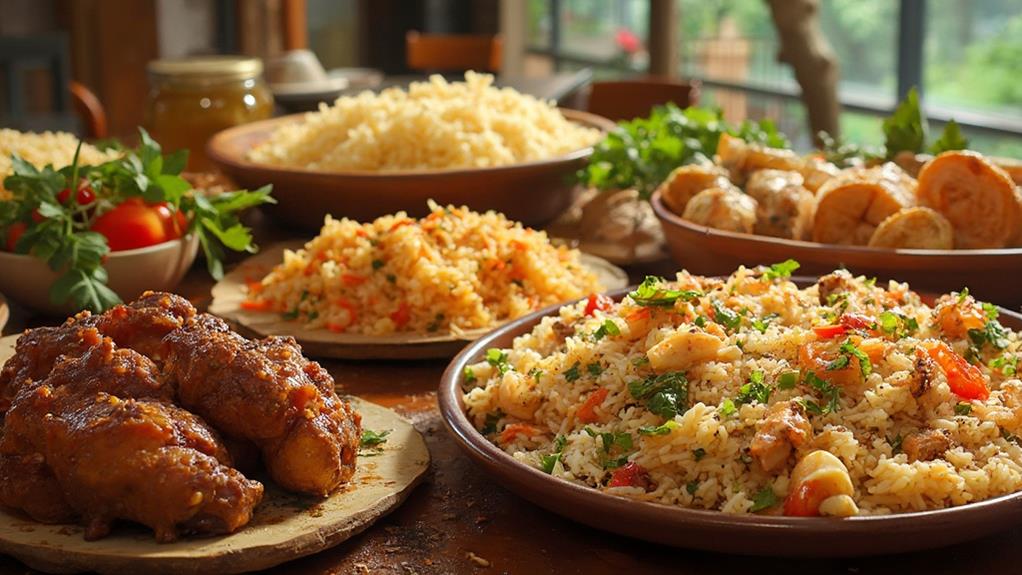
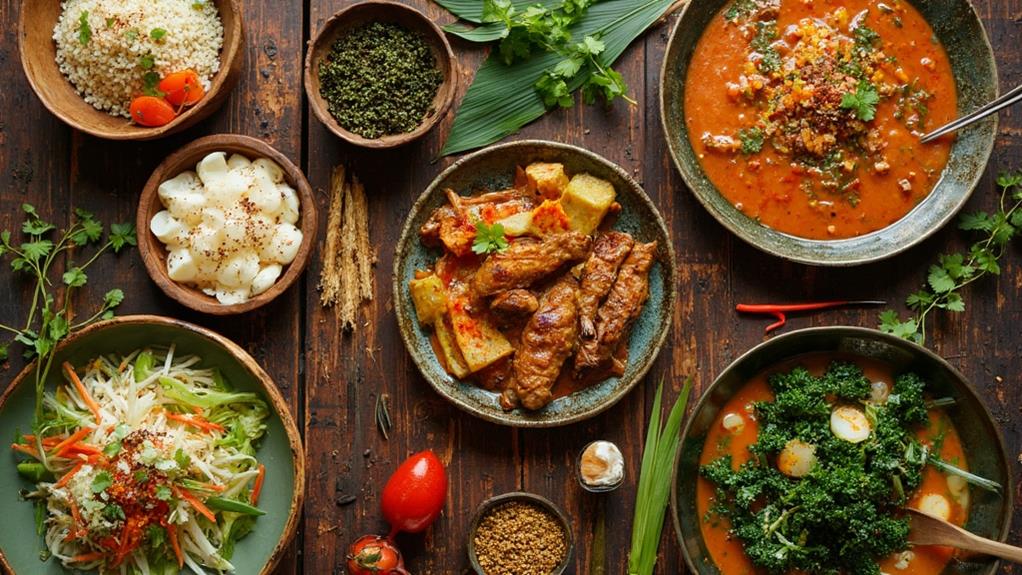
    Proper nutrition is crucial for pregnant women, and Filipino food can provide essential nutrients for a healthy pregnancy.

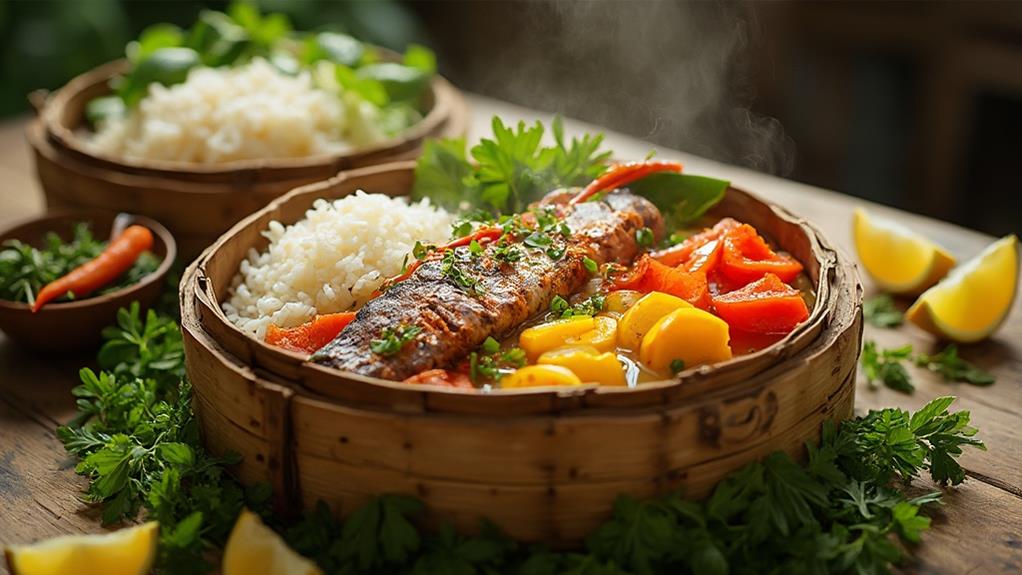
    To enhance nutrition, focus on dishes rich in probiotics, protein, and fiber. Sinigang, a sour soup, is an excellent source of probiotics, while adobo provides protein.

    Pinakbet, a vegetable dish, offers essential vitamins and fiber. Additionally, malunggay and labanos are rich in iron and folate, crucial nutrients for fetal development.

    Staying hydrated is vital, and broths can help achieve this goal. Aim for balanced meals that include whole grains, lean proteins, fruits, and vegetables.

    Practice safe cooking methods to ensure food safety.

    By incorporating these Filipino dishes into your diet, you can nourish your body and strengthen your connection to your heritage, providing emotional support throughout your pregnancy journey.

    Importance of Nutrition During Pregnancy

    Proper Nutrition is Crucial During Pregnancy

    When pregnant, a well-balanced diet is essential for both the mother's health and the baby's development. A diet rich in whole, nutrient-dense foods provides the necessary vitamins and minerals for a healthy pregnancy. This is because the body requires additional calories, but quality over quantity is key.

    Inadequate Nutrition Can Lead to Complications

    Research shows that inadequate nutrition during pregnancy can lead to complications such as low birth weight and developmental issues. Prioritizing nutrition helps prevent these complications and ensures a healthy pregnancy.

    Essential Nutrients for a Healthy Pregnancy

    A balanced diet should include a variety of foods that provide essential nutrients like protein, fiber, healthy fats, and carbohydrates. These nutrients contribute to the mother's overall well-being and support the baby's growth and development.

    Hydration is Equally Important

    Staying well-hydrated helps prevent fatigue and supports amniotic fluid levels. Drinking plenty of water throughout the day is essential for a healthy pregnancy.

    Seeking Guidance

    Don't hesitate to seek guidance from a healthcare provider or nutritionist who can help tailor a diet to meet specific needs.

    Prioritizing nutrition lays a strong foundation for the baby's health and development.

    Key Nutrients for Expectant Mothers

    Key Nutrients for Expectant Mothers

    During pregnancy, understanding the key nutrients your body needs is vital for both your health and your baby's development. A well-nourished diet is crucial to ensure a healthy pregnancy and support your growing baby.

    Folic Acid

    400 micrograms of folic acid daily is crucial for preventing neural tube defects. Start taking it ideally before conception. Folic acid is a B-vitamin that can be found in foods like fortified cereals, bread, and pasta.

    Iron

    Your body requires more iron during pregnancy to support increased blood volume and your baby's growth. Incorporate iron-rich foods like lean meats and leafy greens into your diet, and consider a supplement if your doctor recommends it.

    Calcium

    1,000 milligrams of calcium daily is vital for your baby's development of strong bones and teeth. Get your daily calcium through dairy products, fortified plant-based milks, and leafy greens.

    Popular Filipino Dishes for Pregnancy
    nourishing filipino pregnancy recipes

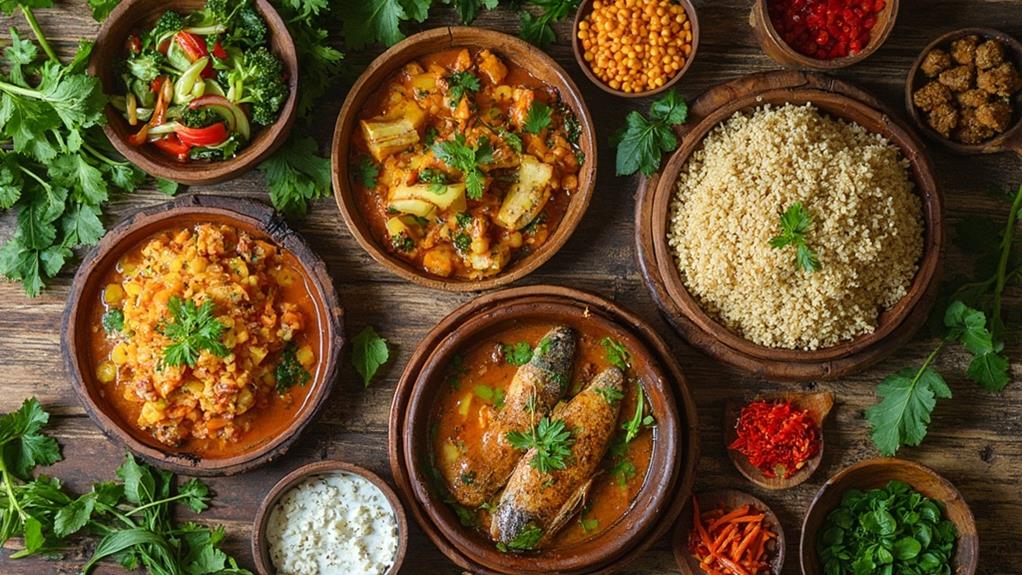
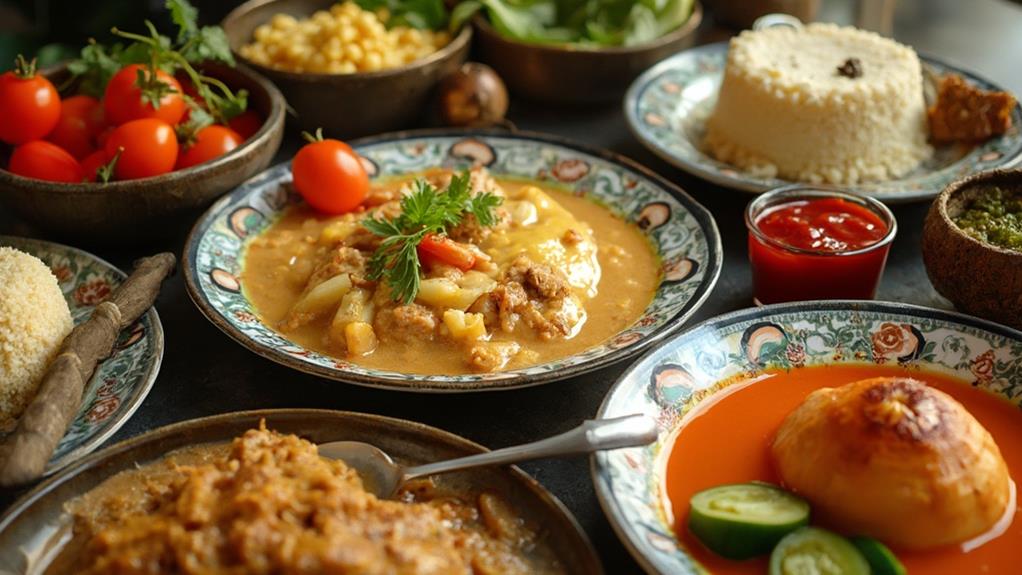
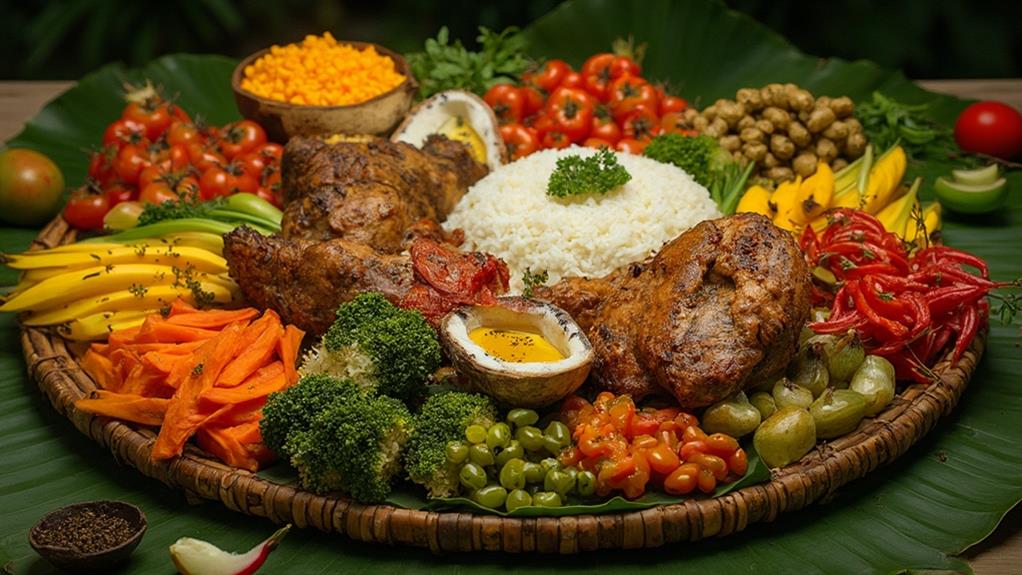
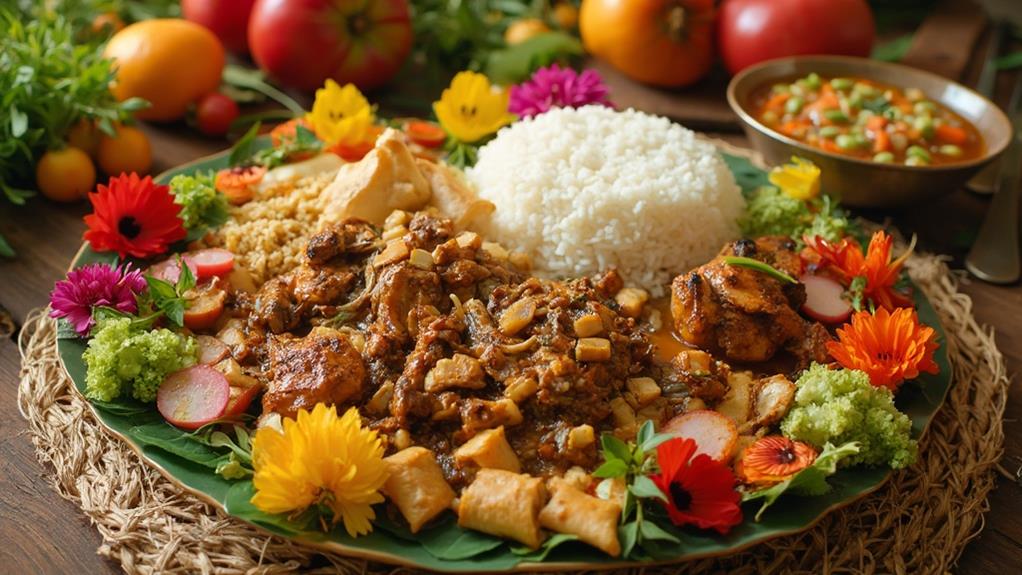
    Eating a balanced diet rich in key nutrients is crucial for a healthy pregnancy. Filipino dishes like sinigang, adobo, pinakbet, and leche flan can provide essential vitamins and minerals.

    Sinigang, a sour soup made with tamarind and various vegetables, offers a hearty option with protein-rich meats or seafood.

    Another comforting choice is adobo, which combines meat, vinegar, soy sauce, and spices. The vinegar enhances flavor and ensures protein intake. Pairing it with steamed rice provides carbohydrates for energy.

    Pinakbet, a vegetable medley featuring squash, eggplant, and bitter melon, is rich in fiber and essential vitamins, supporting digestion and overall health.

    For a sweet treat, try leche flan, a custard dessert made from eggs and milk. It satisfies cravings while providing calcium and protein.

    Incorporating these dishes into your meals allows you to enjoy Filipino flavors while nourishing both you and your baby.

    Health Benefits of Traditional Ingredients

    Traditional Filipino ingredients offer numerous health benefits, particularly for pregnant women. These ingredients not only add flavor to dishes but also provide essential nutrients for both the mother and the baby.

    Malunggay (Moringa) is rich in vitamins A, C, and iron. These nutrients help boost the immune system and support fetal development. Malunggay is a nutrient-dense ingredient that has been used in Filipino cooking for generations.

    Labanos (Radish) is an excellent source of folate. Folate is crucial for preventing neural tube defects in the baby. Additionally, labanos aids digestion, which can help manage pregnancy-related discomfort.

    Sinigang na Baboy (Pork Sinigang) is rich in antioxidants and vitamin C. The sour broth, often made with tamarind, can help combat nausea and provide hydration during hot days. The antioxidants in sinigang also help protect the body from damage caused by free radicals.

    Incorporating these traditional ingredients into meals can significantly improve overall health during pregnancy. They provide essential nutrients and support proper nutrition for both the mother and the baby.

    How Can Mindful Eating Practices Support Proper Nutrition for Pregnant Women in Filipino Culture?

    In Filipino culture, the importance of mindful eating during pregnancy cannot be understated. Mindful eating practices can support proper nutrition for pregnant women by promoting awareness of food choices and portion sizes, reducing overeating, and enhancing the body’s ability to absorb nutrients from food. This can lead to better overall health for both the mother and the baby.

    Meal Planning Tips for Pregnant Women
    healthy eating during pregnancy

    Plan Meals Around Key Food Groups

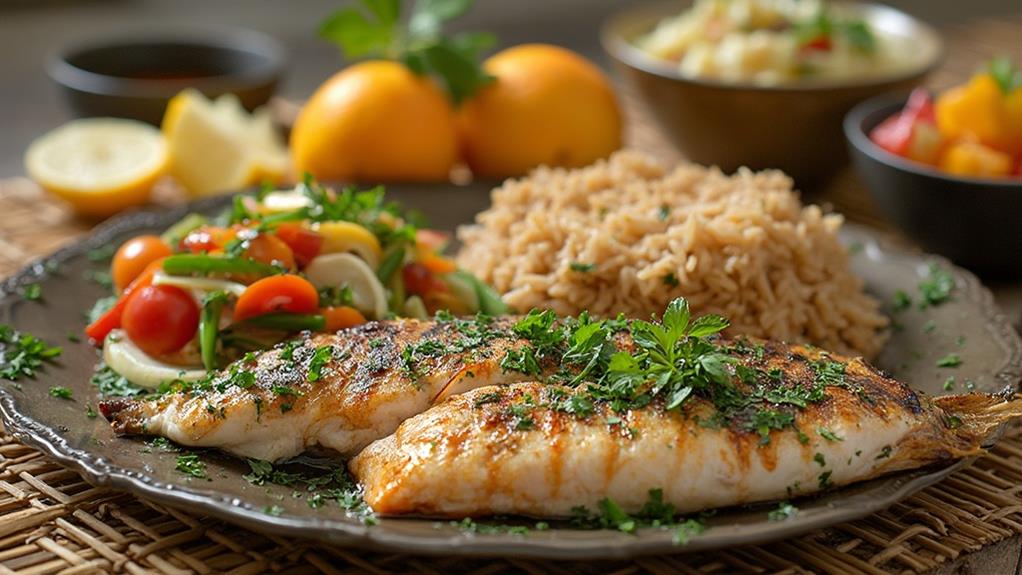
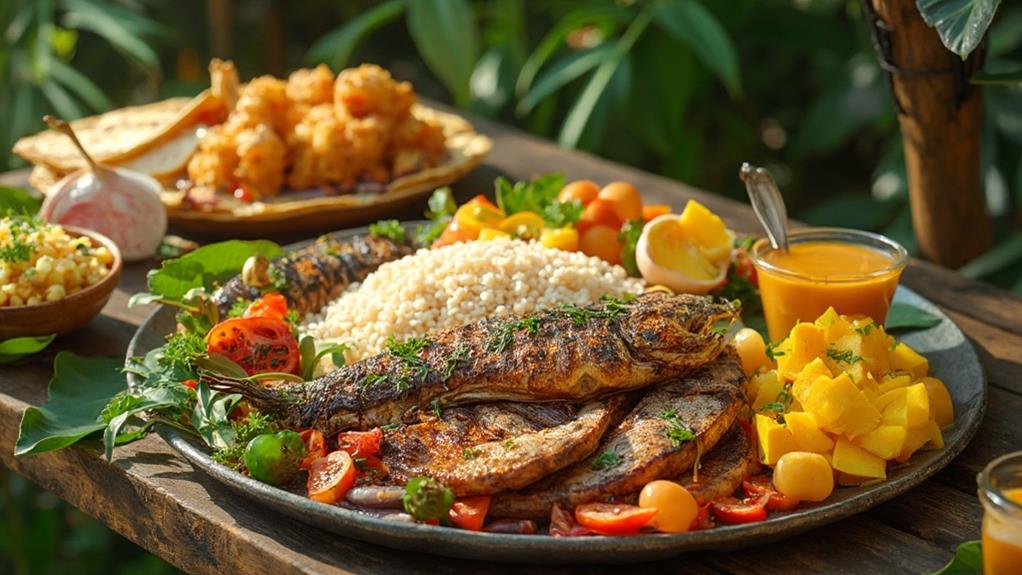
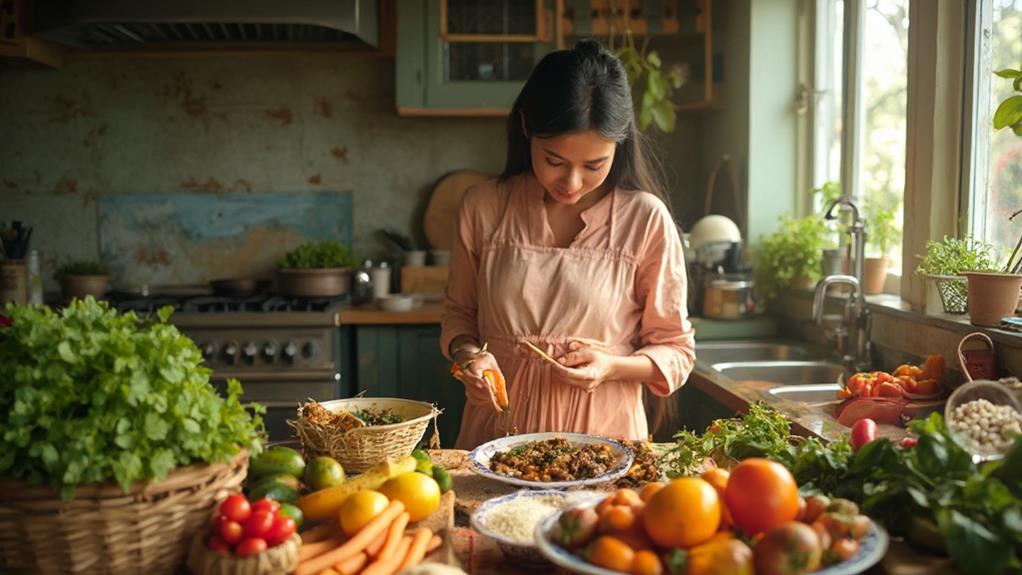
    To ensure a healthy pregnancy, plan your meals around whole grains, lean proteins, fruits, and vegetables. For example, choose brown rice over white rice, and include fish rich in omega-3 fatty acids, such as bangus (milkfish), in your meals.

    Create a Weekly Meal Plan

    Create a weekly meal plan that features a variety of dishes, ensuring you cover essential nutrients.

    Aim for at least five servings of fruits and vegetables daily, mixing colors and types to maximize nutrient intake. You can prep meals in advance to avoid last-minute unhealthy choices when cravings hit.

    Listen to Your Body's Hunger Cues

    Eat smaller, more frequent meals to maintain energy levels. Incorporate snacks like nuts, yogurt, or local delicacies like suman for a nutritious boost.

    Stay Hydrated

    Aim for at least eight glasses of water a day, and enhance your meals with traditional soups and broths to help with hydration while nourishing you and your baby.

    Safe Cooking Practices for Moms-to-Be

    Protecting Your Health and Baby's Development through Safe Cooking

    As an expectant mother, following safe cooking practices is crucial to safeguard your health and your baby's development.

    Wash Your Hands

    Washing your hands is a critical step in preventing the spread of harmful bacteria. Always wash your hands with soap and water before and after handling food. This simple habit can significantly reduce the risk of foodborne illnesses.

    Cook Foods Thoroughly

    Cooking food to the proper internal temperature is essential to kill harmful bacteria. Ensure all meats, poultry, and seafood are cooked to the proper internal temperatures. To achieve this, use a food thermometer to check the internal temperature of your food.

    Avoid Cross-Contamination

    Cross-contamination can spread pathogens that can harm you and your baby. Use separate cutting boards for raw meat and fresh produce. This helps prevent the transfer of harmful bacteria from one food to another.

    Embracing Filipino Culture in Pregnancy

    celebrating filipino pregnancy traditions

    Embracing Filipino Culture in Pregnancy

    Embracing Filipino culture during pregnancy can provide a sense of connection and community as you prepare for motherhood.

    This cultural connection can enhance your experience, offering emotional support and practical knowledge.

    The Importance of Family and Community

    Engaging with family and community is essential during pregnancy.

    They can share wisdom from generations past that emphasizes the importance of nutrition and wellness during this crucial time.

    This support system can provide emotional well-being and practical knowledge.

    Filipino Pregnancy Traditions and Their Benefits

    Several Filipino traditions surround pregnancy, each with its own benefits:

    "Panganak" Ritual: A blessing ceremony held before birth promotes emotional well-being.

    This ritual provides an opportunity for family and friends to gather, offer blessings, and celebrate the upcoming arrival of the baby.

    "Baboy at Bigas": Offering of pigs and rice to ancestors strengthens family bonds.

    This tradition honors the ancestors and seeks their blessing for the baby's health and well-being.

    "Pamamanhikan": A formal meeting of families provides emotional support and unity.

    This meeting allows both families to come together, discuss expectations, and establish a strong foundation for their relationship.

    "Hilot": Traditional massage for pregnant women alleviates discomfort and promotes relaxation.

    This massage technique helps reduce stress, eases physical discomfort, and prepares the body for childbirth.

    The Benefits of Embracing Filipino Culture

    Participating in these customs not only connects you with your heritage but also ensures you're surrounded by love and support.

    This cultural embrace can positively influence your mental and physical health, benefiting both you and your baby.
  • Heart-Healthy Filipino Food

    Heart-Healthy Filipino Food

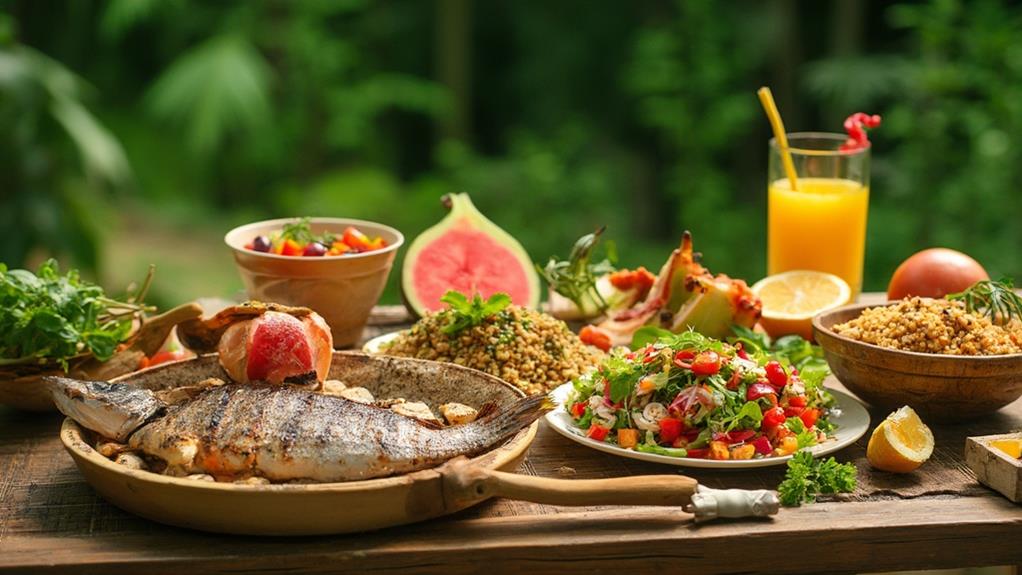
    Heart-healthy Filipino food can be achieved by making simple adjustments to ingredients and cooking methods.

    To lower cholesterol levels, focus on vegetables like kangkong, ampalaya, and sitaw, which are rich in nutrients and fiber.

    Swap fatty meats for lean proteins, such as skinless chicken or fish, to reduce saturated fat intake.

    Healthier oils like olive or canola are better options for cooking.

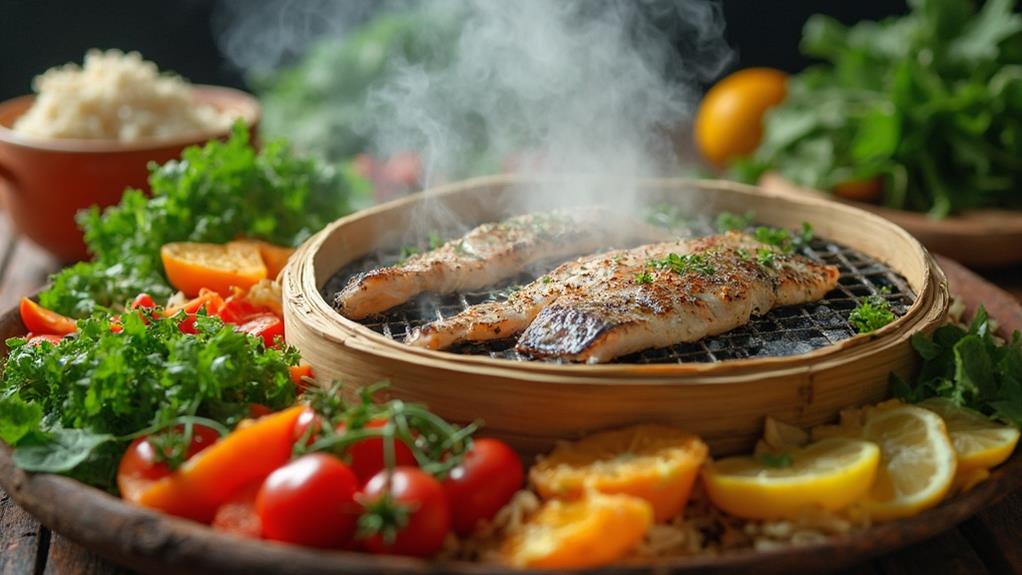
    Grilling or steaming instead of frying can significantly cut extra fat.

    Incorporate recipes like Vegetable Sinigang or Tinola, which emphasize whole grains and fresh ingredients, to enhance flavor without compromising on health.

    Understanding Cholesterol and Saturated Fat

    Understanding Cholesterol

    Cholesterol is a waxy substance found in your blood that plays a vital role in producing hormones and vitamin D.

    However, high levels of low-density lipoprotein (LDL) cholesterol can lead to plaque buildup in your arteries, increasing the risk of heart disease. It's essential to monitor your cholesterol levels and aim for a balance between high-density lipoprotein (HDL) and LDL.

    The Impact of Saturated Fat

    Saturated fat, primarily found in animal products and some plant oils, significantly affects your cholesterol levels. While your body needs some saturated fat, excessive consumption can raise your LDL cholesterol, leading to cardiovascular problems.

    The American Heart Association recommends limiting saturated fat intake to less than 6% of your total daily calories.

    Supporting Heart Health

    To support heart health, focus on incorporating healthier fats, like monounsaturated and polyunsaturated fats, which can help reduce LDL levels.

    When shopping, regularly check food labels to make mindful choices, and remember that moderation is key.

    Heart-Healthy Ingredients in Filipino Cuisine

    Heart-Healthy Ingredients in Filipino Cuisine

    Filipino cuisine offers a variety of ingredients that support cardiovascular health. Traditional staples are rich in nutrients while low in unhealthy fats and cholesterol.

    Vegetables are Rich in Nutrients

    Vegetables like kangkong (water spinach), ampalaya (bitter melon), and sitaw (string beans) are packed with vitamins, minerals, and fiber, helping to lower cholesterol levels and maintain a healthy weight.

    Fish is a Rich Source of Omega-3 Fatty Acids

    Fish such as bangus (milkfish) and tilapia are rich in omega-3 fatty acids, which reduce inflammation and improve heart health by lowering triglyceride levels.

    Legumes are High in Fiber and Protein

    Legumes like mung beans (monggo) and chickpeas are staples in many Filipino recipes.

    They're high in fiber and protein, which can regulate blood sugar levels and reduce cholesterol.

    How Can Traditional Filipino Dishes Be Adapted for Heart Health?

    Traditional Filipino dishes can be adapted for heart health by incorporating modern adaptations of filipino dishes that use healthier cooking methods and ingredients. For example, using lean meats, reducing sodium, and incorporating more vegetables can help make classic Filipino dishes heart-friendly without sacrificing flavor.

    Cooking Methods for Heart Health

    heart healthy cooking techniques

    Choosing the right cooking methods is essential for heart health. This is because cooking techniques can significantly impact the nutritional value of Filipino dishes. By opting for methods that minimize unhealthy fats and preserve nutrients, you can create meals that support cardiovascular wellness.

    Grilling, steaming, and sautéing with minimal oil are excellent choices. Grilling allows excess fat to drip away, reducing overall fat content. Steaming retains nutrients while adding no extra fat, making it ideal for cooking vegetables and fish.

    When sautéing, use heart-healthy oils like olive or canola oil, and limit the amount to keep saturated fats low.

    Avoid deep-frying, which adds unhealthy trans fats and calories. Instead, try baking or broiling dishes to achieve a similar texture without the added fat.

    When preparing soups and stews, skim off excess fat after cooking to further reduce saturated fat levels.

    Use herbs and spices to enhance flavor without relying on salt or high-fat sauces. This allows you to enjoy traditional Filipino flavors while promoting heart health.

    Heart-Healthy Filipino Dish Modifications

    Modifying traditional Filipino dishes can significantly enhance their heart-health benefits without sacrificing flavor. By making a few simple changes, you can create meals that are both delicious and heart-friendly.

    Use lean proteins: Fatty cuts of meat, like pork belly, should be swapped for leaner options such as chicken breast or fish. These alternatives are lower in saturated fat and cholesterol, making them better choices for heart health.

    Incorporate more vegetables: Adding a variety of colorful vegetables to your dishes provides essential nutrients and fiber, lowers overall calorie intake, and enhances flavor.

    For example, add spinach to your sinigang or bell peppers to your adobo.

    Choose healthier cooking oils: Instead of using lard or palm oil, opt for heart-healthy oils like olive or canola oil. These oils contain monounsaturated fats, which can help lower bad cholesterol levels.

    Sample Heart-Healthy Recipes

    delicious heart healthy meals

    Heart-Healthy Recipes for a Delicious and Nutritious Diet

    Incorporating heart-healthy recipes into your diet can significantly support cardiovascular health.

    Focus on whole grains, lean proteins, and a variety of vegetables to transform your dining experience.

    Tinola: A Classic Heart-Healthy Dish

    Start with Tinola, a classic dish made with skinless chicken breast, ginger, and plenty of leafy greens simmered in low-sodium chicken broth.

    This reduces saturated fat while maintaining vibrant flavors.

    Vegetable Sinigang: A Healthier Twist on a Traditional Favorite

    Replace fatty pork with firm tofu or a mix of shrimp and vegetables in Vegetable Sinigang.

    Use tamarind for sourness and limit excessive salt to enhance the dish's health benefits.

    Incorporate a variety of colorful vegetables to add nutrients and flavor.

    Avocado Toast: A Quick and Nutritious Snack

    For a quick snack, try Avocado Toast.

    Spread ripe avocado on whole-grain bread, top with sliced tomatoes, and sprinkle with salt.

    Avocados are rich in healthy fats that can help lower bad cholesterol levels.

    Mango Salad: A Refreshing and Antioxidant-Rich Dessert

    Whip up a refreshing Mango Salad by combining diced mango, cucumber, and red onion, drizzled with a light lime dressing.

    This dish offers antioxidants and vitamins while being low in calories.

    These heart-healthy recipes not only taste great but also contribute to a healthy lifestyle, making it easy to enjoy delicious Filipino flavors without compromising your health.

  • Diabetic-Friendly Filipino Recipes

    Diabetic-Friendly Filipino Recipes

    Managing Blood Sugar Levels with Filipino Cuisine

    Choose Whole Grains and Non-Starchy Vegetables

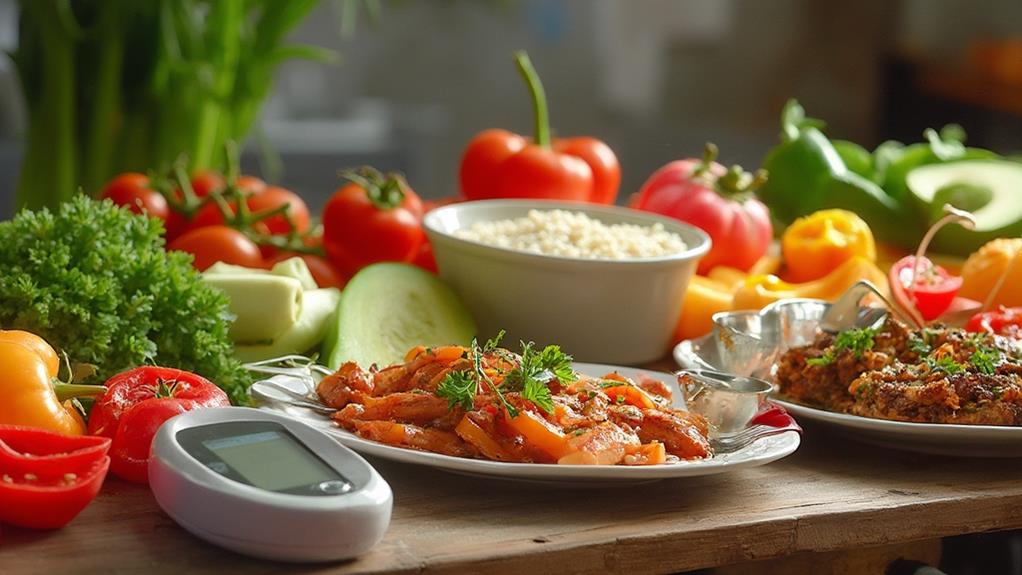
    When cooking Filipino dishes, opt for whole grains like brown rice or quinoa instead of white rice to manage blood sugar levels.

    Additionally, incorporate plenty of non-starchy vegetables into your meals.

    Diabetic-Friendly Twists on Classic Dishes

    Dishes like Adobong Manok can be made diabetic-friendly by using skinless chicken and serving it with cauliflower rice.

    This modification maintains the flavor while supporting blood sugar management.

    Balance Carbohydrates with Healthy Fats and Lean Proteins

    Pairing carbohydrates with healthy fats and lean proteins, as in Sinigang na Isda, helps stabilize blood sugar levels.

    This balanced combination is essential for managing diabetes.

    Smart Ingredient Swaps

    By swapping traditional ingredients wisely, you can maintain the essence of your favorite Filipino meals while supporting your health.

    This approach enables you to enjoy delicious dishes while managing blood sugar levels.

    Understanding Diabetes and Nutrition

    Understanding Diabetes and Nutrition

    Managing Blood Sugar with Carbohydrates

    When you have diabetes, your body struggles to regulate blood sugar levels, making it essential to pay attention to what you eat. Carbohydrates have the most significant impact on your blood sugar. Focus on choosing complex carbohydrates over simple ones. Whole grains, legumes, and vegetables provide fiber, which helps stabilize blood sugar levels.

    For example, brown rice, quinoa, and whole-grain bread are good sources of complex carbohydrates.

    Portion Control and Meal Timing

    Portion control is key; it's important to monitor serving sizes to avoid spikes in glucose. Regular, balanced meals can help prevent extreme fluctuations in blood sugar.

    Consider pairing carbohydrates with proteins or fats for a more balanced approach. For instance, pair whole-grain toast with scrambled eggs or avocado for a balanced breakfast.

    Incorporating Healthy Fats and Proteins

    Incorporating healthy fats, like avocados and nuts, can be beneficial, as they slow down digestion and help maintain steady energy levels.

    Lean proteins, such as chicken and fish, can keep you feeling full without affecting your blood sugar significantly. For example, grilled chicken or fish with roasted vegetables make for a healthy and balanced meal.

    Staying Hydrated

    Staying hydrated is vital; water is always the best choice. Aim to drink at least eight glasses of water per day to help regulate blood sugar levels and overall health.

    Key Ingredients for Diabetic Cooking

    Whole Grains Are a Must

    When cooking for diabetes, whole grains are a better choice than refined grains.

    Brown rice and quinoa are excellent options because they've a lower glycemic index and provide essential fiber, which helps regulate blood sugar.

    Non-Starchy Vegetables Are Essential

    Include plenty of non-starchy vegetables in your diet, such as leafy greens, bell peppers, and broccoli.

    These vegetables are low in calories and carbs, making them ideal for feeling full without spiking your blood sugar.

    Lean Proteins Support Overall Health

    Skinless chicken, fish, and legumes are excellent lean protein choices.

    They support muscle health and help you maintain steady glucose levels.

    Healthy Fats Are Crucial

    Avocados, nuts, and olive oil are healthy fat sources that can improve heart health and promote satiety.

    Spices Can Be Beneficial

    Cinnamon and turmeric may help improve insulin sensitivity, making them beneficial additions to your meals.

    How Can Filipino Adobo Recipes Be Modified to Be Diabetic-Friendly?

    Filipino Adobo recipes can be made diabetic-friendly by using low-sodium soy sauce and cutting back on sugar. Additionally, swapping out fatty meats for leaner options like chicken breast or tofu can also make a difference. Despite these modifications, the health benefits of adobo, such as its protein content and savory flavors, can still be enjoyed.

    Traditional Filipino Dishes Made Healthy

    healthy filipino cuisine revamp

    Traditional Filipino dishes can be adapted to fit a diabetic-friendly lifestyle without sacrificing flavor. By making simple ingredient swaps and cooking techniques, you can enjoy traditional meals while managing your blood sugar levels.

    Make Whole Grains a Priority: Whole grains like brown rice or quinoa have a lower glycemic index, which helps keep your blood sugar stable. Replace white rice with these options to reap the benefits.

    Limit Added Sugars: Reduce sugar spikes by using natural sweeteners like stevia or monk fruit in desserts like leche flan or halo-halo. These alternatives provide sweetness without the negative impact on blood sugar levels.

    Incorporate More Vegetables: Adding more vegetables to dishes like adobo or sinigang promotes better digestion and blood sugar control.

    Vegetables are low in calories and high in fiber, making them an ideal addition to your meals.

    Easy Diabetic-Friendly Recipe Ideas

    Easy Diabetic-Friendly Recipe Ideas

    Managing diabetes doesn't mean sacrificing flavor. Start with a hearty breakfast like *Tortang Talong*, or eggplant omelet. Roast eggplants, mash them, and mix with eggs. Cook in a non-stick pan for a delicious, low-carb breakfast.

    For a nutritious lunch, try *Sinigang na Isda*, a savory fish soup. Use low-sodium broth and plenty of vegetables like radish, spinach, and tomatoes. This dish isn't only comforting but also rich in nutrients and fiber.

    Dinner can feature *Adobong Manok*, chicken adobo. Opt for skinless chicken thighs, marinate in vinegar, soy sauce, garlic, and pepper, then simmer until tender.

    Serve it with steamed cauliflower rice for a satisfying meal that won't spike your blood sugar.

    For a healthy snack, whip up a refreshing *Buko Salad* using fresh coconut, unsweetened yogurt, and a sprinkle of nuts.

    It's a great way to satisfy your sweet tooth healthily. These recipes help you enjoy Filipino flavors while keeping your blood sugar in check.

    Tips for Managing Blood Sugar Levels

    blood sugar management tips

    Managing blood sugar levels effectively is crucial for anyone living with diabetes. To take control of your health, you need to adopt a few simple strategies.

    Monitor Your Carbohydrate Intake: Keeping track of carbohydrates in your meals is essential. Opt for whole grains, legumes, and vegetables, which slow down sugar absorption, helping to maintain stable blood sugar levels.

    For example, choose brown rice instead of white rice, and include vegetables like broccoli and carrots in your meals.

    Stay Active: Regular physical activity significantly improves insulin sensitivity. Aim for at least 150 minutes of moderate exercise each week, such as walking, biking, or dancing.

    This can be achieved by doing 30 minutes of exercise, five days a week.

    Plan Your Meals: Creating a meal plan that emphasizes balanced nutrition is vital. Incorporate protein, healthy fats, and fiber-rich foods to keep your blood sugar steady.

    Eating smaller, more frequent meals can also prevent spikes in glucose levels.

    For instance, include protein sources like chicken and fish, healthy fats like avocado, and fiber-rich foods like whole grain bread and fruits in your meals.

  • Food Allergies and Intolerances in Filipino Cuisine

    Food Allergies and Intolerances in Filipino Cuisine

    Filipino Cuisine and Common Allergens

    Peanuts, seafood, dairy, and gluten are common allergens found in Filipino dishes. These ingredients are often used in popular dishes like kare-kare and sinigang, which can pose risks for individuals with food allergies.

    Safe Substitutes for Common Allergens

    To enjoy traditional Filipino flavors safely, substitute coconut milk for dairy and use rice instead of gluten. These alternatives allow individuals with dairy and gluten intolerance to savor the rich tastes of Filipino food without compromising their health.

    Dining Out with Food Allergies

    When dining out, always communicate your dietary needs to ensure your safety. Look for restaurants that understand and can accommodate allergy concerns. This proactive approach enables individuals with food allergies to enjoy Filipino cuisine without risking their health.

    Prioritizing Health and Safety

    By knowing which dishes to avoid and finding safe alternatives, individuals with food allergies can still enjoy the rich tastes of Filipino food without compromising their health.

    Common Food Allergens in the Philippines

    Common Food Allergens in the Philippines

    Peanuts and Tree Nuts

    Peanuts and tree nuts are common allergens in the Philippines. Peanuts are often used in Filipino dishes like kare-kare and various snacks, while tree nuts like cashews and almonds are frequently found in desserts and as toppings.

    Dairy

    Dairy allergies are also a concern, particularly in dishes that use milk or cheese. Filipino recipes often include dairy products, making it crucial to be aware of these ingredients.

    Eggs

    Eggs are a common ingredient in many Filipino recipes. They are often used in breakfast items like tortang talong and baked goods, making it essential to identify them in food products.

    Wheat and Gluten

    Wheat, found in products like pancit and various pastries, can trigger reactions for those with gluten sensitivity. Gluten-free alternatives are essential for individuals with gluten intolerance or sensitivity.

    Seafood Allergies and Filipino Dishes

    Seafood allergies pose a significant challenge in the Philippines, where seafood is a staple in many traditional dishes. This is particularly concerning for individuals with seafood allergies, as they need to be aware of the potential risks when consuming Filipino cuisine.

    Common seafood allergens and related dishes include:

    Seafood Allergen Common Dishes
    Shrimp Sinigang na Hipon
    Squid Adobong Pusit
    Fish Kinilaw
    Crabs Crab Rice

    Communicating dietary restrictions is crucial when dining out or attending gatherings. Individuals with seafood allergies should inform their hosts or servers about their restrictions to ensure their safety. Filipino cuisine can be adapted to suit their needs by substituting seafood with chicken or vegetables in recipes. Always read labels and ask about ingredients to guarantee safety while enjoying Filipino dishes.

    Awareness and communication are key to savoring Filipino cuisine without compromising health. By being informed and proactive, individuals with seafood allergies can enjoy the rich flavors of Filipino dishes while protecting their well-being.

    Nut Allergies: Risks and Alternatives

    nut allergy risks alternatives

    Nut Allergies: Risks and Alternatives

    In Filipino cuisine, nut allergies pose a significant threat to individuals with sensitivities. Nuts, commonly used in dishes like kare-kare and various desserts, can trigger severe reactions.

    Cross-contamination can occur easily in kitchens that prepare multiple dishes, making it crucial to recognize the risks associated with nut consumption.

    To ensure a safe dining experience, it's essential to be aware of nut allergies and take necessary precautions.

    Always read labels carefully and communicate your dietary restrictions when dining out or attending gatherings.

    Fortunately, there are alternatives to nuts that can provide similar textures and nutritional profiles:

    Seeds: Sunflower or pumpkin seeds can replace nuts in many recipes, offering a similar crunch and nutritional profile without the allergens.

    Coconut: This versatile ingredient can substitute nuts in many recipes, providing a rich flavor and texture.

    Legumes: While not a direct substitute, beans and lentils can enhance the protein content of your meals.

    Gluten Intolerance and Local Staples

    Filipino staples offer gluten-free options

    Many traditional Filipino staples, such as rice and root vegetables, are naturally gluten-free, making them excellent choices for those with gluten intolerance.

    Rice, the cornerstone of Filipino dining, is versatile and can be enjoyed in various forms, including steamed, fried, or as part of flavorful dishes like sinigang or adobo.

    Be cautious with sauces and marinades

    However, certain dishes may feature sauces or marinades that contain soy sauce or other gluten-containing ingredients, which can lead to unexpected gluten exposure.

    When dining out, always ask about the ingredients and don't hesitate to request gluten-free alternatives.

    Explore gluten-free local snacks

    Many traditional street foods, such as bibingka (rice cake) or puto (steamed rice cake), can be made gluten-free, especially if you opt for recipes that use rice flour.

    Enjoy Filipino cuisine without compromising health

    By focusing on fresh, whole ingredients and communicating your dietary needs, you can enjoy the rich flavors of Filipino cuisine without compromising your health.

    Your culinary journey can still be vibrant and fulfilling – without gluten.

    Dairy Intolerance in Filipino Cuisine

    filipino cuisine s dairy challenges

    Dairy intolerance affects a significant number of individuals, making it essential to navigate Filipino cuisine with caution. Traditional Filipino dishes often incorporate dairy products, which can be challenging for those who need to avoid them.

    Common dairy products in Filipino cuisine:

    Evaporated milk is often used in desserts like leche flan and savory dishes like ginataang bilo-bilo.

    Condensed milk is frequently added to sweet treats such as halo-halo and other desserts.

    Cheese is used as toppings for popular dishes like bibingka or served with various snacks, making it a hidden source of dairy.

    Fortunately, many Filipino dishes are naturally dairy-free, allowing individuals with dairy intolerance to enjoy the rich flavors without compromising their health.

    Coconut milk can be used as a creamy substitute in soups and desserts.

    Nut-based milk and soy milk can also provide the richness needed in recipes.

    Cross-Contamination Risks in Cooking

    Cross-contamination risks in cooking: A significant threat to food safety

    When preparing meals, cross-contamination can have severe consequences for individuals with food allergies. This occurs when allergens unintentionally mix with non-allergenic foods, leading to potentially life-threatening reactions.

    Thorough cleaning is essential

    To minimize cross-contamination, thoroughly clean surfaces and utensils before cooking. This includes washing hands, countertops, and equipment with soap and warm water.

    Use separate cutting boards for allergenic and non-allergenic ingredients to prevent accidental mixing. For example, if you're handling shrimp for a dish, ensure that the board and knife you're using haven't been in contact with peanuts or other allergens.

    Frying and grilling require caution

    Be cautious with frying and grilling, as oil used for frying allergenic foods can retain traces of those allergens.

    Use fresh oil or dedicate specific equipment for allergenic items to prevent cross-contamination.

    Proper food storage is crucial

    Store food properly to prevent cross-contamination.

    Label containers clearly and keep allergenic foods sealed and separate from others in the refrigerator. This ensures that allergens aren't accidentally introduced into non-allergenic foods.

    Communication is key

    Always communicate with others in the kitchen about your food allergy concerns to foster a safer cooking experience.

    How Can Traditional Filipino Medicine Help with Food Allergies and Intolerances in Filipino Cuisine?

    Traditional filipino medicine & wellness offers natural remedies for food allergies and intolerances found in Filipino cuisine. Herbs like ginger, turmeric, and calamansi are known for their anti-inflammatory and digestive properties, providing relief from symptoms. Acupuncture and massage therapy are also used to promote overall wellness and improve digestion.

    Identifying Safe Dining Options

    choosing secure eating places

    Finding safe dining options is crucial for anyone with food allergies, especially in a diverse culinary landscape like Filipino cuisine.

    To ensure a safe dining experience, consider the following strategies:

    Research Restaurants: Look for establishments with clearly labeled menus and a willingness to accommodate dietary restrictions.

    Check online reviews to gauge their allergy awareness. This helps identify restaurants that can provide a safe dining experience.

    Ask Questions: Communicate your allergies to the staff and inquire about food preparation, including the possibility of cross-contamination.

    Knowledgeable staff will appreciate your proactive approach and can provide guidance on safe options.

    Opt for Simplicity: Choose dishes with fewer ingredients to minimize the risk of hidden allergens.

    Simple grilled meats or vegetable dishes often have less potential for cross-contact with allergens. This reduces the likelihood of an allergic reaction.

    Traditional Dishes to Avoid

    Traditional Filipino Dishes to Avoid with Food Allergies

    Some traditional Filipino dishes can be hazardous for individuals with food allergies.

    Kare-kare, a peanut stew, can trigger severe reactions in those allergic to nuts.

    Similarly, lumpiang shanghai, a fried spring roll, may contain allergens like soy sauce or shellfish, depending on the recipe.

    Seafood Allergies and Filipino Soups

    Sinigang, a sour soup, sometimes includes shrimp or fish, which can be problematic for those with seafood allergies.

    Additionally, lechon, the famous roasted pig, may be marinated in ingredients that contain allergens like soy or garlic, leading to potential complications.

    Desserts with Hidden Allergens

    Halo-halo, a popular mixed dessert, often contains ingredients like beans, jellies, and dairy, which can be problematic for those with specific intolerances.

    Understanding these risks can help you make informed decisions when navigating Filipino cuisine.

    Always ask about ingredients and preparation methods to ensure your safety while enjoying the vibrant flavors that Filipino food has to offer.

    Tips for Safe Eating Out

    dining out safety tips

    Eating out requires careful planning and communication for those with food allergies. To ensure a safe dining experience, follow these tips:

    Research the Restaurant: Look up menus online to identify allergy-friendly options. Many restaurants now highlight allergens on their menus, making it easier to choose safe dishes.

    For example, if you're allergic to gluten, look for restaurants that offer gluten-free bread or pasta options.

    Communicate Clearly: Inform your server about your allergies when you arrive.

    Be specific about your allergies and ask questions about ingredients and preparation methods. For instance, if you're allergic to peanuts, ask if the chef uses peanut oil in cooking.

    Be Cautious with Cross-Contamination: Even if a dish seems safe, cross-contact with allergens can occur during cooking or serving.

    Ask how the food is prepared and if the chef takes steps to prevent cross-contamination. For example, if you're allergic to shellfish, ask if the chef uses separate utensils and cooking surfaces to prepare shellfish dishes.

  • The Importance of Hydration and Healthy Beverages

    The Importance of Hydration and Healthy Beverages

    Drinking enough water is crucial for maintaining good health. It boosts physical performance, sharpens cognitive function, and enhances mood. To stay hydrated, aim to drink at least eight cups (64 ounces) of water daily, adjusting the amount based on your activity level and climate.

    For example, athletes or individuals living in hot and humid environments may need to drink more water to compensate for lost fluids.

    Dehydration can have negative effects on the body. Signs of dehydration include thirst, dark urine, and fatigue. Even mild dehydration can impair your ability to think clearly and perform well.

    To avoid dehydration, incorporate healthy beverages like herbal teas and smoothies into your daily routine. These beverages not only contribute to your daily water intake but also provide essential nutrients and antioxidants.

    Tracking your water intake is essential. Keep a reusable water bottle handy and monitor your daily consumption to ensure you are meeting your hydration goals.

    By prioritizing hydration, you can transform your overall well-being and experience the benefits of healthy beverage choices.

    The Role of Water in Health

    Water is essential for overall health, and staying hydrated can enhance physical performance, cognitive function, and mood. Staying properly hydrated allows your body to efficiently regulate temperature, lubricate joints, and aid digestion.

    It also helps transport nutrients and oxygen to your cells, ensuring that your body operates at its best.

    Proper hydration is critical for physical abilities. Even mild dehydration can negatively impact physical performance. If you're exercising or spending time in hot conditions, you'll need to increase your water intake to compensate for fluid loss through sweat.

    Hydration directly affects brain function. Studies suggest that adequate water consumption can improve attention, memory, and overall mental clarity.

    Additionally, drinking water can support your mood, with some evidence showing that being well-hydrated can reduce feelings of fatigue and anxiety.

    To stay hydrated, aim for at least eight 8-ounce glasses of water daily, but you may need more depending on your activity level and climate.

    Incorporating water-rich foods like fruits and vegetables can also contribute to your hydration goals.

    Signs of Dehydration

    Dehydration Signs and Symptoms

    When your body lacks sufficient fluids, it sends out clear signals indicating dehydration. Thirst is the first sign, signaling your body's need for water. This can be accompanied by a dry mouth or a sticky feeling in the throat, making swallowing uncomfortable.

    Physical activities, such as traditional Philippine folk dances, increase the need for hydration. Drinking enough water before and after participation is essential to maintain cardiovascular health.

    Urine color is a key indicator of hydration: dark yellow or amber urine signifies dehydration, while light-colored urine indicates proper hydration.

    Fatigue is another critical sign, as unusual tiredness or lethargy may be due to insufficient fluid intake.

    Headaches can occur as the brain temporarily contracts from fluid loss, leading to discomfort.

    Dizziness or lightheadedness, especially when standing up, are further warnings that you need to hydrate.

    In extreme cases, dehydration can lead to more severe symptoms like confusion or rapid heartbeat.

    Staying alert to these signs allows you to take proactive steps to drink more water and maintain your health.

    Don't wait until you're feeling unwell; hydrate regularly.

    Daily Water Intake Recommendations

    hydration guidelines for health

    Daily Water Intake Recommendations

    Understanding Your Water Needs

    The general guideline is to aim for about 8 cups, or 2 liters, of water per day. However, individual needs can vary based on factors like age, sex, activity level, and climate.

    Factors Affecting Water Needs

    Men typically require about 3.7 liters (or 13 cups) a day, while women need about 2.7 liters (or 9 cups).

    If you're physically active or live in a hot climate, you'll need more to compensate for fluid loss through sweat.

    Practical Approach to Hydration

    Drink when you feel thirsty, and pay attention to the color of your urine; pale yellow is a good sign of hydration, while darker shades indicate a need for more fluids.

    Additional Sources of Hydration

    Other beverages and foods contribute to your daily intake, too. Herbal teas, milk, and fruits like watermelon can help you stay hydrated.

    Optimal Hydration

    By being mindful of your water intake and adjusting according to your lifestyle, you'll keep your body functioning optimally.

    Benefits of Drinking Water

    Drinking Water is Crucial for Overall Health

    Drinking water regularly offers numerous benefits that can significantly enhance your overall health.

    Staying hydrated helps maintain your body's fluid balance, which is crucial for functions like digestion, circulation, and temperature regulation.

    Supporting Kidney Function

    When you drink enough water, you're also supporting your kidneys, allowing them to efficiently remove waste and toxins from your body.

    Optimizing Physical Performance

    Water plays a vital role in optimizing physical performance.

    Proper hydration can prevent fatigue and improve endurance. By drinking water before, during, and after workouts, you'll enhance recovery and reduce the risk of injury.

    Boosting Cognitive Function

    Adequate water intake can boost your cognitive function.

    Studies show that even mild dehydration can impair concentration, alertness, and short-term memory.

    Drinking water regularly helps you stay sharp and focused throughout your day.

    Assisting in Weight Management

    Water can assist in weight management.

    Drinking water can help you feel full, reducing the chances of overeating.

    Incorporating water into your daily routine is a simple and effective way to unlock these benefits and promote your overall well-being.

    Healthy Beverage Options

    nutritious drink choices available

    While staying hydrated with water is essential, incorporating other healthy beverage options can enhance fluid intake and provide additional nutritional benefits.

    Herbal teas are a great alternative, often being caffeine-free and rich in antioxidants that support overall wellness. For instance, a cup of green tea not only hydrates but also offers catechins, which may aid in metabolism.

    Smoothies can be a nutritious option when made with whole fruits and vegetables, providing essential vitamins, minerals, and fiber. However, it's crucial to be mindful of added sugars and stick to natural ingredients for a wholesome drink.

    Coconut water is an excellent choice for rehydration, packed with electrolytes like potassium, making it ideal after exercise.

    Additionally, low-fat milk or fortified plant-based milks can enhance calcium and vitamin D intake for those who enjoy dairy.

    Vegetable juices are a low-sugar alternative, providing essential nutrients without the high sugar content often found in fruit juices.

    Hydration and Physical Performance

    Hydration is crucial for optimal physical performance. When your body is properly hydrated, you can maintain energy levels, improve endurance, and decrease the risk of injuries. Dehydration, on the other hand, can lead to fatigue, muscle cramps, and decreased coordination, ultimately hindering your performance.

    Drinking water is essential before, during, and after physical activities. For instance, engaging in high-intensity exercises like traditional Philippine folk dances can burn approximately 250-400 calories in an hour. To prepare, aim to drink at least 16-20 ounces of water before exercising and continue to hydrate throughout your workout.

    Electrolyte-rich beverages are necessary for intense and prolonged exercises. If you're engaged in intense exercise lasting over an hour, consider incorporating electrolyte-rich beverages to replenish lost salts. This is because even a 2% drop in body weight from fluid loss can negatively impact your strength and endurance.

    Recognizing signs of dehydration is vital. Dry mouth, dizziness, and dark urine are all indicators that your body needs more water.

    Listening to your body and staying hydrated is key to ensuring peak performance and effective recovery after your workouts.

    How does Portion Control Impact Hydration and Fluid Intake?

    Portion control plays a crucial role in hydration and fluid intake. By moderating the amount of food and beverage consumed, individuals can better manage their water intake. Overeating can lead to dehydration, while controlled portions ensure proper hydration and overall well-being. The role of portion control cannot be overstated in maintaining optimal fluid balance.

    Impact on Mental Clarity

    enhancing cognitive focus techniques

    Maintaining Mental Clarity through Hydration

    Staying hydrated is crucial for maintaining mental clarity, as it directly affects brain function. When the brain is well-hydrated, it operates at its best, enabling clear thinking and informed decision-making. Dehydration, on the other hand, can lead to fatigue, confusion, and decreased focus.

    Improved Concentration

    Drinking enough water helps improve focus and attention, making it easier to absorb and retain information.

    A hydrated brain can concentrate for longer periods, leading to better academic or professional performance.

    Emotional Balance

    Adequate hydration helps regulate emotions, reducing irritability and promoting a more positive outlook.

    When hydrated, individuals are better equipped to manage stress and anxiety, leading to improved mental well-being.

    Optimal Cognitive Function

    Even mild dehydration can impair cognitive functions like memory and attention.

    Staying hydrated ensures the brain can process information efficiently.

    Proper hydration enables individuals to think critically and make sound judgments, leading to better problem-solving skills.

    Hydration Myths Debunked

    Hydration Needs Vary

    The idea that you need to drink eight glasses of water a day is a myth. In reality, the Institute of Medicine recommends a total fluid intake of about 3.7 liters for men and 2.7 liters for women, which takes into account individual factors like activity level, climate, and health.

    All Fluids Contribute to Hydration

    Another misconception is that only water counts toward your hydration. Beverages like herbal tea, milk, and even certain fruits and vegetables contribute to your overall fluid intake. For example, a cup of milk or a slice of watermelon can contribute to your daily hydration goals.

    Drink Water Consistently

    Some people believe that you shouldn't drink water when you're not thirsty. However, thirst isn't always a reliable indicator of hydration status, especially in older adults.

    It's beneficial to drink water consistently throughout the day, even if you don't feel thirsty, to maintain proper hydration.

    Caffeinated Drinks Are Not Dehydrating

    The myth that caffeinated drinks are dehydrating is just that – a myth.

    While caffeine does have a mild diuretic effect, studies show that moderate consumption doesn't significantly affect hydration levels. You can enjoy your morning coffee or tea without worrying about dehydration.

    Tips for Staying Hydrated

    stay hydrated drink water

    Staying Hydrated is Crucial for Overall Health

    To maintain optimal hydration levels, incorporate these practical tips into your daily routine:

    1. Carry a Reusable Water Bottle

    Having a water bottle with you encourages regular sipping throughout the day.

    Aim to refill it at least 3-4 times, depending on your activity level. This habit helps you drink enough water consistently.

    2. Infuse Your Water

    If plain water doesn't excite you, try adding slices of fruits, herbs, or vegetables. This not only enhances flavor but also provides additional nutrients.

    For example, lemon, cucumber, or mint can be great options.

    3. Set Reminders

    Use your phone or smart devices to set hourly reminders to drink water. This simple technique helps establish a habit, ensuring you're consistently hydrating throughout the day.

  • Healthy Cooking Methods for Filipino Dishes

    Healthy Cooking Methods for Filipino Dishes

    Healthy Cooking Methods for Filipino Dishes

    Baking: A Healthier Alternative

    Baking reduces the need for excess oil while enhancing flavors in Filipino dishes.

    Using whole grain flour and natural sweeteners in baked goods not only lowers calorie intake but also adds more nutrients and fiber to the meal.

    Steaming: Preserving Nutrients and Flavor

    Steaming is a cooking method that locks in essential nutrients and flavors, keeping vegetables vibrant and full of vitamins.

    This method helps retain the natural goodness of ingredients, making steamed dishes a healthy and flavorful option.

    Grilling: Flavorful and Fat-Reducing

    Grilling not only gives meals a smoky flavor but also allows fats to drain away, aiding in calorie reduction.

    By grilling meats and vegetables, you can enjoy a flavorful and healthier version of your favorite Filipino dishes.

    Elevating Taste with Fresh Herbs

    Incorporating fresh herbs into your cooking can elevate the taste of meals without adding extra calories.

    This simple trick can make a big difference in the flavor and nutritional value of your Filipino dishes.

    Benefits of Healthy Cooking

    Healthy cooking methods preserve nutrients and promote overall well-being. Cooking techniques like steaming, grilling, and sautéing retain more nutrients than frying, ensuring you get the most out of your ingredients.

    For example, steaming vegetables retains vitamins like C and B, which are often lost in traditional frying methods.

    Healthy cooking methods can lower your calorie intake. By minimizing the use of oils and fats, you reduce excess calories while still enjoying the rich flavors of Filipino cuisine.

    Grilling, for example, allows fats to drip away from the food, which can help with weight management.

    Healthier cooking fosters creativity in the kitchen. Experimenting with spices and fresh herbs can enhance flavors without adding extra calories or sodium, making your meals both nutritious and delicious.

    Using fresh herbs like parsley and basil can add flavor to dishes without adding extra salt or sugar.

    Cooking healthily can also be more economical. You may find that using fresh, whole ingredients not only boosts your health but also saves you money in the long run.

    Baking Filipino Classics

    Baking Filipino Classics: A Healthier Twist on Traditional Flavors

    Baking Filipino classics offers a delicious way to enjoy traditional flavors while embracing healthier cooking methods. This technique reduces the need for excess oil and allows for a variety of textures and flavors to shine through. The intricate patterns and colors of Philippine weaving traditions, such as Tboli pis syabit, have inspired many Filipino dishes, which can now be baked in a healthier way.

    Retaining Essential Ingredients and Minimizing Unhealthy Fats

    When you bake dishes like bibingka or puto, you retain the essential ingredients while minimizing unhealthy fats. For instance, using whole grain flour adds fiber and nutrients without sacrificing taste. You can also experiment with natural sweeteners, replacing refined sugar in lechon belly or mamon recipes, which can help lower calorie counts.

    Controlling Portions and Adding Nutrition

    Baking allows you to control the portions better by making smaller batches or individual servings, satisfying your cravings without overindulging.

    You can also incorporate vegetables into your baked goods, such as adding grated carrots or zucchini to carrot cake for added nutrition.

    Mastering the Art of Baking Filipino Classics

    It's essential to preheat your oven and monitor the baking times to achieve the perfect texture.

    With practice, you'll master the art of baking Filipino classics that maintain the cultural essence while promoting a healthier lifestyle. Embrace these methods, and you'll find joy in savoring both tradition and health.

    How Can Baking, Steaming, and Grilling Contribute to a Balanced Diet in Filipino Cuisine?

    Baking, steaming, and grilling are popular cooking methods in Filipino cuisine that can promote the importance of balanced diet. These methods involve less oil and retain more nutrients in the food, making them healthier options. By incorporating these cooking techniques, Filipino cuisine can offer a variety of nutritious and well-balanced meals.

    Steaming for Flavor and Nutrition

    enhancing taste and health

    Steaming: A Healthy Cooking Method for Filipino Dishes

    Steaming is an excellent cooking technique that preserves the natural flavor and nutrients of ingredients in Filipino dishes. Unlike frying or boiling, steaming retains the natural moisture and nutrients of vegetables like kangkong (water spinach) and sitaw (string beans), preserving their vibrant color and crisp texture.

    This method also locks in essential vitamins and minerals, such as vitamin C and iron.

    Improved Physical Fitness and Mental Health

    Steaming can even contribute to improved physical fitness by allowing you to prepare healthy meals that support overall well-being. Moreover, it can reduce stress and anxiety, promoting mental health benefits.

    Easy and Versatile Cooking

    Using a steamer basket or a bamboo steamer, you can cook dishes like puto (steamed rice cakes) or siomai (dumplings) without adding unhealthy fats.

    The gentle heat intensifies the flavors of your ingredients, allowing you to enjoy the natural tastes without overwhelming them with oils or heavy sauces.

    Steaming is incredibly versatile, making it easy to adapt traditional recipes to this method and ensure your meals are both delicious and nutritious.

    Discover the Benefits of Steaming

    By incorporating steaming into your cooking routine, you'll discover a way to prepare Filipino classics that aligns with a healthier lifestyle.

    Give steaming a try and experience the benefits for yourself!

    Grilling Techniques for Filipino Dishes

    Grilling Techniques for Filipino Dishes

    Grilling is an excellent way to enhance the flavors of traditional Filipino dishes while keeping them healthy. This cooking method caramelizes natural sugars and allows excess fats to drip away, reducing calorie intake.

    Direct Grilling

    Direct grilling involves placing food directly over the heat source. This technique is ideal for dishes like Inihaw na Liempo (grilled pork belly), where a crispy exterior and smoky flavor are desired.

    Indirect Grilling

    Indirect grilling involves placing food away from the heat source. This technique is suitable for dishes like Lechon Manok (roast chicken), where slow cooking is necessary to achieve tender meat.

    Skewering

    Skewering involves threading food onto skewers before grilling. This technique is perfect for BBQ skewers (pork or chicken), allowing for even cooking and easy serving.

    Marinating

    Marinating involves soaking food in a mixture of seasonings and acids before grilling. This technique is essential for dishes like Adobo-style marinated meats, where the marinade infuses flavor and tenderizes the meat.

    Grilling Vegetables

    Grilling vegetables adds smoky flavor and texture to dishes. This technique is ideal for Ensaladang Mangga (green mango salad), where grilled vegetables complement the tangy mango.

    Grilling Tips

    When grilling, marinate meats several hours in advance to infuse them with flavor. Use traditional Filipino ingredients like soy sauce, vinegar, and calamansi for authentic taste.

    Preheat the grill to achieve beautiful grill marks while sealing in moisture. Finally, add vegetables alongside meats for a well-rounded meal.

    Tips for Healthier Cooking

    healthy cooking techniques guide

    Healthier Cooking Starts with Ingredient Choices

    When it comes to healthier cooking, the ingredients you choose can make a significant difference in the nutritional value of your meals. Opt for fresh, whole ingredients like local vegetables and lean meats, which are packed with nutrients and lower in unhealthy fats.

    Incorporate whole grains like brown rice or quinoa to increase fiber content and improve digestion.

    Cooking Techniques Matter

    The way you cook your food can also impact its nutritional value. Instead of frying, try baking or steaming your dishes. Baking retains natural flavors without adding excess oil, while steaming preserves nutrients that can be lost during boiling.

    Use marinades made from vinegar and herbs when grilling to enhance flavors without the need for heavy sauces.

    Portion Control and Seasoning

    Use smaller plates to manage servings better and avoid overindulging in your favorite dishes.

    Be mindful of salt and sugar and experiment with herbs and spices to season your meals, which can elevate flavors without adding extra calories.

  • Understanding Food Labels and Nutrition Information

    Understanding Food Labels and Nutrition Information

    Making Healthier Choices with Food Labels

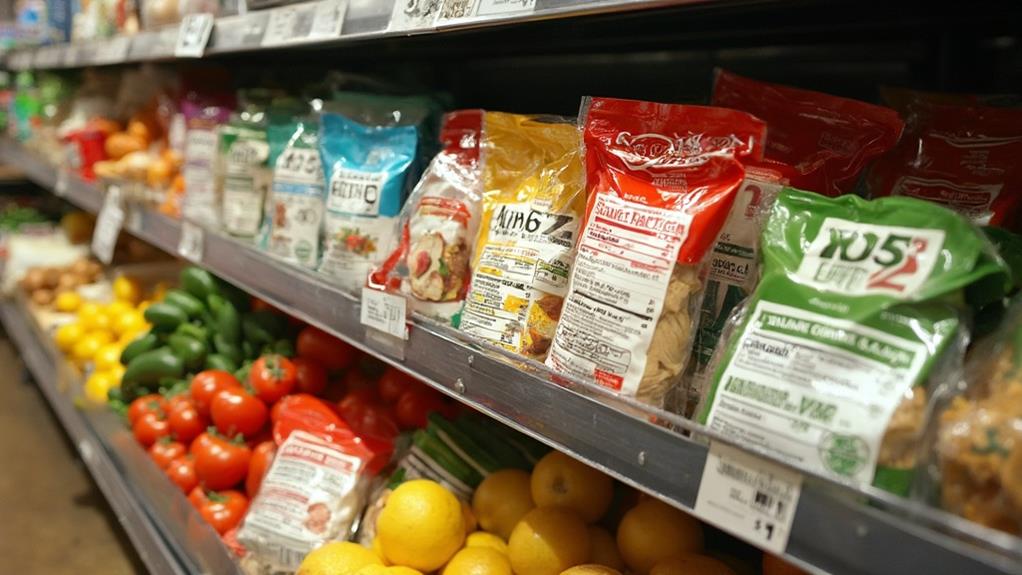
    Understanding food labels is crucial for making informed decisions about what you eat. The Nutrition Facts panel is the first place to look. This panel shows the number of calories, fats, carbohydrates, and proteins in a serving of the food.

    Pay attention to added sugars, which can be hidden in ingredients like high-fructose corn syrup or honey. Daily Values (DV) percentages help you gauge the nutrient levels in a food, with 5% or less being low and 20% or more being high.

    Ingredient Lists Reveal What's Really in the Product

    The ingredient list shows the components of the food, with whole foods like fruits, vegetables, and whole grains at the top being the most desirable.

    Allergens like peanuts, milk, and soy are typically highlighted to alert consumers with specific allergies. If you're looking for organic or non-GMO options, these labels can indicate fewer chemicals and genetically modified organisms in the food.

    By understanding these aspects of food labels, you'll be better equipped to navigate grocery aisles and make healthier choices.

    Importance of Food Labels

    Food labels are essential for making informed dietary choices. They provide critical information about the nutritional content of food products, allowing for easy comparison between different items.

    Understanding food labels helps identify key nutrients, such as vitamins, minerals, and fiber, which are vital for maintaining overall health.

    Food labels also help manage dietary restrictions or health conditions. If monitoring intake of sugar, sodium, or fat, labels clearly indicate these amounts, guiding selections.

    This transparency empowers individuals to choose foods that align with their health goals, whether aiming to lose weight, build muscle, or simply eat healthier.

    Food labels can also inform environmentally conscious choices. Many labels indicate whether products are organic, non-GMO, or sustainably sourced, influencing purchasing decisions based on personal values.

    In a world filled with processed foods and misleading marketing, food labels serve as the best resource. By taking a moment to read and understand these labels, individuals equip themselves with the knowledge necessary to navigate their dietary choices wisely.

    Key Components of Labels

    When examining a food label, it's essential to understand the key components to make informed choices.

    Nutrition Facts provide a breakdown of calories, fats, carbohydrates, and proteins.

    Pay attention to the amount of added sugars and sodium, as these can impact your health. For example, if a product has high amounts of added sugars, it may contribute to weight gain and increased risk of chronic diseases.

    The Ingredient List shows ingredients in descending order by weight.

    If whole foods like fruits, vegetables, and whole grains are at the top, that's a good sign. Avoid products with long lists of artificial additives or preservatives, as they may be detrimental to your health.

    Allergen Information is crucial for those with food allergies.

    Look for common allergens like peanuts, tree nuts, dairy, soy, wheat, and shellfish, often highlighted in bold or a separate box. This information helps individuals with food allergies make safe choices.

    Serving Sizes Explained

    understanding portion measurements

    Serving sizes are a crucial aspect of understanding food labels. They indicate the amount of food typically consumed at one time and serve as a baseline for the nutritional information provided. Serving sizes are usually expressed in common measurements, such as cups or pieces, making it easier to gauge your intake.

    Serving sizes aren't recommendations, but rather reflect what people generally eat. They can vary significantly between products. For example, a serving of ice cream might be half a cup, while a serving of chips could be just an ounce.

    To manage portion control effectively, always compare your actual serving to the suggested serving size. If you're consuming multiple servings, remember to multiply the nutritional values accordingly.

    Understanding Nutrition Facts

    Decoding the Nutrition Facts Label

    After understanding serving sizes, the next step is to interpret the Nutrition Facts label, which provides crucial information about the food you consume, enabling you to make informed, healthier choices.

    Calories

    The number of calories in a serving helps you manage your weight. Consuming the appropriate number of calories is essential for maintaining a healthy weight. For example, if you need 2,000 calories per day, a serving of food with 200 calories will account for 10% of your daily caloric intake.

    Nutrients

    Fats, carbohydrates, and proteins are essential for energy and body function. A balanced diet requires the right mix of these nutrients. For instance, carbohydrates provide energy, while proteins build and repair muscles.

    Daily Value Percentages

    Daily Value percentages indicate how much a nutrient contributes to your daily diet. These percentages help you determine if a food fits your nutritional needs.

    Aim for foods with higher %DV in nutrients you want more of, like fiber, and lower %DV in those you want less of, like saturated fat and sodium. For example, a food with 20% DV of fiber can help you meet your daily fiber needs.

    Ingredient Lists Demystified

    understanding ingredient labels clearly

    Understanding Ingredient Lists

    Ingredient lists on food packaging reveal the composition of the product, with the first few ingredients being the most significant.

    If the top ingredients are whole grains, vegetables, or fruits, the product is likely healthier. On the other hand, if sugar or unhealthy fats dominate the list, it may not be the best choice.

    Eco-Friendly Packaging and Waste Reduction

    In addition to the ingredients, consider the packaging itself.

    Look for eco-friendly packaging made from sustainable materials. Moreover, reducing waste by repurposing materials like coconut husks can have a significant environmental impact.

    Additives and Preservatives

    Some ingredients can indicate a highly processed product.

    Be aware of additives like sodium nitrite or BHA, which may suggest a product is heavily processed.

    Opt for items with fewer ingredients or those you can easily recognize for a cleaner diet.

    Allergens and Sensitivities

    Check for common allergens like nuts, dairy, and gluten, which are often highlighted on the label.

    If you have sensitivities, this information is crucial.

    Recognizing Added Sugars

    Recognizing Added Sugars

    Added sugars can enhance food flavor, but excessive consumption contributes to health issues.

    To maintain good health, it's crucial to recognize added sugars in your diet. They often hide under different names on food labels, making it essential to know what to look for.

    Where to Find Added Sugars

    • Sweeteners: Look for sugar, high fructose corn syrup, and agave syrup on food labels.
    • Processed Foods: Many snacks, sauces, and dressings contain added sugars that you mightn't expect.
    • Beverages: Soft drinks, energy drinks, and flavored waters can pack a sugary punch.

    Reading Food Labels

    When reading food labels, check the ingredient list for added sugars. The Nutrition Facts panel indicates total sugars, but it doesn't differentiate between naturally occurring sugars and added ones.

    Importance of Being Vigilant

    By being vigilant about added sugars, you can make healthier choices and reduce the risk of obesity, type 2 diabetes, and heart disease.

    Interpreting Daily Values

    understanding nutritional guidelines daily

    Understanding Daily Values on Food Labels

    Daily Values (DVs) on food labels indicate how much a nutrient in a serving of food contributes to a daily diet, based on a 2,000-calorie daily intake.

    When looking at a food label, you'll see percentages next to each nutrient listed, representing the proportion of the daily recommended amount. These percentages show how much of the daily nutrient needs are met by one serving of the food. For example, if a food item has a DV of 20% for calcium, it means one serving provides 20% of the calcium you need in a day.

    Interpreting Daily Values

    • 5% DV or less is considered low, meaning the food isn't a significant source of that nutrient.
    • 20% DV or more is regarded as high, indicating the food is a good source of that nutrient.

    Considering Individual Dietary Needs

    It's essential to consider your individual dietary needs, as these percentages may not apply to everyone.

    Active individuals or those with specific health conditions may require more or less of certain nutrients. Always read labels carefully and adjust your food selections according to your nutritional requirements to meet your health goals and ensure a balanced diet.

    How Do Food Labels and Nutrition Information Help Promote Food Security and Nutrition?

    Food labels and nutrition information play a crucial role in promoting food security and nutrition by providing valuable details about the contents of the food. The role of government and organizations is vital in ensuring that accurate and easily understandable information is available to the public, empowering them to make healthier food choices.

    Allergens and Safety Information

    Allergens and Safety Information on Food Labels

    Food labels provide crucial information about allergens and safety to help consumers make informed choices.

    This information is especially important for individuals with food allergies or specific dietary needs.

    Common Allergens

    Food labels highlight common allergens to prevent serious health risks.

    The most common allergens include peanuts, tree nuts, milk, eggs, wheat, soy, fish, and shellfish, which are usually listed in bold or capital letters.

    Cross-Contamination Warnings

    Labels may include phrases such as "may contain" or "produced in a facility that processes" to indicate potential cross-contact with allergens.

    This information helps consumers assess the risk.

    Expiration Dates and Safety Notices

    When checking food labels, always look for expiration dates and any safety recalls that may affect the product.

    This information ensures the product is safe for consumption.

    Organic and Non-GMO Labels

    certified organic non gmo products

    What do organic and non-GMO labels mean?

    Organic foods are produced without synthetic pesticides, fertilizers, and genetically modified organisms (GMOs). When you see an "USDA Organic" label, it means at least 95% of the ingredients are certified organic, ensuring you're choosing food grown in a more natural environment.

    What is the significance of non-GMO labels?

    Non-GMO labels signify that the product doesn't contain genetically modified ingredients. The Non-GMO Project Verified seal is a reliable indicator, as it undergoes rigorous testing to guarantee that GMOs aren't present. This can be especially important for those concerned about the potential health and environmental impacts of GMOs.

    What are the benefits of choosing organic and non-GMO products?

    Choosing organic and non-GMO products can benefit your health, as these foods often contain fewer chemicals and more nutrients.

    Additionally, supporting organic farming practices encourages biodiversity and reduces pollution from synthetic substances.

    Is organic always healthier?

    Organic doesn't always mean healthier; some organic snacks can still be high in sugars or fats.

    Always read the full nutrition label for a complete picture of what you're consuming.

    Tips for Smart Shopping

    Smart shopping significantly impacts your health and budget. By making informed choices, you can buy nutritious foods and save money. Choose eco-friendly products to contribute to a greener lifestyle.

    Read Labels to ensure you're buying healthy foods. Always check the nutrition facts and ingredient lists. Look for whole foods and minimize added sugars and unhealthy fats.

    Plan Your Meals to stick to a grocery list and avoid impulse buys. Create a meal plan for the week, and you'll be more likely to buy only what you need.

    Buy Seasonal Produce to get fresher and less expensive fruits and vegetables. By supporting local farmers who use sustainable practices, you're promoting environmentally friendly agriculture. For example, buying apples in the fall or berries in the summer is a great way to get fresh produce while saving money.

    Compare prices between brands and sizes to get the best value. Larger quantities may offer better value, so don't hesitate to do the math.

    Be wary of marketing terms like "natural" or "healthy," as they can be misleading. Instead, focus on whole foods and items with fewer ingredients.

    Shopping on a full stomach can also help you resist the temptation of unhealthy snacks. By following these strategies, you'll eat healthier and keep your wallet happy.

  • The Role of Portion Control in Maintaining a Healthy Weight

    The Role of Portion Control in Maintaining a Healthy Weight

    Portion control is crucial for maintaining a healthy weight. Research has shown that larger serving sizes lead to overeating, resulting in consuming up to 20% more calories.

    To manage portions effectively, use smaller plates and measuring tools to gauge your food intake.

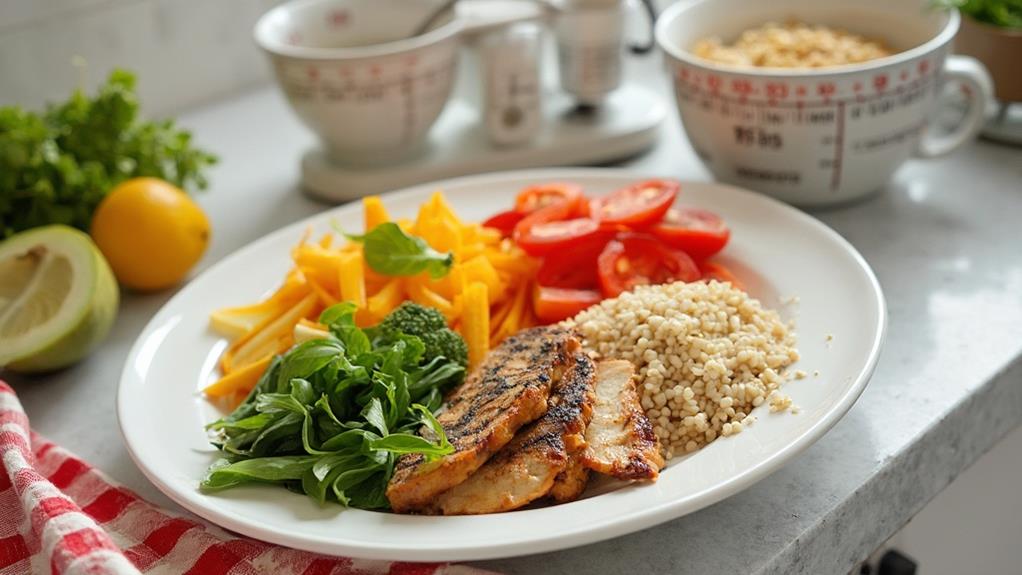
    Filling half your plate with vegetables is a simple yet effective strategy. Not only does it boost nutrient intake, but it also keeps calories low.

    Additionally, eating slowly allows your brain to register fullness, reducing the urge to overeat.

    Mindful eating practices, such as eliminating distractions and savoring each bite, can enhance your relationship with food.

    By implementing these strategies, you can fine-tune your approach to portion control and achieve a healthier weight.

    Understanding Portion Sizes

    Understanding Portion Sizes is Crucial for a Healthy Weight

    Maintaining a healthy weight depends on understanding portion sizes. Many people underestimate how much they eat, leading to overeating. Research shows that larger portion sizes can lead to increased calorie intake.

    Familiarize Yourself with Standard Serving Sizes

    To master portion control, start by learning standard serving sizes. A serving of meat is roughly the size of a deck of cards, while a serving of grains should fit in the palm of your hand.

    Use measuring cups or a food scale to help quantify your portions until you can gauge them more intuitively.

    Practical Tips for Portion Control

    Use smaller plates and bowls to trick your mind into thinking you're eating more than you actually are.

    Fill half your plate with vegetables to increase nutrient intake without significantly raising calorie consumption.

    These simple changes can help you develop healthy eating habits.

    The Science of Satiety

    Satiety is crucial for managing hunger and maintaining a healthy weight. Understanding how your body signals fullness can help you make better food choices. When you eat, your stomach stretches and sends signals to your brain, indicating that it's time to stop.

    Hormones like leptin and ghrelin play a key role in this process; leptin promotes satiety while ghrelin triggers hunger.

    Regular physical activity can improve overall physical fitness and reduce hunger. Engaging in activities like traditional folk dances can help you achieve this.

    To enhance your sense of fullness, focus on foods high in fiber and protein. Fiber-rich foods like fruits, vegetables, and whole grains take longer to digest, keeping you satisfied for longer.

    Protein, found in lean meats, beans, and nuts, promotes feelings of fullness and reduces cravings.

    Eating slowly is also essential for satiety. When you eat quickly, your brain may not register fullness signals effectively, leading to overeating.

    Drinking water before meals can help too; it takes up space in your stomach and can enhance the feeling of satiety.

    How Does Education and Awareness Impact Portion Control for Maintaining a Healthy Weight?

    Education and awareness play a crucial role in promoting the importance of healthy eating habits and portion control for maintaining a healthy weight. By understanding nutritional needs and learning about proper portion sizes, individuals are empowered to make better choices and develop sustainable habits for long-term health and wellness.

    Benefits of Portion Control

    improved health through moderation

    Practicing portion control is crucial for maintaining a healthy weight and overall well-being. It helps manage calorie intake without feeling deprived by allowing you to enjoy your favorite foods while achieving a calorie deficit, essential for weight loss.

    Eating smaller portions can also lead to better food choices and a healthier relationship with food. When you appreciate smaller servings, you become more mindful of what you eat, leading to increased consumption of fruits, vegetables, and whole grains, which boosts nutrient intake.

    Portion control also helps stabilize blood sugar levels. Eating regulated portions prevents spikes and dips in blood sugar, reducing cravings and promoting steady energy throughout the day.

    This is particularly beneficial for individuals managing diabetes or insulin resistance. Additionally, portion control can contribute to weight management when combined with physical activities, such as traditional Philippine folk dances, which can burn approximately 250-400 calories in an hour.

    Practical Portion Control Strategies

    Practical Portion Control Strategies

    Using smaller plates and bowls is an effective way to implement portion control. This is because research shows that serving food on smaller dishware naturally reduces portion sizes, helping you enjoy your meals without overeating.

    1. Measure Your Portions

    Use measuring cups or a food scale to ensure you're serving the right amount. This is especially important for high-calorie foods. For example, measure out a serving of rice or pasta to avoid overeating.

    2. Pre-portion Snacks

    Portion out snacks into small containers. Instead of eating directly from a large bag, divide snacks into smaller portions to keep your intake in check. This helps you avoid mindless snacking and stick to a healthy amount.

    3. Serve in the Kitchen

    Serve your food in the kitchen to reduce the temptation to go back for seconds. By serving meals in the kitchen, you're less likely to go back for extra helpings, which can lead to overeating.

    4. Fill Half Your Plate with Vegetables

    Aim to make half of your meal vegetables. This not only encourages portion control but also adds fiber and nutrients to your meal. For example, try filling half your plate with steamed vegetables, such as broccoli or carrots, and balance with protein and whole grains.

    Mindful Eating Practices

    conscious consumption of food

    Incorporating mindful eating practices into meals can significantly enhance one's relationship with food. Mindful eating involves being fully present during meals, paying attention to the sensory experiences of eating, and recognizing hunger and satiety cues. By eating mindfully, you're less likely to overeat because you become more aware of your body's signals.

    To practice mindful eating, eliminate distractions like phones or television and focus solely on your meal. Take small bites and chew thoroughly, allowing yourself to savor each flavor. This practice not only enhances your enjoyment but also promotes better digestion.

    Pause between bites to assess how you're feeling. Are you still hungry, or are you satisfied? This simple check-in can prevent you from eating out of habit or emotion.

    Using smaller plates can help control portions and encourage mindfulness. Research shows that when you serve yourself smaller amounts, you're more likely to feel satisfied and avoid overeating.

  • The Importance of a Balanced Diet in Filipino Cuisine

    The Importance of a Balanced Diet in Filipino Cuisine

    A balanced diet is crucial in Filipino cuisine for maintaining overall health and well-being. This is achieved by combining essential macronutrients like carbohydrates, proteins, and healthy fats, which are reflected in the country's rich culinary heritage.

    Rice, a staple in Filipino cuisine, provides energy. It is a primary source of carbohydrates, which are necessary for the body's energy needs.

    Fish and lean meats are rich in protein, promoting muscle health. These protein-rich foods are essential for building and repairing muscles, making them a vital component of a balanced diet.

    Incorporating fruits and vegetables into meals enhances nutrient intake. Vibrant fruits and vegetables are rich in vitamins, minerals, and antioxidants that are vital for overall wellness.

    Traditional dishes can be adapted for nutritional balance. For example, adobo and sinigang can be prepared with healthier ingredients, ensuring that these flavorful dishes also provide the necessary nutrients for a balanced diet.

    Harmonizing these elements leads to healthier meal options. By balancing macronutrients, protein, and nutrient-rich foods, individuals can create a vibrant culinary experience that nourishes both the body and the palate.

    Historical Context of Filipino Cuisine

    Filipino cuisine is a rich blend of cultural exchanges and influences.

    Its roots can be traced back to indigenous traditions, which were shaped by trade and colonization. The early inhabitants of the Philippines used local ingredients like rice, fish, and tropical fruits to create dishes that reflected their environment.

    For example, they made use of coconut milk, a staple ingredient in many Filipino dishes.

    The arrival of the Spanish in the 16th century introduced new ingredients like tomatoes, garlic, and various spices. These elements blended with indigenous flavors to create iconic dishes like adobo, a stew made with meat or seafood, vinegar, soy sauce, garlic, and bay leaves, and sinigang, a sour soup made with tamarind broth and various vegetables.

    The influence of Chinese traders is also evident in Filipino cuisine, with the introduction of noodles and soy sauce.

    Pancit, a popular Filipino dish, is a stir-fry made with noodles, vegetables, and sometimes meat or seafood.

    As you explore Filipino food, you'll notice regional variations that reflect local customs and available ingredients.

    For instance, the Bicol region is known for its spicy dishes, while the Visayas region is famous for its seafood.

    The influence of American colonization in the 20th century led to the incorporation of fast food and Western-style dishes.

    This is evident in the popularity of dishes like burgers and fries in modern Filipino cuisine.

    Understanding this historical context enriches your appreciation of Filipino cuisine and highlights the adaptability and resilience of its culinary traditions.

    It shows how Filipino cuisine has been shaped by different cultures and influences, resulting in a unique and diverse culinary identity.

    Key Components of a Balanced Diet

    A balanced diet consists of macronutrients, essential vitamins, and minerals. Macronutrients include carbohydrates, proteins, and fats. Carbohydrates provide energy, proteins support muscle health and immune function, and fats are necessary for brain function and hormone production.

    Incorporating a variety of food groups is crucial. Proteins can come from lean meats, fish, legumes, and tofu, which are prevalent in many Filipino dishes. These sources provide essential amino acids for muscle health and immune function.

    Filipino staples like adobo and sinigang feature protein-rich ingredients like chicken, pork, and fish.

    Fruits and vegetables are vital for vitamins and minerals. Filipino staples like malunggay (moringa) and kangkong (water spinach) offer significant nutrients while being low in calories. Aim to fill half your plate with these vibrant options.

    Fruits like mangoes and bananas are rich in vitamins A and C, while vegetables like broccoli and pechay provide essential minerals like calcium and iron.

    Healthy fats should come from sources like avocados, nuts, and coconut. While traditional Filipino dishes often feature fried items, opting for grilled or steamed alternatives can help you maintain healthy fat intake without excess calories.

    Filipino dishes like grilled tilapia and steamed vegetables are great examples of healthy fat sources.

    Hydration is key. Drinking plenty of water supports digestion and overall health. Aim to drink at least eight glasses of water a day to stay hydrated.

    Role of Carbohydrates in Meals

    essential energy source meals

    Carbohydrates are a crucial source of energy for the body. In Filipino cuisine, various carbohydrate sources provide the necessary energy for daily activities. Staples like rice, bread, and root vegetables are essential for maintaining energy levels.

    Complex carbohydrates, such as brown rice and sweet potatoes, are vital for stable energy levels. These carbohydrates digest more slowly compared to simple carbohydrates, helping to maintain stable energy levels throughout the day.

    Fiber-rich carbohydrates, like vegetables and legumes, promote digestive health. Foods high in fiber help regulate the digestive system, preventing issues like constipation. Examples of fiber-rich carbohydrates include whole grain bread, brown rice, and legumes like lentils and chickpeas.

    A balanced diet must include carbohydrates. Incorporating a variety of carbohydrate sources in meals ensures that the body is fueled effectively.

    Importance of Protein Sources

    Protein is a crucial component of a balanced diet, playing a vital role in building and repairing tissues, producing enzymes, and supporting immune function.

    In Filipino cuisine, there are various protein sources to choose from, including meat, poultry, fish, eggs, and legumes.

    Eating adequate protein helps with weight management as it can make you feel full longer. Incorporating protein-rich dishes like adobo or sinigang into your meals provides not only flavor but also essential amino acids.

    Fish is an excellent protein source, offering omega-3 fatty acids beneficial for heart health. For example, tilapia or bangus are staple fish in Filipino cuisine that provide these benefits.

    Legumes are a great plant-based protein option, making them perfect for vegetarian or budget-conscious meals. Mung beans (monggo) and lentils are excellent examples of legumes that can be easily incorporated into your diet.

    Varying your protein sources ensures you meet your dietary needs and enjoy a diverse array of flavors and textures in your dishes.

    Therefore, prioritize protein as a significant component of your balanced diet in Filipino cuisine.

    Incorporating Vegetables and Fruits

    enhancing meals with produce

    Fruits and vegetables are essential for a balanced diet, offering a wealth of vitamins, minerals, and fiber.

    Aim to fill half your plate with colorful fruits and vegetables during each meal to significantly improve your overall health. This not only enhances the visual appeal of your dishes but also ensures you're getting a variety of nutrients.

    Incorporating fruits and vegetables into your meals is easy in Filipino cuisine.

    Try adding leafy greens like kangkong (water spinach) or malunggay (moringa) to your soups and stews. You can also enjoy fresh salads with local ingredients like papaya, mango, or singkamas (jicama) as refreshing side dishes.

    Munching on fruits like bananas or guavas can satisfy your sweet tooth while providing essential nutrients. When cooking, consider steaming or sautéing vegetables to preserve their nutrients.

    Traditional Dishes and Nutritional Value

    Traditional Filipino dishes can be a rich source of essential nutrients. Take adobo, a popular dish that combines meat with vinegar and spices, providing protein and essential vitamins while the vinegar contributes to digestion.

    Filipino cuisine often features a variety of ingredients and cooking methods that promote a balanced diet. Sinigang, a staple dish, is loaded with vegetables like radish, eggplant, and leafy greens, making it a great source of vitamins A and C, as well as fiber. The sour tamarind base not only adds flavor but also offers antioxidants that can boost your immune system.

    Peanut-based dishes can deliver healthy fats and protein. Kare-kare, a peanut-based stew that features oxtail and various vegetables, is a great example. The peanuts provide healthy fats and protein, while the vegetables enhance its nutritional profile.

    Even dishes like lumpia can be nutritious when prepared mindfully. By opting for lean meats and incorporating more vegetables, you can turn these traditional favorites into balanced meals.

    Filipino cuisine can indeed support a balanced diet when you pay attention to portion sizes and preparation methods.

    How Can Filipinos Ensure a Balanced Diet While Catering to Food Allergies and Intolerances?

    Filipinos can ensure a balanced diet while catering to food allergies in filipino cuisine by incorporating a variety of options. Using alternative ingredients like cassava, banana leaves, or coconut milk can help accommodate dietary restrictions. Additionally, educating oneself about common allergens and experimenting with different cooking techniques can help create delicious, allergy-friendly meals.

    Modern Adaptations in Filipino Cooking

    innovative filipino culinary techniques

    Modern Twists in Traditional Filipino Cooking

    Healthier Ingredients: Chefs are replacing traditional ingredients with healthier alternatives. For example, brown rice is being used instead of white rice, and coconut oil is being used instead of lard.

    This shift towards healthier ingredients is crucial for enhancing the flavor and texture of dishes like lechon.

    Plant-Based Options: Filipino dishes are being reimagined with plant-based proteins. Adobo, a popular Filipino recipe, is now being made with plant-based proteins instead of meat, making it both delicious and nutritious.

    Fusion Dishes: Filipino flavors are being combined with international flavors to create unique dishes. For instance, a Filipino-inspired quinoa salad or a sinigang with a twist, incorporating seasonal vegetables, can boost the nutritional profile of traditional Filipino dishes.

    Meal Planning for Balanced Nutrition

    Meal Planning for Balanced Nutrition in Filipino Cuisine

    Assessing Nutritional Needs and Preferences

    Meal planning is essential for achieving balanced nutrition, particularly in diverse cuisines like Filipino cooking. To start, assess your nutritional needs and preferences. Consider including staples like rice, vegetables, lean proteins, and healthy fats in your plan.

    Creating Balanced Meals

    To create balanced meals, aim for a plate that consists of half vegetables, a quarter lean protein, and a quarter whole grains. Filipino dishes like sinigang or adobo can be adapted to meet these guidelines. For example, add more leafy greens to sinigang or choose skinless chicken for adobo.

    Effective Meal Planning Strategies

    Make a grocery list based on your meal plan to avoid impulse purchases. Stick to seasonal produce to enhance flavor while keeping costs down.

    Prep meals in advance to save time and resist unhealthy options during busy days. By following these strategies, you'll enjoy the rich flavors of Filipino cuisine while maintaining a balanced diet that supports your well-being.

    Community and Family Eating Practices

    shared meal traditions together

    Community and Family Eating Practices Foster Strong Relationships and Healthy Diets

    In the Philippines, sharing meals is a vital tradition that strengthens family bonds and promotes health.

    Eating together allows family members to share traditional recipes and cooking methods that emphasize fresh, local ingredients, promoting a deeper understanding of nutrition and a balanced diet. Regular family meals also provide a platform for open communication, essential for emotional well-being.

    Traditional Folk Dances and Community Meals Encourage a Sense of Belonging

    Similar to traditional folk dances like Tinikling and Singkil, community meals bring people together and foster a sense of community and belonging among participants.

    These social rituals encourage the use of diverse ingredients, contributing to a well-rounded diet.

    Cultural Heritage and Community Meals

    Community meals celebrate Filipino heritage, reinforcing cultural identity and values.

    They provide an opportunity to pass down traditional recipes and cooking methods, preserving cultural heritage. By sharing meals, families can bond over their cultural roots and promote a deeper appreciation for their heritage.

  • The Future of Filipino Food and Nutrition

    The Future of Filipino Food and Nutrition

    The future of Filipino food lies in balancing tradition with health by incorporating nutrient-dense ingredients into classic dishes.

    Adobo and sinigang can be made healthier by substituting refined grains with wholesome alternatives like brown rice and quinoa. Additionally, healthy cooking techniques such as air frying and steaming can replace traditional frying methods.

    Using local produce not only enhances the flavor of dishes but also increases their nutritional value.

    For example, incorporating leafy greens like pechay and kangkong into sinigang adds essential vitamins and minerals. Moreover, modern trends are shifting towards less processed options, such as using fresh tomatoes instead of tomato sauce.

    Sustainable sourcing is crucial for promoting a healthier planet and supporting local communities.

    Buying produce from local farmers reduces carbon footprint and boosts the local economy. By making mindful food choices, one can indulge in the bold flavors of Filipino cuisine while prioritizing health.

    The Rich Heritage of Filipino Cuisine

    Filipino cuisine is a unique blend of indigenous ingredients and foreign influences, resulting in a rich tapestry of flavors and traditions that reflect the country's vibrant history. Local staples like rice, vegetables, and seafood are often combined with spices and cooking techniques introduced by Spanish, Chinese, and American cultures. This culinary fusion is evident in dishes like adobo, sinigang, and lechon, which provide a unique experience that tantalizes the taste buds.

    The country's textile heritage, with its vibrant cultural tapestry, also reflects this blend of influences. The fusion of indigenous craftsmanship with foreign techniques has created a unique design aesthetic.

    Filipino cuisine makes use of fresh ingredients, such as tropical fruits and vegetables, which not only enhance flavor but also contribute to nutritional value. Dishes that incorporate leafy greens, like in pinakbet, deliver essential vitamins and minerals. Seafood, abundant in the archipelago, offers omega-3 fatty acids, while legumes like mung beans provide protein and fiber.

    Traditional cooking methods, such as grilling and steaming, further preserve nutrients, making meals both delicious and health-conscious. By embracing this rich culinary heritage, you can enjoy a diverse array of flavors while also appreciating the nutritional benefits inherent in Filipino food.

    Engaging with these dishes connects you to the past, allowing you to savor the essence of a culture steeped in history and community.

    Modern Nutritional Trends

    Modern nutritional trends are transforming Filipino cuisine. This shift emphasizes whole, unprocessed foods that prioritize nutrient density. Traditional dishes are being recreated to reduce unhealthy fats and sugars while maintaining their rich flavors.

    For example, brown rice is replacing white rice, and coconut milk is being used sparingly to minimize calories.

    The cultural significance of abaca, an integral part of Philippine heritage, inspires creative food presentation, elevating the dining experience.

    Plant-based diets are gaining popularity, leading to a resurgence of vegetables like malunggay and sitaw in everyday meals. These ingredients not only boost the nutritional profile but also enhance the vibrant colors and flavors of dishes.

    Fresh herbs and spices are being highlighted in recipes because they aren't only flavorful but also rich in antioxidants. The rise of mindful eating encourages savoring each bite, promoting a holistic approach to nutrition.

    By focusing on portion control and balanced meals, traditional favorites like adobo or sinigang can be enjoyed while maintaining overall health.

    Innovative Cooking Techniques

    creative culinary methods explored

    Innovative cooking techniques are revolutionizing the way traditional Filipino dishes are prepared and enjoyed, while also enhancing their nutritional value.

    Sous-vide cooking, for instance, allows for the retention of moisture and nutrients in meats and vegetables, making dishes like adobo more flavorful while reducing the need for excessive oils or fats. This method ensures that the nutrients aren't lost during cooking, resulting in a healthier and more flavorful meal.

    By adopting creative approaches to reduce waste, home cooks can minimize food waste in the kitchen.

    Using steam instead of frying, for example, helps preserve the vibrant colors and essential nutrients in vegetables like sitaw (string beans) and talong (eggplant). This technique ensures that the vegetables retain their nutrients and flavors, making them a healthier option.

    Fermentation is another technique that not only adds complex flavors to meals but also boosts gut health.

    Incorporating fermented ingredients like bagoong (fermented shrimp paste) in moderation can enhance flavors without compromising nutrition. Fermented foods are rich in probiotics, which are essential for a healthy gut.

    Air frying offers a healthier alternative to deep-frying, significantly cutting down on unhealthy fats while still providing that satisfying crunch.

    Air-fried lumpiang shanghai, for instance, is a healthier version of the traditional deep-fried spring rolls. By adopting these innovative techniques, home cooks can preserve the essence of Filipino cuisine while promoting a healthier lifestyle.

    How Can Filipino Cuisine Balance Tradition and Nutrition for Better Health?

    Filipino cuisine celebration flavor can still be traditional and healthy. By using fresh ingredients like fruits and vegetables, reducing salt and sugar, and incorporating lean proteins, Filipino dishes can maintain their rich, savory flavors while promoting better health. It’s all about finding the balance between tradition and nutrition.

    Sustainable Sourcing of Ingredients

    Sustainable Sourcing Enhances Flavors and Nutrition

    Sourcing ingredients sustainably not only supports local farmers but also enhances the flavors and nutritional profiles of your dishes. Fresh, locally sourced ingredients have higher nutrient content compared to those transported over long distances. This is because they're often picked at peak ripeness, delivering vibrant flavors that processed or imported options can't match.

    Supporting Rural Communities and Preserving Cultural Heritage

    By choosing sustainable materials, such as abaca fibers, you're supporting the growth of rural communities and contributing to the economy. Sustainable practices in agriculture, similar to those employed in abaca production, help preserve cultural heritage and promote eco-friendly practices.

    Sustainable Seafood Ensures Delicious and Healthy Options

    Choosing sustainably sourced seafood ensures you're consuming fish that aren't only delicious but also safe and healthy. Overfishing and unsustainable practices can lead to depleted stocks and environmental harm. By opting for responsibly farmed or wild-caught options, you're helping to preserve marine ecosystems while enjoying a rich source of omega-3 fatty acids.

    Direct Relationships with Food Sources

    You can explore organic farmers' markets or community-supported agriculture programs to build a direct relationship with your food sources. This connection not only enhances your cooking experience but also fosters community ties and supports local economies.

    As you embrace sustainable sourcing, you'll not only elevate your meals but also contribute to a healthier planet and a more resilient food system.

    Fusion of Traditional and Healthy

    culinary tradition meets wellness

    Combining traditional Filipino flavors with modern, healthy cooking techniques creates a culinary experience that's both delicious and nutritious.

    To elevate classic dishes, incorporate nutrient-dense ingredients and cooking methods that preserve flavor while reducing unhealthy fats. For example, instead of frying lumpia, bake or air-fry them for a lighter option that still retains that satisfying crunch.

    Using whole grains like brown rice or quinoa in sinangag instead of white rice provides more fiber and enhances the dish's nutritional profile.

    Experimenting with vegetables like malunggay or kalabasa, which are rich in vitamins and minerals, adds an extra health boost to dishes like kare-kare.

    Filipino cuisine is known for its bold flavors, and using fresh herbs like cilantro or basil can enhance taste without adding calories.

    By blending traditional elements with healthier choices, you're not just preserving the essence of Filipino food but also promoting a balanced diet.

    This fusion redefines comfort food, making it accessible and enjoyable for today's health-conscious diners.

    Community and Cultural Impact

    Filipino cuisine plays a vital role in fostering community bonding and cultural identity. When families and friends gather around a table filled with traditional dishes like adobo, sinigang, or lechon, they share stories and traditions passed down through generations. This culinary connection strengthens community ties, promoting a sense of belonging and pride.

    Filipino cuisine is an integral part of cultural celebrations, as seen in festive events like Parada Ng Lechon, which reinforces community spirit and unity. Furthermore, engaging with Filipino food promotes health awareness among community members. Traditional dishes can be modified to enhance their nutritional value while still celebrating their rich heritage.

    There are several key aspects of Filipino cuisine that contribute to its community and cultural impact:

    Ingredient Diversity: Filipino cuisine utilizes local produce, lean proteins, and whole grains, enhancing nutrition. For example, sinigang, a sour soup, is made with a variety of vegetables and lean proteins like fish or shrimp.

    Family Gatherings: Meals are often communal, reinforcing social bonds and collective well-being. In Filipino culture, Sunday lunches are typically spent with extended family, strengthening family ties.

    Cultural Festivals: Celebratory events showcase traditional recipes, keeping cultural practices alive. The annual Pintados Festival in Tacloban City features traditional dishes like lechon and tinola, highlighting local culinary heritage.

    Health Education: Cooking classes can emphasize healthier preparation methods, merging tradition with modern health practices. By teaching traditional cooking methods with a focus on healthy ingredients and portion control, Filipino cuisine can promote health awareness while preserving cultural heritage.