Category: Cooking Techniques in Philippine Culinary Traditions

  • Mindanaoan Cuisine: Influences From the Spicy South

    Mindanaoan Cuisine: Influences From the Spicy South

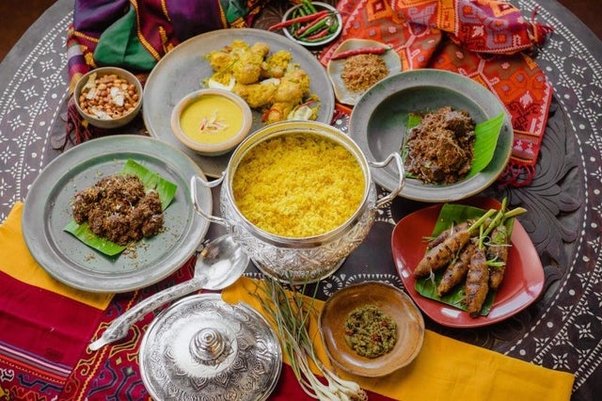
    Mindanaoan cuisine, influenced by Malay neighbors, features bold flavors like coconut-infused curries and chili-laden dishes, showcasing a unique culinary identity. The fusion of indigenous ingredients and cultural influences creates a vibrant gastronomic experience in the spicy South of Mindanao.

    Key Takeaways

    • Mindanaoan cuisine showcases bold flavors with coconut-infused curries and chili-laden dishes.
    • Cultural influences from neighboring Southeast Asian countries shape the unique flavor profile.
    • Indigenous ingredients like tabon-tabon fruit and burnt coconut meat enhance culinary experiences.
    • Traditional cooking methods like grilling over open flames and slow communal preparation are integral to Mindanaoan cuisine.

    Spicy Origins of Mindanaoan Cuisine

    Embrace the fiery essence of Mindanaoan cuisine, shaped by a rich tapestry of spicy influences from the diverse cultural heritage of the region.

    Coconut-infused curries, spiced beef stews, and chili-laden chicken dishes define the bold flavors that characterize this vibrant culinary tradition.

    The marriage of aromatic spices like turmeric and ginger with tender beef and succulent chicken creates a symphony of taste that leaves a lasting impression on your palate.

    The Tausug and Maranao tribes, celebrated for their love of spicy foods, have crafted unique spice blends that elevate classic dishes to new heights.

    Through the use of fiery spices in Mindanaoan cuisine, you’re transported to a realm where every bite tells a story of trade, tradition, and tantalizing flavors.

    Indigenous Ingredients and Flavors

    Indigenous ingredients like burnt coconut meat and palapa bring unique flavors to Mindanaoan cuisine. The spicy and aromatic influences from neighboring countries further enrich the traditional dishes.

    Local spices such as turmeric, ginger, and lemongrass contribute significantly to the distinct culinary identity of Mindanaoan dishes.

    Unique Local Ingredients

    In Mindanaoan cuisine, the vibrant flavors of burnt coconut meat, palapa (spicy condiment), and a variety of native herbs and spices come together to create a truly unique culinary experience. Indigenous ingredients such as tabon-tabon fruit add a distinct taste to dishes. Explore the rich flavors of Mindanao with these unique local ingredients:

    Unique Local Ingredients Description
    Native herbs and spices Tanglad (lemongrass), luyang dilaw (turmeric), alagao leaves
    Spicy condiment Sambal (chili paste)
    Coconut vinegar Adds a tangy twist to dishes

    These ingredients, along with others like labuyo chili and malunggay leaves, showcase the diverse and flavorful essence of Mindanaoan cuisine.

    Rich Traditional Flavors

    With a rich tapestry of traditional flavors, Mindanaoan cuisine captures the essence of its cultural heritage through the vibrant use of native spices, coconut milk, and seafood. Indigenous ingredients like burnt coconut meat infuse dishes with a unique smoky flavor, while spices such as turmeric, ginger, and lemongrass create a complex taste profile.

    Fresh seafood, coconut milk, and local herbs play essential roles in traditional Mindanaoan recipes, reflecting the region’s culinary authenticity. The rich traditional flavors found in Mindanaoan cuisine not only showcase the diverse cultural influences but also highlight the significance of using native ingredients.

    Embracing these flavors allows you to experience the depth and authenticity of Mindanaoan culinary traditions.

    Fusion of Cultural Influences

    Incorporating a rich tapestry of flavors and techniques, Mindanaoan cuisine expertly blends cultural influences from neighboring Southeast Asian countries. The fusion of these diverse culinary traditions results in a vibrant and flavorful dining experience.

    Here are some key points to highlight this fusion:

    • Spices: Mindanaoan dishes are infused with a variety of spices imported from neighboring regions, adding depth and complexity to the flavors.
    • Flavors: The combination of ingredients and cooking methods from Malaysia and Indonesia creates a unique flavor profile that distinguishes Mindanaoan cuisine.
    • Fusion: The seamless integration of different cultural influences results in a harmonious blend of tastes and textures that are characteristic of Mindanaoan dishes.

    Signature Dishes of Mindanao

    The culinary landscape of Mindanao is enriched with a diverse array of signature dishes that showcase the region’s unique gastronomic heritage.

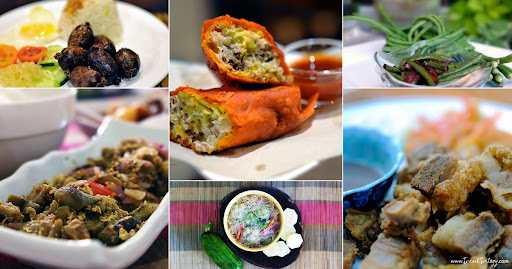
    Satti, a popular breakfast choice in Zamboanga, features grilled meat and rice balls in a spicy sauce.

    Rendang, originally from Indonesia and embraced by the Maranao people, is a dish made with crushed spices, beef, and coconut milk, known for its caramelized curry flavor.

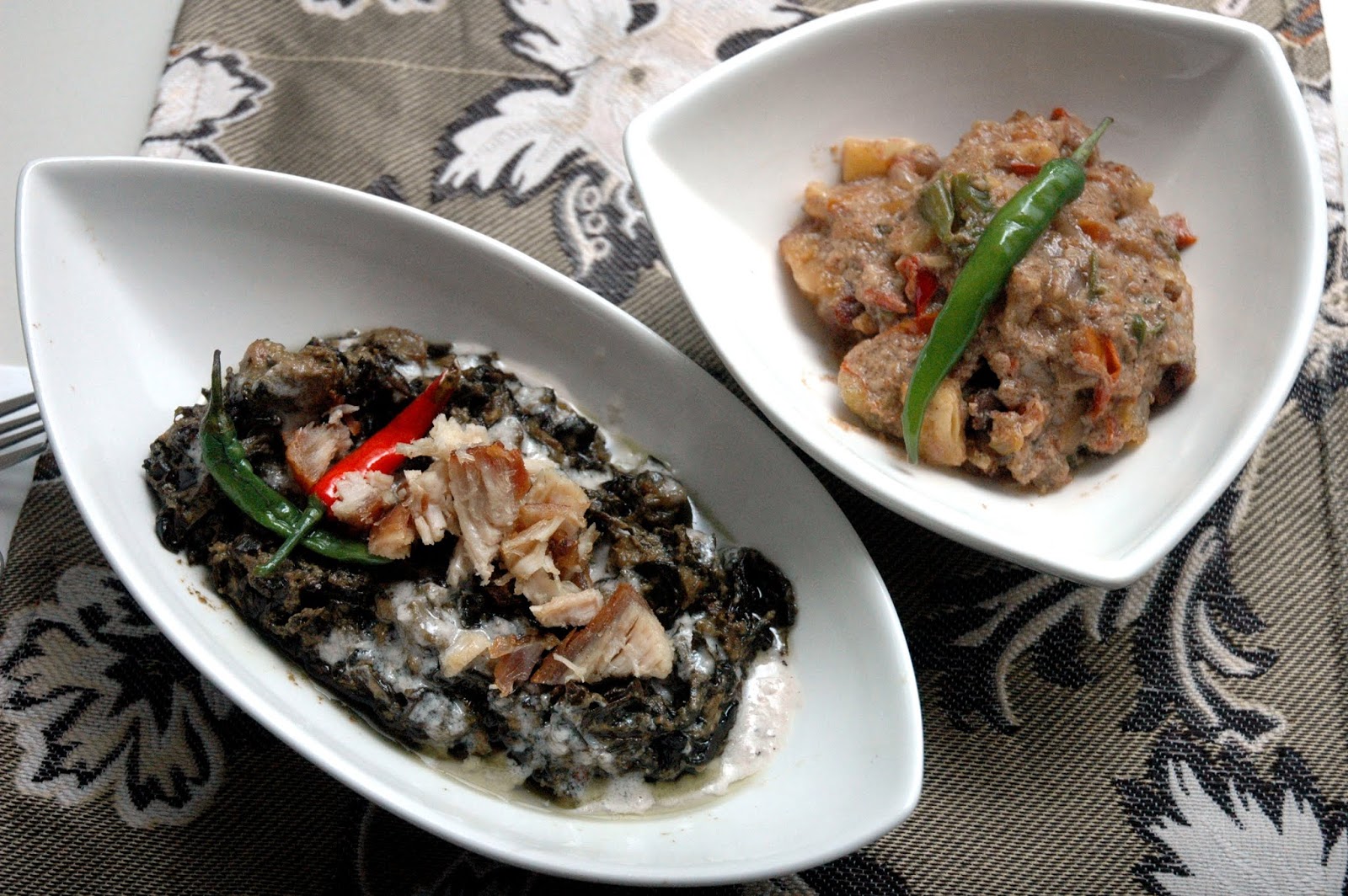
    Pyanggang, a Tausug specialty, resembles chicken barbecue but stands out with its black color from burnt coconut meat in the marinade.

    Curacha, a renowned Zamboanga dish, highlights the spanner crab cooked in a sweet orange sauce, prized for its tender and flavorful meat.

    Mindanao’s signature dishes offer a glimpse into the region’s rich and vibrant culinary traditions.

    Culinary Traditions in Mindanao

    Enriched by a tapestry of cultural influences, Mindanaoan culinary traditions offer a vibrant and diverse gastronomic experience. The region’s proximity to its Malay neighbors has led to a fusion of flavors, with dishes like Satti and Rendang showcasing this blend.

    Mindanao’s predominantly Muslim population emphasizes the preparation of non-pork dishes following halal practices. The rich marine resources surrounding the region contribute to a wide array of fresh and flavorful seafood dishes that are staples in Mindanaoan cuisine.

    The love for spicy and savory flavors, evident in dishes like Satti, highlights the region’s bold and robust culinary heritage shaped by centuries of cultural exchange and influence.

    Spice Trade and Culinary Exchange

    The spice trade routes have left a lasting impact on Mindanaoan cuisine, bringing a fusion of flavors that reflect cultural exchanges with neighboring regions. The diverse array of spices like turmeric, cumin, and chili peppers have added depth and complexity to local dishes, showcasing the influence of global culinary connections on the region’s food heritage.

    Through these exchanges, Mindanaoan cuisine has evolved into a unique blend of flavors that highlight the interconnectedness of trade and cultural influences.

    Spice Routes Impact

    Influencing Mindanaoan cuisine, the spice routes from the past have left a lasting mark on the region’s culinary flavors and ingredients. The exchange of spices along these routes brought new and exotic flavors to Mindanaoan dishes, creating a unique flavor profile that sets this cuisine apart.

    Spices such as cumin, turmeric, and ginger, which traveled through these trade routes, became essential elements in enhancing the taste and aroma of traditional Mindanaoan recipes. The historical connections formed by the spice trade routes connected Mindanao to distant lands, enriching the local culinary heritage with a diverse array of exotic spices.

    This impact showcases the region’s receptiveness to cultural exchange, evident in its vibrant and flavorful dishes.

    Fusion of Flavors

    Through a melding of diverse culinary heritages, Mindanaoan cuisine embodies a harmonious blend of flavors from the spice trade routes and cultural exchanges with neighboring countries. Spices like turmeric, cumin, and coriander have been seamlessly integrated into Mindanaoan dishes, creating unique taste profiles that captivate the palate.

    Culinary exchanges with Indonesia, Malaysia, and other spice-rich regions have played a pivotal role in shaping the dynamic evolution of Mindanaoan food. The fusion of indigenous ingredients with exotic spices highlights the rich tapestry of flavors present in Mindanaoan cuisine, showcasing a perfect balance of tradition and innovation.

    The spicy and aromatic nature of Mindanaoan dishes reflects the region’s vibrant history of culinary exchanges and the diverse influences that have contributed to its distinct culinary identity.

    Cultural Exchange Influence

    Centuries of trade and cultural exchanges have infused Mindanaoan cuisine with a vibrant array of flavors from across the spice trade routes and neighboring regions. The spice trade influenced Mindanaoan cuisine through the exchange of spices and culinary techniques with neighboring regions.

    Culinary exchange with spice-rich areas contributed to the use of various spices in Mindanaoan dishes, adding depth and flavor. The historical spice trade routes connected Mindanao to other spice-producing regions, influencing the local culinary landscape.

    Mindanaoan cuisine showcases a blend of flavors from different cultures due to centuries of trade and cultural exchanges. Spices like turmeric, ginger, and chili peppers played a significant role in shaping the unique and flavorful taste of Mindanaoan dishes.

    Seafood Splendors of Mindanao

    Seafood enthusiasts in Mindanao savor the exquisite flavors of curacha, a prized deep-sea crab delicacy renowned for its unique taste and tender texture. This special crab species, found in Sulu and Zamboanga City, stands out for its soft and meaty consistency.

    When dining in Zamboanga, make sure to visit the Alavar Seafood Restaurant, known for popularizing the sweet orange sauce that perfectly complements curacha dishes. Locals and tourists alike seek out this sought-after seafood delight, appreciating its distinctiveness among other crab varieties in the region.

    If you’re a fan of seafood, especially crab, indulging in a curacha meal is a must when exploring the spicy South of Mindanao.

    Vegetarian Delights and Innovations

    Highlighting the vibrant flavors of locally sourced ingredients, vegetarian Mindanaoan dishes showcase a delicious array of innovative plant-based alternatives. Embracing the region’s rich agricultural diversity, these dishes offer a unique culinary experience that celebrates sustainability and health.

    • Coconut Milk: Often used in vegetarian Mindanaoan recipes, coconut milk adds a creamy texture and a hint of sweetness to dishes.
    • Plant-Based Alternatives: Innovative plant-based substitutes for traditional meat dishes are a highlight of Mindanaoan cuisine, reflecting a global trend towards plant-forward eating.
    • Agricultural Diversity: Vegetarian Mindanaoan specialties not only provide nutritious options but also spotlight the diverse range of produce grown in the region.

    Experience the flavorful and creative world of vegetarian Mindanaoan cuisine!

    Mindanaoan Desserts and Sweets

    When exploring Mindanaoan desserts and sweets, you’ll encounter unique flavor combinations that tantalize your taste buds. Indigenous sweet treats like Tinagtag and Sayongsong showcase the fusion of cultures present in Mindanao’s culinary scene.

    These delightful desserts offer a glimpse into the rich heritage and diversity of flavors found in Mindanao’s sweet offerings.

    Unique Flavor Combinations

    Featuring unique flavor combinations, Mindanaoan desserts and sweets offer a delightful taste of the region’s rich culinary heritage. When it comes to these sweet treats, you can expect a burst of flavors that will tantalize your taste buds.

    Some popular options include:

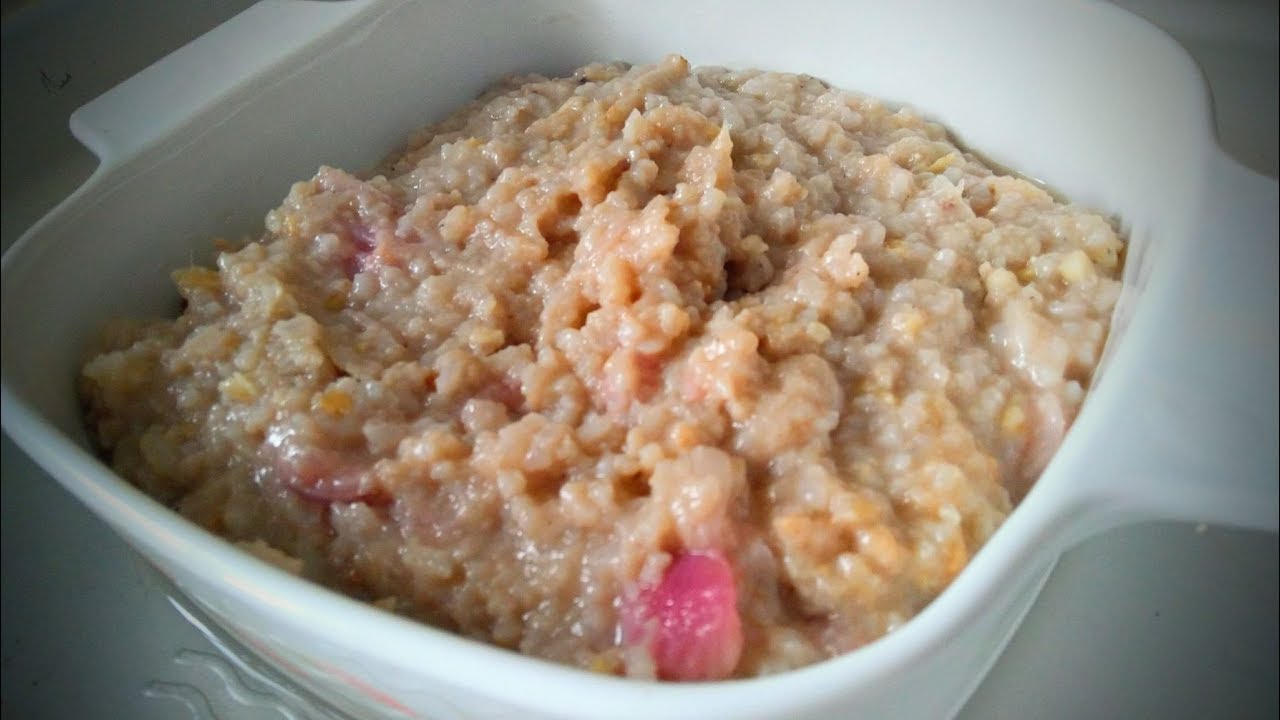
    • Tinagtag: Made of ground rice and sugar, this dessert provides a sweet and spicy twist that’s truly unique.
    • Sayongsong: Wrapped in banana leaf, this delicacy combines coconut meat with traditional preparation methods for an authentic Mindanaoan experience.
    • Popular among Maguindanaons: These desserts are beloved for their simple yet delicious flavors, representing the diverse and rich culinary heritage of Mindanao. Try them to savor the essence of Mindanaoan sweetness!

    Indigenous Sweet Treats

    Explore the indigenous sweet treats of Mindanao, showcasing a diverse range of traditional desserts and sweets.

    Indulge in the unique flavors of tinagtag, a delightful mix of ground rice and sugar offering a sweet taste that satisfies your cravings.

    Sayongsong, another indigenous treat, boasts a soft texture wrapped in banana leaf and colored with ube, providing a one-of-a-kind sweetness and mouthfeel.

    These desserts highlight the region’s culinary creativity and rich heritage, making them popular choices for those with a sweet tooth.

    Mindanao’s indigenous sweets like tinagtag and Sayongsong aren’t only enjoyed by locals but also embraced by visitors seeking to immerse themselves in the authentic flavors of Mindanaoan desserts.

    Fusion of Cultures

    To appreciate the fusion of cultures in Mindanaoan desserts and sweets, consider the harmonious blend of traditional flavors with modern influences that create a unique culinary experience. Mindanaoan desserts like Tinagtag, made of ground rice and sugar, offer a sweet and satisfying treat.

    Sayongsong, a unique dessert wrapped in banana leaf, is known for its soft texture and sweetness. Mindanaoan sweets showcase a diverse range of flavors and textures, reflecting the region’s dessert diversity.

    Traditional Mindanaoan desserts often use local ingredients and traditional cooking methods. Desserts in Mindanao play a significant role in celebrations and cultural events, highlighting the region’s culinary heritage.

    Experience the caramelized goodness and spice-infused delights that make Mindanaoan desserts truly special.

    Culinary Techniques and Cooking Methods

    Traditional cooking methods like braising, grilling, and stewing are integral to Mindanaoan cuisine, bringing out rich flavors unique to the region. Mindanaoan chefs often start by crushing spices to release their aromatic oils before incorporating them into dishes.

    Grilling over open flames is a popular technique that imparts a smoky flavor to meats and vegetables. These traditional cooking methods showcase the Indonesian influences in Mindanaoan culinary practices. Indigenous techniques like using burnt coconut meat and ground spices further enhance the depth of flavors in Mindanaoan dishes.

    The emphasis on slow cooking and communal preparation reflects the cultural importance placed on shared cooking experiences, making Mindanaoan cuisine not just a meal but a celebration of heritage and community.

    Health Benefits of Mindanaoan Ingredients

    Pivoting from the focus on traditional cooking methods, uncover the health benefits of Mindanaoan ingredients, shedding light on how these elements can positively impact your overall well-being.

    Mindanaoan cuisine offers a plethora of health benefits:

    • Coconut milk: Rich in medium-chain fatty acids, it can boost metabolism and aid in weight loss.
    • Turmeric: With anti-inflammatory properties, it may help reduce the risk of chronic diseases.
    • Chili peppers: Containing capsaicin, these can increase metabolism and reduce appetite.

    Include these ingredients in your diet to harness their medicinal properties, promoting a healthier lifestyle with each flavorful bite.

    How does Tiyula Itum reflect the influences of Mindanaoan cuisine from the spicy south?

    Tiyula Itum, also known as “exploring Mindanao’s black stew,” is a traditional dish that reflects the rich and spicy flavors of Mindanaoan cuisine. This flavorful beef stew is darkened with burnt coconut meat, and it showcases the diverse and vibrant culinary influences of the southern Philippines.

    Mindanaoan Culinary Tourism Opportunities

    Embark on a flavorful journey through Mindanao’s diverse culinary landscape, where unique dishes and rich cultural influences await your exploration.

    Mindanao offers culinary tourism opportunities that showcase dishes like Pyanggang and Curacha. Local festivals feature special dishes such as Sinina, giving visitors a taste of the region’s rich culinary heritage.

    Culinary tours provide a chance to experience traditional cooking methods and ingredients used in dishes like Piaparan. The blend of Malay, Indonesian, and local influences in Mindanaoan cuisine creates a distinct and flavorful food culture.

    Frequently Asked Questions

    What Is the Origin of Mindanao Cuisine?

    Mindanao cuisine’s origin is diverse, influenced by Malay neighbors and its predominantly Muslim population. Seafood and halal dishes are favored, while dishes like Satti and Rendang reflect the region’s rich culinary heritage and cultural influences.

    How Mindanao’s Cuisine Exemplifies the Island’s Distinctive Identity Over the Cuisines of Luzon and Visayas?

    In Mindanao, the cuisine showcases a blend of Malay influences, creating unique flavors not often found in Luzon and Visayas. The avoidance of pork and focus on seafood, like in Satti breakfast, sets Mindanao’s culinary identity apart.

    What Is the Culture of Mindanao?

    The culture of Mindanao is a melting pot of Malay, Indonesian, and Spanish influences. It’s characterized by vibrant traditions, diverse communities, and a deep connection to nature. Explore its rich heritage through its food and festivities.

    What Is the Famous Food Delicacies in Maguindanao?

    In Maguindanao, you must try Pastil, a delightful dish with rice and adobo fillings wrapped in banana leaf. It’s a beloved street food, showcasing the region’s culinary heritage with its simple yet flavorful preparations.

    Conclusion

    In conclusion, Mindanaoan cuisine offers a rich tapestry of flavors influenced by Malay neighbors and cultural practices. With signature dishes like Satti and Rendang, as well as a focus on abundant seafood, Mindanaoan cuisine stands out in the Filipino culinary scene.

    The fusion of indigenous ingredients and culinary traditions creates a unique gastronomic experience that isn’t to be missed. Explore the spicy south and savor the diverse flavors of Mindanaoan cuisine.
  • Bicolano Cuisine: Coconut, Spice, & Fiery Dishes

    Bicolano Cuisine: Coconut, Spice, & Fiery Dishes

    Bicolano cuisine is known for its use of coconut milk and spices, creating dishes with a unique blend of flavors. Coconut milk adds creaminess, while spices like chili peppers and ginger provide heat and depth. Signature dishes like Bicol Express and Laing showcase this fusion of flavors, making Bicolano cuisine a culinary experience that’s both comforting and fiery.

    Key Takeaways

    • Coconut milk enriches Bicolano dishes with creamy depth.
    • Spice defines the bold culinary identity of Bicolano cuisine.
    • Fiery flavors are balanced by the richness of coconut cream.
    • Signature dishes like Bicol Express showcase the fusion of spice and coconut.

    Bicolano Cuisine Overview

    Bask in the flavorful essence of Bicolano cuisine, renowned for its unique blend of coconut milk, spicy undertones, and local ingredients.

    The coconut, a staple in Bicolano dishes, adds a rich and creamy texture to various specialties. From the creamy and spicy Bicol Express to the savory and comforting Laing, coconut milk is a key ingredient that ties these dishes together.

    The versatility of coconut in Bicolano cuisine shines through in dishes like Pinangat, Kinunot, and Kinalas, where it enhances the flavors of fresh seafood and indigenous ingredients.

    Embrace the warmth and depth that coconut brings to Bicolano dishes, creating a culinary experience that’s both comforting and full of vibrant flavors.

    Coconut in Bicolano Dishes

    Coconut plays a central role in Bicolano cuisine, infusing dishes with a creamy richness and tropical flavor that epitomize the region’s culinary identity. Bicolano dishes often use coconut milk extracted from freshly grated coconuts, enhancing the dish with a distinct tropical taste.

    The use of coconut milk in Bicolano cooking reflects the region’s abundant coconut plantations and the influence of its tropical climate. Coconut milk is known for its versatility in Bicolano dishes, balancing out the spiciness of chilies and complementing the flavors of local ingredients.

    Bicolano cuisine showcases the creative use of coconut in various forms, from coconut cream to grated coconut, creating a unique culinary experience.

    Spice Elements in Bicolano Cooking

    Spice plays a dominant role in Bicolano cooking, infusing dishes with bold and fiery flavors that define the region’s culinary identity. Bicolano cuisine often incorporates coconut cream to balance the intense spiciness of chili peppers, creating a harmonious blend of heat and richness.

    The use of siling labuyo, a potent chili pepper, contributes to the distinctive spiciness found in many traditional dishes like Bicol Express. By combining the heat of chilies with the creaminess of coconut milk, Bicolano recipes achieve a unique flavor profile that’s both fiery and comforting.

    This fusion of coconut and spice reflects the region’s deep-rooted love for bold flavors and its commitment to creating dishes that are as flavorful as they’re satisfying.

    Fiery Flavors of Bicolano Cuisine

    Indulge your taste buds in the fiery flavors of Bicolano cuisine, where chili peppers reign supreme in creating dishes that pack a punch. The spiciness in Bicolano cuisine isn’t just about heat but also about flavor balance, often complemented by the creamy richness of coconut milk.

    One notable dish that exemplifies this fiery tradition is Bicol Express, featuring a tantalizing mix of pork, shrimp paste, and chili peppers. For a surprising twist, try Sili Ice Cream, a unique Bicolano dessert that combines creamy sweetness with a hint of chili pepper spice.

    The bold and intense flavors of Bicolano cuisine, especially in dishes like Bicol Express, showcase the region’s love for fiery culinary experiences.

    Signature Bicolano Ingredients

    You’ll find that Bicolano cuisine boasts a bold flavor profile thanks to its key ingredients.

    Spicy chili peppers, creamy coconut milk, and aromatic ginger and garlic are at the heart of many Bicolano dishes.

    These signature elements come together to create dishes that are both fiery and flavorful.

    Spicy Chili Peppers

    Spicy chili peppers are a hallmark ingredient in Bicolano cuisine, infusing dishes with a fiery kick and robust flavor. Bicolanos hold chili peppers in high regard for the depth they bring to their traditional dishes.

    • Bicolano cuisine is renowned for its use of spicy chili peppers, adding a distinctive kick to dishes.
    • Signature Bicolano dishes like Bicol Express and Laing prominently feature chili peppers for heat and flavor.
    • The region’s fertile soil and tropical climate contribute to the cultivation of various chili pepper varieties.
    • Bicolanos have a high tolerance for spicy food, reflected in the generous use of chili peppers in their traditional recipes.

    Creamy Coconut Milk

    Coconut milk plays a central role in Bicolano cuisine, renowned for its creamy texture and rich flavor profile. This versatile ingredient is the foundation of many Bicolano dishes, adding a luscious creaminess to both savory stews and sweet desserts. Here is a glimpse of how coconut milk elevates the creamy dishes of Bicol:

    Creamy Coconut Milk Dishes Description
    Laing Taro leaves cooked in rich coconut milk with chilies and shrimp paste.
    Ginataang Langka Green jackfruit simmered in creamy coconut milk with shrimp or pork.
    Bicol Express Pork cooked tender in spicy coconut milk sauce with chilies and shrimp paste.
    Ginataang Halo-Halo A sweet dessert soup made with coconut milk, fruits, and sticky rice balls.

    Aromatic Ginger and Garlic

    Incorporating aromatic ginger and garlic is a fundamental practice in crafting the distinctive flavors of Bicolano cuisine. These ingredients are essential in Bicolano dishes, known for their aromatic and flavorful qualities.

    When combined, ginger and garlic add depth of flavor and enhance the overall taste profile, creating a harmonious blend of aromas. Ginger provides a warm, spicy kick, while garlic offers a pungent and savory note to the dishes.

    Bicolano chefs skillfully balance the use of ginger and garlic to create bold and comforting flavors that are synonymous with their cuisine. The aromatic essence of ginger and garlic, paired with creamy coconut, forms the base of many traditional Bicolano recipes, inviting you to savor the rich culinary heritage of the region.

    Traditional Bicolano Dishes

    Traditional Bicolano dishes stand out for their bold flavors and unique ingredients, showcasing a culinary heritage deeply rooted in the region’s natural resources.

    One staple dish, Bicol Express, features pork, shrimp paste, and green chilies cooked in coconut milk, offering a harmonious blend of flavors that exemplifies Bicolano cuisine.

    Laing, another must-try, combines taro leaves, coconut milk, and chili peppers to create a creamy and spicy delight.

    Pinangat, wrapped in gabi or banana leaves, combines fish, peppers, and coconut milk, embodying the Bicolano love for hearty and flavorful meals.

    These dishes highlight the region’s reliance on coconut and chili peppers, adding depth and heat to their culinary creations.

    Popular Bicolano Recipes

    Explore the authentic flavors of Bicol through signature dishes like Bicol Express, Laing, and Pinangat. Experience the unique cooking techniques and spicy flavor combinations that define Bicolano cuisine.

    Embark on a culinary adventure with these popular recipes that showcase the region’s rich culinary heritage.

    Signature Bicolano Dishes

    When delving into Bicolano cuisine, you’ll quickly encounter an array of signature dishes that showcase the region’s distinct flavors and culinary expertise.

    • Bicol Express: A popular dish made with pork, shrimp paste, coconut milk, and green chilies, known for its spicy and creamy flavor profile.
    • Laing: A staple dish featuring taro leaves cooked in coconut milk, chili peppers, and sometimes dried fish, offering a rich and savory taste.
    • Pinangat: A traditional delicacy consisting of minced fish or shrimp mixed with coconut milk, wrapped in taro leaves, and simmered to perfection.
    • Kinalas: A unique noodle dish made with thick noodles, rich dark sauce, and shredded meat, providing a hearty and satisfying meal experience.

    Unique Cooking Techniques

    To master the unique cooking techniques essential for popular Bicolano recipes, focus on slow simmering to enhance flavors and balance the heat of chilies with the creaminess of coconut milk.

    In Bicolano cuisine, grated coconut is commonly used to add texture and richness to dishes. When cooking with coconut milk, it’s crucial to stir continuously to prevent curdling.

    Balancing the spiciness of chilies with the smoothness of coconut milk is a hallmark of Bicolano cooking. Properly seasoning and layering ingredients also play a significant role in enhancing the depth of flavors in Bicolano dishes.

    Embrace these techniques to create authentic and delicious Bicolano meals that celebrate the harmony of coconut, spice, and fiery flavors.

    Spicy Flavor Combinations

    For those seeking bold and flavorful culinary experiences, delve into the vibrant world of Bicolano cuisine through its signature spicy dishes. Bicolano recipes incorporate coconut in a way that elevates the spiciness to new heights.

    Here are some popular dishes to explore:

    • Bicol Express: A creamy and spicy dish made with pork, shrimp paste, coconut milk, and green chilies.
    • Laing: Taro leaves cooked in coconut milk, chili peppers, and shrimp paste for a rich and unique flavor.
    • Kinunot: Stingray cooked in coconut cream with malunggay leaves and spices for a hearty and flavorful meal.
    • Kinalas: A noodle dish from Naga City with thick, flavorful broth and shredded meat, perfect for a satisfying snack.

    Bicolano Desserts and Sweets

    In Bicolano cuisine, desserts and sweets feature a delightful blend of unique ingredients like pili nuts and coconut milk. Sweets like puto bukayo and biniribid showcase the region’s culinary creativity, while coconut-based delicacies such as nilubak and balisungsong offer a taste of Bicol’s rich flavors.

    Commonly enjoyed as merienda in Bicol, sweet treats like suman and binutong strike a balance between sweetness and the region’s signature spicy and savory elements. These desserts reflect the vibrant culinary heritage of Bicol, incorporating local ingredients to create a delectable array of treats that highlight the region’s unique flavors.

    If you have a sweet tooth and enjoy exploring new tastes, Bicolano desserts are sure to captivate your palate.

    Bicolano Culinary Influences

    Bicolano culinary influences intertwine Filipino and Thai traditions, creating a tapestry of unique flavor profiles that define the region’s vibrant cuisine. The fertile soil in Bicol, enriched by volcanic activity and heavy rainfall, supports the growth of key ingredients like coconuts and chili peppers.

    Bicolano dishes often showcase a harmonious blend of spicy elements from chili peppers and creamy textures from coconut milk. The use of coconut milk in Bicolano cuisine reflects the region’s abundant coconut resources and its integral role in traditional dishes.

    Coconut milk adds a creamy richness to many Bicolano dishes.

    Spicy elements from chili peppers complement the coconut milk’s flavors.

    Filipino and Thai culinary traditions influence the diverse taste profiles.

    Bicolano cuisine reflects the region’s rich history and agricultural practices.

    Cooking Techniques in Bicolano Cuisine

    Utilizing sautéed aromatics like garlic and onions is a key technique in crafting the flavorful profiles of dishes in Bicolano cuisine.

    The art of slowly simmering or stewing ingredients is also prominent in Bicolano cooking techniques, allowing flavors to meld and develop complexity.

    Fresh and dried chilies are skillfully incorporated to add the signature spiciness that defines Bicolano dishes.

    Another essential aspect is the use of coconut milk, which provides a creamy texture and subtle sweetness to many traditional recipes.

    Additionally, the inclusion of shrimp paste (bagoong) enhances the savory and umami depth of Bicolano dishes.

    These cooking techniques are fundamental in creating the bold, aromatic, and fiery flavors that characterize Bicolano cuisine.

    Bicolano Dining Customs

    Dining customs in Bicol embrace a rich tapestry of flavors and traditions that reflect the region’s vibrant culinary heritage.

    • Hospitality: Bicolanos often welcome visitors with merienda snacks like suman and binutong.
    • Main Ingredient: Pili nuts, with their almond-like flavor, are a popular snack enjoyed in Bicol.
    • Cultural Showcase: Traditional dishes like pinangat, made with taro leaves and coconut milk, highlight Bicolano culinary heritage.
    • Dining Experience: Enjoy dishes like tinutungan and Pasta Bicolandia at Casa Simeon in Bacacay, experiencing the region’s unique flavors firsthand.

    Are Bicolano Dishes the Same as Spicy Filipino Food?

    Yes, Bicolano dishes are indeed spicy Filipino food. The cuisine of the Bicol region is known for its liberal use of chili peppers, making their dishes distinctively spicy. From the famous Bicol Express to the fiery Laing, Bicolano cuisine offers a unique and flavorful experience for spicy food enthusiasts.

    Bicolano Food Festivals

    Amidst the colorful festivities of Bicol, the aroma of sizzling Bicol Express and Laing fills the air, enticing visitors with a tantalizing glimpse of the region’s rich culinary traditions. Bicolano food festivals like the Pili Festival and the Magayon Festival celebrate the diverse cuisine and culinary heritage of the region.

    These vibrant events showcase traditional Bicolano dishes, including Bicol Express, Laing, and Pinangat, prepared in various mouthwatering ways. Visitors can engage in food tours during these festivals, exploring local markets, savoring authentic Bicolano specialties, and connecting with local chefs.

    Culinary competitions and cooking demonstrations are common highlights, providing a platform for showcasing culinary talents and innovations. The lively ambiance of Bicolano food festivals mirrors the region’s culinary creativity and fervor for flavorful dishes.

    Bicolano Food Festivals Highlights
    Pili Festival Celebrates diverse cuisine
    Magayon Festival Showcases traditional dishes
    Food Tours Explore local markets
    Culinary Competitions Showcase talents and innovations

    Frequently Asked Questions

    What Spices Are Used in Bicol?

    In Bicol, you use spices like chili peppers, garlic, ginger, and shrimp paste (bagoong). They bring out bold flavors in dishes. Black pepper, turmeric, and shallots add depth. Combine them for aromatic, fiery, and flavorful meals.

    What Are the 2 Ingredients Mostly Used in Bicolano Cuisine?

    In Bicolano cuisine, the two key ingredients that shine are taro leaves and coconut milk. They bring a unique flavor and creamy richness, creating the bold taste profile cherished by locals. These staples define Bicol’s culinary identity.

    What Are the Spicy and Coconut Based Dishes Abound Bicol Region?

    In Bicol, spicy and coconut-based dishes like Bicol Express, Laing, Pinangat, Kinunot, and Kinalas reign supreme. They offer a fiery and creamy taste, showcasing the region’s rich culinary heritage with bold flavors.

    What Is the Spicy Food in Bicolano?

    Looking for spicy food in Bicolano cuisine? Bicol Express is your go-to dish. It’s a flavorful mix of pork, shrimp paste, chili peppers, and coconut milk. The heat from siling labuyo gives it that fiery kick you crave.

    Conclusion

    Indulge in the bold flavors of Bicolano cuisine, where coconut, spice, and fiery dishes come together to create a culinary experience like no other.

    From the creamy Laing to the iconic Bicol Express, each dish showcases the region’s rich culinary heritage. Explore the unique ingredients and cooking techniques that make Bicolano cuisine a true delight for the taste buds.

    Don’t miss out on experiencing the vibrant flavors of Bicolano dishes at local food festivals and restaurants.

  • Kapampangan Cuisine: Exploring Sisig & Rich Flavors

    Kapampangan Cuisine: Exploring Sisig & Rich Flavors

    Unveiling the essence of Sisig and the vibrant flavors of Kapampangan cuisine in a culinary exploration, showcasing a fusion of Spanish, Chinese, and Malay influences. Sisig’s global popularity transcends borders, igniting pride and recognition among the Kapampangan community.

    Key Takeaways

    • Sisig’s evolution from Manyisig showcases Kapampangan culinary traditions.
    • Traditional Sisig ingredients like pork cheeks and calamansi embody Filipino resourcefulness.
    • Modern Sisig variations honor Kapampangan roots while adapting to diverse tastes.
    • Fusion of flavors in Sisig represents a global culinary adventure with sizzling plate presentation.

    Origin of Sisig

    How did Manyisig evolve into the renowned dish known as Sisig?

    Manyisig, originating from the Vocabulario de la Lengua Pampanga as a salad or sour snack, transformed into Sisig under the hands of Aling Lucing in Angeles City.

    Aling Lucing, also known as Lucia Cunanan, is credited with the evolution of Manyisig into the beloved Sisig we know today. By replacing the salad elements with chopped pork face and cheek, along with onions and chilies, she created a dish that has become a culinary heritage of Angeles City, Pampanga.

    The transformation of Manyisig to Sisig under Aling Lucing’s expertise showcases the rich culinary traditions and evolution of this iconic Kapampangan dish.

    Traditional Ingredients of Sisig

    From the evolution of Manyisig by Aling Lucing in Angeles City emerged the traditional ingredients that form the essence of authentic Sisig. These ingredients are essential to capturing the true taste and texture of this beloved Kapampangan dish. The pork cheeks, ears, liver, onions, chili peppers, and calamansi blend harmoniously to create a symphony of flavors that represent the rich culinary heritage of the Philippines.

    By utilizing all parts of the pig, Sisig not only delights the taste buds but also showcases the resourcefulness and sustainability ingrained in traditional Filipino cooking practices. The balance of savory, tangy, and spicy notes in these ingredients is what makes Sisig a culinary masterpiece that has stood the test of time.

    • Pork cheeks, ears, liver, onions, chili peppers, and calamansi
    • Symphonic fusion of flavors
    • Representation of rich culinary heritage
    • Resourcefulness and sustainability in traditional cooking

    Evolution of Sisig Recipe

    Let’s explore the fascinating evolution of the Sisig recipe, from its roots as a simple salad to the beloved chopped pork dish it’s today.

    Discover how Sisig has transformed over time, adapting to modern tastes and culinary influences.

    The journey of Sisig showcases the rich heritage and innovative spirit of Kapampangan cuisine.

    Sisig Origins

    The origins of Sisig trace back to its predecessor, Manyisig, a dish that initially featured a salad-like composition with a spicy vinegar dressing or sour snacks in the Vocabulario de la Lengua Pampanga.

    The evolution of Sisig from Manyisig brought forth a flavorful dish made of chopped pork face and cheek mixed with onions and chilies, creating a unique and beloved culinary heritage in Angeles City, Pampanga.

    As you delve into the rich history of Sisig, consider the following emotional bullet points:

    • Discover the roots of Manyisig, the precursor to the modern-day Sisig.
    • Uncover the cultural significance and traditional flavors that define Sisig.
    • Explore the diverse interpretations of Sisig across different food establishments in Angeles City.
    • Appreciate the thematic network analysis that sheds light on the evolution and variations of Sisig in Pampanga’s culinary landscape.

    Modern Sisig Variations

    Exploring the modern evolution of Sisig recipes introduces a diverse range of variations that cater to different culinary preferences, including chicken, tuna, and squid versions. These modern twists on the traditional Kapampangan dish showcase the adaptability of culinary traditions to suit contemporary tastes.

    While the classic pork Sisig remains a favorite, the introduction of chicken, tuna, and squid alternatives adds a new dimension to this beloved dish. Each variation brings its unique flavors and textures, providing options for those seeking a lighter or seafood-based alternative.

    Despite these modern interpretations, the essence of Sisig’s rich flavors and sizzling presentation remains at the core, honoring its Kapampangan roots while embracing innovation in Filipino cuisine.

    Popular Variations of Sisig

    When exploring popular variations of Sisig, you’ll encounter a diverse array of options like chicken, tuna, and squid versions, each tailored to different tastes.

    These modern twists often introduce unique ingredients such as seafood or tofu, providing a fresh take on the classic dish.

    Regional interpretations further showcase the adaptability of Sisig, highlighting its versatility across different parts of the Philippines.

    Ingredients and Preparation

    For a unique twist on the classic Sisig dish, consider experimenting with seafood or tofu as alternative protein choices. When preparing Sisig, traditional ingredients like pork cheeks, ears, liver, onions, chili peppers, and calamansi are key for that authentic flavor.

    Some modern recipes incorporate mayonnaise and soy sauce to elevate the taste profile further. The culinary art of making Sisig involves a process of boiling, grilling, chopping, mixing, and serving on a sizzling plate to present it hot and fresh.

    Here are some emotions that might be evoked when enjoying this dish:

    • Nostalgia for the flavors of home
    • Excitement for trying something new
    • Comfort in the sizzling sounds and aromas
    • Pride in embracing Filipino culinary traditions

    Regional Variations

    Dive into the diverse culinary landscape of the Philippines with an exploration of popular variations of Sisig. Regional variations of sisig showcase the creativity and innovation in Filipino cuisine, ensuring the dish remains dynamic and appealing.

    Unique renditions like bangus (milkfish) sisig and tofu sisig cater to diverse preferences. Some regions add twists by including ingredients such as mayonnaise, eggs, or unconventional proteins like crocodile meat. Modern adaptations feature seafood options like shrimp or squid, highlighting the dish’s adaptability.

    Vegetarian versions use ingredients such as tofu or mushrooms as meat substitutes while retaining the signature flavors. These variations reflect the evolving nature of sisig, making it a beloved dish with broad appeal across different regions and palates.

    Kapampangan Culinary Techniques

    Kapampangan culinary techniques skillfully utilize grilling, roasting, and stewing to elevate flavors to new heights. When exploring Kapampangan cuisine, you’ll find a culinary tradition deeply rooted in the art of cooking. Here are some key aspects that make Kapampangan culinary techniques truly special:

    • Local Ingredients: Using a variety of local herbs, spices, and ingredients for distinct tastes.
    • Preservation Methods: Common techniques like pickling and fermenting create unique flavors.
    • Flavor Balance: Emphasizing the balance of sweet, sour, salty, and savory flavors in every dish.
    • Ingredient Focus: Highlighting the natural flavors of fresh and quality ingredients.

    These techniques not only create delicious dishes but also bring a sense of belonging to a rich culinary heritage.

    Influential Kapampangan Chefs

    Explore the notable Kapampangan chefs who’ve shaped the culinary scene with innovative creations and a deep respect for tradition.

    Discover how these chefs, such as Aling Lucing, Chef Claude Tayag, Chef Sau Del Rosario, and Chef Atching Lillian Borromeo, have elevated Kapampangan cuisine to new heights.

    Learn about their unique approaches to incorporating local flavors and preserving the rich culinary heritage of the Kapampangan people.

    Notable Kapampangan Culinary Figures

    Among the influential Kapampangan culinary figures, notable chefs have played a pivotal role in shaping and promoting the rich heritage of Kapampangan cuisine. These chefs haven’t only elevated traditional dishes but also shared their expertise globally, ensuring the legacy of Kapampangan flavors continues to thrive:

    • Aling Lucing (Lucia Cunanan): Popularized Sisig, turning it into a culinary sensation.
    • Chef Claude Tayag: Elevates Kapampangan cuisine with innovative creations and local ingredient advocacy.
    • Chef Sau del Rosario: Promotes traditional Kapampangan dishes like Sisig on a global scale.
    • Chef Atching Lilian Borromeo: Preserves authentic Kapampangan recipes, including Sisig, safeguarding the culinary heritage.

    Culinary Innovations and Traditions

    Notable Kapampangan culinary figures haven’t only shaped traditional dishes but also elevated them through innovative creations and global promotion, ensuring the rich heritage of Kapampangan cuisine thrives.

    Aling Lucing, also known as Lucia Cunanan, holds a significant place in Kapampangan culinary history for popularizing Sisig using pig heads, leading to its widespread recognition. Kapampangan chefs like Aling Lucing have demonstrated their culinary creativity and expertise by innovating traditional dishes like Sisig.

    The evolution of Sisig into various versions such as chicken, tuna, and squid Sisig showcases the adaptability and versatility of Kapampangan chefs in modernizing their cuisine. Through their culinary innovations, influential Kapampangan chefs have helped elevate Sisig to a highly regarded dish, reflecting the rich flavors and heritage of Kapampangan cuisine.

    Signature Kapampangan Dishes

    Indulge in the vibrant flavors of Kapampangan cuisine through its array of signature dishes. Dive into the heart of local delicacies with these Kapampangan favorites:

    • Kilayin: A traditional dish known for its simplicity yet rich flavors, offering a taste of Kapampangan heritage.
    • Bopis or Pulutok: Bold and unique flavors that are characteristic of Kapampangan cuisine, showcasing the region’s culinary prowess.
    • Pork Asado Kapampangan: A special dish cooked in tomato sauce, highlighting the diverse tastes of the region.
    • Sisig: A famous Kapampangan dish with various renditions, showcasing the versatility of Kapampangan cuisine.

    These dishes, like Kilayin, Bopis, Pork Asado, and Sisig, represent the culinary richness of Kapampangan culture, inviting you to savor the essence of this vibrant cuisine.

    Fusion of Flavors in Kapampangan Cuisine

    Embrace the melding of Spanish, Chinese, and Malay influences in Kapampangan cuisine through its unique fusion of flavors. Sisig, a standout dish, exemplifies this fusion with its bold and savory taste.

    The use of ingredients like calamansi, chili peppers, and local spices adds depth and complexity, enhancing the overall flavor profile of Kapampangan dishes. This cuisine artfully combines sweet, sour, salty, and spicy elements to create a symphony of tastes in every bite.

    The rich culinary heritage of Kapampangan cuisine not only highlights the region’s history but also celebrates its cultural diversity through vibrant and flavorful creations like Sisig.

    Immerse yourself in the rich tapestry of flavors that Kapampangan cuisine has to offer, and savor the unique blend of influences that make it truly special.

    Sisig Beyond the Philippines

    Sisig’s global popularity has transcended borders, making it a sought-after dish featured in international culinary scenes.

    • Sisig served on a sizzling plate evokes a sense of excitement and anticipation.
    • Its global appeal creates a feeling of connection and belonging among diverse food enthusiasts.
    • Exploring different regional versions of Sisig can spark curiosity and a desire for culinary adventure.
    • Seeing Filipino restaurants worldwide showcase Sisig ignites pride and recognition among the Kapampangan community.

    Health Benefits of Kapampangan Cuisine

    Incorporating traditional Kapampangan dishes into your diet can provide a flavorful and nutritious dining experience. Kapampangan cuisine, with its renowned dish Sisig, offers a rich array of flavors while being mindful of health benefits.

    These dishes often include fresh ingredients like herbs, vegetables, and fruits, enhancing their nutritional value. The emphasis on balance in flavors, textures, and cooking methods promotes a well-rounded dining experience that isn’t only delicious but also beneficial for your health.

    Sisig and Cultural Identity

    Representing the creativity and resourcefulness of the Kapampangan community, Sisig holds a significant place in the cultural identity of the region. The Kapampangan language echoes through the sizzle of Sisig, telling stories of heritage and tradition.

    As you savor each flavorful bite of Sisig, you’re embracing centuries of culinary expertise passed down through generations. The protection of the original recipe by an Angeles City ordinance signifies a deep commitment to preserving the essence of Kapampangan culture.

    With each shared plate of Sisig, bonds are strengthened, laughter is shared, and memories are created, fostering a sense of belonging and community pride. Sisig is more than a dish; it’s a symbol of Kapampangan resilience and unity.

    How Can I Incorporate Pili Nuts into Kapampangan Cuisine?

    Adding pili nuts to Kapampangan cuisine can enhance both sweet and savory dishes with their unique taste and creamy texture. For sweet indulgences like pastillas or halo-halo, try using crushed pili nuts as a topping or mix them into the ice cream. In savory dishes, pili nuts can be used as a garnish for Kare-Kare or added to adobo for an added crunch and nutty flavor. Explore the diverse sweet and savory pili nut uses in Kapampangan cuisine to elevate your culinary creations.

    Sisig Festivals and Events

    Embracing the vibrant spirit of Kapampangan cuisine, Sisig festivals and events captivate food enthusiasts with their dynamic culinary showcases.

    Sisig festivals like the Sisig Fiesta in Angeles City celebrate the iconic dish’s cultural significance. These events feature various Sisig cooking competitions showcasing creative and traditional recipes, highlighting culinary talent.

    Drawing both local and international visitors, Sisig festivals boost tourism in Pampanga. Participants in these festivals compete fiercely to present the best Sisig dishes, emphasizing culinary innovation.

    These events serve as a crucial platform to preserve, promote, and honor the heritage of this beloved Kapampangan dish. Join the celebration of flavors and culinary artistry at Sisig festivals, where the richness of Kapampangan cuisine shines brightly.

    Frequently Asked Questions

    What Is the Significance of Sisig in Kapampangan Culture?

    In Kapampangan culture, Sisig holds immense significance, embodying tradition, identity, and culinary heritage. It serves as a cherished dish that unites friends and family, showcasing Filipino resourcefulness by utilizing all parts of the animal.

    What Is the Description of Pampanga Sisig?

    Pampanga Sisig is a flavorful dish with chopped pork face and cheek mixed with onions, chilies, and spicy vinegar dressing. Served sizzling, it captivates with bold savory, sour, and spicy notes, highlighting Kapampangan culinary heritage.

    What Is the Origin Story of Sisig?

    Sisig’s origin story traces back to Aling Lucing’s Carinderia in the 1970s, where it was born from pig’s head, chicken liver, calamansi, onions, and chili peppers. The accidental creation by Lucia Cunanan sparked its popularity and evolution into a Filipino favorite.

    What Is the Famous Kapampangan Cuisine?

    Indulge in the famous Kapampangan cuisine, celebrated for its rich flavors and vibrant food culture. Explore a variety of dishes beyond Sisig like Kilayin, Bopis, and Pork Asado Kapampangan, embracing the region’s culinary heritage.

    Conclusion

    In conclusion, exploring Kapampangan cuisine through the lens of Sisig reveals a rich culinary heritage and cultural identity. The evolution and popularity of Sisig showcase the creativity and traditional techniques of Kapampangan cooking.

    From its humble origins to its modern variations, Sisig continues to be a beloved dish that embodies the flavors and history of the Philippines. Embracing and promoting this cultural culinary practice is essential in preserving the unique food traditions of the Kapampangan people.

  • Ilocano Cuisine: Beyond Bagnet & Dinuguan

    Ilocano Cuisine: Beyond Bagnet & Dinuguan

    Ilocano cuisine is more than just bagnet and dinuguan. It includes a variety of dishes like pinakbet, a vegetable stew with shrimp paste, and dinengdeng, a fish and vegetable soup. The region’s cuisine also features unique delicacies and staple ingredients like bagoong, garlic, and indigenous herbs. Vegetarian options and sweet treats like tupig are also part of the culinary landscape.

    Key Takeaways

    • Ilocano cuisine showcases diverse influences, flavors, and traditional cooking methods.
    • Staple ingredients like bagoong, garlic, and indigenous herbs define authentic Ilocano dishes.
    • Lesser-known delicacies offer unique flavors beyond the popular Bagnet and Dinuguan.
    • Vegetarian options, sweet treats, and festive foods enrich the culinary experience in Ilocano cuisine.

    The Origins of Ilocano Cuisine

    Ilocano cuisine traces its roots back to the vibrant culinary traditions of the Ilocos Region in the Philippines. One of the most famous dishes that epitomizes Ilocano cuisine is bagnet, deep-fried crispy pork belly that’s a staple in many households and local eateries.

    The process of making bagnet involves boiling the pork belly until tender, then deep-frying it until crispy perfection. This dish represents the Ilocano people’s skill in transforming simple ingredients into a flavorful and satisfying delicacy.

    The crispy texture and rich flavor of bagnet have made it a beloved dish not only in the Ilocos Region but throughout the Philippines, showcasing the culinary expertise and creativity of the Ilocano people.

    Ilocano Culinary Influences

    Incorporating a blend of Spanish, Chinese, and American culinary influences, Ilocano cuisine showcases a rich tapestry of flavors and techniques. This fusion results in unique dishes that are beloved by many. When exploring Ilocano culinary influences, you’ll discover:

    • Traditional food preservation practices contributing to distinct flavors.
    • Fusion cuisine emerging from urban migration, blending old and new.
    • Indigenous herbs like lemongrass and pandan enhancing the taste profile.

    One standout dish that exemplifies these influences is the crispy pork belly dish. Its preparation and flavors reflect the diverse culinary heritage of the Ilocano people, making it a must-try for anyone seeking a true taste of Ilocano cuisine.

    Staple Ingredients in Ilocano Cooking

    Highlighting a medley of bold flavors and essential ingredients, Ilocano cooking relies on key elements like bagoong, garlic, onions, tomato, ginger, and chili peppers, adding depth to iconic dishes like pinakbet and dinengdeng.

    Vegetables such as eggplant, okra, and bitter gourd are staples in Ilocano cuisine, offering both nutrition and unique textures. Indigenous herbs like lemongrass and pandan are frequently used, infusing dishes with aromatic profiles distinctive to the region. Below is a table showcasing the staple ingredients in Ilocano cooking:

    Key Ingredients Usage in Ilocano Dishes
    Bagoong Enhances flavors
    Garlic Adds aromatic richness
    Onions Provides depth of flavor
    Tomato Adds tanginess
    Ginger Infuses warmth

    These ingredients form the backbone of Ilocano culinary creations, reflecting a rich tapestry of flavors and traditions.

    Traditional Cooking Methods in Ilocos

    Steeped in tradition, the culinary heritage of Ilocos embraces a range of time-honored cooking methods that contribute to the distinct flavors of its iconic dishes. In Ilocano cuisine, traditional cooking methods play a crucial role in creating the rich tapestry of flavors that define its gastronomy.

    Here are some key traditional cooking methods used in Ilocos:

    • Steaming, sautéing, deep-frying, grilling, and boiling are commonly employed techniques.
    • Indigenous herbs like lemongrass and pandan are integral to traditional Ilocano cooking.
    • The blend of Spanish, Chinese, and American influences adds depth to the traditional cooking methods in Ilocano cuisine.

    These methods, combined with fresh, locally sourced ingredients, are the pillars of authentic Ilocano culinary practices.

    Lesser-Known Ilocano Delicacies

    Discover a hidden culinary world in Ilocano cuisine with its array of lesser-known delicacies waiting to tantalize your taste buds.

    One standout dish is ‘Inabraw,’ a vegetable soup with fermented fish paste that offers a unique mix of flavors.

    Another must-try is ‘Sinanglao,’ a dish made from beef innards, bile, and broth, known for its distinct taste.

    ‘Abuos,’ a traditional Ilocano dish featuring dried taro leaves cooked with anchovies or shrimp paste, is a flavorful option worth exploring.

    For a savory delight, indulge in ‘Balbalusa,’ made from shredded bamboo shoots, coconut milk, and spices.

    Lastly, savor the rich flavors of ‘Dinardaraan ti Ilokano,’ a dish akin to dinuguan but with its own twist.

    Don’t miss out on these culinary treasures during your Ilocano gastronomic adventure, and be sure to visit La Preciosa for an authentic taste of these lesser-known delicacies.

    Regional Variations of Ilocano Dishes

    When exploring regional variations of Ilocano dishes, you’ll notice the rich diversity in flavors and cooking methods.

    Different towns within the Ilocos region put their unique spins on traditional favorites.

    Local ingredients like bagoong and sukang Iloko play a significant role in shaping these distinct culinary variations.

    Flavorful Ilocano Ingredients

    In Ilocano cuisine, the usage of unique ingredients such as sukang Iloko, bagoong, garlic, and native herbs contributes to the distinct flavors found in regional variations of dishes. When exploring Ilocano flavors, you’ll encounter:

    • Sukang Iloko: Known for its bold and tangy taste, this vinegar adds a unique acidity to dishes.
    • Bagoong: A staple in Ilocano cooking, this fermented fish or shrimp paste brings a savory depth to various dishes.
    • Native Herbs: Indigenous herbs like lemongrass and pandan are used to elevate the aroma and taste of traditional Ilocano recipes.

    These ingredients play a crucial role in shaping the rich and robust flavors that characterize Ilocano cuisine.

    Traditional Cooking Techniques

    As you explore traditional Ilocano cooking techniques, you’ll uncover a variety of regional variations that showcase diverse culinary practices within the Ilocos region.

    Indigenous herbs like lemongrass and pandan are commonly used to enhance the aroma and flavor of dishes such as pinakbet, dinengdeng, and igado.

    Regional variations in Ilocano dishes highlight unique flavors and cooking styles, reflecting the rich culinary heritage of the region.

    The use of staple ingredients like bagoong, garlic, onions, tomato, ginger, and chili peppers is prevalent in Ilocano cuisine, adding depth and complexity to the dishes.

    Influences from Spanish, Chinese, and American cooking styles have also contributed to the fusion of flavors and techniques found in traditional Ilocano dishes, making each bite a journey through the region’s culinary heritage sites.

    Ilocano Seafood Specialties

    Dive into the vibrant world of Ilocano seafood specialties, where fresh catches and traditional flavors converge to create culinary masterpieces.

    • Inabraw: A vegetable soup with fish or shrimp.
    • Sinanglaw: Grilled or steamed fish dishes.
    • Bagoong isda: Key ingredient in many Ilocano seafood dishes.

    Experience the richness of Ilocano cuisine through these seafood delights that highlight the region’s coastal influence. From savory soups to grilled delights, seafood plays a significant role in traditional recipes, reflecting the bounty of the sea.

    Embrace the flavors of the ocean with these time-honored dishes that capture the essence of Ilocano culinary heritage.

    Vegetarian Options in Ilocano Cuisine

    Explore the diverse vegetarian options in Ilocano cuisine, showcasing a range of flavorful dishes that celebrate the region’s culinary heritage.

    From the savory Pinakbet, a traditional vegetable stew seasoned with shrimp paste, to the unique flavors of Poqui-poqui, a sauteed eggplant dish, Ilocano cuisine offers a plethora of meatless delights.

    Utong, or string beans, and Kabatiti, also known as patola or sponge gourd, are commonly featured in vegetarian Ilocano recipes for their distinct tastes and textures.

    Embrace the rich and healthy offerings with dishes like Bulanglang, a vegetable soup seasoned with fish sauce, highlighting the abundance of fresh vegetables in Ilocano vegetarian cooking.

    Enjoy the vibrant flavors and cultural significance of these vegetarian delights in Ilocano cuisine.

    Sweet Treats From Ilocos

    Indulge in the delectable array of sweet treats originating from Ilocos, each showcasing the region’s rich culinary heritage and flavors.

    • Tupig: A traditional Ilocano sweet treat made with ground sticky rice, muscovado sugar, and coconut milk, wrapped in banana leaves and cooked over charcoal.
    • Variants: Enjoy different versions of tupig such as sesame, macapuno, or ube, highlighting the versatility and creativity in Ilocano desserts.
    • Christmas Tradition: Historically shared during Christmas, tupig continues to be a source of pride in Ilocano culture, emphasizing its importance in festive traditions.

    These sweet delights, alongside savory dishes like bagnet, offer a glimpse into the diverse and vibrant culinary landscape of Ilocos.

    Ilocano Beverages and Refreshments

    When exploring Ilocano beverages and refreshments, you’ll discover traditional drinks like Sarrabia and Basi that offer unique flavor combinations. These indigenous beverages not only quench your thirst but also showcase the rich cultural heritage of Ilocano cuisine.

    Refreshing options such as buko juice and calamansi juice complement the bold flavors of Ilocano dishes, completing your culinary experience.

    Traditional Ilocano Drinks

    Curious about the traditional drinks of Ilocano cuisine? Traditional Ilocano drinks offer a unique taste of the region’s culture and flavors. Explore these favorites:

    • Basi: A historical sugarcane wine deeply rooted in Ilocano tradition.
    • Gamet Tea: A nutritious beverage crafted from seaweed, known for its distinct taste and health benefits.
    • Sarraballo: A revitalizing drink made from boiled and sweetened banana heart, cherished by locals for its refreshing qualities.

    These traditional Ilocano drinks showcase the diverse and vibrant beverage culture of the region, adding a rich dimension to the culinary experience.

    Unique Flavor Combinations

    Explore the intriguing combinations of flavors found in Ilocano beverages and refreshments, showcasing a fusion of traditional ingredients with a modern twist. Indulge in the refreshing blend of calamansi juice with honey and ginger, a unique Ilocano concoction.

    Dive into the rich taste of traditional Ilocano tsokolate made with tablea, served either hot or cold. Quench your thirst with the tangy kick of sugarcane vinegar mixed with water, a popular Ilocano refreshment choice.

    Cool off with a tropical delight by sipping on fresh coconut water infused with pandan leaves. For a sweet and sour experience, try the traditional Ilocano tamarind juice, sinamak, made with tamarind pulp, sugar, and water.

    Embrace the diverse and delightful flavors of Ilocano beverages and refreshments.

    Festive Foods in Ilocano Celebrations

    During Ilocano celebrations, indulge in a variety of festive foods that showcase the rich culinary heritage of the region. Traditional dishes like lechon kawali, a crispy deep-fried pork belly, and dinardaraan, a savory pork blood stew, grace special occasions.

    Empanadas, fried turnovers filled with longganisa and egg, add a delightful touch to gatherings. For a taste of community and abundance, dinakdakan, a flavorful pig dish, is a must-try.

    Festivities in Ilocandia often feature pinakbet, a vegetable stew with shrimp paste symbolizing unity. To elevate your celebration, consider trying the unique fusion of flavors in pinakbet pizza, a dish that combines traditional Ilocano ingredients with a modern twist.

    What Other Traditional Ilocano Dishes Are Worth Trying Besides Igado?

    Besides igado, another traditional Ilocano dish that is worth trying is pinakbet. This flavorful Ilocano stirfry recipe consists of mixed vegetables like squash, eggplant, and bitter melon cooked with bagoong (fermented fish paste) for a savory taste. It’s a must-try for anyone looking to experience authentic Ilocano cuisine.

    Preserving Authentic Ilocano Flavors

    Preserve the authentic flavors of Ilocano cuisine by upholding traditional dishes like pinakbet, dinengdeng, and igado that highlight the region’s culinary heritage.

    Ensure the use of indigenous ingredients such as bagoong, garlic, and ginger to maintain the genuine taste of Ilocano dishes.

    Embrace culinary techniques like steaming, sauteing, and grilling to uphold the traditional flavor profiles that define Ilocano cuisine.

    Remember, fusion dishes like pinakbet pizza and shrimp paste pasta can be creative while still honoring the essence of authentic Ilocano flavors.

    Be mindful that the evolution of Ilocano cuisine shouldn’t compromise the rich and distinct taste of traditional dishes like the beloved crunchy bagnet.

    Stay true to the roots of Ilocano cooking to savor the genuine flavors that make it unique.

    Frequently Asked Questions

    What Is the Famous Food in Ilocano?

    Discover the famous food in Ilocano cuisine. From Bagnet’s crispy pork belly to Pinakbet’s savory veggies with bagoong isda, the region’s culinary delights offer unique flavors and textures that invite you to savor every bite.

    What Is a Classic Ilocano Dish?

    For a classic Ilocano dish, try Pinakbet with bagoong—a veggie stew bursting with umami. It’s a savory delight. Or savor Papaitan, a bold soup with beef innards and veggies. Ilocano cuisine offers unique flavors!

    What Is the Sweet Delicacy in Ilocos?

    In Ilocos, the sweet delicacy is tupig. Made from sticky rice, muscovado sugar, and coconut milk, it’s cooked in banana leaves over charcoal for a unique taste. Variants with sesame, macapuno, or ube offer variety.

    What Is the Vegetable Dish in Ilocos?

    In Ilocos, the vegetable dish you must try is Pinakbet. It’s a flavorful stew with eggplant, okra, squash, string beans, and bitter gourd, cooked in savory shrimp paste. Explore the region’s vibrant culinary heritage with this dish.

    Conclusion

    In conclusion, Ilocano cuisine goes far beyond just bagnet and dinuguan, offering a diverse range of traditional and innovative dishes that showcase the region’s rich culinary heritage.

    From unique delicacies to staple ingredients and cooking methods, Ilocano cuisine is a must-explore destination for food enthusiasts looking for a unique gastronomic experience.

    Don’t miss out on the vibrant flavors and creativity of Ilocano cuisine!

  • Atsara: Filipino Pickled Vegetables Explained

    Atsara: Filipino Pickled Vegetables Explained

    Atsara, a Filipino pickled vegetable condiment, offers health benefits like low-calorie, fiber, and antioxidants to support digestion and boost immunity. Enjoy its digestive benefits for gut flora balance and improved digestive function.

    Key Takeaways

    • Atsara offers health benefits like low-calorie, fiber, and antioxidants to support digestion and boost immunity.
    • Enjoy digestive benefits from atsara like gut flora balance, reduced bloating, and improved digestive function.
    • Explore various atsara variants like Dampalit and Atcharang Labóng for unique flavors and textures.
    • Atsara holds cultural significance in Filipino cuisine, showcasing tradition, vibrancy, and pickling heritage in celebrations.

    Origins of Atsara

    Atsara, tracing its origins from Indian achar, has a rich history intertwined with Filipino cuisine, influenced by traditional pickling methods. Green papayas, specifically grated unripe papaya, serve as the primary ingredient in atsara. The use of green papayas in atsara not only adds a crunchy texture but also a subtle sweetness that complements the tangy and savory flavors of the pickling process.

    This traditional ingredient reflects the resourcefulness of Filipino cooking, utilizing unripe fruits to create a flavorful condiment that pairs well with many dishes. Through the incorporation of green papayas, atsara embodies the essence of Filipino culinary practices, offering a unique and vibrant addition to the local gastronomic landscape.

    Traditional Ingredients of Atsara

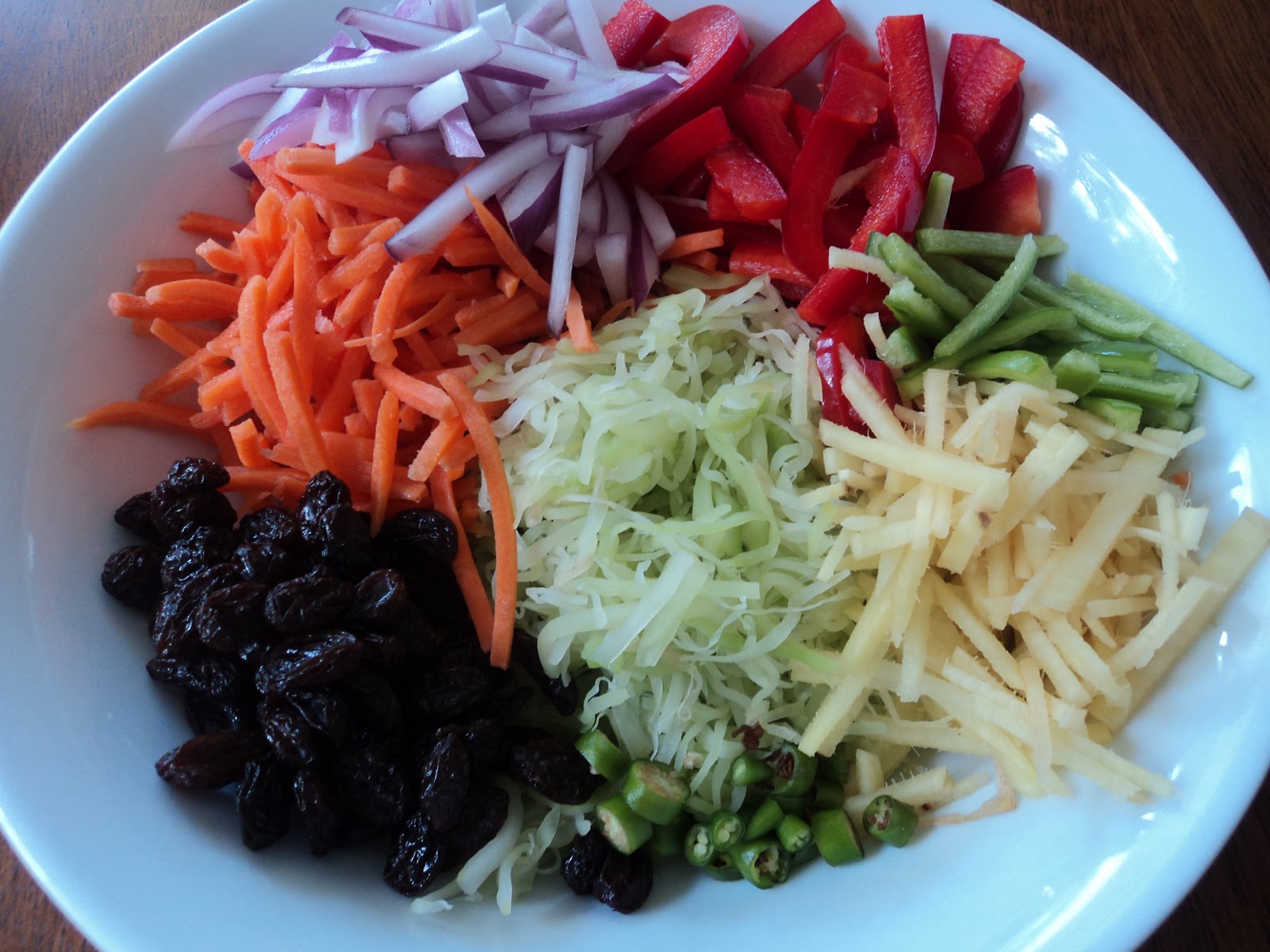
    Tracing the culinary roots of atsara reveals a blend of traditional ingredients that form the foundation of this beloved Filipino pickled dish. The key components include grated unripe papaya, carrots, bell peppers, chile peppers, along with raisins, ginger, onions, and garlic for added flavor.

    These ingredients are then pickled in a solution of vinegar, sugar, and salt, creating the signature sweet and tangy taste of atsara. Variations like atcharang maasim (sour pickles without sugar) or atcharang labóng (pickled bamboo shoots) showcase the versatility of this dish.

    The traditional methods of pickling and the use of green papaya have been passed down through generations, enriching the culinary heritage of Filipino cuisine.

    Traditional Ingredients
    Grated unripe papaya Carrots
    Bell peppers Chile peppers
    Raisins Ginger
    Onions Garlic

    Health Benefits of Atsara

    Atsara offers you low-calorie and low-fat options for a healthier diet. Its fiber-rich content can aid your digestion, thanks to ingredients like papaya and carrots.

    With antioxidants from bell peppers, Atsara provides potential health benefits for your immune system support.

    Nutritional Value of Atsara

    With its low calorie content and rich dietary fiber from ingredients like papaya and carrots, Atsara is a healthy Filipino pickled vegetable condiment. This combination supports digestion and provides essential nutrients for overall health.

    Papaya in Atsara is a good source of vitamins A and C, promoting immune function and skin health. The presence of vinegar in Atsara may aid in digestion and blood sugar control.

    Digestive Benefits of Atsara

    To support your digestive health and overall well-being, consider the digestive benefits of incorporating atsara, a Filipino pickled vegetable condiment, into your diet. Atsara, with its green veggies and probiotics, aids digestion by balancing gut flora and promoting digestive function. The fermentation process in atsara supports gut health, reducing issues like bloating and indigestion.

    Additionally, the acidity from the pickling vinegar helps break down food for easier digestion. By including atsara in your meals, you are contributing to a healthier digestive system and potentially enhancing nutrient absorption from other foods consumed.

    Digestive Benefits of Atsara
    Balances Gut Flora Reduces Bloating Supports Digestive Function

    Immune System Support

    Boost your immune system naturally by incorporating Filipino pickled vegetables, such as atsara, into your diet. Atsara contains probiotics that support gut health and enhance immunity. The fermentation process boosts the bioavailability of essential nutrients like Vitamin C, crucial for immune function.

    Ingredients like papaya, carrots, and bell peppers in Atsara are rich in antioxidants, aiding in combatting free radicals and strengthening the immune system. Regular consumption of Atsara promotes a diverse microbiome, linked to a robust immune response.

    The vinegar and spices in Atsara offer antimicrobial properties, assisting the body in defending against pathogens. Include atsara in your meals for a flavorful way to bolster your immune defenses with these pickled vegetables.

    Common Variants of Atsara

    Exploring the diverse flavors of atsara, various unique variants offer an array of tastes and textures to savor. Here are some common variants to consider:

    1. Dampalit: This variant is made with pickled sea purslane, introducing a unique flavor profile to atsara.
    2. Atcharang Maasim: For those who prefer a tangy alternative, this sour variant of atchara without sugar provides a zesty twist.
    3. Atcharang Labóng: Featuring pickled bamboo shoots, this variant adds a crunchy texture to the traditional dish.

    Each of these variants brings something special to the table, showcasing the versatility of atsara and satisfying your taste buds with a range of exciting flavors.

    Atsara Preparation Process

    After learning about the common variants of atsara, let’s now move on to explore the straightforward Atsara Preparation Process. Atchara is traditionally made by grating unripe papaya and combining it with vegetables like carrots, ginger, bell pepper, onion, and garlic. The vegetables are then mixed with a solution of vinegar, sugar or syrup, and salt to create the pickling liquid.

    Once the vegetables are combined with the pickling solution, the mixture is stored in airtight jars, preferably chilled after opening. To highlight the key ingredients used in making atchara, refer to the table below:

    Ingredients
    Unripe Papaya Vegetables
    Carrots Ginger
    Bell Pepper Onion
    Garlic

    Atsara Vs. Other Pickled Vegetables

    When comparing atsara to other pickled vegetables, its distinct use of green papaya sets it apart from traditional pickled varieties. Here’s how atsara differs:

    1. Ingredients: Atsara includes green papaya, carrots, bell peppers, and chili peppers, offering a diverse mix of flavors and textures.
    2. Flavor Profile: While sauerkraut and kimchi have unique fermentation tanginess, atsara boasts a sweet and tangy taste from cane vinegar and sugar.
    3. Texture and Color: Unlike kimchi’s soft texture and sauerkraut’s pale color, atsara maintains a crisp texture and vibrant appearance due to its quick pickling process.

    Atsara Serving Suggestions

    For a delightful culinary experience, consider incorporating Atsara into your meals for a zesty and refreshing twist. Atsara is commonly served as a side dish or condiment alongside grilled meats like pork barbecue or fried dishes such as lumpia. Its zesty and tangy flavor perfectly balances the richness of fried or grilled meats.

    You can also mix Atsara with rice or use it as a topping for dishes like adobo or sinigang to add a refreshing crunch. The crunchy texture of Atsara contrasts well with soft and savory Filipino dishes, enhancing the overall dining experience. Additionally, Atsara can be enjoyed on its own as a refreshing and palate-cleansing accompaniment to a traditional Filipino meal.

    Atsara as a Cultural Symbol

    Atchara, a beloved cultural symbol in the Philippines, intricately weaves together Indian, Indonesian, and Filipino culinary influences. Its presence at Filipino gatherings highlights the country’s rich pickling traditions. Here’s why atchara holds such cultural significance:

    1. Culinary Fusion: Atchara symbolizes the blending of flavors and techniques from different cultures, showcasing the diversity of Filipino cuisine.
    2. Heritage Preservation: Many families have their own atchara recipes, passed down through generations, preserving pickling traditions unique to each household.
    3. Celebratory Element: Being a staple at festivities, atchara not only adds flavor but also represents the vibrant and dynamic nature of Filipino celebrations.

    Atsara in Filipino Festivities

    During Filipino festivities, Atsara shines with its festive varieties and unique serving traditions that enhance the dining experience. Its vibrant colors and tangy flavors add a celebratory touch to the table, symbolizing the joy and abundance of special occasions in Filipino culture.

    You’ll find Atsara as a staple side dish that perfectly complements traditional dishes, bringing a blend of sweet, sour, and savory tastes to the feast.

    Festive Atsara Varieties

    In Filipino festivities, you’ll find an array of vibrant and flavorful Atsara varieties, adding a colorful and tangy touch to celebratory tables.

    1. Special Ingredients: Festive Atsara varieties may feature unique ingredients like raisins, pineapple, and red pepper flakes, enhancing the flavor profile and creating a more dynamic dish.
    2. Regional Twists: Different regions in the Philippines offer their own spin on Atsara, incorporating local flavors and ingredients to tailor the pickled vegetables to the specific occasion and cultural traditions.
    3. Versatile Accompaniment: Atsara’s versatility makes it a popular choice for special events, providing a refreshing and zesty contrast to the rich and savory dishes commonly served during Filipino celebrations.

    Atsara Serving Traditions

    As you explore Filipino festivities, immerse yourself in the vibrant traditions surrounding the serving of Atsara, adding a lively touch to celebratory gatherings. Atsara, made from unripe papaya, carrots, and other vegetables, holds a special place in Filipino culture during events like fiestas, weddings, and family gatherings.

    This pickled delight is a traditional accompaniment to popular Filipino dishes like lechon, adobo, and grilled meats, enhancing the overall dining experience. Its tangy and sweet flavors provide a refreshing contrast to the richness of these dishes.

    The vibrant colors and crunchy texture of atsara not only add visual appeal to the dining table but also symbolize prosperity, good luck, and abundance in Filipino celebrations.

    Tips for Making Perfect Atsara

    For the best texture and flavor in your atsara, julienne the green papaya, carrots, and bell peppers.

    Tips for Making Perfect Atsara:

    1. Julienne Your Vegetables: Cutting the green papaya, carrots, and bell peppers into thin strips ensures a harmonious blend of flavors in every bite.
    2. Salt Your Vegetables: Salting the vegetables helps maintain a crisp and crunchy texture by drawing out excess moisture.
    3. Marinate Wisely: Allowing your atsara to marinate for 24-48 hours lets the pickling liquid, with vinegar, sugar, salt, pepper, and garlic, infuse the vegetables with tangy and sweet flavors.

    Atsara: A Versatile Condiment

    To fully appreciate the versatility of atsara as a condiment, explore its ability to elevate a wide range of dishes with its tangy, sweet, and slightly spicy flavors. Green papaya, the primary ingredient in atsara, adds a unique crunch and freshness to the condiment.

    This versatile Filipino pickled vegetable can be paired with grilled meats, fried dishes, or even enjoyed on its own as a refreshing side. The addition of carrots, bell peppers, and chile peppers further enhances its texture and flavor profile, making it a perfect accompaniment to savory meals.

    Similar to other Asian pickled vegetables, atsara’s tangy kick can bring a delightful contrast to rich and heavy dishes, making it a must-have in your culinary arsenal.

    What Vegetables Can Be Used in Filipino Pickled Atsara?

    Filipino pickled papaya recipe, also known as atsara, typically includes shredded green papaya as the main ingredient. Carrots, red bell peppers, and ginger are also commonly used in this tangy, sweet and sour relish. Other vegetables such as cucumber, green mango, and green beans can also be added for variety.

    Atsara: Where to Find and Buy

    You can easily find atsara in Filipino grocery stores, Asian markets, or through online retailers specializing in Filipino products. Look for it conveniently packed in jars or bottles for easy storage and use.

    If you prefer homemade options, local vendors or food fairs and festivals may also offer atsara for purchase.

    Stores Selling Atsara

    When searching for stores that sell Atsara, Filipino grocery stores and markets specializing in Filipino ingredients are prime locations to explore. Here are three places where you can find this tangy pickled vegetable dish:

    1. Asian Supermarkets: Due to the popularity of Atsara in Filipino cuisine, some Asian supermarkets may carry this delicious pickled treat.
    2. Online Filipino Food Stores and Websites: You can also purchase Atsara online through various Filipino food stores and websites, making it accessible no matter where you are.
    3. International Food Specialty Stores: Specialty stores focusing on international foods often include Atsara in their condiment section, giving you the opportunity to explore and add this unique flavor to your dishes.

    Online Atsara Retailers

    Exploring online Atsara retailers opens up a convenient way to purchase this tangy Filipino pickled vegetable condiment. You can find authentic Atsara in various jar sizes to suit your preferences. Some retailers even offer bundles or variety packs for those keen on trying different flavors. Here is a table showcasing some online platforms and stores where you can purchase Atsara:

    Online Retailer Description
    FilipinoGrocery.com Offers a wide selection of Atsara varieties
    TasteOfPH.com Specializes in premium homemade Atsara
    Atsaraland.ph Allows customization of Atsara orders
    PinoyPantry.com Provides Atsara bundles for convenience

    Homemade Atsara Options

    For those seeking a homemade touch to their atsara experience, exploring DIY recipes offers a rewarding culinary adventure with Filipino pickled vegetables.

    If you want to try making your own atsara, consider the following:

    1. Get Creative: Experiment with ingredients like green papaya, carrots, bell peppers, and a vinegar-based brine to create your unique atsara blend.
    2. Customize Your Flavor: Add in extras such as raisins, ginger, garlic, or chile peppers to tailor the taste of your atsara to your liking.
    3. Adjust to Taste: Control the sweetness, tanginess, and spiciness levels to match your preferred flavor profile when making atsara at home.

    Frequently Asked Questions

    What Is the Explanation of Atchara?

    Atchara is a Filipino pickled condiment made from unripe papaya and veggies, preserved in vinegar, sugar, and salt for a sweet-tangy taste. It’s a side dish enhancing Filipino meals, with variants like pickled sea purslane, bamboo shoots, and palm hearts.

    What Preservation Method Is Used in Atchara?

    To preserve atchara, a sweet and tangy brine made of vinegar, sugar, and salt inhibits harmful bacteria growth. The acidity of vinegar creates a bacteria-unfriendly environment, aiding preservation. Seal jars and refrigerate for freshness.

    What Are the Different Types of Atchara?

    Explore the diverse world of Atchara with types like Atcharang maasim, Atcharang labóng, and Atcharang ubod. Each variant offers unique flavors, showcasing the rich pickling traditions of Filipino cuisine. Dive in and savor the variety!

    Is Atsara Same as Sauerkraut?

    No, atsara is not the same as sauerkraut. Atsara is a Filipino pickled vegetable dish with green papaya, offering a sweet and tangy taste. Sauerkraut, on the other hand, is a German pickled cabbage that has a sour and fermented flavor.

    Conclusion

    You now know all about atsara, a delicious Filipino pickled vegetable condiment with origins in Indian achar.

    With its unique combination of ingredients and health benefits, atsara is a versatile addition to Filipino cuisine.

    Whether you make it at home or buy it ready-made, atsara is sure to add a flavorful punch to your meals.

    Enjoy experimenting with different variations and incorporating atsara into your favorite dishes!

  • Burong Isda: Understanding Fermented Rice & Fish

    Burong Isda: Understanding Fermented Rice & Fish

    Burong Isda, a Filipino dish, is made by fermenting raw fish with rice, creating a tangy and unique flavor. It is served as a condiment and believed to have health benefits due to probiotics.

    Key Takeaways

    • Burong Isda originates from central Luzon, showcasing expertise in lactic acid fermentation.
    • It is a traditional Filipino culinary practice, symbolizing community gatherings and shared history.
    • The fermentation process involves raw fish, rice, salt, ginger, and tomatoes, taking about a week.
    • Burong Isda is a cherished dish during celebrations, passed down through generations, and served with various accompaniments.

    The History of Burong Isda

    Originating from central Luzon, the history of Burong Isda traces back centuries as a traditional Filipino culinary practice. This dish has been passed down through generations, showcasing the Filipino expertise in lactic acid fermentation.

    The process of fermenting fish with rice and lactic acid bacteria results in a unique sour and salty flavor that’s distinct to Burong Isda. This traditional method of food preservation has stood the test of time, with each household adding its own touch to the recipe.

    The roots of Burong Isda run deep in Filipino culture, reflecting the importance of preserving heritage through culinary practices. Embracing this traditional dish connects you to the rich history and flavors that define Filipino cuisine.

    Cultural Significance of Burong Isda

    The cultural significance of Burong Isda lies in its role in festive traditions and its contribution to the culinary heritage of central Luzon.

    This fermented dish isn’t just a meal but a symbol of community gatherings and celebrations.

    Festive Traditions

    During festive occasions and celebrations, Burong Isda stands out as a cherished traditional Filipino dish. Families gather around tables filled with an array of dishes, but Burong Isda holds a special place with its unique fermented fish flavor. Passed down through generations, the art of making Burong Isda is more than just a culinary tradition; it is a symbol of cultural heritage.

    Below is a table showcasing how Burong Isda enriches festive gatherings:

    Enhancements Importance Memorable Experiences
    Rich flavor profile Preserving heritage Culinary delight
    Textural complexity Connecting generations Festive ambiance
    Aromatic appeal Cultural significance Shared family recipes

    The presence of Burong Isda at celebrations signifies not just a meal but a shared history and a flavorful link to Filipino roots.

    Culinary Heritage

    Exploring the culinary heritage of Burong Isda unveils a tapestry of flavors that intricately weave together tradition and taste. Fermentation plays a vital role in the creation of this dish, giving it a unique tangy flavor that sets it apart.

    The process of fermenting fish and rice together creates a distinctive umami taste that has been passed down through generations in central Luzon. Burong Isda isn’t just a dish; it’s a representation of Filipino culinary tradition and cultural identity.

    The careful preparation and storage of this fermented fish product reflect the importance of cleanliness and attention to detail in Filipino cuisine. Each bite of Burong Isda is a connection to the past, a celebration of flavors that have stood the test of time.

    Ingredients Used in Burong Isda

    When preparing Burong Isda, gather raw filleted fish, cold cooked rice, salt, minced ginger, and tomatoes as essential ingredients. Here are the key components to create this traditional dish:

    1. Raw Filleted Fish: Choose fish like tilapia or bangus for the base of the dish.
    2. Cold Cooked Rice: Used as a substrate for the fermentation process.
    3. Salt: Adjust based on taste preference and fermentation duration.
    4. Minced Ginger and Tomatoes: Add for flavor enhancement during fermentation.

    These ingredients, when combined and fermented properly, result in the unique and flavorful Burong Isda. Mastering the art of balancing these components will lead to a delightful and authentic Filipino culinary experience.

    The Fermentation Process of Burong Isda

    To initiate the fermentation process of Burong Isda, ensure the mixture of cold cooked rice, raw filleted fish, salt, minced ginger, and tomatoes is thoroughly combined in a clean container. Salt plays a crucial role in the fermentation process, affecting both the duration and taste of the dish.

    Here is a table summarizing the key steps in the fermentation process:

    Fermentation Process Steps Details
    Mix Ingredients Combine rice, fish, salt, ginger, and tomatoes
    Fermentation Time Approximately a week
    Stirring Frequency Every 3 to 4 days during fermentation

    Flavor Profile of Burong Isda

    When it comes to the flavor profile of Burong Isda, get ready for a tangy kick from the fermentation process that infuses the dish with sour and salty notes.

    The umami-rich flavors of the fish are enhanced during fermentation, creating a complex taste that evolves over time.

    As Burong Isda ages, its sourness intensifies, offering a unique culinary experience with each bite.

    Tangy Fermentation Process

    During the fermentation process of Burong Isda, lactic acid bacteria develop, infusing the dish with its distinctive tangy flavor. Here’s why it matters:

    1. Lactic acid fermentation leads to the tangy taste that defines Burong Isda.
    2. The growth of lactic acid bacteria during fermentation enhances the dish’s unique flavor.
    3. Over time, the tangy profile of Burong Isda intensifies, becoming more sour.
    4. The accumulation of lactic acid from rice and fish fermentation creates the slightly acidic tang in Burong Isda.

    Understanding how lactic acid bacteria and the fermentation process contribute to the tangy notes of Burong Isda helps you appreciate the intricate flavors of this traditional dish.

    Umami-Rich Fish Flavors

    Enhancing the natural flavors of fish through fermentation with rice, Burong Isda offers a unique umami-rich taste profile.

    The fish, fermented with salt and rice, develops a savory and tangy flavor that’s heightened by lactic acid bacteria. This process transforms the combination of rice and fish into a complex and appetizing experience, rich in umami notes.

    The umami-rich flavor of fermented fish in Burong Isda provides a depth of taste that’s both distinct and highly appealing in Filipino cuisine.

    If you enjoy bold and savory flavors, the umami-rich profile of Burong Isda is sure to satisfy your taste buds and introduce you to a unique culinary experience.

    Health Benefits of Burong Isda

    Consuming Burong Isda can significantly benefit your health due to its rich probiotic content from lactic acid bacteria involved in the fermentation process. Here are the health benefits of Burong Isda:

    1. Improved Gut Health: The probiotics in Burong Isda support a healthy gut flora, aiding digestion.
    2. Enhanced Nutrient Absorption: Fermentation enhances the bioavailability of nutrients in rice and fish.
    3. Boosted Enzyme Levels: Regular consumption of Burong Isda can increase beneficial enzyme levels in your body.
    4. Stronger Immune System: The lactic acid bacteria in Burong Isda may help support a robust immune system.

    Incorporating Burong Isda into your diet could contribute to overall well-being by promoting digestive health, nutrient absorption, enzyme production, and immune function.

    Serving and Pairing Burong Isda

    To fully enjoy the unique flavors and textures of Burong Isda, it is essential to know how to serve and pair this traditional dish. When serving Burong Isda, consider pairing it with boiled eggplant or mustard leaves as traditional side dishes. The tangy and savory notes of the fermented rice and fish blend well with steamed rice, balancing the flavors perfectly.

    For added texture and taste, try serving Burong Isda with fried fish or grilled vegetables. The sourness of Burong Isda also complements dishes with rich sauces or strong flavors. To round out a complete meal, consider pairing Burong Isda with a simple salad or pickled vegetables to introduce a fresh element to the plate.

    Serving Suggestions Pairing Options
    Boiled eggplant Steamed rice
    Mustard leaves Fried fish
    Grilled vegetables Rich sauces
    Pickled vegetables Simple salad

    Regional Variations of Burong Isda

    Regional diversity enriches the essence of Burong Isda, showcasing a tapestry of flavors and techniques across the Philippines. When exploring regional variations of this dish, you may find:

    1. Different types of fish being used, each contributing its unique flavor profile to the fermented rice mixture.
    2. Variances in ingredient proportions, influencing the overall taste and texture of the Burong Isda.
    3. Specific local fish varieties preferred in certain regions, adding a distinctive touch to the dish.
    4. Diverse fermentation processes employed, affecting the final outcome of the rice and fermented fish combination.

    These regional differences highlight the rich culinary heritage of the Philippines, offering a glimpse into the creativity and diversity present in Burong Isda preparation.

    Tips for Making Burong Isda at Home

    For successful homemade Burong Isda, start by selecting fresh filleted fish such as tilapia or bangus. Ensure the rice is cold before mixing it with salt and ginger for fermentation. Stir the mixture every 3 to 4 days. Adjust salt for desired fermentation time. Seal the container with salt to prevent mold growth. Here are some helpful tips presented in a table format:

    Tips for Making Burong Isda
    Use fresh fish fillets
    Ensure cold cooked rice
    Stir mixture every 3-4 days

    Preservation and Storage of Burong Isda

    When preserving and storing Burong Isda, proper sealing is crucial to prevent spoilage and mold formation. Here are some essential tips for preserving your fermented dish effectively:

    1. Store in a cool, dry place: Keep your Burong Isda away from direct sunlight to maintain its quality.
    2. Use airtight containers: Properly sealed containers are key to preventing spoilage and mold growth.
    3. Enhance flavor through fermentation: Extended fermentation can enhance the flavor profile of Burong Isda over time.
    4. Consider refrigeration: Refrigeration can slow down fermentation, extending the shelf life of your Burong Isda.

    Popular Burong Isda Recipes

    Explore the world of Burong Isda with traditional varieties, modern fusion recipes, and regional flavor influences.

    Discover how different fish choices and cooking methods can create unique and delicious versions of this fermented rice and fish dish.

    Try out new combinations and techniques to elevate your Burong Isda experience.

    Traditional Burong Isda Varieties

    Traditional Burong Isda varieties showcase a diverse range of flavors and textures by utilizing different fish types like tilapia, bangus, salmon, mudfish, or shrimp in the fermentation process.

    1. Tilapia brings a mild and slightly sweet taste to the Burong Isda.
    2. Bangus offers a rich and savory flavor that’s popular among many.
    3. Salmon adds a unique twist with its buttery texture and delicate taste.
    4. Mudfish provides a more robust and earthy flavor profile to the fermented dish.

    Each of these fish varieties contributes distinct characteristics to the Burong Isda, allowing for a wide array of taste experiences. The fermentation process not only preserves the fish but also enhances its flavors by blending them with the rice and spices, creating a harmonious culinary delight.

    Modern Fusion Recipes

    To modernize the traditional Burong Isda varieties, chefs have introduced innovative fusion recipes incorporating new ingredients and creative twists. Some popular fusion recipes include Burong Isda with coconut milk, chili, and lemongrass for a flavorful kick. Adding vegetables like squash, okra, and string beans to Burong Isda provides a unique twist on the traditional dish.

    For a modern fusion experience, chefs have crafted Burong Isda sushi rolls, Burong Isda tacos, and Burong Isda spring rolls, blending traditional flavors with new culinary techniques. Experimenting with different fish types such as tuna, mackerel, and even seafood like shrimp adds diversity to the Burong Isda dishes.

    These fusion recipes aim to introduce a wider audience to the delights of fermented rice and fish in exciting and innovative ways.

    Regional Flavor Influences

    Regional flavor influences in Popular Burong Isda Recipes can be diverse, reflecting the culinary creativity of different regions in the Philippines.

    Some regions use different types of fish like tilapia or bangus fillets to create unique flavors.

    Ingredients such as ginger and tomatoes are added in various regions to enhance the taste of Burong Isda.

    The amount of salt used plays a crucial role in determining the fermentation time and final flavor of the dish.

    Experimenting with fish variations like salmon fillet, mud fish, or shrimp can result in a wide range of flavor profiles in Burong Isda.

    Is Fermented Rice and Fish Safe to Eat?

    Yes, fermented fish and rice are safe to eat when prepared properly. In many cultures, these fermented foods are a staple and are enjoyed for their unique flavors and health benefits. Just make sure to source these items from reputable sources to ensure their safety for consumption.

    Future Trends in Burong Isda Production

    With the surge in interest in Filipino fermented delicacies, the outlook for Burong Isda production is poised for dynamic evolution to meet modern demands and global markets.

    Traditional fermented foods like Burong Isda are gaining popularity, leading to a growing demand for authentic dishes in the culinary world.

    To cater to this trend, the adoption of modern fermentation techniques and packaging methods is on the rise, ensuring improved quality and extended shelf life for Burong Isda.

    Moreover, there’s a potential for commercial production and export of Burong Isda to tap into the global market.

    Collaboration opportunities between researchers, chefs, and food manufacturers are also emerging to enhance the production processes of Burong Isda, paving the way for a promising future in this traditional fermented delicacy.

    Frequently Asked Questions

    Is Burong Isda Fermented?

    Yes, burong isda is indeed fermented. The process involves raw fish, cold cooked rice, and salt left to ferment for about a week. Lactic acid bacteria are crucial, and the longer it ferments, the more sour it gets, enhancing its flavor.

    What Is the Science Behind Fermented Rice?

    When you ferment rice, lactic acid bacteria break down carbohydrates into lactic acid. This process not only gives rice its unique sour taste but also boosts its nutritional content and makes it easier to digest.

    What Is Fermented Fish and Rice?

    Fermented fish and rice, or Burong Isda, is a traditional Filipino dish. It involves fermenting freshwater fish and rice with lactic acid bacteria. The process lasts 7 to 10 days, resulting in a sour and salty taste.

    Is Burong Isda Safe to Eat?

    Yes, Burong Isda is safe to eat when prepared correctly. Make sure hands, utensils, and cooking area are clean. The fermentation process preserves it by creating an acidic environment that stops harmful bacteria.

    Conclusion

    Now that you understand the process and flavors of Burong Isda, try making it at home to experience this traditional Filipino dish for yourself.

    With its unique sour and salty taste, Burong Isda is a delicious and culturally significant dish that’s sure to impress your taste buds.

    Don’t forget to experiment with different recipes and storage times to find your perfect flavor profile.

    Enjoy the rich history and flavors of Burong Isda in your own kitchen today!

  • Tapa: Cured & Dried Meat, Filipino Style

    Tapa: Cured & Dried Meat, Filipino Style

    Tapa is a Filipino-style cured and dried meat influenced by Spanish techniques, offering diverse flavor profiles with ingredients like calamansi juice and soy sauce. Traditional tapa involves marinating, drying, and slicing meat for optimal flavor, making it a significant element in Filipino cuisine.

    Key Takeaways

    • Tapa is a Filipino style cured and dried meat influenced by Spanish techniques.
    • Traditional tapa involves marinating, drying, and slicing meat for optimal flavor.
    • Tapa offers diverse flavor profiles with ingredients like calamansi juice, soy sauce, garlic, and sugar.
    • Tapa can be enjoyed in various ways, from breakfast tapsilog to appetizers, sandwiches, and more.

    The History of Tapa

    The history of tapa traces back to the preservation methods of smoked fish and meat in the Philippines before evolving into the curing and drying techniques influenced by Spanish colonization. Beef Tapa, a staple in Filipino cuisine, exemplifies this tradition.

    Originally, tapa referred to fish or meat preserved through smoking in Philippine languages. Over time, Spanish influence led to the transformation of tapa into meats cured and dried for preservation. The term ‘tapa’ itself is derived from the Proto-Malayo-Polynesian word *tapa, signifying preserved meat.

    Traditional preparation methods involve curing, drying, and slicing meat into small pieces before cooking. This process has become a significant element in Filipino cuisine, often enjoyed with rice and condiments like vinegar or ketchup, showcasing the rich heritage of tapa in Filipino culinary culture.

    Ingredients for Making Tapa

    To craft delicious tapa, focus on key ingredients like sirloin steak, salt, sugar, garlic, and spices for a flavorful mix. Experiment with calamansi juice, soy sauce, and pepper to create diverse taste profiles.

    Key Tapa Ingredients

    When making tapa, your key ingredients include thinly-sliced sirloin steak, garlic, salt, sugar, and cooking oil. Here are some essential components for creating this flavorful Filipino dish:

    • Thinly-Sliced Sirloin Steak: Provides the meaty base for tapa.
    • Garlic: Adds a rich and aromatic flavor to the marinade.
    • Salt: Enhances the taste of the sirloin slices.
    • Sugar: Balances the flavors and helps in caramelization.

    These ingredients work together to give tapa its unique taste and texture. By combining these elements skillfully, you can create a delicious and satisfying tapa dish that will surely delight your taste buds.

    Preparation Techniques

    Pound the thinly-sliced sirloin steak and marinate it with garlic, salt, and sugar to prepare the base for making tapa. This process helps infuse the meat with savory and sweet flavors that are characteristic of tapa. Ensure the sirloin slices are thinly cut to allow for better absorption of the marinade.

    Let the meat sit in the marinade for a few hours or overnight in the refrigerator for optimal taste. Marinating the meat not only tenderizes it but also enhances its overall taste profile.

    Once marinated, proceed to dry the slices in the oven at 400°F for about 15 minutes to aid in the preservation process. Following these steps will set the stage for delicious homemade tapa.

    Flavor Profiles

    For crafting authentic Filipino tapa, blend together tangy calamansi juice, savory soy sauce, aromatic minced garlic, sweet sugar, and a hint of pepper for a flavorful marinade.

    • Calamansi Juice: Provides a tenderizing citrusy tang to the marinade.
    • Soy Sauce: Contributes umami richness and enhances the savory taste.
    • Minced Garlic: Adds layers of flavor and aromatic essence.
    • Sugar: Balances flavors and helps caramelize the meat during cooking.

    These ingredients come together to create a marinade that gives tapa its distinctive Filipino taste. The combination of tanginess, savory notes, sweetness, and a touch of heat from the pepper ensures a well-rounded flavor profile that will leave you craving more.

    Traditional Tapa Marinade Recipe

    Tapa Marinade Ingredients

    To create the traditional tapa marinade, combine calamansi juice, soy sauce, minced garlic, sugar, salt, and pepper for a well-balanced flavor profile that enhances the cured and dried meat preparation.

    Here are some key ingredients that make up the flavorful tapa marinade:

    • Calamansi juice: Adds tanginess and helps tenderize the meat.
    • Soy sauce: Provides savory notes and enhances the umami flavors in the meat.
    • Minced garlic: Adds depth and richness to the marinade.
    • Sugar, salt, and pepper: Balance the flavors and season the meat perfectly.

    These ingredients work together to create a marinade that complements the cured and dried meat preparation, giving traditional Filipino tapa its distinct taste.

    Marinating Process Tips

    Wondering how to elevate your tapa marinade to perfection?

    When marinating your tapa, pay special attention to the process. Start by combining calamansi juice for tenderness, soy sauce for savory depth, fresh minced garlic for flavor, and the right balance of sugar, salt, and pepper for seasoning.

    Focus on the soy sauce—it enhances the umami and savory notes, elevating the meat’s taste. Allow the meat to marinate for at least a few hours or ideally overnight to absorb all the delicious flavors.

    Flavor Infusion Techniques

    To infuse traditional tapa with rich flavors, combine calamansi juice, soy sauce, garlic, sugar, salt, and pepper in a balanced marinade. Here are some key tips for creating a flavorful traditional tapa marinade:

    • Use calamansi juice for tenderizing the meat.
    • Incorporate soy sauce for savory notes.
    • Add garlic for depth of flavor.
    • Balance the marinade with sugar, salt, and pepper.

    These ingredients work together to create a delicious Filipino taste that pairs perfectly with dishes like Fried Tapa and Sinangag (Garlic Fried Rice).

    Experiment with the marinade proportions to suit your taste preferences and enjoy the flavorful results with your tapa dishes.

    How to Prepare Beef for Tapa

    For optimal tenderness and flavor in your beef tapa, start by selecting thinly sliced sirloin steak, typically about 1/4 inch thick. Pound the beef slices with a mallet to flatten them evenly for curing and cooking. A marinade of garlic, salt, sugar, and sometimes vinegar or calamansi juice enhances the flavor.

    Traditional beef tapa is dried in the oven or sun, while modern versions may skip the drying process and go straight to cooking. Properly cured and cooked beef tapa should be flavorful, tender, and have a slightly sweet and savory taste profile.

    Ingredients Instructions
    Sirloin steak Thinly slice
    Garlic Pound with mallet
    Salt Flatten evenly
    Sugar Marinate

    Curing and Drying Process

    To properly cure and dry Filipino tapa, start by marinating thinly sliced meat in a mixture of salt, sugar, garlic, and other spices. Here are some key steps to follow:

    • Ensure the meat is thinly sliced to aid in the curing process.
    • Massage the marinade into the meat thoroughly to ensure it’s evenly seasoned.
    • Allow the meat to marinate for an adequate amount of time to absorb the flavors.
    • Choose a suitable drying method such as sun drying or using an oven to remove moisture and develop the desired texture.

    Following these steps will help you achieve delicious and flavorful Filipino tapa that can be enjoyed in various dishes.

    Different Ways to Enjoy Tapa

    You can savor tapa for breakfast alongside salted eggs, tomatoes, and vinegar, creating a traditional Filipino morning feast.

    As an appetizer, tapa pairs perfectly with atchara, offering a delightful contrast of flavors.

    For a heartier meal, use tapa as a filling in sandwiches or wraps to enjoy its savory goodness on the go.

    Tapa for Breakfast

    When enjoying tapa for breakfast, savor the delightful blend of savory cured meat, garlic-fried rice, and a protein-rich egg in the classic Filipino dish tapsilog.

    • Start your day with a flavorful tapa recipe that combines sweet, savory, and tangy flavors.
    • Dive into the satisfying crunch of sinangag, the garlic-infused fried rice that complements tapa perfectly.
    • Indulge in a perfectly cooked fried egg, adding richness to the tapsilog experience.
    • Mix the flavors together for a hearty breakfast that will keep you energized throughout the morning.

    Tapa as Appetizer

    Savoring tapa as an appetizer unveils a world of possibilities with its savory and slightly sweet flavors, perfect for pairing with various accompaniments.

    Enjoy tapa by dipping it in vinegar or soy sauce for an extra kick. For a complete meal, serve tapa with salted eggs, tomatoes, and a side of rice.

    Tapa’s versatility shines in dishes like salads, wraps, or pasta, adding a unique flavor to your menu. Its savory taste makes it a popular snacking choice or a delightful party dish.

    The rich umami flavor of tapa also pairs well with beverages such as beer, soda, or cocktails, offering a flavorful appetizer experience. Try tapa in different ways to discover your favorite combination!

    Tapa in Sandwiches

    To enjoy tapa in sandwiches, consider using pan de sal, a traditional Filipino bread roll, as the base for a delightful culinary experience.

    • Add a Fried Egg: Enhance your tapa sandwich by adding a perfectly fried egg on top for a delicious twist.
    • Include Fresh Tomatoes: Incorporate slices of fresh tomatoes for a burst of juicy flavor in every bite.
    • Top it with Lettuce: Crisp lettuce leaves can add a refreshing crunch to your tapa sandwich.
    • Sprinkle Some Cheese: Elevate your sandwich with a sprinkle of cheese, adding a creamy and savory element to the mix.

    These combinations of dried cured beef, a fried egg, and fresh toppings create a mouthwatering tapa sandwich perfect for breakfast or snack time.

    Tapa Variations Across the Philippines

    Across the Philippines, tapa variations showcase regional differences in curing methods, seasonings, and meat choices. While beef tapa is a common choice, some regions use carabao meat, adding a unique twist to the traditional dish. In certain areas, tapa is made from deer or wild boar, highlighting the diverse meat options in Filipino cuisine.

    The seasonings vary from vinegar, soy sauce, to local spices, influencing the overall flavor profile of the tapa. Cooking techniques also differ, with some regions grilling, smoking, or air-drying the cured meat before serving. These variations reflect the rich culinary heritage of the Philippines, offering a glimpse into the diverse tastes and preferences found across the different regions.

    Health Benefits of Tapa

    How can incorporating tapa into your diet contribute to your overall health and well-being? Tapa offers various health benefits that can enhance your diet and lifestyle. Consider the following:

    • Rich in Protein: Tapa provides a good source of protein, essential for muscle growth and repair in your body.
    • Low in Carbs: For those following a low-carb or ketogenic diet, tapa can be a flavorful option due to its minimal carbohydrate content.
    • Preservation: The curing process in tapa helps in preserving the meat, extending its shelf life without the need for refrigeration.
    • Nutrient Retention: Drying tapa under the sun can help retain some nutrients like Vitamin D.

    Incorporating tapa in moderation can be a beneficial addition to your diet, especially for those looking to increase protein intake while keeping carbs low.

    Tapa: A Versatile Filipino Dish

    Tapa, a versatile Filipino dish, showcases the rich flavors and tender textures of cured and dried beef, commonly prepared with a blend of soy sauce, calamansi juice, garlic, sugar, salt, and pepper. This marinade gives tapa its distinct savory taste, making it a popular choice for various meals.

    Apart from beef, tapa can also be made with chicken, pork, carabao, deer, or wild boar, highlighting its flexibility and adaptability to different meats. Whether air-dried, smoked, or cooked immediately, tapa offers a range of textures and flavors to cater to individual preferences.

    Its role in dishes like ‘tapsilog,’ combining tapa with garlic-fried rice and a fried egg, makes it a beloved and satisfying meal enjoyed throughout the day.

    Tapa Serving Suggestions

    For a satisfying meal experience with tapa, consider these serving suggestions that elevate its flavors and complement its rich taste profile.

    • Pair with sinangag: The garlic fried rice adds a flavorful and aromatic element to your tapa dish.
    • Add a side of itlog: A sunny-side-up or scrambled egg can enhance the overall taste and texture of your meal.
    • Serve with vinegar dipping sauce: Elevate the flavors of tapa by dipping each bite into a tangy vinegar sauce.
    • Include atchara or sliced tomatoes: For a refreshing contrast, add pickled vegetables or fresh tomatoes to your plate.

    Enjoy your tapa meal with these delicious accompaniments to create a truly satisfying Filipino dining experience.

    Tips for Perfecting Your Tapa

    To perfect your tapa, thinly slice the meat across the grain for optimal tenderness and texture. When marinating, use a flavorful mix of calamansi juice, soy sauce, garlic, sugar, salt, and pepper. To ensure ideal consistency, briefly freeze the meat before thinly slicing it. When cooking, boil the beef in a mixture of water and oil until the water evaporates for a tender result.

    Here is a helpful table summarizing the key tips for perfecting your tapa:

    Tips for Perfecting Your Tapa
    Thinly slice meat across the grain
    Marinate with calamansi juice, soy sauce, garlic, sugar, salt, and pepper
    Briefly freeze meat before slicing
    Boil beef in water and oil until water evaporates

    Can I Use Tapa in Humba as a Substitute for Braised Pork?

    Yes, you can use tapa in humba as a substitute for braised pork. Tapa, a type of cured meat, adds a unique flavor to this sweet savory pork recipe. Its salty and slightly sweet taste complements the rich and tender flavors of humba, creating a delicious fusion of flavors.

    Making Tapa at Home

    Begin your homemade tapa journey by selecting your preferred meat and preparing a flavorful marinade to enhance its taste and tenderness.

    When making tapa at home, consider these tips:

    • Choose high-quality beef cuts like sirloin or flank steak for a tender texture.
    • Create a marinade using soy sauce, calamansi juice, garlic, sugar, and black pepper for a perfect balance of flavors.
    • Slice the beef thinly against the grain to ensure tenderness.
    • Marinate the beef for at least 6 hours or overnight in the refrigerator to allow the flavors to penetrate the meat.

    Enjoy the process of marinating beef and savoring the delicious results of your homemade tapa creation.

    Frequently Asked Questions

    What Kind of Preservation Is Tapa?

    Tapa is a method of preservation that involves curing and drying meat with salt and spices. It helps extend the shelf life of the meat while enhancing its flavors. The traditional process includes air-drying or sun-drying the meat.

    What Is Beef Tapa Made Of?

    Beef tapa is made of thinly-sliced beef cured with salt, soy sauce, calamansi juice, garlic, sugar, and pepper. It offers a range of flavors from tangy calamansi juice, savory soy sauce, to the depth of garlic, and is commonly enjoyed in the Filipino dish ‘tapsilog.’

    Where Is Tapa Made Of?

    You can find tapa made from various meats like beef, chicken, pork, carabao, deer, wild boar, or horse. The thin slices are cured with salt, spices, and seasonings for flavor. Tapa is a versatile Filipino dish enjoyed for its savory flavors.

    What Is the Meaning of Tapsilog?

    Tapsilog means a flavorful Filipino breakfast dish made of tapa (cured meat), sinangag (garlic-fried rice), and itlog (egg). It’s a hearty and satisfying meal that’s popular all day. Try it for a taste of Filipino breakfast culture.

    Conclusion

    In conclusion, making tapa at home is a simple yet rewarding process that allows you to enjoy this delicious Filipino-style cured and dried meat anytime you want.

    With the right ingredients, marinade, and preparation techniques, you can create a flavorful and versatile dish that can be enjoyed on its own or paired with other Filipino favorites.

    So why not give it a try and impress your friends and family with your homemade tapa skills!

  • Tuyo: The Filipino Dried Fish Staple

    Tuyo: The Filipino Dried Fish Staple

    “Tuyo” (also spelled “tuyo”) refers to dried fish, specifically a type of dried fish dish popular in the Philippines. It’s a method of food preservation, where fish is salted and dried, typically under the sun or in air, to remove moisture and prolong its shelf life.

    Traditional Method:
    Tuyo is made by salting the fish and then drying it either in the sun, air, or sometimes using heat or smoke, according to Recipedia. This process removes moisture, preventing spoilage.
    Common Varieties:
    While the term “tuyo” often refers to dried herring, it can also be used for other types of dried fish, such as bangus (milkfish), galunggong (yellowfin goby), or even danggit (rabbitfish). Wikipedia notes that “daing” can also refer to sun-dried fish, and tuyo can also be used as a synonym for “bulad,” which means “sun-dried”.
    Culinary Use:
    Tuyo is a popular ingredient in Filipino cuisine, often eaten with rice or used in various dishes like fried tuyo, tuyo pinakbet (stewed tuyo), or even added to sinigad (sour soup).
    Preservation Technique:
    The drying process significantly reduces the water content of the fish, which helps prevent the growth of bacteria and spoilage.

    The Origins of Tuyo

    Tuyo, with its roots tracing back to the necessity of preserving fish in the Philippines, has become a longstanding tradition in Filipino culinary culture. The salting process involved in making tuyo plays a crucial role in its preservation, allowing it to be stored without the need for refrigeration.

    This method of preservation dates back generations and has solidified tuyo as a staple in Filipino cuisine. The salty and savory flavor profile achieved through the salting process gives tuyo its distinct taste, making it a versatile ingredient that can be enjoyed in various dishes.

    The popularity of tuyo in Filipino households can be attributed to its strong flavor and its ability to add depth to different recipes, creating a sense of tradition and belonging in Filipino cuisine.

    Tuyo: A Culinary Tradition

    A beloved culinary tradition in the Philippines, tuyo holds a special place in Filipino breakfast culture.

    • Tuyo is a classic Filipino breakfast staple that has been enjoyed for generations.
    • It’s commonly paired with freshly cooked rice, allowing its savory flavors to complement the meal.
    • Many Filipinos prefer to eat tuyo with a side of vinegar dip or calamansi juice for a tangy contrast to the fish’s saltiness.

    Tuyo represents not just a dish but a connection to Filipino culinary heritage and tradition. The process of salting and drying the fish under the sun gives tuyo its distinctive flavor that Filipinos cherish.

    Next, let’s explore the Flavor Profile of Tuyo to understand why it’s such a beloved dish.

    Flavor Profile of Tuyo

    Tuyo boasts a strong salty and savory flavor that develops during the drying process. The fish gains intense aroma and taste under the sun.

    Enhance its unique umami profile by pairing it with acidic ingredients for a delightful culinary experience.

    Salty Umami Taste

    Indulge in the rich and savory flavor of Filipino dried fish known as tuyo, characterized by its strong salty umami taste resulting from the salt curing process. When you savor tuyo, you’ll experience:

    1. A burst of umami: The salt curing process elevates the natural umami flavors of the fish, creating a robust taste sensation.
    2. A perfect pairing: Tuyo’s salty umami taste complements dishes like garlic fried rice, enhancing the overall flavor profile.
    3. A culinary delight: The intense saltiness of tuyo adds depth and complexity to Filipino recipes, making it a beloved ingredient in various culinary creations.

    Enjoy the unique flavors of tuyo and keep in mind how its salty umami taste can transform your dishes into gastronomic masterpieces.

    Aromatic Fishy Odor

    Experiencing the distinct aromatic fishy odor of tuyo adds a unique dimension to the flavor profile of this Filipino dried fish. Tuyo comes with a strong scent that is a result of the drying process with salt. The aroma of tuyo can be polarizing, but for many Filipinos, it is a nostalgic and comforting smell that reminds them of home. When cooking tuyo, proper ventilation is key to managing the strong fishy odor that can linger.

    Below is a table to further explore the aromatic fishy odor of tuyo:

    Aromatic Fishy Odor Facts Description
    Strong Odor Result of drying with salt
    Nostalgic Reminds many of home
    Lingering Smell Proper ventilation advised
    Comforting Evokes feelings of comfort
    Polarizing Some may find it intense

    Tuyo Preparation Techniques

    First, soak your tuyo in water for 30 minutes to tame its saltiness.

    Next, prepare a vinegar dip with onions and chili peppers to enhance the flavors.

    Lastly, pan-fry the tuyo until crispy for a delicious meal.

    Soaking in Vinegar

    Soaking tuyo in vinegar not only reduces its saltiness but also enhances its flavor profile by adding a tangy kick that complements the richness of the dried fish.

    Here are three reasons why soaking tuyo in vinegar is a popular preparation technique:

    1. Balancing Act: Vinegar’s acidity helps balance the intense saltiness of tuyo, creating a more harmonious flavor.
    2. Odor Control: The vinegar can help lessen the strong fishy odor that some may find overpowering.
    3. Dipping Delight: Many people enjoy dipping their fried tuyo in vinegar before eating, as it adds an extra layer of flavor to the dish.

    Soaking tuyo in vinegar not only transforms its taste but also makes it a more enjoyable culinary experience.

    Pan-Frying Until Crispy

    Wondering how to achieve that perfect crispiness when preparing tuyo? Pan-frying is the key! This technique not only reduces the strong smell but also enhances the flavor and texture of tuyo, making it a popular choice.

    To pan-fry tuyo until crispy, heat oil in a pan and fry the fish quickly to retain its natural oils and flavors. The result should be a crispy exterior while maintaining a tender inside, perfect for pairing with rice.

    For a balanced taste, serve your crispy tuyo with vinegar or a calamansi dip. Enjoy the delicious contrast of textures and flavors that pan-frying brings out in this Filipino dried fish staple.

    Tuyo in Filipino Culture

    In Filipino culture, tuyo holds a revered place as a beloved breakfast staple enjoyed by individuals across all social strata.

    1. Tuyo is a unifying element in Filipino households, bringing families together over breakfast tables.
    2. Its aroma evokes nostalgia and warmth, reminding many of home and childhood memories.
    3. Tuyo’s presence in high-end dining establishments signifies its cultural significance and widespread acceptance.

    The deep-rooted love for tuyo transcends economic differences, making it a symbol of unity and shared experiences among Filipinos. Its versatility and rich flavor have made it an integral part of Filipino cuisine, embodying tradition and comfort that resonates with many.

    Tuyo: Breakfast Favorite

    A beloved traditional Filipino breakfast favorite, tuyo is a versatile dish made from salted dried fish that’s enjoyed across different social classes in the Philippines.

    This delicacy can be savored whole, boneless, or even unsalted, catering to various preferences. Typically accompanied by vinegar or calamansi juice, tuyo offers a burst of flavor that complements its rich taste.

    Its popularity stems not only from its deliciousness but also its affordability and nutritional value, being a good source of protein and omega-3 fatty acids.

    Whether you enjoy it with garlic rice, alongside eggs, or as a standalone dish, tuyo remains a cherished morning delight for many Filipinos, bringing a taste of tradition to the breakfast table.

    Tuyo Vs. Other Dried Fish Varieties

    When comparing tuyo to other dried fish varieties, one notable distinction lies in the types of fish used for their preparation. Here are some key differences to consider:

    1. Tuyo is typically made from small, oily fish like herring, giving it a strong salty flavor. In contrast, other dried fish variants may include larger fish such as danggit or dilis, offering a milder taste profile.
    2. Tuyo is a popular breakfast choice in the Philippines due to its savory taste, while other dried fish varieties may be used in various dishes or cuisines, expanding their culinary versatility.
    3. Tuyo is widely available in Filipino markets and stores, making it easily accessible. Conversely, other dried fish types might be more regionally specific or less commonly found, adding uniqueness to their consumption experiences.

    Tuyo Pairing Suggestions

    Enhance your tuyo dining experience with these flavorful pairing suggestions.

    Start your day with a classic Filipino breakfast by enjoying tuyo with garlic fried rice.

    For a sweet and savory twist, try it with champorado, a chocolate rice porridge.

    Tuyo’s salty and savory flavor complements noodle dishes like palabok.

    Create a refreshing contrast by pairing tuyo with salted egg in a tomato or cucumber salad.

    Add depth of flavor to soups like ginisang munggo by incorporating tuyo.

    These pairing suggestions will elevate your tuyo dishes and introduce you to a range of delicious flavor combinations.

    Tuyo Recipe Variations

    When preparing tuyo, you have a range of seasoning options and cooking techniques to experiment with. Whether you prefer sweet or spicy flavors, there are variations to suit your taste buds.

    Get ready to elevate your tuyo dishes with these creative twists!

    Flavorful Seasoning Options

    To elevate the flavor of your tuyo, consider experimenting with a variety of seasoning options to create unique and delicious variations. Here are some flavorful seasoning options to try:

    1. Classic Filipino Flavor: Season your tuyo with garlic, vinegar, and chili for that traditional Filipino taste that never disappoints.
    2. Hint of Sweetness: Add a touch of sugar or honey to your tuyo for a delightful hint of sweetness that balances out the saltiness perfectly.
    3. Aromatic Herbs: Enhance the aroma and taste of your tuyo by trying out different herbs like rosemary or thyme to elevate the dish to a whole new level.

    Cooking Techniques for Tuyo

    For cooking tuyo, consider utilizing various techniques such as frying, grilling, or baking to bring out different flavors and textures in your dishes.

    Try making Tuyo Pasta by mixing shredded tuyo with olive oil, garlic, and chili flakes, or explore Tuyo Pesto by blending tuyo with basil, nuts, and Parmesan cheese.

    For a hearty meal, experiment with Tuyo Fried Rice, where tuyo flakes are sautéed with rice, vegetables, and eggs. Marinate tuyo in vinegar, garlic, and spices before cooking to enhance its taste and reduce saltiness.

    Get creative by incorporating tuyo into dishes like Tuyo Carbonara or Tuyo Aglio Olio for a fusion of flavors. Enjoy exploring these tuyo recipe variations to add a Filipino touch to your meals.

    Health Benefits of Tuyo

    Benefit from the nutritional advantages of Tuyo, a Filipino dried fish, which offers a variety of health benefits essential for your overall well-being.

    1. Protein for Muscle Growth: Tuyo is a good source of protein, crucial for muscle growth and repair.
    2. Omega-3 Fatty Acids for Heart and Brain Health**: Tuyo is rich in omega-3 fatty acids, beneficial for heart health and brain function.
    3. Essential Nutrients for Bone Health**: Tuyo provides important nutrients like calcium and phosphorus, promoting strong bones.

    These benefits make Tuyo a valuable addition to your diet, especially for those looking to boost their protein intake, support heart and brain health, and strengthen their bones.

    Storing Tuyo Properly

    Explore the proper storage methods for Tuyo to maintain its freshness and prevent odor transfer.

    Store your Tuyo in an airtight container or resealable bag to keep its strong smell from spreading. Remember to keep it in a cool, dry place away from direct sunlight to ensure it stays fresh.

    If you want to extend its shelf life, consider freezing it for up to 6 months. Use a separate container solely for storing Tuyo to avoid odor transfer to other foods.

    Don’t forget to label the storage container with the date of purchase so you can track its freshness easily. By following these simple steps, you can enjoy your Tuyo for a longer period while keeping its unique flavor intact.

    Are Tuyo and Soup No. 5 Popular Filipino Dishes?

    Yes, Tuyo and Soup No. 5 dish are indeed popular Filipino dishes. Tuyo, commonly known as dried fish, is a staple in Filipino households. Soup No. 5, on the other hand, is a unique and hearty soup made with bull’s testicles, known for its bold flavor and nutritional value.

    Tuyo: A Taste of Filipino Heritage

    Experience the essence of Filipino heritage through the traditional dried fish known as Tuyo.

    1. Culinary Legacy: Tuyo symbolizes generations of Filipino culinary tradition, passed down through families.
    2. Social Equalizer: Regardless of social class, Filipinos bond over the shared love for Tuyo, making it a unifying dish.
    3. Adaptability: Tuyo’s versatility in preparation methods reflects the adaptability of Filipino cuisine to different tastes and preferences.

    Frequently Asked Questions

    What Is the Famous Dried Fish in the Philippines?

    You’re looking for the famous dried fish in the Philippines. It’s Tuyo! This salted and sun-dried staple is a breakfast favorite, enjoyed with garlic rice and eggs. Versatile and cherished, Tuyo is a significant part of Filipino cuisine.

    What Fish Is the Filipino Tuyo?

    Tuyo in the Philippines is dried fish usually made from small, oily varieties like herring or mackerel. Different regions may use specific fish types affecting the flavor. Tuyo can vary in saltiness and oiliness based on the fish used.

    Why Do Filipinos Love Dried Fish?

    You love dried fish for its affordability, convenience, and rich nutrients. It’s a quick, tasty, and cultural dish that fits your busy lifestyle. Enjoy the unique taste and benefits of dried fish as a beloved Filipino staple.

    Conclusion

    In conclusion, tuyo is more than just a dried fish staple in Filipino cuisine – it’s a representation of Filipino culture and heritage. Its versatility, affordability, and convenience make it a beloved ingredient among different social classes.

    Whether paired with rice, noodles, salads, or soups, tuyo brings a unique flavor profile that’s unmatched. Embrace the taste of Filipino tradition with a serving of tuyo today.

  • Daing: Sun-Dried & Salted Fish the Filipino Way

    Daing: Sun-Dried & Salted Fish the Filipino Way

    Daing is a Filipino dish made by marinating fish in vinegar, garlic, and peppercorns before sun-drying it. It’s a popular part of Filipino cuisine, offering a salty-sweet flavor and crispy texture. Daing is a traditional method of preserving fish, originating in the Philippines for food stability. It’s enjoyed with rice and vinegar dipping sauce, and its cultural significance goes beyond practicality, representing a connection to the sea and traditional cooking methods.

    Key Takeaways

    • Daing preserves fish through salting and sun-drying, originating in the Philippines for food stability.
    • Daing is a beloved part of Filipino cuisine, offering a salty-sweet flavor and crispy texture.
    • Fish selection, preparation, and drying techniques impact daing’s taste and texture significantly.
    • Daing’s regional variations, culinary uses, and health benefits showcase its versatility in Filipino cooking.

    Origins of Daing

    The origins of Daing trace back to the Philippines, where it emerged as a traditional method of preserving fish through salting and sun-drying. This technique, deeply rooted in Filipino culture, was a way to ensure that fish could be stored for extended periods.

    Passed down through generations, Daing has become a beloved culinary tradition in the Philippines. The term ‘daing’ itself originates from the Visayan word ‘dait’, which means to preserve or cure with salt. This method of preservation was crucial in ensuring a stable food supply during times of scarcity.

    Over time, the process of making Daing has evolved, with variations in the types of fish used and the duration of drying, while still holding onto its cultural significance.

    Importance in Filipino Cuisine

    An integral component of Filipino cuisine, Daing boasts a distinctive salty-sweet flavor and a satisfyingly crispy texture. It holds a special place in the hearts of many Filipinos as a beloved breakfast dish when served with vinegar and rice, providing a savory and fulfilling start to your day.

    Its affordability and long shelf life make it a practical choice for households, especially in rural areas where access to fresh fish may be limited. The traditional method of sun-drying and salting fish for Daing not only preserves the food but also preserves cultural heritage.

    Enjoyed as a comfort food, Daing brings forth feelings of nostalgia and memories of home-cooked meals, making it an essential part of Filipino culinary traditions.

    Fish Selection and Preparation

    When preparing daing, you should carefully select the type of fish you want to use, such as bangus, galunggong, or tilapia.

    Once you have chosen your fish, split it open, gut it, and then salt it for preservation.

    Remember to follow the essential steps of salting and sun-drying to achieve that authentic Filipino daing flavor.

    Fish Types for Daing

    Selecting the right fish for your daing dish is crucial to achieving the desired flavors and textures. Common fish types used for daing include galunggong (round scad), bangus (milkfish), danggit (rabbitfish), and espada (beltfish). Each fish variety offers a unique taste and texture that contributes to the diversity of this traditional Filipino dish.

    The freshness and firmness of the fish are essential factors to consider for the best flavor and texture after drying. Local preferences in different regions of the Philippines also influence the choice of fish for daing. Remember, the size and thickness of the fish can impact the drying process and the overall saltiness of the end product.

    Fish Type Flavor Profile Texture
    Galunggong Mild and Sweet Flaky
    Bangus Rich and Buttery Tender
    Danggit Savory and Salty Chewy

    Cleaning and Gutting

    To ensure your daing dish turns out flavorful and delicious, start by choosing fresh fish with firm flesh such as galunggong, bisugo, or tilapia for cleaning and gutting.

    Remove the scales, guts, and gills from the fish before splitting them open for daing preparation. A sharp knife is essential to make a clean cut along the belly of the fish for proper cleaning.

    Thoroughly wash the fish with clean water to eliminate any remaining blood and impurities. Ensuring the fish is well-cleaned and gutted sets the stage for salting and sun-drying, resulting in the delicious daing dish you crave.

    Proper preparation is key to achieving that authentic Filipino taste that will make you feel right at home.

    Drying Process Essentials

    For optimal results in the drying process of preparing sun-dried and salted fish Filipino style, it’s essential to carefully select and properly prepare the fish. Choose popular options like galunggong, bangus, or dilis for the best outcome.

    Ensure the fish is gutted well before salting and drying to avoid spoilage. Consider that the size and thickness of the fish impact drying time, with thinner cuts drying faster. Properly salt the fish to draw out moisture and prevent bacterial growth.

    Sun-dry the salted fish thoroughly to achieve the desired texture and flavor of daing. By following these steps, you can create delicious sun-dried and salted fish that are a true Filipino delight.

    Salting Process Explained

    When salting fish for daing, ensure you cover the fish generously with salt to preserve it effectively.

    Proper salting penetrates the flesh, inhibiting bacterial growth and preserving the fish’s flavor.

    The amount of salt used is crucial for achieving the desired taste and quality of the final product.

    Salting Technique Overview

    Salting fish Filipino-style involves generously coating the fish with salt to draw out moisture and preserve it. This technique helps the salt penetrate the fish, preventing bacterial growth, and extending its shelf life.

    After salting, the fish is left to dry under the sun, which enhances its flavor and texture. Proper salting ensures that the fish is seasoned thoroughly, enhancing its umami taste.

    The salting process is crucial in creating the distinct savory flavor of daing and plays a vital role in its preservation. By following this salting method, you can enjoy delicious, savory daing that embodies the authentic Filipino taste and tradition.

    Importance of Salting

    Drawing out moisture and preserving the fish, salting Filipino-style is a crucial step that not only enhances flavor but also plays a key role in extending the shelf life of sun-dried fish. The salt acts as a preservative by reducing moisture content, which inhibits bacterial growth and prevents spoilage.

    Additionally, the salt penetrates the fish, not only enhancing its flavor but also aiding in the drying process. Proper salting ensures that the fish is well-seasoned and ready for frying or grilling, imparting that traditional taste and texture that’s characteristic of Filipino daing.

    Without this important salting process, the fish wouldn’t achieve the same level of preservation, taste, or authenticity that defines this beloved Filipino dish.

    Sun-Drying Techniques

    To effectively sun-dry fish Filipino style for daing, ensure the fish are laid out in a single layer on wire mesh trays for proper air circulation. This method allows the fish to dry evenly and thoroughly.

    Remember to turn the fish regularly during the drying process to ensure uniform dehydration and to prevent spoilage. It typically takes 2-3 days under direct sunlight to achieve the desired results.

    The ideal conditions for sun-drying include low humidity and consistent sunlight. Properly dried daing should be firm, dry, and have a concentrated fish flavor.

    Regional Variations of Daing

    Exploring the diverse regions of the Philippines reveals unique variations in the preparation and flavors of daing, showcasing the rich culinary traditions across the country. Different types of fish like galunggong, bangus, or danggit are used in various regions to make daing.

    The drying techniques also vary, with some areas opting for air-drying in the sun while others use dehydrators, influencing the texture and taste. The amount of salt used in the curing process differs regionally, resulting in daing with varying saltiness levels.

    Local herbs, spices, and seasonings are added in certain regions, adding distinct flavors. Traditional methods and the availability of local ingredients play a significant role in shaping the regional variations of daing in the Philippines.

    Culinary Uses of Daing

    Enhancing its flavor and texture, daing is commonly fried or grilled before consumption in Filipino cuisine. Its versatility shines through as it’s used in various dishes like sinigang, fried rice, and even pasta.

    The salted and dried nature of daing makes it a convenient pantry staple with a long shelf life, adding a savory umami flavor to recipes. Affordability and availability make daing a beloved ingredient in Filipino households, contributing to the creation of delicious meals.

    Whether you’re craving a simple daing meal or looking to elevate a dish, daing’s distinct taste and adaptability make it a go-to choice for enhancing the flavors of your favorite Filipino recipes.

    Health Benefits of Daing

    Daing offers a good dose of protein for muscle repair and growth, along with omega-3 fatty acids that support heart health.

    This Filipino delicacy also provides essential minerals like calcium and phosphorus to strengthen your bones.

    Incorporating daing into your diet in moderation can contribute to a balanced and nutritious eating plan.

    Rich in Protein

    To boost your protein intake and support muscle growth, incorporating daing into your diet can be highly beneficial. Daing is rich in protein, providing essential amino acids crucial for muscle growth and repair. Here are three key benefits of daing’s protein content:

    • Aids Muscle Development: Protein from daing supports muscle growth, ideal for those involved in physical activities or sports.
    • Promotes Fullness: Consuming protein-rich daing helps you feel full, assisting in weight management.
    • Supports Body Functions: The protein in daing aids in producing enzymes, hormones, and antibodies necessary for overall health.

    Including daing in your meals can be a tasty way to increase your protein intake and enjoy these health benefits.

    Source of Omega-3

    Boost your heart and brain health with the Omega-3 richness of daing, a Filipino-style sun-dried and salted fish. Daing serves as an excellent source of Omega-3 fatty acids, crucial for maintaining heart health and enhancing brain function.

    By incorporating Omega-3s from daing into your diet, you can combat inflammation, reduce the risk of chronic diseases, and even potentially enhance cognitive abilities while supporting overall mental well-being.

    Regular consumption of the Omega-3s present in daing can aid in lowering triglyceride levels, promoting cardiovascular health, and ensuring your body receives essential fatty acids necessary for optimal functioning.

    Embrace daing as a nutritious choice to elevate your Omega-3 intake and benefit from its significant health advantages.

    Popular Daing Recipes

    When preparing popular Daing recipes, it’s essential to understand the traditional methods and key ingredients used in Filipino cuisine. Here are some popular Daing recipes for you to enjoy:

    • Daing na bangus: milkfish split, salted, and sun-dried.
    • Daing na pusit: squid marinated in vinegar and garlic, then sun-dried.
    • Lamayo: fish marinated in vinegar, garlic, and spices without drying.

    These recipes showcase the diverse ways fish can be prepared in Filipino cuisine. Experimenting with different types of fish like tilapia, galunggong, and danggit can add variety to your Daing dishes.

    Serving and Pairing Suggestions

    Enhance your Daing experience by exploring diverse serving and pairing suggestions that elevate the flavors of this traditional Filipino dish.

    For a classic Filipino breakfast, serve Daing with vinegar and white rice to enjoy its salty goodness.

    If you’re feeling adventurous, try pairing Daing with champorado, a chocolate rice gruel, for a delightful sweet and savory contrast.

    Experiment by using Daing as an ingredient in various dishes to add a salty and savory kick.

    Despite being considered ‘poverty food’ for its affordability, Daing holds a special place in Philippine culture as a comforting and nostalgic dish.

    Embrace the versatility of Daing and savor the rich flavors it brings to your table.

    Daing in Filipino Culture

    In Filipino culture, Daing holds a significant place as a traditional comfort food enjoyed especially during breakfast.

    • Daing is a staple in many Filipino households, bringing a sense of nostalgia and warmth.
    • Its affordability has made it a popular choice, known as ‘poverty food’ for its accessibility and cost.
    • The salty and savory flavor of Daing pairs perfectly with vinegar and white rice, creating a satisfying meal that resonates with Filipino taste buds.

    How Does Daing Compare to Sea Urchin as a Filipino Delicacy?

    Daing, a popular Filipino delicacy, is made by marinating fish in a mixture of vinegar, garlic, and spices before drying it out in the sun. On the other hand, sea urchin delicacy Philippines is a sought-after delicacy known for its unique flavor and creamy texture, often enjoyed raw or as a topping for sushi.

    Where to Find Daing

    To locate Daing, you can explore local wet markets, supermarkets, specialty Filipino stores, and even online Filipino food websites. These places offer a variety of options for purchasing this traditional Filipino delicacy.

    Additionally, some regions in the Philippines have their own unique versions of daing, adding to the diversity of choices available. If you enjoy dining out, Filipino restaurants, especially those serving traditional cuisine, often include daing on their menus.

    In rural areas, you may even have the opportunity to buy daing directly from fishermen or dried fish vendors, ensuring a fresh and authentic product. Whether you prefer to shop in person or online, there are numerous avenues to satisfy your craving for this sun-dried and salted fish the Filipino way.

    Frequently Asked Questions

    What Is the Difference Between Daing and Tuyo?

    In daing, the fish is split, gutted, salted, and sun-dried, while tuyo skips the gutting part. Daing uses larger fish; tuyo is made with smaller ones. Daing is saltier and takes longer to dry than tuyo.

    Can You Eat Sun Dried Fish?

    Yes, you can eat sun-dried fish. It’s safe when prepared correctly. The drying process lowers moisture, reducing bacterial growth. Sun-dried fish like daing from the Philippines is enjoyed for its unique taste and longer shelf life compared to fresh fish.

    What Is a Filipino Dried Fish Called?

    In Filipino cuisine, dried fish is known as ‘daing.’ It’s made by splitting, gutting, salting, and sun-drying various fish types. Daing is a popular method of preserving fish, enjoyed fried or grilled with vinegar and rice.

    How Do You Dry Fish in the Sun?

    To dry fish in the sun, split it open, remove the guts, salt generously, then let it dry under the sun for days. This traditional method reduces moisture, stops bacteria, and boosts flavor. Enjoy the firm, flavorful result.

    Conclusion

    In conclusion, daing is a traditional Filipino method of preserving fish that has deep cultural significance and is a beloved dish in Filipino cuisine.

    With its flavorful and savory taste, daing offers a unique twist on fish preparation that’s enjoyed by many.

    Whether fried or grilled, daing is a versatile ingredient that can be used in various dishes.

    So next time you’re looking for a tasty and affordable meal, consider trying daing the Filipino way.

  • Sinangag: Mastering Filipino Garlic Fried Rice Technique

    Sinangag: Mastering Filipino Garlic Fried Rice Technique

    To master the Filipino garlic fried rice technique known as Sinangag, choose white rice varieties, infuse oil with garlic for flavor, and use cold cooked rice for the perfect texture and taste. Experiment with regional variations and additional ingredients to customize your Sinangag for a delightful culinary experience.

    Key Takeaways

    • Choose white rice varieties, especially leftover white rice, for ideal Sinangag texture.
    • Infuse oil with garlic to enhance the rich flavor of Sinangag.
    • Master slow and steady cooking techniques for perfect Sinangag.
    • Explore regional variations and customize Sinangag for diverse culinary experiences.

    Selecting the Right Rice Varieties

    Choose white rice for your Sinangag for its ideal texture and flavor when fried. When using leftover rice, opt for white rice varieties to ensure the best results.

    The garlic-infused oil will perfectly coat each grain, giving your Sinangag that authentic Filipino taste. Leftover rice, especially white rice, works wonders as it tends to be drier, making it easier to fry without turning mushy.

    The separated grains of white rice are key to achieving that distinct texture in your Sinangag. So, next time you have some leftover white rice, remember that it’s the perfect base for your flavorful and aromatic Sinangag.

    Preparing Garlic Infused Oil

    Infuse flavor into your Sinangag by heating oil in a wok or pan until hot before adding minced garlic. Stir continuously to prevent burning. Cooking the garlic until it turns golden brown will give the oil a rich, aromatic flavor.

    This garlic-infused oil serves as the flavorful base for cooking the rice in Sinangag. Remember to strain out the crispy fried garlic bits for garnishing your dish before adding the rice to the garlic-infused oil.

    This process ensures that your garlic fried rice is bursting with delicious garlic flavor, making every bite a delightful experience. Mastering this step will elevate your Sinangag to a whole new level of taste satisfaction.

    Importance of Cold Cooked Rice

    For the best results in your Sinangag preparation, ensure that you utilize cold cooked rice to achieve the perfect texture and flavor profile.

    Cold cooked rice is crucial for making the ideal Sinangag. When you refrigerate the cooked rice, it dries out slightly, making it easier to separate when frying, resulting in distinct grains and preventing stickiness.

    Using cold rice also ensures a firmer texture, preventing the dish from becoming mushy or clumpy. Freshly cooked rice can lead to a gummy consistency, affecting the overall texture.

    Cold cooked rice absorbs flavors better and crisps up nicely when fried, enhancing the taste and texture of your Sinangag. Make sure to chill your rice before frying to achieve the best results.

    Achieving the Perfect Garlic Flavor

    To achieve the perfect garlic flavor in your Filipino garlic fried rice, ensure you slowly toast minced garlic in oil for a crisp, golden texture.

    Infuse the rice with garlic by stir-frying it in the fragrant oil, enhancing the dish with liquid seasoning or soy sauce for depth of flavor.

    Balancing the intensity of garlic through proper cooking temperature control is key to mastering this technique.

    Garlic Preparation Techniques

    Unlock the full potential of your Filipino garlic fried rice by perfecting the art of garlic preparation. To achieve the perfect garlic flavor, follow these essential techniques:

    1. Mince Finely: Release maximum flavor and aroma by finely mincing the garlic before frying.
    2. Toast Slowly: Develop a rich, golden color and deepen the garlic flavor by slowly toasting it in oil.
    3. Crisp to Perfection: Achieve a crunchy texture and nutty taste by crisping the garlic to a golden brown.
    4. Enhance the Taste: Properly fried garlic enhances the overall taste profile of Sinangag, infusing the dish with a savory garlic essence.

    Mastering these garlic preparation techniques is key to capturing the signature garlicky goodness in your Filipino garlic fried rice.

    Cooking Temperature Control

    Achieve the perfect garlic flavor in your Filipino garlic fried rice by mastering cooking temperature control. When frying garlic, maintain a medium-low heat to ensure it turns golden brown without burning. This temperature control is crucial to prevent the garlic from becoming bitter and overpowering the dish.

    By slowly infusing the oil with garlic at the right temperature, you enhance the flavor profile of your sinangag. Proper heat management allows the garlic to release its aromatic oils gradually, resulting in a rich and savory taste. Aim for a cooking temperature of around 275°F to 300°F to achieve a balanced and delicious garlic flavor in your fried rice.

    Perfect your technique by keeping the heat at a medium level throughout the frying process.

    Balancing Garlic Intensity

    Maintain a medium-low heat when frying garlic to achieve the perfect balance of flavor in your Filipino garlic fried rice. Here are some tips to help you master the art of balancing garlic intensity:

    1. Use 12 cloves of minced garlic for a robust taste.
    2. Fry the garlic until golden brown to enhance its aroma and taste.
    3. Ensure the garlic is crispy and fragrant without burning to prevent bitterness.
    4. Adjust the amount of garlic based on your preference for a milder or stronger garlic taste in your Sinangag.

    Cooking Techniques for Sinangag

    For flavorful Sinangag, start by crisping minced garlic in hot oil until golden to enhance the rice dish’s taste profile. Stir-frying the rice in garlic-infused oil is crucial for infusing the rice with aromatic garlic notes. Seasoning Sinangag with liquid seasoning or soy sauce adds depth of flavor and a savory umami element.

    Heating the Sinangag through ensures that all the flavors meld together harmoniously for a delicious final dish. Garnishing Sinangag with green onions not only adds a pop of color but also contributes a fresh, aromatic element to the dish.

    Cooking Techniques for Sinangag
    Step 1: Crisp minced garlic in hot oil
    Step 2: Stir-fry rice in garlic-infused oil
    Step 3: Season with liquid seasoning or soy sauce
    Step 4: Heat through for flavor melding

    Enhancing Flavor With Additional Ingredients

    Enhance the flavor of your sinangag by incorporating diced vegetables, protein options, unique seasonings, chopped herbs, and crunchy toppings. To elevate your fried rice recipe, consider the following additions:

    1. Adding diced vegetables like carrots, peas, and bell peppers for extra flavor and nutrition.
    2. Including protein options such as diced chicken, shrimp, or tocino to make the dish more filling and satisfying.
    3. Experimenting with different seasonings like oyster sauce, fish sauce, or chili paste to create unique flavor profiles.
    4. Incorporating chopped herbs like cilantro, parsley, or basil to enhance the aroma and freshness of your Asian recipes.

    These additional ingredients will take your sinangag to the next level, making it a delightful and flavorful dish.

    Avoiding Common Mistakes

    To ensure your Sinangag turns out perfectly, it’s crucial to steer clear of common mistakes that can affect the flavor and texture of your Filipino garlic fried rice. When cooking Sinangag, be mindful of the heat level; using medium-high heat helps achieve the right amount of crispiness without burning the rice.

    Additionally, when toasting garlic for your Sinangag, do it slowly to avoid any bitter or burnt flavors that can ruin the dish. Another key point is to be cautious with salt; adding too much can overpower the delicate flavors of the rice and garlic.

    Stir-Frying Tips for Sinangag

    When stir-frying Sinangag, remember to control the heat to avoid burnt garlic and achieve a rich flavor. Choose a wide pan or wok for even heat distribution and proper oil absorption by the rice.

    Stir occasionally to prevent sticking and ensure all grains are seasoned and heated evenly.

    Heat Control Techniques

    Ensure a controlled heat setting to perfect the texture and flavor of your Sinangag fried rice. Here are some heat control techniques to help you master the art of Filipino garlic fried rice:

    1. Start on Medium Heat: Begin cooking the garlic in oil over medium heat to infuse the oil with flavor without burning the garlic.
    2. Adjust as Needed: Increase or decrease the heat as required to maintain a steady cooking pace without scorching the ingredients.
    3. Slow and Steady: Slow down the browning process by lowering the heat slightly to avoid a bitter taste in your Sinangag.
    4. Finish Strong: Crank up the heat towards the end to achieve a crispy exterior while keeping the inside of the rice tender and flavorful.

    Mastering these heat control techniques will elevate the overall taste and aroma of your Sinangag dish.

    Ingredient Preparation Tips

    To master the art of Filipino garlic fried rice, perfect your Sinangag by employing key ingredient preparation tips for effective stir-frying. When working with garlic, ensure you fry the minced cloves slowly in oil to achieve a crisp, golden texture without burning.

    Start by heating the oil before adding the garlic to infuse it with that aromatic flavor. Stir-fry the garlic until it transforms into a beautiful golden brown color, releasing all its flavorful aroma into the rice.

    Cooking Utensil Choices

    Looking to achieve the perfect smoky flavor and char on your Sinangag? When it comes to cooking utensils, your choice can make a big difference. Here are some tips to help you stir-fry your Sinangag to perfection:

    1. Use a large wok to provide ample space for stirring and tossing the rice, allowing for even cooking.
    2. Opt for a non-stick pan to prevent the rice from sticking and to ensure a smooth cooking process.
    3. Stir-fry in a flat-bottomed wok for better heat distribution and control over the cooking temperature.
    4. Consider using wooden or heat-resistant spatulas to stir and flip the rice without damaging the cooking surface.

    With the right utensils, you’ll be on your way to mastering the art of Sinangag!

    Serving Suggestions and Pairings

    For an enhanced dining experience, consider pairing Sinangag as a side dish with traditional Filipino mains like Adobo or Pork Barbecue. The aromatic garlic flavors of Sinangag complement the savory profiles of Filipino dishes, adding a flavorful dimension to your meal.

    Its simplicity makes it a versatile accompaniment that can be paired with a variety of ulam for a complete dining experience.

    Sinangag isn’t limited to lunch or dinner; it can also be enjoyed for breakfast with dishes like bistek, burger steak, and chicken adobo, providing a comforting start to your day.

    Experiment with different dishes and proteins to customize Sinangag to suit your preferences and create unique flavor combinations.

    Storing and Reheating Sinangag

    When storing Sinangag, keep it in an airtight container in the fridge for 3-4 days.

    Reheat it in a pan or microwave with a splash of water or broth, being careful not to overcook.

    Add extra oil or butter while reheating for moisture and flavor without making the rice mushy.

    Proper Storage Methods

    To maintain the freshness of leftover Sinangag, store it in an airtight container in the refrigerator for up to 3-4 days. Here are some tips to help you store your Sinangag properly:

    1. Use an Airtight Container: Seal your Sinangag in a container to prevent it from absorbing other odors in the fridge.
    2. Label and Date: Remember to label the container with the date you stored the Sinangag to track its freshness.
    3. Avoid Moisture: Ensure the Sinangag is cooled to room temperature before storing it to prevent condensation.
    4. Place Properly: Store the container in a visible spot in the fridge to remind you to consume it within the recommended timeframe.

    Reheating Sinangag Tips

    After properly storing your Sinangag, the next essential step is mastering the art of reheating it to preserve its delicious flavors and crispy texture. When reheating your leftover Sinangag, make sure to use a pan and a little oil to bring back its delightful taste. Avoid the microwave as it can make your Sinangag soggy. Enhance the flavors by adding a dash of soy sauce or liquid seasoning while reheating.

    Remember to stir frequently to ensure even heating and prevent burning. Here’s a helpful table to guide you through the reheating process:

    Reheating Sinangag Tips
    Use a pan and a little oil
    Avoid the microwave
    Add soy sauce for flavor enhancement

    Vegan and Vegetarian Variations

    For those seeking vegan or vegetarian alternatives to traditional Sinangag, incorporating plant-based ingredients and protein sources can elevate the flavors and textures of this Filipino garlic fried rice dish.

    Here are some ideas to make your vegan or vegetarian Sinangag more delicious:

    1. Use plant-based cooking oil for vegan versions.
    2. Include eggs in vegetarian Sinangag for added savory taste.
    3. Add tofu to vegan Sinangag as a meat alternative.
    4. Enhance vegetarian Sinangag with vegetables like bell peppers, peas, or carrots for extra texture and flavor.

    These variations offer tasty and satisfying options for individuals following plant-based diets, ensuring you can enjoy the flavors of Sinangag while staying true to your dietary preferences.

    How can I incorporate Ilocano flavors into my Sinangag?

    To incorporate Ilocano flavors into your Sinangag, consider using bagoong (fermented shrimp paste) for a unique twist. You can also add some Ilocano longganisa or pinakbet mix for extra depth of flavor. These ingredients will elevate your Sinangag and take your Ilocano cuisine exploration beyond bagnet to a whole new level.

    Exploring Regional Variations of Sinangag

    Exploring the diverse regional variations of Sinangag across the Philippines uncovers a rich tapestry of unique ingredients and cooking techniques. In Bicol, shrimp paste adds a savory punch, while in Ilocos, dried fish brings a distinctive flavor to this beloved dish.

    Moving on to Visayas, the use of pandan leaves infuses a fragrant aroma, and in Mindanao, turmeric adds a vibrant hue and earthy taste. Each region showcases its creativity with Sinangag, whether through stir-frying in Cebu for a quick and flavorful version or grilling the rice in banana leaves in Batangas for a smoky twist.

    These regional variations reflect the diverse culinary traditions and ingredients found across the Philippines, providing a medium for the next culinary adventure in Filipino cuisine.

    Frequently Asked Questions

    What Is the Secret to Good Fried Rice?

    To make good fried rice, you’ll need day-old cooked rice for better texture. Infuse oil with garlic for flavor. Season with the right amount of salt and pepper. Stir-fry undisturbed for a bit of crispness.

    What Is the Difference Between Sinangag and Sinigang?

    Sinangag is a Filipino garlic fried rice dish, while Sinigang is a sour soup. Sinangag is a savory side with garlic and salt, Sinigang is a tangy main with veggies and meat in a sour broth.

    How to Cook Rice Filipino Style Step by Step?

    To cook rice Filipino style, rinse the rice until water runs clear. Add water, bring to a boil, then simmer covered until water is absorbed. Let it rest off heat for fluffier texture. Enjoy!

    How Do You Make Fried Rice Not Burn Garlic?

    To make sure fried rice doesn’t burn garlic, keep the heat moderate, stir constantly for even cooking, and watch for that golden brown color. Use enough oil for a buffer, and remove the garlic promptly once it’s done.

    Conclusion

    Now that you have mastered the art of creating sinangag, you can enjoy this flavorful Filipino garlic fried rice anytime. Remember to choose the right rice, prepare the garlic-infused oil, and use cold cooked rice for the best results.

    Experiment with different cooking techniques and pairings to elevate your sinangag experience. Whether you enjoy it for breakfast or as a side dish, sinangag is sure to become a favorite in your culinary repertoire. Enjoy!