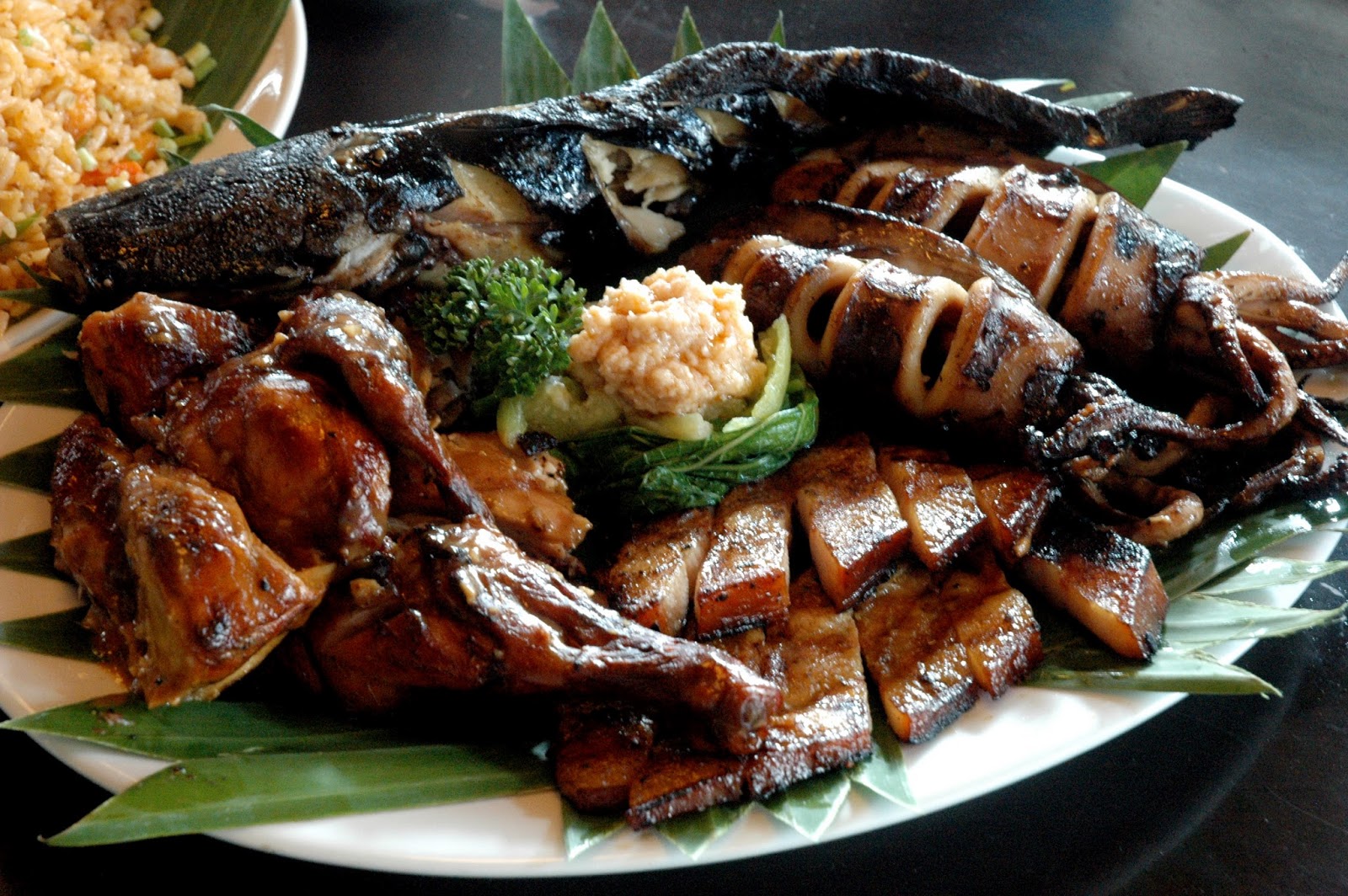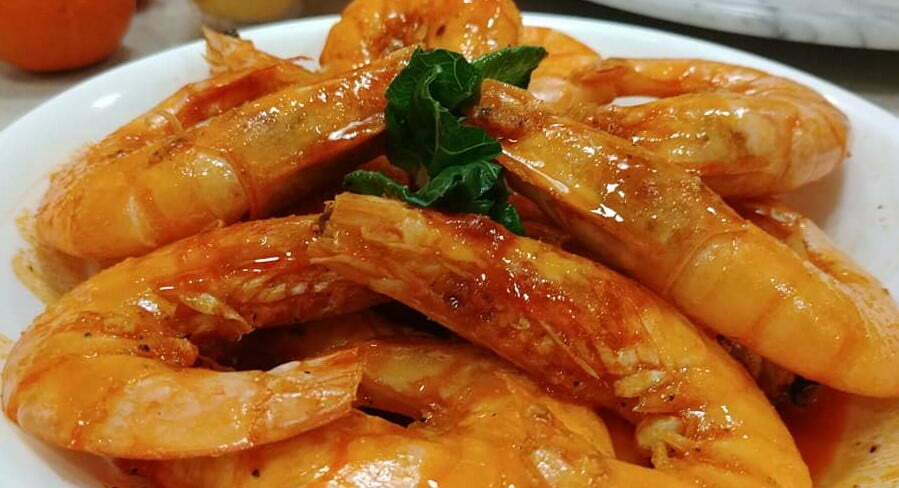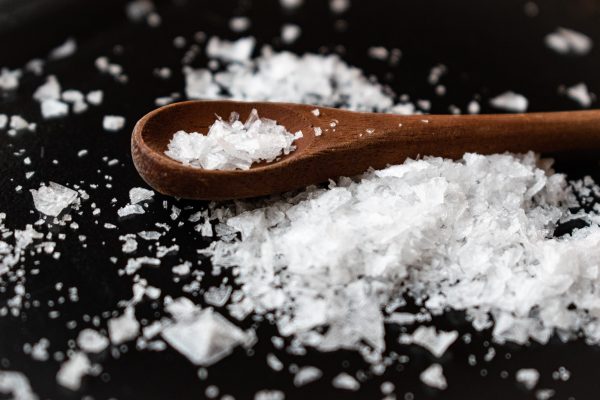
Category: Cooking Techniques in Philippine Culinary Traditions

  • Asin: Filipino Salting Techniques for Flavor & Preservation

    Asin: Filipino Salting Techniques for Flavor & Preservation

    Salting fruits in the Philippines is a traditional method for flavor enhancement and preservation, creating a balance of sweet, salty, and sour notes in versatile ingredients like green mangoes and papayas. This process not only extends shelf life but also adds a unique twist to Filipino recipes.

    Key Takeaways

    • Indigenous Filipino communities utilized local sea salt for enhancing flavors and preserving ingredients.
    • Unique regional salting methods showcase culinary resourcefulness and highlight the importance of salt in Filipino cuisine.
    • Climate factors influence local salt-making techniques, resulting in diverse flavors and preservation methods across regions.
    • Experimenting with different salts can intensify and balance flavors, crucial for enhancing Filipino dishes and extending shelf life.

    Historical Evolution of Filipino Salting Techniques

    Since ancient times, Filipino salting techniques have undergone a remarkable historical evolution, shaping the culinary traditions of the region.

    Indigenous communities in the Philippines utilized local sea salt in their artisanal salt-making process to preserve food and ensure sustenance. Various regions developed unique methods of salting, incorporating cultural practices and local ingredients to enhance flavors and prolong the shelf life of perishable foods.

    The process of making salt wasn’t just a means of preservation but a way to infuse dishes with distinct Filipino tastes. This evolution showcased the resourcefulness and adaptability of Filipino culinary practices, highlighting the importance of salt in sustaining communities and enriching the vibrant tapestry of Filipino cuisine.

    Importance of Salt in Filipino Cuisine

    The culinary landscape of the Philippines is deeply intertwined with the indispensable role that salt plays in enhancing flavors and preserving a wide array of ingredients in Filipino cuisine.

    • Local Flavor: Salt sourced from Philippine seas adds a distinct local taste to dishes.
    • Coconut Infusion: Coconut-based salts are commonly used in Filipino cooking, imparting a unique flavor.
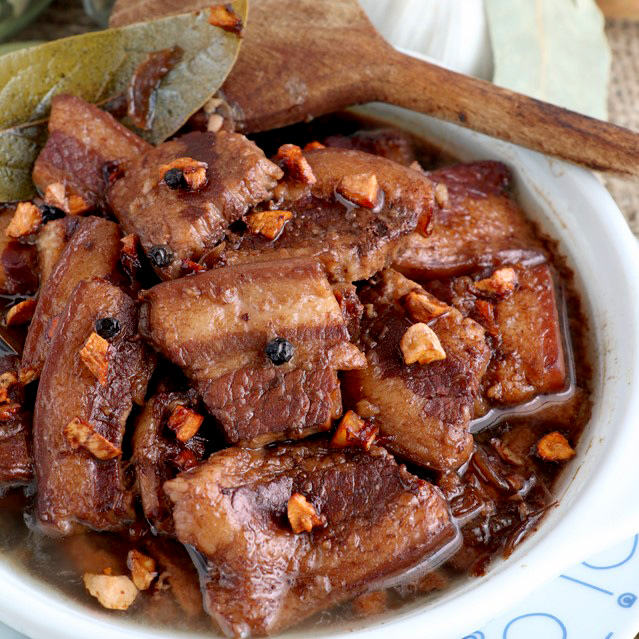
    • Asin in Adobo: Adobo, a Filipino staple, relies on salt for its savory taste and preservation.
    • Sinigang Seasoning: This sour soup is balanced by the addition of salt, enhancing its flavors.
    • Preservation Power: Salt is crucial for extending the shelf life of meats, seafood, and vegetables in Filipino culinary traditions.

    Traditional Methods of Salting

    Embracing age-old techniques, traditional Filipino salting methods have been passed down through generations, preserving culinary heritage with each salt-making process.

    In regions like Guimaras and Capiz, special clay pots are used for methods like Túltul and Dúkdok, involving burning driftwood and coconut husks to produce salt.

    In Bohol, a meticulous process is followed, soaking coconut husks, drying, burning them to ash, and extracting the salt to create brick-like lumps. These methods revive Asin Tibuok, contributing to the preservation of endangered heritage foods.

    The final products, solid salt masses, are essential in various culinary applications. Despite challenges from imported salt, these traditional techniques hold cultural significance and are crucial in maintaining Filipino culinary traditions.

    Regional Variations in Salting Practices

    In exploring regional variations in salting practices, consider the distinctions between coastal and inland methods, each influenced by the unique climate of the area.

    Coastal regions like Guimaras and Capiz have salt-making traditions tied to the sea, while inland areas like Bohol rely on different techniques utilizing local resources.

    Understanding these differences sheds light on how Filipino communities adapt their salting practices to their specific environments.

    Coastal Vs Inland Methods

    Exploring the coastal and inland methods of salting in the Philippines reveals distinct regional variations in traditional salt production techniques. When it comes to salt-making, coastal and inland regions in the Philippines each have their unique methods and practices. Here are some differences between coastal and inland salting techniques:

    • Coastal salting involves soaking coconut husks in seawater and using ash filtration for salt extraction.
    • Inland salt production methods include burning driftwood and plant matter to create salt mixed with coconut milk.
    • Both coastal and inland techniques result in the formation of brick-like lumps or solid salt masses.

    In Bohol, the traditional process includes drying coconut husks, filtering ash for salt, and boiling brine in clay pots to form salt spheres.

    These regional salts are used for grating over food, seasoning dishes like sinangag, and in gourmet Filipino cuisine.

    Influence of Climate

    Regional variations in salting practices across the Philippines are intricately tied to the diverse climates found in different provinces. Climate factors such as humidity, temperature, and rainfall play a crucial role in shaping the techniques used by local salt-makers. Coastal regions like Bohol, Guimaras, and Capiz, with their proximity to the sea, have developed unique salting methods influenced by the oceanic climate.

    In contrast, salt production in Pangasinan reflects the characteristics of the Luzon region, showcasing its distinctive climate-influenced salting practices. Understanding how climate impacts salt production not only enhances the flavor profiles of salts but also highlights the rich diversity of Filipino salting techniques. Local salt-makers adapt their methods to the specific climate conditions, resulting in a wide array of flavors and preservation techniques.

    Salting for Flavor Enhancement

    When looking to elevate your dishes, consider experimenting with flavorful salt combinations that can enhance the taste profile of your meals.

    Salting for flavor enhancement is a common practice in Filipino cuisine, adding depth and complexity to various dishes.

    Flavorful Salt Combinations

    Enhance the flavor profiles of your dishes by experimenting with unique salt combinations that elevate the taste of both sweet and savory elements.

    Try these exciting options:

    • Sea salt with Kampot Black Pepper for a kick of spice.
    • Smoky salt paired with fruity Hawaiian red Alaea salt for a balance of flavors.
    • Himalayan pink salt combined with dried lavender for a floral twist.
    • Truffle salt with a hint of garlic to add depth to your dishes.
    • Asin Tibuok, known for its smoky and sweet notes, to bring a unique Filipino touch to your recipes.

    Exploring these salt combinations can take your culinary creations to a whole new level of deliciousness.

    Salting to Enhance Dishes

    To elevate the taste and complexity of your dishes, consider using traditional Filipino salting techniques for flavor enhancement. By incorporating techniques like salting meat, fish, and vegetables before cooking, you can intensify and balance flavors, creating a more delicious outcome.

    Salting not only enhances taste but also helps tenderize tough cuts of meat by drawing out moisture and breaking down proteins, resulting in succulent dishes. This process also aids in food preservation by inhibiting microbial growth, extending the shelf life of ingredients. Embrace the Slow Food movement by savoring the rich flavors of tibuok (whole salt) sourced from the pristine waters of the Philippine Sea.

    Explore the depths of flavor with these traditional methods that have stood the test of time.

    Embrace Tradition Enhance Flavor Preserve Culture
    Connect with roots Elevate taste Sustain heritage

    Salting for Meat Preservation

    Salting meat for preservation involves applying salt to draw out moisture and inhibit bacterial growth, extending the shelf life and enhancing flavor. When salting meat, consider the following:

    • Even Distribution: Ensure salt is evenly spread to cover the entire surface of the meat.
    • Salt Quantity: Use the right amount of salt based on the type and size of meat.
    • Patience: Allow the salt to penetrate the meat for the desired preservation effect.
    • Storage: Store the salted meat in a cool, dry place to prevent spoilage.
    • Monitoring: Regularly check the meat during the preservation process to ensure quality.

    Salting for Seafood Preservation

    When preserving seafood through salting, you can choose between brining for freshness or dry-curing methods. These techniques help draw out moisture and enhance flavors, creating unique salted fish varieties.

    Proper salting ensures that your seafood is well-preserved and ready to be used in traditional Filipino dishes.

    Brining for Freshness

    Enhance the freshness and flavor of seafood by utilizing the traditional Filipino technique of brining. Brining seafood not only preserves it but also adds a depth of flavor that elevates your dishes. Here are some key points to consider when brining seafood:

    • Soaking seafood in a saltwater solution helps maintain its moisture, ensuring a succulent texture when cooked.
    • The salt in the brine acts as a natural preservative, prolonging the shelf life of the seafood.
    • Brining enhances the natural flavors of the seafood, making it more delicious and savory.

    Filipino cuisine often includes brined seafood in dishes like sinigang and paksiw for a unique taste experience. Experiment with different brine recipes to find the perfect balance of flavors for your seafood dishes.

    Dry-Curing Seafood

    Dry-curing seafood involves coating fish or shellfish with table salt to draw out moisture, preserving them while enhancing flavors and extending shelf life. This technique results in a firmer texture in the seafood.

    Fish, shrimp, and squid are commonly dry-cured with salt before cooking or further processing. It’s crucial to find the right balance when dry-curing seafood to prevent oversalting and ensure proper preservation.

    Different cultures have their traditional methods for dry-curing seafood, influencing the final taste and texture. By using the right amount of salt and allowing the curing process to work its magic, you can enjoy delicious, preserved seafood with intensified flavors and a longer shelf life.

    Salted Fish Varieties

    Salted fish varieties in Filipino cuisine play a vital role in both preserving seafood and enriching the flavors of dishes. Some popular choices include:

    • Daing (sun-dried fish)
    • Tuyo (dried fish)
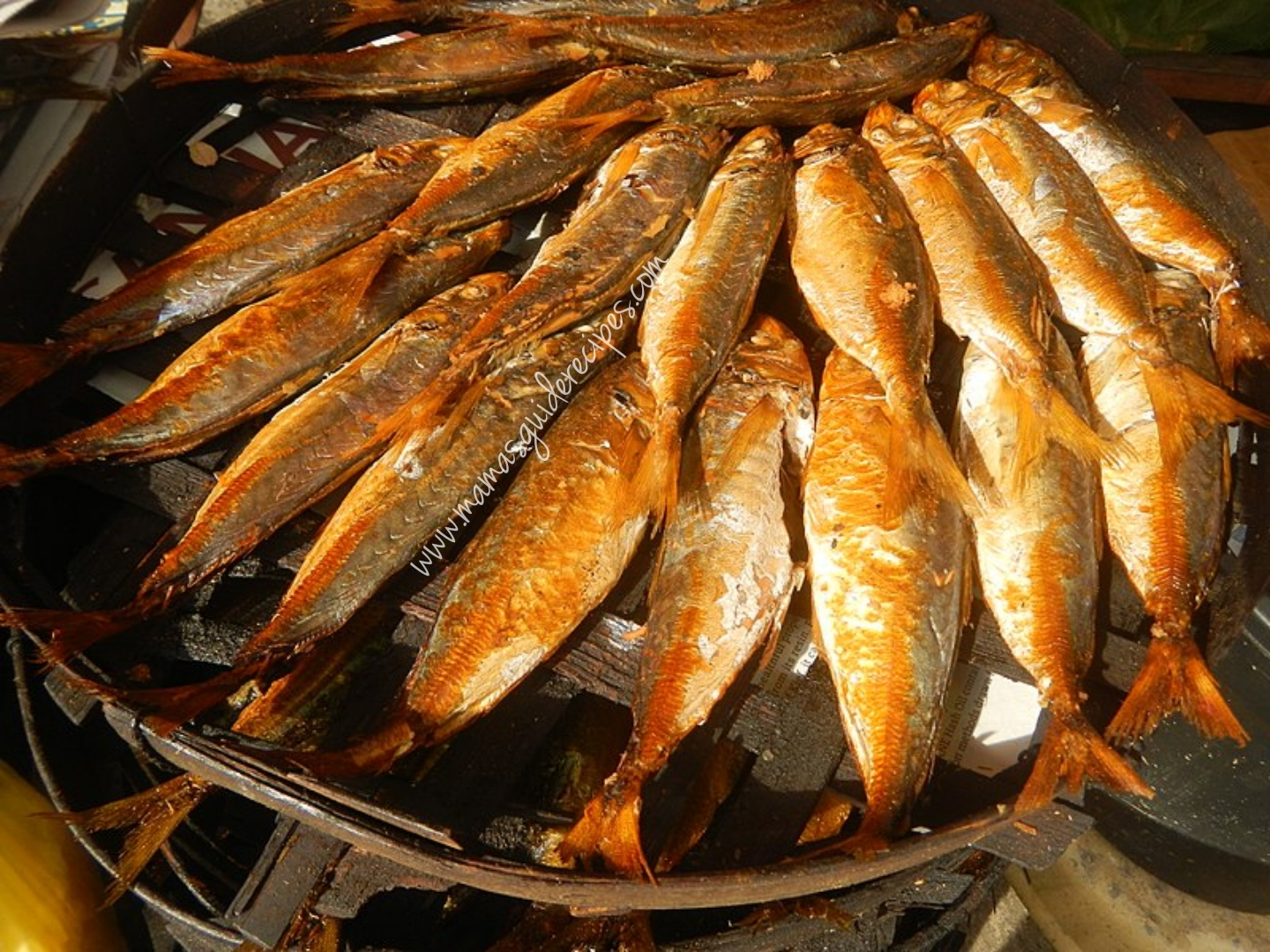
    • Tinapa (smoked fish)

    Each of these varieties offers a unique taste and texture, adding depth to traditional Filipino recipes.

    The process of salting fish involves coating the fish in salt and then drying it under the sun or through smoking, effectively removing moisture and extending its shelf life.

    Salted fish is a fundamental ingredient in many Filipino culinary creations, providing a savory and umami-rich essence that’s beloved across different regions of the Philippines.

    Salting for Vegetable Fermentation

    In vegetable fermentation, salting plays a vital role in creating an environment conducive to the growth of beneficial bacteria. The salt helps draw out moisture from the vegetables, forming a brine that acts as a natural preservative during fermentation. Maintaining the right salt concentration, typically around 2-5%, is crucial to inhibit harmful bacteria while allowing beneficial bacteria to thrive.

    Proper salting not only aids in preserving the vegetables but also contributes to achieving the desired balance of flavors and textures in the fermented vegetables. By controlling enzymatic reactions and slowing down the fermentation process, salt plays a key role in ensuring the success of vegetable fermentation.

    Salting for Fruit Preservation

    When preserving fruits in the Philippines, salting serves as a traditional method to extend shelf life and enhance flavor profiles. Salting fruits involves coating them with salt and allowing them to dry either under the sun or in a dehydrator. This process helps create a balance of sweet, salty, and sour notes, making the fruits versatile ingredients in Filipino cuisine.

    Common fruits like green mangoes, papayas, and santol are often salted for preservation. Enjoy salted fruits as snacks or incorporate them into dishes to add a savory and tangy flavor. Salting for fruit preservation not only prolongs the fruit’s shelf life but also adds a unique twist to traditional Filipino recipes.

    Health Benefits of Filipino Salting Techniques

    Embracing traditional Filipino salting techniques can introduce a range of potential health benefits due to their rich mineral content like magnesium, calcium, and potassium. ASIN Tibuok, a Filipino salt known for its artisanal production methods, contains essential nutrients that could support your overall well-being.

    This natural salt retains trace elements often lost in industrial processing, offering a healthier alternative for flavoring your dishes. By incorporating ASIN Tibuok into your cooking, you not only enhance the taste with its unique smoky and fruity notes but also promote a balanced diet without excessive sodium intake.

    Choosing these traditional salting practices allows you to savor the benefits of unprocessed salt, contributing to both your health and the preservation of cultural culinary heritage.

    Modern Innovations in Salting Practices

    Exploring advancements in Filipino salting practices reveals a dynamic blend of traditional flavors with modern technology. Innovations in salting techniques are shaping the culinary landscape in the Philippines, enhancing both flavor profiles and preservation methods.

    Here are some of the modern practices that are reshaping the way asin is used in Filipino cuisine:

    • Integration of vacuum sealing technology to intensify flavor infusion and prolong shelf life.
    • Experimentation with sous vide salting techniques for precise and consistent seasoning in various dishes.
    • Utilization of salt brining machines for controlled salt absorption in meats and vegetables.
    • Implementation of high-tech salt chambers for aging and curing meats to achieve enhanced flavors and textures.
    • Adoption of automated salting systems in commercial kitchens to ensure consistency and reduce manual labor.

    How do Filipino Salting Techniques Differ from Sun-Drying and Salting Fish?

    The Filipino way of daing involves sun-drying and salting fish to achieve a unique flavor and texture. This traditional method differs from simply salting fish, as the sun-drying process infuses the fish with a distinct taste while preserving it for longer storage.

    Incorporating Filipino Salting Techniques in Your Cooking

    To enhance your culinary creations with a touch of Filipino flair, consider incorporating traditional Filipino salting techniques into your cooking repertoire. Experiment with Filipino salt-making methods like Asin Tibuok to infuse your dishes with a unique smoky flavor and a hint of sweetness.

    Use Asin Tibuok as a finishing salt to add depth and complexity to your dishes, showcasing its mild, fruity notes. By exploring the cultural significance of these techniques, you can appreciate the rich culinary heritage they hold.

    Support local traditions by incorporating Filipino salt-making practices in your cooking, not only to elevate the taste of your dishes but also to share the experience with others, fostering a sense of community and belonging through food.

    Frequently Asked Questions

    What Does Asin Tibuok Salt Taste Like?

    As you taste Asin Tibuok salt, you’ll experience a unique blend of smoky flavors with a touch of sweetness. The coconut husks used in the process give it a distinctive profile that sets it apart from regular salt.

    Is Asin Tibuok Illegal in the Philippines?

    Asin Tibuok is not illegal in the Philippines. It’s a cultural gem with deep roots. Embrace its flavors without worry. Traditional practices endure despite challenges. Enjoy the taste of history and tradition without fear.

    How Do You Use Asin Tibuok in the Philippines?

    To use Asin Tibuok in the Philippines, sprinkle it over dishes like sinangag for a burst of flavor. Try grating it over hot rice with oil or dipping foods in it. Experiment with incorporating this unique salt in stews, soups, meats, and desserts.

    What Type of Method Is Used in the Philippines to Make or Produce Salt?

    To make salt in the Philippines, they use traditional methods like soaking coconut husks in seawater, burning them to ash, and filtering out the salt. This process involves boiling salt brine in clay pots to form solid salt masses.

    Conclusion

    In conclusion, Filipino salting techniques, particularly the traditional method of producing Asin Tibuok, showcase a rich cultural heritage and flavor profile that’s worth preserving. Despite challenges, efforts to promote and preserve these artisanal practices are ongoing.

    By incorporating Filipino salting techniques into your cooking, you can’t only enhance the flavors of your dishes but also contribute to the preservation of a unique culinary tradition. Embrace the art of Filipino salt-making for a truly authentic and flavorful experience.
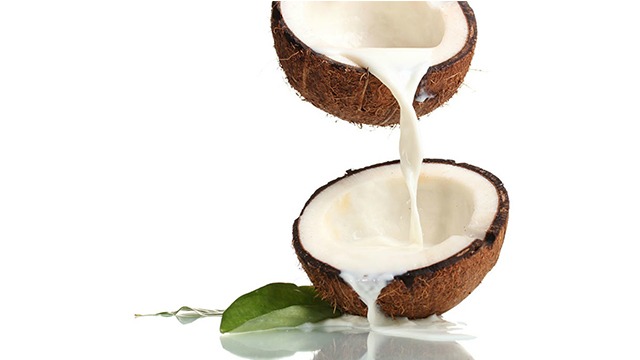
  • Gata: All About Coconut Milk in Filipino Cooking

    Gata: All About Coconut Milk in Filipino Cooking

    Coconut milk, known as “gata” in Filipino cuisine, is a key ingredient in many traditional Filipino dishes, offering a rich and creamy texture that enhances the flavors of savory and sweet recipes. Its versatility in dishes like adobo and bibingka showcases its ability to complement a wide range of flavors, making it an essential component of Filipino culinary culture.

    Key Takeaways

    • Coconut milk is a vital ingredient in traditional Filipino dishes, enhancing flavors and textures.
    • Rich in healthy fats and essential nutrients, coconut milk offers various health benefits.
    • Cooking with coconut milk adds richness, creaminess, and tropical flavor to Filipino recipes.
    • Gata, or coconut milk, is a dairy-free alternative that brings creaminess and flavor to Filipino dishes.

    Origins of Coconut Milk in Filipino Cooking

    In Filipino cooking, the origins of coconut milk can be traced back to the country’s rich agricultural history and abundant coconut trees. Coconut milk, known as ‘gata’ in Filipino cuisine, has been a fundamental ingredient in traditional dishes for generations.

    The process of extracting coconut milk involves grating fresh coconut meat and squeezing out the liquid, ensuring its freshness and quality. This creamy, slightly sweet component plays a vital role in Filipino recipes, enhancing flavors and textures.

    The versatility of coconut milk allows for its use in a wide array of savory and sweet dishes, showcasing its significance in Filipino culinary culture. The deep-rooted connection between coconut milk and Filipino cooking reflects the country’s agricultural heritage and the resourcefulness of its people.

    Nutritional Benefits of Coconut Milk

    Rich in healthy saturated fats that can boost heart health and aid in weight loss, coconut milk offers a plethora of nutritional benefits. The medium-chain triglycerides (MCTs) found in coconut milk are easily digestible and serve as a quick energy source for your body.

    Additionally, coconut milk is packed with essential vitamins such as C, E, and B vitamins, along with minerals like iron, magnesium, and potassium. Being lactose-free, it’s a suitable dairy alternative for individuals with lactose intolerance or dairy allergies.

    The fat content in coconut milk not only supports skin health, hair growth, and immune function but also provides a delicious way to incorporate these vital nutrients into your diet.

    Coconut Milk in Savory Filipino Dishes

    When cooking savory Filipino dishes, coconut milk acts as a flavor enhancer, providing a rich and tropical taste to your meals.

    Learning different cooking techniques with coconut milk, such as simmering or reducing, can help you achieve the perfect consistency and flavor in your dishes.

    Experiment with popular Filipino recipes like Ginataang Manok to experience the creamy and tenderizing effects of coconut milk in your cooking.

    Flavor Enhancer in Dishes

    Adding depth and complexity to traditional Filipino dishes, coconut milk serves as a versatile flavor enhancer in savory cooking. When used in savory Filipino dishes, coconut milk brings out the best flavors by:

    1. Adding Richness: Coconut milk contributes a creamy texture that enhances the overall mouthfeel of the dish.
    2. Providing Creaminess: It imparts a velvety smoothness to sauces and stews, making them more indulgent.
    3. Infusing a Subtle Tropical Flavor: The hint of coconut in the background elevates the taste profile, giving the dish a unique twist.

    Incorporating coconut milk into savory Filipino recipes not only improves the taste but also creates a harmonious blend of flavors that’s characteristic of Filipino cuisine.

    Cooking Techniques With Coconut Milk

    Utilize coconut milk in Filipino savory cooking to elevate the flavors and textures of traditional dishes while infusing them with a tropical essence.

    When cooking with coconut milk in Filipino dishes like chicken adobo and ginataang manok, the rich and creamy texture adds a luxurious touch. Simmering chicken in coconut milk tenderizes the meat while imparting a delightful tropical flavor.

    The creaminess of the coconut milk complements the savory notes of the dishes, creating a harmonious balance. Coconut milk enhances the depth of flavor in braises, curries, and stews, making them more satisfying.

    Popular Filipino Recipes

    Coconut milk plays a central role in enhancing the flavors of popular Filipino recipes, bringing richness, creaminess, and a tropical essence to traditional dishes. When used in savory Filipino dishes, coconut milk adds a unique twist that makes these meals truly special.

    Here are some examples of how coconut milk is incorporated into Filipino cuisine:

    1. Adobo Variations: Coconut milk is commonly used in Filipino adobo variations to create a creamier and more flavorful sauce.
    2. Protein Simmered Dishes: Proteins like chicken, pork, and fish simmered in coconut milk result in a rich and creamy texture.
    3. Traditional Favorites: Popular dishes like Ginataang Manok and Bicol Express heavily rely on coconut milk for their signature taste profiles.

    Coconut Milk in Sweet Filipino Desserts

    In sweet Filipino desserts, coconut milk serves as a key ingredient, heightening the richness and creaminess of dishes like Sapin-Sapin and Halo-Halo. This versatile component not only enhances the tropical flavors but also adds a distinct sweetness and coconut undertone to traditional Filipino rice cakes and delicacies.

    The unique texture and delightful taste of coconut milk-based desserts are beloved for their ability to elevate the overall dessert experience.

    Sweet Dessert Recipes

    Indulge in the rich and creamy sweetness of classic Filipino desserts by incorporating coconut milk as a key ingredient. Dive into a world of delectable flavors with these sweet treats:

    1. Sapin-Sapin: This colorful layered dessert combines glutinous rice, coconut milk, and sugar for a delightful texture and taste.
    2. Ginataang Mais: A warm and comforting dessert made with corn kernels, sweet rice, and coconut milk, perfect for a cozy evening indulgence.
    3. Halo-Halo: Enjoy a refreshing mix of fruits, beans, jelly, and shaved ice topped with coconut milk, creating a tropical paradise in a bowl.

    These desserts showcase the versatility of coconut milk in Filipino sweets, adding a touch of tropical goodness to every bite.

    Flavor Enhancer in Sweets

    Enhance the sweetness of your Filipino desserts by incorporating coconut milk as a flavor enhancer, adding richness and tropical notes to your favorite treats.

    Coconut milk is a fundamental component of traditional Filipino cooking, especially in sweet dishes like Ginataang Mais. Its rich and creamy texture, along with the distinct coconut flavor, elevates desserts such as Sapin-Sapin and Kakanin.

    In classics like Halo-Halo, the sweetness of coconut milk perfectly complements the mix of sticky rice and fruits, creating a harmonious blend of flavors.

    Embracing coconut milk in your sweet creations not only adds depth and creaminess but also brings a touch of the tropics to your table, making it a beloved ingredient in Filipino dessert recipes.

    Different Grades of Coconut Milk

    When selecting coconut milk for your Filipino dishes, understanding the different grades is key to achieving the desired taste and consistency. Here are the distinctions:

    1. Coconut Cream: The first press of coconut milk yields coconut cream, which is thick and rich in coconut oil. It’s perfect for enhancing the flavor when added towards the end of cooking.
    2. Second Press Onward: Subsequent presses produce thinner coconut milk, which is commonly used in Filipino dishes for its mild coconut flavor. This version is ideal for incorporating into various recipes for a subtler coconut taste.
    3. Variety in Richness: Different grades of coconut milk offer varying levels of richness and creaminess, providing flexibility in cooking and enabling the attainment of desired textures in dishes.

    Using Fresh Coconut Milk in Recipes

    Utilize the rich flavor and creamy texture of fresh coconut milk in your Filipino recipes to elevate the authenticity and taste of traditional dishes. Fresh coconut milk, extracted from mature coconuts, adds a unique tropical taste to Filipino chicken dishes like adobo and ginataang manok.

    Ensure to use fresh coconut milk immediately after extraction due to its short shelf life. Enhance the richness of your cooked in coconut recipes by incorporating this essential ingredient. Check out the table below for some popular Filipino dishes that are enhanced by the addition of fresh coconut milk.

    Filipino Dishes with Fresh Coconut Milk
    Adobo
    Ginataang Manok
    Ginataang Hipon
    Bicol Express
    Laing

    Cooking Techniques With Coconut Milk

    When cooking with coconut milk, you can enhance the dish’s creamy texture and infuse it with tropical flavors using various techniques. Manage heat carefully to avoid separation and achieve a smooth finish in your dishes.

    Experiment with simmering, braising, and marinating to make the most of coconut milk’s richness and versatility.

    Creamy Texture Enhancement

    Enhance the creamy texture of your Filipino dishes by incorporating coconut milk in your cooking techniques. Here are three ways to achieve this:

    1. Simmer Proteins: Simmering proteins like chicken, pork, or seafood in coconut milk will infuse your dish with a luxurious creaminess.
    2. Braising: Incorporate coconut milk into braises, curries, and soups to elevate the richness of the flavors and create a velvety texture.
    3. Unique Dishes: Try recipes like beef ribs adobo sa gata to experience the unique and flavorful results of adding coconut milk to your cooking.

    These techniques not only enhance the creamy texture but also add a distinct Filipino flair to your culinary creations.

    Flavor Infusion Methods

    To infuse your Filipino dishes with rich and creamy flavors, consider incorporating coconut milk through various cooking techniques. One effective method is simmering proteins like chicken, beef, and pork in coconut milk to achieve luxurious and creamy results.

    Popular Filipino dishes such as ginataang manok, ginataang hipon, and ginataang tanigue are prepared by simmering these proteins in coconut milk, creating a deliciously rich taste. Coconut milk can also be added to braises, curries, and soups to enhance the overall flavor profile with a tropical and creamy touch.

    Try experimenting with dishes like beef ribs adobo sa gata to discover the unique flavor combinations that coconut milk can bring to your culinary creations. Incorporating coconut milk in your cooking will provide a versatile and flavorful element to your dishes.

    Proper Heat Management

    For optimal results when cooking with coconut milk, ensure proper heat management to maintain a smooth and creamy consistency in your dishes.

    Here are some essential tips to help you master cooking techniques with coconut milk:

    1. Add Coconut Milk Towards the End: To prevent overheating and curdling, incorporate coconut milk towards the end of the cooking process.
    2. Simmer Gently: Achieve a creamy texture by simmering coconut milk gently over low to medium heat to blend flavors effectively.
    3. Avoid Vigorous Boiling: Prevent fat separation by refraining from vigorously boiling coconut milk, which can lead to a greasy layer forming on top.

    Substituting Coconut Milk in Recipes

    Consider using coconut cream as an alternative to coconut milk in your recipes, ensuring to dilute it with water if necessary for consistency. Coconut cream is a richer and thicker option, adding a more pronounced flavor and richness to your dishes. Be cautious with the heat when substituting with coconut cream to avoid separation during cooking.

    Canned coconut cream is readily available and can be a convenient substitute for coconut milk. Experimenting with coconut cream in place of coconut milk can bring a unique twist to traditional recipes. Below is a table summarizing the key points:

    Key Points Coconut Cream as a Substitute
    Consistency Dilute with water if needed
    Flavor Richer and more pronounced
    Heat Management Be cautious to prevent separation

    Health Benefits of Consuming Coconut Milk

    Switching from discussing how to substitute coconut milk in recipes, let’s now explore the health benefits of consuming coconut milk.

    Here are some reasons why incorporating coconut milk into your diet can be beneficial for your health:

    1. Rich in MCTs: Coconut milk is packed with medium-chain triglycerides (MCTs), known for potential health benefits like improved brain function and weight management.
    2. Lauric Acid: It contains lauric acid, an antimicrobial and anti-inflammatory fatty acid that supports immune health.
    3. Nutrient Powerhouse: Coconut milk is a good source of essential vitamins (C, E, B) and minerals (iron, potassium, magnesium), aiding in overall health and wellness.

    Selecting the Best Coconut Milk Products

    When selecting coconut milk products, prioritize those with minimal additives and a high percentage of coconut extract for optimal flavor and quality. For a richer taste, choose canned coconut milk with a high coconut extract percentage. Opting for organic coconut milk can help you avoid potential pesticides and chemicals.

    It’s also crucial to check the expiration date on canned coconut milk to ensure freshness. Consider the consistency you need for your recipe, whether thick like coconut cream or thinner like coconut milk.

    Features Recommendations
    Minimal Additives Prioritize these for optimal flavor and quality.
    High Coconut Extract Choose canned coconut milk with a high percentage for a richer taste.
    Organic Opt for organic coconut milk to avoid pesticides and chemicals.

    Storing Coconut Milk Properly

    To preserve the freshness and quality of coconut milk, proper storage techniques are essential, especially considering its high perishability for fresh coconut milk and convenience for canned options. When storing coconut milk, remember the following:

    1. Use Fresh Coconut Milk Promptly: Fresh coconut milk should be used immediately as it spoils quickly due to its high perishability.
    2. Refrigerate Opened Canned Coconut Milk: Opened canned coconut milk should be refrigerated for later use to maintain its quality.
    3. Shake Canned Coconut Milk: Before opening canned coconut milk, shake the can well to ensure the mixture of separated components.

    How is Coconut Milk Used in Filipino Cooking, Specifically in Dishes Like Laing?

    Coconut milk is a crucial ingredient in deciphering coconut taro leaf dish like Laing. In Filipino cooking, it’s commonly used to create rich and creamy sauces for savory dishes. In Laing, coconut milk helps balance the spiciness of the taro leaves and adds a smooth, mellow flavor to the dish.

    Popular Filipino Recipes Featuring Coconut Milk

    Incorporate coconut milk into your Filipino cooking repertoire to elevate the richness and flavor profiles of traditional dishes. Try making Chicken Adobo with coconut milk, known as Adobo sa Gata, for a creamy and savory twist on this classic dish.

    Another popular recipe is Ginataang Manok, a chicken stew cooked in coconut milk with vegetables like squash and string beans, creating a deliciously creamy and aromatic meal. Coconut milk is a staple ingredient in Filipino cuisine, enhancing the taste of various dishes like desserts such as Sapin-Sapin and Ginataang Mais.

    Embrace the tropical flavors and health benefits of coconut milk by exploring these beloved Filipino recipes that showcase the versatility and deliciousness of gata.

    Frequently Asked Questions

    What Is Gata in Philippines?

    In the Philippines, gata refers to coconut milk derived from mature coconuts. It’s a staple in Filipino cuisine, lending richness and flavor to dishes. You can easily find gata in canned form or make it fresh at home.

    Is Coconut Milk and Gata the Same?

    Yes, coconut milk and Gata are the same. In Filipino cooking, Gata refers to coconut milk. It’s a key ingredient in many tasty dishes. You’ll love the rich flavor and creamy texture it adds to your recipes.

    What Type of Filipino Food Is Made From Coconut Milk?

    In Filipino cooking, dishes like Ginataang Gulay, Bicol Express, and Ginataang Manok are made with coconut milk. It adds richness and creaminess to stews, curries, and desserts like Sapin-Sapin, creating a tropical taste.

    What Does Coconut Milk Do in Cooking?

    In cooking, coconut milk adds richness, creaminess, and a tropical flavor to dishes. It enhances soups, main dishes, and desserts, providing a creamy texture in Ginataan dishes and infusing meats with a delicate coconut aroma.

    Conclusion

    In conclusion, coconut milk plays a vital role in traditional Filipino cooking, adding a rich and tropical flavor to a variety of dishes. Whether used in savory dishes or sweet desserts, coconut milk enhances the overall taste and texture of the dish.

    With its nutritional benefits and versatility, coconut milk is a staple ingredient in Filipino kitchens, bringing a touch of tropical goodness to every meal.

    So next time you’re cooking Filipino cuisine, don’t forget to include some gata!

  • Pinakuluan/Nilaga: Boiling & Simmering in Filipino Cuisine

    Pinakuluan/Nilaga: Boiling & Simmering in Filipino Cuisine

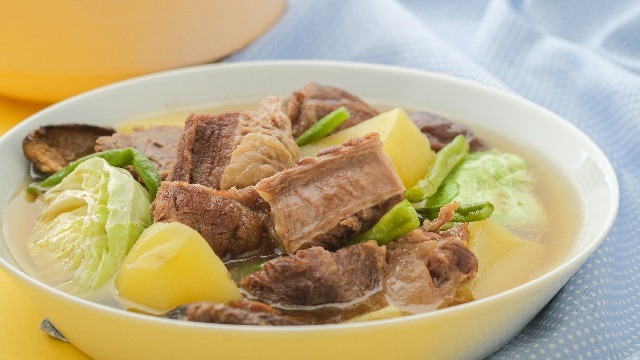
    Pinakuluan and Nilaga are traditional Filipino dishes that involve boiling and simmering meat in a seasoned broth with vegetables. Boiling retains nutrients and offers health benefits, while simmering enhances flavor with vegetables and seasonings. These dishes are popular for family gatherings and special occasions, as they are nourishing and satisfying. Key differences between boiling and simmering include the temperature and the resulting textures of the ingredients.

    Key Takeaways

    • Pinakuluan and Nilaga showcase traditional Filipino boiling and simmering techniques.
    • Slow cooking tenderizes tough meats while enhancing flavor with vegetables and seasonings.
    • Boiling retains nutrients and offers heart-healthy benefits without added fats.
    • Essential ingredients like vegetables, spices, and herbs create flavorful and nutritious Filipino dishes.

    Origin of Pinakuluan and Nilaga

    Exploring the roots of Pinakuluan and Nilaga reveals a rich culinary heritage within Filipino cuisine. In these traditional cooking methods, meat is boiled or simmered in a seasoned broth, creating comforting dishes that have been cherished for generations.

    Pinakuluan involves boiling meat with simplicity, allowing the natural flavors to shine through. On the other hand, Nilaga enhances the broth by adding a variety of vegetables and seasonings, resulting in a flavorful soup.

    The slow cooking process in both methods tenderizes tough cuts of meat and allows the flavors to meld together beautifully. Whether enjoyed during cold weather or as a heartwarming meal for family gatherings, Pinakuluan and Nilaga hold a special place in Filipino culture, bringing warmth and togetherness to the table.

    Key Differences Between Boiling and Simmering

    To understand the essence of Filipino culinary traditions, it’s essential to grasp the key disparities between boiling and simmering in cooking methods.

    1. Boiling involves rapid bubbling water at 212°F, while simmering maintains a gentle, low boil at around 185-205°F.
    2. Boiling quickly cooks vegetables, pasta, and seafood, while simmering is best for tenderizing meats and developing flavors in stews and soups.
    3. Boiling can cause ingredients to break apart or become mushy, while simmering allows for gradual cooking and infusion of flavors.

    Understanding these differences is crucial for achieving optimal textures and flavors in various Filipino dishes like Nilaga. Incorporating the right technique of boiling or simmering can elevate the taste of your meals and showcase the richness of Filipino cuisine.

    Essential Ingredients for Pinakuluan

    You need to focus on the key flavor components and cooking techniques used in Pinakuluan. Meat, vegetables, and seasonings are essential for creating the rich and savory broth that characterizes this Filipino dish.

    Key Flavor Components

    When preparing Pinakuluan, essential ingredients like beef, onions, garlic, and peppercorns form the foundation of its key flavor components. These elements work together harmoniously to create a rich and savory broth that’s the heart of this Filipino dish.

    Here are three key flavor components that play a crucial role in enhancing the taste of Pinakuluan:

    1. Beef: The star of the dish, beef provides a robust and meaty flavor that infuses the broth with depth.
    2. Onions and Garlic: These aromatic ingredients add layers of savory and slightly sweet notes to the broth, elevating its overall taste.
    3. Peppercorns: Adding a subtle heat and earthiness, peppercorns contribute a warm and comforting flavor to the soup.

    Cooking Techniques Used

    Boiling and simmering meat in seasoned broth is the fundamental cooking technique employed in preparing Pinakuluan, a traditional Filipino dish rich in flavor and heritage.

    This method involves simmering beef cuts like brisket, shank, or short ribs with onions, garlic, peppercorns, and fish sauce. The process of boiling and simmering meat in Pinakuluan helps tenderize tough cuts of beef while infusing them with savory flavors.

    Additionally, Pinakuluan dishes often incorporate vegetables such as potatoes, cabbage, corn, and bok choy, enhancing the dish’s heartiness and nutritional value.

    This technique of boiling and simmering is a hallmark of Filipino cuisine, creating comforting and flavorful dishes that are cherished by many for their comforting and wholesome qualities.

    Essential Ingredients for Nilaga

    When preparing Nilaga, essential ingredients such as beef cuts like brisket, shank, or short ribs, onions, garlic, and peppercorns form the base for this traditional Filipino soup.

    To enhance the flavors and nutritional value of your Nilaga, consider the following:

    1. Vegetables: Potatoes, cabbage, corn, string beans, and pechay are commonly added to Nilaga, providing a variety of textures and flavors.
    2. Seasonings: Don’t forget to include seasonings like fish sauce and salt to bring out the rich taste of the broth.
    3. Additional Options: Experiment with vegetables like bok choy and green onions to elevate the dish further, adding freshness and depth to your Nilaga.

    Traditional Meats Used in Boiling

    When boiling in Filipino cuisine, common meat choices like beef cuts and pork cuts are often used for their distinct flavors and textures. Regional variations in meat selection can offer unique twists to traditional boiling dishes, adding depth to the culinary experience.

    Exploring the health benefits of boiling these meats can provide insights into the nutritious aspects of Filipino cuisine.

    Common Meat Choices

    Within Filipino cuisine, the selection of meats commonly used for boiling includes beef shank, pork belly, and chicken. These meats are favored for their distinct flavors and tenderness, enriching the broth with delicious taste.

    Common Meat Choices:

    1. Beef Shank: Known for its gelatinous texture, beef shank enhances the soup’s depth with its richness.
    2. Pork Belly: The fatty richness of pork belly elevates the overall flavor profile of the dish.
    3. Chicken: Offering a lighter option for boiling, chicken imparts a milder taste compared to beef and pork, appealing to those seeking a subtle flavor experience.

    Regional Variations in Meat

    To explore regional variations in meat used for boiling in Filipino cuisine, consider traditional choices like beef shank, brisket, short ribs, and pork hocks. Different regions in the Philippines have unique preferences when it comes to the cuts of meat they use for boiling dishes.

    For example, beef shank is a popular option for Nilaga in Luzon, showcasing a robust flavor and tenderness. In contrast, Visayas and Mindanao often favor the use of pork hocks, adding a rich and savory element to their boiled dishes.

    These regional variations highlight the diverse culinary practices across the Philippines, offering a glimpse into the unique flavors and traditions that shape Filipino cuisine. Understanding these differences adds depth to the appreciation of Filipino boiling techniques.

    Health Benefits of Boiling

    Boiling traditional meats in Filipino cuisine not only helps retain nutrients by cooking them in their own juices but also serves as a healthy cooking method that requires no added fats or oils.

    Here are three reasons why boiling is beneficial for your health:

    1. Retains Nutrients: By using the boiling method, you preserve the essential vitamins and minerals present in the meat, ensuring you get the maximum nutritional value from your meal.
    2. Healthy Cooking: Boiling is a low-fat cooking technique, making it a heart-healthy option that can contribute to your overall well-being.
    3. Tenderizes Meat and Creates Flavorful Broth: This method tenderizes tough cuts of meat, making them easier to digest, while also extracting rich flavors from the ingredients to produce a delicious broth.

    Traditional Meats Used in Simmering

    When simmering traditional Filipino dishes, you commonly use meats like beef cuts such as brisket, shank, short ribs, and tendon for rich flavors and tenderness. Pork cuts like pork belly or hocks are also popular choices in Filipino boiling and simmering recipes, offering a savory and hearty taste.

    Additionally, chicken parts such as thighs or drumsticks can be simmered to perfection, resulting in tender and flavorful meat dishes that are comforting and satisfying. Fish varieties like tilapia or bangus (milkfish) are often boiled or simmered in Filipino cuisine, creating delicate and light dishes that are refreshing.

    For those seeking a more adventurous taste, offal meats like tripe, intestines, or liver are sometimes used in traditional Filipino boiling and simmering recipes, adding a depth of flavor to the dish.

    Popular Vegetables in Pinakuluan

    You’ll find that popular vegetables like potatoes, cabbage, corn, and green beans play a crucial role in Pinakuluan. These veggies not only enhance the flavor but also contribute texture and nutrients to the dish.

    Root vegetables like potatoes and corn bring a hearty element, while leafy greens such as cabbage and bok choy add freshness and color to this Filipino favorite.

    Common Vegetables Used

    Common vegetables commonly used in Pinakuluan/Nilaga, popular Filipino dishes, include potatoes, corn, cabbage, green beans, and bok choy, all of which contribute distinct flavors and textures to the dish. These vegetables not only enhance the taste but also provide essential nutrients to the hearty soup. When preparing Pinakuluan, it’s crucial to choose fresh and vibrant vegetables to elevate the overall flavor profile.

    Three Essential Vegetables in Pinakuluan:

    1. Potatoes: They add a comforting heartiness to the dish.
    2. Corn: Provides sweetness and texture to the soup.
    3. Green Beans: Contribute a delightful pop of color and crunch to each bite.

    Incorporating these vegetables ensures a balanced and flavorful Filipino boiled dish that’s both nutritious and satisfying.

    Cooking Techniques Employed

    To achieve the perfect texture and flavor for the vegetables in Pinakuluan, Filipino cooking often involves simmering them slowly in a savory broth until they are tender and infused with all the delicious flavors. When it comes to popular vegetables used in Pinakuluan, potatoes offer a hearty element, while cabbage provides a slightly sweet and crunchy contrast.

    Corn kernels introduce a touch of sweetness and color to the soup, and green beans contribute a fresh and crisp element to the overall dish. These vegetables not only add flavor, texture, and nutrition but also create a harmonious blend of tastes that make Pinakuluan a beloved Filipino comfort food.

    Vegetables Characteristics
    Potatoes Hearty element
    Cabbage Sweet and crunchy
    Corn Sweetness and color
    Green beans Fresh and crisp

    Popular Vegetables in Nilaga

    In Nilaga, a traditional Filipino beef soup, popular vegetables such as potatoes, cabbage, corn, and green beans play a vital role in enhancing the dish’s texture, flavor, and nutritional value.

    Popular Vegetables in Nilaga:

    1. Potatoes: These are a staple ingredient in Nilaga, providing a starchy element that adds heartiness to the soup.
    2. Cabbage: Adding a slight sweetness and crunch, cabbage balances the flavors in the dish, making it more satisfying.
    3. Green Beans: Contributing a fresh and vibrant touch, green beans not only enhance the visual appeal but also bring a burst of flavor to the overall soup.

    Spices and Herbs for Flavorful Broths

    Enhance the richness of your broths by infusing them with a blend of aromatic spices and herbs, elevating the flavors of your Filipino boiling and simmering dishes. Spices like peppercorns, garlic, and bay leaves are commonly used for added flavor, while herbs such as lemongrass, ginger, and onion tops create aromatic broths.

    The combination of these spices and herbs in Pinakuluan/Nilaga enhances the overall taste and aroma, a hallmark of Filipino cuisine. The emphasis on fresh and dried spices in Filipino cooking ensures rich flavors in soups and stews. Carefully selecting and balancing these ingredients is crucial for achieving authentic and delicious Pinakuluan/Nilaga dishes.

    Spices Herbs
    Peppercorns Lemongrass
    Garlic Ginger
    Bay leaves Onion tops

    Health Benefits of Boiled Filipino Dishes

    Boiling Filipino dishes like Nilaga results in nutrient-rich meals that retain vitamins and minerals, aiding in easy digestion and providing a healthier alternative to fried or grilled options.

    Here are three reasons why consuming boiled Filipino dishes can benefit your health:

    1. Tender Meat: The boiling process in Filipino cuisine helps create tender and flavorful meat, making it easier for your body to digest.
    2. Low in Fat: Boiled dishes are often low in fat, offering a healthier option compared to fried or grilled preparations.
    3. Preserves Natural Flavors: Boiling vegetables like potatoes and cabbage in Nilaga helps preserve their natural flavors and textures without adding extra fats.

    Enjoy the health benefits of boiled Filipino dishes while savoring their delicious flavors and nutritious goodness!

    Tips for Perfectly Boiled Meats

    For perfectly boiled meats in Filipino cuisine, start by using cold water to ensure even cooking and juiciness retention. Maintain a gentle simmer instead of a rolling boil to prevent toughness and achieve a tender texture. Skim off any impurities that rise to the surface for a cleaner broth.

    Enhance the flavor profile by adding aromatics like onions, garlic, peppercorns, and bay leaves. Slow cooking over low heat breaks down collagen in tougher cuts, resulting in a more flavorful outcome. Following these tips will help you create delicious and tender boiled meats that are a staple in Filipino cuisine.

    Can Boiling and Simmering Techniques Be Applied to Prepare Balut Sa Puti in Filipino Cuisine?

    In Filipino cuisine, boiling and simmering techniques are essential for preparing Balut Sa Puti. This traditional dish consists of fertilized duck eggs boiled then simmered until cooked. It’s a popular and delicious delicacy that many people are discovering as a new way to eat unique and exotic food.

    Tips for Flavorful Simmered Dishes

    To achieve flavorful simmered dishes in Filipino cuisine, focus on infusing ingredients with rich tastes through the gentle cooking technique of simmering at a low, steady temperature. Here are three tips for enhancing the flavors of your simmered dishes:

    1. Use Quality Ingredients: Start with fresh and high-quality meats, vegetables, and herbs to build a solid flavor foundation for your dish.
    2. Layer Flavors: Add ingredients in stages, allowing each component to release its flavors gradually and enhance the overall taste profile of the dish.
    3. Don’t Rush: Patience is key when simmering dishes; allow the ingredients to meld together slowly over time to develop deep, complex flavors and tender textures.

    Frequently Asked Questions

    What Is the Difference Between Bulalo and Nilaga?

    In bulalo, you enjoy beef shank with marrow for richness. Nilaga opts for beef chunks like brisket, shank, or ribs without marrow. Bulalo offers a gelatinous texture, while Nilaga focuses on tender beef. Both are beloved comfort foods in the Philippines.

    What Are the Benefits of Nilaga?

    In Nilaga, you get tender beef and flavorful veggies, thanks to boiling and simmering. The slow cook melds all the delicious tastes together. It’s a warm, hearty dish perfect for chilly days. Enjoy!

    Why Is It Called Nilaga?

    You call it Nilaga because of the Filipino word ‘laga,’ meaning to boil or cook in liquid. This method infuses flavors, tenderizes meat, and creates rich broths. Nilaga is how you get those hearty, comforting dishes in Filipino cuisine.

    Conclusion

    So there you have it – Pinakuluan and Nilaga are classic Filipino dishes that involve boiling and simmering meat in flavorful broths with vegetables.

    Whether you prefer the tender meat from boiling or the rich flavors from simmering, these dishes are sure to warm your heart and satisfy your taste buds.

    So grab a bowl of steamed rice, some condiments, and enjoy a comforting bowl of Pinakuluan or Nilaga today!

  • Inihaw: The Art of Filipino Grilling

    Inihaw: The Art of Filipino Grilling

    Inihaw, the traditional Filipino grilling method, embodies centuries-old culinary traditions and cultural influences, uniting communities through shared meals. The art of inihaw not only satisfies taste buds but also brings people together, creating a sense of belonging through shared traditions and flavorful dishes.

    Key Takeaways

    • Inihaw embodies centuries-old Filipino grilling traditions, uniting communities through shared meals.
    • Traditional marinades enhance flavors with soy sauce, calamansi, and garlic, reflecting cultural influences.
    • Regional variations in seasoning create diverse taste profiles across the Philippines.
    • Grilling in Filipino festivities symbolizes communal joy, showcasing rich culinary heritage and flavors.

    The History of Inihaw

    The history of inihaw traces back centuries, showcasing how Filipinos have embraced grilling as a traditional cooking method passed down through generations. Inihaw, meaning grilled in Tagalog, holds a special place in Filipino culture. This method involves cooking meat over charcoal or an open flame, infusing it with a unique smoky flavor.

    Over time, Filipinos have adapted inihaw from various influences, including Spanish and Chinese cooking techniques introduced during colonization and trade.

    Grilling has become a significant part of Filipino culinary traditions, with inihaw being a beloved cooking method for various meats. The art of inihaw not only satisfies the taste buds but also brings communities together, creating a sense of belonging through shared meals and traditions.

    Traditional Marinades and Flavors

    When grilling Filipino dishes, consider the flavorful marinade combinations that include soy sauce, calamansi juice, garlic, sugar, and pepper. These traditional marinades not only tenderize the meat but also infuse it with a savory, tangy, and slightly sweet flavor profile that enhances the overall taste experience.

    Explore the cultural influences on taste and regional seasoning variations to truly appreciate the diverse and delicious flavors of Filipino grilling.

    Flavorful Marinade Combinations

    Marinating your grilled dishes with traditional Filipino blends creates a symphony of flavors that are both savory and tangy. The key ingredient in many Filipino marinades is soy sauce, known for its rich umami flavor. When combined with calamansi or lemon juice, it adds a refreshing tanginess that cuts through the richness of the meat.

    Garlic is another essential component, imparting depth and aroma to the marinade. Variations may include banana ketchup or sugar, offering a hint of sweetness for a unique taste profile. These time-honored marinades, passed down through generations, contribute to the distinctive and delicious flavors found in Filipino grilled dishes.

    Cultural Influences on Taste

    Incorporating cultural influences into traditional Filipino marinades and flavors elevates the taste profile of grilled dishes, creating a culinary experience that’s both authentic and flavorful.

    Traditional Filipino marinades for grilling typically consist of a blend of soy sauce, calamansi juice, vinegar, garlic, and sugar. These marinades achieve a harmonious balance of saltiness, acidity, sweetness, and umami flavor in grilled meats.

    The use of local ingredients like calamansi and vinegar imparts a unique and distinctive taste to Filipino grilled foods. Basting grilled meats with the marinade during cooking not only enhances the flavors but also helps in keeping the meat moist.

    This combination of traditional marinades and grilling techniques showcases the deep-rooted cultural influences on Filipino taste preferences.

    Regional Seasoning Variations

    To explore the diverse regional seasoning variations in Filipino grilling, one must understand how different parts of the Philippines infuse unique flavors into their traditional marinades for inihaw.

    Visayan inihaw incorporates calamansi juice, soy sauce, and garlic for a citrusy and savory taste. Tagalog-style inihaw features a marinade with vinegar, soy sauce, garlic, and black pepper, giving it a tangy and umami-rich flavor.

    Bicolano inihaw stands out with coconut milk, chili peppers, and ginger in the marinade, offering a creamy and spicy kick. Meanwhile, Ilocano inihaw keeps it simple yet flavorful with a marinade of vinegar, salt, and garlic, allowing the meat’s natural taste to shine through.

    These regional variations showcase the diversity and richness of Filipino grilling traditions.

    Essential Grilling Techniques

    When grilling Filipino-style, mastering essential techniques like controlling the heat and understanding direct and indirect grilling methods is key. To elevate your grilling game, consider the following:

    • Controlling Heat: Adjust the distance between the charcoal and the grill grate to regulate the temperature effectively.
    • Direct Grilling: Cook food directly over the heat source for quick searing and caramelization.
    • Indirect Grilling: Utilize this method by placing the food next to, not directly above, the heat source to cook more delicate foods or larger cuts evenly.

    These techniques will help you achieve the perfect char and succulence in your Inihaw dishes, enhancing the flavors from the traditional Filipino marinades.

    Must-Try Inihaw Recipes

    When it comes to must-try inihaw recipes, exploring flavorful marinades and mastering grilling techniques are key. These elements play a crucial role in creating dishes like Inihaw na Liempo and Inihaw na Manok that are rich in taste and texture.

    Flavorful Marinades

    Flavorful marinades play a crucial role in elevating the taste of traditional Filipino grilled dishes like Pork Liempo and Chicken Inasal. When marinating your meats, consider using ingredients such as soy sauce, calamansi juice, vinegar, garlic, sugar, and various spices to achieve a well-balanced flavor profile.

    These marinades not only tenderize the meat but also infuse it with delicious flavors that caramelize beautifully during grilling. To create your signature dish, experiment with different marinade combinations to cater to your personal preferences.

    Remember, allowing enough time for the flavors to penetrate the meat is key to achieving the best results in Filipino grilling.

    • Essential Ingredients: Soy sauce, calamansi juice, vinegar
    • Flavor Enhancers: Garlic, sugar, various spices
    • Purpose: Tenderize meat, infuse flavors, create caramelized crust

    Grilling Techniques

    Grill your meats over an open flame for that authentic smoky flavor that defines traditional Filipino grilling techniques. Marinating meat in a mixture of soy sauce, calamansi juice, garlic, and sugar is key to infusing flavors before grilling. Filipino grilling methods often involve chargrilling directly over hot coals or pan-grilling on a stovetop for convenience.

    To enhance your grilling experience, consider using the following techniques:

    Grilling Techniques Description
    Chargrilling Direct grilling over hot coals for a smoky flavor.
    Pan-Grilling Grilling in a pan on the stovetop for a similar charred taste.
    Indirect Grilling Cooking with the heat source on one side for slower, even cooking.
    Basting Brushing meat with marinade during grilling for added flavor.
    Double-Skewering Using two skewers per piece of meat for easier flipping.

    Regional Variations in Inihaw

    Among the diverse regional variations of Inihaw, Bacolod Chicken Inasal stands out as a prominent and beloved choice, particularly in the Visayas region. This grilled dish has deep cultural roots in Bacolod and has gained popularity over the years.

    Some key points to note about regional variations in Inihaw are:

    • Bacolod Chicken Inasal: Originating in Bacolod, this flavorful grilled chicken dish is a staple in the Visayas region.
    • Manokan Country: A dedicated street market in Bacolod known for serving delicious Chicken Inasal.
    • Cultural Significance: Chicken Inasal has been declared an Important Cultural Property in Bacolod, highlighting its significance in the region’s culinary heritage.

    These regional variations add to the rich tapestry of Filipino grilling traditions.

    Inihaw and Filipino Festivities

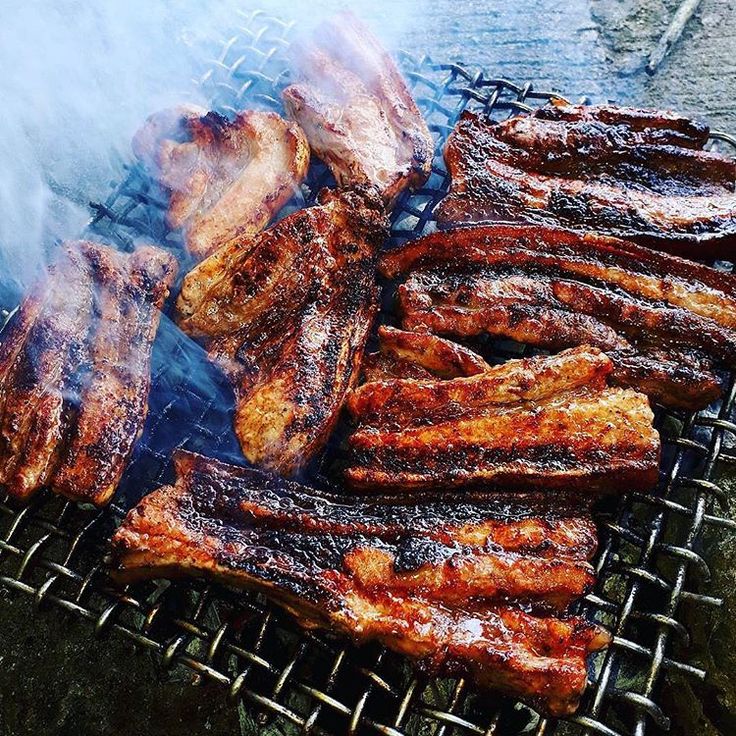
    In Filipino festivities, the tradition of inihaw takes center stage, symbolizing communal joy and culinary heritage. Grilled pork belly, like the famous Inihaw na Liempo, is a beloved dish that embodies the essence of Filipino culture.

    During special events and feasts, this smoky and flavorful delicacy is a staple, bringing families and friends together in celebration. Grilling food not only satisfies taste buds but also fosters a sense of community, reflecting the warm hospitality ingrained in Filipino traditions.

    The art of Filipino grilling shines through in the preparation of inihaw dishes, showcasing the country’s diverse culinary influences and rich flavors. Whether at traditional fiestas or modern gatherings, inihaw adds a festive touch, making every Filipino celebration even more special.

    Vegetarian Options for Grilling

    When exploring vegetarian options for grilling, you’ll discover a vibrant array of flavorful choices that can elevate your culinary experience. Here are some delicious options to consider:

    • Grilled vegetables like eggplant, bell peppers, and zucchini offer a colorful and nutritious choice.
    • Marinated tofu and tempeh can provide a meat-like texture and taste for your grilled dishes.
    • Portobello mushrooms serve as a hearty and satisfying alternative for those seeking a rich flavor profile.

    These vegetarian options not only cater to your dietary preferences but also bring a burst of flavor to your grilling adventures. Enjoy the diverse and tasty world of grilled vegetables!

    Inihaw Seafood Delights

    Discover the tantalizing world of Inihaw seafood delights, a cornerstone of Filipino grilling culture known for its aromatic flavors and succulent textures.

    Grilled seafood dishes like inihaw na pusit (grilled squid) and inihaw na isda (grilled fish) are marinated in a blend of calamansi, soy sauce, garlic, and spices before hitting the grill, enhancing their natural flavors. The smoky essence and tender texture of grilled seafood make it a beloved staple in Filipino cuisine.

    Served with a side of vinegar-based dipping sauce or lemon wedges for added zest, these dishes offer a perfect balance of flavors. Health-conscious and delicious, grilled seafood is packed with protein and omega-3 fatty acids, making it a popular choice among many Filipinos.

    Grilling Equipment and Tools

    Essential Grilling Utensils

    To effectively master the art of Filipino grilling, having the essential grilling utensils is paramount to ensure a seamless cooking experience. When preparing your grill for that mouthwatering inihaw, make sure you have the following tools ready:

    • Bamboo skewers: Perfect for creating delicious kebabs and grilling delicate foods.
    • Basting brush: Essential for evenly applying marinades and sauces to meats on the grill.
    • Tongs: Versatile tools for flipping, turning, and handling food with precision.

    These utensils won’t only make your grilling experience more enjoyable but also help you achieve that authentic Filipino flavor you crave.

    Choosing the Right Grill

    When selecting the appropriate grill for Filipino grilling, consider factors such as size, fuel type, portability, and heat control options.

    Charcoal grills are favored for inihaw because of the smoky flavor they provide, while gas grills offer convenience and precise temperature control.

    Electric grills, suitable for indoor use, offer consistent heat for a versatile inihaw experience.

    Look for grills with adjustable grates, airflow control vents, and easy-to-clean surfaces to enhance your grilling.

    Investing in quality grilling tools like tongs, spatulas, brushes, thermometers, and grill baskets can make your inihaw process efficient and enjoyable.

    Choose the grill that best fits your needs and preferences to elevate your Filipino grilling experience.

    Maintenance and Care

    For proper maintenance and care of your grilling equipment and tools, it’s essential to regularly clean grates and inspect utensils for wear and tear. Remember to:

    • Clean grilling equipment, such as grates and drip trays, to prevent flare-ups and maintain optimal cooking conditions.
    • Inspect tools like tongs, spatulas, and brushes for wear and tear, replacing them as needed.

    Store grilling equipment in a dry and covered area when not in use to prevent rust and prolong their lifespan. Additionally, season cast iron grates with oil after each use to prevent rust and maintain a non-stick surface for grilling.

    Lastly, periodically check gas grills for leaks in hoses and connections to avoid potential safety hazards during grilling sessions.

    Inihaw: A Cultural Connection

    Inihaw, the traditional Filipino grilling technique, serves as a cultural thread that connects generations of Filipinos through the art of outdoor cooking. Grilled over charcoal, pork belly is a beloved choice for this method, deeply rooted in Filipino culture. The act of inihaw goes beyond simply preparing food; it embodies community, tradition, and celebration.

    Here is a glimpse of how inihaw creates cultural connections:

    Cultural Significance of Inihaw Generational Tradition Celebratory Events
    Family gatherings around the grill Passing down recipes Festivals with inihaw specialties
    Sharing stories while grilling Teaching cooking techniques Weddings and birthdays featuring inihaw dishes
    Bonding over the love for grilled food Preserving heritage Community barbecues

    Health Tips for Grilling Safely

    Grilling safely is essential for enjoying delicious meals without compromising your health. When grilling, consider these health tips for a safer cooking experience:

    • Use lean cuts of meat like grilled chicken, fish, or turkey for healthier options.
    • Marinate meats in herbs, spices, and citrus juices to reduce the formation of harmful compounds during grilling.
    • Precook meats partially in the microwave or oven before grilling to reduce cooking time over high heat.

    How Can I Pair Filipino Grilled Dishes with the Right Dipping Sauces?

    Filipino dipping sauces explained: When it comes to pairing Filipino grilled dishes with the right dipping sauces, consider the balance of flavors. For chicken inasal, a traditional soy sauce and calamansi dip complements the smoky flavors. For pork barbecue, a sweet and tangy banana ketchup is a popular choice.

    Inihaw Serving and Presentation

    When serving Inihaw dishes, consider arranging the grilled meats on banana leaves for an authentic touch and eco-friendly presentation. Grilled meats like Inihaw na Liempo are often sliced and artfully arranged on serving platters, creating an enticing display for your guests.

    To enhance the flavors of the grilled meats, serve colorful side dishes such as Atchara (pickled papaya) and a fresh tomato and onion salad. Garnish the Inihaw dishes with fresh herbs like spring onions or cilantro to add a burst of color and taste.

    In Filipino dining culture, presentation is crucial, with Inihaw dishes frequently served family-style for sharing and communal enjoyment. Elevate your dining experience by paying attention to the details of serving and presenting your delicious grilled foods.

    Frequently Asked Questions

    What Is the History of Inihaw?

    Inihaw, the traditional Filipino grilling method, has a rich history rooted in Filipino culture. Grilling meats over charcoal or open flames is a beloved practice, with unique flavors and techniques influenced by Spanish and Chinese traditions.

    What Is the Difference Between Filipino BBQ and American BBQ?

    In Filipino BBQ, sweet, savory, tangy marinades stand out. American BBQ leans towards smoky, spicy flavors. Filipino BBQ uses calamansi, soy sauce; American BBQ opts for tomato-based sauces with molasses. Inihaw relies on minimal seasoning; American BBQ on dry rubs.

    What Is the Filipino Word for Barbecue?

    The Filipino word for barbecue is ‘inihaw,’ meaning grilled in Tagalog. It involves cooking meat over an open flame, often using charcoal. Inihaw is a beloved technique in Filipino cuisine, known for its smoky flavor.

    Where Did Filipino BBQ Come From?

    Filipino BBQ, also known as ‘inihaw,’ originated from pre-colonial times when early Filipinos grilled meat over open flames. This technique has evolved with influences from Spanish and Chinese cooking methods, resulting in a flavorful tradition.

    Conclusion

    In conclusion, inihaw is more than just grilling—it’s a culinary art form that celebrates Filipino flavors and traditions.

    From the history of inihaw to essential grilling techniques and must-try recipes, this cultural practice brings people together through food.

    Whether it’s inihaw na liempo or regional variations, the art of Filipino grilling continues to be a beloved tradition that connects communities and creates unforgettable dining experiences.

    So fire up the grill and enjoy the flavors of inihaw!

  • Prito: Filipino Deep Frying Techniques

    Prito: Filipino Deep Frying Techniques

    Mastering Filipino deep frying techniques, or ‘prito,’ is essential for creating crispy and flavorful dishes like Filipino-style fried chicken and lechon kawali. Remember these tips and tricks to impress your family and friends with delicious Filipino fried dishes.

    Key Takeaways

    • Achieve crispy textures by maintaining oil temperature between 350-375°F.
    • Use proper breading and coating techniques for a crispy exterior.
    • Balance crispy and tender textures by experimenting with marinating ingredients.
    • Select oils with high smoke points like peanut or canola for stable frying.

    Essential Tools for Prito Cooking

    What’re the essential tools you need for Prito cooking?

    When you’re ready to fry up some delicious Filipino dishes, having the right tools is key.

    First up, you’ll need a deep fryer or a heavy-bottomed pot for that perfect fry.

    Make sure to have a kitchen thermometer on hand to keep an eye on the oil temperature for that ideal crispiness.

    Don’t forget to grab some tongs or a slotted spoon for flipping and removing your food safely from the hot oil.

    To drain your fried goodies and keep them crispy, have a wire rack or some paper towels at the ready.

    Lastly, a splatter guard or lid can help keep your cooking area clean and prevent oil splashes.

    Time to fry up a storm!

    Selecting the Right Cooking Oil

    When deep frying Filipino dishes, it’s essential to choose oils with high smoke points like peanut or canola to prevent burning and maintain flavor.

    Peanut oil, with a smoke point of 450°F, is ideal for deep frying without overwhelming the food’s taste. Canola oil, around 400°F, offers versatility for different frying methods while ensuring delicious results.

    Oil Smoke Point

    To ensure successful deep frying, selecting cooking oils with high smoke points like peanut or canola is essential. When choosing the right oil, consider these key points:

    • Opt for peanut oil with a smoke point of around 450°F for high-temperature frying without flavor alteration.
    • Canola oil, with a smoke point of about 400°F, is a versatile option suitable for various cooking methods.
    • Higher smoke points in oils help maintain stability and prevent harmful compound formation during frying. Choose wisely to achieve that perfect crispy texture and delicious flavor without compromising on taste or health.

    Health Considerations

    Selecting the right cooking oil for deep frying involves considering factors such as smoke point, nutritional content, and potential allergens. For deep frying, opt for oils with high smoke points like peanut or canola oil to prevent harmful compounds.

    Consider avocado oil for its healthy fats and minimal processing. Avoid using olive oil, which has a low smoke point and can break down when deep frying. Choose oils rich in monounsaturated fats like peanut oil to help lower bad cholesterol.

    Be cautious of allergies; peanut oil may not be suitable for those with nut allergies. Prioritize your health by selecting the appropriate cooking oil for deep frying to ensure a safe and delicious cooking experience.

    Temperature Control for Perfect Frying

    Maintain oil temperature between 350 F to 375 F for optimal frying results.

    Avoid sudden drops in temperature to prevent greasy and soggy outcomes.

    Use a deep-fry thermometer to accurately monitor and adjust heat levels for perfectly crispy fried dishes.

    Oil Temperature Importance

    For perfect frying results, ensuring the oil temperature remains within the range of 350 F to 375 F is crucial. Here are some key points to keep in mind:

    • Maintaining the right temperature: Consistent oil temperature ensures your fried dishes come out crispy and perfectly cooked.
    • Avoiding temperature fluctuations: Sudden drops can lead to greasy food, while high temperatures may burn the exterior without cooking the interior.
    • Using a thermometer: Invest in a deep-fry thermometer for accurate monitoring to achieve that ideal texture in your Filipino favorites like lechon kawali and lumpiang prito.

    Monitoring Heat Levels

    To ensure perfect frying results, closely monitor the heat levels by consistently checking the oil temperature within the recommended range of 350-375°F. When frying fried pork, maintaining this temperature range is essential for achieving a crispy exterior while ensuring the meat is fully cooked inside.

    Use a deep-fry thermometer to accurately monitor the oil temperature, preventing burning or undercooking. Fluctuating temperatures can lead to unevenly cooked and greasy dishes, highlighting the significance of temperature control. Different foods may require slight adjustments in oil temperature for optimal frying results.

    Remember, precise temperature management is key to mastering the art of frying delicious fried pork.

    Tips for Monitoring Heat Levels
    1. Use a deep-fry thermometer for accuracy.
    2. Maintain oil temperature between 350-375°F.
    3. Adjust temperature as needed for different foods.

    The Art of Breading and Coating

    When breading and coating food for deep frying, the key is to create a crispy exterior that seals in moisture and enhances the overall flavor and presentation. To master the art of breading and coating, consider the following:

    • Dredging the pork in flour, egg, and breadcrumbs creates a deliciously crunchy texture.
    • Properly coating the food item before frying helps seal in flavors and ensures a mouthwatering experience.
    • Experiment with ingredients like seasoned flour, eggs, milk, and breadcrumbs to achieve the perfect breading consistency.

    Marinating Techniques for Flavorful Results

    To enhance the flavors of your deep-fried dishes, mastering marinating techniques is essential. Marinating chicken in calamansi juice, soy sauce, garlic, salt, and pepper can elevate the flavor profile significantly. Keep the marinating time within 4 hours to avoid ending up with mushy chicken meat.

    If the calamansi juice is too sour, consider adding a pinch of sugar to achieve a well-balanced taste. Through marination, the chicken becomes tenderized while absorbing the delicious Filipino flavors, ensuring that every bite is bursting with seasoning.

    This process guarantees that the chicken is seasoned thoroughly, resulting in a flavorful fried chicken dish that captures the essence of Filipino cuisine.

    Managing Oil Splatter and Safety

    Manage oil splatter and ensure safety by using a splatter screen or lid while frying. To keep yourself safe and make your fried dishes perfect, follow these tips:

    • Stay a safe distance: Hot oil can cause burns, so keep a safe distance from the fryer.
    • Avoid overcrowding: Overcrowding the fryer increases the risk of oil splatter, so fry in batches.
    • Use the right tools: Long-handled tools like tongs help you handle food in the hot oil safely.

    Understanding Different Frying Methods

    You need to grasp the importance of oil temperature.

    Understand how frying time can vary.

    Uncover the secrets to achieving that perfect crispy texture.

    Oil Temperature Importance

    Maintaining the correct oil temperature plays a crucial role in achieving optimal results when utilizing different frying methods like deep frying, pan frying, and air frying.

    To ensure your fried pork turns out perfect, remember the following:

    • Deep Frying: Aim for oil temperatures between 350°F to 375°F for that crispy exterior.
    • Pan Frying: Keep the oil between 325°F to 350°F to cook your pork evenly without burning.
    • Air Frying: Enjoy a healthier option with hot air circulation at high temperatures, giving you a crispy texture with less oil.

    These temperature ranges are key to getting the texture, color, and flavor just right for your favorite fried dishes.

    Frying Time Variation

    To achieve the perfect texture and flavor in your fried pork dishes, understanding the variations in frying time across different frying methods is essential. When it comes to dishes like lechon kawali, the frying time can greatly impact the final outcome. Here’s a breakdown of the frying time variation in different frying methods:

    Frying Method Frying Time
    Basic Salt and Flour Fry 15-20 minutes
    Frying in Own Fat 45-60 minutes
    Boil-Season-Deep Fry 60-75 minutes
    Breaded and Deep Fried 20-25 minutes
    Tonkatsu Style 10-12 minutes

    Understanding these variations will help you achieve the desired crispiness and flavor in your fried pork dishes like lechon kawali.

    Crispy Texture Secrets

    For achieving the perfect crispy texture in your fried pork dishes, understanding the nuances of different frying methods is crucial. When it comes to achieving that ideal crispiness, consider the following:

    • Experiment with different frying methods like basic salt and flour fry, frying in own fat, and breaded and deep fried to discover unique textures and flavors.
    • Enhance flavor and tenderness by salting and boiling pork before frying, simmering it in seasoned water with garlic, peppercorns, bay leaves, and soy sauce.
    • Ensure extra crispiness by air-drying boiled pork in the refrigerator overnight before frying, allowing the skin to puff up and crisp during the cooking process.

    Explore these crispy texture secrets to elevate your fried pork dishes to the next level!

    Achieving Crispy Vs. Tender Textures

    Achieve the perfect balance of crispy and tender textures in Filipino deep-fried dishes by following these essential techniques.

    Start by boiling pork belly to tenderize it, breaking down tough connective tissues. After boiling, air-dry the pork in the refrigerator overnight to remove excess moisture and promote crispiness.

    When frying, ensure the oil is at 375°F and cook the pork for 7-10 minutes for a crispy exterior and juicy interior. Liberally salt the pork before boiling to enhance flavor.

    Choosing the right cut of pork belly with skin-on is crucial for achieving the desired crispy and tender texture. By following these steps, you can create delicious Filipino deep-fried dishes that perfectly balance crispy and tender textures.

    Tips for Perfectly Fried Seafood

    Now, let’s shift our focus to mastering the art of perfectly frying seafood to achieve an irresistible crispy texture. To ensure your seafood comes out just right, follow these tips:

    • Use a flour-cornstarch mixture: Coat your seafood with a seasoned flour-cornstarch mixture to achieve a crispy exterior.
    • Choose high-smoke point oils: Opt for oils like peanut or canola to fry your seafood effectively without burning.
    • Drain on a wire rack set: After frying, place your seafood on a wire rack set over a tray to prevent sogginess and retain its crispiness.

    Enhancing Flavor With Aromatics and Spices

    Infuse your fried pork with rich and aromatic flavors by incorporating a blend of aromatics and spices into the oil before frying. Aromatics like garlic, peppercorns, and bay leaves are commonly used to enhance the taste, while spices such as star anise, cinnamon, and cloves add depth and complexity to the dish. T

    he combination of these aromatics and spices creates a flavorful base for your fried pork, making each bite a delightful experience. Balancing the flavors of aromatics and spices is crucial in achieving a well-rounded and aromatic dish.

    By infusing the oil with these elements before frying, you elevate the overall taste and aroma of your fried pork to new heights.

    Aromatics Spices
    Garlic Star Anise
    Peppercorns Cinnamon
    Bay Leaves Cloves

    Garnishing and Serving Suggestions

    For an appealing presentation, consider garnishing your fried dishes with fresh herbs or slicing them into decorative shapes to enhance their visual appeal. Adding a touch of creativity to your plating can make your dishes more enticing.

    Here are some serving suggestions to elevate your fried creations:

    • Drizzle a tangy sauce: Adding a splash of vinegar or a zesty dip on top can enhance the flavors and provide a delicious contrast.
    • Plate on a bed of fresh greens: Serving your fried foods on a vibrant bed of lettuce or cabbage leaves can add freshness and color to the dish.
    • Pair with pickled vegetables: Including a side of pickled vegetables can offer a different texture and flavor profile, complementing your fried delights perfectly.

    How can Filipino deep frying techniques be applied to frying crispy crickets like Kamaru?

    To achieve the perfect crunch of Pampanga’s crispy fried crickets, try using Filipino deep frying techniques. The method of double-frying in hot oil will ensure the Kamaru becomes extra crispy while maintaining its flavorful interior. This traditional approach guarantees a delectable and satisfying snack for all to enjoy.

    Troubleshooting Common Frying Mistakes

    To ensure successful deep frying, it’s crucial to address common mistakes that can impact the quality of your fried dishes.

    Overcrowding the frying pan can lead to inconsistent cooking, so give your food enough space.

    Use a deep-fry thermometer to keep the oil temperature steady between 350-375 F for best results.

    Don’t let your food absorb excess oil; make sure the oil is hot before frying.

    To avoid oil splatters, lower food into the oil carefully and consider using a splatter screen.

    After frying, drain your food on a wire rack or paper towels to prevent sogginess.

    Frequently Asked Questions

    Why Boil Pork Belly Before Frying?

    Boil pork belly before frying to render excess fat, ensuring a less greasy dish. This process tenderizes the meat, infusing it with flavorful seasonings for a juicy outcome. Boiling for over an hour enhances texture and helps achieve a crispy skin.

    Why Boil Pork Chops Before Frying?

    When frying pork chops, boiling them first tenderizes the meat, reduces fat, and infuses flavors. It ensures a juicy interior and quicker cooking. Boiling before frying guarantees a crispy, less greasy dish with enhanced taste.

    Should I Marinate Chicken Before Frying?

    Yes, you should marinate chicken before frying. It infuses flavor and tenderizes the meat. Marinate for a maximum of 4 hours to avoid mushiness. Filipino twist: marinate in calamansi juice, soy sauce, and spices for delicious results.

    How to Deep Fry Crispy?

    To deep fry crispy, maintain oil temp at 350-375 F, coat with flour-cornstarch mix, drain on wire rack, salt after frying, rest before serving. Following these steps ensures your fried food comes out deliciously crispy every time.

    Conclusion

    Mastering Filipino deep frying techniques, or ‘prito,’ is essential for creating crispy and flavorful dishes like Filipino-style fried chicken and lechon kawali. By using the right tools, selecting the perfect cooking oil, controlling temperature, breading and coating correctly, marinating effectively, and enhancing with aromatics and spices, you can achieve perfect results every time.

    Remember these tips and tricks to avoid common frying mistakes and impress your family and friends with delicious Filipino fried dishes. Happy cooking!

  • Sangkutsa: Mastering the Filipino Sauté

    Sangkutsa: Mastering the Filipino Sauté

    Sangkutsa is a Filipino cooking technique that involves parboiling meat to enhance tenderness and flavor. It’s essential for dishes like adobo, mechado, and sinigang. To master sangkutsa, you need to control heat, layer flavors, and use traditional spices like garlic, onions, ginger, and bay leaves. It’s also important to balance flavors and avoid common mistakes like overcooking meat.

    Key Takeaways

    • Sangkutsa originates from Spanish influence for enhancing tenderness and flavor.
    • Essential ingredients like meat, aromatics, seasonings, and coconut milk create its distinctive taste.
    • Regional variations showcase diverse Filipino flavors using unique spices and herbs.
    • Health benefits include flavor enhancement, tenderizing meat, and preservation advantages.

    Origins of Sangkutsa

    Exploring the origins of Sangkutsa reveals its roots in the Spanish term ‘salcochar,’ highlighting the traditional Filipino method of parboiling meat for preservation.

    Parboiling meat involves partially cooking it in boiling liquid along with seasonings like salt, pepper, and coconut milk. This technique is crucial in Filipino cuisine as it enhances the tenderness and flavor of the meat in various dishes.

    Essential Ingredients for Sangkutsa

    To create a flavorful base for various Filipino dishes like adobo, mechado, and sinigang, understanding the essential ingredients for Sangkutsa is key. When preparing Sangkutsa, consider the following essential ingredients:

    1. Meat: Choose from options like pork, beef, or chicken to form the protein base.
    2. Aromatics: Garlic, onions, and ginger are crucial for building depth of flavor.
    3. Seasonings: Enhance taste with soy sauce, fish sauce, and vinegar for a perfect balance of salty and tangy notes.
    4. Coconut Milk: Add this for a creamy texture and rich taste that’s characteristic of many Filipino dishes.

    Traditional Spices Used in Sangkutsa

    When preparing Sangkutsa, you commonly use garlic, onions, ginger, and bay leaves to elevate the flavor.

    These spices are sautéed in oil to intensify their aroma before meat is added for parboiling.

    The combination of these traditional spices creates a rich base that enhances the overall taste of the dish.

    Common Spice Choices

    In mastering Filipino sauté technique, incorporating traditional spices like garlic, onions, ginger, bay leaves, and peppercorns is essential for creating depth and aroma in Sangkutsa dishes. These spices play crucial roles:

    1. Garlic and Onions: Provide a savory base.
    2. Ginger: Adds a subtle heat and earthy note.
    3. Bay Leaves: Contribute a subtle, herbaceous flavor.
    4. Peppercorns: Offer a hint of spiciness.

    Together, these traditional spices work harmoniously to enhance the flavor profile of the parboiled meat, resulting in a rich and aromatic broth that encapsulates the essence of Sangkutsa. These foundational ingredients lay the groundwork for the diverse and vibrant flavors found in Filipino cuisine.

    Regional Flavor Variations

    Transitioning from the discussion of common spice choices in Filipino sauté to exploring regional flavor variations, the traditional spices used in Sangkutsa reflect the diverse culinary heritage of different Filipino regions.

    In coastal areas, cooking techniques often involve seafood-based spices like shrimp paste, fish sauce, or dried shrimp to enhance the umami taste of Sangkutsa dishes.

    Mountainous regions, on the other hand, may incorporate wild herbs and mountain peppers to create a robust and earthy flavor profile in their preparations. Some regions feature unique spices such as turmeric, annatto seeds, or native chili varieties, adding distinct flavors to the dishes.

    These regional variations in traditional spices showcase the rich tapestry of flavors and aromas that make Filipino cuisine so unique and diverse.

    Culinary Significance Explained

    Enhancing the depth and aroma of Filipino sauté dishes, traditional spices like garlic, onions, ginger, and bay leaves play a crucial role in the culinary significance of Sangkutsa.

    When you sauté the meat, the following traditional spices are essential for creating the authentic flavor profile:

    1. Garlic: Provides a savory base to the dish.
    2. Onions: Enhances the overall depth of flavors.
    3. Ginger: Adds a subtle warmth to the sautéed meat.
    4. Bay Leaves: Contribute a fragrant note, elevating the dish’s aroma.

    Techniques for Perfecting Sangkutsa

    When perfecting sangkutsa, focus on controlling the heat levels to achieve the ideal texture and flavor.

    Layering flavors strategically is crucial in mastering this Filipino sauté technique for rich and well-balanced dishes.

    Mastering the nuances of heat control and flavor layering will elevate your sangkutsa skills to the next level.

    Heat Control Importance

    Properly controlling the heat is essential for mastering Sangkutsa and achieving the desired tenderness and flavor of the meat. To ensure you’re on the right track, follow these crucial steps:

    1. Adjust the heat levels: Keep a close eye on the heat to prevent overcooking or toughening of the meat.
    2. Maintain a gentle simmer: This helps in breaking down connective tissues without compromising the texture of the meat.
    3. Control the heat source: Ensure the meat is partially cooked to the right extent before moving forward with the recipe.
    4. Consistent heat management: Maintain a steady heat level throughout the Sangkutsa process for optimal results in your Filipino sauté dishes.

    Mastering these heat control techniques will elevate your Sangkutsa game to new heights.

    Flavor Layering Techniques

    Curious about the key techniques for perfecting Sangkutsa through flavor layering?

    When it comes to cooking techniques, start by sautéing aromatics like garlic, onions, and ginger to lay a flavorful foundation. Enhance the depth of your dish by adding spices such as bay leaves, peppercorns, and herbs during the sauté.

    Elevate the savory profile of your sautéed meat by incorporating umami-rich ingredients like fish sauce, soy sauce, or shrimp paste. To balance flavors, consider adding a touch of sweetness with ingredients like sugar or banana ketchup to complement the saltiness and acidity.

    Get creative with different combinations of seasonings and flavor enhancers to put your own spin on the traditional Sangkutsa method.

    Balancing Flavors in Sangkutsa

    Wondering how to achieve a harmonious taste profile in Sangkutsa? Balancing flavors in this Filipino sauté is essential for a delightful dish. Here’s how you can achieve flavor balance:

    1. Adjust seasoning: Fine-tune the amount of salt, pepper, and other seasonings to enhance flavors without overpowering.
    2. Develop flavors gradually: Allow the natural tastes of meat and other ingredients to unfold slowly for a depth of flavor.
    3. Elevate dining experience: Properly balanced flavors can enhance the overall enjoyment of the dish.
    4. Experiment with ingredients: Try different herbs, spices, and condiments to perfect the flavor balance in your Sangkutsa creations.

    Mastering the art of balancing flavors in Sangkutsa will surely elevate your cooking skills and impress your taste buds.

    Popular Sangkutsa Dishes

    To explore the variety and richness of Sangkutsa in Filipino cuisine, delve into these popular local dishes that highlight the technique’s flavorful essence.

    Kare-kare, a Filipino stew featuring oxtail and vegetables in a rich peanut sauce, showcases the depth of Sangkutsa flavors.

    Mechado, a tomato-based beef stew with potatoes and carrots, also benefits from the Sangkutsa method, enhancing its savory profile.

    Lechon Kawali, the crispy fried pork belly favorite, owes its tender texture to parboiling in a flavorful liquid before frying.

    Bagnet, a delicacy from the Ilocos region, requires Sangkutsa for tenderizing before its deep-frying process.

    Even Pancit, the beloved Filipino noodle dish, may involve parboiling meat to achieve the perfect stir-fried finish in the Sangkutsa style.

    Health Benefits of Sangkutsa

    Enhancing both tenderness and flavor, Sangkutsa offers notable health benefits through its traditional parboiling method in Filipino cuisine. When utilizing this cooking technique, you aren’t only creating delicious dishes but also promoting your well-being. Here are the health benefits of Sangkutsa:

    1. Enhanced Flavor: Sangkutsa helps meat absorb seasonings and spices, resulting in rich and deep flavors.
    2. Food Safety: By partially cooking the ingredients, Sangkutsa inhibits bacterial growth, ensuring the safety of your meals.
    3. Preservation: The parboiling process acts as a natural preservative, extending the shelf life of your dishes.
    4. Tenderization: Tough cuts of meat become tender and juicy, making your meals more enjoyable and easier to digest.

    Sangkutsa Vs. Other Cooking Methods

    As you compare Sangkutsa to other cooking methods, you’ll notice a distinct focus on enhancing tenderness and flavor through the unique process of parboiling meat. Unlike quicker methods like gisa, which prioritize fast cooking with spices, sangkutsa takes a slower approach, allowing the meat to gradually soften and absorb flavors.

    This parboiling technique is crucial for dishes with tougher cuts or mixed ingredients that require longer cooking times for the best texture and taste. Additionally, the parboiling process in sangkutsa acts as a natural preservative, extending the shelf life of dishes by inhibiting bacterial growth.

    When combined with gisa, sangkutsa helps balance the cooking times of various ingredients, ensuring a harmonious blend of flavors and textures in Filipino dishes.

    Tips for Beginners in Sangkutsa

    If you’re new to sangkutsa, start by mastering essential seasoning techniques, controlling heat properly, and layering flavors effectively.

    These tips will help you create delicious sautéed dishes with the perfect balance of taste and texture.

    Essential Seasoning Techniques

    To master the art of Filipino sauté in Sangkutsa, beginners must focus on mastering essential seasoning techniques. Seasoning plays a vital role in enhancing the flavors of your dishes. Here are some tips to help you get started:

    1. Start with the basics: Use salt, pepper, soy sauce, vinegar, garlic, and onions to add layers of flavor.
    2. Balance flavors: Begin with small amounts of seasonings and adjust based on your taste preferences.
    3. Marinate before cooking: Infuse deeper flavors by marinating meat before parboiling for a succulent outcome.
    4. Experiment with herbs and spices: Try different combinations to elevate your dish with unique flavors and aromas.

    Understanding these essential seasoning techniques will help you create delicious Filipino sauté dishes in Sangkutsa.

    Proper Heat Control

    Maintaining proper heat control is essential for beginners in Sangkutsa to ensure the success of their sauté dishes. When cooking, start at a medium heat level to prevent burning and to cook the ingredients evenly. Be attentive and adjust the heat as necessary throughout the cooking process for optimal flavor and texture.

    Consistent heat helps achieve the desired doneness in Sangkutsa dishes. Learning to control the heat effectively is key to mastering the art of Filipino sautéing. By mastering heat control, you can enhance the overall flavor and quality of your dishes, creating delicious and well-cooked meals that will impress your family and friends.

    Flavor Layering Secrets

    Start layering flavors in your Sangkutsa by infusing aromatics like garlic, onions, and ginger for a robust foundation. To enhance the taste profile, follow these tips:

    1. Incorporate Umami-Rich Ingredients: Add depth to your dish with fish sauce, soy sauce, or shrimp paste.
    2. Balance with Sweetness: Include a touch of sugar or banana ketchup to balance out savory and salty flavors.
    3. Experiment with Herbs and Spices: Try bay leaves, peppercorns, or dried chili for complexity.
    4. Finish with Tang: Splash vinegar or calamansi juice to brighten flavors and provide a tangy contrast.

    These steps will elevate the flavors when you cook meat in your Sangkutsa.

    Common Mistakes in Sangkutsa

    What’re some common mistakes to avoid when mastering the Filipino sauté technique of Sangkutsa?

    When it comes to cooking time, overcooking the meat can make it tough and dry. It’s crucial to ensure the meat is cooked just right to maintain its tenderness.

    Another mistake is adding too much liquid, which can dilute flavors and prevent proper browning. Remember to season the liquid properly to enhance the taste of the meat.

    Additionally, failing to remove impurities and foam during parboiling can affect the dish’s clarity and flavor.

    Lastly, skipping the sangkutsa step can result in less tender meat and a lack of depth in the final dish. Be mindful of these common mistakes to elevate your Sangkutsa game.

    Advantages of Parboiling in Sangkutsa

    To maximize the flavor and tenderness of your Filipino sauté dishes, harness the advantages of parboiling in Sangkutsa.

    Here are the benefits of parboiling in Sangkutsa:

    1. Tenderizes Tough Cuts: Parboiling helps tenderize tough cuts of meat, making them more palatable and easier to chew.
    2. Enhances Flavor: The process allows meat to absorb flavors from the liquid and seasonings, enhancing the overall taste of the dish.
    3. Acts as a Natural Preservative: Sangkutsa’s parboiling technique inhibits bacterial growth in the meat, acting as a natural preservative and extending the dish’s shelf life.
    4. Efficient Cooking: By partially cooking the meat, it reduces the overall cooking time required in the final dish, making meal preparation more efficient.

    Parboiling in Sangkutsa is essential for achieving the desired texture and flavor in Filipino dishes like Kare-kare and Mechado.

    How Does Mastering the Technique for Sinangag Help in Mastering the Filipino Sauté?

    Mastering the technique for Filipino garlic fried rice, also known as sinangag, is essential for mastering the art of Filipino sauté. The perfectly fried rice with garlic is the foundation for many Filipino dishes, adding depth and flavor to the sautéed vegetables and proteins. Practice makes perfect!

    Elevating Your Dishes With Sangkutsa

    Elevate your dishes with Sangkutsa by infusing them with enhanced tenderness and flavor through the traditional Filipino sauté method of parboiling. By boiling water and partially cooking the meat before the final sauté, you ensure that tough cuts become tender while absorbing the rich flavors of spices and seasonings.

    This technique, commonly used in Filipino dishes like Kare-kare and Mechado, not only enhances taste but also acts as a natural preservative, extending the shelf life of your creations. Mastering the art of Sangkutsa allows you to create more delicious culinary experiences, as the meat becomes more flavorful and succulent, adding depth and complexity to your Filipino cooking repertoire.

    Frequently Asked Questions

    What Is Sangkutsa Method?

    To master the sangkutsa method, start by parboiling meat with seasonings. This technique, derived from Spanish roots, involves partially cooking meat in boiling liquid to enhance tenderness, flavor, and shelf life in Filipino dishes.

    What Is the English of Sangkutsa?

    In English, ‘sangkutsa’ translates to ‘parboil.’ It’s a technique where you partially cook meat in seasoned boiling liquid. This method is common in Filipino cooking, enhancing both tenderness and flavor in dishes.

    What Is Ginisa Cooking Method?

    Ginisa is a Filipino cooking technique where meat is sautéed with garlic, onions, and tomatoes. It helps enhance flavors in dishes like stir-fries and stews. Start by sautéing garlic and onions to build a tasty base.

    What Is Sinangkutsa?

    Sinangkutsa tenderizes meat by parboiling it in flavorful liquid before further cooking. This method enhances flavor absorption and extends dish shelf life. Common in Filipino cuisine, it’s a key step in making dishes like Mechado and Kare-kare delicious.

    Conclusion

    Mastering the art of sangkutsa in Filipino cooking can truly elevate your dishes to a whole new level.

    By parboiling meat with the right ingredients and techniques, you can achieve optimal flavor, tenderness, and shelf life.

    Don’t be afraid to experiment with different spices and flavors to create unique and delicious dishes that showcase the rich culinary heritage of Filipino cuisine.

    Keep practicing and refining your sangkutsa skills to impress your family and friends with your flavorful creations.

  • Gisa: The Flavor Base of Filipino Food

    Gisa: The Flavor Base of Filipino Food

    Gisa, the flavor base of Filipino food, consists of garlic, onion, and tomatoes sautéed to create a rich and aromatic foundation for dishes like Adobo. Mastering gisa techniques unlocks the authentic taste and cultural essence of Filipino gastronomy.

    Key Takeaways

    • Gisa forms the foundational flavor base in Filipino cuisine, enhancing traditional dishes like Adobo.
    • Mastering gisa techniques unlocks authentic Filipino gastronomy tastes.
    • Different regions showcase unique gisa variations, reflecting diverse culinary interpretations.
    • Experimenting with gisa ingredients elevates home cooking with health benefits and creative flavors.

    Importance of Gisa in Filipino Cuisine

    Exploring the significance of gisa in Filipino cuisine reveals its foundational role in elevating the flavors of traditional dishes. In Filipino cuisine, gisa, a flavor base made from garlic, onion, and tomatoes, forms the backbone of many beloved recipes like Adobo. This aromatic blend serves as the starting point for creating depth and richness in dishes, infusing them with a unique taste that’s quintessentially Filipino.

    The sautéing of these ingredients in oil not only softens them but also releases their essential oils, enhancing the overall flavor profile of the dish. Understanding and mastering the art of gisa is key to unlocking the authentic taste and cultural essence of Filipino gastronomy, bringing a sense of belonging and tradition to your culinary experience.

    Traditional Ingredients Used in Gisa

    To understand the essence of Filipino cuisine, you must grasp the traditional ingredients commonly used in Gisa, the flavor base that lays the foundation for many beloved dishes. Garlic, onion, and tomato are key components of Gisa in Filipino food.

    When sautéed together, they create a rich and aromatic base that enhances the overall flavor profile of the dish. This combination not only provides depth and complexity but also showcases the essence of Filipino culinary heritage and flavors.

    Gisa, with its core ingredients of garlic, onion, and tomato, is a fundamental technique in Filipino cooking, essential for achieving the authentic taste that defines many traditional Filipino recipes.

    Techniques for Perfecting Gisa

    To perfect your gisa, focus on controlling the heat and selecting the right aromatics. Soften the garlic, onions, and tomatoes until they release their fragrant essence.

    Avoid burning the ingredients to achieve the ideal flavor base for your Filipino dishes.

    Heat Control Tips

    For optimal gisa results, carefully manage the heat levels during cooking to ensure ingredients are neither burnt nor undercooked.

    When cooking gisa, adjust the heat to prevent the garlic from browning too quickly.

    Sauté onions over medium heat until they become translucent and soft, enhancing the flavor base of your dish.

    Lower the heat when adding tomatoes to allow them to break down slowly and release their natural sweetness.

    By controlling the heat effectively, you ensure that the gisa base develops rich flavors without overpowering the overall dish.

    Aromatics Selection

    Carefully selecting the right aromatics like garlic, onion, and tomatoes is essential for mastering the guisá flavor base in Filipino cooking. To perfect your guisá, consider the following:

    1. Garlic: Choose fresh cloves with tight skin for maximum flavor.
    2. Onion: Opt for yellow or red onions for a sweeter taste in your dishes.
    3. Tomatoes: Select ripe, juicy tomatoes to add a tangy and vibrant element to your guisá.

    Gisa Variations Across Regions

    Across the diverse regions of the Philippines, gisa variations showcase unique combinations of garlic, onion, and tomato, each incorporating local ingredients and flavors for a distinctive taste.

    Some regions add ginger, lemongrass, or chilies to their gisa, enhancing the depth of flavors. This diversity in gisa allows for a wide array of dishes, from rich stews to flavorful vegetable stir-fries.

    The regional variations highlight the Filipino cuisine’s richness and the impact of local ingredients on traditional flavor bases. Embracing these unique twists on gisa connects you to the cultural tapestry of Filipino cooking, where each region’s interpretation adds a special touch to beloved dishes.

    Role of Gisa in Popular Filipino Dishes

    Gisa plays a crucial role in popular Filipino dishes like Adobo and Sinigang. It infuses these dishes with the aromatic flavors of garlic, onion, and tomatoes, creating a rich and savory base that enhances the overall taste.

    The process of gisa helps to tenderize the ingredients and develop a depth of flavor that’s characteristic of Filipino cuisine.

    Gisa in Adobo

    In Filipino cuisine, the process of sautéing garlic, onion, and tomato forms the flavorful base known as ‘gisa,’ which plays a vital role in enhancing the taste of popular dishes like Adobo. When making Adobo, the gisa steps in to create a rich and aromatic sauce that complements the meat being cooked. Here’s how the gisa in Adobo works its magic:

    1. The sautéed gisa ingredients help tenderize the meat, ensuring it’s flavorful and succulent.
    2. The gisa enhances the overall flavor profile of Adobo, adding layers of savory goodness to the dish.
    3. Through the careful sautéing process, the gisa sets the foundation for Adobo’s classic tangy and savory taste, making it a beloved Filipino favorite.

    Gisa in Sinigang

    Sautéing garlic, onions, and tomatoes to create a flavorful base for the sour soup Sinigang elevates its taste profile, providing a balance of savory and tangy notes that complement the dish’s tamarind broth. The gisa in Sinigang plays a crucial role in enhancing the overall taste experience, adding depth and aroma to the dish.

    By sautéing these key ingredients, their flavors are unlocked, contributing to a rich foundation for the soup. This process creates a harmonious blend of flavors, marrying the savory elements with the tanginess of the tamarind broth. The gisa in Sinigang epitomizes the essence of flavor bases in Filipino cuisine, resulting in a delicious and satisfying culinary creation.

    Garlic Onions Tomatoes
    Aromatic Flavorful Tangy
    Enhances Savory Balances
    Depth Releases Rich

    Tips for Enhancing Gisa Flavor

    For an enhanced gisa flavor in your Filipino dishes, consider adjusting the ratio of garlic, onion, and tomatoes based on your personal taste preferences. To elevate the depth of flavor in your gisa base, try the following tips:

    1. Increase the amount of garlic for a more robust and aromatic profile.
    2. Use a higher proportion of onions to add natural sweetness and complexity.
    3. Add extra tomatoes for a tangy and slightly sour undertone.

    Gisa Vs. Other Flavor Bases

    To compare gisa with other flavor bases, explore the unique characteristics that set it apart from traditional bases like mirepoix and sofrito.

    Gisa, consisting of garlic, onion, and tomatoes, differs from mirepoix and sofrito due to its specific blend of flavors. This Filipino base is integral to dishes like adobo and mechado, providing a distinct taste profile.

    The influence of Spanish colonization on Filipino cuisine is evident in the gisa, showcasing a fusion of culinary traditions.

    While mirepoix and sofrito serve as flavor bases in French and Spanish cooking, gisa stands out for its combination of garlic, onion, and tomatoes, offering a rich and aromatic foundation for a variety of Filipino dishes.

    Gisa’s Influence on Filipino Street Food

    When exploring Filipino street food, you’ll discover how gisa transforms popular snacks like fish balls and kwek-kwek with its garlic, onion, and tomato flavors.

    The savory infusion of gisa not only elevates classics like isaw, betamax, and adidas but also adds depth to treats like turon, banana cue, and maruya.

    Street food vendors across the Philippines rely on gisa to create a symphony of flavors in favorites such as tokneneng, squid balls, and cheese sticks.

    Street Food Varieties

    In Filipino street food varieties, the influence of gisa shines through in the flavorful bases of garlic, onion, and spices found in popular dishes like fish balls and kwek-kwek. When you indulge in street food favorites, you’ll notice how gisa transforms these dishes into savory delights:

    1. Fish Balls: The crispy exterior of fish balls gives way to a burst of garlicky and aromatic flavors that leave you craving for more.
    2. Kwek-Kwek: Bite into the crunchy coating of kwek-kwek to reveal the tender quail eggs inside, seasoned with the perfect blend of onions and spices.
    3. Isaw: Grilled to perfection, isaw’s smoky taste is enhanced by the garlic-infused marinade, creating a mouthwatering experience with every bite.

    Gisa’s Signature Flavors

    Gisa’s unmistakable influence on Filipino street food elevates the flavors of popular dishes, infusing them with a rich and aromatic base of garlic, onion, and tomatoes. Street food favorites like pork barbecue, fish balls, and kwek-kwek often rely on gisa to enhance their savory profiles.

    This aromatic essence adds depth to well-loved Filipino street foods such as isaw, betamax, and dynamite sticks. The practice of gisa imparts a distinctive taste to street food staples like turon, banana cue, and fish tacos.

    Through gisa, Filipino street food showcases the importance of balanced flavors and aromatic foundations in creating delicious and satisfying dishes that reflect the vibrant culinary culture of the Philippines.

    Evolution of Gisa in Filipino Cooking

    The evolution of gisa in Filipino cooking has transformed it into a fundamental flavor base consisting of garlic, onion, and tomatoes. This traditional starting point for many Filipino dishes has evolved over time, incorporating various ingredients like ginger, coconut milk, and a variety of vegetables.

    The evolution showcases the adaptability and creativity within Filipino cuisine, allowing for a rich tapestry of flavors to be woven into dishes. These variations of gisa have become essential in popular Filipino recipes such as Adobo, Mechado, and Kaldereta, highlighting their versatility and significance.

    The evolution of gisa in Filipino cooking reflects the deep cultural roots and traditional culinary practices of the Philippines, making it a cornerstone of Filipino flavor profiles.

    Incorporating Gisa in Fusion Cuisine

    Evolve your culinary creations by infusing traditional Filipino gisa with global influences in fusion cuisine. By incorporating gisa into dishes like adobo pasta, sisig tacos, and sinigang ramen, you can create a harmonious blend of Filipino flavors with international tastes. The versatility of gisa allows for creative combinations, adding a unique Filipino twist to global dishes.

    Check out the table below for some exciting ideas on how to incorporate gisa in fusion cuisine:

    Fusion Dish Description Cultural Blend
    Adobo Pasta Pasta dish with adobo sauce Filipino & Italian
    Sisig Tacos Tacos filled with sisig Filipino & Mexican
    Sinigang Ramen Ramen with sinigang flavors Filipino & Japanese

    With coconut-infused gisa as your secret ingredient, get ready to impress with your fusion creations!

    Health Benefits of Gisa Ingredients

    Enhance your culinary creations with the healthful benefits of essential gisa ingredients. The following items highlight the health benefits of key gisa components:

    1. Garlic: Known for its antibacterial and anti-inflammatory properties, supporting immune health.
    2. Onions: Rich in antioxidants, they may help reduce heart disease risk and improve digestive health.
    3. Tomatoes: A great source of vitamins C and K, along with lycopene, linked to reducing the risk of certain cancers.

    The combination of garlic, onions, tomatoes, and ginger in gisa not only provides a flavorful base but also offers various health benefits such as improved immunity and digestion.

    How Does Gisa Contribute to Preserving Indigenous Filipino Cuisine?

    Gisa, a crucial cooking technique in indigenous Filipino cuisine preservation, involves sautéing aromatics like garlic, onions, and tomatoes to create a flavorful base for dishes. By using gisa, traditional Filipino recipes are maintained and passed down through generations, contributing to the preservation of indigenous Filipino cuisine.

    Experimenting With Gisa in Home Cooking

    Interested in elevating your home cooking with authentic Filipino flavors? Experimenting with gisa – the flavor base of Filipino dishes made from garlic, onions, and tomatoes – can take your culinary creations to the next level. By mastering the art of gisa, you can infuse your dishes with the depth and richness of flavor that are characteristic of Filipino cuisine.

    Here’s a helpful table to guide you in creating different variations of gisa to suit your taste preferences:

    Garlic Onions Tomatoes
    Minced finely Chopped Diced
    Sautéed Caramelized Blanched
    Strong flavor Sweet Tangy
    Intense aroma Mild Juicy

    Get creative in your home kitchen and explore the endless possibilities gisa can offer to your dishes!

    Frequently Asked Questions

    What Is the Flavor of Filipino Food?

    Filipino food bursts with flavors like Guisá—a mix of onions, garlic, and tomatoes. It’s the heart of dishes like Adobo and Kaldereta. Let these ingredients dance in your mouth, creating a symphony of taste.

    Why Is Filipino Cuisine Flavorful?

    Filipino cuisine is flavorful due to its unique blend of sweet, sour, salty, and sometimes spicy flavors. The balance of these tastes, along with the use of native ingredients and the influence of various cultures, creates a rich culinary experience.

    What Is the Flavor Profile of the Philippines?

    In Filipino cuisine, the flavor profile blends sweet, sour, salty, and sometimes spicy tastes. You’ll experience a unique mix of sweet and salty flavors, enhanced by native ingredients like kalamansi and pili nuts, creating a delicious culinary journey.

    How Do You Describe Filipino Food Taste?

    When you taste Filipino food, you’ll experience a delightful balance of sweet, sour, salty, and sometimes spicy flavors. The use of native ingredients like kalamansi and the practice of combining sweet with salty create a unique culinary experience.

    Conclusion

    In conclusion, gisa is the essential flavor base of Filipino cuisine, bringing depth and richness to dishes like Adobo and Mechado.

    By sautéing garlic, onion, and tomato, this traditional technique creates a foundation of flavor that’s versatile and adaptable across different regions.

    Whether you’re a seasoned cook or just starting out, incorporating gisa into your cooking will elevate your dishes and showcase the true essence of Filipino food.

    Experiment, explore, and enjoy the delicious results!

  • Tinapa: All About Filipino Smoked Fish

    Tinapa: All About Filipino Smoked Fish

    Tinapa is a Filipino term for smoked fish, a common food preservation method in the Philippines. It is usually made by smoking fish, like bangus (milkfish) or galunggong (round scad), over charcoal or other smoking materials. The smoking process not only preserves the fish but also imparts a distinct smoky flavor.

    Here’s a more detailed explanation:

    Preservation Method:
    Tinapa is a traditional method of preserving fish by smoking it, which helps to kill bacteria and extend the fish’s shelf life.
    Popular Types:
    Common types of fish used for tinapa include bangus (milkfish) and galunggong (round scad).
    Smoking Process:
    The fish is typically brined, dried, and then smoked over charcoal or other wood-based materials for a smoky flavor.
    Flavor Profile:
    Tinapa is known for its unique smoky and slightly salty flavor.
    Preparation:
    Tinapa can be eaten as is, or it can be used as an ingredient in various dishes.
    Cultural Significance:
    Tinapa is a staple in Filipino cuisine and is often enjoyed with rice and other dishes.

    History and Origins

    In the realm of Cooking Techniques in Philippine Culinary Traditions, the origins of the beloved Filipino smoked fish dish, Tinapa, hold a special place. Tinapa, a traditional Filipino delicacy, traces its roots back to Bataan province, where it has been a culinary delight for countless generations.

    The term ‘tinapa’ finds its etymology in the ancient Tagalog word ‘tapa,’ which denotes the art of preserving fish through smoking. Bataan province is renowned for its mastery in enhancing the flavor of tinapa, employing a variety of smoking techniques tailored to different fish species.

    This dish not only serves as a culinary delight but also carries immense cultural significance in Filipino cuisine, showcasing local smoking methods and culinary heritage. The tradition of handing down tinapa recipes through the generations is deeply ingrained in Filipino culture, highlighting the importance of preserving culinary heritage and family traditions.

    Traditional Preparation Methods

    Cooking Techniques in Philippine Culinary Traditions play a vital role in creating the beloved dish of Tinapa. The process of making Tinapa involves smoking fresh sardines or mackerel scad to infuse them with a rich, smoky flavor. Pine wood chips are traditionally used in the smoking process, adding a distinctive aroma and taste to the fish. After smoking, the fish is then blanched in a mixture of salt and sugar, further enhancing its savory profile.

    Tinapa holds a special place in Filipino cuisine, often enjoyed for breakfast alongside garlic rice. The smoky notes of the fish complement the fragrant garlic rice, creating a harmonious and satisfying meal. The use of wood chips in smoking is essential to achieving the unique taste that defines Tinapa. This culinary tradition not only celebrates the flavors of the fish but also honors the cultural heritage of preserving traditional cooking methods in Filipino cuisine.

    Varieties of Fish Used

    When making tinapa, you’ll find common fish types like bangus, kitang, and halugasin being used. Each fish variety brings its own unique flavor and texture to the dish, catering to different regional preferences.

    The choice of fish plays a crucial role in determining the overall taste and quality of the smoked tinapa you’ll enjoy.

    Common Fish Types

    In the realm of Philippine culinary traditions, the art of smoking fish to create tinapa holds a special place. Bangus (milkfish) is a standout choice for tinapa, cherished for its delicate flavor and succulent flesh. When delving into the realm of cooking techniques in the Philippines, you may encounter a variety of fish types commonly used for tinapa, each bringing its own unique characteristics to the table:

    1. Bangus (Milkfish)
    2. Kitang
    3. Kabasi
    4. Samaral

    These fish varieties play a vital role in the intricate tapestry of smoked dishes, offering a diverse array of flavors and textures. Halugasin (galunggong) also holds a prominent position, renowned for its signature smoked essence.

    The inclusion of these fish types, particularly bangus, enriches the tinapa experience, catering to a range of taste preferences. Moreover, regional influences play a significant role in determining the selection of fish, showcasing the versatile nature of this beloved Filipino delicacy within the realm of traditional cooking techniques.

    Regional Preferences

    In the realm of Philippine culinary traditions, various regions showcase their unique cooking techniques when preparing tinapa, a beloved smoked dish. Each region in the Philippines has its preferred fish varieties for making tinapa, each contributing distinct flavors and textures to this flavorful delicacy. In the province of Bataan, for example, tinapa is commonly crafted using fish such as bangus, kitang, kabasi, samaral, halugasin, and kapak. These fish species offer a diverse flavor profile and texture to the smoked dish, demonstrating the culinary richness of Filipino cuisine.

    The selection of fish for tinapa in different regions reflects local cooking methods and seafood availability, enriching the gastronomic journey. Through regional variations in tinapa, the adaptability of the dish to different fish types is highlighted, showcasing the versatility of Filipino cooking techniques. Each variation of tinapa brings a unique touch to the table, making the experience of savoring tinapa truly special and ‘iba din.’

    Fish Variety Flavor Profile Texture
    Bangus Rich and Buttery Tender
    Kitang Mild and Sweet Flaky
    Kabasi Earthy and Savory Firm
    Samaral Salty and Smoky Chewy
    Halugasin Bold and Robust Flakey

    Smoking Techniques

    When smoking tinapa, you’ll explore various methods to infuse that signature smoky taste into the fish. Traditional techniques using wood chips play a vital role in achieving that distinct flavor.

    Understanding the differences between traditional and modern smoking methods will help you master the art of smoking tinapa.

    Smoking Methods Overview

    In the realm of Philippine culinary traditions, the art of smoking fish holds a special place, particularly when crafting the beloved tinapa. Wood chips play a crucial role in imparting a unique flavor to the tinapa during the smoking process. Here are some key insights into the cooking techniques involved in creating tinapa:

    1. Opt for pine wood chips to achieve the traditional, authentic tinapa flavor that Filipinos cherish.
    2. Allow the tinapa to smoke for approximately 15 minutes until the skin develops a rich brown hue, indicating optimal flavor infusion.
    3. Exercise care and precision when turning the sardines during the smoking process to avoid any mishaps or breakage.
    4. Embrace experimentation by exploring a variety of wood chips and herbs to elevate and diversify the flavor profile of your tinapa creations.

    Traditional Vs. Modern

    Delve into the comparison between traditional and modern cooking techniques in Philippine culinary traditions, focusing on the evolution of methods used to prepare the iconic Filipino delicacy, tinapa.

    Traditional approaches involve smoking the fish over natural wood chips like pine to impart a distinct smoky flavor, requiring careful monitoring of temperatures to achieve perfection. While this method is time-intensive, it aims to capture the authentic taste of tinapa.

    On the other hand, contemporary cooking techniques may employ electric smokers or gas grills for convenience and consistency. These tools offer adjustable temperature settings and timers to ensure precise smoking times, making the process more efficient.

    Despite the differences, both traditional and modern methods share the common goal of preserving the rich smokiness that characterizes the beloved tinapa in Philippine cuisine.

    Flavor Infusion Techniques

    Incorporating traditional smoking techniques is a common practice in Philippine culinary traditions to infuse unique flavors into dishes like tinapa. To enhance the taste of your tinapa, follow these steps:

    1. Select Indigenous Wood Chips: Opt for locally sourced wood chips, such as mango or guava, to impart a distinct Filipino aroma and flavor to your tinapa.
    2. Control Smoking Process: Monitor the smoking process closely to achieve the desired level of smokiness. Typically, smoking tinapa for 15-20 minutes can result in a beautifully flavored dish.
    3. Handle Tinapa with Precision: When turning the tinapa during smoking, handle them gently to maintain their shape and prevent them from falling apart, ensuring an even infusion of flavor.
    4. Explore Regional Flavors: Experiment with adding traditional Filipino herbs and spices, like lemongrass or pandan leaves, to create a fusion of flavors that represent the diverse culinary heritage of the Philippines.

    Flavor Profile of Tinapa

    In Philippine culinary traditions, the flavor profile of tinapa is a culinary delight infused with a distinct smoky essence acquired through the traditional smoking process over wood chips. This delicacy offers a rich and savory taste that beautifully marries the elements of saltiness, sweetness, and smokiness.

    The saltiness enhances the natural fish flavor, while the sweetness adds a subtle hint of sweetness to balance the overall taste. The smokiness, derived from the smoking process, imparts a deep, smoky undertone that elevates the dish to a new level of flavor complexity.

    The richness of tinapa creates a flavorful experience that’s deeply rooted in the heritage of Filipino cooking techniques.

    Culinary Uses in Filipino Cuisine

    With its rich flavor profile deeply rooted in traditional smoking techniques, tinapa plays a significant role in Philippine culinary traditions, showcasing the art of smoking and preserving fish. Here are some ways tinapa is commonly utilized in Filipino cooking techniques:

    1. Smoking Method: Tinapa is prepared through a meticulous smoking process, where the fish is slowly cooked over low heat with the infusion of aromatic wood chips, creating a distinct smoky flavor.
    2. Marination Techniques: Before smoking, the fish is often marinated in a blend of vinegar, salt, and spices to enhance its taste and texture, adding depth to the final dish.
    3. Cooking Variations: Tinapa can be enjoyed in various ways, such as flaked and mixed into salads, added to stews for a rich flavor, or even stuffed into vegetables for a unique twist.
    4. Culinary Creativity: Chefs and home cooks alike experiment with different smoking woods and herbs to customize the flavor profile of tinapa, showcasing their creativity and innovation in traditional cooking methods.

    Health Benefits of Tinapa

    Exploring the culinary traditions of the Philippines unveils the unique cooking technique of tinapa, a smoked fish that offers not just delicious flavors but also notable health benefits.

    In Philippine cuisine, tinapa stands out as a rich source of protein essential for muscle growth and repair, making it a favored ingredient for hearty dishes. The smoking process not only imparts a distinctive smoky flavor but also helps preserve important nutrients like omega-3 fatty acids, promoting heart health and supporting brain function.

    Furthermore, tinapa is a valuable source of vitamins such as vitamin D, and essential minerals like calcium and phosphorus, adding nutritional value to traditional Filipino recipes. It’s important to enjoy tinapa in moderation, considering the potential health risks associated with consuming smoked foods.

    Sustainability and Sourcing

    To ensure the authenticity and deliciousness of tinapa in Philippine culinary traditions, it’s essential to consider the traditional cooking techniques and sourcing of fish. Here are some key points to keep in mind:

    1. Local fishermen play a vital role in providing fresh and quality fish for tinapa preparation in Filipino cuisine.
    2. Honoring traditional cooking methods, such as smoking the fish over open flames, preserves the unique flavor and aroma of tinapa.
    3. Embracing sustainable practices, like selecting fish species that are abundant and not endangered, helps maintain the balance of marine ecosystems.
    4. Supporting small-scale fisherfolk and local fisheries ensures the availability of high-quality fish for tinapa production, keeping the culinary tradition alive for future generations to enjoy.

    Popular Tinapa Dishes

    Discover the rich tapestry of popular Tinapa dishes that highlight the versatility and distinct flavor of this Filipino smoked fish within the realm of Cooking Techniques in Philippine Culinary Traditions.

    From Tinapa-infused Pasta and Tinapa-flecked Fried Rice to vibrant Tinapa Salad creations, Tinapa finds its way into a myriad of dishes, showcasing its unique taste in Filipino cuisine.

    Innovative interpretations like Tinapa Carbonara, Tinapa Spring Rolls, and Tinapa Pesto bring a fresh twist to traditional recipes, showcasing the adaptability of Tinapa in various culinary applications.

    Elevate your dishes with Tinapa toppings on pizzas, salads, and sandwiches, imparting a delightful smoky and savory note to these classics.

    For a fusion of flavors, delve into dishes such as Tinapa Lumpia, Tinapa Empanadas, and Tinapa Frittatas that seamlessly blend Tinapa into different culinary traditions.

    Indulge in the smoky goodness of Tinapa Sinigang, the comforting embrace of Tinapa Pancit, and the zesty kick of Tinapa Sisig for a harmonious fusion of traditional Filipino tastes with a smoky allure.

    Tinapa in Street Food Culture

    In the realm of Philippine culinary traditions, tinapa holds a revered place as a beloved dish prepared through traditional cooking techniques.

    1. Tinapa is skillfully smoked using age-old methods that infuse the fish with a distinct and enticing flavor, making it a sought-after delicacy among food enthusiasts.
    2. Embraced in the culinary heritage of the Philippines, tinapa showcases the artistry of smoking fish, a technique passed down through generations and cherished for its unique taste.
    3. The preparation of tinapa involves meticulous attention to detail and a deep understanding of the smoking process, ensuring each bite is a flavorful journey through Filipino culinary history.
    4. Savoring tinapa isn’t just about the taste, but also about appreciating the rich cultural significance and culinary expertise that goes into creating this iconic dish in Philippine cooking traditions.

    Regional Variations and Influences

    Cooking techniques in Philippine culinary traditions play a significant role in the preparation of tinapa, showcasing the diverse skills and methods passed down through generations. Different regions in the Philippines exhibit unique approaches to smoking and preserving fish to create their own distinctive versions of tinapa.

    From the use of various fish species like bangus, kitang, kabasi, samaral, halugasin, and kapak to the application of specific smoking techniques, each region adds its own flair to this beloved dish. For example, Bataan province is renowned for its expertise in refining the flavor of tinapa and utilizing local smoking methods to achieve a distinct taste profile.

    The cultural significance of tinapa is evident in the regional variations that highlight the richness of Filipino cuisine and the artistry of traditional cooking practices. These regional influences not only influence the choice of fish and smoking techniques but also contribute to the diverse ways tinapa is prepared and served across the Philippines.

    Can Stuffed Frogs and Frog Dishes Be Prepared Using Tinapa?

    Yes, stuffed frogs and unusual Filipino frog dishes can certainly be prepared using tinapa. Tinapa, Philippines’ smoked fish, adds a unique flavor to frog dishes, giving them a deliciously smoky taste. It’s a creative way to incorporate tinapa into traditional frog recipes, making them even more flavorful and exotic.

    Tips for Cooking With Tinapa

    Explore the rich culinary traditions of the Philippines by incorporating tinapa into your cooking techniques to add a unique and flavorful touch.

    • Traditional Flavors: Infuse tinapa into classic Filipino dishes like pinakbet or sinigang to enhance the traditional flavors with a smoky twist.
    • Cultural Fusion: Combine tinapa with local vegetables and herbs to create a fusion of flavors that celebrate the diverse culinary heritage of the Philippines.
    • Heritage Ingredients: Utilize tinapa as a key ingredient in dishes like laing or dinengdeng to pay homage to the country’s rich culinary heritage.
    • Innovative Creations: Experiment with tinapa in modern Filipino recipes like tinapa carbonara or tinapa pizza to create innovative and delicious dishes that showcase the versatility of this smoked fish.

    Frequently Asked Questions

    Can You Eat Tinapa Without Cooking?

    Yes, you shouldn’t eat tinapa without cooking it. Cooking tinapa is crucial to ensure safety and develop its flavor fully. When you cook tinapa, harmful bacteria are eliminated, making it safe and delicious to enjoy.

    What Are the Characteristics of Tinapa?

    When talking about tinapa, think of its characteristics – smoky aroma, savory taste, and flaky texture. This Filipino smoked fish dish, a breakfast favorite, embodies tradition and flavor. Enjoy it with garlic fried rice for a delightful meal.

    How Long Does Tinapa Last?

    In the freezer, properly sealed tinapa can last up to 6 months. For freshness, brine fish on the day you buy it, and refrigerate it in brine for a max of 3 days. Turning fish in brine preserves it better.

    What Are the Different Types of Tinapa?

    Sure thing! There are various types of tinapa like bangus, kitang, kabasi, samaral, halugasin, and kapak. Each offers unique flavors and textures, from mild to rich and oily. They come from different fish species and smoking methods.

    Conclusion

    Now that you know all about tinapa, why not try making it at home?

    With its rich history, unique flavor, and cultural significance, tinapa is a delicious way to connect with Filipino culinary traditions.

    Whether enjoyed for breakfast with garlic rice or as a tasty snack, tinapa is sure to satisfy your taste buds and transport you to the vibrant streets of the Philippines.

    Give it a try and experience the flavors of Filipino smoked fish for yourself!

  • Sinugba: Grilled Seafood, Filipino Flavor

    Sinugba: Grilled Seafood, Filipino Flavor

    Sinugba, a Filipino grilled seafood dish, is enhanced by sides like steamed rice, atchara, and a fresh fruit platter, showcasing the vibrant flavors of Philippine cuisine. Grilled seafood not only delights the taste buds but also offers health benefits like omega-3 fatty acids and weight management.

    Key Takeaways

    • Sinugba is a traditional Filipino grilling method for fish, prawns, and squid, imparting a distinct smoky flavor.
    • Essential ingredients like tomatoes, green onions, and soy sauce enhance the tangy, savory, and aromatic taste profile.
    • Grilling techniques involve wrapping fish in banana leaves, combining grilling and steaming, and experimenting with various seafood options.
    • Regional seasoning influences, health benefits, diverse seafood selections, and culinary exploration characterize the flavorful Sinugba experience.

    The History of Sinugba

    Sinugba, a beloved culinary technique in the Philippines, has a rich history rooted in the diverse regions of Visayas and Mindanao. This traditional cooking method, derived from the Cebuano word ‘sugba’ which means to grill or barbecue, has been passed down through generations in Filipino culinary traditions.

    Sinugba involves grilling a variety of seafood such as fish, prawns, and squid over charcoal or open flame, resulting in a distinctive smoky flavor that’s highly sought after.

    The art of Sinugba is a testament to the deep connection between Filipino culture, local ingredients, and the skill of grilling over charcoal. Whether it’s a casual get-together, a festive celebration, or a special gathering, Sinugba is a popular choice among Filipinos due to its unique taste and aroma.

    The history of Sinugba exemplifies the culinary expertise and creativity that define Philippine cooking techniques, making it a cherished part of the country’s gastronomic heritage.

    Essential Ingredients for Sinugba

    To create the authentic flavors of Sinugba, you need essential ingredients like tomatoes, green onions, garlic, lemon grass, and ginger. These ingredients not only add depth to the dish but also infuse it with a distinct Filipino taste.

    When mixed and stuffed into the fish before grilling, they become key flavor enhancers that make Sinugba truly special.

    Key Flavor Enhancers

    In the realm of traditional Philippine culinary techniques, mastering the art of flavor enhancement is crucial for creating an authentic and delicious grilled seafood dish. When it comes to infusing your Sinugba with rich Filipino flavors, certain key enhancers play a vital role in elevating the taste profile. These flavor boosters bring a harmonious blend of tangy, savory, and aromatic notes to your culinary creation.

    Let’s delve into three essential players in crafting the perfect flavor profile:

    1. Calamansi Juice: A staple in Filipino cuisine, calamansi juice not only imparts a refreshing tang to your dish but also acts as a natural meat tenderizer, ensuring your seafood remains juicy and bursting with flavor.
    2. Garlic: Known for its ability to add depth and complexity to dishes, garlic is a fundamental ingredient in Philippine cooking. Infusing your seafood with the rich, aromatic essence of garlic enhances the overall flavor profile of your Sinugba.
    3. Soy Sauce: A cornerstone of Filipino flavor, soy sauce brings a savory umami taste to your grilled seafood, perfectly complementing the natural flavors of the dish and creating a delightful symphony of tastes in every mouthful.

    Grilling Techniques

    Enhance your grilled seafood dish with essential ingredients for Sinugba by incorporating key cooking techniques from Philippine culinary traditions.

    When preparing Sinugba na Isda, traditional Filipino cooking methods are essential. Using banana leaves to wrap the fish before grilling not only imparts a unique flavor but also helps in steaming the fish, enhancing its taste and aroma.

    The combination of grilling and steaming creates a harmonious blend of flavors that’s characteristic of Filipino cuisine. To master the art of Sinugba, pay attention to the cooking process – ensuring the fish is cooked to perfection within the banana leaves.

    Experiment with different types of fish like tilapia, snapper, or trout to explore diverse flavor profiles while honoring the authentic Filipino culinary techniques showcased in Sinugba na Isda.

    Types of Seafood for Grilling

    In the realm of traditional Filipino cooking techniques, grilling seafood holds a special place, with choices like tilapia, bangus (Milkfish), tanigue (Spanish Mackerel), and prawns taking the spotlight. These seafood selections offer a diverse array of flavors and textures that are perfectly suited for grilling over hot coals or an open flame.

    Some popular options that showcase the art of grilling in Philippine culinary traditions:

    1. Tilapia: Renowned for its mild and slightly sweet taste, tilapia is a versatile fish that grills beautifully, absorbing the smoky flavors from the grill.
    2. Bangus (Milkfish): With its firm flesh and robust flavor, bangus is a beloved choice for grilling among Filipinos, delivering a satisfying and meaty texture that pairs well with traditional Filipino spices and marinades.
    3. Tanigue (Spanish Mackerel): Tanigue, with its rich and flavorful flesh, is a top pick for grilling as it readily takes on the flavors of marinades and seasonings, resulting in a delectable dish that captures the essence of Philippine cuisine.

    For a culinary journey filled with authentic flavors, consider incorporating these seafood options into your grilling repertoire, alongside yellowfin tuna, to experience the vibrant and flavorful world of Philippine cooking techniques.

    Traditional Filipino Seasonings

    When grilling seafood with Filipino flavors, you’ll encounter popular spices like calamansi, soy sauce, vinegar, and garlic. These ingredients come together to offer a delightful blend of tangy, savory, and aromatic tastes to your dish.

    They showcase unique flavor combinations influenced by various regions in the Philippines.

    Popular Filipino Spices

    When it comes to mastering the art of grilling seafood in traditional Filipino culinary techniques, incorporating essential local seasonings is key. Infusing your grilled dishes with classic Filipino spices like garlic, ginger, and lemongrass can elevate your cooking to a whole new level.

    These time-honored ingredients not only add depth and complexity to your seafood but also highlight the distinct flavors of our rich culinary heritage.

    1. Garlic: Utilized in Filipino cuisine for its bold and savory profile, garlic enhances the overall taste of the seafood, creating a flavorful experience that’s sure to please your taste buds.
    2. Ginger: Known for its unique heat and earthy notes, ginger brings a subtle kick to your grilled seafood, infusing it with a warm and aromatic essence that’s characteristic of Filipino cooking.
    3. Lemongrass: With its zesty and citrusy flavor, lemongrass adds a refreshing twist to your dish, imparting a burst of freshness that complements the natural flavors of the seafood, creating a harmonious blend of tastes.

    Unique Flavor Combinations

    In the realm of traditional Filipino culinary techniques, infusing your grilled seafood with a medley of unique flavors is a must-try experience. Drawing inspiration from Philippine culinary traditions, consider incorporating classic seasonings like calamansi juice, soy sauce, garlic, and a selection of local spices to elevate your dishes.

    The dynamic duo of calamansi juice and soy sauce imparts a zesty and savory essence to your grilled seafood, creating a symphony of flavors on your palate. The inclusion of garlic not only enriches the aroma but also adds a robust depth to the overall taste profile.

    By integrating local spices, you can further enhance the complexity of flavors in your Sinugba creations, showcasing the diverse culinary heritage of the Philippines. Embrace these traditional seasonings to achieve a harmonious blend of tanginess, savoriness, and umami notes, all while delving into the authentic essence of Filipino cuisine.

    Embark on a culinary journey by experimenting with these unique flavor combinations to unlock the true essence of Filipino cooking techniques.

    Regional Seasoning Influences

    To delve into the rich tapestry of flavors found in traditional Filipino cuisine through the lens of cooking techniques, we uncover a world of regional seasoning influences that shape the country’s culinary heritage.

    1. Marinating and Grilling: Marinating meats and seafood in a mixture of soy sauce and calamansi juice before grilling is a common technique that infuses dishes with a savory-sour flavor profile unique to Filipino cuisine.
    2. Sautéing with Indigenous Herbs and Spices: The practice of sautéing with indigenous herbs like lemongrass, ginger, and green onions not only adds a fresh and aromatic touch to dishes but also enhances the overall flavor profile of Filipino cooking.
    3. Regional Flavor Profiles: Different regions in the Philippines incorporate local seasonings and cooking techniques to create distinct taste profiles. From the smoky flavors of grilled dishes in Mindanao to the aromatic stews of the Visayas, each region showcases its culinary diversity through unique seasoning combinations and cooking methods.

    Grilling Techniques for Seafood

    Cooking seafood is a time-honored technique in Philippine culinary traditions that celebrates the natural flavors of the ocean.

    When preparing seafood like fish, shrimp, and squid, grilling over charcoal or open flames is a preferred method that imparts a distinct smoky taste. This cooking style not only locks in the moisture and succulence of the seafood but also infuses it with a charred essence that enhances its overall taste.

    In Filipino cooking, dishes such as Inihaw na Liempo showcase the art of grilling seafood, offering a delectable and savory experience.

    Whether you’re celebrating a fiesta or enjoying a meal by the sea, grilled seafood is a beloved choice that embodies the rich and vibrant flavors of Filipino cuisine.

    Marinades and Flavor Enhancers

    Exploring the culinary techniques in Philippine traditions, let’s delve into how marinades and flavor enhancers enhance the flavors of dishes like Sinugba. Here are some essential components to consider when infusing rich flavors into your dish:

    1. Vinegar: A staple in Filipino cuisine, vinegar adds a tangy and slightly acidic taste to the marinade, tenderizing the seafood while imparting a distinct Filipino flavor.
    2. Soy Sauce and Onions: The combination of soy sauce and onions creates a savory base for the marinade, adding depth and enhancing the overall taste of Sinugba.
    3. Aromatic Herbs: Using herbs like lemongrass, bay leaves, and ginger can infuse the marinade with fragrant and earthy notes, elevating the dish to a new level of complexity.

    Side Dishes to Pair With Sinugba

    When it comes to pairing side dishes with Sinugba, you’ll want to consider flavorful accompaniments that complement the grilled seafood. These perfect sides can enhance the overall experience of your grilling session.

    Stay tuned to discover the best options to elevate your Sinugba meal.

    Flavorful Accompaniments for Sinugba

    In the realm of Philippine culinary traditions, when it comes to elevating the flavors of Sinugba, one mustn’t overlook the delightful accompaniments that enhance the grilled seafood experience:

    1. Atchara (Pickled Papaya): Embodying the art of preservation and flavor infusion, atchara brings a burst of sweet and tangy notes that beautifully contrasts with the smoky essence of grilled seafood.
    2. Ensaladang Talong (Grilled Eggplant Salad): A staple in Filipino cuisine, this grilled eggplant salad offers a charred and earthy profile that harmonizes with the rich flavors of Sinugba, creating a symphony of tastes on the palate.
    3. Sawsawan (Dipping Sauce): Crafted from a blend of soy sauce, calamansi, and chili peppers, this zesty and spicy dip serves as the perfect companion to grilled seafood, providing an additional layer of complexity to each indulgent bite.

    Perfect Sides for Grilling

    In the realm of Cooking Techniques in Philippine Culinary Traditions, it’s essential to select the perfect accompaniments for Sinugba that will elevate the dining experience. Pairing Sinugba with Inihaw na liempo, grilled pork belly, is a classic choice that harmonizes well with the seafood’s flavors.

    The rich and smoky essence of the grilled pork belly complements the seafood excellently. Grilled vegetables like okra, eggplant, and squash add a delightful contrast to the seafood’s profile, creating a well-rounded meal.

    To complete the feast, steamed white rice is a staple side dish that absorbs the succulent juices of the grilled seafood, enhancing every bite. For a burst of flavors, consider adding atchara (pickled papaya) or bagoong (fermented shrimp paste) to your spread, providing a unique and tangy twist to the meal.

    To refresh the palate, serve a fresh fruit platter featuring tropical fruits such as pineapple, mango, and watermelon, offering a light and rejuvenating touch to balance the richness of the grilled seafood. These sides not only complement Sinugba but also showcase the diverse and vibrant flavors of Philippine cuisine.

    Health Benefits of Grilled Seafood

    In Philippine culinary traditions, grilling seafood isn’t just a delicious way to enjoy a meal, but it also offers numerous health benefits. When you savor inihaw na LIEMPO, you aren’t just treating your taste buds, but also nourishing your body with essential nutrients such as:

    1. Omega-3 Fatty Acids**: Fish and shrimp, commonly grilled in Filipino cuisine, are rich sources of omega-3 fatty acids. These healthy fats are known for their role in promoting heart health and overall well-being.
    2. Weight Management: Grilled seafood, like grilled fish and squid, is a great choice for weight management. The high protein content helps in keeping you full for longer periods, aiding in weight control and supporting a healthy metabolism.
    3. Disease Prevention**: Including grilled seafood in your diet can help in preventing chronic diseases such as cardiovascular issues and inflammation. The nutrients in grilled seafood play a crucial role in maintaining overall health and well-being in Philippine cuisine.

    Popular Sinugba Variations

    In the realm of Philippine culinary traditions, the art of Sinugba showcases a diverse array of grilled dishes that exemplify the vibrant flavors of the local cuisine. Sinugba na Baboy epitomizes this tradition with its succulent grilled pork belly, marinated in a blend of soy sauce and calamansi juice to create a harmonious balance of savory and tangy notes.

    Sinugba na Manok follows suit, featuring grilled chicken marinated in a flavorful mix of garlic, soy sauce, and vinegar, delivering a mouthwatering culinary experience.

    Sinugba na Hipon adds a touch of seafood flair to the mix, offering grilled shrimp seasoned with garlic, butter, and lemon for a delectable seafood option.

    For those who crave a unique seafood delight, Sinugba na Pusit presents grilled squid stuffed with tomatoes, onions, and herbs, showcasing the culinary creativity of Filipino cuisine.

    Lastly, Sinugba na Talong highlights the simplicity of grilled eggplant seasoned with salt, pepper, and a drizzle of olive oil, providing a delicious vegetarian choice that celebrates the natural flavors of the ingredients.

    Serving and Presentation Tips

    To elevate the presentation of your Inihaw na LIEMPO and stay true to traditional Filipino cooking techniques, consider using banana leaves as a decorative touch. Here are some tips to enhance the serving and presentation of your grilled dish:

    1. Banana Leaf Wrapper: Wrap your Inihaw na LIEMPO in banana leaves before grilling to infuse a subtle, earthy flavor into the meat.
    2. Aromatic Smoke: Infuse your grilled dish with aromatic smoke by grilling it over charcoal or wood fire, adding a distinct Filipino touch to the flavor profile.
    3. Kamayan Style: Serve your Inihaw na LIEMPO kamayan style, which means eating with your hands, on a communal banana leaf-lined platter for a truly authentic and interactive dining experience.

    Sinugba Recipes to Try at Home

    To delve into the culinary techniques of Filipino cuisine at home, consider experimenting with Sinugba recipes that highlight the art of grilling seafood.

    A noteworthy Sinugba dish to try is ‘Inihaw na Liempo,’ showcasing the traditional method of marinating and grilling pork belly. To create Inihaw na Liempo, begin by marinating thin pork belly slices in a blend of soy sauce, calamansi juice, garlic, pepper, and sometimes soda for a hint of sweetness.

    Allow the flavors to infuse for a few hours before grilling the pork belly until it achieves a tender texture with charred edges. This dish is a delightful choice for a satisfying meal and complements well with steamed rice and various dipping sauces.

    Indulge in the rich, smoky, and savory essence of this iconic Filipino grilled specialty within the comfort of your own kitchen, celebrating the authentic cooking techniques of Philippine culinary heritage.

    Is Sinugba a Common Dish in Zamboanga with Curacha Crabs?

    Yes, sinugba is a common dish in Zamboanga, known for its grilled seafood. Curacha crabs, a local specialty, are often a highlight of this dish. The unique flavor of zamboanga curacha crabs perfectly complements the smoky, charred taste of sinugba.

    Where to Enjoy Sinugba in the Philippines

    Embark on a culinary journey through the rich tradition of cooking techniques in the Philippines by exploring the vibrant world of ‘ihaw-ihaw’ stalls. These local eateries are where you can experience the art of grilling and savor the authentic flavors of Sinugba dishes.

    Here are three top spots where you can indulge in the mastery of grilling techniques and enjoy Inihaw na Liempo and other grilled seafood delights:

    1. Dampa Seafood Paluto, Pasay City: Immerse yourself in the interactive experience at this renowned spot where you can personally select the freshest seafood and witness it being expertly grilled to perfection right before your eyes.
    2. Larsian BBQ, Cebu City: Delight in a true Cebuano barbecue experience at Larsian BBQ, where you can feast on a variety of Sinugba dishes amidst the lively and bustling atmosphere of Cebu City.
    3. Street Food Vendors and Market Stalls: Explore the diverse culinary landscape of the Philippines by venturing through different regions and discovering hidden gems among street food vendors and market stalls. Indulge in mouthwatering Inihaw na Liempo and other local favorites cooked using traditional grilling techniques that have been passed down through generations.

    Frequently Asked Questions

    What Is Sinugba?

    Sinugba is a Filipino cooking method involving grilling seafood with a unique blend of seasonings and spices. It originates from the Cebuano word ‘sugba,’ meaning to grill. Try this traditional dish for a smoky flavor twist.

    What Is the Best Partner for Inihaw Na Isda?

    For Inihaw na Isda, pair it with Sinugba na Liempo for a complete meal. Steamed rice enhances the flavors. Add spicy vinegar for extra kick. Unwrap the banana leaves for an interactive touch. Serving with Filipino dishes elevates the experience.

    Conclusion

    Now that you’ve learned about the history, ingredients, seasonings, techniques, and variations of sinugba, it’s time to enjoy this flavorful Filipino grilling method.

    Whether you try making it at home or visit the Philippines to savor authentic sinugba, you’re in for a delicious and aromatic dining experience.

    So fire up the grill and get ready to indulge in the rich, smoky flavors of sinugba!

  • Halabos: Simple Steamed Seafood, Filipino Style

    Halabos: Simple Steamed Seafood, Filipino Style

    Halabos is a traditional Filipino cooking technique that involves steaming seafood without adding water. It’s a simple method that preserves the natural flavors of seafood, often using minimal ingredients like salt, pepper, and garlic. Halabos dishes like Halabos na Hipon highlight the natural sweetness and tenderness of shrimp. This cooking technique is important in Filipino cuisine because it’s a way to showcase the freshness of seafood and the simplicity of Filipino flavors.

    Key Takeaways

    • Halabos cooking technique preserves natural flavors for succulent dishes.
    • Freshness of seafood crucial for flavor and texture in Filipino cuisine.
    • Health benefits include high protein, omega-3, and antioxidants.
    • Halabos celebrates authenticity, simplicity, and rich Filipino culinary heritage.

    Halabos: A Traditional Filipino Cooking Technique

    Celebrating the rich culinary heritage of the Philippines, the traditional cooking technique known as halabos holds a special place in Filipino cuisine.

    This time-honored method involves steaming seafood, such as shrimp, in its own essence, without the need for additional liquids or oils. The term ‘halabos’ is derived from the Filipino word ‘labas,’ which means to steam or boil food without adding water.

    Halabos na Hipon, a beloved dish prepared using this technique, showcases the exquisite simplicity and freshness of Filipino ingredients. By embracing the halabos technique, one can easily create delicious and flavorful seafood dishes that capture the essence of Philippine cooking traditions.

    Seafood Selection for Halabos Dish

    When preparing Halabos,

    choose your seafood wisely.

    Freshness is key for the best flavor.

    Consider the cooking time needed for different seafood options.

    Seafood Options

    In the realm of Cooking Techniques in Philippine Culinary Traditions, the choice of seafood options plays a pivotal role in the art of preparing Halabos. While shrimp stands as the traditional star of Halabos na Hipon, the culinary landscape offers a diverse array of options to elevate your dish.

    Consider incorporating prawns, crabs, mussels, or even fish to infuse unique flavors and textures into your Halabos creation. Each seafood choice contributes its distinct essence, allowing you to craft a personalized Halabos experience tailored to your taste preferences and ingredient availability.

    Experimenting with a combination of seafood varieties can result in a harmonious seafood medley, enriching your dining journey with a tapestry of flavors. Explore the possibilities with the following seafood options for your Halabos masterpiece:

    Seafood Options
    Shrimp
    Prawns
    Crabs
    Mussels
    Fish

    Freshness Importance

    In the realm of Philippine culinary traditions, mastering the art of Halabos entails a deep appreciation for the freshness of your seafood selection. Elevating your Filipino-style steamed seafood dish hinges on the quality of ingredients, particularly the shrimp. Here are three essential considerations when choosing your seafood for this time-honored cooking technique:

    1. Embrace Firmness: Seek out shrimp that boast firm, resilient bodies. Avoid specimens that appear flaccid or show signs of damage, as the texture of the seafood often speaks volumes about its freshness.
    2. Mind the Heads: Take a close look at the shrimp heads and ensure they’re free from any discoloration. Discolored heads may hint at age or mishandling, impacting the overall flavor profile of your dish.
    3. Savor the Aroma: Fresh seafood exudes a clean, briny scent that beckons to your senses. Steer clear of any shrimp with an ammonia-like odor, as this could signify spoilage and compromise the exquisite taste of your Halabos creation.

    Cooking Time

    In traditional Philippine culinary practices, mastering the cooking techniques is essential to achieve the authentic flavors of dishes like Halabos. Different seafood selections require specific cooking times to ensure they are cooked to perfection. Shrimp, a popular choice for Halabos, cooks quickly and is usually ready in just a few minutes of steaming.

    However, other seafood options like crabs, mussels, and clams can also be used to add variety to the dish.

    The cooking time may vary based on the size and type of seafood being used. Smaller shrimp will cook faster than larger crabs or mussels. Here is a basic guide to help you with the cooking times for various seafood selections in the Halabos style:

    Seafood Cooking Time
    Shrimp Few minutes
    Crabs 8-10 minutes
    Mussels 5-7 minutes
    Clams 6-8 minutes

    Essential Ingredients for Halabos Recipe

    To make the perfect Halabos dish, you’ll need fresh shrimp, lemon soda, garlic, salt, and pepper.

    These simple ingredients come together to create a delicious and flavorful seafood experience.

    Get ready to enhance the taste of your steamed shrimp with these essential components.

    Key Ingredients List

    When preparing Halabos na Hipon, a traditional Filipino dish, it’s essential to gather the following key ingredients for an authentic flavor experience rooted in Philippine culinary traditions:

    1. Fresh Shrimp: In Filipino cooking, using fresh seafood is paramount to achieving a delicious and vibrant dish. Shrimp, known as ‘hipon’ in Tagalog, is a staple ingredient in many Filipino recipes due to its sweet and delicate flavor.
    2. Garlic: Garlic holds a special place in Philippine cuisine, as it’s commonly used to add depth and aroma to dishes. The pungent and savory notes of garlic complement the sweetness of the shrimp, creating a harmonious blend of flavors.
    3. Lemon Soda (7-Up or Sprite): In Filipino cooking techniques, the addition of lemon soda such as 7-Up or Sprite serves multiple purposes. Not only does it impart a subtle sweetness to the dish, but it also aids in tenderizing the shrimp during the steaming process. This unique ingredient adds a tangy twist to the Halabos na Hipon, elevating its overall taste profile.

    Preparation Techniques Tips

    To master the cooking techniques of Halabos na Hipon in the context of Philippine culinary traditions, it’s crucial to approach the process with a deep respect for the ingredients and their flavors. Begin by carefully cleaning and deveining the shrimp, a step that’s seen as a way to show reverence for the seafood in Filipino cooking.

    When it comes to cooking, make sure to use a generous amount of butter to infuse richness into the dish, a technique that reflects the influence of Spanish colonial cuisine on Filipino culinary practices.

    Incorporating black pepper is a common practice in Filipino cooking to add a spicy kick to dishes, and balancing this with a touch of salt is essential to bring out the flavors of the shrimp. A splash of lemon juice is also a traditional addition that not only enhances the freshness of the dish but also highlights the Filipino penchant for incorporating sour elements into their cuisine.

    In the realm of Philippine culinary traditions, the art of quick cooking is highly valued as it ensures that the shrimp remain tender and flavorful in the steamed preparation of Halabos na Hipon. By paying attention to these techniques and respecting the cultural context in which they originate, you can create a Halabos dish that truly embodies the essence of Filipino cuisine.

    Flavor Enhancement Ideas

    To master the art of Halabos using traditional Filipino culinary techniques, it’s essential to infuse these key ingredients into your recipe for a truly authentic and delightful flavor profile:

    1. Sautéed Garlic: In Filipino cooking, sautéing garlic is a fundamental step that imparts a rich and fragrant base to the dish. The caramelized garlic adds a savory depth that enhances the overall taste of the Halabos.
    2. Butter: Embracing the influence of Spanish cuisine in the Philippines, incorporating butter into your Halabos recipe brings a velvety richness that complements the sweetness of the shrimp. The buttery goodness adds a luxurious touch to this traditional dish.
    3. Cracked Black Pepper: Adding a touch of cracked black pepper to your Halabos not only provides a subtle heat but also a depth of flavor that tantalizes the taste buds. The earthy and pungent notes of black pepper elevate the dish and create a well-rounded culinary experience.

    Step-by-Step Guide to Halabos Cooking

    Begin by sautéing garlic in a hot pan before adding the shrimp for the Halabos cooking process. Here is a simple step-by-step guide to cooking Halabos na Hipon using traditional Philippine culinary techniques:

    Steps Instructions Tips
    1. Sauté Garlic Heat a pan, add oil, and sauté minced garlic until aromatic. This step infuses the oil with garlic flavor. Use medium-high heat for quick cooking.
    2. Add Shrimp Place the whole shrimp with heads on into the pan and cook until they turn pink. This retains the natural juices and enhances the shrimp’s flavor. Keep a close watch on the shrimp to prevent overcooking.
    3. Pour Calamansi Juice Drizzle calamansi juice over the shrimp to add a tangy flavor and create steam for cooking. Adjust the amount based on personal taste preferences.
    4. Season and Serve Season with a pinch of salt, then serve the Halabos na Hipon hot with steamed rice and spiced vinegar on the side. Garnish with fresh herbs like cilantro or parsley for an extra burst of freshness.

    Flavor Enhancers in Halabos Seafood

    Improve the taste of your Halabos seafood creations by incorporating traditional Filipino cooking techniques and ingredients that have been passed down through generations:

    1. Sautéed Aromatics: Start by sautéing a medley of garlic, onions, and tomatoes in a pan before adding your seafood. This base imparts a rich and flavorful foundation to your dish.
    2. Balancing Flavors with Vinegar: A splash of vinegar, such as cane vinegar or coconut vinegar, adds a tangy acidity that balances the natural sweetness of the seafood in your Halabos dish.
    3. Kalamansi: Instead of lemon juice, squeeze fresh kalamansi over your steamed seafood. This local citrus fruit not only enhances the flavors of the dish but also adds a unique Filipino twist.

    Halabos: Health Benefits and Nutritional Value

    Halabos na Hipon offers a wealth of health benefits and nutritional value. It’s a low-calorie, high-protein dish that contains omega-3 fatty acids and antioxidants from shrimp.

    Packed with essential nutrients like vitamin B12 and iron, this Filipino seafood dish can support heart health, muscle growth, and immune function.

    Nutrient-Rich Seafood

    When exploring traditional culinary techniques in the Philippines, discovering the art of preparing Halabos na Hipon can offer a glimpse into the rich flavors and nutritional benefits of this dish. Here’s a closer look at why this cooking method isn’t only delicious but also nutritious:

    1. Gentle Steaming: Halabos na Hipon is prepared by gently steaming shrimp in its own juices, locking in the natural flavors and nutrients of the seafood. This cooking technique helps retain the shrimp’s high protein content, which is essential for muscle repair and growth.
    2. Preservation of Omega-3 Fatty Acids**: By cooking the shrimp through steaming, the dish preserves the omega-3 fatty acids present in the seafood. These healthy fats are known for promoting heart health and supporting brain function.
    3. Nutrient Retention**: Steaming Halabos na Hipon ensures that the vitamins and minerals in the shrimp are retained, providing a wholesome dose of essential nutrients that contribute to overall well-being and support the body’s vital functions.

    Embracing the traditional cooking technique of Halabos na Hipon not only allows you to savor the authentic flavors of Filipino cuisine but also enables you to benefit from its nutrient-rich profile, making it a valuable addition to your diet.

    Health Benefits Explained

    In the realm of traditional Filipino cooking techniques, Halabos na Hipon stands out as a dish that not only delights the taste buds but also offers a plethora of health benefits. The star ingredient, shrimp, is a lean protein source that’s low in calories, making it a nutritious choice for health-conscious individuals.

    Rich in omega-3 fatty acids, shrimp promotes heart health and helps combat inflammation, essential elements in maintaining overall well-being.

    In the culinary traditions of the Philippines, the method of ‘halabos’ or steaming shrimp in its own juices ensures that the natural flavors are preserved while enhancing the dish’s nutritional value. This cooking technique also retains the shrimp’s natural sweetness and succulence, providing a delightful dining experience.

    Furthermore, the addition of lemon soda not only infuses a refreshing citrusy flavor but also boosts the dish’s vitamin C content, contributing to a well-rounded and healthy meal.

    With its minimal carb content, Halabos na Hipon is a suitable option for those mindful of their carbohydrate intake, making it a versatile and nutritious dish in Filipino cuisine. Indulge in the flavors and health benefits of Halabos na Hipon as you immerse yourself in the rich culinary heritage of the Philippines.

    Tips for Perfectly Steamed Seafood

    In Philippine culinary traditions, mastering the art of steaming seafood is essential for creating delicious and authentic dishes. When preparing seafood for steaming, it’s crucial to select fresh local catches like prawns or crabs to capture the true flavors of the sea.

    To infuse your seafood with traditional Filipino flavors, season it with a blend of salt, pepper, and local spices such as garlic, ginger, and calamansi. These ingredients won’t only enhance the taste of the seafood but also add a unique Filipino touch to your dish.

    When steaming seafood in the Filipino style, it’s important to monitor the cooking time closely. Steam the seafood just until it becomes opaque and is cooked through to ensure a tender and succulent texture. Overcooking seafood can result in toughness, so keep a close eye on the steaming process to achieve perfect results.

    Serving Suggestions for Halabos Dish

    Incorporate traditional cooking techniques from Philippine culinary traditions to elevate the experience of preparing and serving Halabos na Hipon. Embrace the use of banana leaves as a natural and traditional way to wrap and steam the shrimp, infusing it with a subtle earthy flavor.

    Complement the dish with a side of Green Mango Salad, a refreshing and tangy accompaniment that contrasts the savory flavors of the shrimp. Consider serving a Salted Egg and Tomato Salad on the side, showcasing the unique combination of flavors that are well-loved in Filipino cuisine.

    Garnish your Halabos na Hipon with fresh herbs such as parsley or cilantro, a practice that not only enhances the dish’s visual appeal but also adds a burst of vibrant color. Embrace the art of presentation by arranging the shrimp and salads on a banana leaf-lined platter, paying homage to the traditional way of serving dishes in the Philippines.

    For a complete culinary experience, serve the Halabos na Hipon with steamed rice, allowing the flavors of the steamed seafood to shine through and creating a satisfying meal that celebrates the rich culinary heritage of the Philippines.

    Variations of Halabos With Different Seafood

    Explore the art of traditional Filipino cooking techniques by incorporating various seafood options to put a cultural spin on the classic Halabos dish. Embrace the rich culinary heritage of the Philippines as you experiment with different seafood variations in this beloved local delicacy.

    Here are some indigenous seafood choices to infuse a touch of Filipino flavor into your Halabos masterpiece:

    1. Tahong (Mussels): Embrace the Filipino tradition of using tahong in your Halabos to add a deep and savory taste that pays homage to the sea’s bounty.
    2. Alimasag (Crabs): Honor the coastal roots of Philippine cuisine by including alimasag in your Halabos, imparting a sweet and succulent essence that captures the essence of the ocean.
    3. Halaan (Clams): Immerse yourself in the flavors of the Philippines by incorporating halaan into your Halabos, introducing a briny and earthy undertone that reflects the diversity of Filipino seafood dishes.

    Let the time-honored cooking techniques of the Philippines guide your culinary exploration as you create a Halabos dish that celebrates the rich tapestry of Filipino flavors.

    Halabos: Historical Significance in Filipino Cuisine

    Explore the historical significance of Halabos in Filipino cuisine as a traditional cooking technique that showcases the simplicity and freshness of seafood. Halabos is a method commonly used in Philippine culinary traditions, where seafood is steamed with minimal ingredients such as salt, pepper, and garlic to bring out its natural flavors.

    Dishes like Halabos na Hipon exemplify this technique, highlighting the natural sweetness and tenderness of shrimp.

    The historical importance of Halabos lies in its role as a cooking technique that has been passed down through generations, particularly in coastal regions where fresh seafood is abundant. This method reflects the resourcefulness and appreciation for fresh ingredients in Filipino cuisine, preserving the essence of seafood in a simple yet flavorful way.

    Halabos not only honors the culinary heritage of the Philippines but also continues to be a beloved cooking technique that celebrates the natural flavors of seafood.

    Common Mistakes to Avoid in Halabos Cooking

    When practicing traditional Philippine culinary techniques, it’s important to be mindful of certain key aspects to ensure the authenticity and quality of your dishes. Here are some crucial points to consider when preparing Halabos dishes:

    1. Shrimp Cooking: Pay close attention to the cooking time of the shrimp to prevent it from turning tough and losing its natural flavors. Overcooking shrimp can result in a rubbery texture, so aim to cook it just until it turns pink and opaque.
    2. Balancing Flavors: Season your Halabos dish with the right amount of salt and pepper to strike a perfect balance of flavors. This will elevate the taste profile of the seafood and prevent it from tasting bland or overpowering.
    3. Deveining: Take the time to properly clean and devein the shrimp before cooking to ensure a smooth and enjoyable dining experience. Removing the vein not only improves the texture of the shrimp but also eliminates any gritty or unpleasant textures in your dish.

    Can Bagoong be Used in Halabos Cooking for an Added Twist?

    Halabos cooking can benefit from the addition of exotic shrimp fish pastes like Bagoong. This flavorful condiment adds a unique twist to dishes, enhancing their taste with its rich umami flavor. Incorporating Bagoong in Halabos cooking can elevate the dish, giving it a distinct and enticing flavor that will intrigue the taste buds.

    Halabos: Popular Seafood Pairings

    When it comes to traditional Filipino cooking techniques, seafood pairings play a significant role in enhancing the flavors of Halabos dishes. Halabos na Hipon, a beloved Filipino seafood dish, can be elevated with classic Filipino side dishes such as ensaladang mangga (green mango salad) or itlog na maalat at kamatis (salted eggs and tomato salad).

    The zesty and refreshing flavors of the green mango salad perfectly complement the succulent shrimp cooked in its own juices, while the creamy and savory combination of salted eggs and tomatoes adds a rich dimension to the dish.

    In Philippine culinary traditions, serving Halabos na Hipon on banana leaves is a common practice that not only adds a touch of rustic charm but also infuses the dish with a subtle earthy flavor. This presentation enhances the overall dining experience, showcasing the connection to nature and the local environment.

    The simplicity of the dish, with its minimal ingredients and straightforward cooking process, highlights the beauty of Filipino cuisine and its emphasis on fresh and natural flavors.

    Whether prepared in a traditional kitchen or enjoyed outdoors during beach outings or picnics, Halabos na Hipon remains a versatile and accessible dish for cooks of all skill levels. Its quick cooking time and the minimal equipment required make it a convenient option for those looking to enjoy a taste of Filipino seafood with a unique twist.

    Embracing the cooking techniques and flavors of Philippine culinary traditions, Halabos na Hipon with its classic seafood pairings is a delicious and satisfying choice for any occasion.

    Frequently Asked Questions

    What Is Halabos in English?

    Halabos in English is ‘boiled’ or ‘steamed.’ It’s a common method in Filipino cooking. You cook seafood like shrimp or crab with minimal ingredients. This helps keep the natural flavors. It’s simple and tasty.

    How to Cook White Shrimp?

    To cook white shrimp, start by cleaning them. Heat a pot of water until boiling, then add the shrimp and steam for a few minutes until they turn pink and opaque. Enjoy your simple and delicious seafood!

    How Many Minutes to Cook Shrimp?

    Cook shrimp for 3-4 minutes until they’re pink and opaque. Don’t overcook to avoid toughness. Aim for an internal temp of 120-140°F for best texture. Boiling or steaming is quicker than grilling. Properly cooked shrimp are firm, curled, and pink.

    Conclusion

    So there you have it – halabos, a simple and delicious way to enjoy steamed seafood, Filipino style.

    With just a few ingredients and easy steps, you can create a flavorful dish that highlights the natural taste of the seafood.

    Whether you’re at the beach or simply craving a taste of Filipino cuisine, halabos na hipon is a must-try dish that will surely satisfy your seafood cravings.

    Give it a try and experience the flavors of the Philippines!