Category: Understanding Filipino Cuisine

  • Is Filipino Cuisine Healthy?

    Is Filipino Cuisine Healthy?

    Filipino cuisine can be healthy with fresh ingredients, lean meats, and balanced flavors, promoting well-being and nutrition.

    Key Takeaways

    • Filipino cuisine can be made healthier by focusing on fresh ingredients, balanced flavors, and moderate portions.
    • Traditional Filipino dishes can be enjoyed in moderation due to their high fat and sodium content.
    • Opting for dishes like Pancit Palabok, Sinigang, and Adobong Manok, which are lower in fat and calories, can be a healthier choice.
    • Choosing lean meats and healthier cooking methods like grilling or steaming can help reduce the fat content in Filipino dishes.

    Nutritional Profile of Filipino Cuisine

    When exploring the nutritional profile of Filipino cuisine, it’s essential to consider the impact of traditional dishes on your overall health and well-being.

    Some beloved Filipino dishes, like Bicol Express and Lechon, are undeniably delicious but can be high in calories, fat, and carbs. However, there are healthier alternatives within Filipino cuisine that can still satisfy your cravings.

    Consider dishes like Pancit Palabok, Sinigang, and Adobong Manok, which are lower in fat and calories.

    To make your favorite Filipino foods healthier, opt for lean meats, choose healthier cooking methods like grilling or steaming, and increase the vegetable content.

    Additionally, being mindful of portion sizes, using low-sodium soy sauce, and making smarter carbohydrate choices can significantly impact the nutritional value of your meals.

    Embracing these healthier alternatives allows you to enjoy the flavors of Filipino cuisine while prioritizing your well-being.

    Traditional Ingredients in Filipino Dishes

    Traditional Filipino dishes are characterized by the use of a variety of unique and flavorful ingredients. When you think of Filipino cuisine, the following traditional ingredients immediately come to mind:

    • Coconut milk: It adds a rich and creamy texture to dishes like Bicol Express and Ginataang Gulay, elevating them to a whole new level of indulgence.
    • Tamarind: This souring agent is a key component in Sinigang, imparting a delightful tanginess that will leave your taste buds craving for more.
    • Fish sauce (patis): A fundamental flavor enhancer in Filipino cooking, it brings an irresistible umami taste to every dish it graces.
    • Calamansi: This citrus fruit is used to infuse marinades, sauces, and dipping condiments with a zesty and refreshing flavor, adding a burst of brightness to every meal.

    These ingredients not only contribute to the rich and diverse flavors of Filipino dishes but also showcase the use of fresh fruits and traditional elements in the Filipino diet.

    Health Benefits of Filipino Herbs and Spices

    Filipino herbs and spices offer a myriad of health benefits that can enhance the overall well-being of those who incorporate them into their diet.

    Many traditional herbs and spices used in Filipino cuisine, such as ginger, turmeric, and pandan leaves, possess anti-inflammatory properties, potentially contributing to healthier Filipino foods and reducing the risk of chronic diseases.

    Additionally, ingredients like garlic, onion, lemongrass, calamansi, malunggay, and kamote leaves are rich in antioxidants and nutrients, known to boost the immune system, protect against oxidative stress, and promote heart health.

    Moreover, common seasonings like bay leaves and pepper can add flavor to dishes without excessive salt, aiding in maintaining heart health and reducing sodium intake.

    Impact of Cooking Methods on Nutritional Value

    When it comes to preparing Filipino dishes, the cooking methods you choose can have a significant impact on the nutritional value of the food.

    Grilling, baking, or steaming dishes can help retain more nutrients compared to deep-frying, making a healthier choice for you and your family.

    Cooking Methods and Nutrients

    Choosing the right cooking methods can significantly impact the nutritional value of Filipino cuisine, affecting both the retention of nutrients and the overall healthiness of the dishes. When it comes to cooking methods and nutrients, keep the following in mind:

    • Opt for grilling, baking, and steaming to retain nutrients and reduce the need for excessive oil or fat.
    • Avoid deep-frying, as it can decrease the nutritional value of Filipino dishes by adding excessive calories and unhealthy fats.
    • Choose steaming for vegetables and lean protein like fish to preserve their nutrients, making it a healthier cooking method.
    • Consider grilling lean cuts of meat like chicken or fish to reduce the fat content and provide a healthier alternative to fried dishes.

    Health Implications of Cooking

    Considering the impact of cooking methods on the nutritional value of Filipino cuisine, it becomes evident that the choice of cooking techniques directly influences the health implications of the dishes. When it comes to Filipino cuisine, cooking methods like grilling, baking, and steaming are healthier options as they help retain the nutrients in the food.

    On the other hand, frying foods can lead to a higher calorie and fat content, making the food unhealthy when consumed regularly. To illustrate the impact of cooking methods on the nutritional value of Filipino cuisine, consider the table below:

    Cooking Method Health Implication
    Grilling Helps retain nutrients, lowers fat content
    Baking Nutrient retention, reduced fat content
    Steaming Preserves nutrients, reduces calorie and fat content

    Opting for healthier cooking methods not only preserves the nutritional value but also contributes to the overall healthiness of Filipino cuisine.

    Nutritional Impact of Cooking

    To maximize the nutritional value of Filipino cuisine, opting for healthier cooking methods such as grilling, baking, and steaming is essential. These methods help retain the essential nutrients and reduce the use of unhealthy fats.

    When grilling, the excess fat drips off, making it a healthier option. Baking helps to seal in the flavors and nutrients of the food without requiring excessive oils. Steaming preserves the natural taste and nutrients of the ingredients.

    Additionally, using lean cuts of meat and healthier oils like olive oil can further enhance the nutritional impact of Filipino dishes. Moreover, incorporating more vegetables and using herbs and spices can elevate flavors without compromising nutritional value.

    Be mindful of portion sizes, reduce salt intake, and consider healthier carbohydrate choices to ensure the nutritional impact of Filipino cuisine remains positive.

    Common Misconceptions About Filipino Food

    Common misconceptions about Filipino food often lead to the belief that all dishes are unhealthy, but this overlooks the diverse range of nutritious and balanced options available in Filipino cuisine.

    While some traditional Filipino dishes can be high in fat and calories, there are also many healthier options that are rich in vegetables, lean proteins, and healthy grains. Additionally, while some Filipino dishes are fried, there are plenty of dishes that are grilled, steamed, or simmered, which are healthier cooking methods.

    It’s also a misconception that all Filipino desserts are overly sweet and high in sugar. In reality, there are options that incorporate fresh fruits or have reduced sugar content.

    Filipino cuisine offers a wide variety of dishes, providing diverse and nutritious options for those seeking healthier choices.

    Incorporating Seafood in a Healthy Filipino Diet

    Despite common misconceptions about Filipino food, incorporating seafood into a healthy Filipino diet can provide a wealth of nutritious and delicious options for balanced meals.

    When you include seafood such as fish, shrimp, and shellfish in traditional Filipino dishes, you’re boosting your protein intake while decreasing reliance on fatty meats. Opt for cooking methods like grilling or steaming seafood to retain nutrients and minimize the use of added fats and oils.

    Experiment with traditional seafood-based dishes like Sinigang or Ginataang Isda to incorporate healthy, lean protein sources into your diet. Additionally, you can explore using local, sustainable seafood options to support ethical and environmentally-friendly food choices.

    Balancing Carbohydrates in Filipino Meals

    When it comes to Filipino meals, achieving a balanced intake of carbohydrates is essential for maintaining a healthy and satisfying diet.

    Filipino cuisine often includes white rice as a staple, but there are ways to balance your carbohydrate intake. Consider swapping white rice for brown rice, a quinoa/brown rice blend, or even cauliflower rice to increase fiber and create a fuller feeling.

    If giving up white rice is challenging, simply reduce your portion and fill the remainder of your plate with vegetables. In noodle and pancit dishes, adjust the noodle to vegetable/protein ratio to prioritize vegetables and lean protein. You can also explore alternative carbohydrate sources such as sweet potatoes or whole grain noodles.

    Exploring the Diversity of Filipino Vegetable Dishes

    Dive into the rich variety of Filipino vegetable dishes, each offering a unique blend of flavors and textures that showcase the vibrant and diverse culinary heritage of the Philippines. When it comes to Filipino cuisine, vegetable dishes aren’t just sides but stars of the meal, packed with delicious and nutritious ingredients.

    Here are some must-try Filipino vegetable dishes that will surely tantalize your taste buds:

    • Pinakbet: A hearty mixed vegetable dish cooked with shrimp or pork, offering a delightful savory flavor with a hint of bitterness from the bitter melon.
    • Laing: Indulge in the creamy and spicy goodness of taro leaves cooked in coconut milk, a vegetarian delight that bursts with rich and flavorful sensations.
    • Ginataang Gulay: Savor the creamy and comforting taste of mixed vegetables stewed in coconut milk, a nourishing and satisfying dish that embodies Filipino comfort food.
    • Ensaladang Talong: Delight in the refreshing combination of grilled eggplant, tomatoes, onions, and tangy vinegar dressing, a light and healthy side dish that perfectly complements any meal.

    These vegetable dishes not only offer a wide array of flavors but also showcase the creativity and resourcefulness of Filipino cooking, making them an essential part of a healthy and balanced diet.

    The Role of Fruit in Filipino Cuisine

    Fruit plays a pivotal role in Filipino cuisine, infusing dishes with a burst of natural sweetness, tropical flavors, and unique textures that elevate the overall culinary experience.

    In Filipino cuisine, fruits like mangoes, bananas, and pineapples are commonly used in desserts and beverages, adding a delightful tropical essence.

    The usage of fruits extends beyond sweets; savory dishes like sinigang incorporate tamarind or other sour fruits to enhance flavor.

    Traditional Filipino dishes also integrate jackfruit, guava, and papaya, contributing diverse textures and flavors.

    Fruits aren’t only utilized in main courses but also in salads and side dishes, providing a refreshing contrast.

    Moreover, in Filipino culture, fruits symbolize abundance, prosperity, and hospitality, not just as food but also as a significant part of celebrations and rituals.

    The role of fruit in Filipino cuisine is truly diverse and essential.

    Navigating Sugary Treats in Filipino Desserts

    When it comes to Filipino desserts, the sweetness can be irresistible, but it’s important to be mindful of the sugar content.

    Traditional treats like halo-halo and leche flan are undeniably delicious, but they can pack a sugary punch.

    While indulging in these sweet delights, consider exploring healthier dessert options and practicing portion control to manage your sugar intake.

    It’s all about savoring the flavors while being mindful of your health.

    Sugar in Desserts

    Navigating the sugary treats in Filipino desserts requires mindful consumption and a strategic approach to managing sugar intake for a healthier indulgence. When it comes to enjoying Filipino desserts, it’s important to be mindful of the sugar content to make informed choices for your well-being. Here are some tips to help you navigate the sugary temptations:

    • Opt for desserts with fresh fruits as a healthier alternative to high-sugar Filipino treats.
    • Consider experimenting with recipes using natural sweeteners or reduced sugar to create healthier versions of traditional Filipino desserts.
    • Be mindful of portion sizes to manage sugar intake while still indulging in your favorite Filipino sweets.
    • Be cautious of condensed milk, a common ingredient in many Filipino desserts, as it adds significant sugar content. Be mindful of its use when preparing or consuming these treats.

    Traditional Sweeteners

    As you navigate the world of Filipino desserts, it’s essential to consider the traditional sweeteners used, such as muscovado sugar, coconut sugar, and molasses, which provide a more natural and culturally authentic alternative to refined sugars, enhancing the flavor profiles of these delectable treats. These traditional sweeteners not only add sweetness but also contribute unique flavors and textures to your favorite Filipino food. Here’s a quick look at these traditional sweeteners:

    Sweetener Description Benefits
    Muscovado Sugar Unrefined brown sugar with natural molasses and minerals, offering a distinct flavor to desserts. Rich flavor, natural sweetness.
    Coconut Sugar Derived from coconut palm flowers, it has a lower glycemic index and higher nutrient content than white sugar. Balanced sweetness, higher nutrients.
    Molasses Byproduct of sugarcane processing, adding depth of flavor and sweetness to Filipino desserts. Rich, robust flavor profile.

    These traditional sweeteners offer a cultural and flavorful alternative to refined sugars, providing a unique and authentic taste experience.

    Healthier Dessert Options

    For a healthier approach to indulging in Filipino desserts, consider incorporating fresh fruit-based options or experimenting with natural sweeteners to reduce sugar content while still savoring the flavors of traditional treats.

    • Opt for fresh fruit-based desserts such as mango float or fresh fruit salad as a healthier alternative to high-sugar Filipino desserts.
    • Experiment with recipes that use natural sweeteners like coconut sugar, stevia, or honey to reduce the overall sugar content in traditional Filipino desserts.
    • Consider portion control when enjoying sugary Filipino desserts like leche flan, bibingka, or ube desserts to balance indulgence with healthier choices.
    • Explore traditional Filipino desserts made with healthier ingredients, like suman sa ibos (sticky rice cakes) or turon (banana spring rolls), for a lighter sweet treat option.

    Adapting Filipino Recipes for Healthier Options

    When adapting Filipino recipes for healthier options, consider incorporating lean cuts of meat and using healthier cooking methods to reduce fat and calorie intake. Additionally, you can substitute high-calorie, high-fat Filipino dishes like Bicol Express and Lechon with healthier options like Pancit Palabok and Sinigang. Opt for lean cuts of meat and use healthier cooking methods such as grilling or baking instead of frying. Here’s a helpful table to guide you in adapting your favorite Filipino dishes for healthier options:

    Healthier Option Original Dish
    Pancit Palabok Bicol Express
    Sinigang Lechon
    Grilled Chicken Fried Chicken
    Brown Rice White Rice
    Fresh Fruits Traditional Desserts

    Embracing the Healthful Aspects of Filipino Cuisine

    You can embrace the healthful aspects of Filipino cuisine by incorporating nutrient-rich ingredients, traditional cooking methods, and balanced flavor profiles into your meals.

    Opt for lean protein options like chicken adobo and ginisang ampalaya at hipon to ensure a healthier balance.

    Explore using alternative carbohydrate sources such as brown rice or quinoa/brown rice blend to boost fiber and fullness while still enjoying the flavors of Filipino dishes.

    Nutrient-Rich Ingredients

    Embracing the healthful aspects of Filipino cuisine involves incorporating nutrient-rich ingredients like lean meats, fish, and a variety of vegetables to create delicious and nourishing meals. By using these wholesome components, you can elevate the nutritional value of your dishes while savoring the rich and vibrant flavors of Filipino cuisine.

    Consider the following nutrient-rich ingredients to enhance the healthfulness of your meals:

    • Fresh leafy greens like kangkong and malunggay for added vitamins and minerals
    • Lean cuts of pork and chicken, marinated in flavorful but health-conscious mixtures of soy sauce and chili peppers
    • Omega-3 rich fish such as bangus and tilapia for heart-healthy fats
    • Colorful array of vegetables like eggplant, okra, and squash to boost fiber and essential nutrients

    Incorporating these ingredients can transform traditional Filipino dishes into healthful and satisfying culinary experiences.

    Traditional Cooking Methods

    To truly appreciate the healthful aspects of Filipino cuisine, it’s essential to understand the significance of traditional cooking methods in preserving the nutrient value and promoting overall well-being.

    Filipino flavors shine through traditional cooking methods like grilling, steaming, and baking, which help retain nutrients without excessive oil.

    Embracing lean cuts of meat such as chicken breast and fish in traditional Filipino dishes enhances protein content and reduces fat intake. Moreover, using herbs, spices, and natural flavorings instead of high-calorie sauces lowers overall calorie and sodium content.

    By incorporating more vegetables into traditional Filipino recipes, essential nutrients and fiber content are increased, promoting a healthier digestive system.

    Opting for healthier cooking oils like olive oil and reducing the amount of oil used in traditional Filipino cooking contributes to a more heart-healthy diet.

    Balanced Flavor Profiles

    When exploring the healthful aspects of Filipino cuisine, one can’t overlook the importance of balanced flavor profiles in creating delicious and nutritious dishes.

    Balanced flavor profiles in Filipino cuisine incorporate a variety of tastes such as sweet, sour, salty, and savory to enhance dishes, providing a symphony of flavors that excite the palate.

    Embracing the healthful aspects of Filipino cuisine involves using fresh, locally sourced ingredients and minimizing the use of processed foods and artificial additives, resulting in dishes that aren’t only rich in flavor but also in nutrients.

    The use of herbs and spices in Filipino cooking adds depth of flavor without relying on excessive salt or high-calorie sauces, contributing to a healthier overall dish.

    Traditional Filipino dishes often incorporate a balance of protein, vegetables, and carbohydrates, providing a well-rounded and nutritious meal that satisfies both the body and the soul.

    Frequently Asked Questions

    What Is the Most Unhealthy Food in Philippines?

    The most unhealthy food in the Philippines is Crispy Pata. It’s high in fats and calories, with 500 calories and 44g of fat. It’s best to limit consumption of this dish for a healthier lifestyle.

    What Is the Healthiest Food in the Philippines?

    For healthy options in the Philippines, try dishes like Pancit Palabok, Sinigang, and Pinakbet. Use lean meat, healthier oils, and more veggies when cooking. Control portions, track calories, and aim for a balanced diet.

    Is Filipino Food High in Sodium?

    Yes, traditional Filipino dishes can be high in sodium due to salt, fish sauce, and soy sauce. It’s essential to read labels and control portion sizes. You can reduce salt intake by using low-sodium options and experimenting with herbs and spices.

    Is Filipino Diet High in Fat?

    Yes, the Filipino diet can be high in fat, but there are healthier options available. Opt for leaner meats, use healthier cooking methods, and practice portion control. Balancing meals and making smart choices can help.

    Can Adding Organic Pechay Make Filipino Cuisine Healthier?

    Adding organic pechay in Filipino cuisine can indeed make the dishes healthier. Pechay is a nutrient-dense vegetable packed with vitamins and minerals. By using organic pechay, Filipino dishes can benefit from its health-boosting properties, making the cuisine more nutritious and wholesome. Try incorporating organic pechay into your next Filipino meal for a healthier dining experience.

    Conclusion

    So, is Filipino cuisine healthy?

    The answer is yes, with a few caveats. Traditional Filipino dishes can be both nutritious and indulgent, depending on the ingredients and cooking methods used.

    By making conscious choices, incorporating more vegetables, and practicing portion control, you can enjoy the delicious flavors of Filipino cuisine in a healthier way.

    Don’t be afraid to experiment with adapting recipes to make them more nutritious while still honoring the rich culinary heritage of the Philippines.
  • Is Filipino Cuisine Spicy?

    Is Filipino Cuisine Spicy?

    Yes, Filipino cuisine can be spicy. It offers a range of heat levels to accommodate different preferences. From fiery chili peppers to milder spices, Filipino dishes cater to a variety of taste preferences when it comes to spiciness.

    Key Takeaways

    • Filipino cuisine offers a range of heat levels to accommodate different preferences.
    • Spiciness is a reflection of the diverse cultural influences on Filipino cuisine.
    • Native ingredients like shrimp paste and chili peppers are used to create spicy flavors.
    • The Bicol region is known for its love of spicy flavors and dishes like Bicol express.

    History of Filipino Cuisine

    Why has Filipino cuisine become a unique blend of diverse flavors and influences throughout history?

    Filipino cuisine has evolved into a tantalizing fusion of flavors due to the rich tapestry of influences that have shaped it over the centuries. From traditional Filipino dishes to the lingering Spanish influence, the vibrant and diverse culinary heritage of the Philippines is a testament to its history.

    The spicy Filipino cuisine, particularly from the Bicol region, showcases the bold and fiery flavors that have become synonymous with the region. Bicol express, a popular dish, exemplifies the perfect balance of heat and creaminess, with the use of chili peppers and coconut milk.

    Street food in the Philippines also reflects this diversity, offering an array of spicy and savory treats that cater to every palate. The intricate blend of flavors in Filipino cuisine is a reflection of its captivating history and cultural influences.

    Native Ingredients in Filipino Cooking

    Native ingredients play a crucial role in Filipino cooking, infusing dishes with distinct flavors that set them apart from other cuisines. From the rich creaminess of coconut milk to the earthy aroma of banana leaves, native ingredients are essential in creating the authentic taste of Filipino cuisine. The table below highlights some key native ingredients commonly used in Filipino cooking:

    Native Ingredients Usage
    Coconut Milk Adds richness to stews and desserts
    Banana Leaves Used for wrapping and imparting a subtle aroma
    Shrimp Paste Enhances savory dishes with a unique umami flavor
    Taro Leaves Commonly used in dishes like laing for a distinct taste
    Fermented Rice Adds depth and complexity to sauces and marinades

    These native ingredients, along with others such as coconut water and fish sauce, contribute to the diverse and delectable flavors that define Filipino cuisine.

    Filipino Cooking Methods

    Utilize a variety of cooking methods to infuse Filipino dishes with rich, diverse flavors that captivate the senses and elevate the dining experience. Grilling, stewing, and frying are common in Filipino cuisine, bringing out the rich flavors of ingredients like pork belly and shrimp paste.

    The use of these methods allows for a perfect balance of sweet, salty, spicy, and sour flavors, creating a harmonious blend in dishes. Whether it's the sizzle of street foods being grilled, the aroma of traditional foods being stewed, or the crispiness of fried favorites, Filipino cooking methods bring out the best in every dish.

    The way these methods are employed reflects the culture's emphasis on communal dining and sharing of food, making each meal a delightful and flavorful experience.

    Spices and Flavor Profiles

    Filipino cooking methods bring out the best in every dish, infusing them with rich, diverse flavors that captivate the senses and elevate the dining experience; and when it comes to spices and flavor profiles, Filipino cuisine is renowned for its perfect balance of sweet, salty, spicy, and sour flavors, creating a multi-dimensional taste experience that will leave your taste buds tingling with delight.

    Local ingredients such as soy sauce, shrimp paste, salt, and pepper are commonly used to enhance the flavor profiles of Filipino dishes.

    The combination of these ingredients results in a harmonious blend of sweet, salty, and sometimes spicy flavors, showcasing the diversity of taste sensations.

    The use of these spices creates a delicate balance of flavors, providing a wide range of taste experiences for food enthusiasts.

    Whether it's the heat from chili peppers or the richness of coconut milk, Filipino cuisine offers a unique and distinctly flavorful culinary experience.

    Regional Variations in Spiciness

    When exploring the diverse culinary landscape of the Philippines, one cannot overlook the regional variations in spiciness that add a fiery and flavorful dimension to the country's cuisine. The Bicol region, in particular, stands out for its love of spicy flavors, incorporating ingredients like shrimp paste, chili, and bell peppers to create dishes that are both spicy and sour, a unique combination that tantalizes the taste buds. Bicolano cuisine is renowned for its use of coconut milk, which helps balance the intensity of the spice, resulting in rich and aromatic flavors. One iconic dish, Bicol express, exemplifies the region's bold approach to spiciness, making it a must-try for those who appreciate a good kick in their meals.

    Region Notable Spicy Dish
    Bicol Bicol Express
    Sili (Chili) Ice Cream

    Iconic Spicy Filipino Dishes

    Indulge in a fiery culinary adventure with these iconic spicy dishes that showcase the bold and vibrant flavors of Filipino cuisine.

    1. Bicol Express: This iconic dish hails from the Bicol region and combines chopped meat, diced chili pepper, shrimp paste, and coconut cream to create a spicy and creamy delight.
    2. Spicy Sisig: A local favorite from Kapampangan cuisine, this sizzling dish offers a burst of flavors and textures, making it a perfect match for a cold beer.
    3. Spicy Fried Chicken: A modern Filipino twist to the classic fried chicken, this spicy version has become a staple in Filipino fast-food chains, offering a fiery kick to your taste buds.
    4. Pinangat: A Bicolano masterpiece made with taro leaves, shrimp paste, dried fish, pork, and crushed chili peppers, showcasing a unique blend of local flavors.

    These iconic spicy Filipino dishes are a testament to the rich and diverse street foods that the Philippines has to offer.

    Influences on Filipino Spiciness

    So, what makes Filipino cuisine so spicy?

    Well, let's talk about the influences on Filipino spiciness.

    Culinary history and trade, indigenous chili varieties, and regional flavor preferences all play a role in shaping the fiery flavors of Filipino dishes.

    These factors contribute to the diverse and dynamic spiciness that sets Filipino cuisine apart.

    Culinary History and Trade

    How have historical trade routes influenced the spiciness and flavor profile of Filipino cuisine?

    Filipino cuisine is a beautiful tapestry woven from the threads of various culinary histories and trade routes, including Spanish, Chinese, and Austronesian influences, shaping the vibrant and diverse flavors found in Filipino dishes.

    The rich and spicy flavors of Bicolano cuisine, influenced by both Filipino and Thai culinary traditions, are a testament to the impact of historical trade on the spiciness of Filipino dishes.

    The fertile soil in Bicol, a result of volcanic eruptions, has led to an abundance of coconuts and chili peppers, contributing to the region's unique and fiery flavor profile.

    Bicolano cuisine offers a delightful balance of delicately balanced flavors and intense spiciness, showcasing the region's rich culinary heritage and making it a must-visit for food enthusiasts.

    The historical trade routes have left an indelible mark on Filipino cuisine, enhancing its spiciness and creating a culinary tapestry that's as diverse as it's flavorful.

    Indigenous Chili Varieties

    The vibrant and diverse flavors found in Filipino dishes, influenced by historical trade routes, are further enhanced by the unique spiciness derived from indigenous chili varieties, particularly in the renowned Bicol region. The indigenous chili varieties, such as the fiery siling labuyo, play a pivotal role in Filipino cuisine, adding a distinct heat and flavor to both main dishes and side dishes. These chili peppers are commonly used to spice up meat and vegetable dishes, elevating the overall culinary experience. Here's a glimpse of how indigenous chili varieties have influenced Filipino spiciness:

    Indigenous Chili Varieties Impact on Filipino Spiciness
    Siling Labuyo Intense heat and unique flavor in traditional dishes like pinangat and laing
    Bicol Express Signature spicy dish using unique combinations of chili and coconut milk
    Culinary Heritage Showcasing the influence of indigenous chili varieties on Bicolano cuisine

    The use of indigenous chili varieties not only adds spiciness but also reflects the rich culinary history and heritage of the Philippines.

    Regional Flavor Preferences

    Influencing the spiciness of Filipino cuisine, regional flavor preferences play a crucial role in shaping the distinct heat and flavor profiles found in various dishes across the Philippines. Here's why it matters:

    1. Bicolano cuisine is popular for its spicy flavors and unique use of coconut milk, influenced by the region's abundance of coconuts and chili peppers.
    2. Bicolano dishes often feature a delicate balance of flavors, combining ingredients like chili and coconut milk to create intense spiciness.
    3. Notable establishments like Casa Simeon and 1st Colonial Grill in Bicol showcase traditional Bicolano dishes, adding to the region's culinary appeal.
    4. Bicol has become a popular destination for food tourism, with food tours, festivals, and culinary innovations highlighting the region's diverse and spicy cuisine.

    Regional preferences, such as those in Bicol, significantly impact the fiery and flavorful nature of Filipino foods, offering exciting and diverse culinary experiences.

    Filipino Street Food Spiciness

    Embark on a fiery culinary adventure as you explore the vibrant world of Filipino street food, where the spiciness ranges from mildly tantalizing to intensely fiery. Filipino street food is a spicy food lover's paradise, offering a diverse array of flavorful and spicy dishes. The use of ingredients like shrimp paste, vinegar, and chili creates a unique heat that elevates traditional street food favorites. Whether you're sampling the crispy and spicy goodness of pork cracklings or indulging in the fiery allure of Bicol Express, the street food scene in the Philippines promises a spicy experience like no other. Here's a glimpse of some popular spicy Filipino dishes you can savor:

    Spicy Filipino Dishes Description
    Bicol Express Fiery pork dish cooked with coconut milk and chilies.
    Kinilaw A spicy raw seafood dish marinated in vinegar and spices.
    Laing Taro leaves cooked in spicy coconut milk.
    Sisig Spicy sizzling pork dish made from parts of pig's head and liver, seasoned with chili peppers.
    Pinangat Taro leaves, chili, and coconut milk wrapped in gabi leaves, creating a spicy and creamy flavor.

    The bold flavors and spiciness of these street food offerings capture the essence of Filipino cuisine, making it a must-try for spice enthusiasts.

    Filipino Cuisine and Heat Levels

    Explore the diverse heat levels and tantalizing flavors that define Filipino cuisine, offering a fiery culinary journey for spice enthusiasts.

    1. Filipino cuisine features a range of heat levels, from mildly spicy to intensely hot, catering to various preferences.
    2. Spicy condiments like shrimp paste and bean paste are commonly used to add heat and depth to dishes, enhancing the overall flavor profile.
    3. Vinegar and red food coloring are often incorporated into Filipino spicy dishes, providing tanginess and vibrant color to the culinary experience.
    4. The balance of sweet and sour elements in Filipino cuisine complements the spicy flavors, creating a harmonious blend of tastes that excite the palate.

    With the bold use of spices and creative combinations, Filipino cuisine delivers an exhilarating adventure for those seeking a spicy culinary encounter.

    Balancing Spiciness in Filipino Dishes

    Transitioning from the diverse heat levels of Filipino cuisine, the art of balancing spiciness in dishes involves skillfully utilizing a harmonious blend of chili peppers and other spices to elevate flavors without overwhelming the palate.

    In Filipino cuisine, achieving the perfect balance of spiciness is a popular and essential aspect of cooking. One common method is using coconut milk, which adds a creamy and cooling element to dishes, effectively counteracting the heat. Additionally, the use of vinegar contributes a tangy and acidic component, helping to balance the spiciness.

    It's crucial to consider the spice tolerance of diners, allowing for adjustments to meet varying preferences. Pairing spicy Filipino dishes with milder or cooling sides, such as rice, fruits, or pickled vegetables, can also help balance the overall spiciness of a meal.

    Mastering the art of balancing spiciness is a key factor in creating the delightful and flavorful Filipino dishes.

    Spicy Filipino Snacks and Sides

    Looking to add some heat to your snack and side dishes? Filipino cuisine offers a wide range of spicy options that pack a flavorful punch.

    From fiery snacks like Pili nuts and spicy squid to traditional sides like Bicol Express and tinutungan, there's no shortage of spicy treats to tantalize your taste buds.

    Get ready to experience a symphony of bold flavors that will leave you craving more.

    Popular Spicy Snacks

    Indulging in a fiery array of flavors, Filipino cuisine offers an enticing selection of popular spicy snacks and sides that captivate the palate with their bold and zesty profiles. Here are some must-try spicy snacks and sides in the Philippines:

    1. Bicol Express: This dish features pork innards, shrimp paste, and coconut cream, creating a spicy and creamy flavor explosion.
    2. Spicy Sisig: A dish with a tragic origin story, it's made with chopped meat, usually pig's face and liver, seasoned with chili peppers and calamansi. It's a favorite beer match among Filipinos.
    3. Spicy Fried Chicken: A modern favorite known for its extra kick and availability in fast-food chains, this dish is a go-to for those craving a spicy and crispy snack.
    4. Pinangat: A Bicolano dish made with taro leaves, shrimp paste, and coconut milk, offering a unique combination of spicy and sweet flavors.

    These spicy snacks and sides showcase the diverse and vibrant flavors that Filipino cuisine has to offer.

    Traditional Spicy Sides

    Traditional Spicy Sides in Filipino cuisine offer a tantalizing array of bold and zesty flavors, showcasing the unique combinations of ingredients and fiery profiles that captivate the palate.

    Popular snacks like pinangat, laing, and spicy kinunot provide a spicy kick, highlighting the traditional spicy side dishes served alongside Filipino meals.

    Bicolano cuisine, known for its spicy flavors and use of coconut milk, offers spicy sides such as kinalas, representing the region's culinary heritage.

    Additionally, spicy squid and insarabasab provide a balanced experience with their combination of saltiness and heat, perfect for those seeking a flavorful and spicy addition to their meals.

    Filipino cuisine also boasts spicy side dishes like binagoongang baboy, incorporating fermented shrimp paste to create a spicy and flavorful pork dish.

    Embrace the fiery essence of Filipino cuisine with these traditional spicy sides.

    Tips for Enjoying Spicy Filipino Cuisine

    When venturing into the world of spicy Filipino cuisine, it's essential to be mindful of a few tips to fully savor and appreciate the vibrant flavors without being overwhelmed by the heat.

    1. Start with milder dishes: Begin your culinary journey with less spicy Filipino dishes like adobo or kare-kare to ease into the rich and diverse flavors of Filipino cuisine.
    2. Balance the heat: Pair spicy dishes with cooling sides such as steamed rice, cucumber salad, or coconut milk-based desserts to counterbalance the spiciness and enhance your dining experience.
    3. Ask for spice levels: When dining out, don't hesitate to request your preferred spice level in dishes to ensure that you enjoy the flavors without overwhelming heat.
    4. Embrace the unique flavors: Delve into the complex and bold flavors of popular Filipino dishes made with shrimp paste, pork, or chicken, and appreciate the culinary artistry behind them.

    Frequently Asked Questions

    Is Filipino Food Usually Spicy?

    Filipino cuisine is a delightful blend of sweet, salty, sour, and sometimes spicy flavors. It's not always spicy, but when it is, the heat adds an exciting kick to dishes like Bicol Express and Spicy Sisig.

    What Does Filipino Cuisine Taste Like?

    Filipino cuisine offers a delightful mix of sweet, salty, spicy, and sour flavors. It's a burst of culinary diversity, with influences from Spanish and Chinese cuisines. You'll savor the unique taste combination in every dish.

    Which Cuisine Is More Spicy?

    When it comes to spiciness, Bicolano cuisine takes the crown with its fiery flavors and generous use of chili. The combination of chili and coconut milk in Bicolano dishes creates a uniquely spicy and satisfying culinary experience.

    What Is the Flavor of Food in the Philippines?

    In the Philippines, the food is a tantalizing mix of sweet, salty, sour, and spicy flavors. Each dish offers a diverse and multi-dimensional taste experience, with a unique harmony of flavors that will surely captivate your taste buds.

    Is Spiciness a Common Flavor in Filipino Cuisine?

    Spiciness is a prevalent flavor in Filipino cuisine, adding depth and heat to many traditional dishes. In a Filipino cuisine analysis, it’s clear that spicy ingredients like chilies, garlic, and black pepper are commonly used to create bold and vibrant flavors in the food.

    Conclusion

    So, is Filipino cuisine spicy?

    Absolutely! With a mix of sweet, salty, sour, and spicy flavors, Filipino dishes like Bicol Express and Spicy Sisig bring the heat and add a fiery kick to your meal.

    But don't worry, there are also plenty of non-spicy options for those who prefer milder flavors.

    Whether you're a spice lover or not, Filipino cuisine offers a diverse and exciting culinary experience for everyone to enjoy.

  • How Do Filipinos Eat?

    How Do Filipinos Eat?

    Filipinos eat using a spoon and fork, cutting meat with the spoon, and often enjoy communal dining experiences. The Philippine way of eating involves a social aspect, emphasizing community and connection through shared meals.

    Key Takeaways

    • Communal dining traditions in Filipino culture foster a sense of togetherness and hospitality.
    • Rice is a staple in Filipino meals, accompanying every dish and amplifying their richness.
    • Rice embodies the vibrant culinary traditions and cultural significance of the Philippines.
    • Unique eating habits and traditions in Filipino culture include eating fish with heads, bones, tails, and skin, the art of eating with hands (kamayan), and consuming unconventional animal parts.

    Communal Dining Traditions

    In Filipino culture, communal dining traditions foster a sense of togetherness and hospitality, creating a vibrant social experience centered around sharing food with family and friends.

    Filipino cuisine is best enjoyed in the company of others, as communal dining is a deeply ingrained aspect of the culture. It’s almost impossible to imagine a meal without the warmth of shared dishes and the lively chatter of loved ones.

    The practice of placing various dishes at the center of the table encourages a spirit of generosity and togetherness, as guests are offered the best portions as a sign of respect.

    Traditional feasts often involve using hands to eat, adding a tactile and immersive element to the dining experience.

    This communal approach to dining emphasizes the importance of family, community, and the joy of sharing delicious food.

    Rice as a Staple in Filipino Meals

    You begin each day with the comforting aroma of rice cooking on the stove, a sight and smell that assures you of a fulfilling meal ahead.

    Throughout the day, you savor the familiar taste of rice as it mingles with a variety of flavors and textures, amplifying the richness of every dish.

    With each meal, you’re reminded of the resourcefulness and creativity of Filipino cuisine, where rice takes center stage as a versatile and essential component.

    Rice Consumption Habits

    Rice weaves its way through the fabric of Filipino meals, serving as an essential and versatile staple that accompanies every dish, from sunup to sundown.

    Filipinos eat rice with almost every meal, whether it’s breakfast, lunch, or dinner. It’s a constant presence on the table, forming the foundation of the meal.

    Rice consumption habits vary, with many Filipinos enjoying ‘silog’ dishes, such as tapsilog and tocilog, which include rice, fried egg, and various meats, at any time of day. These dishes showcase the adaptability of rice in Filipino cuisine.

    In many traditional Filipino households, it’s common for people to eat with their hands, using rice as a base to scoop up other dishes. The act of eating rice with one’s hands isn’t just a cultural practice but also a way to savor and appreciate the meal.

    Role in Cultural Traditions

    Weaving through the fabric of Filipino meals, rice serves as an essential and versatile staple, embodying the vibrant culinary traditions and cultural significance of Filipino cuisine.

    In Filipino food culture, rice isn’t just a side dish but the heart of every meal, connecting people through shared culinary experiences.

    Rice is often paired with viands like adobo, sinigang, and lechon, absorbing the savory flavors and adding a comforting texture to the dish.

    Whether it’s the aroma of garlic fried rice wafting from a home kitchen, the sizzle of soy sauce and vinegar in a busy street food stall, or the sight of locals enjoying ‘silog’ meals, rice is omnipresent.

    Its role in cultural traditions is evident, symbolizing unity, togetherness, and the richness of Filipino heritage.

    Eating Fish With Heads, Bones, Tails, and Skin

    When it comes to enjoying a meal, Filipinos have a unique tradition of savoring whole fish, relishing the heads, bones, tails, and skin for an authentic and flavorful experience.

    1. Eating the whole fish: Picture yourself sitting down to a traditional Filipino breakfast where a whole fish, perhaps a milkfish or tilapia, is served. The fish is often grilled or fried, and when cooked in a fish stew, the heads, tails, and bones add depth and richness to the dish.
    2. Flavorful experience: The sea salt, used in abundance to season the fish, complements the natural taste of the seafood, making every bite a burst of savory goodness.
    3. Resourcefulness and tradition: By embracing the consumption of the entire fish, Filipinos showcase their resourcefulness and historical influences, turning what some might consider unconventional into a delicious and culturally significant culinary experience.

    Kamayan: the Art of Eating With Hands

    Embracing the rich cultural tradition of Kamayan, Filipinos come together to experience the art of eating with their hands, creating a communal and sensory feast.

    Filipinos enjoy the typical Filipino breakfast, known as ‘silog,’ which typically consists of garlic rice, fried eggs, and a choice of meat such as tapa (cured beef), longganisa (sausage), or tocino (sweetened pork).

    To fully enjoy a Kamayan meal, there are a few key things you need to know. First, wash your hands thoroughly before and after the meal. Calamansi, a citrus fruit, is often used for this purpose.

    Secondly, don’t be afraid to dig in and use your hands to mix and savor the array of flavors and textures. Embrace the mess, as the experience of eating with your hands is a delightful and enriching one.

    Consuming Unconventional Animal Parts

    Embrace the adventurous side of Filipino cuisine by exploring the consumption of unconventional animal parts. This practice is deeply rooted in the rich culinary tradition of Kamayan. Filipino dishes like Kare-kare feature ox tail, adding a unique flavor and texture to the meat stew.

    Sisig, made from the face of a pig, showcases the resourcefulness of Filipino cooking. It utilizes unconventional animal parts to create a savory and flavorful dish. Balut, a well-known Filipino delicacy, is made from fertilized duck eggs. It highlights the adaptability and creativity in Filipino culinary practices.

    This tradition of utilizing all parts of an animal reflects the Filipino people’s history of resilience and ingenuity. They’ve been able to create delicious and unique dishes from unconventional animal parts, showcasing their rich culinary heritage.

    Sawsawan: Versatile Dipping Sauces

    Enhance your Filipino dining experience with the essential addition of sawsawan, versatile dipping sauces that elevate the flavors of a wide array of dishes. Filipinos usually tailor their sawsawan to complement their meal, consisting of grilled meats, seafood, fried snacks, or noodles. These dipping sauces are a fundamental part of the Filipino dining experience, offering a personalized touch to each dish. The table below showcases some common Filipino sawsawan options:

    Dipping Sauce Ingredients
    Vinegar with garlic and chili Vinegar, garlic, chili peppers
    Soy sauce and calamansi Soy sauce, calamansi (Philippine lemon)
    Shrimp paste with lime and chili Shrimp paste, lime juice, chili peppers

    Experimenting with different combinations of sawsawan is a beloved practice, allowing each diner to find their perfect flavor balance. Whether you prefer tangy, savory, or spicy flavors, sawsawan adds an extra layer of enjoyment to every Filipino meal.

    Mixing Diverse Flavors and Ingredients

    When it comes to Filipino cuisine, you’ll find a delightful mix of diverse flavors and ingredients that create a symphony of taste in every dish.

    From the rich and savory flavors of unconventional animal parts to the refreshing burst of citrus and herbs, Filipino cooking is a fusion of culinary techniques that surprise and delight the palate.

    Each bite is an adventure, blending traditional and modern influences into a tapestry of flavors that captivate the senses.

    Flavorful Ingredient Combinations

    Have you ever experienced the delight of mixing diverse and unconventional flavors and ingredients to create a truly unique culinary experience? Filipino cuisine is a testament to the art of combining unexpected elements to produce delightful dishes.

    Imagine savoring a rich and savory fish stew simmered in creamy coconut milk, creating a luscious and aromatic blend that tantalizes your taste buds.

    Picture relishing the bold and nutty flavors of peanut sauce harmonizing with tender meat, providing a delectable contrast that leaves you craving for more.

    Envision the joy of discovering the intricate balance of sweet, savory, and tangy flavors in Filipino dishes, a testament to the culinary creativity that comes from blending diverse ingredients.

    Filipino cuisine truly showcases the magic that happens when diverse flavors and ingredients come together in perfect harmony.

    1. Enjoying a rich and savory fish stew simmered in creamy coconut milk.
    2. Relishing the bold and nutty flavors of peanut sauce harmonizing with tender meat.
    3. Discovering the intricate balance of sweet, savory, and tangy flavors in Filipino dishes.

    Culinary Fusion Techniques

    Immerse yourself in the culinary fusion techniques of Filipino cuisine, where the art of mixing diverse flavors and ingredients creates a symphony of taste and texture that will leave you craving for more.

    Filipino meals showcase this fusion, with dishes like Adobo, Lechon, Sinigang, and Kare-kare embodying a blend of Oriental, European, and American influences. The Filipino culinary fusion techniques beautifully marry ingredients such as vinegar, fish sauce, coconut milk, chilies, and garlic, resulting in a rich tapestry of flavors.

    One quintessential Filipino dish that exemplifies this fusion is garlic rice, a simple yet flavorful side that perfectly complements a wide variety of main dishes.

    This culinary creativity reflects the resourcefulness and adaptability of Filipino culture, as international influences are adapted to local ingredients and palates, creating a truly unique and unforgettable dining experience.

    Excessive Food Portions and Hospitality

    In the Filipino culture, the act of offering excessive food portions to guests is a tangible expression of warmth and generosity, reflecting the deep value placed on ensuring visitors feel abundantly welcomed and cared for in their homes.

    As a guest, you’ll find yourself surrounded by a multitude of dishes, each prepared with love and meant to be shared in abundance, showcasing the host’s desire to ensure your satisfaction and comfort.

    You may initially feel overwhelmed by the sheer volume of food offered, but know that it’s a genuine display of hospitality, and accepting second helpings or more is highly encouraged.

    The emphasis on excessive food portions in Filipino hospitality highlights the significance of communal dining, where the act of sharing a meal becomes a catalyst for building meaningful connections and fostering a sense of belonging.

    Social Aspect of Filipino Dining

    When it comes to dining in the Philippines, the social aspect is paramount. Meals are meant to be enjoyed together, creating a sense of community and connection.

    The focus is on sharing and coming together as a family, fostering a warm and hospitable environment.

    Family-Style Dining

    With family-style dining, the vibrant and communal spirit of Filipino culture comes to life as an array of delectable dishes awaits to be shared and savored together.

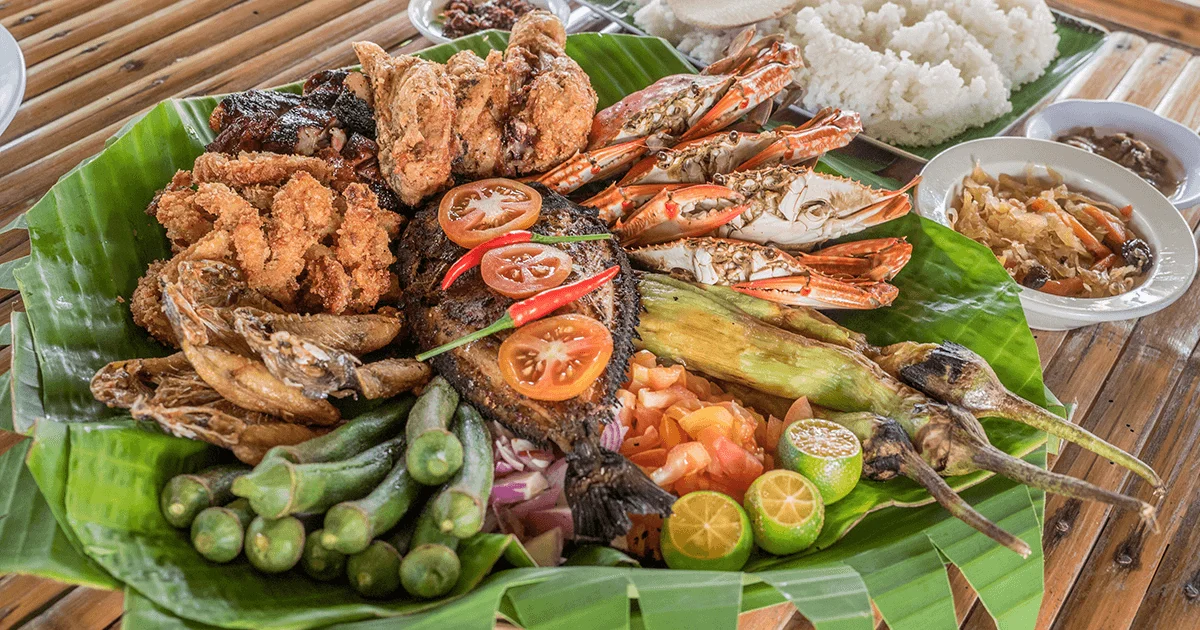
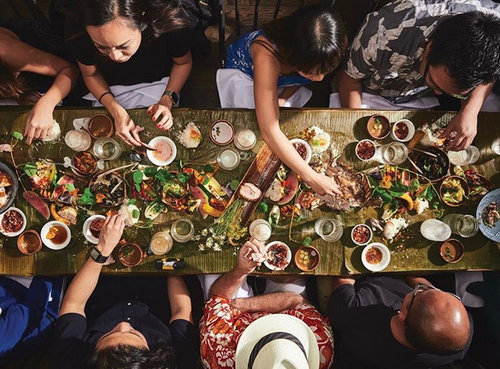
    Traditionally served on a large banana leaf or communal platter, family-style dining embodies the essence of togetherness and sharing.

    As you gather around the table, the aroma of various Filipino dishes fills the air, making your mouth water in anticipation. You’ll find adobo, sinigang, crispy lechon, and many other flavorful dishes, each offering a unique taste of the rich and diverse food in the Philippines.

    The act of passing plates and serving one another creates a warm and intimate atmosphere, strengthening bonds and creating lasting memories.

    It’s a true feast for the senses, offering a delightful exploration of Filipino culinary traditions.

    Hospitality and Sharing

    Hospitality and sharing infuse every Filipino dining experience with warmth and a sense of togetherness, creating an inviting atmosphere that encourages communal enjoyment of delectable dishes.

    When you invite someone to dine with you, it’s a sign of genuine friendship and warmth. In Filipino culture, it’s customary to offer food to guests as a gesture of hospitality and respect. It’s not just about eating; it’s about sharing and building connections with others.

    The act of sharing a meal fosters a strong sense of community and togetherness. In Filipino dining, it’s common for food to be eaten with rice, which is a staple in every meal. The act of sharing a communal plate of rice and dishes creates a bond, making the dining experience more than just a meal, but a celebration of togetherness and unity.

    Rice Etiquette and Proper Consumption

    In Filipino dining culture, the proper way to consume rice involves using a spoon and fork for all aspects of the meal, with the spoon serving as a versatile tool for cutting meat and scooping rice.

    1. Hold the fork in your left hand and the spoon in your right hand, and use the spoon to push the food onto the fork.
    2. Avoid using knives at the table, as it isn’t traditional Filipino etiquette. Instead, use the spoon with the fork to cut through food.
    3. Embrace the traditional method of eating with your hands, especially when enjoying rice and stews, which is a common practice in Filipino dining culture.

    Using a spoon and fork for all aspects of the meal, including rice consumption, is a significant part of Filipino dining etiquette and culture.

    Creative Use of Condiments

    Creatively infusing dishes with a vibrant array of condiments, Filipinos elevate their cuisine with an explosion of flavors and textures.

    The creative use of condiments is a hallmark of Filipino dining. From tangy vinegar and fish sauce to savory shrimp paste and sweet banana ketchup, condiments are essential in Filipino cooking.

    Dipping sauces like pork liver sauce for lechon and vinegar with chili for lumpia are prepared generously, adding depth to the dining experience.

    Condiments aren’t just accessories but integral components, often used for dunking rice in soy sauce or enhancing the flavor of various dishes.

    Filipino cuisine is known for its unique combinations, such as dried fish in chocolate rice pudding and garlic-seasoned pig blood stew paired with puto.

    This love for excessiveness extends to their creative use of condiments, adding layers of flavor to already abundant and flavorful meals.

    Food Sharing and Etiquette in Filipino Culture

    Elevating the communal dining experience, Filipinos often share meals with loved ones and prioritize togetherness, emphasizing the social aspect of eating with an abundance of traditional dishes served on banana leaves. This practice fosters closeness and a sense of community during meal times.

    When dining in a Filipino household, you’ll notice some unique dining etiquettes:

    1. Hands-on Dining: Filipinos have a tradition called Kamayan, where they eat with their hands, promoting togetherness and creating a shared experience.
    2. Utensils Usage: Table knives are uncommon in Filipino dining. Instead, forks and spoons are the primary utensils for consuming meals, reflecting the emphasis on communal eating.
    3. Abundance and Sharing: Filipino cuisine is known for its generosity. Food is often prepared in excess during celebrations, emphasizing the importance of sharing meals with loved ones and reinforcing community ties. This culture of sharing creates a warm and welcoming dining atmosphere.

    Frequently Asked Questions

    What Are the Eating Habits of the Filipino?

    You eat with a fork and spoon, cutting meat with the spoon. Filipino meals include a main dish, soup, vegetables, and rice. It’s a social experience, with guests expected to eat a lot and arriving late for dinner.

    What Is the Philippine Way of Eating?

    The Philippine way of eating involves using a spoon and fork to cut and shovel rice. Hands are used for traditional meals on banana leaves. Filipino cuisine includes unconventional animal parts and is a social experience emphasizing community and connection.

    What Is the Filipino Style of Eating?

    When it comes to the Filipino style of eating, it’s all about using a spoon and fork to savor a variety of flavorful dishes alongside rice. Eating with hands on banana leaves promotes a sense of togetherness.

    What Is the Manner of Eating in Philippines?

    In the Philippines, you eat with a fork in the left hand and a spoon in the right. Rice, a staple, accompanies every meal. Meals are social, and the local diet includes vegetables, pork, and seafood.

    Can you explain the cultural significance of eating with hands in Filipino culture?

    In Filipino eating customs and traditions, the act of eating with hands holds deep cultural significance. It symbolizes closeness and camaraderie as it fosters a communal dining experience. This practice also connects individuals with their food, allowing them to fully appreciate and savor the flavors of traditional Filipino dishes.

    Conclusion

    So, that’s how Filipinos eat! From communal dining traditions to the art of eating with hands, the Filipino dining experience is a unique blend of cultural significance and delicious flavors.

    With rice as a staple and a variety of dishes to enjoy, dining in the Philippines isn’t just about sustenance, but also about social connection and shared traditions.

    So next time you sit down to a Filipino meal, savor the experience and embrace the rich cultural heritage of Filipino dining.

  • 10 Unique Dishes in the Philippines

    10 Unique Dishes in the Philippines

    The top 10 unique dishes in the Philippines include pandesal, sinigang, adobo, balut, lechon, pancit, kare-kare, Bicol Express, Chicken Inasal, and taho. These dishes offer a diverse range of flavors and textures that showcase the rich culinary heritage of the Philippines.
    Key Takeaways

    • Pandesal is a traditional Filipino bread roll that is sweet and soft on the inside and crunchy on the outside, making it a versatile option for pairing with different flavors.
    • Sinigang is a beloved Filipino dish with sour and savory flavors, with regional variations using pork and vegetables in the northern regions and prawns or fish in the southern areas.
    • Adobo is an iconic Filipino dish that combines sweet, savory, and tangy flavors, with various protein options like pork, chicken, or seafood, and key ingredients like soy sauce, vinegar, garlic, bay leaves, and black pepper.
    • Balut is a popular Filipino delicacy made from incubated chicken or duck eggs, offering a unique taste between duck meat and boiled egg, with a crunchy skin and savory center.

    Pandesal

    If you’ve ever strolled through the streets of the Philippines in the early morning, the enticing aroma of freshly baked pandesal wafting from the local panaderias is sure to have captured your senses.

    This traditional Filipino bread roll is a staple in Filipino households and is a popular choice for breakfast or as a snack. The pandesal has a slightly sweet and soft interior with a crunchy exterior, making it a versatile option for pairing with both sweet and savory flavors.

    Its name, derived from the Spanish ‘pan de sal,’ which means ‘bread of salt,’ belies its actual taste. Pandesal is deeply ingrained in Filipino culture and is often enjoyed alongside a hot cup of coffee or hot chocolate. It’s a must-try when exploring Filipino cuisine, and you can find the best pandesal in local panaderias or at special Filipino restaurants.

    Sinigang

    Hey there!

    Let’s talk about Sinigang, a beloved Filipino dish that’s all about the perfect balance of sour and savory flavors.

    From its tangy tamarind base to the array of ingredients like pork, beef, or seafood, Sinigang offers a delightful combination of tastes and textures.

    Get ready to explore the regional variations, unique ingredients, and the traditional preparation methods that make Sinigang a standout in Filipino cuisine.

    Regional Variations

    With its various regional iterations, sinigang, a popular Filipino hot and sour soup, showcases the diverse culinary influences across the Philippines. Each region’s take on sinigang offers a unique twist to this beloved Filipino dish, making it a must-try for anyone exploring Filipino regional variations.

    In the northern regions, sinigang is often made with pork and an assortment of vegetables, while in the southern areas, prawns or fish are commonly used to create this flavorful soup. The Visayan version of sinigang includes a mix of meat and seafood, creating a delightful blend of flavors.

    No matter where you’re in the Philippines, sinigang offers a culinary experience that reflects the rich and varied Filipino foods, showcasing the different things that make this dish a standout in Filipino cuisine.

    Ingredients and Preparation

    In creating sinigang, you’ll infuse a tamarind-based broth with a blend of meat or seafood and an array of fresh vegetables, resulting in a revitalizing and flavorful hot and sour soup that embodies the diverse and vibrant essence of Filipino cuisine.

    The preparation involves boiling the chosen meat or seafood in the tamarind broth along with the selected vegetables until they’re tender, ensuring a hearty and flavorful dish. The ingredients may include pork belly, marinated to perfection, or prawns, contributing a delightful seafood twist.

    Additionally, sinigang can be enhanced with stuffed eggplant, adding a burst of flavor with every spoonful. Some variations of sinigang feature coconut milk, infusing the soup with a rich and creamy texture, while others include grilled chunks of meat, perfect for vinegar dipping.

    Adobo

    Marinating your choice of meat in a blend of soy sauce, vinegar, and garlic, then simmering it until tender, creates the flavorful and iconic Filipino dish known as Adobo. This popular dish is a harmonious blend of sweet, savory, and tangy flavors that have made it a beloved staple in Filipino cuisine. The key ingredients—soy sauce, vinegar, bay leaves, garlic, and black pepper—infuse the meat with a rich and aromatic taste that is both comforting and distinctive. The versatility of Adobo allows for the use of various proteins such as pork, chicken, or seafood, catering to different preferences. Whether enjoyed at a Filipino home or a renowned restaurant, the authentic taste of Adobo, coupled with steamed rice, offers a truly satisfying culinary experience.

    Soy Sauce Vinegar Garlic Bay Leaves Black Pepper
    Provides a rich umami flavor Adds a tangy kick Infuses a pungent aroma Enhances fragrance Adds a subtle heat

    Lechon

    If you’re a fan of succulent, flavorful dishes, then get ready to savor the mouthwatering experience of traditional lechon as well as its regional variations.

    The whole pig is slowly roasted over an open fire, resulting in crispy skin and melt-in-your-mouth meat that’s a staple at Filipino celebrations.

    From the original piggy shape to its unforgettable taste, lechon is a must-try dish that captures the essence of Filipino culinary traditions.

    Traditional Lechon

    Spitting a whole pig over an open fire is the traditional method used to create the iconic Filipino delicacy known as Lechon, resulting in a dish with crispy skin and tender meat that has become a centerpiece of celebrations and festivals.

    The Philippines’ traditional lechon is a national treasure, enjoyed at various events throughout the year. Its succulent pork, roasted to perfection, is a testament to the country’s rich culinary heritage.

    The spit-roasting process ensures that the lechon retains its original shape, creating a visually striking dish that’s as appealing as it’s delicious. Whether it’s a stuffed lechon or lechon belly, the diverse flavors and textures cater to different tastes and occasions.

    Savor the lightly seasoned, slow-roasted pork and experience the communal joy that this beloved dish brings.

    Regional Variations

    Regional variations of lechon take the iconic Filipino dish to new heights, offering diverse flavors and preparations across different regions in the Philippines. Each region showcases its unique cooking style and ingredients, resulting in a wide array of regional dishes that are foods to eat when visiting the Philippines. Here’s a glimpse of the regional specialties of lechon:

    Region Variation Description
    Cebu Stuffed Lechon Lechon stuffed with herbs and spices.
    Batangas Lechon Tagalog Marinated in a mixture of soy sauce and calamansi.
    Ilocos Bagnet Double-fried crispy pork belly.
    Bicol Lechon Caramoan Seasoned with chili and coconut milk.
    Manila Lechon Belly Boneless and rolled pork belly roasted to perfection.

    These regional variations add a delightful twist to the traditional lechon, making it an essential part of Filipino regional cuisine.

    Balut

    A popular delicacy enjoyed by many Filipinos, balut is a notorious snack made from incubated chicken or duck eggs. It boasts a unique taste that falls somewhere between duck meat and boiled egg. This exotic food is a must-try for adventurous eaters visiting the Philippines.

    When you crack open the fertilized duck or chicken egg, you’ll find a partially developed embryo inside. It offers a mix of textures and flavors that are sure to surprise your taste buds. The crunchy skin adds a satisfying contrast to the soft, savory center, making it a popular street food and late-night snack.

    Balut is often enjoyed with a sprinkle of salt and a splash of vinegar, enhancing its rich, complex taste. It’s truly a one-of-a-kind culinary experience in the Philippines.

    Pancit

    When exploring Filipino cuisine, you’ll discover that pancit is a beloved and versatile dish with a rich history and diverse flavors. From the delicate strands of pancit bihon to the hearty goodness of pancit habhab, this dish offers a delightful array of textures and tastes.

    Imagine savoring the aromatic arroz caldo, a comforting rice porridge, topped with freshly cracked chicken skin for a crispy contrast. Don’t forget to drizzle it with a splash of coconut vinegar for that extra zing.

    And if you’re feeling adventurous, try the unique combination of bagoong, a type of fermented fish or shrimp paste, with a sweet and sour dipping sauce.

    Pancit truly embodies the Filipino spirit—a fusion of influences resulting in a dish that’s both comforting and exciting, all at once.

    Kare-Kare

    When it comes to Kare-Kare, the combination of oxtail, tripe, or seafood with a thick peanut sauce sets the stage for a rich and flavorful experience. The traditional cooking method involves creating a paste from crushed peanuts and toasted rice, resulting in a unique blend of textures and tastes.

    And don’t forget the popular accompaniments, such as bagoong (shrimp paste) and an array of fresh vegetables, which add even more layers to this beloved Filipino dish.

    Ingredients and Flavor

    Kare-Kare, a traditional Filipino stew, tantalizes the palate with its thick peanut sauce base, tender meats, and a medley of accompanying vegetables. The dish boasts a complex flavor profile derived from the rich peanut sauce, succulent meat, and an array of vegetables.

    Some variants of Kare-Kare include seafood, showcasing the dish’s adaptability to different dietary preferences. It’s often served with shrimp paste, adding a salty and savory contrast to the nutty sauce. Inihaw na, or grilled eggplant, is a popular side dish that complements the stew’s robust flavors.

    Additionally, Kare-Kare is traditionally garnished with crispy, deep-fried pork rinds, enhancing its texture and taste. To round off the meal, ube ice cream or halaya, a purple yam jam, offers a sweet contrast, while a refreshing glass of calamansi juice provides a tangy and citrusy finish.

    Traditional Cooking Method

    Slow simmering the tender meats and rich, flavorful peanut sauce is a key aspect of the traditional cooking method for Kare-Kare, a beloved Filipino stew. Influenced by Chinese culinary techniques, the dish is cooked in coconut milk, adding a creamy richness to the peanut sauce.

    Additionally, the use of ground toasted rice provides a unique texture and nutty flavor to the dish. Another traditional method involves the use of a souring agent like achuete, giving the stew a distinct sour flavor.

    Furthermore, Kare-Kare is typically enjoyed with steamed rice, allowing the flavors of the stew and peanut sauce to meld beautifully with the simplicity of sticky rice. Embracing tradition, the dish’s rich history includes methods such as spit-roasting an entire pig, showcasing the diverse and innovative ways in which Kare-Kare has been prepared over the years.

    Popular Accompaniments

    Pivoting from the traditional cooking method, you’ll find that popular accompaniments for Kare-Kare add a delightful contrast to the rich and flavorful stew. When enjoying Kare-Kare, you’ll discover that the following accompaniments enhance the experience:

    • Bagoong (Shrimp Paste): A pungent shrimp paste served as a side dish, adding a salty and savory kick that complements the creamy peanut sauce.
    • String Beans and Aubergine: These vegetables are cooked until tender-crisp, offering a delightful contrast in texture to the tender meat and the thick, luscious sauce.
    • Green Papaya: Sliced thinly and added to the stew, the green papaya provides a subtle crunch, adding a refreshing element to each bite.
    • Condensed Milk: Sometimes used as an unexpected ingredient in the peanut sauce, it adds a touch of sweetness that balances the savory flavors.
    • Ground Pork: Often used to create a flavorful dipping sauce, the ground pork adds loads of umami flavor, making it an essential accompaniment.

    These accompaniments, combined with the rich and nutty flavors of Kare-Kare, create a dining experience that will leave you smacking your teeth in satisfaction.

    Bicol Express

    Bicol Express embodies the vibrant flavors and culinary heritage of the Bicol region, enticing food enthusiasts with its spicy and creamy stew. Originating from the Philippines, this unique dish is a spicy pork stew made with shrimp paste, coconut milk, and an abundance of green chili peppers.

    The bold and fiery flavors of Bicol Express reflect the region’s love for spicy cuisine and the use of coconut milk in savory dishes. The dish’s name is a nod to the popular train service connecting Manila to the Bicol region, highlighting its strong association with the region’s culinary heritage.

    Best enjoyed with steamed rice to balance the spiciness and richness of the stew, Bicol Express offers a delightful combination of creamy coconut, aromatic shrimp paste, and the intense heat of green chilis, making it a must-try for those who love bold, spicy flavors.

    Chicken Inasal

    With its succulent grilled flavor and aromatic marinade, Chicken Inasal captures the essence of Filipino culinary craftsmanship and the vibrant spirit of Bacolod’s Manokan Country. This unique dish is a grilled chicken marinated in lemongrass, citrus fruit, brown sugar, and garlic, brushed with achuete oil.

    Here are some key points to understand the essence of Chicken Inasal:

    • The authentic Chicken Inasal restaurants in Bacolod’s Manokan Country offer the best versions of this dish.
    • Chicken Inasal is best enjoyed with a generous serving of garlic rice.
    • Every part of the chicken is grilled, giving Chicken Inasal a distinct and flavorful taste.
    • Chicken Inasal is a popular Filipino dish known for its deliciously grilled flavor and aromatic marinade.
    • The marinade’s tart kalamansi limes and the grilling process make Chicken Inasal a unique dish in the Philippines.

    Taho

    Taho, a popular Filipino snack, is a delightful combination of silken tofu, sweet arnibal syrup, and chewy sago pearls. This street food is a comforting and sweet treat enjoyed by people of all ages in the Philippines. It’s often sold by vendors in the morning as a warm breakfast option, served in cups or disposable plastic bags for convenience.

    Taho is made with glutinous soybean custard and is easily recognized by the distinct ‘taho’ chant used by vendors to attract customers. If you travel to the Philippines, trying taho is a must to experience the unique flavors of this traditional snack. Below is a breakdown of the components of this delectable treat:

    Component Description
    Silken Tofu Soft, delicate tofu with a smooth texture
    Arnibal Syrup Sweet syrup made from caramelized sugar and water
    Sago Pearls Chewy tapioca pearls that add texture to the dish

    For more information on unique Filipino dishes, feel free to contact us!

    Kinilaw

    If you’ve savored the sweet and comforting flavors of taho, prepare yourself for another unique culinary adventure with Kinilaw, a Filipino dish that captures the vibrant coastal heritage of the Philippines.

    Kinilaw is the Philippines’ most popular version of ceviche, featuring raw fish or seafood marinated in vinegar or citrus juice. The dish reflects the fusion of various influences in Filipino cuisine, offering a unique and refreshing taste of the country’s coastal heritage.

    When enjoying Kinilaw, expect vibrant and tangy flavors that highlight the Philippines’ rich seafood resources. To enhance the experience, it’s often served with crushed ice to keep it fresh and appetizing. Some variations even include mangoes drenched in fish paste or leche flan, adding a delightful twist to this traditional dish.

    • Raw fish or seafood marinated in vinegar or citrus juice
    • Vibrant and tangy flavors
    • Use of crushed ice
    • Variations with mangoes and fish paste
    • Reflection of the Philippines’ coastal heritage

    Halo-Halo

    Immerse yourself in the vibrant flavors and textures of Filipino cuisine with a delightful serving of Halo-Halo, a popular dessert that offers a refreshing escape from the heat of warm weather.

    This unique Filipino snack is a delightful mix of shaved ice, sweetened fruits like tamarind, jellies, and beans, topped with evaporated milk, leche flan, and ube (purple yam) ice cream, all served in a tall glass.

    The name ‘Halo-Halo’ translates to ‘mix-mix’ in English, perfectly capturing the essence of this dessert. It’s a colorful and refreshing treat, reflecting the diverse and rich culinary heritage of the Philippines.
    Found in various eateries, Halo-Halo is a must-try for those seeking a taste of authentic Filipino cuisine, offering a delightful combination of textures and flavors that make it truly unique.

    Frequently Asked Questions

    What Food Is Unique to the Philippines?

    You’ll find unique Filipino dishes like balut, kwek kwek, pancit, betute, and halo-halo. These dishes offer a mix of flavors and textures that are distinct to the Philippines, making them a must-try for any food enthusiast.

    What Is a Rare Dish in the Philippines?

    A rare dish in the Philippines is betute, which involves stuffing ground meat into frogs and deep-frying them until crispy. It’s a unique and adventurous culinary experience that you might encounter during your visit.

    What Are the Top 10 Filipino Dishes?

    You should definitely try the top 10 Filipino dishes! Adobo, lechon, sisig, crispy pata, and chicken inasal are just a few. They offer a delicious blend of flavors and textures that you won’t forget.

    What Is the Special Dish of the Philippines?

    The special dish of the Philippines is adobo, a flavorful blend of soy sauce, vinegar, and tender meat or seafood. It’s a beloved national dish that showcases the rich and diverse flavors of Filipino cuisine.

    How do Siling Labuyo Spices Enhance the Flavor of Filipino Dishes?

    Siling labuyo spices are essential in creating delicious and authentic spicy Filipino dishes. The intense heat and unique flavor of these tiny peppers add depth and complexity to popular Filipino recipes like adobo, sinigang, and Bicol Express. The vibrant red color and intense spiciness of siling labuyo bring excitement to any dish.

    Conclusion

    So there you have it, 10 unique and delicious dishes that you must try when visiting the Philippines.

    From the comforting arroz caldo to the exotic balut, each dish offers a taste of Filipino culture and tradition.

    Whether you’re craving something savory, sour, or sweet, the diverse flavors of these dishes are sure to delight your taste buds and leave you craving for more.

    Don’t miss the opportunity to savor these culinary delights on your next trip to the Philippines!

  • Why Do Filipino Eat With Their Hands?

    Why Do Filipino Eat With Their Hands?

    Filipinos eat with their hands to connect with their food, preserve cultural identity, resist oppression, and foster community bonds. This practice, known as kamayan, symbolizes hospitality, inclusivity, and a way to honor Filipino heritage through communal dining experiences.

    Key Takeaways

    • Kamayan is a pre-colonial tradition that symbolizes the preservation of Filipino cultural identity and heritage.
    • Eating with hands through kamayan is a response to centuries of oppression and serves as a way to resist cultural erasure and stay connected to Filipino heritage.
    • Kamayan reflects the importance of community, togetherness, and Filipino hospitality, generosity, and inclusivity.
    • Engaging in the ancestral tradition of kamayan is seen as a revolutionary act, reclaiming cultural identity and heritage.

    Cultural Significance

    Immerse yourself in the cultural significance of kamayan, a cherished Filipino tradition deeply intertwined with history and heritage.

    Kamayan isn’t just a way of eating; it’s a cultural experience that embodies the essence of Filipino tradition. It symbolizes hospitality, generosity, and inclusivity, allowing people to come together and celebrate their shared heritage.

    By partaking in this communal meal, individuals honor their pre-colonial roots and reaffirm their connection to Filipino culture. The act of eating with hands and using banana leaves as serving platters serves as a powerful reminder of uncolonized traditions, fostering a sense of community and togetherness.

    Kamayan reflects the intimate link between food, culture, and personal experiences, underlining the importance of preserving and passing on this rich cultural heritage to future generations.

    Historical Roots

    Before the Spanish colonization in the 16th century, kamayan served as the customary way of eating in the Philippines, deeply rooted in the cultural and historical fabric of the Filipino people. Kamayan, or eating with our hands, is a practice that dates back centuries and holds significant historical roots.

    This traditional way of dining has been preserved and is still observed during big celebrations and gatherings, symbolizing a connection to Filipino cultural history. The act of feeding each other through kamayan is a demonstration of love and respect, reflecting a profound connection to the nourishment and the land it comes from.

    Additionally, using hands and banana leaves as plates is a reminder that even the act of eating can be influenced by colonization. Engaging in the ancestral tradition of kamayan is seen as a revolutionary act, reclaiming cultural identity and heritage.

    Traditional Practices

    When engaging in traditional Filipino dining practices, the act of kamayan, or eating with your hands, serves as a powerful expression of cultural heritage and identity.

    Kamayan was the customary way of eating in the Philippines before Spanish colonization in the 16th century and is still practiced for significant celebrations.

    Feeding each other through kamayan is a way Filipinos demonstrate love and connect with what nourishes them and the land it comes from.

    Using hands and seeing banana leaves remind Filipinos that even how they eat can be colonized, and participating in the ancestral tradition of kamayan is seen as revolutionary.

    It’s a symbol of Filipino hospitality, generosity, and a way to celebrate and honor Filipino heritage and traditions.

    Kamayan is a response to centuries of oppression, allowing individuals to reconnect with one another, emphasizing inclusivity and welcoming attitudes towards dining.

    Social Etiquette

    Continuing the rich tradition of kamayan, embracing social etiquette during Filipino dining experiences involves a deep respect for communal dining customs and a profound appreciation for the connections fostered through shared meals. When participating in kamayan, it’s important to observe the following social etiquette:

    • Respect personal space and boundaries while dining communally.
    • Offer food to others as a gesture of generosity and care.
    • Follow traditional handwashing rituals before and after the meal to ensure proper hygiene.
    • Engage in meaningful conversations and connect with others while sharing the same dining space.

    Eating with hands isn’t just about the physical act of consuming food, but also about building relationships, nurturing connections, and celebrating Filipino culture through communal dining experiences.

    Symbolism in Food Consumption

    Hey there!

    Let’s talk about the cultural significance of hand-eating, traditional eating practices, and their deep connection to ancestral roots in Filipino food consumption.

    It’s not just about the act of eating with hands, but a way to preserve heritage, strengthen community bonds, and challenge stereotypes, showcasing the rich symbolism in food consumption.

    These traditions reflect not only the flavors of the cuisine but also the history, values, and identity of the Filipino people.

    Cultural Significance of Hand-Eating

    Hand-eating, also known as kamayan, holds deep cultural significance in Filipino food consumption, symbolizing heritage, love, and community. This unique way of dining encapsulates the essence of Filipino culture, carrying profound meanings beyond mere sustenance.

    • Cultural Identity and Heritage: Kamayan is a pre-colonial tradition that signifies the preservation of Filipino cultural identity and heritage.
    • Demonstration of Love: The act of feeding each other through kamayan is a heartfelt demonstration of love and a strong connection to the food and the land it comes from.
    • Symbol of Hospitality and Generosity: Kamayan serves as a symbol of Filipino hospitality, generosity, and inclusivity, emphasizing the importance of community and togetherness.
    • Resistance and Connection: Eating with hands is a response to centuries of oppression, serving as a way to resist cultural erasure and stay connected to Filipino heritage.

    Traditional Eating Practices

    Traditional Filipino eating practices are deeply rooted in symbolism, reflecting cultural values and traditions that have been passed down through generations. The practice of kamayan, or eating with hands, holds historical and cultural significance in the Philippines, dating back to pre-colonial times.

    Kamayan symbolizes Filipino hospitality, generosity, and serves as a way to celebrate and honor Filipino heritage and traditions. It involves washing hands before eating, using mostly one hand to consume food, and pinching food into a clump at the fingertips. This traditional way of eating allows Filipinos to connect with their roots, embrace their cultural identity, and build friendships over a unique meal.

    Hand-to-mouth eating isn’t limited to Filipino culture; it holds deep meanings and logic across various cultures worldwide, showcasing the universal significance of traditional eating practices.

    Connection to Ancestral Roots

    Connecting to your ancestral roots through the symbolic act of food consumption holds profound cultural significance in Filipino tradition. Embracing traditional Filipino culinary practices such as kamayan, or eating with your hands, serves as a powerful way to honor and preserve your heritage.

    This ancestral tradition reflects a deep connection to your roots and cultural identity, embodying the rich history and values of Filipino society. The act of feeding each other during kamayan represents love, familial ties, and a connection to the land. Seeing banana leaves during this practice serves as a reminder of the impact of colonization on food consumption, emphasizing the symbolism in the act of eating.

    Participating in kamayan isn’t only a way to enjoy a meal, but also a revolutionary act of preserving and celebrating Filipino cultural traditions.

    Connection to Indigenous Heritage

    Indulging in kamayan, the customary way of eating in the Philippines, fosters a deep connection to indigenous heritage, honoring ancestral traditions and cultural values. This traditional method of eating involves using banana leaves as plates, with an array of dishes placed at the center for sharing. As a Filipino, engaging in kamayan allows you to partake in a centuries-old practice that predates Spanish colonization, connecting you to your pre-colonial indigenous roots.

    The act of eating with your hands directly from the banana leaves evokes a sense of intimacy and community, reflecting the Filipino cultural value of inclusivity. It’s a powerful way to reclaim and preserve your cultural identity in the face of historical oppression and colonial influence, providing a tangible link to your indigenous heritage.

    Emotional Aspect Connection to Indigenous Heritage
    Pride Honoring ancestral traditions
    Nostalgia Reconnecting with indigenous roots
    Unity Sharing meals on banana leaves
    Resilience Preserving cultural identity
    Belonging Embracing Filipino heritage

    Culinary Experience

    Embrace a sensory culinary journey as you immerse yourself in the traditional Filipino dining experience known as kamayan. Eating with your hands, you’ll discover the rich cultural heritage and warm hospitality of the Philippines.

    Here’s what to expect from this unique culinary adventure:

    • Boodle Fight: Engage in a communal feast where an array of dishes are laid out on banana leaves, encouraging camaraderie and unity as you eat shoulder to shoulder with friends and family.
    • Tactile Dining: Feel the textures and temperatures of the food as you use your hands to savor each bite, enhancing the sensory experience and connection to the meal.
    • Traditional Etiquette: Participate in the ritual of washing your hands before and after the meal, signifying respect for the food and fellow diners.
    • Community Spirit: Engage in a dining experience that fosters a sense of togetherness and celebration of Filipino heritage.

    Practical Advantages

    Eating with your hands offers practical advantages that go beyond just cultural tradition. It allows you to fully experience the texture and temperature of the food, enhancing your sensory experience.

    Additionally, this communal way of dining promotes social bonding and a sense of togetherness during meals.

    Cultural Tradition

    With its practical advantages, kamayan, the traditional Filipino way of eating with hands, offers a unique and tactile dining experience that fosters a sense of community and togetherness. This cultural tradition promotes a deep connection to food and a shared experience among diners.

    The act of using hands to eat is deeply ingrained in Filipino culture and reflects the value placed on intimacy and closeness during mealtime. This practice encourages a more direct and sensory interaction with the food, enhancing the enjoyment of certain dishes, such as fried, broiled, grilled, or barbecued food. Additionally, it allows for a more immersive dining experience, heightening the flavors and textures of the cuisine.

    The tradition of kamayan also symbolizes equality and unity, as everyone partakes in the meal using the same simple yet effective method.

    Sensory Experience

    When enjoying the sensory experience of kamayan, the traditional Filipino hand-to-mouth eating style enhances the tactile and sensory interaction with food, providing practical advantages for certain dishes.

    Using your hands to eat amplifies the enjoyment of fried, broiled, grilled, or barbecued food, as it allows you to feel the textures and temperatures directly. The absence of utensils provides a practical and straightforward way of savoring these dishes, eliminating barriers between you and the food.

    While it may seem challenging, it’s not impossible to enjoy soups and stews using your hands, adding a unique and immersive dimension to the dining experience.

    Moreover, when these delectable dishes are served on banana leaves, the sensory experience is heightened, creating a closer connection with the food and evoking a sense of intimacy and tradition.

    Social Bonding

    At festive gatherings and special celebrations, the tactile experience of hand-to-mouth eating in Filipino culture fosters a sense of intimacy and connection with the food, strengthening bonds and creating a unique atmosphere of togetherness.

    Eating with hands can enhance the enjoyment of fried, broiled, grilled, or barbecued food, making it a practical way of eating. It eliminates the need for utensils, promoting a more intimate dining experience.

    Hand-to-mouth eating is often associated with festive occasions and special celebrations, promoting social bonding and a sense of togetherness. Sharing a communal meal with hand-to-mouth eating is a practical way to build connections and foster a sense of intimacy and connection with the food, creating a unique and memorable dining experience.

    Family and Community Bonding

    Kamayan, a traditional Filipino custom, brings families and communities together through the sharing of a communal meal, fostering a deep sense of togetherness and strengthening bonds. During kamayan, everyone gathers around a table with a spread of delicious, aromatic dishes. The atmosphere is lively and warm, filled with laughter and chatter. The act of eating with your hands creates an intimate and personal connection with the food and with each other.

    As you scoop up a mouthful of flavorful adobo or sinigang using your fingertips, you are not just nourishing your body but also nourishing your relationships. The communal dining experience creates a space for sharing stories, passing on family recipes, and resolving conflicts. Through this tradition, Filipino families and communities uphold their cultural heritage and foster unity, reinforcing the importance of togetherness and familial bonds.

    Left Hand Side Right Hand Side
    Nourishing bonds Promoting unity
    Sharing stories Passing on recipes
    Resolving conflicts Strengthening heritage
    Creating intimacy Fostering togetherness
    Embracing culture Building relationships

    Spiritual and Ritualistic Aspects

    When it comes to Filipino eating habits, the spiritual and ritualistic aspects play a significant role in shaping the dining experience.

    Kamayan, for instance, is more than just a way of eating – it’s a cultural practice that carries deep spiritual significance. It’s a way to honor ancestors, connect with traditions, and resist colonial influences, making it a unique and powerful aspect of Filipino dining culture.

    Cultural Significance

    Embracing the Filipino tradition of kamayan, you engage in a profound, spiritual experience that symbolizes love, connection, and a celebration of cultural heritage through communal nourishment.

    This cultural practice holds significant spiritual and ritualistic aspects that are deeply rooted in Filipino identity and tradition. When participating in kamayan, you aren’t just eating; you’re partaking in a ritual that signifies a spiritual connection to the land and the food it produces.

    The act of using your hands and dining on banana leaves serves as a reminder of the impact of colonization on even the way Filipinos eat, emphasizing the spiritual connection to their cultural history.

    Kamayan is a powerful symbol of Filipino hospitality and generosity, embodying the spiritual and ritualistic aspects of sharing and communal nourishment.

    Connection to Ancestors

    Engaging in the Filipino tradition of kamayan not only offers a profound experience but also serves as a powerful symbol of connection to ancestors through its spiritual and ritualistic aspects. Kamayan, the act of eating using only one hand, holds deep spiritual and communal significance for Filipinos. It is a way to pay homage to their cultural history and heritage, connecting them to their roots and ancestors.

    Feeding each other during kamayan is a demonstration of love and a way to connect with what nourishes them and the land it comes from, linking to spiritual and communal beliefs. The act of eating kamayan is seen as a way to participate in ancestral traditions, celebrating and honoring Filipino heritage while holding strong spiritual and cultural significance.

    Spiritual Aspect Ritualistic Aspect Ancestral Connection
    Pays homage to cultural history and heritage Demonstrates love and communal beliefs Connects to roots and ancestors

    Influence of Colonial History

    The Spanish colonization in the 16th century brought the use of utensils, but kamayan has remained a symbol of resistance and preservation of Filipino heritage.

    During the American colonial period, the aggressive promotion of utensils suppressed the practice of kamayan, enforcing American dining etiquette and influencing perceptions of hand-to-mouth eating. This lasting influence has led to the perception of eating with hands as lowly and improper, contributing to stereotypes and judgments.

    Kamayan, however, is seen as a response to centuries of oppression, allowing Filipinos to reconnect with their ancestral traditions and cultural identity. The act of eating with hands has become a powerful symbol of cultural resilience, defying the pressures of colonial rule and reclaiming a sense of authenticity.

    Even the American military slang ‘to eat with one’s fingers’ can’t diminish the significance of kamayan in Filipino culture.

    Modern-Day Perspectives

    Despite the lasting influence of colonial rule on Filipino eating habits, modern-day perspectives on kamayan reflect a powerful resurgence of cultural resilience and a rejection of assimilation pressures in today’s society. Embracing the practice of eating with hands is a way for Filipinos to reclaim their cultural heritage and defy stereotypes about hygiene and dining practices.

    By participating in kamayan, individuals challenge centuries of colonial oppression and preserve their cultural identity in a contemporary context. Moreover, sharing and eating kamayan fosters communal bonds, celebrating inclusivity and warmth in Filipino culture. This modern perspective honors ancestral traditions and serves as a tangible way to carry forward the rich legacy of the Filipino people. The table below illustrates the key aspects of modern-day perspectives on eating with hands.

    Modern-Day Perspectives on Kamayan
    Reconnect with cultural heritage and resist assimilation
    Challenge stereotypes about hygiene and dining practices
    Foster communal bonds and celebrate inclusivity

    Frequently Asked Questions

    Do You Eat Filipino Food With Your Hands?

    Yes, eating Filipino food with your hands is a traditional practice that fosters a strong connection to the culture. It’s a way to show respect, share warmth, and honor Filipino traditions while enjoying delicious food.

    What Is the Filipino Word for Eating With Your Hands?

    The Filipino word for eating with your hands is ‘Kamayan.’ It translates to ‘by hand’ in Tagalog. Kamayan is a traditional way of eating in the Philippines, often practiced during big celebrations and as a way to honor cultural heritage.

    What Are the Eating Habits of Filipino?

    Filipino eating habits include kamayan, a traditional way of eating with hands. It’s a way to honor cultural history, connect with food, and resist colonization’s influence. Through kamayan, Filipinos demonstrate love, hospitality, and inclusivity.

    What Culture Eats With Their Hands and Why?

    Many cultures, like the Filipino, eat with their hands as a way to connect with their heritage, show love, and practice inclusivity. It’s a symbol of hospitality and a revolutionary act of reclaiming their traditions.

    How Does the Importance of Food in Filipino Culture Influence the Tradition of Eating with Their Hands?

    The importance of Filipino food is deeply ingrained in the culture, impacting the tradition of eating with hands. This practice symbolizes kinship and togetherness, as meals are often shared from a common plate. It also connects individuals to their native cuisine, enhancing the overall dining experience.

    Conclusion

    So, next time you sit down to enjoy a delicious Filipino meal, remember the rich cultural significance behind eating with your hands. It’s not just about the food, but about connecting with your heritage, reclaiming traditions, and showing love and respect for the land and the people who’ve shaped Filipino cuisine.

    Embrace the Kamayan tradition and savor every bite with a deeper understanding of its symbolism and history.

  • What Do They Eat in the Philippines?

    What Do They Eat in the Philippines?

    The Philippines offers a wide variety of delicious dishes for breakfast, such as tocino and tapsilog.

    Filipino cuisine is a vibrant and diverse tapestry that promises a rich culinary adventure for food enthusiasts and culture explorers.

    Key Takeaways

    • Traditional Filipino breakfast dishes often feature a combination of pork, rice, and eggs, showcasing the rich culinary heritage of the country.
    • Famous Filipino meat dishes include lechon, adobo, humba, and sisig, which are considered the heart and soul of Filipino cuisine.
    • Flavorful seafood delicacies such as sinigang na isda, sinigang na hipon, ginataang tilapia, and bangus sisig capture the essence of Filipino coastal cuisine.
    • Filipino cooking techniques, including grilling, stewing, and frying, play a crucial role in creating dishes that represent the essence of Filipino cuisine.

    Traditional Filipino Breakfast Dishes

    When you think of traditional Filipino breakfast dishes, you'll find a delightful array of flavors and textures that make the morning meal a truly satisfying experience.

    One iconic dish is Tocino, which consists of thinly sliced pork belly marinated in a sweet and savory sauce, often served with garlic fried rice and a side of fresh tomatoes.

    Another popular option is Tapsilog, featuring marinated beef, garlic fried rice, and a sunny-side-up egg, creating a perfect blend of savory and hearty flavors.

    For those who prefer sausages, Longsilog is a go-to choice, with its delicious combination of Filipino sausages, garlic fried rice, and a fried egg.

    These dishes showcase the rich culinary heritage of the Philippines, where the combination of pork, rice, and eggs forms the cornerstone of traditional Filipino breakfast cuisine.

    Famous Filipino Meat Dishes

    Familiar with the delectable Tocino and savory Adobo? Let's explore the famous meat dishes that make Filipino cuisine a true culinary delight. Dive into the traditional flavors of Filipino cuisine with these renowned meat dishes.

    Dish Description
    Lechon Roasted suckling pig, famous on the island of Cebu.
    Adobo National dish made with vinegar, soy sauce, garlic, and black pepper.
    Humba Similar to adobo, but sweeter, made with pork, banana blossoms, and fermented black bean paste.
    Sisig Chopped up pig ears, jowls, liver, onion, and chili peppers served on a sizzling hot skillet.

    From the succulent Lechon to the tangy Adobo, these meat dishes showcase the heart and soul of Filipino cuisine. Indulge in the rich flavors of Humba and the sizzling sensation of Sisig. Filipino cuisine's meat dishes, such as crispy pata and grilled pork, are a true celebration of taste and tradition.

    Flavorful Filipino Seafood Delicacies

    Seafood is a staple in Filipino cuisine, offering a wide array of flavorful delicacies that are sure to tantalize your taste buds.

    From fresh fish to succulent shellfish, the Philippines boasts a rich variety of seafood dishes that are cooked using traditional techniques passed down through generations.

    Each region in the Philippines also has its own unique seafood specialties, showcasing the diverse flavors and cooking styles found throughout the archipelago.

    Popular Seafood Dishes

    Flavorful Filipino seafood delicacies are a highlight of the vibrant and diverse Philippine cuisine, offering a tantalizing array of dishes that showcase the country's rich coastal bounty.

    When exploring popular Filipino dishes, you must indulge in sinigang na isda, a delectable sour fish soup made with tamarind, tomatoes, and fresh vegetables.

    Another must-try is sinigang na hipon, a similar dish featuring succulent shrimp as the star ingredient.

    Influenced by Chinese cuisine, Filipino foods also include the creamy and savory flavors of ginataang tilapia, a dish of coconut milk-marinated fish, and the zesty bangus sisig, a sizzling medley of chopped milkfish infused with calamansi juice.

    The medley of flavors in these seafood dishes truly captures the essence of Filipino coastal cuisine.

    Cooking Techniques Used

    When preparing the flavorful Filipino seafood delicacies, it's essential to utilize traditional cooking techniques that enhance the natural flavors of the seafood while infusing them with the vibrant and aromatic spices unique to Philippine cuisine. Filipino dishes are often cooked using methods like grilling, stewing, and frying to bring out the best in the fresh seafood. Here's a glimpse of the traditional cooking techniques used in preparing some popular Filipino dishes:

    Cooking Technique Description
    Grilling Seafood is marinated in a blend of spices and then grilled over an open flame, creating a smoky and charred flavor.
    Stewing Seafood is simmered with vegetables and spices, allowing the flavors to meld together and creating a rich and hearty dish.
    Frying Seafood is often coated in a seasoned batter and deep-fried until crispy and golden, adding a delightful crunch to the dish.

    These techniques are employed in dishes such as crispy fried pork belly, sinigang na baboy (pork stew made with tamarind), and arroz caldo. Each method plays a crucial role in capturing the essence of Filipino cuisine.

    Regional Seafood Specialties

    Amid the diverse culinary landscape of the Philippines, regional seafood specialties shine as vibrant, aromatic, and richly flavorful delicacies that showcase the country's unique culinary heritage and the bounty of its surrounding waters.

    When it comes to famous Filipino dishes, regional seafood specialties take center stage. The Filipino version of ceviche, known as Kinilaw, tantalizes with its raw fish marinated in vinegar and other ingredients. Sinigang, a sour soup made with pork and tamarind, or other sour fruits, offers a delightful tangy taste.

    Additionally, the Philippines' regional seafood specialties include the beloved smoked fish, adding a deep, smoky flavor to various dishes. Each dish is a testament to the Filipino love for seafood, often complemented by fermented fish paste, creating a symphony of flavors that celebrate the sea's bounty.

    Filipino Rice and Noodle Specialties

    If you're a fan of rice and noodle dishes, then you're in for a treat with Filipino cuisine. From the savory Pancit Guisado to the aromatic Sinangag, Filipino rice and noodle specialties are bursting with flavor and variety.

    Bistek Tagalog, Longsilog, and Fried Lumpia are just a few more examples of the diverse and beloved dishes that make up this delectable aspect of Filipino gastronomy.

    Rice Dishes

    Filipino Rice and Noodle Specialties showcase a tantalizing blend of flavors and textures that will leave your taste buds craving for more.

    When it comes to rice dishes, Filipino cuisine offers a delightful array of options. Sinangag, a garlic fried rice, is a staple in Filipino breakfast, boasting aromatic flavors and a satisfying crunch. Adobo, a popular Filipino dish, features tender pork or chicken marinated in soy sauce and vinegar, creating a perfect balance of savory and tangy notes.

    Another must-try is Sinigang na, a sour soup typically made with pork, seafood, or shrimp, and served with steamed rice. These rice dishes aren't only hearty and delicious but also represent the rich culinary heritage of the Philippines.
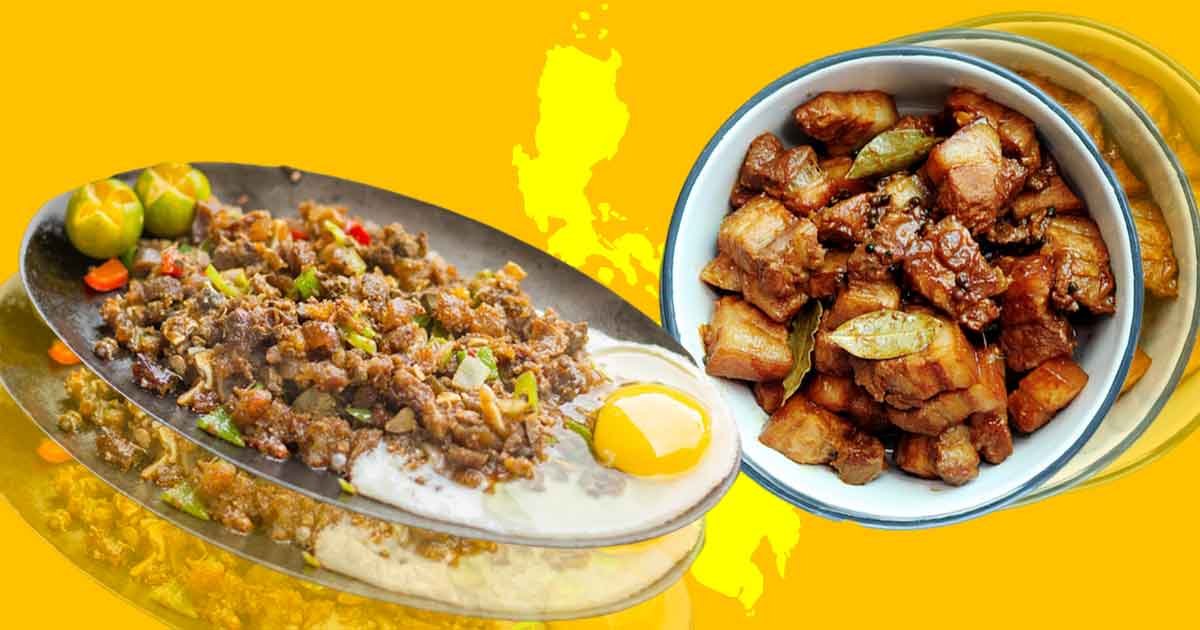
    Noodle Specialties

    Noodle Specialties in Philippine cuisine offer a delicious array of flavors and textures, showcasing the diverse culinary heritage of the Philippines. Filipino noodle dishes are a delightful combination of rice, vegetables, chicken, meat, and vegetables, often accompanied by spring rolls. Here's a glimpse of the Filipino noodle specialties:
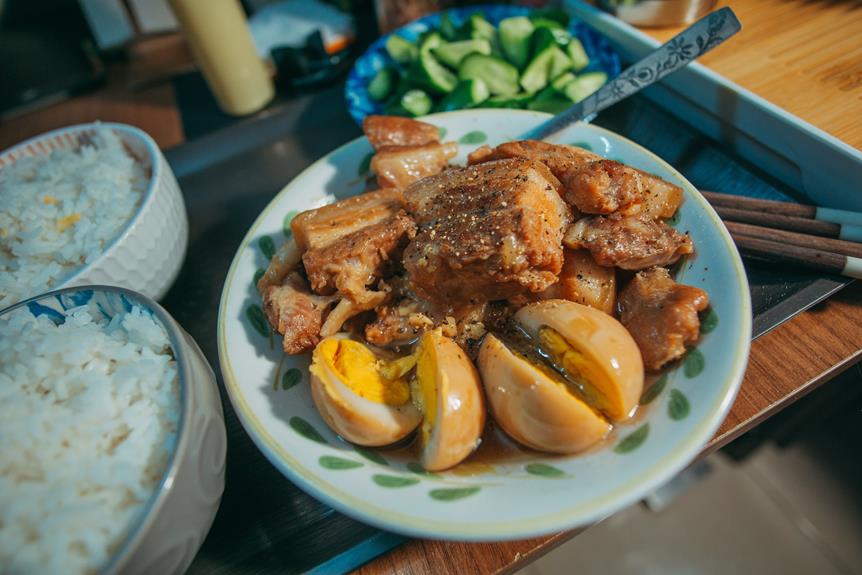
    Noodle Specialties Description
    Pancit Canton Stir-fried noodles with a mix of meat, seafood, and vegetables.
    Pancit Malabon Thick rice noodles topped with shrimp, squid, and a rich, flavorful sauce.
    Pancit Bihon Thin rice noodles stir-fried with soy sauce, meats, and vegetables.
    Pancit Palabok Rice noodles in a bright orange sauce topped with shrimp, crushed chicharron, and hard-boiled eggs.

    These dishes are not only visually appealing but also bursting with savory and aromatic flavors, making them a must-try when exploring Filipino cuisine.

    Popular Filipino Dishes

    With an enticing array of flavors and textures, the popular Filipino dishes, including rice and noodle specialties, offer a delightful continuation of the diverse culinary heritage found in the noodle specialties of Philippine cuisine. These dishes are deeply ingrained in Filipino culture and are enjoyed by many as comforting, hearty meals.

    Some of the most beloved Filipino rice and noodle specialties include:

    • Sinigang na Baboy: A sour soup made with pork, tamarind, and various vegetables.
    • Chicken Adobo: Chicken marinated in soy sauce and vinegar, then braised until tender.
    • Pancit Canton: A stir-fried noodle dish with a savory soy-based sauce, mixed with pork, chicken, and vegetables.

    These dishes showcase the rich flavors of Filipino comfort food, often featuring a perfect balance of savory, sour, and sometimes sweet notes.

    Delectable Filipino Desserts

    Indulge in the irresistible array of delectable desserts that showcase the rich flavors and textures of Philippine cuisine.

    Halo-Halo, a beloved classic, is a refreshing treat made with shaved ice, various sweetened fruits, beans, jellies, and topped with leche flan and a scoop of ice cream.

    Ube Halaya, a vibrant purple yam jam, offers a delightful combination of nutty and sweet flavors.

    Bibingka, a traditional rice cake, is a delightful blend of galapong, coconut milk, and sugar, often topped with salted egg and grated coconut.

    If you have a penchant for something crispy and sweet, Turon, a caramelized banana and jackfruit-filled spring roll, is a must-try.

    These desserts perfectly complement the bold flavors of popular Filipino dishes like sinigang na, caldereta, and chicken adobo, making every meal a memorable experience.

    Unique Filipino Appetizers

    If you're craving an explosion of bold flavors and unique culinary experiences, Filipino cuisine has an array of appetizers that are sure to tantalize your taste buds.

    From the tangy and refreshing Kinilaw, a Filipino ceviche made with raw fish marinated in vinegar, to the sizzling Pork Sisig, which consists of chopped up pig ears, jowls, liver, onion, and chili peppers, there's something for everyone.

    Another popular dish is Tokwat Baboy, a classic combination of deep-fried tofu and pork belly, served with a dressing of vinegar, soy sauce, onion, and chili pepper.

    These unique Filipino appetizers offer a glimpse into the vibrant and diverse culinary landscape of the Philippines, making them a must-try for anyone looking to explore traditional dishes with an explosion of flavors.

    Popular Filipino Soups and Stews

    Let's talk about the comforting and flavorful world of Filipino soups and stews.

    From the tangy and savory Sinigang to the rich and nutty Kare-Kare, there's a wide array of options to satisfy your cravings.

    Whether you're in the mood for a hearty beef stew like Nilagang Baka or a soothing chicken soup like Tinola, Filipino cuisine has something for everyone.

    Sinigang and Tinola

    With their vibrant flavors and comforting aromas, Sinigang and Tinola have secured their place as beloved dishes in Filipino cuisine, showcasing the rich and diverse culinary heritage of the Philippines.

    Sinigang is a sour soup made with pork, tamarind, and other sour fruits. It is filled with vegetables and meat, creating a tangy flavor profile that tantalizes the taste buds.

    Tinola, on the other hand, is a Filipino stew typically made with chicken, green papaya, and chili pepper leaves in a ginger-flavored broth. It offers a comforting and aromatic taste that warms the soul.

    Both Sinigang and Tinola are popular Filipino dishes enjoyed with steamed rice. They incorporate fish sauce and bay leaves to enhance their delightful flavors. These soups and stews perfectly capture the essence of Filipino cuisine, blending a variety of meats, fresh vegetables, and aromatic spices to create a truly satisfying dining experience.

    Kare-Kare and Bulalo

    Building on the legacy of beloved Filipino soups and stews like Sinigang and Tinola, the culinary landscape of the Philippines also boasts the exquisite flavors of Kare-Kare and Bulalo. These dishes are deeply rooted in Filipino culture and are beloved for their rich and comforting flavors.

    Dish Main Ingredients Served with
    Kare-Kare Oxtail, vegetables, peanut sauce Bagoong (shrimp paste)
    Bulalo Beef shanks, bone marrow Side dish of rice

    Kare-Kare is a hearty stew featuring tender oxtail and an indulgent peanut sauce, while Bulalo is a hot soup made with slow-cooked beef shanks and flavorful bone marrow, making it the perfect choice for rainy days. Both dishes are traditionally served with a side of rice, and Kare-Kare is typically accompanied by bagoong, a pungent shrimp paste that adds a delightful contrast to the rich flavors of the stew.

    Nilaga and Paksiw

    Nilaga and Paksiw are quintessential Filipino comfort foods, each offering a unique and delightful flavor experience.

    When it comes to Nilaga, imagine a simple yet robust beef broth soup teeming with tender chunks of meat, potatoes, cabbage, and sometimes corn, creating a heartwarming and satisfying meal.

    On the other hand, Paksiw presents a tangy and slightly sweet vinegar-based stew, packed with the tantalizing flavors of fish or meat, complemented by the addition of eggplant, ginger, and chili, providing a zesty and satisfying culinary experience.

    These dishes in the Philippines are among the best-loved and are a testament to the rich and diverse flavors of Filipino cuisine, alongside famous dishes like sinigang na.

    Whether it's the comforting warmth of nilaga or the bold tang of paksiw, these soups and stews are a must-try for anyone exploring the culinary delights of the Philippines.

    Must-Try Filipino Bread Varieties

    Indulge in the delectable array of must-try Filipino bread varieties, each offering a unique and delightful experience for your taste buds.

    The pandesal, a soft and fluffy bread roll, is perfect for breakfast, especially when freshly baked.

    If you have a sweet tooth, the pan de coco, filled with a coconut and sugar mixture, is a must-try.

    For a denser option, the kababayan, a slightly sweet, buttery bread, pairs well with savory dishes.

    If you're craving something rich and sweet, the ensaymada, topped with butter, sugar, and cheese, is a delightful treat.

    And don't forget the kalihim, a sweet pastry filled with custard, perfect for a sweet snack or dessert.

    These bread varieties are essential to experience when exploring Filipino cuisine.

    Refreshing Filipino Beverages

    Quench your thirst with a delightful array of refreshing Filipino beverages, each offering a unique and satisfying taste experience.

    • Buko Juice: Made from fresh young green coconuts, it has a sweet and nutty flavor that instantly transports you to the tropical beaches of the Philippines.
    • Calamansi Juice: With its tangy and citrusy taste, this beverage made from the small citrus fruit is a perfect refresher on a hot day.
    • Sago't Gulaman: A sweet and refreshing drink made from tapioca pearls, gelatin, brown sugar, and water, served with ice, providing a delightful contrast of textures and flavors with every sip.

    These drinks are a testament to the diverse and refreshing Filipino beverages that perfectly complement the world-renowned Filipino cuisine. Whether you're exploring the bustling streets of Manila or relaxing on the picturesque island of Cebu, these beverages are a must-try to fully immerse yourself in the vibrant and flavorful Filipino culture.

    Iconic Filipino Snacks

    When it comes to exploring the vibrant and diverse flavors of Filipino cuisine, one can't overlook the delightful array of iconic Filipino snacks that offer a perfect blend of savory, sweet, and unique taste experiences.

    A classic Filipino snack is 'chicharon,' which consists of deep-fried pork rinds or other deep-fried dishes made with pork or chicken.

    Another iconic snack is 'balut,' a boiled duck egg incubated for 14 to 18 days, often eaten with vinegar, salt, and chili, offering a unique and famous Filipino taste.

    'Kakanin,' assorted Filipino rice cakes made from glutinous rice, coconut milk, and sugar, are traditional Filipino snacks often enjoyed during celebrations.

    'Puto,' a steamed rice cake made from rice flour, coconut milk, and sugar, is commonly served as a snack or dessert in the Philippines.

    Additionally, 'fish balls,' deep-fried street food made from fish paste, are a popular and widely enjoyed snack in the Philippines.

    Indigenous Filipino Ingredients

    If you're ready to delve into the rich tapestry of Filipino cuisine, you'll soon discover that it's intricately woven with a diverse array of indigenous ingredients that lend depth and character to traditional dishes.

    When exploring the indigenous ingredients used in Filipino cooking, you'll encounter buko, the fresh young green coconuts that add a delightful flavor and texture to many dishes and desserts.

    Calamansi, a small citrus fruit, is often used as a marinade or sauce to add a zesty tang to various Filipino recipes.

    Additionally, tamarind, with its unique sourness, is a key component in sinigang, a traditional sour soup in the Philippines, and is also used as a souring agent in many other Filipino dishes.

    These indigenous ingredients, along with others like bagoong, annatto, and more, contribute to the vibrant and diverse flavors of Filipino cuisine.

    Filipino Food Culture Highlights

    Discover the vibrant array of Filipino food culture highlights that tantalize the taste buds and showcase the rich culinary heritage of the Philippines. Filipino cuisine is a celebration of diverse flavors and textures.
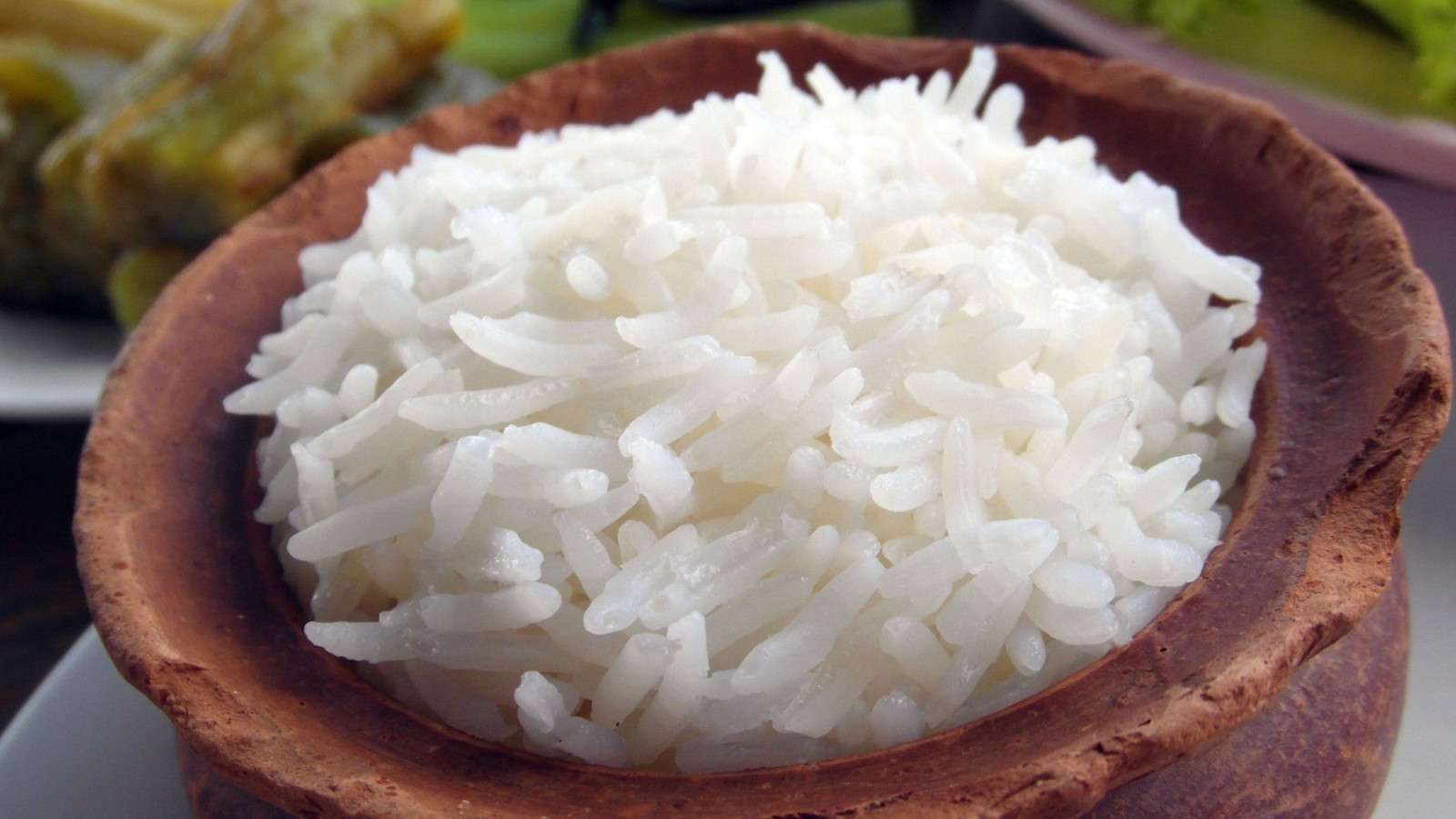
    One of the most iconic dishes is Adobo, featuring pork or chicken marinated in vinegar, soy sauce, garlic, and other spices, then slow-cooked to perfection. It's often served with steamed rice, a staple in Filipino meals.

    Another favorite is the sizzling Sisig, made with chopped pig parts and served on a sizzling cast iron plate, creating a mouthwatering aroma.

    The Filipino love for grilled dishes is evident in their BBQ pork skewers, often enjoyed with a flavorful dipping sauce.

    These highlights capture the essence of Filipino food culture, blending savory, tangy, and smoky flavors that have been cherished for generations.

    Frequently Asked Questions

    What Kind of Food Do Philippines Eat?

    Filipinos eat a diverse range of foods, from breakfast favorites like Tocino and Tapsilog to appetizers like Kinilaw and Sisig. Their soups and stews include Sinigang and Kare-Kare, and main dishes feature Adobo, Humba, and Lechon.

    What Are the Top 10 Foods in the Philippines?

    In the Philippines, the top 10 foods include tocino, tapsilog, bansilog, hotsilog, kinilaw, sisig, sinigang, kare-kare, adobo, humba, lechon, pancit guisado, and sinangag. These dishes offer a mix of savory, sweet, and sour flavors, showcasing the diverse and delicious Filipino cuisine.

    What Are the Main Dishes in the Philippines?

    In the Philippines, main dishes include adobo, kare-kare, lechon, sinigang, and pancit guisado. Adobo is a savory mix of vinegar, soy sauce, and garlic. Kare-kare is a hearty stew with oxtail and peanut sauce. Lechon is a famous roasted pig dish.

    What Do Filipinos Eat for Breakfast?

    Filipinos eat a variety of flavorful and filling dishes for breakfast, such as Tocino, Tapsilog, Bansilog, Hotsilog, and Longsilog. These dishes often feature a combination of savory, sweet, and hearty options, incorporating meats, eggs, and rice.

    What Are Some Traditional Filipino Dishes That Include Native Vegetables?

    Some of the best native vegetables for sinigang in traditional Filipino dishes include kangkong (water spinach), okra, eggplant, radish, and string beans. These vegetables are commonly used in sinigang, a sour soup that is a staple in Filipino cuisine. Their unique flavors and textures contribute to the deliciousness of the dish.

    Conclusion

    So, next time you find yourself in the Philippines, make sure to try the flavorful and unique dishes that the country has to offer.

    From the savory breakfast favorites to the delectable desserts and refreshing beverages, Filipino cuisine has something for everyone.

    Don't miss the chance to experience the rich and diverse food culture of the Philippines!

  • How Good Is Filipino Cuisine?

    How Good Is Filipino Cuisine?

    Filipino cuisine is globally recognized for its diverse flavors and unique ingredients, making it a delightful culinary experience that many consider among the best in the world. The blend of sweet, sour, and salty tastes, along with iconic dishes like adobo and lechon, showcases the richness and creativity of Filipino cooking.

    Key Takeaways

    • The global recognition and popularity of Filipino cuisine is increasing due to the Filipino diaspora and the success of Filipino chefs in international culinary competitions.
    • Filipino cuisine offers a tantalizing blend of sweet, sour, and salty flavors, with seafood dishes showcasing the freshness of the sea and dishes like adobo highlighting the perfect balance of soy sauce, vinegar, and garlic.
    • Unconventional ingredients like pig’s blood and pig head add creativity to Filipino dishes, while the use of local spices and herbs enhances their flavors.
    • Adobo and Lechon are iconic dishes that represent the culinary heritage of the Philippines, with adobo being a staple dish and lechon serving as a festive centerpiece.

    Global Popularity of Filipino Dishes

    If you’ve been wondering about the global popularity of Filipino dishes, the answer lies in the remarkable impact of the Filipino diaspora and the triumphs of Filipino chefs on the international culinary stage.

    Filipino cuisine isn’t just about food; it’s a representation of the vibrant and diverse Filipino culture. The global popularity of Filipino dishes is skyrocketing, thanks to Filipino chefs making waves in international culinary competitions and prestigious lists.

    Restaurants like Antonios and Bad Saint have garnered attention on the World’s 50 Best list and in Bon Appetit magazine, putting Filipino cuisine in the spotlight.

    The flavors of Filipino dishes are as diverse as the country’s 7,107 islands, offering a rich tapestry of tastes influenced by various cultural backgrounds. It’s no wonder that the global recognition of Filipino cuisine is on the rise.

    Flavorful Delicacies of Filipino Cuisine

    Indulge in the vibrant and diverse flavors of Filipino cuisine, a tantalizing blend of sweet, sour, and salty profiles that will captivate your taste buds.

    Dive into the world of Filipino delicacies and savor the delicious seafood, prepared with a unique combination of local spices and herbs.

    The Filipino cuisine offers an array of mouthwatering dishes, from sinigang, a savory and sour soup made with tamarind, to kinilaw, a Filipino version of ceviche that bursts with the freshness of the sea.

    Each bite of adobo, the country’s unofficial national dish, showcases the perfect balance of soy sauce, vinegar, and garlic, creating an explosion of flavors.

    The use of unconventional ingredients like pig’s blood and pig head in dishes such as dinuguan and sisig highlights the creativity and adventurous spirit of Filipino cooking.

    Richness of Adobo and Lechon

    Dive into the richness of Filipino cuisine as we explore the tantalizing flavors and aromas of Adobo and Lechon, two iconic dishes that epitomize the culinary heritage of the Philippines. The table below highlights the distinctive characteristics of these beloved dishes, showcasing the diverse and savory elements that make them quintessential to Filipino cuisine.
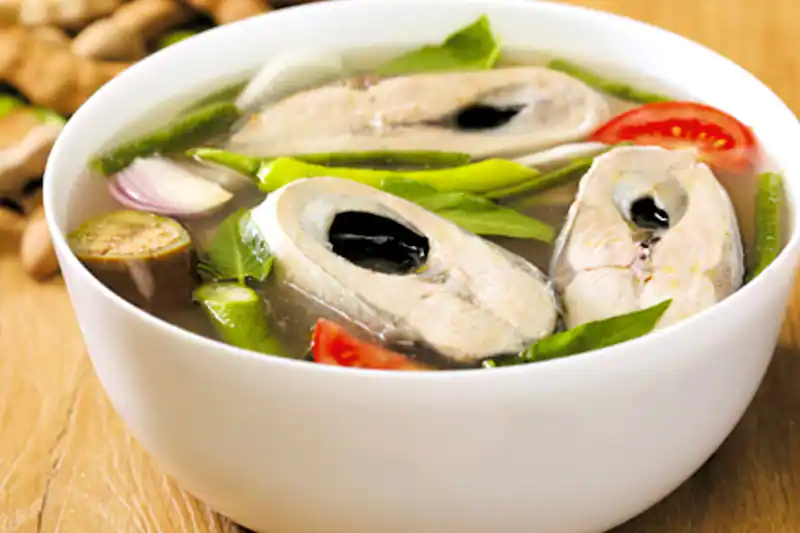
    Adobo Lechon
    Tangy, salty, and slightly sweet taste profile Succulent, flavorful, and crispy roasted pork
    Diverse and distinctive aromas, flavors, and colors Festive centerpiece that highlights the richness of Filipino cuisine
    Unique preparation and serving styles Represents the creativity in Filipino cuisine
    Staple dish in Filipino cuisine Offers a rich and flavorful experience

    Adobo and Lechon are not just dishes; they are embodiments of tradition, celebration, and the rich culinary legacy of the Philippines. Their flavors and textures will undoubtedly leave you craving more of the richness of Filipino cuisine.

    Regional Variations in Filipino Food

    Exploring the diverse regional variations in Filipino cuisine offers a tantalizing journey through the rich tapestry of flavors, ingredients, and culinary traditions that define the country’s gastronomic landscape. Each region in the Philippines boasts its own unique dishes and cooking styles, reflecting the influence of indigenous ingredients and historical encounters with other cultures.

    Here’s a glimpse of the captivating regional variations in Filipino food:

    • Luzon:

    The northern region is known for its use of vinegar and garlic in dishes like pinakbet and bagnet. Bicol, in the southern part of Luzon, features spicy dishes like Bicol Express and laing, incorporating coconut milk and chili peppers.

    • Visayas and Mindanao:

    These regions are famous for their use of seafood in dishes such as kinilaw and inasal. Mindanao showcases flavorful dishes like beef rendang and tiula itum, reflecting its cultural diversity.

    The regional diversity in Filipino cuisine truly makes it a culinary adventure worth experiencing.

    Captivating Diversity of Filipino Flavors

    You’re in for a treat as we explore the captivating diversity of Filipino flavors.

    From the unique regional dishes that offer a taste of different parts of the Philippines to the delightful fusion of sweet and savory flavors, Filipino cuisine is a delicious adventure waiting to be savored.

    Get ready to tantalize your taste buds with a wide array of dishes that showcase the rich and vibrant culinary heritage of the Philippines.

    Unique Regional Dishes

    With its 7,107 islands, 22 regions, and eight major dialects, Filipino cuisine boasts a captivating diversity of regional dishes that reflect a rich blend of cultural influences. When you explore Filipino cuisine, you’ll find an incredible variety of unique regional dishes that truly showcase the country’s culinary richness. Here’s a glimpse of what you can expect:

    • Diverse Ingredients: From the hearty and flavorful dishes of the Northern regions, featuring an abundance of fresh seafood and tropical fruits, to the bold and aromatic dishes of the Southern regions, utilizing an array of spices and coconut milk.
    • *Northern Regions*: Highlighting the use of fresh seafood and tropical fruits.
    • *Southern Regions*: Known for bold flavors using spices and coconut milk.

    The unique regional dishes in Filipino cuisine offer a tantalizing journey through a tapestry of flavors and culinary traditions.

    Fusion of Sweet-Savory Flavors

    Indulge in the captivating diversity of Filipino flavors, where the fusion of sweet and savory creates an unforgettable culinary experience. Filipino cuisine masterfully balances these contrasting flavors, resulting in dishes that tantalize the taste buds. The table below showcases some iconic Filipino dishes that exemplify the delightful interplay of sweet and savory flavors:

    Dish Description Flavor Profile
    Adobo A beloved Filipino staple featuring tender meat marinated in soy sauce, vinegar, garlic, and spices, resulting in a perfect blend of tangy and savory flavors. Savory with a hint of sweetness
    Lechon Roast pig with a crispy skin, offering succulent, savory meat heightened by a touch of sweetness from the marinade and dipping sauces. Rich and savory with a subtle sweetness
    Kare-Kare Oxtail stew in a thick, savory peanut sauce, complemented by a hint of sweetness from the addition of banana blossoms and a subtle nuttiness. Creamy, savory, and slightly sweet

    The fusion of sweet and savory flavors in Filipino cuisine is a testament to the country’s rich culinary heritage and the artful balance of taste profiles.

    Exploring Unique Characteristics of Filipino Dishes

    Exploring the unique characteristics of Filipino dishes reveals a vibrant tapestry of flavors and influences that make them truly distinctive in the culinary world.

    When delving into Filipino cuisine, you’ll find a delightful fusion of sweet, sour, and salty flavors that create a harmonious taste profile.

    The prevalent use of souring agents such as tamarind, batwan, and calamansi adds a tangy punch to various dishes, setting them apart from other culinary traditions.

    Additionally, the strong and pungent flavors derived from ingredients like dried fish and fermented shrimp contribute to the bold and unforgettable taste of Filipino food.

    Moreover, the regional diversity of Filipino cuisine, influenced by the country’s numerous islands and varied cultures, further enriches the culinary landscape, offering a wide array of unique and authentic dishes.

    The Allure of Filipino Home Cooking

    The vibrant tapestry of flavors and influences that make Filipino dishes truly distinctive extends to the allure of Filipino home cooking, drawing you into a world of rich and authentic culinary experiences.

    Filipino cuisine isn’t just about what you find in restaurants; it’s about the warmth and comfort of a home-cooked meal that speaks to the heart and soul of the Filipino people.

    The aroma of garlic, vinegar, and soy sauce fills the air as you watch your host expertly prepare adobo, the quintessential Filipino dish. The sizzle of crispy lechon, the savory aroma of sinigang, and the comforting warmth of arroz caldo all evoke a sense of tradition and love.

    The beauty of Filipino home cooking lies in its ability to bring people together, creating unforgettable memories through shared meals and stories.

    Filipino Cuisine’s Influence on International Palates

    Filipino cuisine has gradually and decisively made its mark on international palates, captivating food enthusiasts with its unique flavors and textures. As Filipino restaurants gain recognition on prestigious lists like the Worlds 50 Best and Bon Appetit’s best restaurant in America, the global appeal of Filipino cuisine continues to grow.

    Its diverse taste profile, featuring sweet, sour, and salty flavors, reflects the country’s rich culinary heritage influenced by various cultures. Moreover, Filipino cuisine’s evolution, blending European produce with Southeast Asian flavors, is contributing to its rising popularity. Chefs like Erica Paredes and Jordy Navarra are spearheading this movement, emphasizing grassroots movements and supporting local street vendors.

    Filipino cuisine is undeniably leaving a lasting impression on international palates, offering a tantalizing taste of the Philippines’ culinary diversity.

    Filipino Food: A Culinary Adventure

    Embark on a culinary adventure through the vibrant and diverse flavors of Filipino food, a journey that promises to tantalize your taste buds and immerse you in a rich tapestry of culinary traditions. The sheer variety of Filipino cuisine is a testament to its rich cultural heritage and the unique fusion of flavors. From the savory and tangy adobo to the comforting warmth of sinigang, Filipino food offers an explosion of taste that will leave you craving for more. Take a look at just a few of the delicious dishes you can expect to encounter on this culinary journey:

    Dish Description Flavor Profile
    Adobo A beloved Filipino stew with a perfect blend of soy sauce, vinegar, and garlic Sweet, savory, tangy
    Sinigang A sour and savory soup made with tamarind base Sour, savory
    Lechon Succulent roasted pig with crispy skin Savory, salty, crispy
    Halo-Halo A colorful dessert mix with shaved ice and various sweet ingredients Sweet, refreshing, varied

    Now that you have a glimpse of what’s in store, get ready to savor the delightful explosion of flavors that Filipino cuisine has to offer.

    Filipino Street Food Delights

    You’re in for a treat as we talk about Filipino street food delights.

    From the infamous balut to the mouthwatering isaw, the streets of the Philippines offer a culinary adventure like no other.

    Get ready to indulge in unique flavors and regional specialties that will leave your taste buds wanting more.

    Popular Street Food

    Amidst the bustling streets of the Philippines, a tantalizing array of popular street food delights awaits the adventurous food enthusiast. Filipino street food is a vibrant tapestry of flavors and textures that you must explore. Here’s what you can expect:

    • Savory Delights
    • Indulge in fish balls, a beloved street food staple known for its crispy exterior and tender, flavorful interior.
    • Savor the smoky goodness of isaw, grilled chicken or pork intestines that are a favorite among locals and visitors alike.
    • Sweet Treats
    • Try turon, a delightful snack made of sliced bananas and jackfruit, wrapped in a spring roll wrapper and deep-fried to perfection.
    • Sample kwek-kwek, quail eggs coated in a vibrant orange batter and deep-fried until crispy, offering a unique blend of flavors.

    Filipino street food is an essential part of the local food culture, offering an affordable and diverse culinary experience.

    Regional Specialties

    When exploring Filipino street food delights, you’ll quickly discover the unique regional specialties that showcase the diverse and vibrant flavors of the Philippines.

    Each region offers its own array of mouthwatering street food, reflecting the country’s rich culinary heritage.

    From the savory and spicy flavors of Bicol’s laing and pinangat to the smoky and tangy taste of Cebu’s lechon, Filipino street food never fails to captivate the senses.

    The Visayas region boasts its delectable batchoy and chicken inasal, while the Ilocos region tempts with its famous empanada and bagnet.

    Meanwhile, in Manila, the bustling capital, you can indulge in the iconic balut or the popular pork barbecue.

    These regional specialties not only highlight the diversity of Filipino cuisine but also offer a delightful journey through the country’s rich and flavorful street food culture.

    Unique Flavors

    Exploring the regional specialties of Filipino street food opens a flavorful gateway to the diverse and vibrant culinary landscape, where each unique dish showcases the rich and varied flavors of the Philippines.

    When it comes to Filipino street food delights, you can expect a sensory explosion of flavors that will leave you craving for more. The unique flavors of Filipino street food can be described as a delightful dance on your taste buds, combining sweet, salty, and sour tastes in every bite.

    You’ll encounter a diverse range of affordable and convenient options, from savory grilled meats to sweet and refreshing snacks. Filipino street food isn’t just about satisfying hunger; it’s an immersive experience that reflects the creativity and vibrancy of Filipino cuisine.

    The Art of Filipino Desserts

    In the vibrant world of Filipino desserts, a delightful fusion of Spanish, Chinese, and indigenous flavors and techniques awaits your taste buds. The art of Filipino desserts is a true reflection of the country’s rich culinary heritage, with a unique blend of ingredients such as coconut, rice, and tropical fruits. From the sweet rice cake Bibingka to the colorful shaved ice dessert Halo-halo, Filipino desserts offer a satisfying end to a traditional Filipino meal.

    One beloved sweet treat is Ube Halaya, made from purple yam, boasting a vibrant color and a rich, creamy texture. Here’s a table to highlight some popular Filipino desserts:

    Dessert Description
    Bibingka Sweet rice cake topped with cheese and salted eggs
    Halo-halo Shaved ice dessert with a mix of fruits, beans, and flan
    Ube Halaya Purple yam dessert with a rich, creamy and sweet flavor

    The art of Filipino desserts truly adds an extra layer of deliciousness to the already impressive array of Filipino dishes.

    Filipino Cuisine: Worth the Experience

    The irresistible allure of Filipino desserts seamlessly merges with the wider realm of Filipino cuisine, offering a diverse and flavorful culinary adventure that’s truly worth experiencing.

    When you taste Filipino cuisine, you’re not just eating a meal; you’re embarking on a journey through a rich tapestry of flavors.

    Imagine savoring the succulent and tangy flavors of Chicken Adobo, a quintessential Filipino dish that perfectly balances savory and tangy notes. Pair it with fluffy white rice to experience a mouthwatering explosion of taste.

    Additionally, indulge in the delightful sweetness of Halo-Halo, a colorful and refreshing dessert that combines shaved ice, fruits, and various sweet toppings. The burst of flavors and textures will leave you craving for more.

    Filipino cuisine is an experience that tantalizes the taste buds and leaves a lasting impression.

    Frequently Asked Questions

    Is Filipino Cuisine Is the Best in the World?

    Filipino cuisine offers a delightful array of flavors, showcasing a unique blend of sweet, sour, and salty tastes. With its diverse regional influences and rich cultural heritage, many consider it to be among the best in the world.

    Is the Food in the Philippines Good?

    The food in the Philippines is amazing! From savory adobo to sweet and sticky bibingka, the diverse flavors and unique ingredients create a culinary experience like no other. You’ll love the delicious and creative dishes.

    What Is the Rank of Filipino Cuisine?

    Filipino cuisine holds a unique rank in the culinary world, offering a diverse array of flavors and regional variations. You’ll find it to be a delightful blend of savory, sweet, and tangy, making it a truly remarkable dining experience.

    What Is Special About Filipino Cuisine?

    Filipino cuisine is special for its diverse flavors, blending sweet, sour, and salty tastes. Influenced by various cultures, it offers a unique and complex culinary experience. The use of local produce and the creativity of Filipino chefs contribute to its richness.

    What are the Key Ingredients and Dishes in Filipino Cuisine That Make It Good?

    Filipino cuisine review experts often highlight key ingredients like coconut milk, garlic, and vinegar that give dishes their distinct flavor. Adobo, sinigang, and lechon are some of the popular dishes loved for their bold and unique taste. The use of local spices and herbs adds depth to Filipino cuisine.

    Conclusion

    So, next time you have the chance to try Filipino cuisine, don’t hesitate! The diverse flavors, vibrant colors, and rich culinary heritage make it a culinary adventure worth experiencing.

    From the savory richness of adobo and lechon to the delightful street food and mouth-watering desserts, Filipino cuisine offers a sensory experience like no other.

    Trust me, it’s definitely worth the hype!

  • What Is the Best Filipino Food for Christmas?

    What Is the Best Filipino Food for Christmas?

    The best Filipino food for Christmas is Christmas ham, a sweet and savory centerpiece loved for its tradition and affordability, making it a must-have for the holiday season. It adds a touch of togetherness and sweetness to the festive table, embodying the essence of Filipino Christmas cuisine.

    Key Takeaways

    • Christmas ham is a beloved and affordable centerpiece of the Noche Buena celebration.
    • Bibingka and Puto Bumbong are traditional Christmas desserts that add sweetness and tradition to the holiday spread.
    • Chicken Relleno and Callos are festive main dishes that bring families together and offer unique flavors.
    • Fruit Salad and Leche Flan are quintessential Christmas desserts that represent the joy and vibrancy of the holiday season.

    Christmas Ham

    Christmas Ham, with its sticky, sweet glaze and savory flavor, serves as the quintessential centerpiece of the Noche Buena celebration and is a beloved tradition in many Filipino households during the holiday season. This succulent ham, often available at affordable prices in supermarkets, is a traditional and popular choice for the festive table.

    Its sweet and savory taste, combined with its versatility, makes it a favorite among Filipino families. The Christmas Ham isn’t only a delicious addition to the holiday spread but also a symbol of togetherness and tradition.

    Whether thinly sliced and served with bread or enjoyed as a sandwich, this flavorful ham adds a touch of sweetness to the Noche Buena feast, making it an indispensable part of Filipino Christmas cuisine.

    Bibingka

    Savoring the succulent Christmas Ham might’ve left you craving for another traditional Filipino delight – the delectable Bibingka, a beloved rice cake enjoyed during the holiday season.

    This festive dessert is a staple of Filipino Christmas celebrations, made from rice flour, coconut milk, and sugar, cooked in a clay pot lined with banana leaves. The final touch includes salted duck eggs, grated coconut, and melted butter, creating a soft, slightly sticky texture with a sweet, fragrant taste.

    You can find Bibingka being sold outside churches during midnight mass, adding to the holiday spirit. With its unique cooking method and combination of flavors, Bibingka is a standout addition to any Christmas feast, offering a touch of tradition and sweetness to the holiday spread.

    If you want to experience the rich culinary traditions of the Philippines during Christmas, Bibingka is a must-try.

    Puto Bumbong

    You’re in for a treat with Puto Bumbong, a traditional holiday delicacy that’s sure to excite your taste buds.

    Picture this: steamed purple rice, served with a generous dollop of butter and a sprinkle of sugar.

    It’s a festive delight that’s distinctly Filipino, making it a must-have for Christmas celebrations.

    Traditional Holiday Delicacy

    Steaming in bamboo tubes and adorned with desiccated coconut, brown sugar, and butter, Puto Bumbong is a traditional Filipino holiday delicacy that captivates the senses with its distinct flavors and vibrant purple hue. This seasonal treat is a must-have for Noche Buena, the Christmas Eve dinner, and is a cherished part of Filipino Christmas traditions.

    Here’s why Puto Bumbong stands out as a beloved holiday delight:

    1. Seasonal Availability: Sold outside churches during the Christmas season, making it a sought-after treat for holiday celebrations.
    2. Unique Preparation: The sticky rice mixture is packed into bamboo tubes, then steamed, resulting in a distinct flavor and texture that adds a special touch to the holiday spread.
    3. Sweet and Savory Flavors: The combination of desiccated coconut, brown sugar, and butter complements the rice cake’s unique texture, offering a delightful blend of sweet and savory tastes.

    Steamed Purple Rice

    As Christmas approaches, the delightful aroma of steamed purple rice, also known as Puto Bumbong, fills the air, signaling the arrival of the holiday season in the Philippines. Puto Bumbong is a traditional Filipino Christmas food made from black glutinous rice, steamed in bamboo tubes, and served with desiccated coconut, brown sugar, and butter.

    The unique cooking method in bamboo tubes gives it a distinct shape and flavor, making it a beloved treat during the Christmas season. It is traditionally sold outside churches during the Christmas season and is known for its bright purple color due to the dyeing process. Below is a table summarizing the key points about this delightful Christmas food.

    Key Points Description
    Ingredients Black glutinous rice, desiccated coconut, brown sugar, butter
    Serving Tradition Sold outside churches during the Christmas season
    Cultural Significance Holds cultural significance and is a popular choice for holiday celebrations
    Unique Cooking Method Steamed in bamboo tubes, giving it a distinct shape and flavor

    Puto Bumbong is a must-try for those looking to experience authentic Filipino flavors and traditions during Christmas.

    Served With Butter, Sugar

    Savor the delightful combination of sticky black glutinous rice, rich butter, and sweet brown sugar in this traditional Filipino Christmas delicacy, Puto Bumbong. It’s a sweet and festive dessert that perfectly encapsulates the spirit of Filipino cuisine during the holiday season.

    Here’s why it’s the perfect addition to your Christmas table:

    1. Unique Preparation: Puto Bumbong is steamed in bamboo tubes, giving it a distinct texture and flavor that sets it apart from other holiday treats.
    2. Flavorful Toppings: The generous serving of butter, sprinkle of sugar, and dash of desiccated coconut create a harmonious blend of sweet and savory flavors.
    3. Traditional Significance: Its availability outside churches during the holiday season adds a cultural and nostalgic touch to the festive celebrations.

    Indulge in this sweet and flavorful dessert for a truly authentic Filipino Christmas experience.

    Chicken Relleno

    Chicken Relleno is a highlight of Filipino Christmas celebrations. It’s a deboned chicken stuffed with a delectable mixture of ground pork, Vienna sausage, gherkins, raisins, and hardboiled egg. The dish is then roasted to perfection and served warm with a rich brown gravy.

    Unlike chicken gallantina, which is served cold, Chicken Relleno is a warm and hearty addition to the Noche Buena feast. It’s a dish that brings families together, creating a sense of warmth and comfort during the holiday season.

    Another popular variation is the Chicken Macaroni, which incorporates macaroni pasta into the filling, adding a delightful twist to this traditional Christmas favorite.

    Fruit Salad

    If you’re looking for a traditional holiday dessert that’s a hit at Christmas potlucks, Fruit Salad is the way to go.

    This colorful and refreshing dish is a staple on Filipino Noche Buena tables and is loved by people of all ages.

    With its mix of canned and fresh fruits, cream, and condensed milk, it’s a customizable treat that’s always a crowd-pleaser.

    Traditional Holiday Dessert

    When preparing the traditional holiday dessert, Fruit Salad, you can customize it with a delightful mix of canned and fresh fruits, cream, and condensed milk for a colorful and refreshing treat. This sweet and creamy dessert is a staple in Filipino holiday tables, especially during the festive Noche Buena feast.

    To make the perfect Fruit Salad, follow these steps:

    1. Combine a variety of canned fruits, such as fruit cocktail and nata de coco, with fresh fruits like bananas and apples.
    2. Mix in all-purpose cream and sweetened condensed milk to achieve a creamy and sweet consistency.
    3. Add optional ingredients like macapuno (coconut sport) to enhance the flavor and texture.

    Fruit Salad is the quintessential Christmas dessert in the Philippines, representing the joy and vibrancy of the holiday season with its colorful and luscious appeal.

    Popular Christmas Potluck Dish

    Indulge in the delightful flavors of the beloved Filipino holiday dessert, Fruit Salad, a colorful and refreshing potluck dish that adds a sweet and vibrant touch to festive Christmas gatherings.

    This staple dish for Noche Buena, the Christmas Eve Dinner, is adored for its simplicity and delectable taste. Made with tinned fruit cocktail, all-purpose cream, and sweetened condensed milk, it often includes nata de coco, macapuno, and optional fresh fruit, creating a delightful medley of textures and flavors.

    Fruit Salad’s appeal lies in its easy preparation, making it an ideal addition to potluck gatherings and a popular choice for festive holiday celebrations. Its customizable nature allows for a variety of fruit combinations, ensuring it caters to different preferences.

    Served chilled, this colorful dessert provides a sweet and satisfying end to a joyous Christmas meal, making it a timeless and cherished dish in Filipino food culture.

    Macaroni Salad

    Bringing a creamy and flavorful twist to your Christmas table, macaroni salad is a must-have side dish for the holiday season. It perfectly complements ham sandwiches on Christmas Eve and adds a delightful touch to the festive spread. Here’s why it’s the ideal choice:

    1. Easy to Prepare: Macaroni salad is an easy-to-make dish, making it perfect for busy Christmas preparations. With no cooking required, you can simply mix the ingredients and chill it in the fridge.
    2. Versatile: Not just limited to being a side dish, macaroni salad can also be enjoyed as a Christmas morning breakfast, adding a refreshing and indulgent start to the day.
    3. Popular Choice: Loved by many fans of Filipino food, macaroni salad is a timeless addition to holiday meals, bringing warmth and goodness to the table.

    Fruit Cake

    With its rich and decadent flavors, fruit cake is another beloved Filipino Christmas tradition that adds a delightful touch to the festive spread, complementing the creamy and flavorful macaroni salad.

    Fruit cake, a quintessential part of Noche Buena, is an essential element of Filipino Christmas celebrations. This time-honored dessert, made with preserved fruits, nuts, and spices, has been a cherished part of the holiday season in the Philippines for generations. Despite the negative reputation of mass-produced versions, traditional homemade fruit cake is still highly regarded and enjoyed during Christmas.

    The elaborate flavors and textures of fruit cake perfectly complement the lighter and creamier dishes like fruit salad, making it a cherished component of the holiday feast. It’s a treat that brings warmth and nostalgia to the Christmas table, making it a must-have for the festive season.

    Ensaymada

    Ensaymada, a classic Filipino pastry, is a delightful treat enjoyed during the Christmas season. It features an airy crumb topped with whipped butter, sugar, and grated queso de bola. It’s a staple during Noche Buena and adds a festive touch to the holiday table.

    Here are some reasons why it’s a favorite:

    1. Versatile flavors: Ensaymada comes in various flavors, from classic to unique variations. Some ensaymadas are filled with chorizo, ham, or ube, while others are topped with Nutella. This variety ensures there’s an ensaymada to suit every taste preference.
    2. Indulgent and comforting: The cozy taste of freshly baked ensaymada combined with the rich flavors of butter and cheese makes it a perfect addition to the holiday season. It brings warmth and delight to gatherings and provides a comforting indulgence.
    3. Traditional delight: Ensaymada is a must-try Filipino dessert during Christmas. It adds a delightful and indulgent touch to festive meals, allowing people to enjoy a traditional treat that has been enjoyed for generations.

    These reasons make ensaymada a favorite among Filipinos during the Christmas season. Its versatile flavors, indulgent nature, and traditional significance all contribute to its popularity and make it a delightful addition to holiday celebrations.

    Queso De Bola

    You’re about to discover the delightful tradition of Queso De Bola, a beloved cheese that’s a centerpiece of Filipino Christmas celebrations.

    Whether grated over pasta or served alongside ham and pandesal, this rich and creamy cheese adds a delicious touch to festive meals.

    Get ready to explore the many ways you can enjoy Queso De Bola, from traditional pairings to mouthwatering recipes.

    Queso De Bola Tradition

    Queso de Bola holds a special place in Filipino holiday celebrations, especially during Noche Buena. This iconic cheese is a favorite item for gifting, and its presence on Filipino holiday tables adds a traditional and flavorful element to the festivities. Queso de Bola is often featured alongside sliced ham and pandesal, adding a delightful touch to the festive spread. Its sweet and salty flavor profile enhances the taste of various dishes, making it a versatile addition to Christmas menus.

    Queso De Bola Pairing

    Queso De Bola, with its sweet and salty flavor profile that enhances various dishes, is a perfect companion to sliced ham and pandesal, adding richness to the holiday table and making it a fitting pairing for Christmas ham during Noche Buena feasts.

    The creamy and slightly nutty taste of Queso De Bola complements the savory notes of the ham, creating a delightful combination that’s a staple in Filipino holiday celebrations. Grated over pasta, mixed into dishes, or savored on its own, this versatile cheese adds a touch of indulgence to Christmas meals.

    Its unique flavor profile enhances the traditional Christmas dishes, making it a must-have accompaniment for Noche Buena feasts. Incorporating Queso De Bola into your holiday spread promises to elevate the dining experience, creating a memorable and flavorful celebration.

    Queso De Bola Recipes

    Indulge in the rich and creamy flavors of Queso De Bola with these delectable recipes that promise to elevate your Christmas dining experience.

    Make your Noche Buena even more special with these mouthwatering dishes:

    1. Queso De Bola Cheese Ball – Blend cream cheese, grated Queso De Bola, and herbs. Roll the mixture into a ball and coat it with crushed nuts. Serve with crackers for a delightful appetizer.
    2. Queso De Bola Pasta – Toss al dente pasta with a creamy Queso De Bola sauce made with milk, butter, and grated cheese. Top with crispy bacon for a decadent main course.
    3. Queso De Bola Ensaymada – Upgrade the classic ensaymada by stuffing it with slices of Queso De Bola. The combination of sweet bread and savory cheese is a delightful addition to your Christmas spread.

    These recipes are sure to impress your guests and add a Filipino twist to your holiday feast.

    Pinoy Spaghetti

    With its sweet tomato sauce, savory hotdogs, and local cheddar, Pinoy Spaghetti offers a delightful twist on the traditional Italian dish, making it a beloved addition to the Filipino Christmas table. This Filipino-style spaghetti is a staple during Noche Buena, the traditional Christmas Eve feast, and is cherished for its comforting and familiar flavors. A key element that sets it apart is the use of sliced hardboiled eggs as a garnish, adding a unique touch to the dish. Here’s a quick comparison to highlight the distinct elements of Pinoy Spaghetti:

    Traditional Italian Spaghetti Pinoy Spaghetti
    Tangy tomato sauce Sweet tomato sauce
    Ground meat or meatballs Sliced hotdogs
    Parmesan cheese Local cheddar cheese
    Sliced hardboiled egg

    This Filipino take on spaghetti perfectly captures the essence of the holiday season with its heartwarming and delightful taste.

    Callos

    Get ready to savor a hearty and flavorful Filipino Christmas dish with Callos, a stew featuring tender ox tripe, deboned trotters, chorizo, and chickpeas. It is perfect for adding a rich and satisfying touch to your holiday feast.

    Here’s what makes Callos a must-try for your Christmas celebration:

    1. Rich and Satisfying: The thick, gelatinous sauce and tender ox tripe create a flavorful and satisfying texture that’s perfect for a festive meal.
    2. Traditional and Flavorful: Originating as peasant food in Spain, Callos has become a beloved traditional dish for Noche Buena celebrations in the Philippines. It offers a unique twist to the Christmas spread.
    3. Perfect Addition to the Festive Table: Callos is known for its rich flavors, and it’s a popular choice for those seeking a filling and comforting Christmas meal. It pairs well with crusty bread or hot rice.

    Callos, simmered with aromatic bay leaves, is sure to be a standout Filipino favorite for the holiday season.

    Leche Flan

    As you move from the savory and hearty flavors of Callos, be prepared to indulge in the sweet and velvety delight of Leche Flan, a classic Filipino dessert that adds a rich and satisfying finale to your Christmas feast.

    Leche Flan is a creamy custard dessert made from eggs, condensed milk, and caramelized sugar, delivering a silky texture and a decadent caramel flavor. This beloved treat is traditionally served during Noche Buena, the grand Christmas Eve feast in the Philippines.

    The dessert is prepared by steaming the custard until it’s firm, then chilling it before serving, creating a refreshing and indulgent experience. Loved by both kids and adults, it has become an integral part of Filipino Christmas food traditions, making it a must-have dish for the festive holiday season.

    Frequently Asked Questions

    What Is the Most Popular Filipino Food During Christmas?

    During Christmas, the most popular Filipino food is often the Christmas ham, a sweet glazed centerpiece for Noche Buena. It’s usually served thinly sliced and makes a delicious addition to sandwiches or as a standalone dish.

    What Do You Bring to a Filipino Christmas Party?

    When you’re invited to a Filipino Christmas party, bring a dish like Filipino Cheese Bread, Bibingka, or Pinoy Spaghetti as a delightful contribution to the festive table. Your thoughtful gesture will surely be appreciated!

    What Is the Best Food for Noche Buena?

    For Noche Buena, you can’t go wrong with Christmas Ham and Chicken Relleno as main courses. Pair them with classic Filipino desserts like Bibingka and Puto Bumbong, along with Queso de Bola and Pinoy Spaghetti for a festive feast.

    What Is Christmas Dinner in the Philippines?

    For Christmas dinner in the Philippines, you can expect a feast of delicious dishes like Christmas Ham, Chicken Relleno, Callos, Bibingka, Puto Bumbong, Fruit Salad, Macaroni Salad, and Fruit Cake. Complemented by sides like Queso de Bola, Pinoy Spaghetti, Filipino Cheese Bread, Lomo Lomo, and Chicken Adobo, and refreshing drinks like Calamansi Juice.

    Can Jackfruit be a Part of Traditional Filipino Christmas Food?

    Jackfruit can definitely be a part of traditional Filipino Christmas food. With its sweet, tropical flavor and meaty texture, it’s a great addition to festive dishes. From jackfruit lechon to creamy ginataang langka, there’s no shortage of best jackfruit vegetable recipes to enjoy during the holiday season.

    Conclusion

    So, if you’re looking for the perfect Filipino food to serve this Christmas, look no further than the delicious and versatile Christmas Ham. With its sweet glaze and traditional significance, it’s the ideal centerpiece for your Noche Buena celebration.

    Whether you enjoy it sliced with bread or in a sandwich, this ham is a must-have for the holiday season. Plus, with affordable options available, everyone can enjoy this festive favorite.

  • What Is the Staple Food in the Philippines?

    What Is the Staple Food in the Philippines?

    The staple food in the Philippines is rice, deeply ingrained in Filipino culture and identity, consumed in almost every native dish, reflecting a blend of indigenous, Asian, and Western influences. Rice symbolizes sustenance, community, and tradition in Filipino society, celebrated through rituals and festivals, showcasing its cultural significance.

    Key Takeaways

    • Rice is the quintessential staple food in the Philippines, used in almost every native dish.
    • Indigenous Filipino cuisine features unique ingredients from woods and swamps, adding diverse flavors and ingredients to the Filipino diet.
    • Filipino cuisine reflects a blend of indigenous, Asian, and Western influences, with rice serving as the foundation of virtually every meal.
    • Rice holds cultural significance in Filipino society, symbolizing sustenance, community, and tradition, and is celebrated through rituals and festivals.

    Filipino Staple Food Overview

    When considering the Filipino Staple Food Overview, one can’t overlook the central role that rice plays in the country’s cuisine. Rice is the quintessential staple food in the Philippines, used in almost every native dish. It’s a fundamental part of the typical Filipino diet, serving as the base for many meals.

    Filipino cuisine is known for its diverse use of rice, including various types such as jasmine, sticky, and brown rice. Filipino farmers have long cultivated rice, making it a crucial component of the nation’s agricultural landscape.

    In Filipino cooking, rice is often accompanied by flavorful condiments like soy sauce and fish sauce, enhancing its taste. The significance of rice in Filipino cuisine reflects the cultural and historical influence of other Asian countries, solidifying its position as the cornerstone of Filipino meals.

    History of Rice as the Staple Food in Philippines

    From the indigenous food sources that sustained early Filipino communities to the influences that have shaped the country’s rich and diverse cuisine, it’s a story worth savoring.

    Get ready to uncover the deep-rooted significance of rice as the ultimate Filipino staple and the culinary traditions that have stood the test of time.

    Rice as Staple

    Rice holds an integral place in the history of staple foods in the Philippines, deeply woven into the fabric of Filipino culture and identity. It’s the main staple food, with Filipinos consuming an average of 114-120 kilograms of rice per capita per year, highlighting its vital role in their diet.

    The historical importance of rice in the Philippines is evident through its cultivation dating back at least 3,000 years. This longevity showcases its deep-rooted significance. Moreover, one-third of the arable land in the Philippines is dedicated to rice cultivation, underscoring its economic value as a source of income for around 2.5 million families.

    The enduring presence of rice as a staple in the Philippines reflects its cultural, historical, and economic impact, making it an indispensable part of Filipino life.

    Indigenous Food Sources

    Indigenous food sources in the Philippines have played a crucial role in shaping the culinary landscape, adding diverse flavors and ingredients to the Filipino diet that complement the historical significance of rice as the main staple food. Here are some fascinating indigenous food sources that have contributed to the rich tapestry of Filipino cuisine:

    1. Pork: Indigenous Filipino dishes often feature pork as the principal animal food, with roast pig being a common dish at feasts.
    2. Unconventional Ingredients: Unique dishes from woods and swamps, such as curious beetles and locusts, are part of the Filipino diet, showcasing a wide range of unconventional ingredients.
    3. Traditional Beverages: Tuba, the sap of the coconut palm, is a common beverage in the Philippines, while other popular drinks include cocoa wine, nipa wine, and brandy made from sugar cane.
    4. Fusion of Influences: Filipino cuisine is known for its fusion of eastern and western influences, with staple ingredients such as garlic, ginger, bay leaves, and black pepper commonly used in cooking.

    Influences on Cuisine

    Influences on Filipino cuisine, particularly the history of the staple food in the Philippines, are a captivating tapestry of cultural exchanges and culinary evolution, reflecting a rich blend of indigenous, Asian, and Western influences.

    Filipino food is heavily centered around rice, with white rice being the primary type of rice consumed. It serves as the foundation of virtually every Filipino meal, complementing an array of dishes that often include meat, fish, vegetables, and fermented seafood.

    The fusion of eastern and western influences has led to the distinct sweet, sour, and salty flavors that characterize Filipino cuisine. This cultural amalgamation hasn’t only shaped the way meals are prepared and enjoyed but has also contributed to the significance of rice production in the country, impacting the economy and the livelihood of Filipino farmers.

    Cultural Significance

    Rich with symbolism and tradition, rice plays a pivotal role in Filipino culture, embodying the spirit of sustenance and community. Here’s why rice is so culturally significant in the Philippines:

    1. Symbolism: Rice symbolizes not only sustenance but also community and tradition, deeply ingrained in Filipino cultural practices.
    2. Cultural Celebrations: The entire process of rice cultivation, from planting to harvest, is celebrated through rituals and festivals, highlighting its cultural importance.
    3. Social Bonding: Rice is central to Filipino social gatherings, where sharing meals signifies unity and hospitality, strengthening social bonds.
    4. Culinary Diversity: Traditional Filipino dishes, often centered around rice, reflect the country’s cultural diversity and historical influences, showcasing the fusion of various Asian and Western culinary traditions.

    Rice isn’t merely a dietary staple but a cultural cornerstone, demonstrating the interconnectedness of food, tradition, and community in Filipino society. Whether consumed plain or in various flavorful dishes, rice plays a central role in every Filipino’s day.

    Rice in Filipino Cuisine

    With rice as the main staple food, Filipino cuisine showcases a diverse array of flavors and ingredients that reflect a fusion of culinary traditions. The food is often served with a side of fried egg, adding a rich and savory element to the meal.

    Additionally, citrus fruits are commonly used in Filipino cuisine to add a burst of fresh, tangy flavor to various dishes. The combination of these staple ingredients creates a unique and vibrant dining experience.

    Pork, poultry, and fish are also prevalent in Filipino dishes, contributing to the rich and diverse culinary landscape. The cuisine’s fusion of eastern and western influences, along with its sweet, sour, and salty flavors, makes it a truly distinctive and enjoyable dining experience for food enthusiasts.

    Cooking and Preparation of Rice

    When preparing Filipino cuisine, the proper handling and processing of rice is essential to achieve the desired texture and flavor, often involving thorough washing and soaking before cooking.

    Here are some essential cooking and preparation practices in Filipino cuisine:

    1. Use of Native Ingredients: Filipino dishes often incorporate native ingredients such as calamansi, soy sauce, vinegar, fish sauce, and coconut milk, adding distinct flavors to the dishes.
    2. Diverse Cooking Techniques: Filipino cuisine employs a variety of cooking techniques including grilling, stewing, steaming, and stir-frying, contributing to the rich and diverse flavors.
    3. Importance of Marination: Marination is crucial in Filipino cooking, allowing meats to absorb the flavors of vinegar, soy sauce, and spices, enhancing the overall taste.
    4. Balancing Flavors: Filipino cooking emphasizes a balance of sweet, sour, and salty flavors, often achieved through the use of ingredients like sugar, vinegar, and soy sauce.

    Regional Variations of Rice in the Philippines

    Now let’s talk about the diverse regional variations in staple foods across the Philippines.

    In Visayas, root crops like cassava and sweet potatoes share the spotlight with rice on the dinner table.

    Meanwhile, over in Mindanao, corn takes center stage alongside rice, featuring popular dishes like ‘binaki’ (steamed corn tamales).

    In Northern Luzon, ‘pinikpikan’ and ‘pinuneg’ are staples.

    In Bicol, ‘laing’ and ‘ginataang santol’ are common accompaniments to rice.

    Rice in Visayas

    Curious about the diverse rice variations and preparations found in Visayas? Visayas boasts its own unique rice variations and preparations, reflecting the region’s rich culinary heritage. When it comes to rice in Visayas:

    1. ‘Puso’ and ‘Kakanin’: Visayan cuisine is renowned for its special rice dishes such as ‘puso’ (hanging rice) and ‘kakanin’ (sweet rice delicacies).
    2. Local Variations: Unique rice treats like ‘utaw-utaw,’ a rice cake with coconut milk and various fillings, and ‘binagol,’ a sticky rice dessert cooked in coconut shells, showcase the region’s culinary diversity.
    3. Rice with Coconut Milk: Visayan cuisine often features rice cooked with coconut milk, enhancing the flavors of various seafood dishes.
    4. Geographical Influence: The region’s diverse geography impacts rice varieties and cooking methods, resulting in a wide array of rice preparations across Visayas.

    Corn in Mindanao

    Reflecting the rich culinary heritage of Mindanao, the regional variations of corn play a significant role in the diverse and flavorful cuisine of the region.

    Corn is a significant staple food, commonly used for making traditional dishes like ‘binaki’ and ‘tamales.’ The regional variations of corn in Mindanao include dishes like ‘pinasuso,’ ‘linapet,’ and ‘tinubong.’ This versatile ingredient is used in soups, stews, and even desserts, showcasing the creativity and resourcefulness of Mindanaoan cuisine.

    Each region in Mindanao has its own unique way of preparing and consuming corn-based dishes, adding to the rich tapestry of flavors.

    Corn’s incorporation into various dishes highlights the region’s culinary diversity and the importance of this staple crop. The use of corn, along with other local ingredients like citrus fruit, contributes to the vibrant and enticing flavors of Mindanaoan cuisine.

    Breadfruit in Luzon

    Breadfruit, a versatile and essential ingredient in Luzon’s cuisine, offers a unique and flavorful contribution to the regional variations of Filipino dishes. In Luzon, breadfruit is a staple food, and its culinary significance is evident in various dishes. Here’s how breadfruit influences Luzon’s cuisine:

    1. Savory Delicacies: Breadfruit is commonly used in savory dishes such as ginataang rimas, a stew with coconut milk, and inihaw na rimas, grilled breadfruit.
    2. Versatility: Its versatility allows it to be incorporated into various forms, serving as a substitute for rice or potatoes in meals.
    3. Alternative Carbohydrate Source: The abundance of breadfruit in Luzon provides an alternative carbohydrate source, diversifying the Filipino diet.
    4. Culinary Tradition: Breadfruit plays a significant role in Luzon’s culinary traditions, showcasing its importance in the regional cuisine.

    Breadfruit’s presence in Luzon’s culinary landscape highlights its integral role as a staple food in the region.

    Nutritional Value of Rice

    Rice, pork, fish, coconut milk, and ube are all essential components of the Filipino diet, offering a diverse array of nutritional benefits that contribute to overall health and well-being. These staple foods in the Philippines provide a variety of essential nutrients that are vital for maintaining a healthy lifestyle. Here’s a closer look at the nutritional value of these ingredients:

    Food Nutritional Benefits Key Nutrients
    Rice High-carbohydrate food for energy Carbohydrates
    Pork Good source of protein and nutrients Protein, Iron, B vitamins
    Fish Rich in omega-3 fatty acids Omega-3 fatty acids
    Coconut milk Provides healthy fats Healthy fats
    Ube Good source of fiber and antioxidants Fiber, Vitamin C, Antioxidants

    These ingredients, combined with other local produce such as citrus fruit, form a well-rounded diet that promotes overall health and well-being.

    Staple Food in Filipino Homes

    So, let’s talk about the staple food in Filipino homes.

    Rice is an essential part of Filipino cuisine, and it varies from region to region. You’ll find that different regions have their own unique way of preparing and consuming rice, making it an integral part of Filipino culture.

    Rice in Filipino Cuisine

    Indispensable to Filipino households, rice serves as the foundational ingredient in a myriad of traditional dishes and plays a central role in the daily diet of Filipinos.

    When it comes to rice in Filipino cuisine, you can expect a variety of mouthwatering dishes and cooking methods that showcase the versatility of this staple food. Here’s how rice features in Filipino cuisine:

    1. Main Dishes: From the iconic adobo to the flavorful sinigang, rice accompanies an array of savory main courses.
    2. Snacks and Desserts: Rice isn’t limited to savory dishes; it’s also used in sweet treats such as bibingka and suman.
    3. Food Pairings: Rice is often paired with a diverse range of viands and sauces, creating a symphony of flavors and textures.
    4. Celebrations and Festivities: Rice takes center stage in festive feasts, symbolizing abundance and togetherness in Filipino culture.

    Regional Variations

    Regional variations in staple foods across the Philippines reflect the diverse culinary traditions and agricultural landscapes of the different regions. In the northern areas, corn and root crops like cassava and sweet potatoes are staples, while coastal regions heavily rely on seafood.

    The Cordillera region emphasizes organic rice varieties and potatoes, while the Visayas region incorporates tropical fruits and vegetables. Mindanao showcases a variety of rice dishes, with a preference for sticky rice and rice cakes. To further illustrate the regional variations in staple foods, consider the following table:

    Region Staple Foods Emphasis on
    Northern Corn, cassava, sweet potatoes Root crops
    Coastal Seafood, fish, shellfish, seaweed Seafood
    Cordillera Organic rice, potatoes Organic produce

    These regional variations offer a rich tapestry of flavors and ingredients, with each area contributing to the diversity of Filipino cuisine.

    Staple Food in Filipino Restaurants

    A visit to a Filipino restaurant is an immersive experience in the vibrant and diverse flavors of the country’s cuisine, with rice playing a central role in almost every native dish.

    When dining at a Filipino restaurant, you can expect to encounter staple foods that reflect the rich culinary heritage of the Philippines. Here’s what you might find:

    1. Rice is the cornerstone of Filipino cuisine, often served unhusked and meticulously processed by the cook.
    2. Pork takes the spotlight as the primary animal protein, with roast pig being a common delicacy at celebratory gatherings.
    3. Adventurous eaters may also encounter unique dishes sourced from woodlands and swamps, such as curious beetles and locusts.
    4. Filipino cuisine is characterized by its sweet, sour, and salty flavors, with common spices like garlic, ginger, bay leaves, and black pepper adding depth to each dish.

    Popular Staple Food Dishes

    Adobo, a flavorful dish of meat (often chicken or pork) cooked in vinegar, salt, garlic, pepper, soy sauce, and spices, is a staple in Filipino households.

    Another beloved dish is Lumpia, deep-fried spring rolls filled with chopped vegetables and minced meat.

    Inasal, a grilled chicken dish marinated in lemongrass, calamansi, salt, pepper, garlic, and achuete oil, offers a burst of citrus flavor.

    Pancit, a noodle dish mixed with various meats and vegetables, and Sinigang, a sour and savory stew made with spinach, eggplant, tomatoes, onions, ginger, and fish sauce, are also popular among locals and visitors alike.

    Staple Food in Filipino Celebrations

    1. Lechon: This roast pig is a staple at Filipino celebrations, especially during fiestas and important gatherings.
    2. Bibingka and Puto Bumbong: These rice cakes are traditional Filipino Christmas treats and are commonly served during the holiday season.
    3. Pancit Malabon: A noodle dish often served during birthdays and special occasions in the Philippines.
    4. Sapin-Sapin: This colorful layered rice cake is a popular dessert in Filipino celebrations.

    These dishes, often infused with the tangy sweetness of citrus fruit, are integral parts of Filipino festivities, adding flavor and cultural significance to the joyous celebrations.

    Future of Filipino Staple Food

    The nation is striving to ensure sustainable production, address nutritional deficiencies, and secure the livelihoods of its farmers.

    Efforts to combat micronutrient deficiencies include the development of Golden Rice, which has the potential to reduce vitamin A deficiency. However, the Philippines faces obstacles in rice production such as minimal yield growth and limited room for expansion. Interventions are crucial to improve efficiency and sustainability.

    With 40% of the country’s labor force employed in rice production, ensuring sustainable and profitable farming practices is essential for both economic stability and food security.

    The future of the staple food in the Philippines hinges on the ability to innovate and overcome these challenges, securing a reliable and nutritious food source for the nation.

    Frequently Asked Questions

    What Is the Most Popular Filipino Food?

    The most popular Filipino food is adobo. It’s a flavorful dish made with meat, vinegar, soy sauce, garlic, and spices. The tangy and savory flavors make it a beloved staple in Filipino cuisine.

    What Is the Main Staple Food Crop in the Philippines?

    In the Philippines, rice is the key staple food, deeply rooted in the culture. It’s a crucial part of almost every native dish and an essential dietary component, with an average adult consuming around two pounds of rice per day.

    What Is the Primary Choice for Staple Food in the Philippines?

    In the Philippines, rice is the primary choice for staple food. It’s deeply ingrained in Filipino culture and identity, with an average consumption of 114-120 kilograms per capita per year. It’s also a vital source of income for Filipino farmers.

    What Is the Most Commonly-Eaten Food of the Philippines?

    The national food of the Philippines is rice, which is a staple in almost every native dish, and consumed in large quantities daily. Pork and fish are also significant in Filipino cuisine, creating a diverse and flavorful dining experience.

    Is Kamote a Common Staple Food in the Philippines?

    Kamote, also known as sweet potato, is a common staple food in the Philippines. It is a versatile ingredient that is often used in Filipino cuisine staples such as “kamote cue” and “ginataang kamote.” Many households in the Philippines take pride in growing kamote for cuisine staples due to its availability and nutritional value.

    Conclusion

    So, now you know that the staple food in the Philippines is rice.

    It’s a crucial part of Filipino culture and identity, deeply ingrained in their cuisine and daily life.

    From the history of rice in the Philippines to its cultural significance and future developments, rice is more than just a food – it’s a way of life for the Filipino people.

  • Is Filipino Food Good?

    Is Filipino Food Good?

    Filipino food is a delightful blend of flavors influenced by Spanish, Chinese, and American cuisines, offering a diverse and satisfying culinary experience. The unique combination of sweet, savory, and tangy flavors in Filipino dishes creates a delightful explosion of tastes that reflect the rich culinary heritage of the Philippines.

    Key Takeaways

    • Filipino cuisine offers a diverse range of flavors influenced by Spanish, Chinese, and American cuisines.
    • The combination of sweet, savory, and tangy flavors creates a delightful explosion of tastes in Filipino dishes.
    • Filipino cuisine reflects a rich history of influences on its culinary traditions, including Spanish, American, and Chinese influences.
    • Each region in the Philippines has its own specialty dishes, showcasing the regional diversity of Filipino cuisine.

    Filipino Food: A Culinary Delight

    Indulge in the diverse flavors of Filipino cuisine, a culinary delight that promises an unforgettable dining experience.

    Filipino food is a melting pot of delicious flavors, influenced by Spanish, Chinese, and American cuisines, making it a truly unique and satisfying experience.

    The traditional Filipino cuisine is a celebration of fresh and high-quality ingredients, with a particular emphasis on fish and seafood that will tantalize your taste buds.

    The combination of sweet, savory, and tangy flavors in Filipino dishes creates a delightful explosion of tastes in every bite.

    Whether it’s the comforting warmth of a bowl of sinigang or the crispy perfection of lechon, Filipino food is a testament to the country’s rich culinary heritage.

    The blend of textures and aromas in traditional Filipino dishes is sure to leave you craving more of this delightful and affordable cuisine.

    The Flavors of Filipino Cuisine

    Immerse yourself in the rich and diverse flavors of Filipino cuisine, a delightful amalgamation of influences that promises an unforgettable culinary journey.

    Filipino food bursts with flavors that are a testament to the country’s cultural heritage. The cuisine commonly uses ingredients such as fish, seafood, coconut, and a variety of tropical fruits. These ingredients contribute to the distinct sweet, sour, and savory flavors that define Filipino dishes.

    The local food scene is a vibrant tapestry of flavors, with dishes like kare-kare and adobo showcasing the bold and complex taste profiles that Filipino cuisine has to offer. The use of tangy tamarind, savory shrimp paste, and aromatic lemongrass adds layers of depth to the dishes, making every bite a sensorial delight.

    Exploring Filipino Culinary Traditions

    If you’re ready to explore Filipino culinary traditions, get ready to savor the flavorful dishes that reflect a rich history of influences on Filipino cuisine.

    From Spanish and Chinese to Malay and American influences, Filipino food offers a unique blend of flavors that will tantalize your taste buds.

    You’ll find an exciting mix of sweet, sour, and savory dishes that showcase the vibrant culinary traditions of the Philippines.

    Flavorful Filipino Dishes

    Exploring the diverse culinary traditions of the Philippines reveals a rich tapestry of flavorful dishes influenced by a blend of cultural and historical factors. Filipino food is renowned for its flavorful dishes, often incorporating delicious seafood, fragrant herbs, and aromatic spices.

    The use of high-quality ingredients, especially in seafood-based dishes like sinigang and kare-kare, ensures a delightful dining experience. The vibrant and diverse flavors, stemming from a rich history of colonization and trade, make Filipino cuisine a treasure trove of taste sensations.

    The unique blend of sweet, sour, and savory flavors in dishes like adobo and sisig showcases the versatility of Filipino cooking. Whether it’s the umami-rich adobo or the complex flavors of kare-kare, Filipino dishes offer a symphony of tastes that are sure to tantalize your palate.

    Influences on Filipino Cuisine

    With its roots in a rich history of colonization and trade, Filipino cuisine has evolved into a tapestry of flavors that captivate the senses and reflect the diverse influences on its culinary traditions.

    The influences on Filipino cuisine are varied and fascinating. Here are a few notable ones:

    • Colonization: Spanish, American, and Chinese influences have significantly shaped the flavors and cooking techniques of Filipino food.
    • Food Culture: The Filipino food culture has been greatly influenced by the diverse culinary traditions of Asian countries, such as China, Malaysia, and India.
    • Global Trade: The global exchange of ingredients and cooking methods has contributed to the rich and complex flavors found in Filipino dishes.

    These influences have created a unique culinary identity that sets Filipino cuisine apart, making it a delightful and unforgettable experience.

    Reasons to Love Filipino Food

    You’ll love Filipino food for its unique flavor profiles and diverse culinary influences that create a one-of-a-kind dining experience.

    The blend of sweet, sour, and savory flavors will tantalize your taste buds, leaving you craving for more.

    The rich history and cultural influences behind each dish add depth and character to Filipino cuisine, making it a truly delightful culinary adventure.

    Unique Flavor Profiles

    Indulge in the unique and tantalizing flavor profiles of Filipino cuisine, a delightful blend of sweet, salty, and sour influences that will captivate your taste buds.

    Filipino food offers a diverse menu of flavor profiles that are unlike anything you’ve tasted before. The culinary creativity of Filipino cooks shines through in their use of unconventional ingredients like chicken liver, creating rich and savory dishes.

    The incorporation of pig’s blood in dishes adds a depth of flavor that’s both unique and delicious. The influence of various colonizers has resulted in a distinct taste that can’t be found elsewhere, making Filipino cuisine a truly remarkable culinary experience.

    Diverse Culinary Influences

    Embrace the diverse culinary influences that shape Filipino food, adding a depth of flavors and a unique taste that sets it apart from other cuisines. The fusion of Malay, Spanish, Chinese, and American influences has created a culinary landscape that’s both familiar and distinct.

    Filipino food is generally a reflection of the country’s rich history, with each dish telling a story of cultural exchange and adaptation. From the tangy sinigang to the savory adobo, the flavors are a testament to the diverse influences that have shaped the cuisine.

    Filipino restaurants around the world offer a glimpse into this flavorful heritage, allowing you to experience the vibrant tapestry of tastes that make Filipino cuisine truly exceptional.

    What Sets Filipino Cuisine Apart

    With its rich history and diverse influences, Filipino cuisine stands out for its unique and vibrant flavors that captivate the palate. What sets Filipino food apart is its use of fresh and high-quality ingredients, especially fish and seafood, creating delicious and satisfying dishes.

    Additionally, Filipino cuisine reflects the passion for cooking in the Philippines, as the food prepared at home is cooked with love and uses fresh ingredients, resulting in an unforgettable dining experience.

    Furthermore, Filipino food is for everyone, as it’s generally healthy, offering numerous health benefits and suitable for restrictive diets.

    Whether you’re a food enthusiast or someone looking for affordable and delicious options, Filipino street food is a must-try, providing great value for money and an authentic culinary adventure.

    Debunking Myths About Filipino Food

    You may have heard myths about Filipino food being monotonous and lacking in diverse flavors, but the truth is quite the opposite. Filipino cuisine is a melting pot of influences, reflecting the country’s rich history of colonization and trade.

    Each region in the Philippines offers its own unique blend of flavors, showcasing the diverse range of ingredients and cooking techniques found throughout the archipelago.

    Misconceptions About Flavors

    Despite common misconceptions, Filipino cuisine offers a diverse range of flavors, blending sweet, salty, and sour tastes resulting from a rich history of colonization and unique ingredients.

    Misconceptions about Filipino food being solely fatty, salty, and greasy are unfounded. The reality is that Pinoy food is better than its reputation suggests. It uses quality ingredients, especially in seafood dishes, and can be suitable for various diet plans due to its incorporation of low-calorie and low-fat options.

    Home-cooked Filipino meals are prepared with love and fresh ingredients, reflecting a passion for cooking and offering a variety of dishes to choose from.

    Filipino food is affordable, using relatively cheap ingredients and offering great value for money. Don’t underestimate the delightful flavors and diversity of Filipino cuisine.

    Diverse Regional Influences

    Filipino cuisine, shaped by diverse regional influences, continues to defy misconceptions and showcase a rich tapestry of flavors that captivate the palate.

    The diverse regional influences in Filipino food are evident in the vibrant food stalls found throughout the country. Each region boasts its own specialty, from the savory and aromatic dishes of the Tagalog region to the spicy and coconut-infused flavors of the Bicol region.

    The Philippines’ unique geography, with its lush rice terraces and abundant marine resources, has contributed to the development of varied cooking styles and ingredients.

    The fusion of indigenous, Spanish, American, and other global influences has created a culinary landscape that’s as diverse as it’s delicious.

    This culinary diversity is a testament to the rich history and cultural heritage of the Philippines, making Filipino food a truly remarkable experience.

    Filipino Food: A Feast for the Senses

    What makes Filipino food an irresistible feast for the senses?

    The vibrant and diverse flavors of Filipino cuisine create an explosion of taste, aroma, and visual appeal that’s truly captivating.

    When you eat street food in the Philippines, you’ll be enticed by the tantalizing scents of sizzling meats and savory sauces, drawing you in with their irresistible allure.

    Home-cooked Filipino meals, prepared with love and traditional recipes, offer a sensory experience that’s both comforting and exciting, as each dish tells a unique story of Filipino culture and heritage.

    Local restaurants in the Philippines provide an immersive feast for the senses, where the aroma of spices and the sight of colorful presentations complement the delightful flavors of Filipino dishes.

    Embracing the Diversity of Filipino Dishes

    With over 7,000 islands, the culinary landscape of the Philippines is a rich tapestry of flavors, textures, and influences that come together to create a truly diverse and vibrant food culture. Filipino food embodies a multitude of influences, from Spanish and Chinese to Malay and American, resulting in a wide array of dishes that cater to various tastes and preferences.

    Embracing the diversity of Filipino dishes means savoring the richness of adobo, the comforting warmth of sinigang, the crispy delights of lechon, and the colorful mix of flavors in pinakbet. Each dish tells a story of history, culture, and innovation, making Filipino cuisine a delightful journey through a myriad of taste sensations.

    Embrace the diversity of Filipino dishes, and you’ll discover a world of culinary delights waiting to be explored.

    The Intriguing Ingredients of Filipino Cuisine

    Amidst the vibrant tapestry of Filipino cuisine, an array of intriguing ingredients beckons, each promising a unique and tantalizing culinary experience. The Filipino cuisine boasts a rich tapestry of flavors and ingredients, including:

    • Tangy calamansi
    • Aromatic lemongrass
    • Unique and pungent bagoong (fermented shrimp paste)

    These ingredients are just a glimpse of the diverse and delicious components that make up Filipino dishes. Calamansi adds a refreshing citrusy flavor, lemongrass infuses a delightful aroma, and bagoong brings a distinct umami richness. The combination of these and other unique ingredients contributes to the irresistible appeal of Filipino cuisine, making it a truly unforgettable culinary experience.

    The Allure of Filipino Street Food

    The captivating aromas and flavors of Filipino street food beckon, drawing you into a vibrant and diverse culinary world that continues to entice food enthusiasts worldwide. Filipino street food is a delightful reflection of the love Filipinos have for their cuisine. It offers a delightful mix of sweet, salty, spicy, and sour flavors, creating an explosion of taste in every bite.

    From the succulent lechon to the flavorful adobo, Filipino street food presents an array of options that cater to various preferences. The affordability of these delectable treats is also noteworthy, with dishes never exceeding $1, making it a budget-friendly option for enjoying delicious meals. However, it’s important to consider hygiene and food safety practices when indulging in Filipino street food, ensuring that you can savor the flavors without any concerns.

    Filipino Street Food Description
    Lechon Succulent
    Longganisa Flavorful
    Torta Delicious
    Adobo Flavorful
    Budget-friendly Affordable

    Filipino Desserts: Sweet Delights to Try

    Indulge in a delightful array of sweet and tropical flavors with Filipino desserts. It is a tantalizing experience that showcases the country’s love for vibrant and unique flavor combinations. Filipino desserts are a must-try for anyone with a sweet tooth. They offer a blend of sweet, creamy, and tropical flavors that are truly unique.

    The delicious Ube halaya is a rich and smooth purple yam pudding. It combines sweetness with earthy notes, creating a delectable treat.

    Halo-halo is a colorful mix of shaved ice, sweet beans, fruits, and various sweet toppings. It is a refreshing and indulgent delight.

    Lastly, the traditional Filipino rice cake, Bibingka, is made with coconut milk and topped with salted eggs and cheese. It is a sweet and savory delight that is perfect for the holiday season.

    Filipino desserts truly offer a delightful journey for your taste buds.

    Filipino Food: A World of Delicious Possibilities

    Embark on a culinary exploration as we discover the world of Filipino food, a realm teeming with delectable possibilities and a rich tapestry of flavors that reflect the country’s history and cultural influences.

    Filipino food offers a diverse range of delicious options that are a must-try for any food enthusiast. From the savory adobo to the refreshing kinilaw, the world of Filipino cuisine is a treasure trove of flavors waiting to be explored. Whether you prefer hearty stews, fresh seafood, or vibrant tropical fruits, Filipino food has something to satisfy every palate.

    The combination of influences from Spanish, Chinese, and Malay cultures has created a culinary landscape that’s as unique as it’s delectable. So, dive in and savor the world of possibilities that Filipino food has to offer.

    Frequently Asked Questions

    Is the Food in the Philippines Good?

    The food in the Philippines is a delightful blend of flavors influenced by colonization. Quality ingredients, especially in seafood dishes, contribute to its appeal. It’s generally healthy, affordable, and reflects a passion for cooking.

    Is Filipino Food Yummy?

    Absolutely! Filipino food is yummy. From savory adobo to comforting sinigang, the flavors are diverse and vibrant. The blend of sweet, sour, and savory will surely tantalize your taste buds. You’ll love it!

    What Does Filipino Food Taste Like?

    Filipino food offers a delightful blend of tangy, salty, and slightly sweet flavors. It features quality ingredients like fish and seafood, creating rich and flavorful dishes. The cuisine provides a diverse range suitable for various diet plans.

    Why Is Filipino Food so Special?

    Why is Filipino food so special? It’s special because it offers a unique blend of flavors influenced by colonization, features high-quality ingredients like seafood, promotes healthy eating with low-calorie options, and is prepared with love and passion at an affordable cost.

    What are Some Popular Filipino Dishes and Are They Good?

    Filipino cuisine and food offers a wide range of popular dishes like adobo, sinigang, and lechon. These dishes are flavorful and unique, showcasing the diverse and vibrant flavors of Philippine cuisine. From savory to sweet, there’s something for everyone to enjoy in Filipino food.

    Conclusion

    So, is Filipino food good? Absolutely! With its unique blend of flavors, high-quality ingredients, and diverse range of dishes, Filipino cuisine is a culinary delight.

    From the savory and rich adobo to the sweet and indulgent desserts, Filipino food offers a world of delicious possibilities. Whether you’re a fan of sweet, salty, or sour flavors, Filipino food has something for everyone to love.

    So, go ahead and explore the flavors of Filipino cuisine – you won’t be disappointed!