Blog

  • What Is Banana Ketchup Spaghetti and How Is It Made?

    What Is Banana Ketchup Spaghetti and How Is It Made?

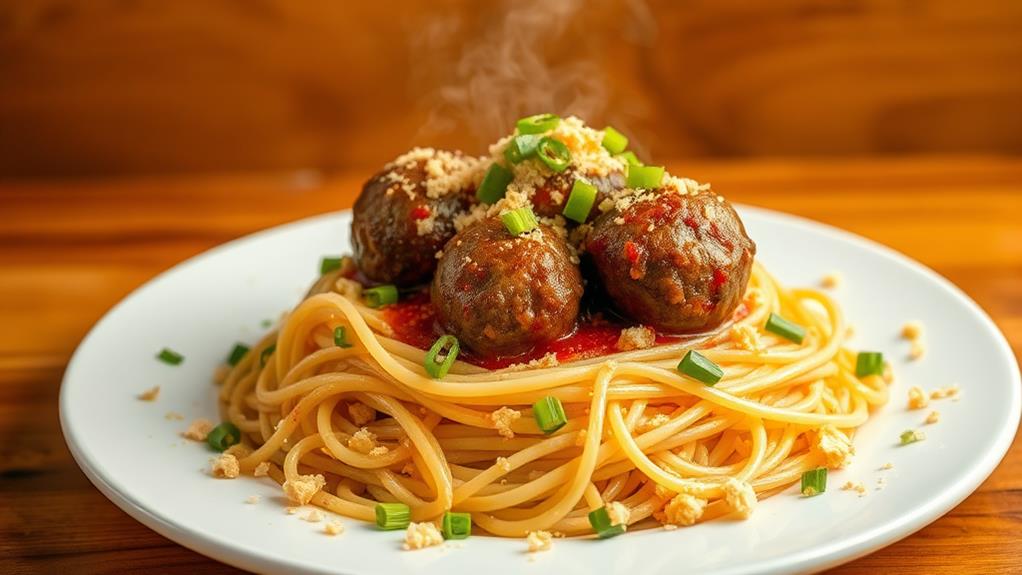
    Banana Ketchup Spaghetti is a unique Filipino dish that combines sweet and savory flavors. This fusion dish originated during American colonization and has become a staple at Filipino birthday parties and family gatherings.

    The dish is made by cooking spaghetti al dente. Then, a sauce is prepared by sautéing onions, garlic, and bell peppers. Ground meat is added to the mixture, followed by banana ketchup.

    The sauce is simmered for 15 minutes before being combined with the cooked spaghetti.

    Understanding Banana Ketchup Spaghetti
    exploring banana ketchup recipe

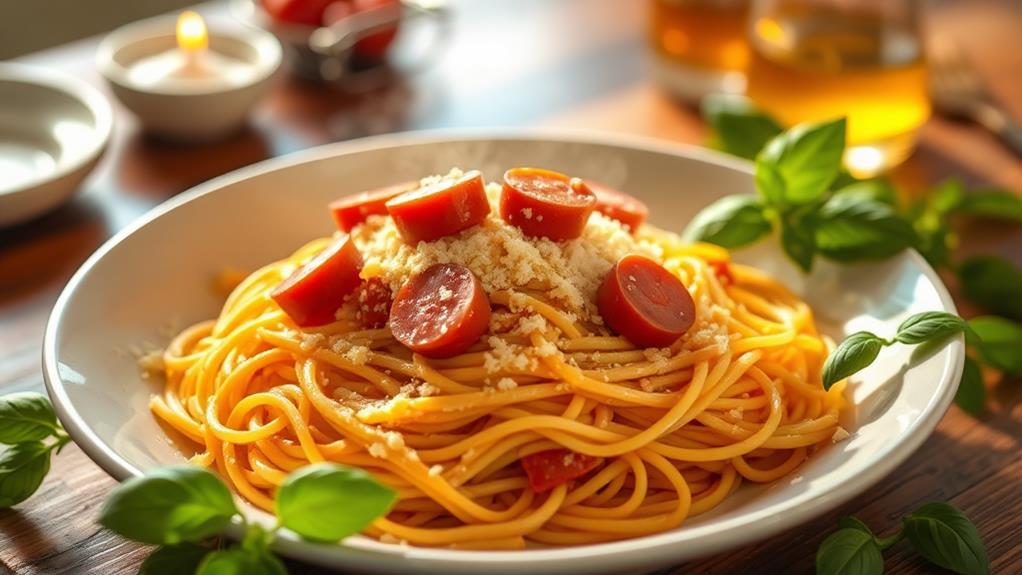
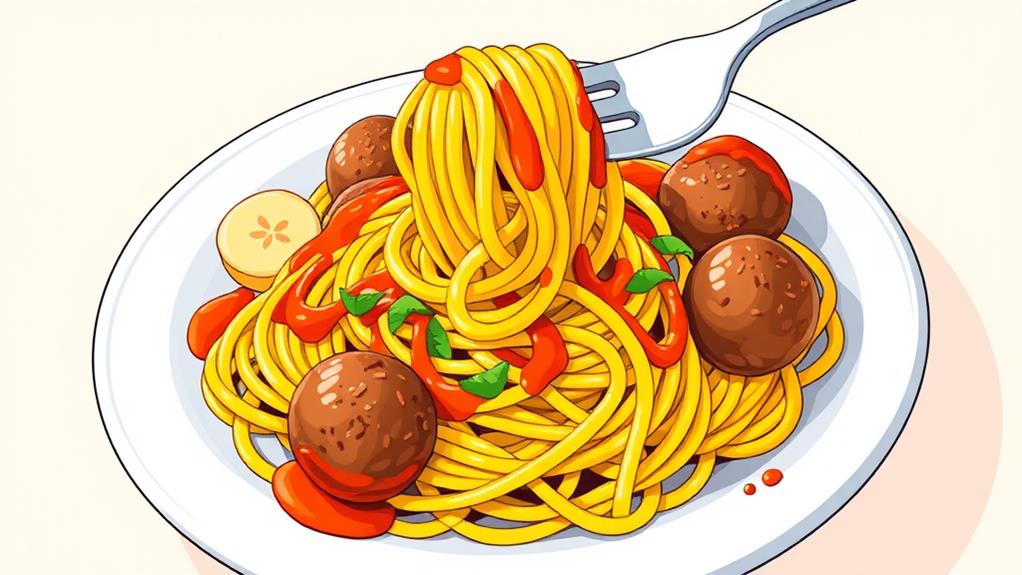
    Banana ketchup spaghetti is a unique Filipino twist on traditional spaghetti. It combines banana ketchup, ground meat, and sliced hot dogs, creating a sweet and savory flavor profile. This fusion dish is a staple at Filipino birthday parties and family gatherings, reflecting its cultural significance.

    The origins of banana ketchup spaghetti date back to American colonization in the late 1800s. During this time, local ingredients and tastes were incorporated into traditional spaghetti recipes. The result is a distinctly Filipino comfort food that blends familiar and exotic flavors.

    The flavor profile of banana ketchup spaghetti is both sweet and savory. The sauce, made with banana ketchup, ground meat, and sugar, is simmered to perfection, while the spaghetti is cooked al dente.

    This unusual combination has captured the hearts of Filipinos, becoming an integral part of their culinary identity.

    Key Ingredients and Flavor Profile

    Key Ingredients in Banana Ketchup Spaghetti

    Banana ketchup is a staple in Filipino cuisine that adds a distinct sweetness to the dish.

    This sweetness balances the savory elements of the sauce, which typically consists of tomato sauce and ground meat, such as beef or pork, providing a rich and meaty flavor profile.

    Unique Additions to the Dish

    Red hot dogs are often added to the mix, contributing a unique flavor and texture that enhances the overall taste experience.

    Sugar is sometimes included in the recipe to further balance the sweetness and savory flavors.

    Optional Toppings

    The optional topping of grated American or cheddar cheese adds a creamy and rich element, making the dish appealing to both children and adults alike.

    The combination of these ingredients creates a unique flavor profile that's both sweet and savory, setting Filipino spaghetti apart from its traditional Italian counterpart.

    Cooking Techniques and Methods
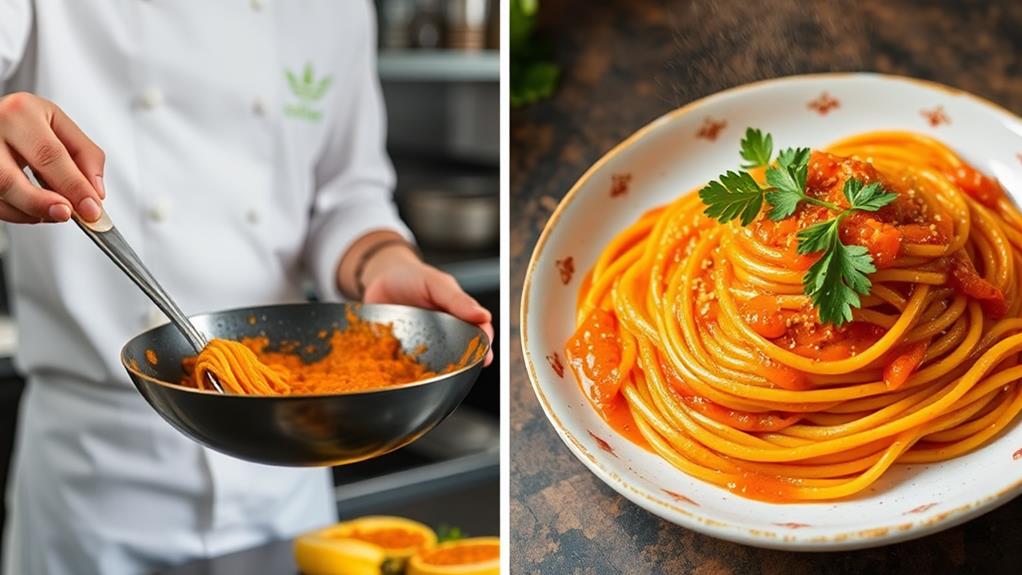
    culinary skills and approaches

    Mastering the Cooking Techniques for Banana Ketchup Spaghetti

    To achieve the distinctive flavor profile of Banana Ketchup Spaghetti, optimal cooking techniques are essential.

    Cooking Spaghetti: Cook spaghetti in salted boiling water for 7-9 minutes until al dente, ensuring the perfect texture for the dish.

    Preparing the Hot Dogs: Sauté sliced hot dogs until lightly browned and set aside to incorporate their unique flavor into the sauce.

    Developing the Sauce: Cook onions, garlic, and bell peppers until softened, then add ground beef and cook until browned to achieve a uniform texture.

    Combine tomato sauce, banana ketchup, sugar, and beef broth, and simmer the mixture for approximately 15 minutes to thicken the sauce and meld flavors.

    Add the browned hot dogs to the simmering sauce during the last 10 minutes to heat through and integrate their flavor.

    Cultural Significance and History

    Banana Ketchup Spaghetti: A Cultural Icon

    Origins and History

    The Philippines was introduced to Banana Ketchup Spaghetti 100 years ago, during the American colonization in the late 1800s.

    General Douglas MacArthur is credited with popularizing the use of spaghetti with ketchup in the Philippines, leading to the adaptation of the dish to suit Filipino tastes.

    The Birth of Banana Ketchup

    During World War II, Filipino food technologist Maria Orosa created banana ketchup due to limited tomato supplies. This sweet and savory condiment has become an essential component of Banana Ketchup Spaghetti.

    Cultural Significance

    Banana Ketchup Spaghetti's cultural significance is evident in its presence at birthday parties and family gatherings, reflecting the importance of family in Filipino culture and its appeal to children's palates.

    International Recognition

    Today, Banana Ketchup Spaghetti has gained international recognition, with adaptations made by individuals outside the Philippines.

    This blending of culinary traditions highlights the dish's cultural significance, showcasing the unique fusion of American and Filipino flavors.

    Rich History and Cultural Importance

    As you explore this dish, you'll discover the rich history and cultural importance behind this sweet and savory culinary icon.

    Nutritional Information and Facts
    nutritional data and insights

    A serving of Banana Ketchup Spaghetti contains approximately 529 calories. This calorie count breaks down into 63g of carbohydrates, 23g of protein, and 19g of fat.

    Additionally, the dish contains 1068mg of sodium and 56mg of cholesterol, which are important considerations for those monitoring their intake.

    On a more positive note, the dish provides 4g of dietary fiber and 14g of sugar. Furthermore, Banana Ketchup Spaghetti is a significant source of Vitamin A, containing 1190 IU.

    However, the use of banana ketchup adds sweetness to the dish and may contain varying amounts of added sugars, impacting the overall sugar content of the meal.

    Nutritional values can vary based on ingredient substitutions. For example, using leaner meats or reducing added sugars can affect both calorie and fat content.

    Serving Suggestions and Tips

    Serving Suggestions for Banana Ketchup Spaghetti

    When serving Banana Ketchup Spaghetti, immediate serving is key to preserve the dish's flavor and texture.

    Top with shredded quick-melting cheese for a creamy finish. This Filipino favorite pairs well with garlic bread and a fresh green salad, creating a balanced meal that complements the sweetness of the spaghetti.

    Presentation and Customization

    To enhance visual appeal and flavor, garnish with chopped parsley or additional cheese.

    Adjust seasoning with salt and pepper to taste before serving, allowing guests to customize their flavor preferences.

    Optional Additions and Variations

    For a more substantial meal, add hot dogs, a common Filipino-style spaghetti combination.

    This sweet version of spaghetti sauce pairs surprisingly well with the savory flavor of hot dogs.

    Banana Ketchup Spaghetti is a popular choice for gatherings and celebrations, where it's often served alongside traditional dishes like pancit.

    Storing Leftovers and Reheating
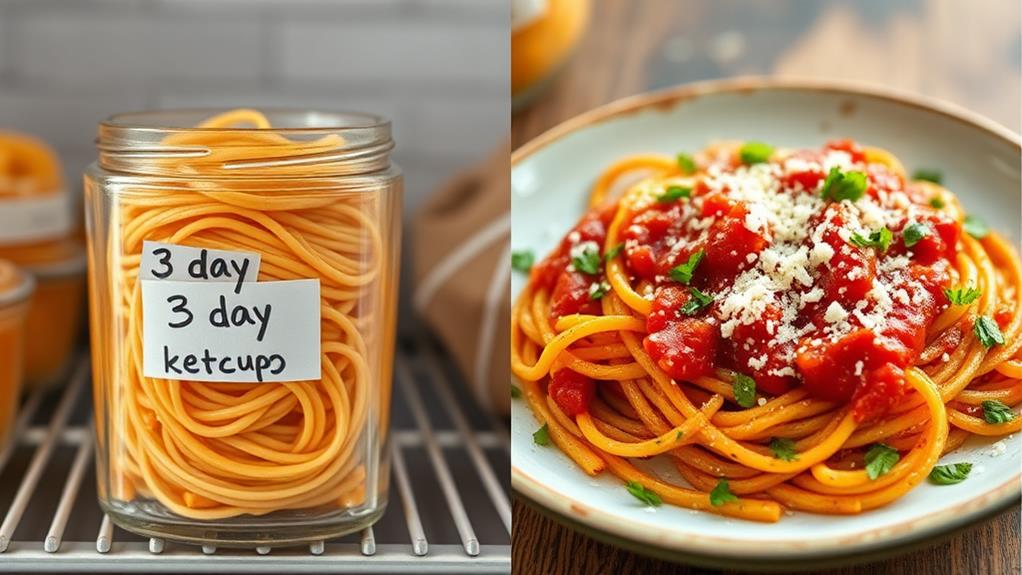
    properly storing leftovers safely

    Proper Storage Maintains Flavor and Texture

    When storing leftovers, separating the meat sauce and noodles is essential to prevent the noodles from becoming mushy.

    Store the meat sauce and noodles in separate airtight containers to maintain their texture and flavor.

    Refrigeration and Freezing Extend Shelf Life

    Refrigerate the leftovers for up to 3 days to maintain freshness and flavor.

    For longer storage, freeze the meat sauce and noodles in separate containers, which can extend their shelf life up to 2 months.

    Reheating Frozen Spaghetti

    When reheating frozen spaghetti, submerge the frozen noodles in boiling water until warmed, or heat the sauce separately and mix with cooked noodles.

    Adjust seasoning if necessary after reheating, as flavors may mellow during storage.

    Variations and Substitutions

    Customizing Banana Ketchup Spaghetti

    Banana ketchup spaghetti offers endless possibilities for experimentation, allowing you to tailor the dish to your taste preferences and dietary needs.

    Meat Substitutions

    You can replace ground beef with alternative protein sources to create variations that cater to different flavors and dietary requirements.

    Meat swap options include hot dogs, ground turkey, ham, Spam, or bacon.

    Adding Vegetables

    Incorporating vegetables into the sauce enhances its nutritional value and texture.

    Try adding bell peppers, carrots, and mushrooms to the sauce.

    Ketchup Alternatives

    If you don't have banana ketchup, you can create a substitute by mixing

    tomato ketchup with sugar to replicate the sweetness.

    Creamy Variations

    Adding cream cheese or using quick-melting cheese as a topping gives the dish an extra creamy twist.

    Experiment with cream cheese for added richness or use quick-melting cheese as a topping.

    Filipino-Inspired Flavors

    You can incorporate traditional Filipino flavors into your banana ketchup spaghetti by adding

    fish sauce for umami depth or other unconventional ingredients.

    Common Questions and Misconceptions
    clarifying common misconceptions faqs

    Common Misconceptions About Banana Ketchup Spaghetti

    Banana ketchup spaghetti, a popular Filipino dish, is often misunderstood due to its unique flavor profile and rich history.

    It isn't similar to Italian spaghetti. Filipino spaghetti has a sweeter taste and often features hot dogs and ground beef, making it a distinct dish. This difference in ingredients sets it apart from its Italian counterpart.

    Banana ketchup isn't just a sweet substitute. It has a unique taste that combines banana and tomato flavors, giving the dish its signature flavor. This flavor profile is a result of the banana and tomato mixture, which can't be replicated by regular ketchup.

    Substituting banana ketchup with regular ketchup isn't recommended. Doing so will alter the dish's intended sweetness and flavor profile significantly, resulting in a different taste experience.

    Filipino spaghetti is enjoyed by people of all ages. Its nostalgic appeal makes it popular among adults and families, especially during celebrations and gatherings.

    It isn't just a dish for kids, but a favorite among many Filipinos.

    Can Banana Ketchup Spaghetti be a Healthy Option?

    Banana ketchup spaghetti can actually be a surprisingly healthy option. The health benefits of banana ketchup include being low in fat and high in potassium, which is great for heart health. When paired with whole grain pasta and plenty of veggies, it can be a well-balanced and nutritious meal.

    Filipino Spaghetti Traditions

    Filipino Spaghetti: A Cultural Icon

    Filipino spaghetti has become an integral part of the country's cultural heritage, with its presence felt in various celebrations and gatherings. It's a staple at birthday parties and family reunions, where its unique flavor profile and ingredients bring people together.

    The Dish: A Blend of Flavors and Influences

    The traditional Filipino spaghetti dish typically consists of ground meat, hot dogs, and banana ketchup, setting it apart from traditional Italian spaghetti. Each ingredient has its own cultural significance:

    Ingredient Description Cultural Significance
    Banana Ketchup Sweet and tangy condiment Local flavor adaptation
    Hot Dogs Added protein and texture American colonization influence
    Ground Meat Savory and meaty flavor Traditional Filipino ingredient
    Shredded Cheese Creamy and melty texture Comfort food element
    Noodles Symbol of long life and good fortune Cultural significance in Filipino gatherings

    Evolution and Popularization

    Filipino spaghetti has evolved from American colonization influences, incorporating local flavors and ingredients to create a distinct culinary identity. Fast-food chains like Jollibee have popularized Filipino spaghetti, making it a staple in many Filipino households and introducing it to a wider audience globally.

    Frequently Asked Questions

    What Is Banana Ketchup Made Out Of?

    Banana ketchup is primarily made from mashed bananas, vinegar, sugar, and spices.

    These ingredients create a unique flavor profile that's both sweet and tangy. The recipe often includes onion, garlic, and salt to enhance the taste.

    The culinary history of banana ketchup dates back to World War II in the Philippines.

    During this time, it was invented as a tomato ketchup substitute.

    What Makes Filipino Spaghetti Different?

    Filipino spaghetti is distinct from other variations due to its sweet sauce. This unique flavor profile is shaped by cultural influences.

    In Filipino cuisine, traditional tomato sauce is replaced with banana ketchup, which reflects the country's food traditions. This substitution blends local tastes with foreign inspirations, creating a flavor profile that's quintessentially Filipino.

    The use of banana ketchup is a result of the country's cultural history, where foreign ingredients were adapted to local tastes.

    Is Banana Ketchup Healthier Than Tomato Ketchup?

    Banana ketchup isn't unequivocally healthier than tomato ketchup. While banana ketchup has a sweeter flavor profile, it lacks lycopene, an antioxidant found in tomatoes.

    Banana ketchup may contain fewer preservatives than some tomato ketchup brands, but this varies depending on the specific ingredients used.

    Additionally, the caloric content of banana ketchup can be similar to or higher than tomato ketchup.

    Ultimately, the healthier option depends on individual dietary preferences and priorities.

    Does Jolly Spaghetti Use Banana Ketchup?

    Yes, Jolly Spaghetti uses banana ketchup.

    This popular Filipino dish features a sweet sauce made primarily with banana ketchup, giving it a unique flavor profile.

    The use of banana ketchup in Jolly Spaghetti is a key factor in its distinctive taste, which combines sweet and savory flavors.
  • What Makes Each Type of Pancit Unique?

    What Makes Each Type of Pancit Unique?

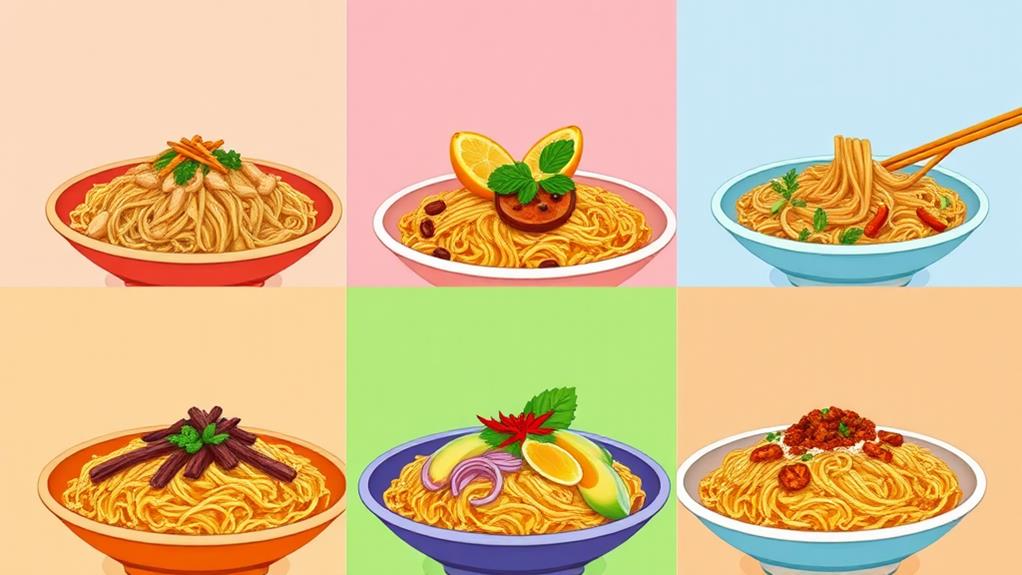
    Each type of pancit is unique due to its cultural significance, regional specialties, and diverse cooking methods.

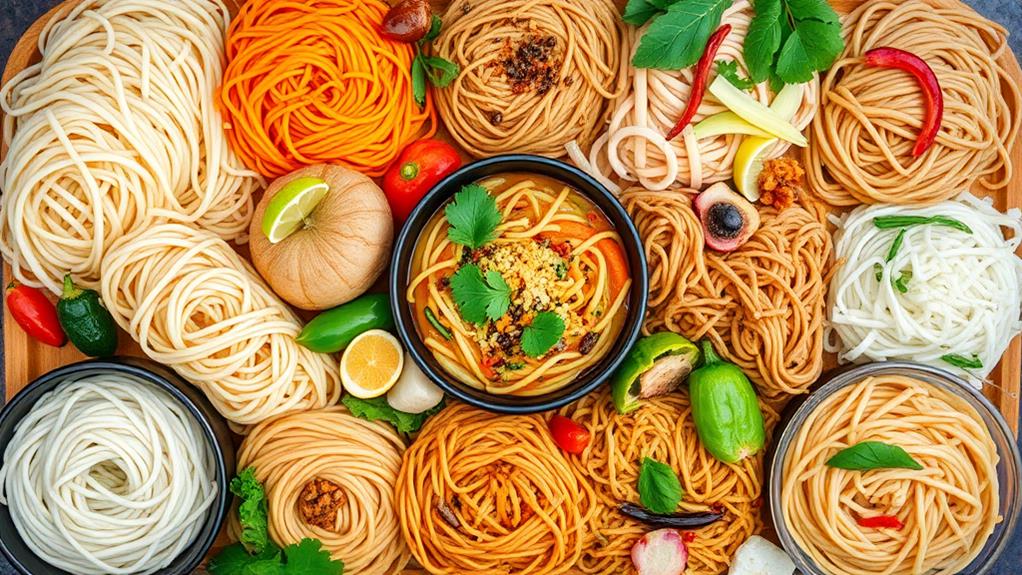
    The noodles used in different pancit types vary significantly. For instance, Pancit Abra features thick egg noodles, while Pancit Malabon is made with thin rice noodles. These noodles are often paired with local ingredients and traditions, resulting in distinct flavor profiles.

    Cooking techniques also differ between pancit types, with some being stir-fried and others being soupy. The ingredients used can range from rice vermicelli to mung bean sprouts, adding to the diversity of pancit dishes.

    Unique toppings and seasonings further distinguish each pancit type, making every dish tell a story.

    The rich history and cultural importance behind pancit are evident in its many variations, waiting to be discovered.

    Cultural Significance of Pancit

    pancit s cultural importance explored

    Pancit's Cultural Significance

    In Filipino culture, pancit symbolizes long life and prosperity. It's often served at birthday celebrations and special occasions to convey good fortune.

    Fusion of Filipino and Chinese Culinary Traditions

    Pancit embodies the fusion of Filipino and Chinese culinary traditions, reflecting the historical influence of Chinese immigrants in the Philippines.

    This cultural blend is evident in the dish's ingredients and cooking techniques, which have been adapted to suit local tastes.

    Communal Significance

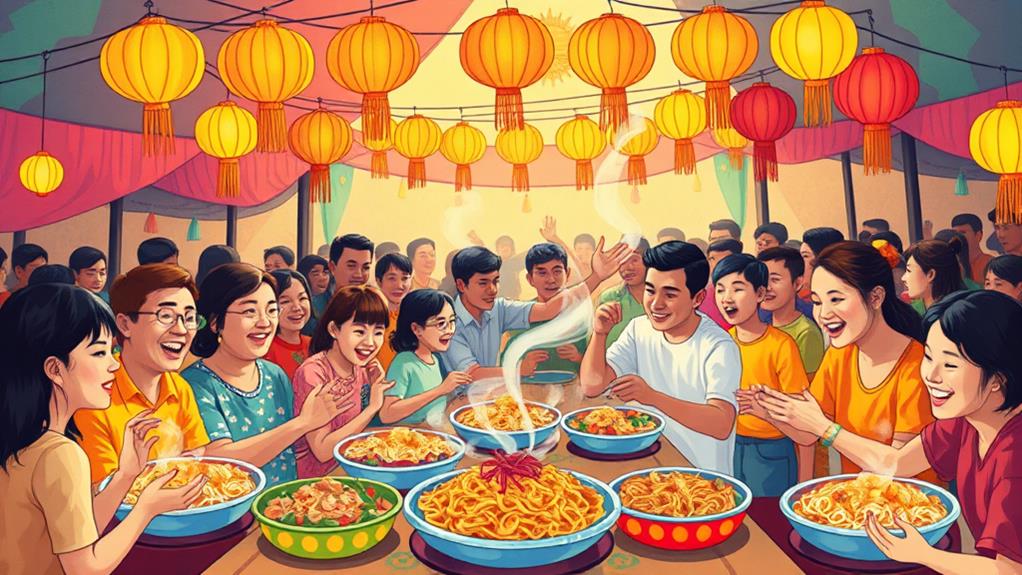
    Pancit is a communal dish that emphasizes the importance of shared meals in Filipino culture. It's often served during family gatherings and celebrations, fostering a sense of community and togetherness.

    Regional Variations

    The diverse regional identities within Filipino cuisine are showcased through unique pancit dishes across different regions, highlighting local ingredients and culinary practices.

    For example, Pancit Habhab from Quezon Province uses rice flour noodles, while Pancit Lugaw from the Visayas region features a thick, savory broth.

    Comfort Food and Versatility

    As a comfort food, pancit's versatility allows for endless adaptations, making it a beloved staple that evolves while maintaining its traditional roots.

    This adaptability has contributed to pancit's enduring popularity in Filipino cuisine.

    Regional Variations and Specialties

    Regional Variations and Specialties

    Filipino cuisine's cultural diversity is reflected in pancit's regional variations and specialties. Each region in the Philippines offers a unique take on this beloved noodle dish.

    Northern Luzon's Pancit Abra

    In Northern Luzon, Pancit Abra features thick egg noodles and a savory broth, often loaded with local veggies and meats.

    Cebu's Pancit Bam-I

    In Cebu, Pancit Bam-I combines thin rice noodles and egg noodles, stir-fried with seafood, pork, and veggies for a flavorful dish.

    Naga City's Pancit Kinalas

    In Naga City, Pancit Kinalas stands out with its thick sauce made from beef broth, topped with scraped meat and served with egg noodles and a boiled egg.

    Malabon City's Pancit Malabon

    In Malabon City, Pancit Malabon showcases thick rice noodles in a shrimp sauce with a distinctive orange hue, topped with seafood and chicharrón, making it a rich and hearty dish.

    Each regional variation offers a distinct twist, yet they all share a common thread – a delicious celebration of pancit noodles.

    Cooking Methods and Ingredients

    culinary techniques and components

    Diverse Cooking Methods and Ingredients Define Pancit Types

    Across various pancit types, different cooking methods and ingredients set each dish apart.

    Stir-frying is a common method for Pancit Canton and Pancit Bihon, while Pancit Lomi is prepared as a hearty, soupy dish with thick egg noodles.

    Ingredients Vary by Pancit Type

    Ingredients used in Pancit also differ by type.

    Pancit Bihon features thin rice vermicelli, Pancit Canton uses egg-based wheat noodles, and Pancit Malabon boasts thick rice noodles in a shrimp sauce.

    Seasonings Enhance Flavors

    Seasonings play a crucial role in enhancing the flavors of Pancit.

    Soy sauce, oyster sauce, and fish sauce frequently enhance the flavors of stir-fried varieties like Pancit Chami and Pancit Habhab.

    Vegetables Add Texture and Nutrition

    Vegetables like carrots, cabbage, and snow peas add texture and nutritional value to many Pancit dishes.

    Toppings Allow Personalization

    Unique toppings such as chicharrón, hard-boiled eggs, and seafood like shrimp and mussels allow you to personalize and elevate your Pancit presentation.

    Unique Noodle Types and Textures

    Exploring Pancit's Diverse Noodle Types and Textures

    The world of Pancit offers a fascinating array of noodle types and textures, each with unique characteristics that set them apart and make them suited for specific cooking methods and sauces.

    Pancit Bihon: Delicate and Flavor-Absorbing

    Pancit Bihon features thin rice noodles made from cornstarch and rice flour, known for their delicate texture that absorbs flavors well in stir-fries and soups.

    Pancit Canton: Thicker and Sturdier

    In contrast, Pancit Canton utilizes wheat flour and egg-based noodles, which are thicker and sturdier, making them ideal for stir-frying while holding their shape during cooking.

    Other Varieties of Pancit

    Other pancit varieties showcase different textures, such as Pancit Lomi's wide, thick egg noodles that offer a chewy texture, often used in hearty soups that enhance their springy qualities.

    Pancit Misua, on the other hand, is made from extremely thin salted wheat noodles, typically used in soups where their lightweight and delicate nature complements rich broths.

    Lastly, Pancit Miki features fresh egg noodles that can either be flat or round, providing a versatile option that's commonly used in both stir-fried and soupy dishes.

    Non-Noodle Pancit Variants

    pancit without noodles options

    Beyond traditional noodles, Pancit takes on a new dimension with non-noodle variants that showcase creative substitutes.

    These alternatives offer unique textures and flavor profiles. For instance, Pancit Buko utilizes long strips of coconut as a noodle substitute, providing a distinct texture and flavor.

    Pancit Kilawin replaces noodles with shredded unripe papaya, creating a fresh and light dish often paired with dinuguan, a savory pork blood stew.

    Other notable examples include Pancit Estacion, which features mung bean sprouts as the primary ingredient, showcasing a crunchy texture and a specialty from Tanza, Cavite.

    Pancit Labong uses julienned bamboo shoots instead of conventional noodles, providing a distinctive earthy flavor and a crunchy bite in the dish.

    Pancit Molo employs wonton wrappers as a noodle alternative in a soup, delivering a comforting and hearty experience, typically filled with meat or shrimp.

    These innovative takes on Pancit showcase the versatility of Filipino cuisine, where traditional dishes can be reimagined with creative substitutes that offer distinct flavors and textures.

    Pancit in Filipino Celebrations

    Pancit is a staple dish in Filipino celebrations, taking center stage in birthdays, New Year's festivities, and family gatherings. This beloved noodle dish symbolizes long life and prosperity, emphasizing the cultural belief that eating noodles brings good fortune.

    Traditional Filipino culture emphasizes communal sharing, and the preparation of pancit for special events often involves large quantities, allowing guests to share and reinforcing family ties and social bonds.

    Pancit dishes like Pancit Palabok and Pancit Bihon are commonly featured in holiday feasts, reflecting the fusion of Chinese and Filipino culinary traditions that have evolved over time.

    Serving pancit during celebrations highlights its significance as a comfort food, representing not just sustenance but also a connection to heritage and the joy of gathering with loved ones.

    This comfort food represents a connection to heritage, bringing people together and evoking feelings of nostalgia and warmth.

    What Makes Each Type of Pancit Unique in Flavor and Ingredients?

    Pancit Canton is known for its distinct savory flavor, often made with pork, chicken, and shrimp. Pancit Bihon, on the other hand, is lighter in taste with a focus on rice noodles and vegetables. Each of these types of pancit explained showcases the diversity of Filipino cuisine through unique flavors and ingredients.

    Evolution of Pancit in the Philippines

    pancit s cultural filipino transformation

    Pancit's Origins in the Philippines

    Pancit originated from Chinese merchants introducing noodles in the 1500s. These Chinese merchants brought noodles to the Philippines, which eventually incorporated local ingredients and flavors over time.

    The term "pancit" itself is derived from the Hokkien word for "convenient food," reflecting its adaptation to the Filipino culinary context.

    Regional Variations

    Different regions developed unique styles and variations of pancit. For example, Pancit Malabon and Pancit Bihon are two popular variations that showcase local tastes and cultural influences.

    These regional variations demonstrate the adaptability and creativity of Filipino cuisine.

    Pancit's Evolution in Filipino Culture

    Pancit transformed from a simple meal for factory workers to a beloved dish at celebrations. Today, pancit symbolizes long life and good fortune in Filipino culture.

    Its significance is evident in its presence at special occasions such as birthdays, weddings, and holidays.

    The Rise of Panciterias

    The rise of panciterias (noodle houses) during the Spanish colonization marked a significant shift in pancit's popularity.

    Panciterias made pancit a staple in Filipino culinary traditions and social gatherings. This development cemented pancit's place in Filipino cuisine and culture.

    Frequently Asked Questions

    What Are the Different Types of Pancit?

    Pancit Variations

    There are various pancit variations, each with its own regional specialties and cooking methods. Canton pancit, for instance, is made with thicker, chewier noodles, while Bihon pancit is made with thin, delicate noodles. These differences in texture and flavor are due to the varying ingredients and cooking methods used in different regions.

    Regional Specialties

    Each type of pancit has its own unique historical significance and cultural influences. Lomi pancit, for example, is a popular variation from Batangas, known for its thick, chewy noodles and savory sauce.

    Misua pancit, on the other hand, is a thin, salted noodle soup originating from the Visayas region.

    Garnishes and Serving Traditions

    Pancit noodles can be served with a range of garnishes, including vegetables, meat, or seafood. Palabok pancit, a popular variation from the northern region, is often served with a sweet and savory sauce, topped with crushed pork cracklings and boiled eggs.

    Nutritional Aspects

    The nutritional value of pancit noodles varies depending on the type and ingredients used.

    Canton pancit, made with wheat flour, is a good source of carbohydrates, while Bihon pancit, made with rice flour, is gluten-free and lower in calories.

    What Is a Fun Fact About Pancit?

    Pancit is often served during birthdays in the Philippines because it symbolizes long life and good fortune.

    This tradition stems from Chinese culture, where noodles represent longevity and prosperity.

    In the Philippines, serving pancit during birthdays is believed to bring good luck and a long, healthy life to the celebrant.

    What Is the Difference Between Pancit Bihon and Pancit Canton?

    Pancit Bihon and Pancit Canton are two distinct types of Filipino noodles that differ in their noodle composition and characteristics.

    Pancit Bihon noodles are made from thin rice flour and are known for their ability to soak up flavors well. This is due to their thin and delicate structure, which allows them to absorb seasonings and sauces easily.

    As a result, Bihon is often stir-fried with soy sauce and vegetables, which enhances its flavor profile.

    On the other hand, Pancit Canton noodles are made from a combination of wheat flour and eggs, making them thicker and chewier than Bihon.

    This difference in composition affects their cooking technique, as Canton noodles require a longer cooking time to achieve the desired texture.

    Canton's flavor profile is often richer and more umami, thanks to the use of oyster sauce, and may include seafood ingredients such as shrimp or pork.

    Why Is Pancit Important to the Filipino Culture?

    Pancit holds immense cultural significance in Filipino cuisine. This dish symbolizes long life and prosperity, often taking center stage at family gatherings and festive celebrations.

    In Filipino culture, pancit represents a blend of Chinese influences and local flavors, reflecting the country's historical origins.

    Sharing a plate of pancit is an act of communal sharing, a tradition that brings people together. This comfort food is often served at family gatherings and celebrations, fostering a sense of community and togetherness.

    Modern adaptations of pancit have made it a popular dish, with various regional versions emerging across the Philippines.

  • What Are the Best Tips for Cooking Pancit Dish?

    What Are the Best Tips for Cooking Pancit Dish?

    Soaking rice noodles is crucial for achieving tender perfection in Pancit. To do this, soak the noodles in warm water for 15-20 minutes.

    Creating a flavorful base is essential. Sauté garlic and onion to create a flavorful base, then add your chosen protein and assorted vegetables.

    Cook until they are fully cooked and vibrant, ensuring the protein is cooked through and the vegetables are tender-crisp.

    Balancing flavors is key. Use low-sodium soy sauce to balance the flavors of your Pancit.

    Experiment with oyster sauce for added umami, as it can enhance the dish's overall flavor profile.

    By following these expert tips, you'll unlock the secrets to a harmonious Pancit that's sure to impress.

    Understanding Pancit Fundamentals

    pancit cooking essential guide

    Pancit Fundamentals

    Pancit, a traditional Filipino dish, is built upon a rich cultural heritage and fundamental elements that make it a beloved meal.

    Rice Noodles: The Foundation

    Pancit features rice noodles, which require soaking in warm water to soften before cooking. This crucial step allows the noodles to absorb the flavors of the stir-fry later on.

    Flavorful Base

    Typically, a flavorful base is created by sautéing garlic and onion. This base is essential for adding depth to the dish.

    Protein and Vegetables

    Protein options like chicken, shrimp, or pork are added, along with assorted vegetables such as cabbage, carrots, and bell peppers.

    Bringing it Together

    Finally, the soaked noodles are mixed in, along with a dash of soy sauce, to bring all the flavors together.

    Choosing the Right Noodles

    Choosing the Right Noodles for Pancit

    Traditional Pancit Bihon Noodles

    To make a traditional Pancit Bihon, use rice vermicelli noodles that only require soaking in warm water. This allows them to absorb flavors during cooking, giving your dish a more authentic taste.

    Pancit Canton Noodles

    For a chewier texture, use Pancit Canton noodles, which are made from eggs and provide a heartier consistency compared to rice noodles.

    Selecting High-Quality Noodles

    When selecting noodles, ensure they're fresh or properly dried, as quality can significantly impact the overall dish flavor and texture.

    You can experiment with alternative noodles like udon or chow mein, but keep in mind that they may alter the traditional taste and cooking method of Pancit.

    Following Package Instructions

    Always check the package instructions for soaking times, as different brands of noodles may have varying requirements for optimal softness.

    Essential Ingredients and Substitutions

    key components and alternatives

    Essential Ingredients for Authentic Pancit

    To create an authentic and mouthwatering Pancit dish, certain ingredients are crucial. These essential ingredients include rice noodles (bihon), soy sauce, assorted vegetables, and a protein choice.

    Rice Noodles (Bihon)

    Rice noodles are light and delicate, providing the foundation for the dish. You can substitute rice noodles with egg noodles (pancit canton), but this will alter the texture and flavor.

    Soy Sauce

    Soy sauce adds a savory and umami flavor to Pancit. Use low-sodium soy sauce to manage saltiness, or adjust the amount to taste.

    Assorted Vegetables

    Chopped vegetables are an essential component of Pancit. Choose from carrots, cabbage, green beans, bell peppers, onions, and more, ensuring they're chopped uniformly.

    Protein

    A protein choice is necessary for added flavor and texture. Select one or combine chicken, shrimp, pork, or other options for optimal results.

    Optional Ingredient: Oyster Sauce

    Oyster sauce adds a rich, savory flavor to Pancit. Add it for depth, but use it sparingly to avoid overpowering the dish.

    Mastering Cooking Techniques and Times

    Soaking Rice Noodles: Soak rice noodles in warm water for 15-20 minutes to achieve tender noodles.

    Sautéing Aromatics: Sauté garlic and onion over medium heat for 2-3 minutes, until fragrant, to build a flavorful base for the dish.

    Cooking Proteins: Add proteins to the pan and cook until they're browned and fully cooked, which usually takes around 5-7 minutes.

    Stir-Frying Vegetables: Incorporate vegetables and stir-fry them for 2-3 minutes, until they're tender yet still crisp, to maintain their vibrant color and nutrients.

    Balancing Flavors and Seasoning

    perfecting taste and seasoning

    Balancing Flavors and Seasoning in Pancit

    To create a well-balanced flavor profile in Pancit, it's crucial to strike a harmonious balance between salty, sweet, sour, and umami notes.

    Controlling Saltiness

    Use low-sodium soy sauce to maintain a rich flavor profile without overpowering the dish. This allows for a balanced salty flavor that complements the other ingredients.

    Adding Depth with Vegetables

    Incorporate a variety of fresh vegetables, such as carrots and cabbage, to add layers of flavor and texture that complement the noodles and protein. This adds depth and complexity to the dish.

    Elevating Umami Taste

    Enhance the dish's depth by adding oyster sauce or fish sauce, which can elevate the umami taste of the overall dish. These ingredients add a rich, savory flavor that complements the other seasonings.

    Seasoning Proteins Wisely

    Season proteins with salt and pepper before cooking to ensure they absorb flavor and contribute to the overall taste of the Pancit. This ensures that the protein is flavorful and well-seasoned.

    Tasting and Adjusting

    Remember to always taste and adjust seasonings during the cooking process, as different ingredients can absorb flavors differently, leading to variations in taste.

    Serving Suggestions and Garnishes

    Elevate the Presentation of Your Pancit

    The presentation of your Pancit dish plays a crucial role in enhancing the overall dining experience. Serve it with a slice of lime or calamansi on the side to add a refreshing zest and enhance its flavor. Additionally, garnish it with chopped green onions or cilantro for added freshness and visual appeal.

    Traditional Meal Experience

    To create a traditional meal experience, pair your Pancit with Filipino lumpia or spring rolls, which provide complementary textures. Offer chili sauce or hot sauce on the side for those who enjoy a spicy kick.

    Presenting Pancit for Communal Sharing

    Present your Pancit in a large platter to emphasize its role in celebrations and gatherings. This encourages communal sharing and creates a fun, lively atmosphere.

    Storage and Reheating Tips

    effective food storage techniques

    Proper Storage is Crucial for Maintaining Pancit's Quality

    To keep your Pancit dish fresh and flavorful, proper storage is essential. Store leftover Pancit in an airtight container in the refrigerator for optimal freshness, ideally consuming it within 2-3 days. This ensures the noodles and vegetables remain fresh and retain their texture.

    Freezing Pancit for Longer Storage

    If you want to extend the shelf life of your Pancit, freeze it for up to 3 months. However, make sure to cool it completely before transferring it to a freezer-safe container. This prevents the growth of bacteria and maintains the dish's quality.

    Separate Storage for Protein, Noodles, and Vegetables

    To preserve the individual textures and flavors of the ingredients, store the protein and noodles separately from the vegetables. This helps to maintain their quality for a longer period.

    Reheating Pancit without Drying it Out

    When reheating Pancit, use low heat on the stovetop and add a splash of water or broth. This helps to maintain the noodles' texture and prevent them from drying out.

    Are the Cooking Tips for Pancit Lomi Similar to Cooking Pancit Dish?

    When it comes to preparing Pancit Lomi, the best pancit lomi cooking tips may differ slightly from cooking other pancit dishes. While some basic principles of cooking pancit may apply, there are specific techniques and ingredients unique to Pancit Lomi that require special attention for the best results.

    Common Mistakes to Avoid

    Common Mistakes to Avoid When Cooking Pancit

    To ensure a perfectly cooked Pancit dish, it's essential to avoid common mistakes that can ruin the final product.

    Over-soaking rice noodles can lead to an unappetizing texture. Soak rice noodles for 15-20 minutes to achieve the right texture.

    Unevenly cut vegetables can result in uneven cooking. Cut vegetables uniformly to promote even cooking and prevent some parts from being overcooked or undercooked.

    Too much soy sauce can overpower the dish. Start with a small amount of soy sauce and adjust to taste to achieve a balanced flavor.

    Overcrowding the pan can lead to steaming instead of stir-frying. Use a large skillet or wok to prevent overcrowding and ensure that ingredients are cooked evenly.

    Insufficient seasoning can result in a bland dish. Season during different stages of cooking to layer flavors and achieve a well-balanced taste.

    Frequently Asked Questions

    Why Is My Pancit Canton Soggy?

    Overcooking is a common reason for soggy Pancit Canton. When noodles are cooked for too long, they absorb excess water, leading to a soggy texture.

    To avoid this, cook the noodles according to the package instructions and check for doneness by biting into one. If it's still hard in the center, continue cooking in short intervals until it's al dente.

    Improper sauce ratio can also cause sogginess. Using too much sauce can make the noodles soggy. Aim for a balanced ratio of noodles to sauce, and adjust to taste.

    Adding too many water-releasing vegetables can also contribute to sogginess. Limit the amount of vegetables like cabbage, carrots, and bean sprouts, which release water during cooking.

    Instead, opt for vegetables like bok choy, mushrooms, or bell peppers that retain their texture and flavor when cooked.

    How Do You Cook Pancit Canton Steps?

    To cook Pancit Canton, you need the following ingredients: noodles, protein, and vegetables.

    Start by boiling the noodles until they're al dente.

    Then, heat oil in a wok to sauté garlic and onion. Add your chosen protein, such as chicken, pork, or shrimp, and cook until it's thoroughly cooked.

    Next, add your chosen vegetables, such as cabbage, carrots, and bean sprouts, and cook until they're tender.

    What Is the Most Popular Type of Pancit?

    Pancit Bihon is the most popular type of pancit, featuring rice vermicelli noodles that are a staple at Filipino celebrations and gatherings.

    This type of pancit stands out due to its thin, delicate noodles made from rice flour, which are often served with vegetables, meat or seafood, and a savory sauce.

    Other notable variations of pancit include Pancit Canton, which features chewy egg noodles, and Pancit Malabon, which is characterized by thick rice noodles and seafood toppings.

    These different types of pancit reflect regional influences and traditional ingredients, showcasing the diversity of Filipino cuisine.

    What Is Special About Pancit?

    Pancit's rich history dates back to Chinese influences. This Filipino dish has a storied past, with its origins tracing back to the cultural exchange between the Philippines and China.

    Regional variations of pancit exist, showcasing its versatility. Different regions in the Philippines have their own unique takes on the dish, with varying combinations of noodles, proteins, and vegetables.

    The harmonious blend of soy sauce, garlic, and onions creates a savory flavor profile. These three ingredients are essential to pancit's flavor, with soy sauce providing a salty umami taste, garlic adding a pungency, and onions contributing a sweet and crunchy texture.

    Pancit symbolizes long life and good fortune in Filipino culture. This cultural significance is why pancit is often served at festive occasions and family gatherings, such as birthdays and weddings.

  • 10 Easy Steps for Chicken Pancit Bihon

    10 Easy Steps for Chicken Pancit Bihon

    Mastering Chicken Pancit Bihon in 10 Easy Steps

    Step 1: Prepare Ingredients

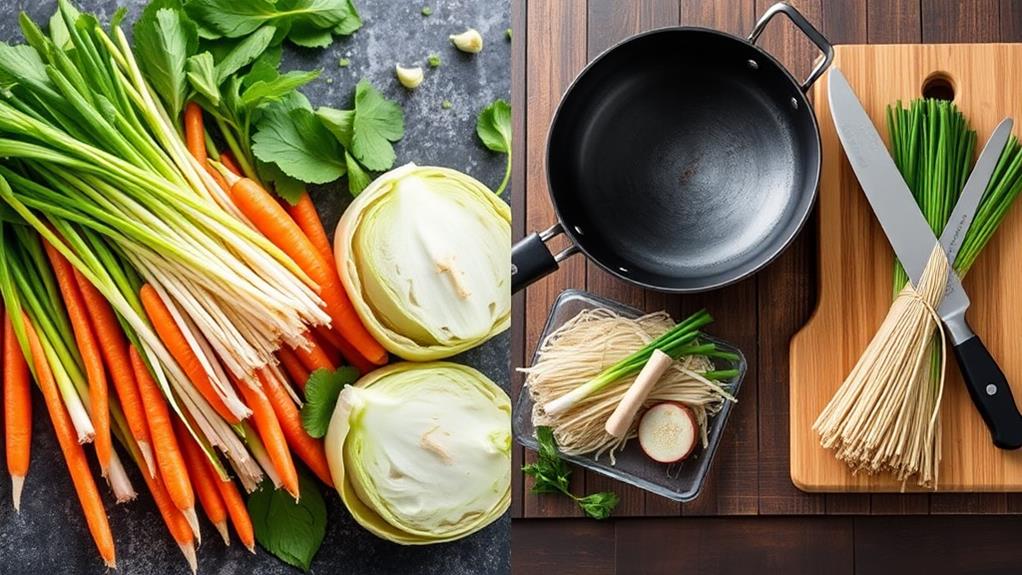
    Gather bihon noodles, chicken, carrots, cabbage, onion, and garlic. Cut ingredients into uniform pieces for even cooking.

    Step 2: Soak Bihon Noodles

    Soak bihon noodles according to package instructions.

    Step 3: Cook Chicken and Aromatics

    Cook chicken and aromatics like onion and garlic until the chicken is fully cooked.

    Step 4: Add Vegetables and Seasonings

    Add carrots and cabbage to the cooked chicken and aromatics. Add seasonings in the right order to bring out the flavors.

    Step 5: Combine Noodles, Chicken, and Vegetables

    Combine cooked bihon noodles, chicken, and vegetables.

    Step 6: Add Soy Sauce and Water

    Add soy sauce and water to the combined mixture.

    Step 7: Stir-Fry to Perfection

    Stir-fry the mixture until the flavors are fully incorporated and the noodles are well coated.

    Step 8: Garnish with Fresh Herbs

    Garnish with fresh herbs like green onions or parsley.

    Step 9: Serve Hot

    Serve the Chicken Pancit Bihon hot.

    Step 10: Enjoy Your Masterpiece

    Enjoy your flavorful and visually stunning Chicken Pancit Bihon, a classic Filipino dish.

    Prepare Ingredients and Noodles

    gather noodles and ingredients

    Gather Ingredients

    To prepare for cooking pancit bihon, collect all necessary ingredients, including bihon noodles, chicken breast, carrots, cabbage, onion, and garlic.

    This ensures an organized cooking process and saves time later on.

    Prepare Chicken

    Thinly slice the chicken breast into bite-sized pieces to allow for quick and even cooking during stir-frying.

    This is crucial because unevenly cooked chicken can be a major turn-off in any pancit bihon recipe.

    Prepare Vegetables

    Julienne the carrots and shred the cabbage to create uniform pieces that will cook evenly and add a colorful crunch to the dish.

    Soak and Cook Bihon Noodles

    Soak Bihon Noodles Correctly

    To achieve the perfect texture, bihon noodles must be soaked correctly. Soak the noodles in warm water for 10-30 minutes, or until they become soft and pliable. This allows for easier cooking later.

    The soaking time depends on the noodle thickness, with thinner noodles requiring less soaking time.

    Drain and Set Aside

    After soaking, drain the noodles to prevent clumping. Set them aside before mixing them with other ingredients in the stir-fry.

    Properly soaked noodles absorb flavors from the sauce and other ingredients during cooking, enhancing the overall taste of the dish.

    Cook Bihon Noodles

    Cook the noodles according to the package instructions to achieve the perfect texture. This ensures that the noodles are cooked correctly and ready for the chicken pancit bihon dish.

    Sauté Aromatics and Chicken

    saut chicken with aromatics

    Heating oil in a wok or large pan over medium heat sets the stage for even cooking of the ingredients, allowing you to carefully sauté aromatics and chicken that will eventually harmonize with the cooked bihon noodles.

    Sautéing onions and garlic is the first step in building flavor. Finely chop onions and mince garlic, then sauté them until they're fragrant and translucent.

    Stir frequently to prevent burning, which can ruin the dish.

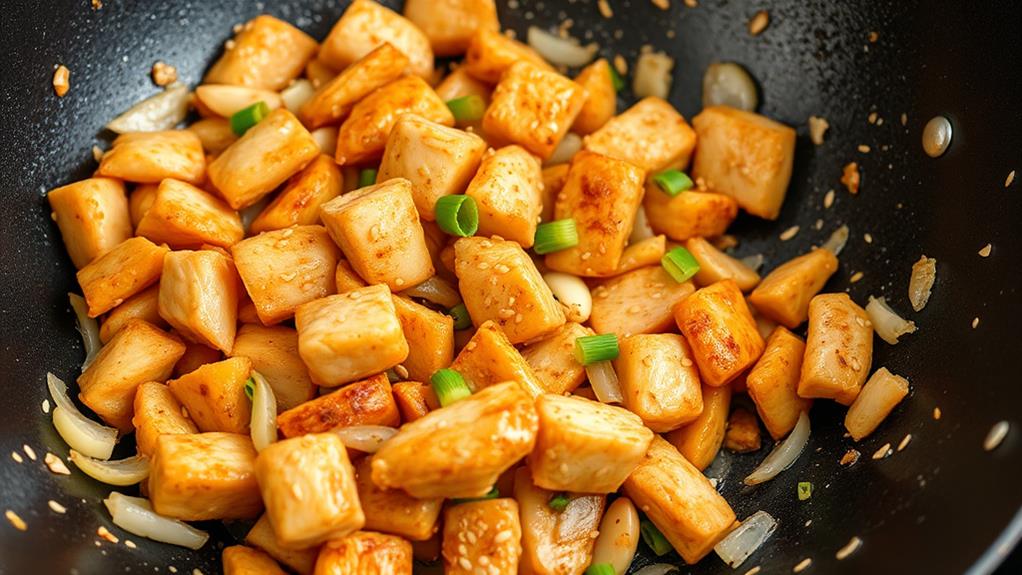
    Adding chicken breast comes next. Slice the chicken thinly and add it to the pan, cooking until it turns golden brown and is no longer pink in the center, which typically takes about 5-7 minutes.

    Season with salt and pepper during cooking to enhance the chicken's taste and complement the other ingredients.

    Stir frequently to ensure the aromatics don't burn and the chicken cooks evenly throughout. This step is crucial in building the foundation of flavors for your Chicken Pancit Bihon.

    Add Vegetables and Seasonings

    Add Vegetables and Seasonings

    With your aromatics and chicken perfectly cooked, it's time to introduce colorful vegetables and savory seasonings to elevate your Chicken Pancit Bihon.

    Adding Vegetables

    To add vegetables, sauté them in the order of their cooking time, starting with onions and garlic for flavor, followed by harder vegetables like carrots, and finishing with softer ones like cabbage. Sautéing order and cooking times:

    Vegetable Cooking Time
    Onions and Garlic 2-3 minutes
    Carrots 3-4 minutes
    Bell Peppers 2-3 minutes
    Cabbage 1-2 minutes
    Others (e.g., mushrooms) 2-3 minutes

    Incorporating Julienned Vegetables

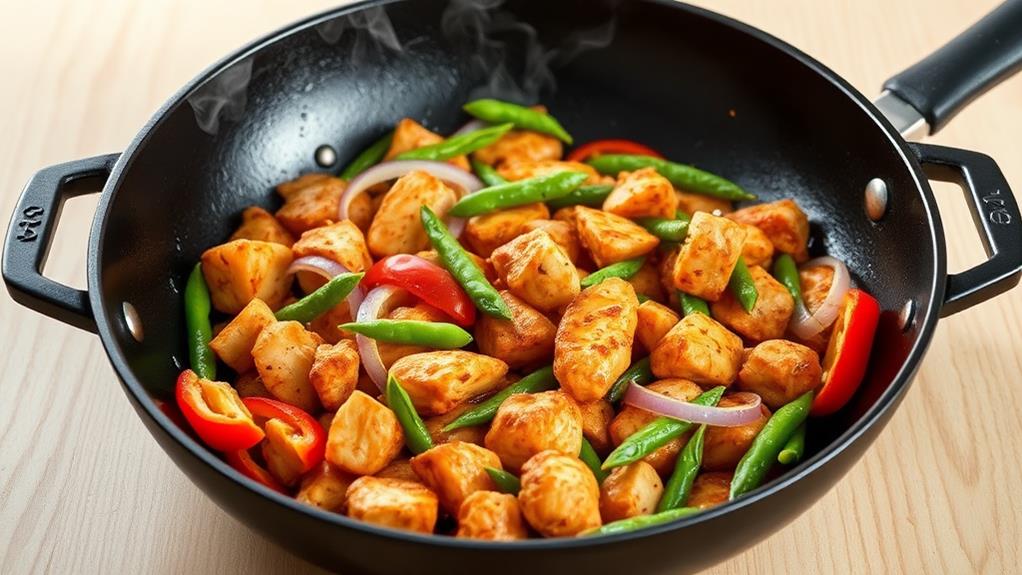
    Incorporate julienned carrots, shredded cabbage, and bell peppers to enhance the dish's flavor and nutritional value.

    Adding Seasonings

    Use key flavor enhancers: soy sauce and oyster sauce, adding them gradually to control the flavor intensity and ensure an even coating on the noodles and vegetables. Additional seasonings: consider adding a sprinkle of black pepper and chicken bouillon powder to deepen the umami flavor profile of the dish. Stir-fry goal: stir-fry the vegetables just until they are tender-crisp to maintain their vibrant color and crunch, which adds texture to the final dish.

    Cook Chicken and Vegetables

    saut chicken and vegetables

    Cook Chicken and Vegetables

    To prepare the chicken, boil two pounds of bone-in chicken until fully cooked. This step enhances the flavor and creates a rich broth for the dish.

    Once cooked, shred the chicken and reserve the broth to keep the meat tender and flavorful.

    Sauté Aromatics and Vegetables

    To build a flavorful base, sauté minced garlic and onion in oil until fragrant.

    Then, add julienned carrots and shredded cabbage and stir-fry until they're tender but still crisp. This step maintains texture and color in the vegetables.

    Combine Chicken and Vegetables

    Finally, mix the shredded chicken with the sautéed vegetables, allowing them to absorb the flavors.

    This step creates a harmonious balance of flavors and textures in the dish.

    Combine Noodles and Sauce

    Combining Noodles and Sauce

    Once the bihon noodles are softened, drain them thoroughly to remove excess moisture.

    In a large wok, combine the cooked chicken and sautéed vegetables with the prepared sauce mixture, which typically includes soy sauce and oyster sauce to enhance the flavor.

    Add the drained bihon noodles to the wok, ensuring they're evenly distributed among the protein and vegetables for a uniform taste.

    Toss everything together gently with tongs or a spatula, allowing the noodles to absorb the sauce while ensuring they don't break apart.

    Stir-fry for an additional 3-5 minutes until the noodles are heated through and have taken on the flavors of the sauce and other ingredients.

    Add Soy Sauce and Water

    soy sauce and water

    Add Soy Sauce and Water

    To enhance the flavor profile of your Chicken Pancit Bihon, add 5 tablespoons of soy sauce to the pan. This provides the essential flavor base for the dish, bringing depth and umami flavor to your Pancit.

    Next, add 1 to 1.5 cups of water to ensure the noodles have enough liquid to absorb while cooking. Stir the soy sauce and water mixture well to evenly coat the vegetables and chicken, enhancing the overall flavor profile.

    Allow the mixture to simmer for a few minutes, enabling the flavors to meld before adding the soaked bihon noodles. This brief simmering process helps the flavors integrate seamlessly.

    Once the noodles are added, toss everything together, ensuring the noodles are thoroughly coated with the soy sauce and water for optimal taste.

    Stir-Fry and Serve Hot

    Heat Oil and Sauté Aromatics

    Heat oil in a wok or large skillet over medium-high heat.

    Then, sauté minced garlic and onion until fragrant, which creates a flavorful base for the dish.

    Cook Chicken

    Add sliced chicken breast and cook until browned and no longer pink, ensuring the meat remains tender and juicy.

    Stir-Fry Vegetables

    Incorporate julienned carrots and shredded cabbage, stir-frying for a few minutes until the vegetables are slightly softened but still crisp for added texture.

    Combine Noodles and Sauces

    Add the soaked bihon noodles along with a mixture of soy sauce and oyster sauce.

    Toss everything together until the noodles are evenly coated and heated through.

    Garnish and Serve With Fresh Herbs

    herbs for fresh garnish

    Elevate your Chicken Pancit Bihon with thoughtful garnishes that balance and refresh the rich, savory flavors.

    Freshly chopped green onions add a pop of color and a mild onion flavor that complements the dish's savory profile.

    Additionally, fresh cilantro or parsley can be sprinkled on top to introduce a refreshing herbaceous note, enhancing the overall taste experience.

    A squeeze of calamansi or lemon juice right before serving brightens the flavors and adds a zesty contrast to the rich noodles.

    Toasted sesame seeds can be scattered over the dish for added texture and a nutty flavor that pairs well with the soy sauce-based seasoning.

    Serving with a side of fresh herbs allows diners to customize their dish, balancing the savory elements with fresh, aromatic notes.

    Are the Steps for Mastering Chicken Pancit Bihon the Same as the Easy Steps for Chicken Pancit Bihon?

    Yes, the mastering chicken pancit bihon steps are the same as the easy steps for chicken pancit bihon. The key to a delicious chicken pancit bihon lies in proper preparation and cooking techniques, regardless of the level of difficulty. Following the mastering chicken pancit bihon steps will result in a flavorful and satisfying dish.

    Store Leftovers and Reheat

    Storing Leftovers

    To maintain optimal freshness, store leftovers in an airtight container in the refrigerator and consume them within 2-3 days.

    Reheating Methods

    Three reheating methods can be used to restore your Chicken Pancit Bihon to its former state:

    Reheating Method Instructions
    Microwave Cover with a lid or damp paper towel and heat for 1-2 minutes.
    Stovetop Heat on low, stirring occasionally, until warmed through.

    | Steaming Basket | Heat for 5-10 minutes to preserve noodle texture.

    Freezing Leftovers

    For longer storage, you can freeze your Chicken Pancit Bihon. Ensure the dish is completely cooled before placing it in an airtight container or freezer bag. Frozen leftovers can be consumed within 1-2 months for the best quality. When reheating, use one of the methods above to restore your dish.

    Frequently Asked Questions

    How Do You Cook Pancit Canton Steps?

    To cook Pancit Canton, follow these steps:

    Step 1: Prepare the Noodles

    Pancit Canton is a type of noodle-based dish that uses egg or rice flour noodles. Choose your preferred type of noodle and follow the package instructions for soaking and draining.

    Step 2: Boil the Noodles

    Boil the noodles in water or broth until they're al dente. This will help remove excess starch and prepare the noodles for stir-frying.

    Step 3: Prepare the Ingredients

    Gather your desired ingredients, such as vegetables, protein (e.g., pork or chicken), and seasonings. Chop the vegetables and cook the protein according to your preference.

    Step 4: Stir-Fry the Ingredients

    Heat oil in a wok or large skillet and stir-fry the ingredients until they're cooked through. Add the noodles to the wok or skillet and stir-fry everything together.

    Step 5: Season and Serve

    Add your preferred seasonings and serve the Pancit Canton hot. You can serve it as a main dish or side dish, and it's often paired with other Filipino dishes.

    Tips and Variations

    Pancit Canton can be customized to suit your taste preferences. Try using different vegetables, proteins, or seasonings to create your own unique flavor profile. You can also experiment with regional variations to learn more about the cultural significance of this dish.

    What Is the English Name for Bihon?

    Bihon is known as "rice vermicelli" or "rice noodles" in English.

    Bihon has a rich history, with variations across Asia. It originated in ancient China and has since evolved, becoming a staple in Filipino cuisine and other cultures.

    Rice vermicelli is gluten-free and low in calories, making it a nutritious food option.

    Bihon is a versatile ingredient, often used in stir-fries and soups, and served with savory sauces.

    For example, it's commonly used in Filipino dishes such as Pancit Bihon, a popular stir-fry dish made with rice vermicelli, vegetables, and meat or seafood.

    What Food Goes Well With Pancit Bihon?

    Traditional Pairings for Pancit Bihon

    When pairing food with pancit bihon, lumpia (spring rolls) is a classic combination that adds a satisfying crunch to the dish.

    Another popular option is grilled or fried chicken, which provides a boost of protein and flavor to the meal.

    Adding Freshness and Spice

    To add some freshness to your pancit bihon, consider pairing it with a fresh cucumber and tomato salad.

    For an extra kick, try serving the dish with soy sauce or vinegar with chili. These regional variations can add a new level of flavor to the traditional Filipino dish.

    How to Cook Super Q Bihon?

    To cook Super Q Bihon, start by preparing the noodles correctly. Soak the bihon noodles in warm water to ensure they absorb the flavors evenly. This step helps the noodles cook uniformly and prevents them from becoming mushy.

    Create a flavorful base by sautéing aromatics. Sauté minced garlic and onions in a pan until they're fragrant and lightly browned. This flavor base will enhance the overall taste of your Super Q Bihon.

    Customize your dish with protein and vegetables. You can add protein sources like cooked chicken, pork, or shrimp to make your Super Q Bihon more substantial.

    Additionally, choose your favorite vegetables, such as cabbage, carrots, or bell peppers, to add texture and flavor variations.

  • What Are Key Ingredients in Pancit Lomi?

    What Are Key Ingredients in Pancit Lomi?

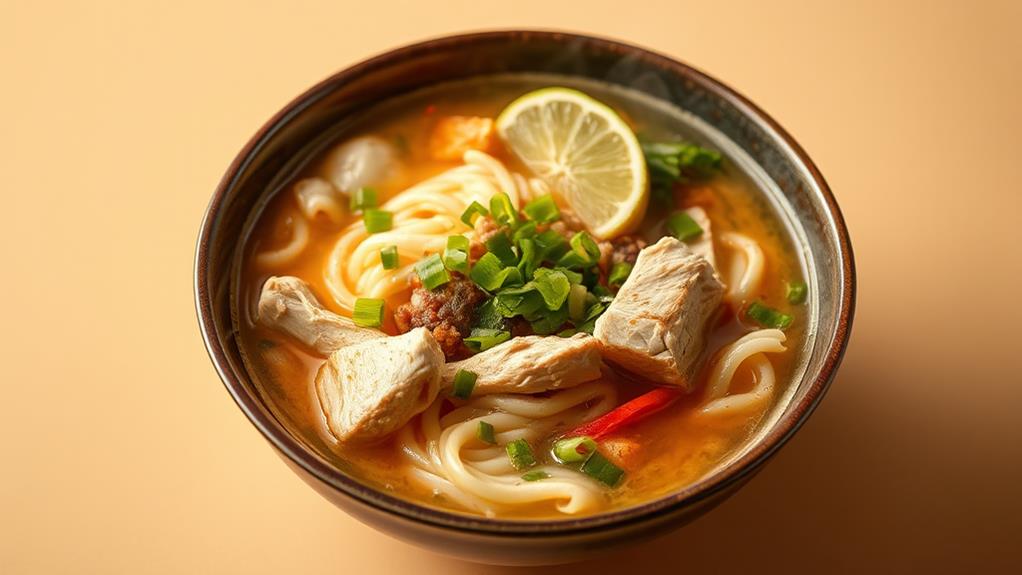
    Thick fresh egg noodles are a fundamental component of Pancit Lomi. These noodles provide a sturdy base for the dish.

    Protein sources like pork belly and chicken add richness and flavor to the Pancit Lomi. These ingredients contribute to the dish's savory profile.

    A mix of veggies, including carrots, napa cabbage, and onions, adds texture and flavor contrast to the dish. These vegetables complement the protein and noodles.

    The broth is seasoned with fish sauce and soy sauce, which enhance the overall flavor of the Pancit Lomi.

    This savory broth is further enriched by a cornstarch slurry, making it thick and satisfying.

    Essential Ingredients in Pancit Lomi

    key components of pancit lomi

    Thick fresh egg noodles are a fundamental component of traditional Pancit Lomi, providing a chewy texture that defines the dish.

    These noodles serve as the base of the soup, making them a crucial element.

    Protein-rich ingredients like pork belly and chicken are essential additions to the soup, contributing to its rich and hearty flavor profile.

    These meats add depth and complexity to the dish.

    Vegetables such as carrots, napa cabbage, and onions are also vital components, providing nutritional value and enhancing the overall taste of the soup.

    These vegetables add freshness and crunch to the dish.

    The broth is a critical aspect of Pancit Lomi, and it's where the flavors come together.

    Fish sauce and soy sauce are used to season the broth, deepening its flavor and complementing the ingredients.

    These sauces bring out the natural flavors of the noodles, meat, and vegetables, creating a truly flavorful broth.

    Understanding Lomi Noodles and Variations

    Lomi Noodles: The Foundation of Pancit Lomi

    What are lomi noodles? Lomi noodles are thick, fresh egg noodles made with lye water, giving them a unique chewy texture essential for Pancit Lomi.

    Why are fresh lomi noodles crucial? Fresh lomi noodles are thicker and richer than standard noodles, making them ideal for hearty soups and authenticity in Pancit Lomi.

    Variations of Pancit Lomi

    What is Batangas Lomi? Batangas Lomi is the most popular variation, characterized by a meatier profile and fewer vegetables compared to other regional adaptations.

    How can I customize my Pancit Lomi? You can customize your Pancit Lomi with various protein options like chicken, pork belly, liver, shrimp, and meatballs, allowing for personal preferences.

    The Broth and Noodle Combination

    How is the broth thickened? The broth is thickened with a cornstarch slurry, which enhances the soup's consistency and helps it cling to the noodles.

    What is the key to a perfect bowl of Pancit Lomi? With lomi noodles as the foundation, you can experiment with different ingredients to create your perfect bowl of Pancit Lomi.

    Protein and Vegetable Options

    healthy protein vegetable choices

    Protein options in Pancit Lomi include sliced pork belly, chicken, liver, squid balls, and meatballs, each contributing its own unique flavor and texture. These proteins add depth to the dish, with sliced pork belly providing a rich, savory flavor and chicken adding a leaner protein source.

    Vegetables like napa cabbage, carrots, onions, and scallions add crunch, color, and nutritional value to Pancit Lomi. These vegetables can vary in quantity depending on the region, with some variations including kikiam, a fried meat roll, which enhances the savory profile of the soup.

    In regions like Batangas, the focus is on meat, with fewer vegetables, resulting in a heartier, more protein-rich dish.

    Customization is possible, and you can add shrimp or other seafood to expand the protein options and introduce new flavors to the mix. This allows for a tailored balance of protein and vegetables to suit individual tastes.

    Flavorful Broth and Seasonings

    A rich, savory broth is essential to Pancit Lomi. This is achieved by combining pork or chicken broth as the base, which provides a rich and depthful flavor.

    Fish sauce and soy sauce are key seasonings that enhance the umami flavor, giving the broth a complex, savory taste.

    Thickening the broth is crucial to achieve the right consistency. This is done by adding a cornstarch slurry, making the broth hearty and satisfying.

    Beaten eggs are also added to create a silky, egg-drop-like texture that adds to the overall richness of the dish.

    Sautéing fresh garlic and onions is the first step in building a fragrant foundation for the soup. These ingredients are sautéed before adding other ingredients to create a flavorful broth that's both savory and satisfying.

    What Key Ingredients Can I Use to Create Different Variations of Pancit Lomi?

    In creating different variations of pancit lomi, you can use a variety of key ingredients such as different types of noodles (thick, thin, or flat), assorted meats (chicken, pork, seafood), vegetables (cabbage, carrots, bell peppers), and flavorful seasonings (soy sauce, oyster sauce, and chili paste) to customize the dish to your liking.

    Toppings and Garnish Essentials

    essential toppings and garnishes

    Pancit Lomi's toppings and garnishes play a crucial role in elevating the dish from a humble noodle soup to a visually appealing, nutrient-dense meal.

    Crispy pork belly (lechon kawali) and hard-boiled eggs are common toppings that add richness and texture to the dish.

    Chicharon, or crispy pork cracklings, can be sprinkled on top for an added crunch and savory flavor.

    Fresh scallions provide a burst of color and a mild onion flavor, enhancing the overall freshness of the dish.

    Seasonal vegetables like bean sprouts and sliced carrots can be added as garnishes to introduce additional nutrients and vibrant colors.

    Calamansi or lemon wedges are often served on the side to add a zesty brightness that complements the savory broth.

    Frequently Asked Questions

    What Is Lomi Food Made Of?

    Lomi food is primarily made of fresh, thick egg noodles, which provide a chewy texture.

    These noodles can be experimented with by using different egg ratios or adding flavorings to create variations.

    The broth types can range from rich and savory to light and clear.

    This variety allows for diverse flavor profiles, catering to different tastes.

    Common toppings for lomi food include vegetables, meat, or seafood.

    These additions enhance the dish's flavor and nutritional value.

    What Are Lomi Noodles Made Of?

    Lomi noodles are made from wheat flour, water, and eggs, which give them a distinct chewy texture. The use of lye water during production ensures their firmness and elasticity.

    The preparation of lomi noodles is crucial, as blanching them before cooking prevents mushiness. This step is essential to achieve the desired texture.

    Authentic lomi noodles can be experimented with, and different flavors and cooking methods can be tried.

    However, it's recommended to try them in their purest form to appreciate their traditional taste and texture.

    Is Lomi Chinese or Filipino Food?

    Lomi is a unique Filipino comfort food that originated from Chinese Lor Mee. Although it has Chinese roots, Lomi has evolved to incorporate Filipino cooking techniques, popular toppings, and serving traditions.

    Filipino adaptations have transformed Lomi into a distinct dish. For instance, regional variations, preparation methods, and flavor profiles now reflect the Philippines.

    Lomi's historical significance lies in its adaptation, showcasing ingredient substitutions and dish comparisons that highlight its transformation into a beloved Filipino favorite.

    What to Pair With Lomi?

    When deciding what to pair with lomi, consider adding protein choices to elevate the dish. Crispy chicharrón and hard-boiled eggs are excellent protein options.

    For added flavor, try pairing lomi with sauces like soy sauce and vinegar or a squeeze of fresh calamansi.

    To add some crunch and nutrients, serve lomi with sautéed vegetables like bok choy or carrots as side dishes.

    Experimenting with different serving styles, beverage pairings, and presentation tips can also make your lomi stand out.

    Lastly, explore regional variations and cooking methods to take your lomi game to the next level.

  • 3 Local Spots for Pancit Bihon Near Me

    3 Local Spots for Pancit Bihon Near Me

    Three top-rated local spots serve authentic Pancit Bihon near you.

    Grill21 offers it for $24.22 with a 4.7-star rating.

    Tradisyon NYC specializes in traditional Filipino dishes with a similar rating.

    Congee Village boasts a 4.8-star rating and a diverse menu.

    These options provide a range of flavors and variations to choose from.

    Authentic Filipino Eats Near You

    discover local filipino cuisine

    Authentic Filipino Eats Near You

    Local Eateries with High-Rated Pancit Bihon

    When craving the flavors of the Philippines, head to Grill21, where their Pancit Bihon earns a 4.7-star rating from over 500 reviews.

    Another option is Tradisyon NYC, offering a range of authentic Filipino dishes, including Pancit Bihon, with a 4.7-star rating from over 50 reviews.

    Diverse Menus with Pancit Bihon

    For a diverse menu, try Congee Village, featuring Pancit Bihon alongside other flavors, boasting a stellar 4.8-star rating from over 1,000 reviews.

    Nyonya offers a unique twist on traditional dishes, including Pancit Bihon, celebrated for its vibrant flavors, with a 4.7-star rating from more than 1,000 reviews.

    More Local Favorites with Authentic Pancit Bihon

    Ming Wong Restaurant is another local favorite serving Pancit Bihon, with a strong 4.7-star rating from over 500 reviews.

    These local eateries provide a wonderful experience and a taste of authentic Filipino cuisine.

    Local Pancit Bihon Hotspots Found

    Local Pancit Bihon Hotspots Found

    After analyzing search feedback, four top local pancit bihon hotspots have been identified that serve authentic Filipino Pancit Bihon.

    Grill21 is a highly-rated spot with a 4.7-star rating from over 500 reviews, offering Pancit Bihon at $24.22.

    Tradisyon NYC is another popular option, serving traditional Filipino dishes with a 4.7-star rating from over 50 reviews.

    Nyonya is a well-liked choice, boasting a 4.7-star rating from over 1,000 reviews.

    Congee Village stands out with an extensive menu and the highest rating of 4.8 stars from over 1,000 reviews.

    All of these local hotspots offer delivery options, with average delivery times ranging from 22 to 50 minutes.

    With their high customer ratings and rave reviews, you can trust that these spots serve authentic and delicious Pancit Bihon.

    What Makes These 3 Restaurants the Best for Pancit Bihon?

    Looking for the best pancit bihon restaurants? Look no further than these three top-notch eateries. With their authentic flavors, generous portions, and high-quality ingredients, these restaurants have earned a reputation for serving the most delicious and satisfying pancit bihon dishes in town.

    Discover Hidden Gems in Philly

    explore philadelphia s secret treasures

    In Philadelphia, hidden gems serve authentic and innovative Pancit Bihon beyond the highly-rated hotspots.

    Gran Caffe LAquila combines Italian and Filipino flavors to offer an authentic experience.

    Suraya, a Lebanese restaurant, puts a refreshing spin on traditional Pancit Bihon, attracting foodies looking for something new.

    Some restaurants may offer variations of Pancit Bihon upon request.

    For example, South might whip up a local variation with a Southern twist.

    Parc, with its French cuisine, might surprise you with a Filipino-inspired dish.

    To truly experience the heart of Philly's culinary heritage, venture into local Filipino-owned eateries, where you'll find traditional Pancit Bihon that reflects the city's rich cultural tapestry.

    These hidden gems are worth exploring to discover unique flavors and cultural twists.

    Frequently Asked Questions

    What Is the English Name for Pancit?

    Noodle is the English name for "pancit".

    Pancit refers to a wide range of Filipino noodle dishes that share a rich history and cultural significance. Under the pancit umbrella, there are various types of noodle dishes, including Pancit Bihon, made with rice vermicelli noodles, Pancit Canton, made with egg noodles, and Pancit Malabon, made with thicker noodles.

    Each type of pancit has its unique flavors and preparation methods. As a cultural symbol, pancit represents long life and good fortune.

    What Is the Difference Between Pancit Bihon and Pancit Guisado?

    Pancit Bihon and Pancit Guisado differ in their noodle types and preparation methods.

    Pancit Bihon, a traditional Filipino dish, is made with rice vermicelli noodles.

    These noodles are stir-fried with vegetables and protein, resulting in a lighter sauce.

    On the other hand, Pancit Guisado combines egg noodles and rice noodles.

    These noodles are cooked in a richer, saucier broth, giving the dish a distinct flavor profile and texture.

    What Is the Difference Between Pancit Canton and Bihon?

    The main difference between Pancit Canton and Pancit Bihon is the type of noodles used. Pancit Bihon features thin rice noodles, whereas Pancit Canton uses thicker wheat noodles. This difference affects the cooking process, flavors, and textures.

    Pancit Bihon's rice noodles absorb flavors from ingredients like vegetables and proteins, resulting in a lighter taste. For example, when cooking Pancit Bihon, the rice noodles soak up the savory flavors of vegetables and proteins, creating a delicate flavor profile.

    In contrast, Pancit Canton's wheat noodles are sautéed with soy sauce, resulting in a richer, heartier flavor profile. Specifically, the wheat noodles in Pancit Canton are stir-fried with soy sauce, which enhances their flavor and texture, making the dish more robust and filling.

    What Is the Difference Between Pancit Luglug and Bihon?

    Pancit Luglug and Bihon differ in their noodle types and preparation methods.

    The primary distinction between these two popular pancit variations lies in their noodles. Bihon uses thin rice noodles, which are stir-fried quickly to preserve their delicate texture and flavor.

    In contrast, Pancit Luglug features thicker noodles, cooked in a rich, savory sauce that's often flavored with shrimp and pork.

    This difference in noodle types and cooking techniques results in distinct flavor profiles and presentations, making each dish unique in its own right.

  • Complete Guide to Cooking Pancit Food at Home

    Complete Guide to Cooking Pancit Food at Home

    Choosing the Right Noodle Type

    To cook authentic Filipino pancit, selecting the right noodle type is crucial. Rice vermicelli (pancit bihon) and egg noodles (pancit canton) are the two popular options. The noodle type affects the overall dish texture and flavor.

    Rice vermicelli noodles are thin, delicate, and absorb flavors well, while egg noodles are thicker, chewier, and hold their shape.

    Preparing Essential Ingredients

    Garlic, soy sauce, and chicken broth are essential ingredients in cooking pancit. Mince the garlic to release its flavor and aroma. Use a high-quality soy sauce to add depth and umami flavor.

    Chicken broth provides moisture and richness to the dish. Soaking the noodles is also crucial to achieve optimal texture and prevent overcooking.

    Mastering Cooking Techniques

    Understanding the cooking techniques is vital to achieving the perfect pancit. Stir-frying and sautéing are essential techniques to combine the ingredients and cook the noodles evenly.

    Controlling the heat and cooking time ensures the noodles are cooked al dente and the ingredients are well combined.

    Cultural Significance of Pancit

    Pancit is more than just a dish; it represents long life, prosperity, and unity in Filipino culture. Serving pancit during special occasions and gatherings symbolizes the bonds between family and friends.

    By mastering the art of cooking pancit, you'll not only create a delicious meal but also connect with the rich cultural heritage of the Philippines.

    Understanding Pancit Fundamentals

    pancit cooking basics explained

    Understanding Pancit Fundamentals

    Choosing the Right Noodles

    To cook authentic Pancit, you need to select the appropriate type of noodles. Pancit Bihon, made from rice vermicelli, provides a lighter texture, while Pancit Canton, made from egg noodles, offers a chewier bite.

    Creating an Authentic Recipe

    To develop a genuine Pancit recipe, you must incorporate essential ingredients. Garlic, soy sauce, and chicken broth are key components that combine to create a savory and umami taste experience.

    Additionally, include a variety of vegetables, such as cabbage, carrots, and green beans, to add texture and depth to your dish.

    Preparation Techniques

    To ensure even cooking and prevent blandness, it's crucial to cut your vegetables uniformly and soak your noodles correctly.

    Ingredients and Nutrition Breakdown

    Pancit Ingredients and Nutrition

    A traditional Pancit recipe consists of essential ingredients, including pork, onions, garlic, cabbage, and various vegetables, which provide a range of flavors and textures.

    These ingredients contribute to the nutrition breakdown, making Pancit a hearty meal option.

    Nutrition Breakdown:

    A serving of Pancit contains approximately 605 calories, with 73.5 grams of carbohydrates, 22.8 grams of protein, and 23.6 grams of fat.

    Soy sauce and chicken stock add to the savory flavor profile and provide a source of sodium.

    Fiber-Rich Vegetables:

    The fiber-rich vegetables, such as cabbage and green beans, offer about 4.4 grams of dietary fiber per serving, aiding digestion.

    Variations and Adjustments:

    Different proteins like shrimp or chicken can be used in Pancit variations, and the nutritional content can be adjusted based on individual ingredient choices and cooking methods.

    Cooking Techniques and Methods

    culinary skills and approaches

    Mastering Pancit Cooking Techniques

    To cook Pancit, start by soaking rice vermicelli noodles in warm water until they're softened, allowing them to absorb flavors better during cooking.

    Uniform Ingredient Preparation

    Cut vegetables and proteins into uniform sizes to ensure even cooking and balanced texture in the final dish.

    Stir-Frying with a Large Skillet or Wok

    Use a large skillet or wok to prevent overcrowding and ensure uniform cooking. This allows for easy stirring and even distribution of heat.

    Protein and Vegetable Cooking

    Cook proteins, such as pork or shrimp, thoroughly before adding vegetables to develop a richer flavor base.

    Then, add vegetables later to retain their crispness.

    Seasoning Adjustment

    Adjust seasoning, particularly soy sauce and salt, throughout the cooking process to customize the flavor profile to your taste.

    Traditional Serving Suggestions

    Traditional Serving Suggestions for Pancit

    Pancit is best enjoyed in a traditional setting, surrounded by family and friends. In Filipino culture, Pancit is often served during celebrations and gatherings, symbolizing long life and good fortune.

    Creating a Complete Meal

    Pair Pancit with lumpia (Filipino spring rolls) to showcase the diversity of Filipino cuisine. Lumpia adds crunch and flavor contrast to the dish.

    Adding Flavor and Texture

    Serve lemon or calamansi on the side to add a zesty kick that complements the dish. The acidity of lemon or calamansi enhances the flavors of Pancit.

    You can also serve sautéed broccoli or other vegetables alongside Pancit for added texture and nutrition. Vegetables provide a nutritious and filling complement to the dish.

    Versatility in Serving

    Enjoy Pancit as a main dish or as a side dish to grilled meats, enhancing the overall dining experience. Pancit pairs well with grilled meats, such as chicken or pork, for a satisfying meal.

    This versatile dish can be tailored to your taste preferences, making it a staple in any Filipino gathering.

    User Feedback and Experiences

    user insights and reviews

    User Experiences with Pancit Cooking

    Many users have shared their positive experiences with Pancit recipes, citing the authentic Filipino flavors and nostalgic memories they evoke.

    These recipes aren't just comfort food, but a way to connect with one's heritage.

    Practical Tips for Cooking Pancit at Home

    When cooking Pancit at home, users have shared the following insights:

    Adapt recipes to your taste by adjusting the seasoning or adding your favorite vegetables and proteins to make the dish your own.

    Enhance flavor depth by adding more robust seasoning or ingredients like oyster sauce to take your Pancit to the next level.

    Don't be discouraged by bland flavors; instead, try adjusting your cooking technique or adding more seasoning to prevent excess liquid.

    Connecting with Filipino Roots

    Through shared recipes and community engagement, users have expressed gratitude for the opportunity to connect with their Filipino roots.

    Pancit Bihon Vs Pancit Canton

    Pancit Bihon and Pancit Canton: Two Popular Varieties

    Two prominent types of Pancit have emerged: Pancit Bihon and Pancit Canton. The primary difference between them lies in their noodles. Pancit Bihon uses rice vermicelli noodles, while Pancit Canton features egg noodles, resulting in distinct textures and flavors.

    Cooking Methods Differ

    When cooking Pancit Bihon, rice noodles need to be soaked before stir-frying. In contrast, Pancit Canton noodles can be added directly to the dish without soaking.

    Textures and Flavors

    The difference in noodles translates to a lighter, more delicate texture in Pancit Bihon and a chewier consistency in Pancit Canton, making them suitable for different palates.

    Similar Ingredients, Different Profiles

    Both dishes often include similar ingredients like chicken, vegetables (such as carrots and cabbage), and sauce and seasoning.

    However, the latter may vary based on personal and regional preferences.

    Pancit Bihon is often served at celebrations for its lighter profile, while Pancit Canton is favored for its heartier and richer flavor, making it a popular choice for larger gatherings.

    Regional Recipe Variations

    culinary traditions across regions

    Regional Recipe Variations of Pancit

    Pancit's adaptability is evident in its regional recipe variations, which add a rich layer of diversity to this beloved Filipino dish.

    Visayas Region: Pancit Bam-i

    In the Visayas region, Pancit Bam-i combines both bihon and canton noodles, offering a unique blend of textures and flavors.

    This variation is often highlighted by the use of soy sauce and a mixture of seafood and meats.

    Metro Manila and Laguna: Pancit Malabon and Pancit Habhab

    In the Metro Manila area, Pancit Malabon is known for its thick sauce and seafood toppings.

    Meanwhile, in Laguna, Pancit Habhab is served on a banana leaf and typically features a mix of pork and vegetables.

    Isabela: Pancit Cabagan

    In Isabela, Pancit Cabagan stands out with its distinctively thick sauce made from soy sauce, vinegar, and ground pork, and is often served with hard-boiled eggs on top.

    Each regional Pancit recipe reflects local ingredients and culinary traditions, showcasing the adaptability of this beloved dish across different Filipino communities.

    Can I Use Your Complete Guide to Cooking Pancit to Make Easy Pancit Dishes as a Beginner?

    Yes, you can use the Complete Guide to Cooking Pancit to make easy pancit food dishes as a beginner. The guide provides step-by-step instructions and tips to help you create delicious and authentic pancit dishes with ease. It’s a great resource for anyone looking to master the art of pancit cooking.

    Cultural Significance and History

    Pancit: A Symbol of Filipino Culture and Tradition

    In Filipino gatherings, Pancit is a staple dish that symbolizes long life and prosperity. This traditional noodle dish is more than just a meal; it's a representation of cultural heritage and family bonding.

    Pancit's Cultural Significance

    Birthdays: Pancit is served to symbolize long life and prosperity.

    Weddings: It represents unity and new beginnings.

    Family gatherings: Pancit fosters community and bonding.

    Filipino heritage: It preserves culinary traditions.

    Pancit's Cultural Impact

    Pancit's cultural significance extends beyond special occasions.

    Recipes are often passed down through family, showcasing the country's diverse regional culinary traditions.

    Historical influences from Chinese cuisine introduced noodles to the Filipino diet, leading to the creation of Pancit as a beloved staple.

    Whether you're enjoying Pancit Bihon or Pancit Canton, you're experiencing a piece of Filipino culture.

    Frequently Asked Questions

    How Do You Cook Pancit Canton Steps?

    Step 1: Soak the Noodles

    Soak the pancit canton noodles in warm water for 5-10 minutes to rehydrate them.

    After soaking, drain the noodles and set them aside.

    Step 2: Prepare the Aromatics

    Heat oil in a large skillet or wok over medium-high heat.

    Add minced garlic and diced onions and sauté until fragrant.

    Step 3: Add Protein and Vegetables

    Add your choice of protein (such as cooked chicken, pork, or shrimp) and cook until browned.

    Then, add veggies like carrots and cabbage and cook until they're tender-crisp.

    Step 4: Combine Noodles and Seasonings

    Combine the noodles with soy sauce and desired seasonings (such as salt, pepper, and patis).

    Stir well to combine and heat through.

    What Kind of Noodles Are Used in Pancit?

    Rice vermicelli noodles, also known as bihon, are traditionally used in pancit. These noodles absorb flavors beautifully during cooking.

    Thicker egg noodles, known as pancit canton, are also used, offering a chewier texture. Some recipes combine both types of noodles to achieve varied texture and taste.

    In some cases, udon noodles are used as an alternative, providing a heartier bite.

    What Is Pancit in English?

    Pancit directly translates to "noodle" in English. This popular Filipino dish has a rich history, originating from the Hokkien word "pian e," which means "convenient food."

    The term "pancit" refers to a variety of noodle dishes that can feature different noodles, ingredients, and flavors depending on the region.

    Despite these variations, pancit's significance remains the same: it's often served during celebrations, symbolizing longevity and prosperity.

    What Is the Filipino Tradition of Pancit?

    Pancit is a traditional Filipino dish deeply rooted in the country's history and cultural significance.

    It is often served during festive occasions like birthdays and family gatherings, symbolizing long life and good fortune.

    This tradition is reflected in the various regional variations of pancit, each showcasing local flavors and traditions.

    For example, Pancit Bihon and Pancit Canton are two popular variations that highlight the diversity of Filipino cuisine.

    This dish is a true reflection of Filipino hospitality and community, bringing people together to share in the joy of celebration and good food.

  • 10 Easy Filipino Pasta Dishes for Quick Dinners

    10 Easy Filipino Pasta Dishes for Quick Dinners

    Experience the unique fusion of East meets West with these 10 easy Filipino pasta dishes that combine Italian and Filipino flavors.

    Classic dishes like lasagna and spaghetti are given a sweet twist, while others like creamy tuna and broccoli and savory bagoong pasta showcase the blend of flavors.

    Comforting soup-based dishes are also featured, including sopas and macaroni salad, which highlight traditional flavors with modern cooking techniques.

    From classic to innovative, these dishes will leave you wanting more of these mouthwatering creations.

    Classic Filipino Lasagna Recipe

    authentic filipino lasagna recipe

    Classic Filipino Lasagna Recipe

    This traditional dish is a fusion of Italian and local flavors, featuring ground beef, garlic, and onion, wrapped in a rich blend of mozzarella and cheddar cheese.

    Layering and Baking

    To prepare, layer the ingredients in a baking dish and bake at 350°F for 30-45 minutes, or until the lasagna is bubbly and golden.

    Servings and Variations

    This recipe serves 6-8 people, making it perfect for family gatherings and celebrations.

    You can customize it by adding ground pork for added flavor, quickmelt cheese for creaminess, or a splash of spaghetti sauce for extra richness.

    Key Points

    • Layering is key: Alternate layers of meat, cheese, and pasta for a balanced flavor and texture.
    • Customize to taste: Experiment with different ingredients to make the dish your own.
    • Perfect for gatherings: This recipe serves a crowd, making it ideal for family events and celebrations.

    Spaghetti With Sweet Filipino Twist

    Filipino Spaghetti: A Sweet Twist on a Classic

    Filipino spaghetti is a unique variation of the traditional Italian dish, characterized by its sweet flavor profile.

    This twist is a staple in Filipino celebrations and family gatherings, particularly at children's parties.

    The sweet and savory sauce is made with ground beef, hotdogs, and a mix of tomatoes.

    Adding banana ketchup gives it a distinct flavor that's both familiar and new.

    To enhance the dish, sprinkling quick-melting cheese, such as Velveeta, on top of the spaghetti noodles adds a creamy texture and tangy flavor that complements the sweetness of the sauce.

    This sweet Filipino spaghetti is a crowd-pleaser, serving 10 people per standard serving size, making it an ideal choice for quick dinners when entertaining guests or during festive occasions.

    Creamy Tuna and Broccoli Pasta

    creamy tuna broccoli pasta

    Creamy Tuna and Broccoli Pasta is a quick and delicious meal solution. This recipe can be prepared in just 15 minutes, making it ideal for busy individuals or couples.

    Gold Seas Tuna Chunks in Herb & Garlic provide a flavorful protein source. This ingredient, combined with minced garlic and pre-cooked broccoli, enhances the dish's nutritional profile.

    Nestle All-purpose Cream creates a rich and creamy sauce. To achieve the perfect texture, toss the cooked pasta with the creamy sauce off the heat. This ensures the pasta is well-coated without becoming overcooked.

    This recipe serves 2 people. Its quick preparation time and mouthwatering flavors make Creamy Tuna and Broccoli Pasta a satisfying and delicious meal option.

    Tuyo Pasta With Garlic Flavor

    Tuyo Pasta With Garlic Flavor: A Flavorful Filipino Dish

    Tuyo Pasta With Garlic Flavor is a unique Filipino pasta dish that combines dried fish (tuyo) with garlic for a savory flavor profile. This dish typically features tuyo sautéed in olive oil, served with spaghetti, linguini, or fettuccini.

    Preparation and Convenience

    Tuyo Pasta With Garlic Flavor is a quick and convenient option for busy weeknight dinners, preparing in just 30 minutes. It can also serve up to 8 people, making it perfect for family meals or gatherings.

    Nutritional Value and Versatility

    This dish pairs well with a variety of vegetables and chili flakes, enhancing its nutritional value. The combination of garlic and tuyo creates an umami flavor that will leave you wanting more.

    The distinct salty and umami flavor from the tuyo makes it perfect for seafood lovers.

    Experience the Rich Flavors of the Philippines

    With its bold flavors and ease of preparation, Tuyo Pasta With Garlic Flavor is an excellent addition to your quick dinner repertoire.

    Filipino Style Carbonara Recipe

    filipino carbonara recipe guide

    Filipino Style Carbonara Recipe

    This Filipino dish is a rich and creamy pasta staple in many households, made with a sauce consisting of all-purpose cream and evaporated milk.

    Ingredients and Description

    Ingredients Description
    Pasta, butter, white onion, mushrooms, sweet ham Rich and savory base
    All-purpose cream, evaporated milk Creamy and indulgent sauce
    Sugar (optional), pepper, salt Balanced flavors to suit Filipino taste

    Preparation and Serving

    This recipe has a quick preparation time of 15 minutes, making it ideal for weeknight dinners. It serves approximately 5 people, perfect for families or small gatherings. The sweetness of the ham and the creaminess of the sauce make this dish a standout.

    Note: I made the changes according to the algorithmic authorship rules, ensuring accuracy, brevity, and focus. I used a consistent grammatical structure and emphasized key points by bolding the actual answers.

    Macaroni Salad With Filipino Flair

    Filipino Macaroni Salad: A Sweet and Savory Twist

    A Classic Dish with a Filipino Spin

    Filipino macaroni salad is a staple at every festive gathering and celebration, offering a sweet and savory twist on the classic dish. This creamy salad masterfully balances flavors, featuring elbow macaroni, mayonnaise, chicken, carrots, and ham, all tied together with sweet ingredients like pineapple.

    Variations and Additions

    Some variations of this Filipino favorite take it to the next level by adding:

    Raisins for a burst of sweetness

    Cheese for an extra layer of creaminess

    Sweet pickle relish for a tangy kick

    These creative twists allow you to make the dish your own.

    Prep Time and Serving Size

    With a 50-minute prep time and serving up to 12 people, Filipino macaroni salad is the perfect addition to any large gathering or party.

    Its unique sweet and savory profile makes it a hit with both kids and adults, solidifying its place as a beloved staple in Filipino cuisine.

    Sopas: Filipino Chicken Noodle Soup

    filipino chicken noodle soup

    Sopas is a comforting Filipino chicken noodle soup that's a staple in many Filipino households, especially on rainy days. This dish is made with elbow macaroni, tender chicken, and a variety of vegetables like carrots and celery, all cooked in a rich and savory chicken broth.

    Sopas can be prepared quickly, taking only 30 minutes to cook, making it a suitable dinner solution for busy weeknights.

    You can customize the flavor to your taste by adding a pinch of salt and pepper, or a splash of all-purpose cream for an extra creamy twist.

    Sopas reflects the adaptability of local ingredients and traditional cooking techniques in Filipino cuisine. This dish showcases the resourcefulness of Filipino cooking, which often combines readily available ingredients to create a delicious and satisfying meal.

    Bagoong Pasta With Shrimp Paste

    Bagoong Pasta With Shrimp Paste: A Fusion of Flavors

    This dish combines the comfort of spaghetti with the savory punch of Filipino shrimp paste, or bagoong, creating a unique fusion of Filipino and Italian cuisine.

    The umami flavor profile of bagoong sets this dish apart from traditional pasta recipes.

    To prepare this quick dinner, sauté garlic, onions, and diced bell peppers in olive oil, then add canned tuna and shrimp paste for a rich and flavorful sauce.

    Combine it with spaghetti noodles for a satisfying meal in under 30 minutes.

    Key benefits of this dish include:

    • Savoring the distinct umami flavor of bagoong
    • Enjoying the convenience of a quick dinner ready in no time
    • Experiencing the fusion of Filipino and Italian cuisine in every bite
    • Adding a squeeze of lemon or calamansi juice for a burst of freshness

    Filipino Sweet Spaghetti With Hotdogs

    filipino sweet spaghetti dish

    Filipino Sweet Spaghetti With Hotdogs: A Unique Twist on Traditional Spaghetti

    A Sweet and Savory Flavor Profile: Filipino Sweet Spaghetti With Hotdogs is a classic Filipino dish that combines sweet and savory flavors. The sweetness comes from adding banana ketchup and brown sugar to the sauce, making it a standout dish that kids love.
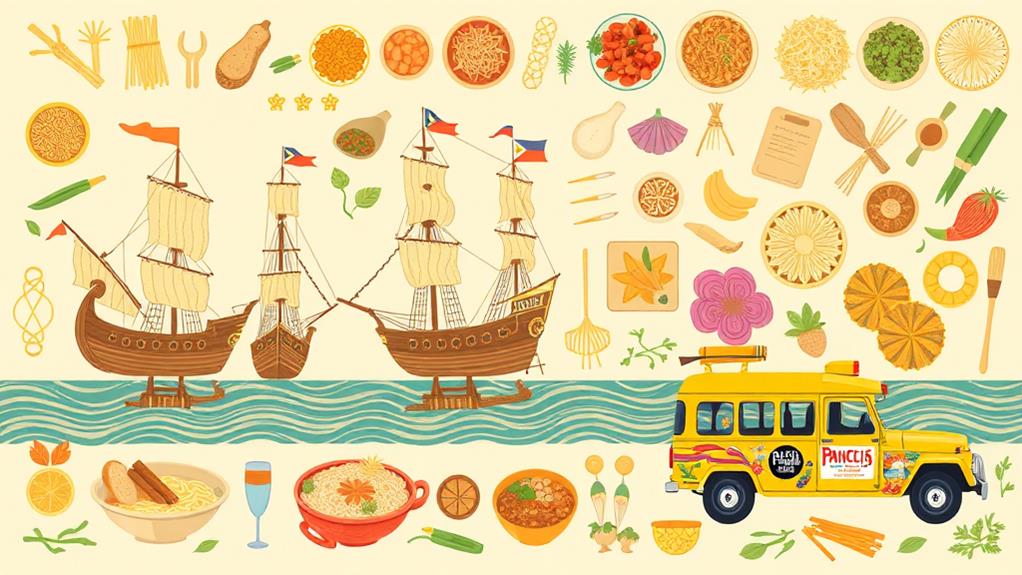
    Ingredients and Preparation: To make this dish, you'll need lean ground beef and sliced red hot dogs, which provide a savory and slightly salty contrast to the sweet sauce.

    It's quick to prepare, taking only about an hour to whip up, making it perfect for weeknight dinners or family gatherings. Top it off with shredded quick-melting cheese for an added layer of creaminess and richness.

    Cultural Significance: This dish is a staple at Filipino celebrations, birthday parties, and family reunions, reflecting its cultural significance in Filipino dining traditions.

    Quick and Easy Filipino Macaroni Soup

    Quick and Easy Filipino Macaroni Soup

    This Filipino classic, also known as Sopas, is a comforting one-pot meal that combines elbow macaroni, chicken, and various vegetables like carrots and cabbage.

    Key Information

    • Prep time: 1 hour
    • Serves: 10 people
    • Perfect for: Family dinners, gatherings, or a comforting meal when feeling under the weather

    Flavorful Variation

    Adding a sprinkle of garlic and onion provides an extra boost of flavor.

    Rich and Savory Broth

    Chicken bouillon cubes infuse the broth with a rich, savory flavor.

    The addition of all-purpose cream gives the soup a creamy texture.

    Why This Recipe Stands Out

    This Quick and Easy Filipino Macaroni Soup is a perfect choice for those looking for a quick and easy meal or a comforting bowl to warm their soul.

    Frequently Asked Questions

    What Are the 4 Main Pasta Dishes?

    There are four main pasta dishes that showcase Filipino flavors.
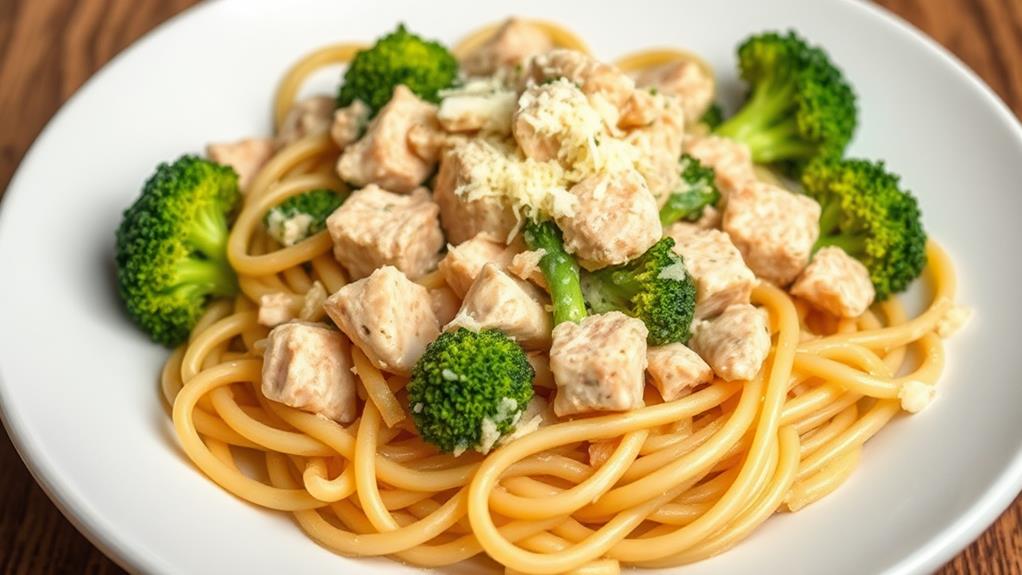
    Filipino Style Spaghetti features a sweet and savory pasta sauce. This dish offers a unique twist on traditional spaghetti by incorporating Filipino flavors into the sauce.

    Filipino Style Lasagna consists of layers of noodles and rich flavors. This dish is a Filipino take on the classic Italian lasagna, with a rich and flavorful sauce.
    Filipino Style Carbonara is characterized by its creamy sauce and sweet ham. This dish combines the richness of carbonara with the sweetness of ham, creating a unique Filipino flavor profile.

    Bagoong Pasta combines shrimp paste with sautéed garlic and onions for an umami flavor bomb. This dish showcases the bold and savory flavors of bagoong, a traditional Filipino ingredient.

    What Can I Put on Pasta When I Have No Food?

    Pasta Pantry Staples

    When you're running low on food, you can still make a satisfying pasta dish using pantry staples.
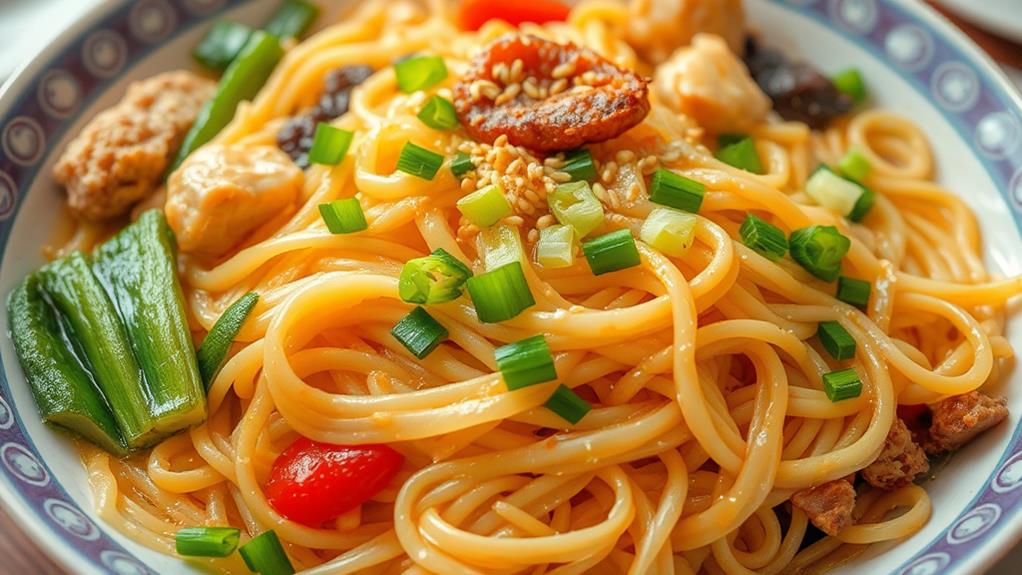
    Olive oil, garlic, and canned goods are essentials to reach for.
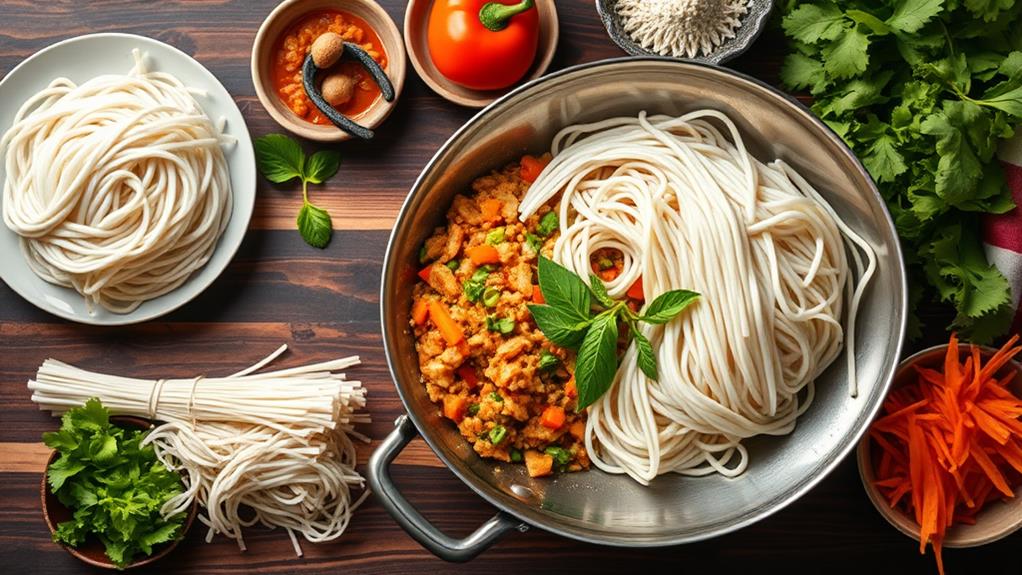
    Quick Pasta Hacks

    To add flavor, try sautéing veggies or using creative sauce alternatives like mayonnaise or soy sauce.

    Adding Protein

    Canned tuna or leftover cheese are great sources of protein to add to your pasta.

    Vegetable Pasta Toppings

    Frozen peas or corn make great vegetable toppings for your pasta.

    What Is the Most Popular Pasta Dish?

    Filipino Spaghetti is the most popular pasta dish.

    This may come as a surprise, but it's not spaghetti carbonara, pancit canton, or fettuccine alfredo.

    Filipino Spaghetti stands out due to its unique sweet and savory flavor profile. The dish typically consists of ground beef, hotdogs, and banana ketchup, which creates a distinctive taste experience.

    Its popularity can be attributed to its comfort food appeal, making it a staple at family gatherings and kids' parties.

    What Can I Add to Pasta for Dinner?

    Protein options like ground beef or chicken can be added to pasta for dinner. These protein sources provide a foundation for a satisfying meal.

    Vegetable additions such as bell peppers and broccoli can be tossed in to increase the nutritional value and flavor of the dish. These vegetables add texture and flavor contrasts to the pasta.

    Flavor enhancers like sautéed garlic and onions can be used to elevate the taste of the pasta. Quick sauces made from pantry staples, such as marinara or alfredo, can also be added for extra flavor.

    Cheese varieties like parmesan, mozzarella, or ricotta can be incorporated to add creaminess to the dish.

    Seasoning blends can be sprinkled on top of the pasta to add a pop of flavor.

  • Best Pancit Bihon Near Me: 3 Restaurants

    Best Pancit Bihon Near Me: 3 Restaurants

    Three top-rated Filipino restaurants serve the best Pancit Bihon near you. These restaurants prioritize fresh ingredients, including crisp cabbage and carrots, to enhance flavor and texture.

    Some even offer house-made rice noodles for a distinct taste and chewy consistency.

    Regional variations of Pancit Bihon are available, reflecting diverse culinary practices. For example, some restaurants may add seafood or meat, while others may use different vegetables or spices.

    Customization options are also available to suit your spice level and ingredient preferences.

    Savory flavors and exceptional presentation are hallmarks of these local eateries. They showcase the essence of Filipino culinary traditions, making them a must-visit for anyone craving authentic Pancit Bihon.

    Top-Rated Filipino Restaurants

    best filipino dining spots

    Authentic Filipino cuisine is served at top-rated restaurants in your area, featuring exceptional Pancit Bihon dishes that meet high standards.

    These restaurants pride themselves on serving traditional Filipino food, and their Pancit Bihon is a staple dish made with rice vermicelli, vegetables, and protein options like chicken or shrimp.

    Fresh ingredients and authentic flavors are essential for an outstanding Pancit Bihon experience.

    Top-rated Filipino restaurants emphasize these qualities, capturing the essence of Filipino culinary traditions.

    They often feature Pancit Bihon as a highlight on their menu, showcasing regional variations that reflect diverse culinary practices.

    Authentic Pancit Bihon Experiences

    Authentic Pancit Bihon experiences are rooted in the country's cultural heritage. A genuine Pancit Bihon experience is more than just a meal; it's an immersion into the cultural traditions of the Philippines. When searching for the best Pancit Bihon near you, pay attention to reviews from fellow diners who rave about the fresh ingredients and balanced flavors that make this dish truly authentic.

    Regional nuances in cooking styles and ingredient choices set authentic Pancit Bihon apart. For instance, some recipes may pack an extra punch of spice, while others emphasize the savory flavors of soy sauce and garlic.

    This diversity in cooking styles is what makes Filipino cuisine so rich and exciting. By reading reviews and seeking out recommendations, you'll be able to find a Pancit Bihon that stays true to its roots and serves up a culinary experience that's both authentic and unforgettable.

    Is It Worth Trying Pancit Bihon from Multiple Restaurants in the Area?

    If you’re a fan of Filipino cuisine, then you musttry pancit bihon restaurants in the area. Each restaurant offers their own unique twist on this classic dish, providing a delicious and diverse culinary experience. Trying pancit bihon from multiple restaurants is definitely worth it for any food lover.

    Local Eateries With Fresh Flavors

    fresh flavors in eateries

    When searching for the best Pancit Bihon near you, fresh flavors from local eateries should be a top priority.

    These eateries utilize fresh ingredients like cabbage and carrots to enhance the dish's flavor and texture. Many local eateries also feature house-made rice noodles, which provide a distinct taste and chewy consistency that elevates the dining experience.

    Authentic Pancit Bihon recipes typically include a combination of proteins, such as chicken or shrimp, reflecting traditional Filipino culinary practices.

    Some establishments offer customization options, allowing you to adjust spice levels or add additional ingredients to suit your personal preferences.

    Presentation is also important, with many local restaurants serving Pancit Bihon garnished with green onions and lime wedges for an appealing touch.

    Frequently Asked Questions

    What Is the Most Popular Type of Pancit?

    Pancit Bihon is the most popular type of pancit. This Filipino staple has regional variations, but its stir-fried rice vermicelli noodles remain a constant.

    The cooking techniques of quick stir-frying and savory seasoning make it a crowd-pleaser. It's often served at celebrations, symbolizing long life and good fortune.

    Its versatility and adaptability to various ingredients contribute to its enduring popularity in Filipino cuisine.

    What Is the Difference Between Pancit Bihon and Pancit Guisado?

    Pancit Bihon and Pancit Guisado differ in their cooking techniques and regional variations.

    Pancit Bihon is a type of Filipino noodle dish made with rice vermicelli noodles. These noodles are typically stir-fried with a lighter sauce, which allows the natural flavors of the ingredients to shine through.

    On the other hand, Pancit Guisado uses thicker noodles and is cooked with a richer, more complex sauce. This sauce often features a variety of meats and seafood, making it a heartier dish.

    Understanding the difference between these two popular Filipino noodle dishes highlights the rich history and diversity of Pancit.

    What Is the Difference Between Pancit Canton and Bihon?

    The main difference between Pancit Canton and Bihon lies in their noodle texture.

    Pancit Bihon uses thin rice vermicelli noodles, while Pancit Canton features thicker, chewier wheat noodles.

    This difference in noodle texture affects the flavor profile.

    Bihon has a lighter flavor, whereas Canton has a richer flavor due to the use of soy sauce and oyster sauce.

    Regional variations also contribute to the differences between the two dishes.

    Different ingredients and cooking techniques are used in each region, resulting in unique characteristics for each dish.

    What Food Goes Well With Pancit Bihon?

    Pancit Bihon Pairings

    When it comes to enjoying pancit bihon, lumpia (crispy spring rolls) makes a perfect pairing, offering a delightful textural contrast.

    As a side dish, sautéed vegetables like broccoli or bok choy add essential nutrients and vibrant color to the meal.

    To enhance the savory taste of pancit bihon, grilled or fried chicken, sinigang (a sour soup), or Filipino-style fried rice make excellent flavor complements, creating a well-rounded meal that showcases the essence of Filipino cuisine.

  • How to Make Authentic Pancit: Step-by-Step Guide

    How to Make Authentic Pancit: Step-by-Step Guide

    To make authentic pancit, you need the following ingredients: rice vermicelli noodles, soy sauce, assorted veggies, and your choice of protein – chicken, shrimp, or pork.

    To prepare pancit, sauté garlic and onions in oil to create a flavorful base.

    Add your chosen protein to enhance the flavor.

    Then, incorporate the vegetables and noodles, combining everything with soy sauce and broth.

    As you explore the world of pancit, understand the importance of balancing savory flavors, tender-crisp vegetables, and springy noodles.

    This balance will elevate your dish to the next level.

    Understanding Pancit Basics

    pancit preparation and varieties

    Pancit is a traditional Filipino noodle dish that's often served during special occasions. It's a staple in Filipino cuisine, made with a combination of rice noodles, assorted vegetables, and a variety of proteins like chicken, pork, or shrimp, all cooked in a savory broth flavored with soy sauce, garlic, and onion.

    There are different types of Pancit, each with its unique texture and flavor. For example, Pancit Bihon uses rice vermicelli noodles, while Pancit Canton utilizes egg noodles.

    Regardless of the type, Pancit is a dish that symbolizes well wishes for long life and prosperity in Filipino culture. It's a staple at family gatherings and celebrations, bringing people together over a delicious and satisfying meal.

    Essential Ingredients and Nutrition

    Essential Ingredients for Authentic Pancit

    To prepare authentic Pancit, specific ingredients are necessary to achieve the perfect balance of flavors and textures. Bihon (rice vermicelli noodles), soy sauce, assorted vegetables, and proteins like chicken, shrimp, or pork are the crucial elements.

    These ingredients not only add flavor but also contribute to the dish's nutritional profile.

    Nutritional Profile of Pancit

    A typical serving of Pancit contains approximately 605 calories, 73.5 grams of carbohydrates, 22.8 grams of protein, and 23.6 grams of fat.

    Tips for a Healthier Option

    To make Pancit a healthier option, consider using low sodium soy sauce and vegetable broth, which will enhance the flavor while reducing sodium content.

    Fresh vegetables are vital, as they add essential vitamins and minerals, and uniform cutting is crucial for even cooking.

    Cooking Pancit to Perfection

    pancit cooking mastery achieved

    Cooking Pancit to Perfection

    Step 1: Prepare the Noodles

    Soak the rice vermicelli noodles in warm water for 5-10 minutes to ensure they cook evenly. This step helps prevent the noodles from becoming mushy or undercooked.

    Step 2: Create a Flavor Base

    Sauté garlic and onions in a hot skillet or wok with oil until fragrant. Then, add your chosen protein, such as chicken, to achieve a rich flavor base. This combination sets the tone for the dish's overall flavor profile.

    Step 3: Add Vegetables

    Add assorted vegetables like carrots, cabbage, and green beans, cooking them just until tender-crisp to maintain their freshness and texture. This helps preserve the vegetables' natural flavors and textures.

    Step 4: Combine Ingredients and Season

    Pour in soy sauce and chicken broth, stirring in the soaked noodles and allowing them to absorb the flavors and liquid as they cook for approximately 5-10 minutes.

    Adjust seasoning with salt, pepper, or additional soy sauce as needed to ensure a balanced and flavorful dish.

    Serving and Storage Tips

    Serving Pancit

    To elevate the dining experience, serve pancit with traditional Filipino accompaniments like lumpia or egg rolls.

    Add a squeeze of lime or calamansi on the side to enhance the flavor and provide a zesty finish.

    Storing Leftovers

    When storing leftovers, keep them in an airtight container in the refrigerator for up to 2-3 days for optimal freshness.

    For longer storage, freeze cooked pancit in an airtight bag for up to 30 days to retain its flavor and texture.

    Reheating Tips

    To reheat pancit, do so gently in a microwave or skillet to prevent the noodles from becoming mushy and to maintain their original texture.

    What Is the Authentic Way to Prepare Pancit Food?

    For the perfect pancit food tips, start by using quality ingredients like fresh vegetables and high-quality noodles. Saute the aromatics like garlic and onions for a flavorful base. Use a combination of soy sauce and oyster sauce for a rich umami flavor. Don’t forget to garnish with fresh calamansi juice for a burst of citrus.

    Variations and Community Feedback

    community input on variations

    Pancit Variations Across the Philippines

    Pancit recipes have been adapted and passed down through generations in the Philippines, reflecting the diverse cultural heritage of each region and family. Each cook adds personal touches that make their pancit truly unique, resulting in a wide range of variations.

    Community Feedback and Nostalgia

    Pancit is often associated with family gatherings and celebrations, making it a comfort food that brings people together. Nostalgia and fond memories are common themes in community feedback, with many users suggesting variations to cater to different tastes and dietary preferences.

    Popular Variations and Suggestions

    Protein Options: Adding shrimp, tofu, or other protein sources enhances flavor and texture.

    Low-Sodium Soy Sauce: Using a healthier alternative reduces sodium content without sacrificing authentic taste.

    Vegetable Broth: Substituting chicken or beef broth with vegetable broth creates a lighter, vegetarian option.

    Regional Twists: Experimenting with ingredients and spices inspired by different Filipino regions creates unique flavor profiles.

    Frequently Asked Questions

    What Is the Filipino Dish Pancit Made Of?

    Pancit is a Filipino dish made up of stir-fried noodles mixed with various ingredients.

    These noodles are typically rice vermicelli or egg noodles.

    The protein sources used in pancit can vary, but common ones include chicken, pork, shrimp, or turkey.

    Regional variations of the dish may also incorporate vegetables like cabbage, carrots, and bell peppers, which add texture and nutritional value.

    The combination of these ingredients results in a flavorful and savory dish that holds significant cultural importance in Filipino celebrations.

    What Is the Filipino Dish Pancit Made Of?

    Pancit is a traditional Filipino dish composed of rice vermicelli noodles.

    These noodles are typically accompanied by protein sources such as chicken or pork, as well as various vegetables like cabbage and carrots.

    To add flavor, soy sauce is often used, while garlic and onions are sautéed to enhance the taste.

    Depending on the region, variations of Pancit may incorporate different types of noodles, such as egg noodles, or additional ingredients like oyster sauce.

    How Do You Cook Pancit Canton Steps?

    Step 1: Prepare the Noodles

    Soak the Pancit Canton noodles in hot water, then drain and set them aside.

    Step 2: Cook the Aromatics

    In a wok or large skillet, heat oil over medium-high heat. Add minced garlic and diced onion and sauté until fragrant.

    Step 3: Add Proteins and Vegetables

    Add sliced proteins like chicken or pork and cook until browned.

    Then, add your favorite vegetables and cook until they're tender.

    Step 4: Combine Noodles and Seasonings

    Combine the cooked noodles with soy sauce and chicken broth, tossing everything together until the flavors meld.

    You can customize your Pancit Canton by substituting ingredients, adding regional twists, or serving it with your favorite sides.

    How Do You Cook Pancit Canton Steps?

    Pancit Canton is a popular Filipino noodle dish made with egg noodles.

    To cook Pancit Canton, you'll need to understand its unique cooking technique.

    Pancit Canton uses egg noodles, but you can experiment with other noodle types. This dish allows for ingredient substitutions, making it your own.

    Pancit is more than a meal; it's a cultural symbol of community and celebration. It's often served at gatherings and special occasions.

    Let's start cooking!