Author: A. Pineda

  • Halabos: Simple Steamed Seafood, Filipino Style

    Halabos: Simple Steamed Seafood, Filipino Style

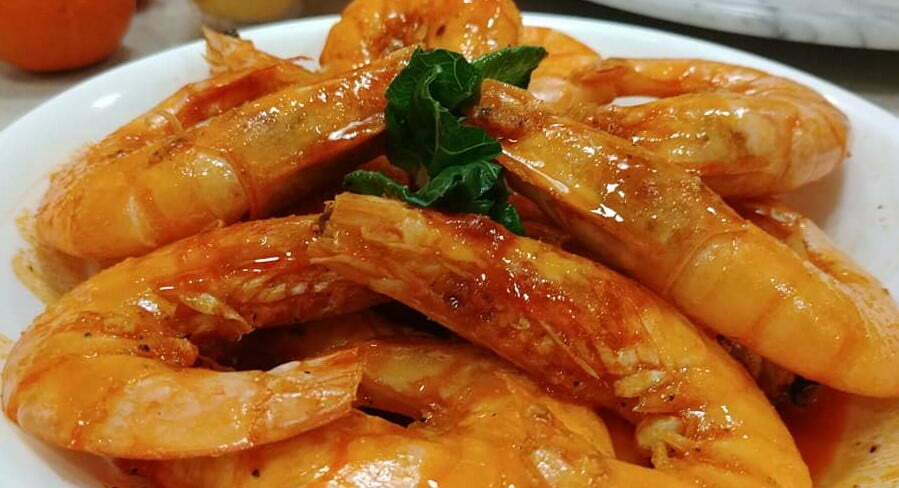
    Halabos is a traditional Filipino cooking technique that involves steaming seafood without adding water. It’s a simple method that preserves the natural flavors of seafood, often using minimal ingredients like salt, pepper, and garlic. Halabos dishes like Halabos na Hipon highlight the natural sweetness and tenderness of shrimp. This cooking technique is important in Filipino cuisine because it’s a way to showcase the freshness of seafood and the simplicity of Filipino flavors.

    Key Takeaways

    • Halabos cooking technique preserves natural flavors for succulent dishes.
    • Freshness of seafood crucial for flavor and texture in Filipino cuisine.
    • Health benefits include high protein, omega-3, and antioxidants.
    • Halabos celebrates authenticity, simplicity, and rich Filipino culinary heritage.

    Halabos: A Traditional Filipino Cooking Technique

    Celebrating the rich culinary heritage of the Philippines, the traditional cooking technique known as halabos holds a special place in Filipino cuisine.

    This time-honored method involves steaming seafood, such as shrimp, in its own essence, without the need for additional liquids or oils. The term ‘halabos’ is derived from the Filipino word ‘labas,’ which means to steam or boil food without adding water.

    Halabos na Hipon, a beloved dish prepared using this technique, showcases the exquisite simplicity and freshness of Filipino ingredients. By embracing the halabos technique, one can easily create delicious and flavorful seafood dishes that capture the essence of Philippine cooking traditions.

    Seafood Selection for Halabos Dish

    When preparing Halabos,

    choose your seafood wisely.

    Freshness is key for the best flavor.

    Consider the cooking time needed for different seafood options.

    Seafood Options

    In the realm of Cooking Techniques in Philippine Culinary Traditions, the choice of seafood options plays a pivotal role in the art of preparing Halabos. While shrimp stands as the traditional star of Halabos na Hipon, the culinary landscape offers a diverse array of options to elevate your dish.

    Consider incorporating prawns, crabs, mussels, or even fish to infuse unique flavors and textures into your Halabos creation. Each seafood choice contributes its distinct essence, allowing you to craft a personalized Halabos experience tailored to your taste preferences and ingredient availability.

    Experimenting with a combination of seafood varieties can result in a harmonious seafood medley, enriching your dining journey with a tapestry of flavors. Explore the possibilities with the following seafood options for your Halabos masterpiece:

    Seafood Options
    Shrimp
    Prawns
    Crabs
    Mussels
    Fish

    Freshness Importance

    In the realm of Philippine culinary traditions, mastering the art of Halabos entails a deep appreciation for the freshness of your seafood selection. Elevating your Filipino-style steamed seafood dish hinges on the quality of ingredients, particularly the shrimp. Here are three essential considerations when choosing your seafood for this time-honored cooking technique:

    1. Embrace Firmness: Seek out shrimp that boast firm, resilient bodies. Avoid specimens that appear flaccid or show signs of damage, as the texture of the seafood often speaks volumes about its freshness.
    2. Mind the Heads: Take a close look at the shrimp heads and ensure they’re free from any discoloration. Discolored heads may hint at age or mishandling, impacting the overall flavor profile of your dish.
    3. Savor the Aroma: Fresh seafood exudes a clean, briny scent that beckons to your senses. Steer clear of any shrimp with an ammonia-like odor, as this could signify spoilage and compromise the exquisite taste of your Halabos creation.

    Cooking Time

    In traditional Philippine culinary practices, mastering the cooking techniques is essential to achieve the authentic flavors of dishes like Halabos. Different seafood selections require specific cooking times to ensure they are cooked to perfection. Shrimp, a popular choice for Halabos, cooks quickly and is usually ready in just a few minutes of steaming.

    However, other seafood options like crabs, mussels, and clams can also be used to add variety to the dish.

    The cooking time may vary based on the size and type of seafood being used. Smaller shrimp will cook faster than larger crabs or mussels. Here is a basic guide to help you with the cooking times for various seafood selections in the Halabos style:

    Seafood Cooking Time
    Shrimp Few minutes
    Crabs 8-10 minutes
    Mussels 5-7 minutes
    Clams 6-8 minutes

    Essential Ingredients for Halabos Recipe

    To make the perfect Halabos dish, you’ll need fresh shrimp, lemon soda, garlic, salt, and pepper.

    These simple ingredients come together to create a delicious and flavorful seafood experience.

    Get ready to enhance the taste of your steamed shrimp with these essential components.

    Key Ingredients List

    When preparing Halabos na Hipon, a traditional Filipino dish, it’s essential to gather the following key ingredients for an authentic flavor experience rooted in Philippine culinary traditions:

    1. Fresh Shrimp: In Filipino cooking, using fresh seafood is paramount to achieving a delicious and vibrant dish. Shrimp, known as ‘hipon’ in Tagalog, is a staple ingredient in many Filipino recipes due to its sweet and delicate flavor.
    2. Garlic: Garlic holds a special place in Philippine cuisine, as it’s commonly used to add depth and aroma to dishes. The pungent and savory notes of garlic complement the sweetness of the shrimp, creating a harmonious blend of flavors.
    3. Lemon Soda (7-Up or Sprite): In Filipino cooking techniques, the addition of lemon soda such as 7-Up or Sprite serves multiple purposes. Not only does it impart a subtle sweetness to the dish, but it also aids in tenderizing the shrimp during the steaming process. This unique ingredient adds a tangy twist to the Halabos na Hipon, elevating its overall taste profile.

    Preparation Techniques Tips

    To master the cooking techniques of Halabos na Hipon in the context of Philippine culinary traditions, it’s crucial to approach the process with a deep respect for the ingredients and their flavors. Begin by carefully cleaning and deveining the shrimp, a step that’s seen as a way to show reverence for the seafood in Filipino cooking.

    When it comes to cooking, make sure to use a generous amount of butter to infuse richness into the dish, a technique that reflects the influence of Spanish colonial cuisine on Filipino culinary practices.

    Incorporating black pepper is a common practice in Filipino cooking to add a spicy kick to dishes, and balancing this with a touch of salt is essential to bring out the flavors of the shrimp. A splash of lemon juice is also a traditional addition that not only enhances the freshness of the dish but also highlights the Filipino penchant for incorporating sour elements into their cuisine.

    In the realm of Philippine culinary traditions, the art of quick cooking is highly valued as it ensures that the shrimp remain tender and flavorful in the steamed preparation of Halabos na Hipon. By paying attention to these techniques and respecting the cultural context in which they originate, you can create a Halabos dish that truly embodies the essence of Filipino cuisine.

    Flavor Enhancement Ideas

    To master the art of Halabos using traditional Filipino culinary techniques, it’s essential to infuse these key ingredients into your recipe for a truly authentic and delightful flavor profile:

    1. Sautéed Garlic: In Filipino cooking, sautéing garlic is a fundamental step that imparts a rich and fragrant base to the dish. The caramelized garlic adds a savory depth that enhances the overall taste of the Halabos.
    2. Butter: Embracing the influence of Spanish cuisine in the Philippines, incorporating butter into your Halabos recipe brings a velvety richness that complements the sweetness of the shrimp. The buttery goodness adds a luxurious touch to this traditional dish.
    3. Cracked Black Pepper: Adding a touch of cracked black pepper to your Halabos not only provides a subtle heat but also a depth of flavor that tantalizes the taste buds. The earthy and pungent notes of black pepper elevate the dish and create a well-rounded culinary experience.

    Step-by-Step Guide to Halabos Cooking

    Begin by sautéing garlic in a hot pan before adding the shrimp for the Halabos cooking process. Here is a simple step-by-step guide to cooking Halabos na Hipon using traditional Philippine culinary techniques:

    Steps Instructions Tips
    1. Sauté Garlic Heat a pan, add oil, and sauté minced garlic until aromatic. This step infuses the oil with garlic flavor. Use medium-high heat for quick cooking.
    2. Add Shrimp Place the whole shrimp with heads on into the pan and cook until they turn pink. This retains the natural juices and enhances the shrimp’s flavor. Keep a close watch on the shrimp to prevent overcooking.
    3. Pour Calamansi Juice Drizzle calamansi juice over the shrimp to add a tangy flavor and create steam for cooking. Adjust the amount based on personal taste preferences.
    4. Season and Serve Season with a pinch of salt, then serve the Halabos na Hipon hot with steamed rice and spiced vinegar on the side. Garnish with fresh herbs like cilantro or parsley for an extra burst of freshness.

    Flavor Enhancers in Halabos Seafood

    Improve the taste of your Halabos seafood creations by incorporating traditional Filipino cooking techniques and ingredients that have been passed down through generations:

    1. Sautéed Aromatics: Start by sautéing a medley of garlic, onions, and tomatoes in a pan before adding your seafood. This base imparts a rich and flavorful foundation to your dish.
    2. Balancing Flavors with Vinegar: A splash of vinegar, such as cane vinegar or coconut vinegar, adds a tangy acidity that balances the natural sweetness of the seafood in your Halabos dish.
    3. Kalamansi: Instead of lemon juice, squeeze fresh kalamansi over your steamed seafood. This local citrus fruit not only enhances the flavors of the dish but also adds a unique Filipino twist.

    Halabos: Health Benefits and Nutritional Value

    Halabos na Hipon offers a wealth of health benefits and nutritional value. It’s a low-calorie, high-protein dish that contains omega-3 fatty acids and antioxidants from shrimp.

    Packed with essential nutrients like vitamin B12 and iron, this Filipino seafood dish can support heart health, muscle growth, and immune function.

    Nutrient-Rich Seafood

    When exploring traditional culinary techniques in the Philippines, discovering the art of preparing Halabos na Hipon can offer a glimpse into the rich flavors and nutritional benefits of this dish. Here’s a closer look at why this cooking method isn’t only delicious but also nutritious:

    1. Gentle Steaming: Halabos na Hipon is prepared by gently steaming shrimp in its own juices, locking in the natural flavors and nutrients of the seafood. This cooking technique helps retain the shrimp’s high protein content, which is essential for muscle repair and growth.
    2. Preservation of Omega-3 Fatty Acids**: By cooking the shrimp through steaming, the dish preserves the omega-3 fatty acids present in the seafood. These healthy fats are known for promoting heart health and supporting brain function.
    3. Nutrient Retention**: Steaming Halabos na Hipon ensures that the vitamins and minerals in the shrimp are retained, providing a wholesome dose of essential nutrients that contribute to overall well-being and support the body’s vital functions.

    Embracing the traditional cooking technique of Halabos na Hipon not only allows you to savor the authentic flavors of Filipino cuisine but also enables you to benefit from its nutrient-rich profile, making it a valuable addition to your diet.

    Health Benefits Explained

    In the realm of traditional Filipino cooking techniques, Halabos na Hipon stands out as a dish that not only delights the taste buds but also offers a plethora of health benefits. The star ingredient, shrimp, is a lean protein source that’s low in calories, making it a nutritious choice for health-conscious individuals.

    Rich in omega-3 fatty acids, shrimp promotes heart health and helps combat inflammation, essential elements in maintaining overall well-being.

    In the culinary traditions of the Philippines, the method of ‘halabos’ or steaming shrimp in its own juices ensures that the natural flavors are preserved while enhancing the dish’s nutritional value. This cooking technique also retains the shrimp’s natural sweetness and succulence, providing a delightful dining experience.

    Furthermore, the addition of lemon soda not only infuses a refreshing citrusy flavor but also boosts the dish’s vitamin C content, contributing to a well-rounded and healthy meal.

    With its minimal carb content, Halabos na Hipon is a suitable option for those mindful of their carbohydrate intake, making it a versatile and nutritious dish in Filipino cuisine. Indulge in the flavors and health benefits of Halabos na Hipon as you immerse yourself in the rich culinary heritage of the Philippines.

    Tips for Perfectly Steamed Seafood

    In Philippine culinary traditions, mastering the art of steaming seafood is essential for creating delicious and authentic dishes. When preparing seafood for steaming, it’s crucial to select fresh local catches like prawns or crabs to capture the true flavors of the sea.

    To infuse your seafood with traditional Filipino flavors, season it with a blend of salt, pepper, and local spices such as garlic, ginger, and calamansi. These ingredients won’t only enhance the taste of the seafood but also add a unique Filipino touch to your dish.

    When steaming seafood in the Filipino style, it’s important to monitor the cooking time closely. Steam the seafood just until it becomes opaque and is cooked through to ensure a tender and succulent texture. Overcooking seafood can result in toughness, so keep a close eye on the steaming process to achieve perfect results.

    Serving Suggestions for Halabos Dish

    Incorporate traditional cooking techniques from Philippine culinary traditions to elevate the experience of preparing and serving Halabos na Hipon. Embrace the use of banana leaves as a natural and traditional way to wrap and steam the shrimp, infusing it with a subtle earthy flavor.

    Complement the dish with a side of Green Mango Salad, a refreshing and tangy accompaniment that contrasts the savory flavors of the shrimp. Consider serving a Salted Egg and Tomato Salad on the side, showcasing the unique combination of flavors that are well-loved in Filipino cuisine.

    Garnish your Halabos na Hipon with fresh herbs such as parsley or cilantro, a practice that not only enhances the dish’s visual appeal but also adds a burst of vibrant color. Embrace the art of presentation by arranging the shrimp and salads on a banana leaf-lined platter, paying homage to the traditional way of serving dishes in the Philippines.

    For a complete culinary experience, serve the Halabos na Hipon with steamed rice, allowing the flavors of the steamed seafood to shine through and creating a satisfying meal that celebrates the rich culinary heritage of the Philippines.

    Variations of Halabos With Different Seafood

    Explore the art of traditional Filipino cooking techniques by incorporating various seafood options to put a cultural spin on the classic Halabos dish. Embrace the rich culinary heritage of the Philippines as you experiment with different seafood variations in this beloved local delicacy.

    Here are some indigenous seafood choices to infuse a touch of Filipino flavor into your Halabos masterpiece:

    1. Tahong (Mussels): Embrace the Filipino tradition of using tahong in your Halabos to add a deep and savory taste that pays homage to the sea’s bounty.
    2. Alimasag (Crabs): Honor the coastal roots of Philippine cuisine by including alimasag in your Halabos, imparting a sweet and succulent essence that captures the essence of the ocean.
    3. Halaan (Clams): Immerse yourself in the flavors of the Philippines by incorporating halaan into your Halabos, introducing a briny and earthy undertone that reflects the diversity of Filipino seafood dishes.

    Let the time-honored cooking techniques of the Philippines guide your culinary exploration as you create a Halabos dish that celebrates the rich tapestry of Filipino flavors.

    Halabos: Historical Significance in Filipino Cuisine

    Explore the historical significance of Halabos in Filipino cuisine as a traditional cooking technique that showcases the simplicity and freshness of seafood. Halabos is a method commonly used in Philippine culinary traditions, where seafood is steamed with minimal ingredients such as salt, pepper, and garlic to bring out its natural flavors.

    Dishes like Halabos na Hipon exemplify this technique, highlighting the natural sweetness and tenderness of shrimp.

    The historical importance of Halabos lies in its role as a cooking technique that has been passed down through generations, particularly in coastal regions where fresh seafood is abundant. This method reflects the resourcefulness and appreciation for fresh ingredients in Filipino cuisine, preserving the essence of seafood in a simple yet flavorful way.

    Halabos not only honors the culinary heritage of the Philippines but also continues to be a beloved cooking technique that celebrates the natural flavors of seafood.

    Common Mistakes to Avoid in Halabos Cooking

    When practicing traditional Philippine culinary techniques, it’s important to be mindful of certain key aspects to ensure the authenticity and quality of your dishes. Here are some crucial points to consider when preparing Halabos dishes:

    1. Shrimp Cooking: Pay close attention to the cooking time of the shrimp to prevent it from turning tough and losing its natural flavors. Overcooking shrimp can result in a rubbery texture, so aim to cook it just until it turns pink and opaque.
    2. Balancing Flavors: Season your Halabos dish with the right amount of salt and pepper to strike a perfect balance of flavors. This will elevate the taste profile of the seafood and prevent it from tasting bland or overpowering.
    3. Deveining: Take the time to properly clean and devein the shrimp before cooking to ensure a smooth and enjoyable dining experience. Removing the vein not only improves the texture of the shrimp but also eliminates any gritty or unpleasant textures in your dish.

    Can Bagoong be Used in Halabos Cooking for an Added Twist?

    Halabos cooking can benefit from the addition of exotic shrimp fish pastes like Bagoong. This flavorful condiment adds a unique twist to dishes, enhancing their taste with its rich umami flavor. Incorporating Bagoong in Halabos cooking can elevate the dish, giving it a distinct and enticing flavor that will intrigue the taste buds.

    Halabos: Popular Seafood Pairings

    When it comes to traditional Filipino cooking techniques, seafood pairings play a significant role in enhancing the flavors of Halabos dishes. Halabos na Hipon, a beloved Filipino seafood dish, can be elevated with classic Filipino side dishes such as ensaladang mangga (green mango salad) or itlog na maalat at kamatis (salted eggs and tomato salad).

    The zesty and refreshing flavors of the green mango salad perfectly complement the succulent shrimp cooked in its own juices, while the creamy and savory combination of salted eggs and tomatoes adds a rich dimension to the dish.

    In Philippine culinary traditions, serving Halabos na Hipon on banana leaves is a common practice that not only adds a touch of rustic charm but also infuses the dish with a subtle earthy flavor. This presentation enhances the overall dining experience, showcasing the connection to nature and the local environment.

    The simplicity of the dish, with its minimal ingredients and straightforward cooking process, highlights the beauty of Filipino cuisine and its emphasis on fresh and natural flavors.

    Whether prepared in a traditional kitchen or enjoyed outdoors during beach outings or picnics, Halabos na Hipon remains a versatile and accessible dish for cooks of all skill levels. Its quick cooking time and the minimal equipment required make it a convenient option for those looking to enjoy a taste of Filipino seafood with a unique twist.

    Embracing the cooking techniques and flavors of Philippine culinary traditions, Halabos na Hipon with its classic seafood pairings is a delicious and satisfying choice for any occasion.

    Frequently Asked Questions

    What Is Halabos in English?

    Halabos in English is ‘boiled’ or ‘steamed.’ It’s a common method in Filipino cooking. You cook seafood like shrimp or crab with minimal ingredients. This helps keep the natural flavors. It’s simple and tasty.

    How to Cook White Shrimp?

    To cook white shrimp, start by cleaning them. Heat a pot of water until boiling, then add the shrimp and steam for a few minutes until they turn pink and opaque. Enjoy your simple and delicious seafood!

    How Many Minutes to Cook Shrimp?

    Cook shrimp for 3-4 minutes until they’re pink and opaque. Don’t overcook to avoid toughness. Aim for an internal temp of 120-140°F for best texture. Boiling or steaming is quicker than grilling. Properly cooked shrimp are firm, curled, and pink.

    Conclusion

    So there you have it – halabos, a simple and delicious way to enjoy steamed seafood, Filipino style.

    With just a few ingredients and easy steps, you can create a flavorful dish that highlights the natural taste of the seafood.

    Whether you’re at the beach or simply craving a taste of Filipino cuisine, halabos na hipon is a must-try dish that will surely satisfy your seafood cravings.

    Give it a try and experience the flavors of the Philippines!
  • Paksiw: Poaching Fish the Filipino Way

    Paksiw: Poaching Fish the Filipino Way

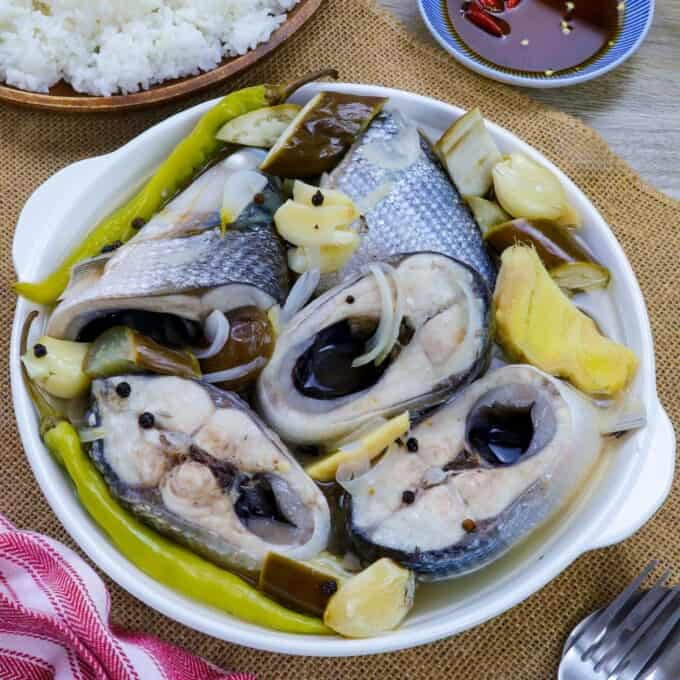
    Paksiw, a traditional Filipino cooking method, involves simmering fish in vinegar and spices to enhance flavor and preserve the dish. It showcases Filipino culinary creativity and resourcefulness, reflecting the rich tapestry of Filipino cuisine.

    Key Takeaways

    • Paksiw showcases Filipino culinary creativity and resourcefulness.
    • Vinegar plays a crucial role in tenderizing and preserving the dish.
    • Regional variations highlight sustainability and cultural heritage.
    • Paksiw reflects the rich tapestry of Filipino culinary tradition and community unity.

    History of Paksiw in Filipino Cuisine

    Cooking techniques play a vital role in shaping Philippine culinary traditions, and one such technique that stands out is the method of paksiw. This traditional Filipino cooking method has a deep-rooted history in the evolution of Filipino cuisine, showcasing the resourcefulness and creativity of early Filipino settlers in preserving and enhancing the flavors of fish.

    Paksiw, a technique that involves simmering fish in vinegar along with garlic and ginger, embodies the essence of Filipino culinary ingenuity. Through generations, paksiw has remained a beloved tradition, symbolizing the practicality and simplicity that are characteristic of Filipino cooking.

    The use of basic yet flavorful ingredients like vinegar, garlic, and ginger highlights the Filipino approach to creating delicious dishes with minimal fuss.

    As a staple in Philippine culinary culture, paksiw continues to hold a special place in the hearts and palates of many, serving as a reminder of the rich culinary heritage and the innovative cooking techniques that have been passed down through the ages.

    Significance of Vinegar in Paksiw

    Vinegar plays a crucial role in Paksiw by preserving the dish and enhancing its flavor profile.

    The acidity of vinegar helps to tenderize the fish as it cooks, contributing to the dish’s overall texture.

    Additionally, vinegar balances the richness of the fish and other ingredients in Paksiw, creating a harmonious taste experience.

    Vinegar’s Preservation Role

    In the realm of Cooking Techniques in Philippine Culinary Traditions, vinegar plays a vital role in the preparation of fish dishes. Specifically, in the traditional Filipino method of making Paksiw, vinegar serves as a natural preservative essential for prolonging the dish’s shelf life.

    The acidity of vinegar is instrumental in preventing the growth of harmful bacteria within the fish, ensuring its safety for consumption for an extended period of time. This preservation function not only maintains the freshness of the dish but also imparts a distinctive tangy flavor to it.

    Moreover, vinegar’s acidic properties not only aid in preserving the fish but also contribute to tenderizing it, resulting in a succulent texture that elevates the overall dining experience. Through the passage of generations, the incorporation of vinegar in Paksiw has evolved into a cultural tradition, highlighting its significance in the rich tapestry of Filipino cuisine heritage.

    Flavor Enhancement in Paksiw

    In the realm of Cooking Techniques in Philippine Culinary Traditions, the art of enhancing flavors in Paksiw is a cherished practice that brings out the best in every dish. The use of vinegar in Paksiw isn’t just a mere ingredient but a key player in elevating the taste profile of the dish. Vinegar acts as a natural preservative, ensuring the fish remains fresh and succulent.

    Its acidic nature tenderizes the meat, resulting in a melt-in-your-mouth texture that’s simply irresistible.

    The addition of vinegar also imparts a tangy and zesty flavor to the Paksiw, balancing the richness of the fish with a refreshing kick. The combination of vinegar, water, and an array of spices creates a flavorful cooking liquid that seeps into the fish, infusing it with a myriad of robust flavors. Each bite becomes a symphony of tastes that pay homage to the vibrant culinary heritage of the Philippines.

    Moreover, vinegar serves as a magic potion that dispels any unwanted fishy odors or tastes, making the dish more appealing to a wider audience. Its transformative powers ensure that every dining experience with Paksiw isn’t only satisfying but also unforgettable.

    Key Ingredients for Paksiw Recipe

    In the realm of Philippine culinary traditions, mastering the art of cooking Paksiw involves a careful selection of key ingredients that play a vital role in creating this beloved dish. Among these essential components is vinegar, a staple in Filipino cuisine that imparts a distinctive tanginess to the dish.

    Whole peppercorns are another crucial element, providing a gentle heat that elevates the overall flavor profile of the Paksiw. Water is utilized to balance the acidity of the vinegar, forming the base for poaching the fish to perfection.

    Additionally, salt is incorporated to season the dish, enhancing its savory notes and creating a harmonious blend of flavors. By honoring these key ingredients and techniques, one can pay homage to the rich culinary heritage of the Philippines and savor the authentic taste of Paksiw that has been cherished for generations.

    Regional Variations of Paksiw Dish

    Exploring the rich culinary traditions of the Philippines unveils a plethora of cooking techniques used in preparing the beloved dish of Paksiw. Here are some variations of the Paksiw dish that showcase the diverse cooking methods in Filipino cuisine:

    1. Paksiw na Isda using Inihaw Technique: In some regions, the fish used in Paksiw is first grilled or charred before being simmered in a mixture of vinegar, water, garlic, and spices. This inihaw (grilled) technique adds a smoky flavor to the dish, enhancing its overall taste.
    2. Paksiw with Adobo Twist: In certain areas, Paksiw is made by combining leftover adobo (a popular Filipino dish) with vinegar, creating a unique fusion of flavors. The adobo twist adds depth and richness to the traditional Paksiw recipe.
    3. Paksiw with Sinigang Influence: In other regions, the Paksiw dish is prepared with a hint of sinigang (a sour tamarind soup) by incorporating tamarind or other souring agents to achieve a tangy and zesty taste. This sinigang influence provides a refreshing and vibrant twist to the classic Paksiw flavor profile.

    These variations exemplify the creativity and adaptability of Filipino cooking techniques, showcasing how different regions infuse their unique flavors and methods into the preparation of Paksiw.

    Health Benefits of Eating Paksiw

    Eating paksiw is a smart choice for your health. It offers a low-calorie option rich in protein, great for muscle maintenance and growth.

    The vinegar and fish in paksiw dishes can aid digestion and heart health, while garlic and ginger provide antioxidants for your well-being.

    Nutritional Value Breakdown

    Exploring Paksiw in Philippine culinary traditions unveils not just a delightful dish, but also a treasure trove of health benefits. Let’s delve into the nutritional breakdown of this traditional Filipino fish recipe in the context of Cooking Techniques:

    1. Protein Power: Paksiw showcases a balance of flavors while being a good source of protein, essential for muscle development and recovery. The cooking technique of simmering fish in vinegar infuses it with protein goodness.
    2. Omega-3 Richness**: The method of slow-cooking fish in vinegar results in a dish packed with omega-3 fatty acids, known for their heart-healthy benefits. This traditional cooking approach preserves the omega-3 content, promoting cardiovascular wellness.
    3. Antioxidant Boost**: By incorporating ingredients like garlic, ginger, and various spices, Paksiw becomes a powerhouse of antioxidants. The slow-cooking process allows these antioxidants to infuse into the dish, supporting your immune system and overall well-being.

    Incorporating traditional cooking techniques in preparing Paksiw not only elevates its taste but also enhances its nutritional value, making it a flavorful and healthful addition to your culinary repertoire.

    Impact on Digestion

    In traditional Philippine cooking techniques, Paksiw is known for its ability to enhance digestion. The use of vinegar in Paksiw helps in breaking down food efficiently, thanks to its acidic nature. This acidity triggers the production of enzymes in the digestive system, which aids in the digestion process by breaking down food in the stomach.

    Not only does the vinegar in Paksiw assist in digestion, but it also plays a role in regulating blood sugar levels and improving insulin sensitivity. When fish is combined with vinegar in Paksiw, it promotes better absorption of essential nutrients in the body.

    Including Paksiw regularly in your diet can contribute to a healthier digestive system overall, ensuring that your body effectively processes the nutrients it needs.

    Step-by-Step Guide to Making Paksiw

    To enhance your culinary skills in Filipino cuisine, explore the traditional cooking technique of making Paksiw, a flavorful dish that showcases the art of poaching fish in vinegar and aromatic spices. Follow these steps to create a delightful Paksiw na Bangus:

    1. Prepare the fish: Begin by meticulously cleaning and slicing a fresh whole Bangus (milkfish) into individual serving portions. This step emphasizes the importance of using fresh ingredients in Filipino cooking for the best results.
    2. Infuse with flavors: In a cooking pot, gently simmer the Bangus in a mixture of vinegar, water, crushed garlic, sliced onions, ginger, and whole peppercorns. This process allows the fish to absorb the tangy and savory flavors of the vinegar and spices, a hallmark of Philippine culinary traditions.
    3. Cook to perfection: Let the fish simmer until it’s tender and fully cooked, allowing it to soak up the rich flavors of the aromatic ingredients. The slow cooking process is key to achieving a dish that bursts with authentic Filipino taste.
    4. Serve with flair: Present your Paksiw na Bangus steaming hot alongside a generous helping of freshly steamed rice. The combination of tender fish and tangy sauce makes for a satisfying and comforting meal that embodies the essence of Filipino home cooking.

    Immerse yourself in the culinary heritage of the Philippines by mastering the art of making Paksiw, a dish that exemplifies the unique flavors and techniques of Filipino cuisine. Enjoy the harmonious blend of vinegar, spices, and fresh fish in every delicious bite of Paksiw!

    Best Fish Choices for Paksiw

    When exploring the culinary techniques of the Philippines, it’s important to consider the best fish options for traditional dishes like Paksiw. Milkfish, or Bangus, is a prized choice known for its delicate texture and rich flavor profile, making it a staple in Filipino cuisine.

    Mackerel scad, locally referred to as galunggong, is another popular fish used in Paksiw, valued for its widespread availability and affordability in local markets. Additionally, tilapia, with its mild and versatile taste, is a great option to enhance the vinegar-based sauce of Paksiw.

    Each of these fish varieties adds a unique touch to the dish, reflecting the diverse culinary heritage of the Philippines. Selecting the right fish can elevate the flavors of Paksiw and showcase the artistry of Filipino cooking traditions.

    Tips for Perfecting the Paksiw Flavor

    To achieve the authentic and rich flavor of Paksiw in traditional Philippine culinary practices, it’s crucial to master the art of balancing sourness by blending vinegar and water in your recipe. Elevate the taste of your Paksiw by following these key techniques:

    1. Infuse with Whole Peppercorn: Infusing your Paksiw with whole peppercorns not only adds complexity to the dish but also imparts a gentle kick of spiciness, enhancing the overall flavor profile.
    2. Fine-tune Salt and Fish Sauce: Experiment with the proportions of salt and fish sauce to achieve the perfect harmony that amplifies the savory notes of your Paksiw without overpowering the other ingredients.
    3. Embrace Slow Simmering: Embrace the tradition of slow simmering your Paksiw ingredients, allowing the flavors to meld and intensify. This method is essential in developing a robust and well-infused taste in every bite of your dish.

    Serving Suggestions for Paksiw Dish

    In the realm of Philippine culinary traditions, serving Paksiw can be a delightful experience when paired with freshly steamed rice, allowing the flavors to meld together harmoniously.

    The tender meat or fish in the savory broth of Paksiw complements the simplicity of rice, creating a comforting and satisfying meal.

    For a more elevated presentation, consider serving Paksiw alongside grilled dishes like iniwah na liempo, adding a smoky dimension to your dining experience.

    This combination of flavors and textures showcases the artistry of Filipino cooking techniques, highlighting the rich and vibrant flavors of Paksiw in a well-rounded meal that celebrates the diversity of our culinary heritage.

    Paksiw: A Family Tradition

    Paksiw holds a special place in Filipino families, serving as a culinary legacy that’s cherished and passed down through generations. This traditional cooking method not only brings delicious flavors to the table but also preserves cultural heritage with each dish prepared.

    The practice of making paksiw together as a family creates lasting memories and strengthens bonds over shared meals.

    Family Cooking Legacy

    Cooking Paksiw in Filipino culinary traditions is a revered practice that highlights the intricate techniques and skills passed down through generations. Families take pride in perfecting the art of creating dishes like Paksiw na Pata and Lechon Paksiw, each with its own distinct flavors and preparations.

    This tradition of cooking Paksiw not only showcases the culinary expertise within Filipino households but also provides an avenue for family members to bond over shared cooking techniques and knowledge.

    The process of making Paksiw serves as a way for families to preserve their culinary heritage, instilling a deep appreciation for traditional Filipino cooking methods and creating cherished memories that are treasured for years to come.

    Cultural Culinary Heritage

    Exploring the intricate cooking techniques of Philippine culinary traditions unveils a treasure trove of flavors and methods, with Paksiw standing out as a shining example. The art of cooking Paksiw, where fish is gently simmered in vinegar, showcases the Filipino expertise in balancing sourness with savory elements.

    This culinary practice is deeply ingrained in the rich tapestry of Philippine cooking methods, handed down through generations. The humble combination of vinegar, water, and spices in Paksiw highlights the ingenuity and adaptability of Filipino cuisine.

    By mastering the art of Paksiw, you not only pay homage to your culinary roots but also play a part in upholding a traditional cooking technique that epitomizes the diverse and vibrant essence of Philippine gastronomy.

    Cooking Techniques in Philippine Culinary Traditions
    Balancing Sourness and Savory Flavors
    Gentle Simmering in Vinegar
    Preservation of Culinary Heritage
    Innovative Fusion of Simple Ingredients
    Embracing the Diversity of Filipino Cuisine

    Sustainability in Paksiw Preparation

    In the realm of Philippine culinary traditions, sustainability takes center stage in the art of cooking techniques, including the method of preparing paksiw. To uphold sustainability in this culinary practice, one can adhere to the following principles:

    1. Utilization of Local and Indigenous Ingredients: By using locally sourced fish species and indigenous ingredients in paksiw recipes, one contributes to the preservation of local biodiversity and supports the livelihood of local farmers and fishermen.
    2. Reduction of Food Waste: Embracing the tradition of utilizing fish scraps and heads in paksiw not only enhances the flavor of the dish but also minimizes food waste, aligning with sustainable cooking practices.
    3. Natural Preservation Methods: The vinegar used in paksiw serves as a natural preservative, extending the dish’s shelf life without the need for artificial additives. This not only reduces food waste but also promotes a more sustainable approach to food preservation.

    Can Paksiw and Tamilok be Considered Traditional Filipino Dishes?

    Paksiw and Tamilok are traditional Filipino dishes that showcase the country’s diverse culinary heritage. Paksiw is a delicious stew made with vinegar, while eating tamilok woodworm delicacy is a unique and acquired taste. Both dishes have been enjoyed by Filipinos for generations, making them an integral part of the local cuisine.

    Celebrating Paksiw in Filipino Festivals

    In the realm of Philippine culinary traditions, the art of preparing paksiw holds a revered place, showcasing a harmonious blend of vinegar, garlic, and ginger that tantalizes the palate and pays homage to the rich flavors of the archipelago.

    Whether it’s a culinary gathering or a cooking demonstration, paksiw stands out as a beloved dish due to its simplicity and depth of flavor. Each region in the Philippines boasts its own unique twist on paksiw, reflecting the diverse culinary techniques and ingredients found throughout the country.

    As aspiring chefs and seasoned cooks alike come together to share their expertise in preparing paksiw, they not only celebrate the dish itself but also honor the culinary heritage of the Philippines. Cooking and sharing a pot of paksiw symbolize the unity and connection that food brings, creating a culinary experience that transcends borders and unites people in a shared appreciation for Filipino cuisine.

    Frequently Asked Questions

    What Does Paksiw Mean in Filipino?

    In Filipino, ‘paksiw’ means poaching or cooking food in vinegar. It comes from the word ‘pait,’ which means sour or bitter. The technique is common in Filipino cuisine and creates dishes with sour and savory flavors.

    What Is the Difference Between Pangat and Paksiw?

    When comparing pangat and paksiw, remember pangat simmers fish in coconut milk, offering a creamy taste. On the other hand, paksiw poaches fish in vinegar and spices, giving it a sour and tangy flavor. Choose based on your preference for flavors.

    What Is the History of Paksiw?

    Paksiw’s history traces back to centuries of Filipino culinary tradition. It involves simmering fish in vinegar, water, and spices. The term ‘paksiw’ means ‘to cook and simmer in vinegar.’ This method showcases Spanish and indigenous influences.

    How Many Calories Does Paksiw Have?

    Paksiw typically has around 200-250 calories per serving, depending on the fish and ingredients used. It’s a nutritious dish with good protein content. The vinegar adds flavor without piling on calories. Enjoy Paksiw as a healthy meal option!

    Conclusion

    Enjoy the flavorful and aromatic dish of Paksiw Na Isda, a traditional Filipino favorite that’s easy to prepare and versatile. With its rich history in Filipino cuisine and health benefits, Paksiw is a delicious and nutritious meal that can be enjoyed with steamed rice.

    Keep the tradition alive by making Paksiw a part of your family meals and celebrations. Try different variations and discover the unique flavors of this beloved dish.

  • From Spain to the Philippines: Introduced Ingredients

    From Spain to the Philippines: Introduced Ingredients

    Spanish colonial influence on Filipino cuisine introduced key ingredients like tomatoes, garlic, olive oil, bay leaves, and annatto seeds, shaping iconic dishes such as Adobo and Menudo.

    Key Takeaways

    • Spanish ingredients like tomatoes and saffron transformed traditional Filipino dishes.
    • Fusion of Spanish and indigenous ingredients created a unique flavor profile in Filipino cuisine.
    • Spanish influence laid the foundation for many iconic Filipino recipes.
    • Seamless blending of Spanish and Filipino ingredients enriched the culinary landscape of the Philippines.

    Spanish Colonial Influence on Philippine Ingredients

    During the Spanish colonization of the Philippines, a plethora of new ingredients, such as tomatoes, garlic, and olive oil, were introduced to Filipino cuisine, revolutionizing traditional dishes. Spanish influences on Filipino cooking extended beyond these staples to include bay leaves, annatto seeds, paprika, and saffron.

    The Spaniards brought chorizo de Bilbao, a type of sausage, which soon found its way into Filipino kitchens. Bay leaves and annatto seeds became essential flavor enhancers in Filipino dishes, adding depth and color. Additionally, the introduction of paprika and saffron imparted a whole new dimension of taste to Filipino cooking.

    The amalgamation of Spanish and indigenous ingredients laid the foundation for the unique and diverse culinary landscape of the Philippines.

    Impact on Filipino Culinary Landscape

    The infusion of Spanish ingredients into Filipino culinary traditions has significantly shaped the flavor profiles of iconic dishes, showcasing a harmonious blend of two distinct culinary heritages.

    • Spanish ingredients like tomatoes, garlic, olive oil, and annatto seeds were introduced to Filipino cuisine.
    • Bay leaves, now commonly used in Filipino cooking, were brought by the Spanish.
    • Dishes such as Adobo and Menudo highlight the influence of Spanish ingredients.
    • The fusion of Spanish and Filipino ingredients created a unique flavor profile in Filipino cuisine.
    • Key ingredients from Spain laid the foundation for many traditional Filipino dishes.

    Fusion of Spanish and Filipino Flavors

    Integrating Spanish and Filipino flavors transforms traditional dishes into a vibrant culinary tapestry, symbolizing a rich cultural fusion. The influence of Spanish colonization is evident in Filipino cuisine, with traditional Spanish ingredients like tomatoes, garlic, and olive oil seamlessly blended into local dishes.

    Bay leaves and annatto seeds introduced by the Spaniards are now commonly used, adding depth and aroma to Filipino cooking.

    Popular dishes such as menudo and mechado reflect the harmonious blending of Spanish and Filipino culinary traditions. By incorporating Spanish cooking techniques like sautéing and simmering with local ingredients, the Philippines has developed a distinct and flavorful culinary heritage that continues to delight taste buds worldwide.

    Journey of Introduced Ingredients

    As you explore the journey of introduced ingredients from Spain to the Philippines, you’ll uncover intricate cultural exchanges that influenced Filipino cuisine.

    Discover the innovative culinary fusion that emerged from the historical spice trade between these two regions.

    The evolution of Filipino dishes showcases a rich tapestry of flavors and techniques borne from this unique historical exchange.

    Cultural Ingredient Exchanges

    Introducing a culinary journey marked by the fusion of flavors, the exchange of cultural ingredients between Spain and the Philippines has significantly influenced the evolution of Filipino cuisine.

    • Spanish influences brought tomatoes, garlic, and olive oil into Filipino cuisine, transforming traditional dishes.
    • Bay leaves and annatto seeds enhanced the aroma and color of Filipino cooking.
    • Trade routes facilitated Chinese culinary influences, seen in dishes like pancit.
    • Indonesian and Malaysian sweets influenced Filipino desserts, showcasing diverse cultural exchanges.
    • Zamboanga cuisine reflects a blend of Spanish and local flavors, using gata (coconut cream) and olive oil in traditional recipes.

    Culinary Fusion Innovations

    The journey of introduced ingredients from Spain to the Philippines unfolds a vibrant tapestry of culinary fusion innovations that have reshaped traditional Filipino dishes. Spanish influences like tomatoes, garlic, and olive oil transformed Filipino culinary traditions, introducing flavors like bay leaves and annatto seeds.

    The fusion of Spanish and Filipino cooking techniques gave rise to iconic dishes such as Adobo and Menudo, blending indigenous flavors with introduced ingredients.

    Even Chinese noodle dishes in the Philippines were influenced by this culinary fusion. Through this unique blend of Spanish and indigenous cooking styles, new fusion dishes emerged, showcasing the rich tapestry of flavors that define Filipino cuisine today.

    Historical Spice Trade

    The historical spice trade route between Spain and the Philippines intricately wove together a tapestry of flavors that forever altered Filipino culinary traditions.

    • Paprika: Introduced a smoky depth to Filipino dishes.
    • Saffron: Infused a rich golden hue and exotic aroma into local cuisine.
    • Bay leaves: Added a subtle earthy flavor to traditional Filipino recipes.
    • Cultural integration: The exchange of ingredients enriched both Spanish and Filipino culinary traditions.
    • Ingredients: Garlic, onions, and annatto seeds were integral parts of the spice trade route, influencing local cooking styles.

    Diverse Array of Colonial Ingredients

    You’ll explore how the Colonial Spice Exchange and Fusion Cuisine Evolution shaped the culinary landscape in the Philippines.

    Discover how Spanish ingredients like tomatoes, garlic, and bay leaves blended with local flavors to create a diverse array of colonial ingredients.

    The fusion of these elements gave birth to a unique Filipino culinary tradition that continues to delight palates today.

    Colonial Spice Exchange

    Introducing a diverse array of colonial ingredients through the spice exchange between Spain and the Philippines significantly enriched Filipino cuisine. This exchange led to the fusion of Spanish and indigenous flavors, shaping traditional dishes with a unique blend of spices and cooking techniques.

    Here are five key colonial ingredients that influenced Filipino cuisine:

    • Tomatoes, garlic, and olive oil brought new dimensions to Filipino dishes.
    • Bay leaves and annatto seeds added distinctive flavors and aromas to local recipes.
    • Spanish recipes were adapted to incorporate local produce, creating a harmonious fusion of flavors.
    • The colonial spice exchange resulted in unique dishes that reflect the history of the Philippines.
    • New spices and cooking methods from Spain enriched traditional Filipino cuisine.

    Fusion Cuisine Evolution

    Exploring the evolution of Filipino fusion cuisine reveals a rich tapestry of flavors influenced by a diverse array of colonial ingredients introduced by Spain, China, and other cultures. The fusion of Spanish, Chinese, Malay, and indigenous ingredients has resulted in the unique flavors found in Filipino cuisine.

    Spanish contributions like tomatoes and vinegar, along with Chinese influences such as noodles and soy sauce, have shaped the culinary landscape of the Philippines. These colonial ingredients, combined with local produce and cooking techniques, have led to the creation of harmonious fusion dishes that showcase the adaptability and creativity of Filipino chefs.

    The blend of these diverse culinary traditions has transformed Filipino cuisine into a delicious and distinctive culinary experience.

    Evolution of Filipino Cooking Techniques

    Evolution in Filipino cooking techniques has been intricately influenced by a blend of indigenous traditions and colonial introductions, resulting in a diverse culinary landscape.

    • Spanish Influence: Techniques like ‘adobo’ showcase the Spanish influence in sautéing with vinegar and garlic.
    • Paksiw: This technique involves stewing meat in sour fruit or vinegar, a common practice in Filipino cuisine.
    • Ginataan: Dishes cooked in coconut milk highlight the use of indigenous ingredients in Filipino cooking techniques.
    • Sinigang: The preparation of sour soup using tamarind or kamias showcases a unique Filipino cooking technique.
    • Dish Names: Filipino dish names often indicate specific cooking methods, such as ‘prito’ for frying, ‘gisa’ for sautéing, and ‘ihaw’ for grilling.

    Cross-Cultural Ingredient Exchange

    The infusion of Spanish ingredients into Filipino cuisine brought a rich tapestry of flavors that shaped the culinary landscape of the Philippines. Cross-cultural ingredient exchange between Spain and the Philippines introduced tomatoes, garlic, and olive oil to Filipino dishes. Spaniards also brought bay leaves and annatto seeds, influencing the flavor profiles of local cuisine.

    Filipino adaptations of Spanish recipes led to a fusion of flavors, with about 80% of Filipino dishes having Spanish roots. Iconic dishes like Adobo and Menudo exemplify this blend, showcasing the Spanish influence on Filipino ingredients and cooking techniques. This exchange not only added new elements to Filipino cuisine but also created a diverse and vibrant culinary tradition in the Philippines.

    Influential Spanish-Philippine Ingredients

    Introducing a medley of Spanish-Philippine ingredients that have left a lasting mark on Filipino cuisine.

    • Vinegar: Widely used in Filipino cooking, it was introduced by the Spanish and is a key ingredient in dishes like adobo.
    • Saffron: This expensive yet flavorful spice brought by the Spaniards adds a unique touch to Filipino dishes.
    • Paprika: A staple in Spanish cuisine, paprika found its way into Filipino cooking, enhancing the flavors of various dishes.
    • Fusion: Spanish colonial rule led to a fusion of traditional Filipino ingredients with Spanish culinary techniques, creating a diverse culinary landscape.
    • Culinary Techniques: Spanish influences can be seen in the cooking methods adopted by Filipinos, blending seamlessly with local practices to produce delicious and innovative dishes.

    Legacy of Spanish Culinary Traditions

    From the introduction of vinegar and saffron to the incorporation of tomatoes and garlic, the legacy of Spanish culinary traditions in Filipino cuisine is unmistakably rich and enduring. Spanish culinary traditions have deeply influenced Filipino dishes like adobo and paksiw, highlighting the importance of vinegar and garlic in cooking.

    Ingredients such as tomatoes, garlic, olive oil, bay leaves, and annatto seeds were brought to the Philippines by the Spaniards, shaping the local cuisine. Spanish recipes were adapted to local ingredients, resulting in a fusion of traditional Filipino flavors with Spanish cooking techniques.

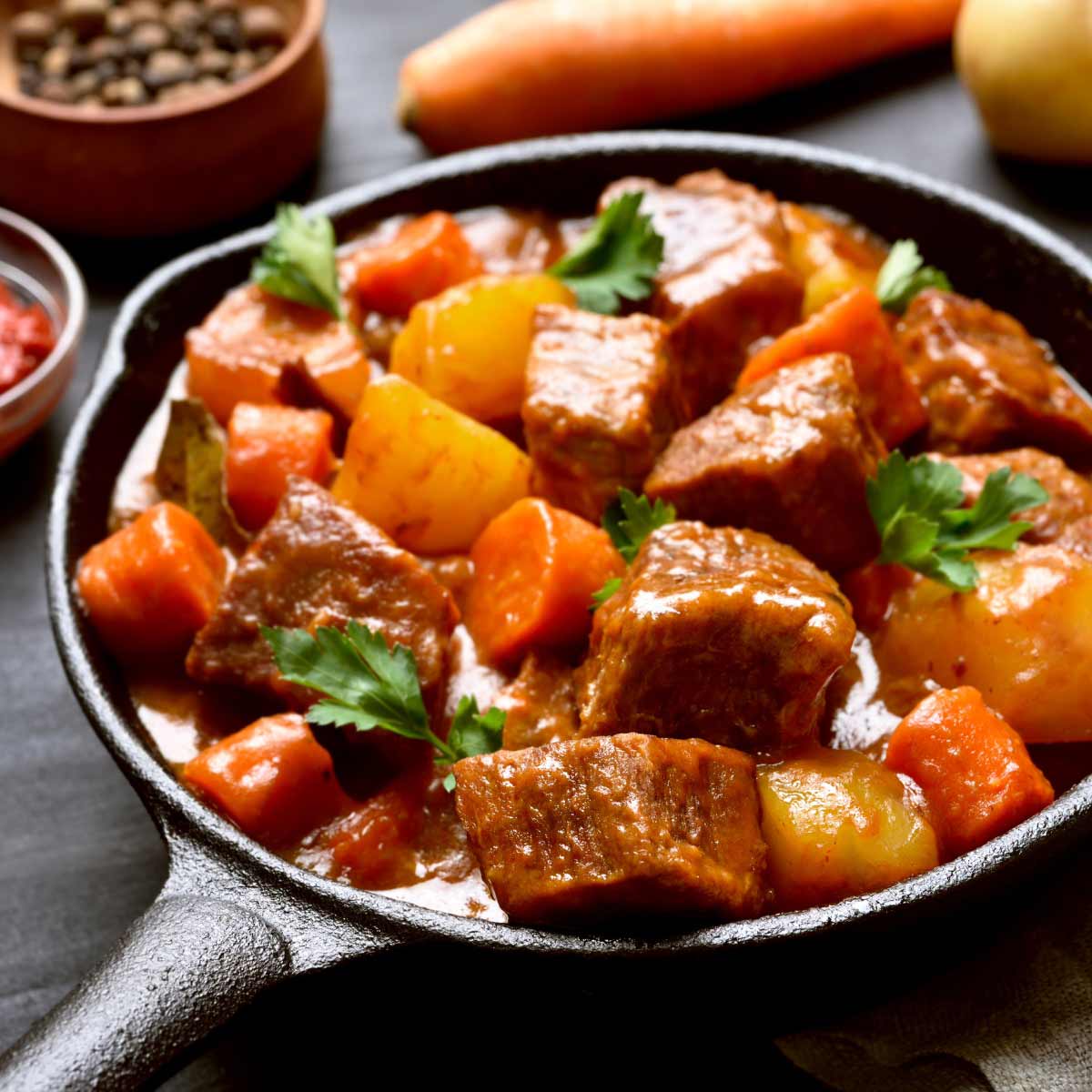
    This influence can be seen in popular Filipino dishes such as caldereta, menudo, and afritada, showcasing the lasting impact of Spanish culinary heritage on Filipino gastronomy.

    Filipino Cuisine: Spanish Roots

    You’ll discover the fascinating culinary fusion history behind many Filipino dishes, reflecting a blend of Spanish and local influences.

    Explore the shared cooking techniques that have been passed down through generations, creating a unique gastronomic heritage in the Philippines.

    Learn about the influential Spanish ingredients that have left a lasting impact on the flavors and cooking styles of iconic Filipino recipes.

    Culinary Fusion History

    How did Spanish culinary techniques intertwine with Filipino ingredients to create the distinct flavor profile of Filipino cuisine?

    Derived from Spanish influences, Filipino cuisine showcases a unique blend of flavors and cooking methods. Some of the biggest influences include the use of vinegar in dishes, a practice inherited from Spanish cuisine.

    Meat stews, a common feature in traditional Filipino cooking, were introduced through Spanish recipes. The marinating of meats in soy sauce, a technique found in dishes like Adobo, reflects the fusion of Spanish and Filipino culinary practices.

    Regional variations in Filipino cuisine also highlight the impact of Spanish colonization, with ingredients like bay leaves and annatto seeds becoming staples in Filipino dishes.

    Shared Cooking Techniques

    Spanish culinary techniques have significantly influenced the cooking methods and flavor profiles of Filipino cuisine. This influence is evident in the adoption of sautéing, stewing, marinating, frying, simmering, and braising in various Filipino dishes. The method of using vinegar and soy sauce in Filipino adobo showcases Spanish influence, while frying is a shared technique seen in Filipino lumpia.

    Filipino meat dishes like mechado exhibit Spanish techniques of simmering and braising. Additionally, the incorporation of bay leaves in Filipino cooking reflects Spanish culinary traditions.

    These shared cooking techniques highlight the deep-rooted connection between Spanish and Filipino culinary practices, resulting in a flavorful blend of flavors and methods in Filipino cuisine.

    Influential Spanish Ingredients

    Introducing key ingredients from Spain, Filipino cuisine has been enriched with flavors that have become essential components in a variety of traditional dishes.

    • Tomatoes: Used in stews like Menudo and as a base for sauces.
    • Garlic: A fundamental element in many Filipino dishes, enhancing flavors.
    • Olive oil: Influencing cooking techniques and flavor profiles in dishes like Adobo.
    • Bay leaves: Adding aromatic depth to Filipino recipes.
    • Annatto seeds: Providing color and a distinct flavor to various Filipino dishes.

    These Spanish ingredients, along with techniques like sautéing and the use of vinegar, have seamlessly integrated into Filipino culinary practices, showcasing the enduring impact of Spanish influence on Filipino cuisine.

    Are any introduced ingredients from Spain used in the preparation of Dilis Silog?

    Yes, some introduced ingredients from Spain are used in the preparation of Dilis Silog, but the dish still maintains its Filipino identity. Dilis Silog is prepared by marinating the anchovies in vinegar and garlic, then frying them until crispy. This popular Filipino breakfast dish is typically served with garlic fried rice and a fried egg. So, that’s how Dilis Silog is prepared.

    Historical Introduction of Ingredients

    Bringing forth a culinary revolution, the Spaniards introduced a variety of essential ingredients to the Philippines, shaping the rich tapestry of Filipino cuisine.

    Tomatoes, garlic, olive oil, bay leaves, and annatto seeds were among the key elements brought to the archipelago during the Spanish colonial period.

    Tomatoes, now widely used in Filipino cooking, were a significant addition from the Spanish. Garlic, a staple ingredient in Filipino cuisine, also made its way to the islands through Spanish influence.

    Olive oil, crucial in certain Filipino dishes, became a part of the local pantry due to Spanish introduction. Bay leaves, commonly used for flavoring, were another Spanish contribution.

    Additionally, annatto seeds, essential for coloring and flavoring, were introduced by the Spaniards and have become integral to Filipino dishes.

    Frequently Asked Questions

    What Foods Did the Spanish Introduced to the Philippines?

    The Spanish introduced tomatoes, garlic, olive oil, bay leaves, annatto seeds, chorizo, paprika, saffron, vinegar, and soy sauce to Filipino cuisine. These ingredients influenced dishes like adobo and menudo, creating a fusion of flavors that are integral to Filipino cooking.

    What Did Spain Introduce to the Philippines?

    Spain introduced ingredients such as tomatoes, garlic, olive oil, bay leaves, and annatto seeds to Filipino cuisine. Vinegar and soy sauce became common flavoring agents. This fusion enriched iconic Filipino dishes like Adobo and Menudo, creating a unique culinary identity.

    What Plants Did the Spanish Bring to the Philippines?

    The Spanish brought tomatoes, potatoes, corn, chili peppers, sweet potatoes, cassava, peanuts, pineapples, oranges, lemons, limes, avocado, guava, papaya, cilantro, oregano, and thyme to the Philippines. These ingredients enriched Filipino cuisine and agricultural practices.

    Does Filipino Food Have Spanish Influence?

    Yes, Filipino food has a strong Spanish influence. About 80% of Filipino dishes show this connection. Spanish introduced key ingredients like tomatoes, garlic, and olive oil, shaping traditional Filipino cuisine.

    Conclusion

    You have learned how Spanish colonization introduced new ingredients and cooking techniques to the Philippines, shaping the Filipino culinary landscape. The fusion of Spanish and indigenous flavors created a unique culinary tradition that continues to thrive today.

    From staples like tomatoes and potatoes to cooking methods like frying and sautéing, the Spanish influence on Filipino cuisine is undeniable. Embrace the rich history and flavors that have shaped Filipino food into what it is today.

  • Filipino-Spanish Recipes: When Two Cuisines Combine

    Filipino-Spanish Recipes: When Two Cuisines Combine

    Combining Filipino and Spanish cuisines creates a unique fusion of flavors. The blend of ingredients and cooking techniques results in delicious and diverse dishes.

    Key Takeaways

    • Adobo exemplifies fusion with vinegar and soy sauce.
    • Filipino-Spanish dishes showcase centuries of culinary exchange.
    • Fusion cuisine blends Spanish techniques with local ingredients.
    • Coconut milk and saffron add unique flavors to fusion recipes.

    Historical Roots of Filipino-Spanish Cuisine

    Exploring the historical roots of Filipino-Spanish cuisine reveals a rich tapestry of culinary evolution influenced by centuries of cultural exchange. During the Spanish colonization of the Philippines in the 16th century, the blending of Spanish culinary techniques with local Filipino ingredients gave rise to a unique fusion cuisine.

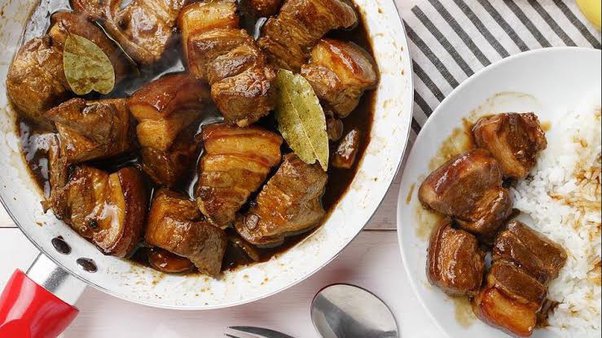
    One iconic dish that exemplifies this blend is adobo, a cooking method of marinating meat in vinegar, soy sauce, garlic, and spices. The Spanish influence is evident in the use of vinegar, a common ingredient in Spanish cuisine, combined with indigenous Filipino flavors.

    This harmonious marriage of Spanish and Filipino culinary traditions brought about dishes like adobo, paella, and lechon, showcasing the lasting impact of the shared history and cultural exchange between the two nations.

    Key Ingredients in Fusion Cooking

    In fusion cooking, the key ingredients from both Filipino and Spanish cuisines come together to create unique and flavorful dishes. These key ingredients include:

    1. Adobo: A staple in Filipino cuisine, the combination of vinegar, soy sauce, and garlic adds a tangy and savory flavor to fusion dishes.
    2. Chorizo: A Spanish sausage that brings a smoky and robust taste to the table when incorporated into Filipino-Spanish recipes.
    3. Coconut Milk: Commonly used in Filipino cooking, coconut milk adds a creamy texture and a hint of sweetness to fusion dishes.
    4. Saffron: A prized Spanish spice that imparts a golden hue and a distinctive flavor, elevating the complexity of Filipino-Spanish fusion recipes.

    Popular Filipino-Spanish Dishes to Try

    To discover the delightful fusion of Filipino and Spanish culinary traditions, consider sampling these popular Filipino-Spanish dishes.

    Adobo, the national dish of the Philippines, showcases Spanish influence with variations using coconut in some regions.

    Lechon, a Christmas favorite, features spit-roasted whole animals, especially pig, likely influenced by Spanish traditions.

    Empanadas, found in different Filipino regional varieties, have strong Spanish roots with associations to Argentina.

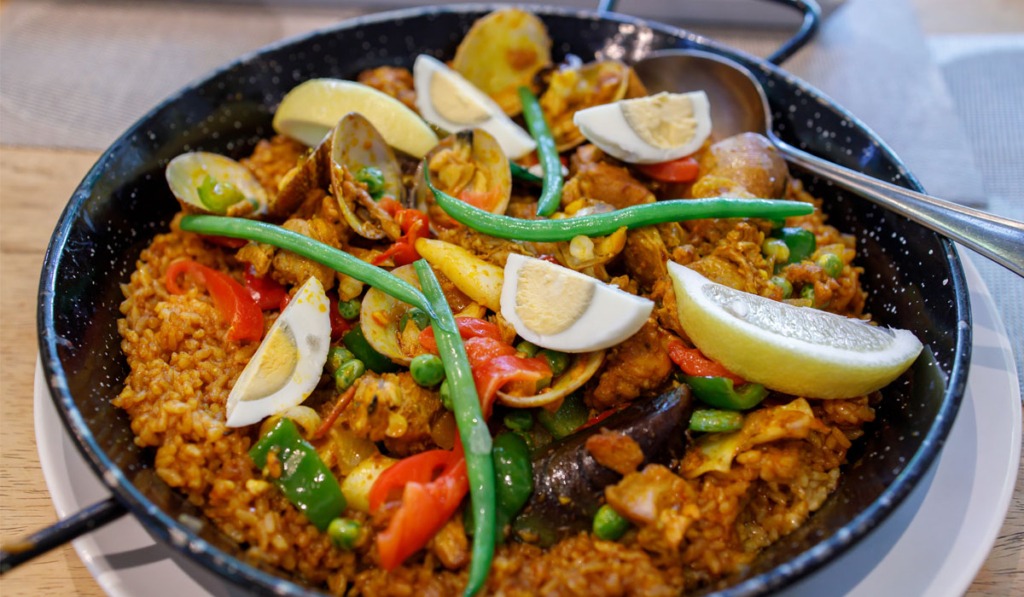
    Filipino versions of Spanish dishes like Pochero and Paelya reflect adaptations with local ingredients and techniques.

    Additionally, foreign influences like Mexican tamales and churros have added unique flavors and textures to traditional Filipino foods.

    Dive into these dishes to experience the delicious blend of Filipino and Spanish flavors.

    Unique Cooking Techniques in Fusion Recipes

    Consider infusing traditional Spanish cooking methods with Filipino flavors to elevate the taste and texture of fusion dishes. When exploring unique cooking techniques in fusion recipes, try incorporating the following methods:

    1. Deep-frying: Combine deep-frying in vegetable oil with Spanish braising or stewing for distinct textures and flavors.
    2. Chicken Adobo Marinades: Use these Filipino marinades with Spanish slow-cooking methods for tender and flavorful meats.
    3. Pickling Vegetables: Add acidity and tanginess by pickling vegetables like cabbage or onions, balancing Spanish and Filipino richness.
    4. Toasting Buns: Enhance sliders and sandwiches by toasting buns for a crispy texture and nutty flavor in your fusion creations.

    Evolution of Flavors in Combined Cuisines

    Explore the intricate tapestry of flavors woven through the fusion of Filipino and Spanish cuisines, revealing a culinary journey rich in historical influences and vibrant taste profiles.

    Filipino dishes like adobo showcase a unique blend of Spanish marinades and Chinese soy sauce, creating a distinct flavor profile. The evolution of flavors in Filipino-Spanish recipes highlights a harmonious mix of ingredients such as garlic, vinegar, and soy sauce from Filipino cuisine, combined with Spanish staples like tomatoes, olive oil, and saffron.

    These combined cuisines often feature a balance of sweet, sour, and savory elements, showcasing the diversity of flavors that have emerged over centuries of cultural exchange. The rich culinary history shaped by colonial influences and local ingredients is evident in each dish, making Filipino-Spanish recipes a true delight for the taste buds.

    How Has Spanish Influence Shaped Filipino Cuisine in Fiesta Celebrations?

    Spanish influence has played a significant role in shaping Filipino cuisine, especially during fiestas. The fusion of Spanish and Filipino culinary traditions has given rise to unique dishes and flavors that are now a part of the rich fiestas and Filipino food legacy.

    Celebrating Culinary Diversity Through Fusion

    Fusion Flavors Unite

    Fusion flavors unite in Filipino-Spanish recipes, showcasing the rich culinary diversity of both cultures in a harmonious blend of traditional techniques and innovative ingredients.

    When exploring the fusion of flavors, you’ll find exciting combinations like adobo-style chicken paella or lechon kawali served with a Spanish romesco sauce. These dishes authentically represent the fusion of Spanish and Filipino culinary traditions, creating a unique dining experience.

    The infusion of chorizo in chicken afritada or the use of calamansi in Spanish flan adds depth and complexity to familiar dishes.

    Filipino-Spanish recipes not only bring together two distinct cuisines but also celebrate the art of culinary experimentation, highlighting the endless possibilities when different flavors and techniques merge.

    Cultural Harmony on Plate

    Uniting flavors from two distinct cultures, Filipino-Spanish recipes embody a celebration of culinary diversity through fusion, harmonizing traditional techniques with innovative ingredients on the plate.

    This fusion cuisine showcases the rich tapestry of Filipino food and Spanish culinary traditions, creating a harmonious blend that symbolizes cultural exchange and shared heritage.

    By combining flavors and cooking styles from both worlds, these recipes offer a unique dining experience that honors tradition while embracing creativity.

    The fusion of Filipino-Spanish recipes not only reflects historical ties and influences but also celebrates the best of both cultures, highlighting diverse flavors and ingredients in a creative and innovative way.

    Cultural harmony on a plate is more than just a culinary experience; it’s a testament to the power of food in bringing people together.

    Tradition Meets Innovation

    Celebrating culinary diversity through fusion, traditional Filipino and Spanish flavors come together in innovative dishes that reimagine classic recipes with a modern twist. This unique approach to cooking showcases a harmonious blend of cultural influences and culinary techniques, offering a fresh dining experience that honors tradition while embracing innovation.

    By infusing dishes like pork adobo with coconut milk, chefs create a delightful fusion that delights the taste buds and celebrates the rich heritage of both Filipino and Spanish cuisines. Through this creative culinary exploration, the fusion of flavors not only tantalizes the palate but also tells a story of the interconnectedness of diverse food traditions, bringing a taste of shared history to the table in a deliciously inventive way.

    1. Fusion cuisine combines traditional Filipino and Spanish flavors to create innovative dishes.
    2. It celebrates culinary diversity by merging cooking techniques and ingredients from both cultures.
    3. Traditional recipes are reimagined with modern twists, offering a unique dining experience.
    4. The fusion of Filipino-Spanish cuisines showcases a harmonious blend of flavors and cultural influences.

    Frequently Asked Questions

    What Filipino Food Originated From Spain?

    Adobo, Lechon, Empanada, Pochero, and Paelya are Filipino foods with Spanish origins. They blend Spanish influence with local flavors, showcasing a delicious fusion. Try them to experience the unique culinary heritage that these dishes offer.

    What Do You Call a Feature in Philippine Cuisine Which Comes in Pairing of Something Sweet With Salty and Results in Surprisingly Pleasing Combinations?

    You call it a ‘bitter-sweet’ or ‘bitter-salty’ combination in Philippine cuisine. Pairing sweet with salty creates a harmonious contrast of flavors. This technique showcases the Filipino palate’s love for complex tastes and balancing flavors.

    What Foods Do Mexicans and Filipinos Share?

    Mexicans and Filipinos share a love for pork dishes like sisig and carnitas. Tamales, rice-based dishes like paella and arroz caldo, and the use of vinegar in adobo and escabeche showcase a shared culinary influence. Empanadas are also popular in both cuisines.

    What Is Filipino Cuisine a Mix Of?

    Filipino cuisine is a blend of indigenous flavors, Spanish colonial influences, and Chinese, American, and Malay trade contributions. It features a mix of sweet, sour, and savory tastes, creating dishes like adobo and sinigang.

    Conclusion

    Indulge in the delicious fusion of Filipino-Spanish recipes for a culinary experience that pays homage to the historical ties between these two cultures. From iconic dishes to innovative creations, the blend of Spanish and Filipino flavors creates a unique and unforgettable dining experience.

    Celebrate the harmonious marriage of these two cuisines by exploring the diverse and flavorful world of Filipino-Spanish cuisine.

  • Fiestas and Filipino Food: A Legacy of Spanish Catholicism

    Fiestas and Filipino Food: A Legacy of Spanish Catholicism

    The legacy of Spanish Catholicism in the Philippines is evident in vibrant fiestas and unique cuisine, blending Spanish and local flavors to create a rich cultural tapestry. This fusion of traditions, from Catholic celebrations to culinary influences, highlights the enduring impact of Spanish colonialism on Filipino identity and heritage.

    Key Takeaways

    • Incorporation of Catholic fiestas enriches Filipino celebrations.
    • Fusion of Spanish and local flavors creates unique Filipino cuisine.
    • Preservation of Spanish Catholic traditions shapes modern Filipino culture.
    • Spanish colonialism’s influence evident in Filipino culinary practices.

    Historical Background: Spanish Colonialism in the Philippines

    Spanish colonial rule in the Philippines, lasting over 300 years, profoundly influenced the country’s customs and culture.

    The introduction of Roman Catholicism by Spanish missionaries had a lasting impact, shaping the religious landscape of the Philippines.

    Spanish influence on Filipino society was particularly evident in the strong presence of Catholic traditions, with feasts, processions, and religious practices becoming integral parts of Filipino culture.

    This long period of Spanish colonialism not only established Roman Catholicism as the dominant religion but also influenced naming conventions, fashion, cuisine, and various aspects of daily life.

    The deep-rooted connection between Spanish and Filipino culture can still be seen today in the rich tapestry of traditions that continue to shape Filipino identity.

    Linguistic Impact: Spanish Language Integration

    With a blend of Spanish loanwords and indigenous vocabulary, the Filipino language reflects a unique linguistic fusion shaped by centuries of cultural exchange. Approximately 20% of Tagalog words in the Filipino language are derived from Spanish, showcasing a significant linguistic impact.

    Spanish loanwords have seamlessly integrated with indigenous vocabulary, creating a distinct linguistic blend in Filipino communication. The emergence of Spanish-based creole languages like Chavacano further demonstrates the lasting influence of Spanish on the Filipino language.

    The adoption of Spanish numbers and the monetary system has become an integral part of Filipino linguistic practices. Spanish linguistic features remain a key component of Filipino identity, reflecting the historical and cultural integration of the Spanish language in the Philippines.

    Cultural Assimilation: Traditions and Customs

    The fusion of Spanish and Filipino cultural traditions is prominently showcased through the incorporation of Catholic fiestas and rituals into local celebrations. Spanish missionaries introduced the Catholic faith, leading to the establishment of town fiestas that honor a patron saint. During these festivities, colorful processions, novenas, and re-enactments are common, reflecting traditional Spanish customs.

    Filipino communities gather in shared celebration, preparing special occasion dishes that blend Spanish and Filipino culinary influences. This cultural assimilation is a testament to the enduring legacy of Spanish Catholicism in Filipino society, preserving age-old traditions and customs through vibrant fiesta practices.

    The integration of these elements creates a unique tapestry of heritage, where past and present converge in joyous celebration.

    Religious Influence: Introduction of Catholicism

    The introduction of Catholicism in the Philippines reshaped religious beliefs and practices significantly. This transformation occurred due to Spanish colonialism, which brought Catholicism to the islands. As a result, churches and cathedrals were constructed to spread the Catholic faith.

    Religious festivals in the Philippines now combine Catholicism with indigenous beliefs and traditions, creating a unique cultural blend. Moreover, many Filipino households exhibit religious icons and partake in Catholic rituals as part of their daily lives.

    Catholicism hasn’t only become the predominant religion but has also played a crucial role in molding the moral, ethical, and spiritual values of the Filipino people.

    What Impact Did Spanish Colonization Have on Filipino Cuisine?

    The Spanish colonization greatly influenced Filipino cuisine by introduced ingredients from Spain. This led to the incorporation of new flavors such as tomatoes, onions, and various spices. The fusion of Spanish and native Filipino cooking styles gave birth to dishes like adobo, mechado, and paella, shaping the culinary identity of the Philippines.

    Culinary Influences: Spanish Foods Introduced

    Spanish colonialism in the Philippines left a lasting culinary legacy through the introduction of new foods and culinary techniques that influenced the development of Filipino cuisine. The fusion of Spanish influence with local flavors led to the creation of unique dishes that are now staples in Filipino gastronomy.

    Popular Spanish foods like Adobo, Kare-Kare, Lechon, Sinigang, and Puchero have become beloved in Filipino households, showcasing the rich blend of cultures. Filipino cuisine adopted Spanish culinary techniques and recipes over time, resulting in a culinary landscape that reflects a harmonious mix of both cultures.

    Spanish influence continues to shape and enrich Filipino cuisine, highlighting the enduring impact of colonial history on food traditions.

    Spanish Foods Introduced Filipino Fusion
    Avocado Adobo
    Coffee Kare-Kare
    Sausage Lechon
    Sinigang

    Frequently Asked Questions

    How Is Catholicism in Filipino Culture?

    In Filipino culture, Catholicism is deeply ingrained. It influences holidays, like patron saint days celebrated with fiestas and abundant food. Special dishes with Spanish roots are shared generously during festive occasions, showcasing the legacy of Spanish Catholicism.

    Why Do Catholics Celebrate Fiestas?

    You celebrate fiestas to honor patron saints and express gratitude. They strengthen community bonds and celebrate religious traditions. Fiestas involve Mass, novenas, and processions to commemorate saints, blending Spanish Catholic influences with indigenous traditions.

    What Is the Legacy of Spaniards in the Philippines?

    The legacy of Spaniards in the Philippines is profound, seen in Filipino traditions, cuisine, and religious practices. Catholicism’s introduction and Spanish influence over 300 years shaped Filipino culture, evident in naming conventions, festivals, and dishes.

    How Did Spain Influence the Philippines Culture?

    Spain influenced Philippine culture by introducing Catholicism, shaping traditions, cuisine, and language. The integration of Spanish words, religious festivals, and culinary fusion like Adobo showcase the lasting impact of Spanish colonial rule on Filipino society.

    Conclusion

    In conclusion, the legacy of Spanish Catholicism in the Philippines is deeply ingrained in the country’s vibrant fiestas and culinary traditions.

    From the integration of Spanish language to the introduction of Catholicism and the fusion of Spanish and Filipino dishes, the impact of Spanish colonialism on Filipino culture is undeniable.

    These traditions continue to be celebrated and cherished, showcasing the enduring influence of Spanish Catholicism on Filipino identity.

  • Spanish Influence on Filipino Food: Beyond Adobo

    Spanish Influence on Filipino Food: Beyond Adobo

    Spanish influence on Filipino cuisine extends far beyond Adobo, shaping a diverse culinary landscape with fusion dishes and regional adaptations influenced by centuries of Spanish colonization. The integration of Spanish ingredients and cooking methods has revolutionized Filipino food, showcasing a harmonious blend of Spanish and local flavors in dishes like Paelya and Mechado.

    Key Takeaways

    • Spanish colonization revolutionized Filipino cuisine with new ingredients and techniques.
    • Filipino versions of Spanish classics like paella and cocido have become staples.
    • Regional adaptations add unique local touches to traditional Spanish dishes.
    • Fusion of Spanish and Filipino flavors continues to shape modern interpretations of dishes.

    Evolution of Spanish-Filipino Culinary Fusion

    During the Spanish colonial era, Filipino cuisine underwent a remarkable transformation through the infusion of new ingredients and cooking techniques from Spain. The Spanish influence on Filipino cuisine led to the adaptation and fusion of Spanish dishes with local flavors, giving rise to what’s now known as Spanish-Filipino culinary fusion.

    Spanish cooking techniques such as sautéing, stewing, and frying became integral to the development of Filipino dishes. Filipino versions of Spanish classics like paella and cocido emerged, showcasing the seamless blending of Spanish and Filipino culinary traditions. Additionally,

    Spanish culinary staples like chorizos and morcillas influenced Filipino favorites like longganisas, highlighting the ongoing evolution of Spanish-Filipino culinary fusion.

    This culinary fusion continues to shape and define Filipino cuisine today.

    Regional Variations in Spanish-Influenced Dishes

    The evolution of Spanish-Filipino culinary fusion brings to light the intriguing regional variations found in Spanish-influenced dishes across the Philippines.

    • Longaniza, a Spanish-influenced sausage, has diverse regional variations in the Philippines, such as the garlicky and sweet Longganisa of Lucban.
    • Escabeche, a vinegar-based stew dish with Spanish roots, showcases Filipino variations influenced by Basque-style mussels or Caribbean-style tuna escabeche.
    • Regional adaptations of Spanish-influenced dishes like Paelya in the Philippines use glutinous rice instead of traditional bomba rice, reflecting local tastes.
    • Filipino versions of Spanish dishes like Pochero, a Spanish stew, take on Asian-style presentations and unique flavor profiles in the Philippines.
    • Filipino culinary creativity shines through in regional variations of Spanish-influenced dishes, adding a distinct local touch to these traditional recipes.

    Traditional Techniques in Filipino-Spanish Cooking

    Embrace the traditional techniques that define the art of Filipino-Spanish cooking, where sautéing, stewing, and frying intertwine to create flavorful culinary masterpieces. Filipino-Spanish dishes often incorporate vinegar and soy sauce, reflecting Spanish influences while the fusion of Spanish and local flavors results in a diverse culinary landscape.

    The seamless merging of Spanish-Spanish cooking techniques with Filipino ingredients showcases the adaptation of these methods, leading to unique gastronomic experiences. Whether it’s the sizzle of sautéing, the slow simmer of stewing, or the crispiness from frying, each technique plays a crucial role in bringing out the rich and complex flavors that define Filipino-Spanish cuisine.

    Experience the harmony of these methods in every bite, where history and innovation come together on your plate.

    Influential Spanish Ingredients in Filipino Cuisine

    Integrating Spanish ingredients into Filipino cuisine has significantly shaped the flavor profile and culinary techniques of the dishes. Some influential Spanish ingredients in Filipino cuisine include:

    • Tomatoes, Potatoes, Garlic, and Onions: Introduced by the Spanish, these ingredients have become staples in Filipino cooking, adding depth and richness to dishes.
    • Chorizo: A Spanish sausage that has made its way into Filipino cuisine, providing a unique and savory flavor to various dishes.
    • Cured Meats: Spanish-inspired cured meats like morcilla have influenced Filipino recipes, enhancing the overall taste and texture.
    • Fusion of Spanish and Local Flavors: The seamless merging of Spanish and local ingredients has created a diverse culinary landscape in Filipino cuisine.
    • Cooking Methods: Techniques like sautéing, stewing, and frying from Spanish influence are prominently used in Filipino cooking, showcasing a blend of traditions.

    Modern Interpretations of Spanish-Filipino Recipes

    To explore the evolution of Filipino cuisine influenced by Spanish flavors, delve into modern interpretations of Spanish-Filipino recipes. Chefs are infusing traditional dishes with innovative twists, incorporating local ingredients and cooking techniques to create contemporary Spanish-Filipino recipes.

    Fusion dishes that blend Spanish and Filipino flavors in creative ways are becoming increasingly popular, showcasing the changing tastes in the culinary landscape. These reinterpretations of classic Spanish dishes with Filipino influences offer a fresh take on familiar flavors, appealing to a broader audience.

    Collaborations between Spanish and Filipino chefs further contribute to the development of unique culinary creations that highlight the rich cultural exchange between the two cuisines. Embrace the exciting journey of exploring the dynamic and flavorful world of modern Spanish-Filipino cuisine.

    Culinary Innovations Beyond Classic Adobo

    Explore the diverse culinary landscape of Filipino cuisine beyond the classic Adobo to uncover a rich tapestry of Spanish-influenced innovations.

    • Dishes like Lechon, a whole roasted pig introduced by the Spanish, are a centerpiece of Filipino celebrations.
    • The adaptation of Spanish paella into Filipino Paelya, made with glutinous rice, showcases the fusion of Spanish and Filipino flavors.
    • Filipino versions of Spanish embutido, a meatloaf, demonstrate the creative evolution of traditional Spanish dishes in Filipino cuisine.
    • Pochero, a Filipino stew inspired by Spanish cocido, reflects the adaptation of Spanish culinary techniques to local ingredients.
    • The influence of Spanish churros, a popular dessert, can be seen in the Philippines, where it’s enjoyed with various toppings and dips.

    Cultural Significance of Spanish Food Elements

    How do Spanish food elements contribute to the cultural significance of Filipino cuisine? Spanish influence on Filipino cuisine goes beyond just flavors and ingredients; it represents a fusion of Spanish culinary traditions with traditional Filipino dishes. The impact of Spanish colonization is evident in the integration of Spanish cooking methods like sautéing and stewing into Filipino culinary practices.

    This blending of techniques has led to a culinary revolution in the Philippines, creating dishes with Spanish names but a distinct Filipino taste. The cultural heritage of the Philippines is reflected in the seamless merging of Spanish and local flavors, resulting in a diverse and vibrant culinary landscape. Check out the table below for a quick overview of Spanish food elements in Filipino cuisine:

    Spanish Influence Filipino Cuisine
    Tomatoes Embutido
    Potatoes Longganisa
    Garlic Adobo
    Onions Mechado

    What Other Spanish-Influenced Dishes Can Be Found in Filipino Cuisine?

    Aside from the evolution of adobo dish, Filipino cuisine also features various Spanish-influenced dishes. One popular example is “caldereta,” a stew made with tomatoes and bell peppers. “Arroz caldo” is another dish, a rice porridge similar to Spanish “arroz caldoso.” These dishes reflect the historical Spanish influence on Filipino cooking.

    Exploring Lesser-Known Spanish-Influenced Filipino Dishes

    Delve into the realm of lesser-known Spanish-influenced Filipino dishes to uncover a world of unique flavors and culinary blends.

    • Mechado: This dish features slow-cooked beef in a tomato-based sauce with potatoes, carrots, and sometimes bell peppers.
    • Kaldereta: A hearty stew typically made with goat meat or beef, potatoes, carrots, and liver, showcasing Spanish influences with a Filipino twist.
    • Pochero: A flavorful stew made with chicken or pork, plantains, chorizo, and garbanzo beans, creating a fusion of Spanish and Filipino culinary traditions.
    • Bringhe: A Filipino version of paella using glutinous rice and coconut milk, reflecting a harmonious blend of Spanish and Filipino flavors.
    • Morcon: A festive dish consisting of rolled beef stuffed with sausage, carrots, pickles, and eggs, embodying the rich heritage of Spanish-influenced Filipino cuisine.

    Frequently Asked Questions

    How Did the Spanish Influence Filipino Cuisine?

    The Spanish influence on Filipino cuisine introduced ingredients like tomatoes, potatoes, garlic, and onions. Spanish cooking methods such as sautéing, stewing, and frying shaped Filipino dishes. The fusion of Spanish and local flavors created a diverse culinary landscape in the Philippines.

    How Did the Spanish Impact the Philippines?

    The Spanish impact on the Philippines was significant, shaping language, culture, and cuisine. Spanish colonization introduced new ingredients and cooking methods that influenced Filipino food. The fusion of Spanish and local flavors created a diverse culinary landscape.

    How Have Spanish Ingredients Cooking Methods and Dishes Left a Lasting Mark on Filipino Food?

    Spanish ingredients like tomatoes, potatoes, and garlic have infused Filipino cuisine with rich flavors. Cooking methods such as sautéing and stewing have influenced how dishes are made. Dishes like lechon and paella have been adapted, creating a fusion of Spanish and Filipino flavors.

    What Filipino Desserts Have Spanish Influence?

    In Filipino desserts, you can taste Spanish influence. Leche flan, ensaimada, turon, Brazo de Mercedes, and polvoron all carry flavors and techniques from Spain. These treats blend the best of both culinary worlds for your enjoyment.

    Conclusion

    So next time you’re exploring Filipino cuisine, remember that Spanish influence goes far beyond Adobo.

    From regional variations to traditional techniques and modern interpretations, the fusion of Spanish and Filipino flavors continues to shape the culinary landscape.

    Whether you’re enjoying Lechon, Menudo, or Churros, each dish tells a story of cultural exchange and culinary innovation.

    So dig in and savor the rich flavors of Spanish-influenced Filipino food!

  • Adobo: How the Philippines’ National Dish Evolved

    Adobo: How the Philippines’ National Dish Evolved

    Adobo, the Philippines’ national dish, evolved from Malay techniques using vinegar and salt for preservation, influenced by Chinese traders introducing soy sauce and Spanish marinating methods.

    Key Takeaways

    • Adobo originated from Malay techniques using vinegar and salt for preservation.
    • Evolution through Chinese traders introducing soy sauce and Spanish influence with marinating.
    • Regional variations like Luzon’s clear sauce and Mindanao’s creamier version showcase its adaptability.
    • Modern innovations include fusion cuisine, unique ingredients, and diverse cooking techniques.

    Origins of Filipino Adobo

    The origins of Filipino Adobo can be traced back to Malay voyagers in the Philippines who utilized vinegar and salt for food preservation. Before Spanish colonization, Filipinos marinated their meat in vinegar and salt to prolong its freshness. This method of preservation was essential due to the tropical climate of the Philippines.

    Influences on Adobo Evolution

    With influences ranging from Malay preservation techniques to Spanish culinary observations, the evolution of Filipino adobo reflects a rich tapestry of cultural interactions and flavor enhancements. Chinese traders introduced soy sauce, adding depth to the dish, while the Spaniards’ recognition of marinating in vinegar led to its name.

    Regional variations like Luzon’s clear sauce and Mindanao’s creamier version showcase the dish’s adaptability. Adobo’s versatility allows for the incorporation of ingredients like coconut, further expanding its flavor profile. This evolution has transformed adobo from a traditional island dish to a global culinary sensation, demonstrating its ability to blend with different cuisines worldwide.

    Influences Description
    Malay Techniques Vinegar and salt preservation methods before Spanish influence.
    Chinese Traders Introduced soy sauce to enhance the flavor profile of adobo.
    Spanish Observations Noted Filipinos marinating in vinegar, leading to the dish being named ‘adobo.’
    Regional Variations Diverse styles like Luzon’s clear sauce and Mindanao’s creamier version.

    Historical Changes in Adobo Preparation

    You’ll explore traditional cooking techniques, the influence of Spanish colonization, and regional ingredient variations that have shaped the historical changes in adobo preparation.

    These factors have played significant roles in molding the evolution of this beloved Filipino dish.

    Understanding these aspects will provide insights into the rich culinary history behind adobo.

    Traditional Cooking Techniques

    Amidst the culinary landscape of the Philippines, the evolution of adobo’s traditional cooking techniques unveils a rich tapestry of historical changes in preparation methods. Traditional Filipino adobo was originally slow-cooked in clay pots to preserve pork using vinegar and salt. The introduction of new ingredients like soy sauce by Chinese traders influenced the dish’s flavor profile.

    The acidic nature of vinegar in adobo played a crucial role in preventing bacterial growth, particularly in the humid Philippine climate. Adobo’s traditional cooking techniques emphasized marinating and braising meat for both preservation and flavor development. As time passed, variations in ingredients and cooking styles emerged across different regions of the Philippines.

    • Slow-cooked in clay pots
    • Introduction of soy sauce
    • Emphasis on marinating and braising
    • Crucial role of vinegar in preservation
    • Regional variations in preparation

    Influence of Spanish Colonization

    The Spanish colonization of the Philippines significantly influenced the evolution of adobo’s preparation, introducing new ingredients and cooking methods that shaped the dish into its modern form. Garlic and bay leaves were incorporated, enhancing the flavor profile. The slow-cooking method, a Spanish influence, allowed the flavors to meld and the meat to become tender.

    Vinegar, a key addition during colonization, not only added tanginess but also aided in preservation. The introduction of soy sauce, influenced by Chinese traders, further enriched the dish. Changes in preparation techniques, attributed to Spanish influence, transformed adobo into the iconic dish it is today in the Philippines.

    Ingredients/Methods Influence
    Garlic and Bay Leaves Introduced by Spanish colonization
    Slow-Cooking Method Spanish influence for flavor development and tenderizing
    Vinegar Key ingredient for preservation and tanginess

    Regional Ingredient Variations

    Regional ingredient variations have played a significant role in shaping the diverse historical changes in adobo preparation across different regions of the Philippines.

    Some regions incorporate coconut milk, like in Southern Luzon.

    Unique elements such as sugar, liver, potatoes, morning glory, and laurel leaves are added in certain areas.

    Each region has distinct adobo styles influenced by local produce and culinary preferences.

    In seafood-rich regions, adobo can be prepared with squid ink (adobo ng pusit) to showcase regional ingredient adaptations.

    Innovative preparations, like using shredded meat in salads or sushi, highlight the adaptability of adobo and reflect diverse regional influences.

    Regional Variations of Adobo

    Variations in adobo across different regions of the Philippines offer unique twists on the traditional dish, reflecting diverse culinary influences and preferences.

    In Luzon, adobo is known for its clear sauce, catering to the region’s preference for a lighter flavor profile.

    On the other hand, Mindanao’s version stands out with its creamier texture, showcasing the region’s distinct culinary traditions.

    Adobong Puti, a white adobo variant, replaces soy sauce with salt, resulting in a lighter-colored dish.

    Adobo sa Gata introduces coconut milk into the marinade, creating a rich and creamy element in the classic adobo flavors.

    Meanwhile, Adobong Dilaw features turmeric, lending a vibrant yellow hue and a unique earthy taste to the traditional adobo recipe.

    Modern Innovations in Adobo Recipes

    Embark on a culinary journey through the evolution of adobo with modern innovations in recipes that push the boundaries of tradition. Chefs worldwide are experimenting with unique ingredients like coconut milk, pineapple, and even chocolate to create unconventional adobo flavors. Creative twists on traditional adobo involve techniques such as grilling, smoking, and sous vide cooking, offering new textures and tastes.

    Fusion cuisine takes adobo to new heights by blending Filipino flavors with other culinary traditions, resulting in dishes like adobo tacos, adobo pizza, and adobo burgers. Additionally, the use of modern cooking equipment like pressure cookers, air fryers, and slow cookers has made preparing adobo more convenient for home cooks while retaining its rich and robust flavors.

    Cultural Significance of Adobo

    The cultural significance of adobo in Filipino cuisine shines through its ability to showcase culinary expertise and reflect a rich heritage of flavors. Filipino chefs have elevated adobo, whether chicken or pork, to more than just a dish; it has become a symbol of national pride and culinary evolution.

    Through the intricate marinating techniques and precise braising methods required, adobo remains a significant test of skill, demonstrating the prowess of Filipino cooks. This national dish has not only graced the tables of Filipino households for generations but has also made its mark on the international culinary stage.

    The versatility of adobo mirrors the diverse culinary heritage of the Philippines, embodying creativity and innovation in cooking.

    Cultural Significance of Adobo
    Showcases culinary expertise
    Reflects a rich heritage of flavors
    Symbol of national pride

    What is the influence of Spanish cuisine on the evolution of the Philippines’ national dish, Adobo?

    The influence of Spanish cuisine on the evolution of the Philippines’ national dish, Adobo, is evident in its cooking methods and key ingredients. The usage of vinegar and soy sauce in Adobo reflects the blending of Filipino and Spanish culinary traditions, resulting in delicious filipinospanish fusion cuisine recipes. The Spanish colonizers are credited with introducing the cooking technique of marinating meat in vinegar and spices, which is the basis for Adobo. This demonstrates the strong influence of Spanish cuisine on Filipino cooking. Furthermore, the adobo history and origins can be traced back to the Spanish method of preserving food through the use of vinegar and soy sauce, which has been adapted and integrated into Filipino culinary culture. The enduring popularity of Adobo as the national dish of the Philippines is a testament to the lasting impact of Spanish culinary traditions on Filipino cuisine.

    Adobo’s Impact on Filipino Cuisine

    Adobo’s influence on Filipino cuisine is profound, expanding culinary horizons and preserving traditional flavors. The dish’s marinating technique has inspired various cooking methods and dishes across the Philippines.

    Its widespread popularity highlights its lasting impact on the country’s culinary landscape.

    Culinary Influence Expansion

    With its widespread influence on Filipino cuisine, the technique of marinating and braising in vinegar and soy sauce, stemming from adobo, has significantly shaped the flavor profiles of many traditional and modern dishes. This culinary influence expansion has touched various regional cuisines in the Philippines, showcasing the versatility and influence of adobo.

    The sweet, salty, and tangy flavors characteristic of adobo have become a defining feature of Filipino cuisine, evolving into signature tastes found in a multitude of dishes. From the tangy notes in paksiw to the sweet undertones in asado, adobo’s impact is undeniable and continues to inspire new culinary creations that honor its rich heritage.

    • Adobo’s technique of marinating and braising has influenced various regional cuisines in the Philippines.
    • The sweet, salty, and tangy flavors of adobo have become a hallmark in Filipino cuisine.
    • Variations like paksiw, asado, and mechado showcase the versatility and influence of adobo.
    • Adobo’s impact can be seen in both traditional and modern Filipino dishes.
    • The enduring significance of adobo highlights its contribution to the culinary heritage of the Philippines.

    Traditional Flavors Preserved

    Preserving traditional Filipino flavors, adobo has left an indelible mark on the country’s culinary landscape. The preservation techniques employed in adobo, such as vinegar and salt, haven’t only influenced cooking methods but also contributed to the development of Filipino cuisine.

    The incorporation of ingredients like vinegar, soy sauce, garlic, and spices in adobo has become fundamental to Filipino flavor profiles. The use of adobo with coconut milk represents a modern twist on this traditional dish, showcasing the adaptability and creativity of Filipino chefs.

    The balance of sweet, sour, and salty flavors in adobo hasn’t only influenced Filipino dishes but has also shaped the overall taste preferences in Philippine cuisine. Adobo stands as a testament to the rich culinary traditions and flavors deeply rooted in Philippine cooking.

    Frequently Asked Questions

    What Is the Native Way of Cooking Adobo?

    To cook adobo traditionally, marinate meat in vinegar, salt, garlic, and peppercorns for preservation. Use clay pots for slow-cooking over open fires. Filipino ancestors’ resourcefulness and Malay and Chinese influences shaped adobo’s native preparation method.

    What’s so Special About Filipino Adobo?

    You know what’s so special about Filipino adobo? It’s the perfect symphony of tangy vinegar, savory soy sauce, aromatic garlic, earthy bay leaves, and zesty peppercorns that dance on your taste buds in harmony.

    Why Are We Celebrating Filipino Adobo Today?

    Today, you are celebrating Filipino adobo because of its rich history, cultural significance, and delicious taste. The dish has evolved from a preservation technique to a beloved national symbol that showcases Filipino culinary heritage and creativity.

    Where Did Adobo Seasoning Originate?

    Adobo seasoning originated in the Philippines among Indigenous Filipino communities. They used vinegar and salt for food preservation, leading to the creation of adobo seasoning. Its flavor comes from vinegar, salt, garlic, and spices.

    Conclusion

    You’ve learned about the rich history and diverse influences that have shaped adobo, the Philippines’ national dish. From its origins with Malay voyagers to the Spanish colonial influences and modern global popularity, adobo has truly evolved over time.

    Its adaptability and versatility have led to a wide variety of regional variations and modern innovations. The cultural significance of adobo in Filipino cuisine is undeniable, showcasing its impact and importance in the culinary world.

  • Mastering the Art of Pickling Daikon and Atcharang Labanos

    Mastering the Art of Pickling Daikon and Atcharang Labanos

    Mastering the art of pickling daikon and atcharang labanos involves balancing flavors and proper preparation to create a tangy condiment. Achieve the perfect crunch and flavor infusion by selecting fresh ingredients and creatively presenting these pickled delights.

    Key Takeaways

    • Choose fresh, organic Daikon and Labanos for optimal pickling results.
    • Balance vinegar, sugar, salt, and water for flavorful pickling solutions.
    • Properly jar and seal pickled radishes for extended freshness and taste.
    • Present pickled Daikon and Labanos creatively to enhance culinary experiences.

    Daikon and Labanos: The Basics

    When pickling Daikon and Labanos, understanding the basics of these radishes is essential.

    Daikon, a large, white radish, offers a mild flavor perfect for absorbing pickling brines.

    On the other hand, Labanos, a smaller radish in red or pink hues, brings a slightly peppery taste to your pickling creations.

    Both radishes pack a nutritional punch, boasting vitamins, minerals, and antioxidants that make them excellent choices for pickling.

    By preserving Daikon and Labanos in a brine or vinegar solution, you not only enhance their flavors but also prolong their shelf life.

    Once pickled, these radishes transform into a tangy and crunchy delight that can elevate your dishes as a side, condiment, or flavorful ingredient.

    Selecting Fresh Ingredients

    To ensure optimal pickling results, start by carefully selecting fresh daikon radish and carrots with firm textures and vibrant colors. Here are some tips to help you choose the best ingredients:

    1. Look for fresh ingredients without blemishes or soft spots to ensure a crisp and flavorful final product.
    2. Select daikon radish and carrots that are free from mold or signs of spoilage to prevent contamination in the pickling process.
    3. Opt for organic or locally sourced daikon radish and carrots to support sustainable farming practices and enhance the overall taste of the pickled dish.

    Washing and Prepping Vegetables

    For optimal pickling results, start by thoroughly washing and peeling the daikon and carrots under running water to remove any dirt or impurities.

    Once cleaned, peel the outer skin of the daikon and carrots before slicing or shredding them. It’s essential to cut them into uniform sizes to ensure even pickling and a consistent texture.

    After slicing, soak the daikon and carrots in a brine solution to enhance their flavor and prolong their preservation. Remember to drain them properly after soaking to avoid excessive moisture during the pickling process.

    Making the Pickling Solution

    Consider the blend of vinegar, sugar, salt, and water for your pickling solution to achieve the ideal balance of flavors and preservation for your daikon and carrots.

    Here are essential tips for making the perfect pickling solution:

    1. Adjust the ratio of vinegar to water based on your preference for acidity.
    2. Add sugar to balance the sourness of the vinegar and enhance the overall flavor.
    3. Salt is crucial for preservation and adds a savory element to your pickled daikon and carrots.

    Jarring and Sealing Techniques

    After preparing your pickling solution, the next step is mastering the jarring and sealing techniques for your pickled daikon and atcharang labanos. Properly sterilize jars before filling them to ensure food safety. Use a hot water bath canning method to seal the jars and create a vacuum for preservation.

    Leave appropriate headspace to prevent breakage during canning. Ensure lids are tightly secured for freshness. Store sealed jars in a cool, dark place for flavors to meld.

    Jarring and Sealing Techniques
    1. Sterilize jars before filling
    2. Use hot water bath canning method
    3. Leave appropriate headspace
    4. Secure lids tightly
    5. Store in a cool, dark place

    Fermentation Process Explained

    To understand the fermentation process, focus on the natural transformation of sugars in daikon and labanos by beneficial bacteria into tangy lactic acid. Here are three key points to grasp the essence of fermentation:

    1. Beneficial Bacteria: Lactic acid bacteria play a crucial role in converting sugars into lactic acid, providing the distinctive tangy flavor of pickled daikon and labanos.
    2. Preservation and Flavor: Fermentation not only extends the shelf life of the vegetables but also enhances their flavors and textures, creating a unique culinary experience.
    3. Probiotic Benefits: The fermentation process generates probiotics that promote gut health, making pickled daikon and labanos not only delicious but also beneficial for digestion.

    Flavoring Your Pickled Vegetables

    To add depth to your pickled vegetables, infuse them with a medley of vinegar, sugar, salt, and spices for a delectable and well-balanced flavor profile. Experiment with herbs like garlic, peppercorns, and bay leaves to enhance the taste.

    Adjust the sugar and vinegar amounts to achieve your preferred level of sweetness and acidity in your atchara. Let the pickled vegetables sit for at least 24 hours to allow the flavors to develop.

    The pickling process not only preserves the vegetables but also imparts a unique and delicious taste that complements a variety of dishes. Enjoy the tangy, sweet, and flavorful experience of homemade pickled daikon and labanos.

    Storage and Shelf Life Tips

    For enhanced freshness and longevity, seal your pickled daikon and carrots in airtight containers before storing them in the refrigerator.

    Here are some tips for storing your pickled vegetables:

    1. Refrigeration: Store atcharang labanos and carrots in a sealed container in the refrigerator for up to 2 weeks.
    2. Avoid Exposure: Keep the pickled daikon and carrots away from direct sunlight and heat to maintain their quality.
    3. Proper Sealing: Properly sealed jars or containers can help extend the shelf life of the pickled radish and carrots.

    Remember to check for any signs of spoilage, such as off odors or mold, before consuming the atcharang labanos and carrots. Pickled daikon and carrots can develop stronger flavors over time, so consider your preference when storing them.

    Can I Use Pickled Daikon and Atcharang Labanos in My Homemade Vegetarian Pancit Sotanghon Recipe?

    Yes, you can use pickled daikon and atcharang labanos in your homemade vegetarian pancit sotanghon recipe. These flavorful and crunchy pickled vegetables will add a delicious tangy kick to your dish, making it even more satisfying for vegetarians.

    Serving Suggestions and Pairings

    When it comes to serving pickled daikon, think about the flavor combinations and presentation ideas that will enhance your meal.

    Try pairing the tangy and sweet pickled radish and carrots with savory dishes like adobo or grilled meats for a delicious contrast.

    You can also get creative by using these pickled veggies as toppings for sandwiches, tacos, or salads to add an extra burst of flavor.

    Flavor Combinations

    Enhance your culinary experience by exploring the versatile flavor pairings of pickled daikon with other dishes. Here are three delightful combinations to consider:

    1. Grilled Meats and Fish: The zesty notes of pickled daikon complement the savory flavors of grilled meats and fish, adding a tangy twist to your meal.
    2. Steamed Rice and Filipino Cuisine: Pairing pickled daikon with steamed rice and traditional Filipino dishes creates a harmonious blend of sweet, tangy, and savory flavors on your plate.
    3. Sandwiches and Wraps: Elevate your sandwiches and wraps by adding pickled daikon as a flavorful topping. The crunchiness and tanginess of the daikon will bring a new dimension to your handheld meals.

    Presentation Ideas

    Explore creative ways to present and pair Atsarang Labanos and Carrots to elevate your dining experience effortlessly. Serve this tangy and sweet side dish alongside savory or grilled dishes for a burst of flavor.

    For a balanced meal, pair Atsarang Labanos and Carrots with steamed rice and grilled fish. The vibrant colors of radish and carrots will add an appealing touch to any plate. Enhance the presentation by garnishing with fresh herbs like cilantro or parsley.

    Consider serving Atsarang Labanos and Carrots in small ramekins or traditional Filipino dining plates for an authentic dining experience. These simple yet elegant presentation ideas will surely impress your guests and elevate the overall dining experience.

    Frequently Asked Questions

    How Long Does Pickled Daikon Last?

    Pickled daikon lasts 1-2 months in the fridge when stored airtight. Ensure it’s submerged in pickling liquid, check for mold or off smells. Sealed jars and refrigeration are crucial for freshness.

    Do Daikon Radishes Need to Be Peeled?

    You don’t need to peel daikon radishes. The skin is thin, edible, and full of nutrients. Keeping it on helps with crunchiness and texture when pickling. Plus, it adds fiber for digestion and looks great in dishes.

    What Do Koreans Eat With Pickled Radish?

    Koreans often pair pickled radish, known as ‘danmuji,’ with fried chicken or fried foods. It adds a tangy crunch to dishes like kimbap and tteokbokki. The bright yellow color enhances the visual appeal and cleanses the palate.

    What Do You Do With Daikon Radishes?

    When you have daikon radishes, you can pickle them for a tangy side, slice for salads, substitute in dishes, or garnish foods. Packed with vitamin C and fiber, they add a nutritious crunch and mild, peppery flavor.

    Conclusion

    Now that you’ve mastered the art of pickling daikon and atcharang labanos, enjoy the crunchy, tangy, and sweet flavors of this Filipino dish.

    Remember to store your pickled vegetables properly to extend their shelf life and savor them with your favorite meals.

    Experiment with different flavor combinations to create a unique and delicious side dish that will impress your family and friends.

    Happy pickling!

  • Easy Filipino Ensaladang Talong Recipe in 5 Steps

    Easy Filipino Ensaladang Talong Recipe in 5 Steps

    To create a delicious Ensaladang Talong, choose ripe eggplants, roast them until charred, prepare a tangy dressing, and add tomatoes, onions, and chili peppers for personalization. Enhance your dish by incorporating tasty toppings like apple mangoes or grilled pork belly for a delightful Filipino eggplant salad experience.

    Key Takeaways

    • Pick firm, fresh eggplants to get the best texture and taste.
    • Roast eggplants until the skin is blackened and the inside is soft.
    • Mix vinegar, sugar, and olive oil for a balanced dressing.
    • Add tomatoes, onions, chilies, or other toppings to customize your ensaladang talong.

    Selecting Fresh Eggplants

    When choosing eggplants for your Ensaladang Talong, look for ones that feel heavy and firm. They should have shiny skin without any soft spots or dark blemishes. A fresh green stem cap is a good sign of quality. Heavy eggplants indicate they are ripe and full of moisture.

    Avoid any eggplants that look wrinkled or dull. The shiny skin shows the vegetable is fresh. Picking the right eggplants is the first step to a great Filipino Ensaladang dish.

    Roasting the Eggplants Perfectly

    For the best Ensaladang Talong, roast your eggplants over an open flame for about 10 to 15 minutes. You want the skin to be charred and blistered, which gives a smoky flavor. Let the eggplants rest for 5 to 10 minutes after roasting. This resting time helps them soften inside.

    Brushing the skin with oil before roasting helps them cook evenly. The charred exterior and soft interior mean the eggplants are ready. These steps make your Filipino Ensaladang dish taste better.

    Preparing the Flavorful Dressing

    A good dressing is essential for Ensaladang Talong. Mix vinegar, sugar, and olive oil to get a tangy and sweet taste. The vinegar gives a sharp kick, while the sugar balances the sourness. Olive oil adds richness and helps blend the flavors together.

    You can also add diced tomatoes, onions, and chili peppers to the dressing mix. Here is a table summarizing the main ingredients for the sauce:

    Ingredient Purpose
    Vinegar Adds tanginess
    Sugar Balances flavors
    Olive Oil Emulsifies and enriches

    Mixing in Tasty Toppings

    To make your Ensaladang Talong better, mix in toppings like diced tomatoes, onions, and chilies. Try adding apple mangoes or a classic Filipino vinaigrette for extra flavor. Adjust the dressing to your liking for a personal touch.

    The fresh mix of toppings gives a nice contrast in the Filipino eggplant salad. You can add grilled pork belly or shrimp paste for a savory twist. Roasted eggplant or Chinese eggplant works well too. Bagoong alamang brings a unique umami flavor, and cucumber salad adds crunch.

    These toppings also give your dish a boost of Vitamin C.

    Can I Use Ensaladang Recipe Ingredients in Sinabawang Isda at Gulay Recipe?

    Yes, you can use the ingredients from the ensaladang recipe in the sinabawang isda at gulay recipe. The fresh vegetables and tangy flavors will add a delicious twist to the traditional sinabawang isda at gulay recipe, creating a refreshing and flavorful dish.

    Serving and Enjoying the Ensaladang Talong

    When serving Ensaladang Talong, pair it with grilled or fried dishes for a great meal. This Filipino side dish goes well with Inihaw na Liempo or Fried Fish. It adds a fresh and tangy element to the meal.

    You can serve the salad fresh or chilled. It is a versatile addition to any Filipino cuisine spread. To keep the flavors strong, refrigerate the Ensaladang Talong for 3-5 days with the dressing. This allows the ingredients to mix well. Just note that tomatoes may release some liquid during storage.

    Enjoy this grilled eggplant salad with your favorite mains for a satisfying meal with classic Filipino recipes.

    Frequently Asked Questions

    How to Prepare Ensaladang Talong Step by Step?

    To prepare Ensaladang Talong step by step, start by gathering fresh eggplants and vegetables. Chop the tomatoes and onions, mix with vinegar, and roast the eggplants. Combine everything and enjoy your colorful and delicious creation.

    What Type of a Mixture Is the Ensaladang Talong?

    Ensaladang Talong is a savory mixture of mashed eggplant, tomatoes, onions, vinegar, and sometimes shrimp paste. It is known for its tangy and slightly smoky taste. This makes it a versatile dish that works with many Filipino main dishes.

    Conclusion

    In just 5 simple steps, you can enjoy a delicious and refreshing Filipino Ensaladang dish.

    By grilling the eggplants, mixing them with tomatoes, onions, vinegar, and shrimp paste, you create a flavorful and satisfying salad.

    This recipe offers a perfect balance of textures and flavors, making it a great side dish for any meal.

    Try it today and treat your taste buds to a burst of Filipino flavors!

  • Authentic Filipino Shrimp Laing Recipe: Follow These Steps

    Authentic Filipino Shrimp Laing Recipe: Follow These Steps

    To make an authentic Filipino Shrimp Laing, gather taro leaves, coconut milk, shrimp, pork belly, and spices. Clean the shrimp thoroughly, then cook them with coconut milk, chili peppers, and spices. Simmer for an hour to soften the taro leaves and infuse the flavors. Garnish with green onions, coconut cream, and calamansi for a vibrant dish. Store leftovers properly for up to 3 days in the fridge or freeze for longer storage.

    Key Takeaways

    • Experience the burst of flavors from chili peppers and coconut milk in this authentic Filipino Shrimp Laing recipe.
    • Enjoy the sweet complement of coconut milk with savory shrimp, offering a nutritious and protein-rich meal option.
    • Enhance your meal with customizable spice levels and delicious garnishes like green onions, coconut cream, and calamansi.
    • Store leftovers properly for up to 3 days in the fridge or freeze for longer storage, reheat gently with coconut milk if needed.

    Ingredients for Shrimp Laing

    To make authentic Shrimp Laing, gather taro leaves, coconut milk, shrimp, pork belly, and spices as the essential ingredients.

    The creamy coconut milk, when combined with the succulent shrimp, creates a delightful base for this Filipino dish. The pork belly adds a rich and fatty dimension, enhancing the overall taste and texture.

    Taro leaves play a vital role, infusing the dish with a unique flavor that pairs perfectly with the shrimp. When these fresh ingredients come together, the dish achieves an authentic and flavorful profile that’s sure to tantalize your taste buds.

    Ensure you have these key components ready before embarking on the journey to create a delicious Shrimp Laing dish.

    Preparing the Shrimp

    When preparing the shrimp for your Authentic Filipino Shrimp Laing, start by cleaning them thoroughly, ensuring to cut the antenna and devein to remove any unwanted parts.

    Here are some essential steps to follow:

    1. Cleanliness is Key: Properly cleaning the shrimp ensures a fresh and delicious taste in your dish.
    2. Protein Powerhouse: Shrimp is packed with protein, making it a nutritious addition to your meal.
    3. Fresh is Best: Opt for fresh shrimp to enhance the overall taste and texture of your Shrimp Laing.
    4. Seafood Sensation: The shrimp’s seafood flavor blends perfectly with the creamy coconut milk base, creating a rich and satisfying dish.

    Make sure to handle the shrimp with care to fully enjoy the delightful flavors it brings to your Shrimp Laing.

    Cooking the Shrimp Laing

    For optimal flavor and texture, start by heating a pan and extracting oil from pork fat to saute aromatics when cooking the Shrimp Laing. Add shrimp paste for a savory depth of flavor. Incorporate fresh coconut milk to create a creamy base for the dish. The chili peppers will provide a spicy kick to the Shrimp Laing recipe.

    Cooking the Shrimp Laing for an hour ensures that the taro leaves are soft and fully infused with flavors. Remember to clean the shrimp properly by cutting the antenna and deveining them before adding them to the dish. Below is a table to visualize the key ingredients used in cooking the Shrimp Laing:

    Ingredients
    Coconut milk
    Chili peppers
    Shrimp paste
    Taro leaves

    Adding Coconut Milk

    Consider incorporating the fresh coconut milk into the simmering pot to enrich the flavors of your Shrimp Laing recipe. Here’s why using coconut milk is essential for an authentic Filipino Shrimp Laing:

    1. Creaminess: The coconut milk adds a rich and creamy texture that complements the dried Taro leaves perfectly.
    2. Traditional Flavor: Mixing coconut milk with dried Taro leaves is a classic combination that defines the taste of this Filipino dish.
    3. Homemade Superiority: Homemade coconut milk offers a superior taste and consistency compared to canned options.
    4. Delicious Results: Putting effort into preparing coconut milk from scratch rewards you with a more flavorful and authentic Shrimp Laing dish.

    Spicing It up

    When spicing up your Shrimp Laing, consider experimenting with different flavorful spice combinations to elevate the taste.

    Balancing the heat levels by adjusting the amount of chili peppers used can help you achieve the perfect level of spiciness.

    Enhancing the taste profile of your dish through the careful selection and combination of spices will make your Shrimp Laing truly unforgettable.

    Flavorful Spice Combinations

    Enhance the flavor profile of your shrimp laing by combining green and red chili peppers for a balanced heat. To create a truly flavorful experience, consider the following spice combinations:

    1. Green and red chili peppers – Infuse your dish with a harmonious blend of spiciness that tantalizes your taste buds.
    2. Ginger, garlic, and onion – Elevate the aroma and taste of the coconut milk-based sauce, adding layers of complexity.
    3. Shrimp paste – Introduce a savory umami richness that deepens the overall flavor profile of the laing.
    4. Ground black pepper – Fine-tune the spiciness level to achieve a well-balanced and satisfying dish.

    Experiment with these spice combinations to craft a shrimp laing that suits your palate perfectly.

    Balancing Heat Levels

    To achieve the perfect balance of heat in your Shrimp Laing, adjusting the quantity of chili peppers is key. Chili peppers play a crucial role in spicing up the dish, adding that signature kick. By controlling the amount of chili peppers used, you can tailor the spiciness to your liking.

    Whether you prefer a milder heat or a fiery kick, the level of spiciness in your Shrimp Laing can be customized by increasing or decreasing the number of chili peppers. Tasting and adjusting the spice level gradually while cooking is essential to ensure you reach the desired heat intensity.

    Balancing the heat levels ensures that everyone can enjoy this flavorful dish made with coconut, Taro leaves, and, of course, chili peppers.

    Enhancing Taste Profile

    For an added burst of flavor, consider incorporating a mix of aromatic spices into your Shrimp Laing recipe. Here’s how you can enhance the taste profile of your dish:

    1. Spiciness Boost: Adding green and red chili peppers can elevate the spiciness level of your Shrimp Laing.
    2. Customization Control: Balancing the amount of chili peppers allows you to customize the spice level according to your taste preferences.
    3. Flavor Infusion: Chili peppers not only bring heat but also contribute significantly to the overall flavor profile of the dish.
    4. Variety Experimentation: Try using different types of chili peppers to explore unique and varied levels of spiciness in your Shrimp Laing creation.

    Let It Simmer

    Allow the flavors to meld by letting your shrimp laing simmer gently on the stove.

    This low and slow cooking method enhances the richness of the dish. Remember, the longer you let it simmer, the more intense and flavorful it will become.

    Flavorful Simmering Process

    Enhance the flavors of your Authentic Filipino Shrimp Laing by gently simmering the ingredients together until they meld perfectly.

    Here are some key points to keep in mind during the simmering process:

    1. Allow the flavors of shrimp, coconut milk, and taro leaves to blend harmoniously.
    2. Ensure that the shrimp and taro leaves are cooked just right.
    3. Let the gentle simmering thicken the coconut milk into a rich, creamy sauce.
    4. Simmer for an hour to let the spices and aromatics infuse fully.

    Perfecting Cooking Time

    To perfect the cooking time for your Authentic Filipino Shrimp Laing, focus on achieving a soft texture for the taro leaves while allowing the flavors to fully infuse. Simmering the dish for around 1 hour helps in developing the rich taste and creamy texture of the coconut milk. The slow cooking process melds the flavors of the shrimp, coconut milk, and spices perfectly.

    Simmering also tenderizes the shrimp and blends all the ingredients harmoniously. Remember, patience is key to achieving a delicious and well-balanced Shrimp Laing dish.

    Coconut Milk Taro Leaves Simmering Flavors
    Creamy texture Soft Develops Infuses
    Rich taste Tender Melds Perfect
    Harmonious Flavors Blends Delicious

    Garnishing the Dish

    For a vibrant and flavorful touch to your Shrimp Laing dish, consider garnishing it with fresh chili slices. To elevate the dish even further, try these garnishing suggestions:

    1. Sprinkle some chopped green onions for a fresh and flavorful contrast.
    2. Drizzle a bit of coconut cream to enhance the richness and creaminess.
    3. Squeeze fresh calamansi or lime juice over the dish for a citrusy kick.
    4. Add a sprinkle of toasted garlic chips for a crunchy texture and nutty flavor.

    These garnishes not only enhance the presentation but also contribute to a more complex and satisfying flavor profile for your Authentic Filipino Shrimp Laing.

    Serving Suggestions

    Consider serving your delicious Shrimp Laing over a bed of steaming rice to fully enjoy its rich coconut milk sauce. This traditional Filipino dish can be elevated with simple yet satisfying pairings. Here are some serving suggestions to enhance your Shrimp Laing experience:

    Serving Suggestion Description Pairing
    Fried Fish Crispy fish complements the creamy shrimp laing Tilapia or Bangus
    Pork Adobo The tangy flavors of adobo balance the richness of the dish Sliced pork adobo
    Grilled Chicken Juicy grilled chicken adds a smoky contrast Chicken inasal

    These pairings create a harmonious meal that highlights the flavors of the coconut milk-based Shrimp Laing.

    Storing Leftovers

    Properly store any leftover Shrimp Laing in airtight containers in the fridge for up to 3 days. When handling leftovers, follow these tips for optimal storage and reheating:

    1. Avoid Spoilage: Coconut milk in the dish can spoil quickly, so refrigerate promptly.
    2. Extend Shelf Life: For longer storage, freeze the Shrimp Laing for up to 2 months.
    3. Reheat Gently: Maintain flavors and texture by reheating on low heat.
    4. Rehydrate if Needed: Add more coconut milk when reheating to prevent dryness.

    Can I Use Dried Shrimp in the Authentic Filipino Shrimp Laing Recipe?

    Yes, you can definitely use dried shrimp in the Authentic Filipino Shrimp Laing recipe. The dried shrimp adds a unique umami flavor that enhances the dish. If you’re looking for a step-by-step tasty mung bean dish tutorial, incorporating dried shrimp into your Shrimp Laing recipe would be a great idea.

    Enjoy Your Shrimp Laing!

    Indulge in the rich flavors of your Authentic Filipino Shrimp Laing! This creamy and spicy dish hails from the Bicol region, combining the goodness of coconut milk with the succulent taste of shrimp.

    Each bite offers a burst of flavors that showcase the culinary mastery of using chili peppers and coconut milk in Bicolano cuisine. The sweetness of the coconut milk perfectly complements the savory shrimp, creating a harmonious balance that will leave your taste buds craving for more.

    With its high protein content from the shrimp, Shrimp Laing not only satisfies your palate but also provides a nutritious meal option. Experience the unique and delightful taste of Shrimp Laing, a beloved dish among Filipino food enthusiasts.

    Frequently Asked Questions

    What Is Laing Made Of?

    Laing is made of dried taro leaves, coconut milk, pork belly, shrimp paste, garlic, onion, ginger, and chili peppers. It’s a traditional Filipino dish known for its creamy and spicy flavors, often served with rice.

    How Long Should You Cook Taro Leaves?

    Cook taro leaves in coconut milk for 45 minutes to 1 hour. Adjust cooking time for desired tenderness. Ensure leaves are soft and flavorful. Avoid overcooking for a mushy texture. Cook until tender and infused with coconut milk and flavors.

    How Long Does Laing Last in the Fridge?

    Laing can last up to 5 days in the fridge if stored properly. For longer storage, freeze it for up to 1 month. Reheat by microwaving or simmering on low heat. Add more coconut milk to rehydrate if needed.

    Can You Freeze Laing?

    Yes, you can freeze laing. Store it in airtight containers for up to 2 months. Reheat gently on low heat to avoid curdling. Add extra coconut milk if needed. Freezing helps preserve flavors and aids in meal planning.

    Conclusion

    Now that you’ve followed these steps to make authentic Filipino Shrimp Laing, you’re ready to enjoy a delicious and flavorful meal.

    The combination of shrimp, coconut milk, and spices creates a dish that’s sure to satisfy your taste buds.

    Don’t forget to serve it with warm rice for a truly authentic experience.

    Enjoy your Shrimp Laing!