Author: A. Pineda

  • Quick and Easy Sinabawang Isda at Gulay Recipe to Try Today

    Quick and Easy Sinabawang Isda at Gulay Recipe to Try Today

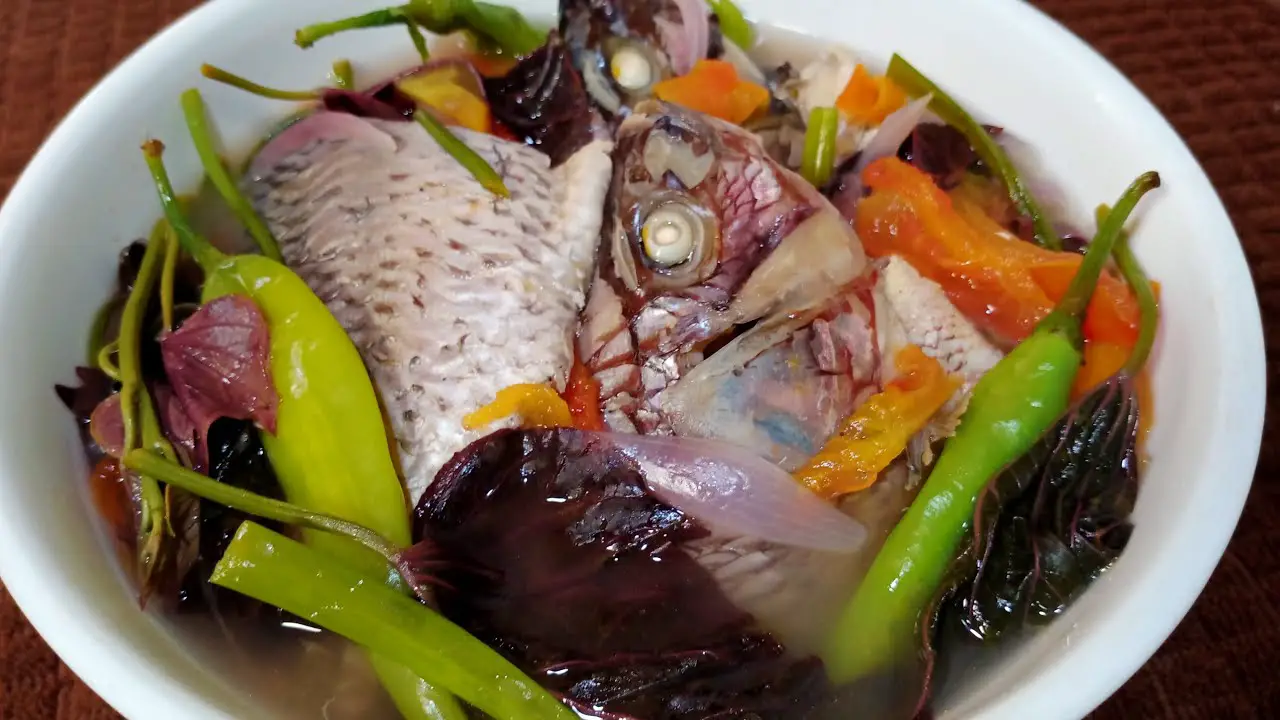
    For a comforting and nourishing meal, try the ‘Quick and Easy Sinabawang Isda at Gulay Recipe to Try Today’ with its flavorful broth, fresh fish, and vibrant vegetables—a perfect choice for a cozy dinner or quick lunch fix. Elevate your home cooking experience with this delightful dish and enjoy a taste of Filipino culinary tradition by following the simple steps outlined in the recipe.

    Key Takeaways

    • Enhance flavor and nutrition with vegetables, seasonings, and seafood for a hearty and delicious meal.
    • Serve with garnishes like calamansi and malunggay leaves, accompanied by rice, fish sauce, and pickled vegetables.
    • Experiment with variations like different seafood, vegetables, and flavorings to create unique and exciting dishes.
    • Present in a traditional clay pot, garnished with fried garlic, paired with steamed bok choy for a balanced dining experience.

    Ingredients for Sinabawang Isda at Gulay

    When preparing Sinabawang Isda at Gulay, gather mahi-mahi fillets, sweet potato tops, ginger, tomatoes, and onions for an authentic and nutritious dish.

    The fish, mahi-mahi, provides a rich source of protein, while the sweet potato tops, ginger, tomatoes, and onions add essential vitamins and flavors to the meal.

    This combination creates a low-calorie option that pairs perfectly with warm white rice.

    If sweet potato tops are unavailable, substitutes like kangkong, spinach, or malunggay leaves can be used.

    Preparation Steps for Sinabawang Isda at Gulay

    To begin preparing Sinabawang Isda at Gulay, gather all your ingredients and ensure they’re washed and chopped accordingly. Start by boiling water in a pot and adding tomatoes, ginger, onion, and fish to create the flavorful base for your fish soup. Let it simmer until the fish is almost cooked through.

    Then, add sweet potato tops to enhance the nutrition and texture of the dish. This simple and quick recipe is perfect for a satisfying and wholesome meal.

    The combination of fresh fish and vegetables not only makes Sinabawang Isda at Gulay delicious but also a nutritious option for any mealtime. Get ready to enjoy a hearty bowl of traditional Filipino fish soup!

    Cooking Sinabawang Isda

    Ingredients Needed

    In preparing Sinabawang Isda at Gulay, gather mahi-mahi fillets, sweet potato tops, ginger, tomato, and salt as essential ingredients in Filipino Cuisine.

    The mahi-mahi fillets provide a good source of protein, while the sweet potato tops offer essential vitamins and minerals.

    Adding ginger and tomato not only enhances the flavor but also boosts the dish’s nutritional value with their antioxidants.

    This low-calorie meal pairs perfectly with warm white rice for a satisfying meal.

    The combination of fish and vegetables in Sinabawang Isda at Gulay creates a well-balanced and healthy meal choice that’s popular in Filipino cooking traditions.

    Cooking Process Steps

    After gathering the essential ingredients for Sinabawang Isda at Gulay, it’s time to start the cooking process by boiling water with tomatoes, ginger, and onion for 5 to 8 minutes. Next, cook fresh mahi-mahi fillets for 8 to 10 minutes over medium heat. Season the dish with salt, then add kamote tops and cook for an additional 1 to 2 minutes.

    Below is a table summarizing the cooking process steps for Sinabawang Isda at Gulay.

    Cooking Process Steps Time Required
    Boil water with tomatoes, ginger, and onion 5-8 minutes
    Cook mahi-mahi fillets 8-10 minutes
    Add kamote tops and season with salt 1-2 minutes
    Serve with warm white rice

    Enjoy this traditional Filipino dish with your loved ones!

    Serving Suggestions

    For a delightful presentation, garnish your Sinabawang Isda at Gulay with chopped green onions or cilantro to add a burst of freshness to the fish and vegetable soup. Serve it hot to savor its comforting flavors fully.

    For an extra zing, squeeze some calamansi or lemon over the dish for a citrusy kick. Pair this hearty soup with steamed white rice to create a satisfying meal that will warm you up during cold weather or when you’re feeling under the weather.

    The combination of flavors and textures in Sinabawang Isda is best enjoyed when all components are fresh and well-balanced. So, gather your ingredients, cook up a pot of this delicious soup, and enjoy!

    Adding Vegetables to Sinabawang Isda

    To enhance the nutritional value and flavor profile of your Sinabawang Isda, consider incorporating a variety of vegetables like kamote tops. Vegetables not only add vitamins and minerals but also contribute to the overall taste and texture of the dish.

    Adding vegetables such as kamote tops provides fiber, which aids in digestion and promotes gut health. Moreover, these veggies bring vibrant colors to your Sinabawang Isda, making it visually appealing and appetizing.

    The combination of fish, vegetables, and a hint of fish sauce creates a well-rounded and satisfying meal that’s both delicious and nutritious. So, don’t hesitate to load up your Sinabawang Isda with an assortment of vegetables for a wholesome dining experience.

    Seasoning Sinabawang Isda

    Enhance the flavors of your Sinabawang Isda by expertly seasoning it with fish sauce and other common seasonings like salt and pepper. Adding a hint of calamansi or lemon can provide a delightful tangy twist to your dish.

    Seasoning Sinabawang Isda is a crucial step in achieving a delicious balance of flavors. You can adjust the seasonings based on your taste preferences, and some even opt to add a touch of sugar for a hint of sweetness.

    Remember to taste as you go and make necessary adjustments to ensure that the flavors are well-balanced. By carefully seasoning your Sinabawang Isda, you can enhance the natural tastes of the fish and vegetables, creating a savory and satisfying meal.

    Serving Sinabawang Isda at Gulay

    When serving Sinabawang Isda at Gulay, consider ideal portions to ensure everyone gets a satisfying bowl.

    Garnish with fresh calamansi or lemon for a burst of citrusy flavor that complements the dish.

    Accompany it with steamed white rice or add fish sauce and chili peppers for added depth of taste.

    Ideal Serving Portions

    For a satisfying meal, serve yourself a portion of Sinabawang Isda at Gulay that includes one fish fillet and a generous helping of vegetables. Here are some guidelines for ideal serving portions:

    1. Aim for a serving size ranging from 1 to 1.5 cups of the soup with fish and vegetables.
    2. Pair this dish with a serving of steamed white rice for a balanced meal.
    3. Adjust the portions according to your preferences and appetite.
    4. Utilize a bowl or a deep plate for serving to facilitate easy consumption of the flavorful broth and ingredients.

    Garnishing for Presentation

    To elevate the presentation of your Sinabawang Isda at Gulay, consider garnishing with a variety of fresh ingredients for added visual appeal and flavor. Here are some garnishing options that can enhance both the look and taste of your dish:

    Garnish Description
    Malunggay leaves Provides a nutritional boost
    Chopped green onions Enhances visual appeal
    Calamansi or lemon Adds a zesty and refreshing flavor
    Black pepper Provides a subtle kick to the dish

    These simple garnishes not only make your Sinabawang Isda at Gulay visually appealing but also add depth of flavor to your dish. Try incorporating these suggestions to delight both the eyes and taste buds.

    Accompaniments for Variety

    Enhance your dining experience by offering various accompaniments to serve alongside your Sinabawang Isda at Gulay. Here are some Filipino food accompaniments to elevate your meal:

    1. Steamed White Rice: A staple that complements the soup and veggies, making it a satisfying meal.
    2. Fish Sauce Dipping Sauce: Mix fish sauce, calamansi, and chili peppers for an extra burst of flavor.
    3. Soy Sauce with Calamansi: An alternative dipping option for those who prefer a different taste.
    4. Fresh Herbs: Garnish with cilantro or green onions to add color and a touch of freshness to your dish.

    These accompaniments will add depth and variety to your Sinabawang Isda at Gulay, enhancing the overall dining experience.

    Tips for a Delicious Sinabawang Isda

    When aiming for a delicious Sinabawang Isda, consider incorporating malunggay leaves for a nutritious twist. The high vitamin content in malunggay leaves not only adds a nutritional boost but also complements the flavors of the dish. Serving the Sinabawang Isda hot is recommended, especially during cold weather or when you’re feeling under the weather, as it makes for a comforting meal.

    You can enhance the flavor profile by using fresh lemongrass leaves, which infuse a citrusy aroma into the broth. Additionally, if malunggay leaves are unavailable, baby bok choy can be a suitable alternative, providing green and leafy elements to the dish.

    Tips for Delicious Sinabawang Isda
    Incorporate malunggay leaves for a nutritious twist
    Serve hot for a comforting meal during cold weather
    Enhance flavor with fresh lemongrass leaves
    Substitute with baby bok choy if malunggay is unavailable

    How Does Sinabawang Isda at Gulay Differ from Bulanglang Na Gulay in Terms of Flavor and Preparation?

    When it comes to flavor and preparation, Sinabawang Isda at Gulay and Bulanglang Na Gulay differ in several ways. Sinabawang Isda at Gulay often has a clearer broth with a lighter, more delicate flavor while Bulanglang Na Gulay tends to be more intense and sour due to the use of tamarind. You can find a detailed Batangas bulanglang na gulay tutorial online for the precise preparation method.

    Variations to Try in Sinabawang Isda

    Consider exploring different combinations of seafood and vegetables to create exciting variations in your Sinabawang Isda. Here are some never-seen options to elevate your dish:

    1. Seafood Medley: Mix in shrimp or squid with your fish for a delightful seafood blend.
    2. Vegetable Mix: Experiment with vegetables like squash, okra, or green beans to add new flavors and textures.
    3. Citrus Twist: Enhance the taste by squeezing calamansi or lemon over your Sinabawang Isda before serving.
    4. Creamy Delight: Try using coconut milk for a creamy twist on the traditional recipe, giving your dish a unique and rich taste.

    Frequently Asked Questions

    Can I Use Frozen Fish Instead of Fresh Fish for This Recipe?

    Yes, you can use frozen fish instead of fresh fish for this recipe. Just make sure to thaw it properly before cooking. Frozen fish can be a convenient option and still work well in sinabawang isda at gulay.

    Is It Okay to Substitute the Fish With a Different Type of Seafood, Like Shrimp or Squid?

    Yes, you can substitute the fish with shrimp or squid for a different twist. Both options work well in sinabawang isda at gulay. Adjust cooking times accordingly to ensure they are cooked through. Enjoy your seafood soup!

    How Long Can Sinabawang Isda at Gulay Be Stored in the Refrigerator?

    You can store sinabawang isda at gulay in the refrigerator for up to 3 days. Make sure to keep it in an airtight container to maintain freshness. Reheat thoroughly before enjoying the delicious flavors again.

    Can I Freeze Leftover Sinabawang Isda at Gulay for Later Consumption?

    Yes, you can freeze leftover sinabawang isda at gulay for later. Simply transfer it to airtight containers or freezer bags, label with date, and store in the freezer for up to 2-3 months. Reheat when ready to enjoy.

    Are There Any Alternative Vegetables That Can Be Used in Place of the Ones Listed in the Recipe?

    You can switch up the veggies in your sinabawang isda at gulay. Substitute with choices like squash, green beans, or cabbage. Just chop ’em up and toss ’em in for a tasty twist on the classic dish.

    Conclusion

    Enjoy a quick and easy meal with sinabawang isda at gulay today. Packed with protein and essential vitamins, this Filipino dish is both nutritious and delicious.

    Follow the simple steps outlined in the recipe to create a flavorful and satisfying meal that’s perfect for a balanced diet.

    Try this recipe for a taste of traditional Filipino cuisine that will surely satisfy your taste buds.
  • Boiled Okra and Eggplant Mastery: Cooking Tips and Tricks Delicious Apan-Apan

    Boiled Okra and Eggplant Mastery: Cooking Tips and Tricks Delicious Apan-Apan

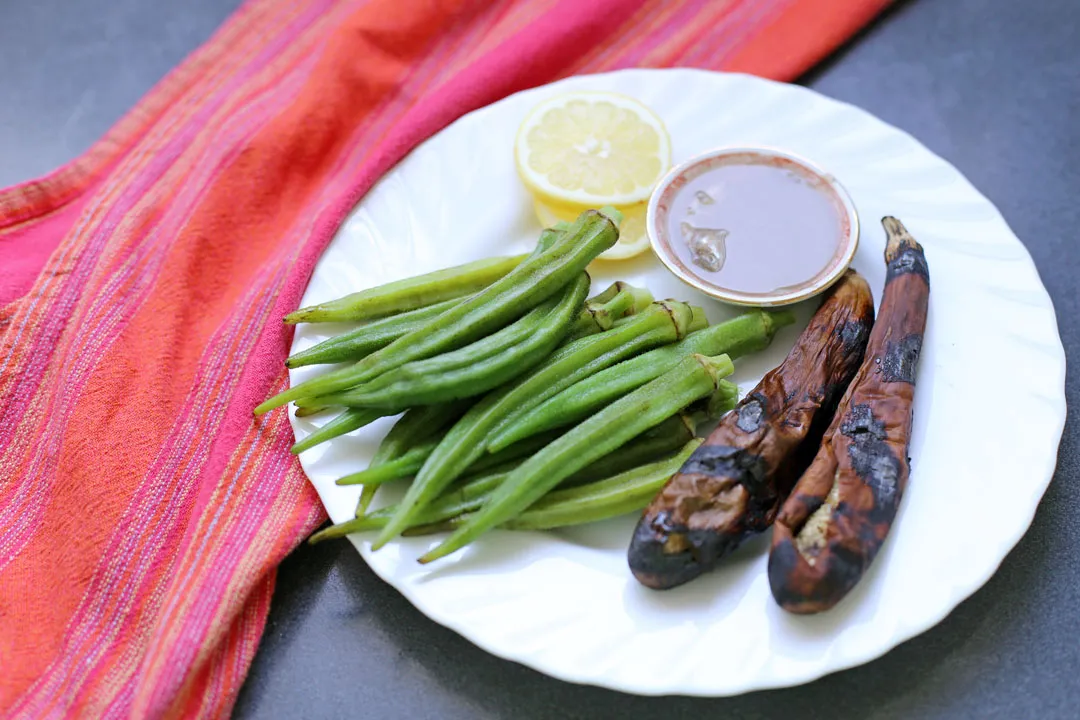
    Boil okra and eggplant separately for optimal texture and flavor, then enjoy them with a flavorful Bagoong dipping sauce to elevate your culinary experience. Experiment with various herbs, spices, and ingredient combinations to create exciting Pinoy vegetarian dishes that are both delicious and nutritious.

    Key Takeaways

    • Boil okra and eggplant separately for optimal texture and flavor.
    • Prepare Bagoong dipping sauce to complement the vegetables.
    • Customize cooking times for preferred doneness and enjoyment.
    • Experiment with various herbs, spices, and ingredient combinations for exciting Pinoy vegetarian dishes.

    Prep and Wash Okra and Eggplant

    To ensure a successful cooking process, start by thoroughly washing and trimming the okra and eggplant.

    Vanjo Merano, the creator of the popular Filipino Food website, introduced a delightful way to enjoy these hearty vegetables by boiling them to perfection. Bagoong, a Filipino condiment made from fermented fish, complements these veggies excellently.

    Begin by washing the okra and eggplant under running water to remove any dirt. Trim the ends to ensure even cooking. Pat dry the vegetables to prevent excess water during the cooking process.

    Cutting the okra into bite-sized pieces and slicing the eggplant into rounds or wedges makes for easy serving. This large cooking preparation step is essential for a smooth and efficient cooking experience.

    Boil Vegetables to Perfection

    How can you ensure your okra and eggplant are boiled to perfection for a delightful culinary experience?

    To achieve vibrant green okra with a crisp texture, boil for 3-5 minutes. For tender and creamy eggplant, boil for 5 minutes.

    After boiling, blanching in ice water stops the cooking process, preserving flavors. Boiling vegetables retains their nutritional value and prepares them as a base for various dishes.

    Enhance the experience by serving with dipping sauces. Boiled vegetables serve as versatile ingredients for creating flavorful vegetable dishes.

    Master the art of boiling vegetables with these cooking tips to maintain color, texture, and taste while maximizing nutritional benefits for your meals.

    Make Flavorful Bagoong Dipping Sauce

    Pivot from the previous subtopic: When complementing your perfectly boiled okra and eggplant, a flavorful Bagoong dipping sauce can elevate your culinary experience. Bagoong, a Filipino vegetable dish, is a versatile condiment that adds savory taste and umami depth to your meal.

    You can adjust the dipping sauce to your liking by adding more bagoong monamon or bagoong isda, tomatoes, or onions. For a touch of acidity, squeeze some calamansi into the mixture or sprinkle a bit of sugar for sweetness. This dipping sauce enhances the mild flavors of the vegetables, creating a delicious contrast. Below is a table to guide you in making your delicious Bagoong dipping sauce:

    Ingredients Amount
    Bagoong monamon 3 tbsp
    Tomatoes 1 piece
    Onions 1/4 cup
    Calamansi 2 pieces
    Sugar Pinch

    Serve and Enjoy Apan-Apan Delights

    Enhance your dining experience by savoring the delightful flavors of Apan-Apan with a side of bagoong isda mixture and warm rice. Apan-Apan, a traditional Filipino dish, offers a simple yet satisfying meal option that’s both budget-friendly and customizable.

    The blanching process preserves the vibrant colors and crisp texture of the boiled okra and eggplant, ensuring a visually appealing dish every time. To make the most of this communal dining experience, serve Apan-Apan on a large plate for sharing among friends and family, adding a touch of warmth and togetherness to the meal.

    Enjoy the flavors and textures of this dish while relishing the joy of shared meals with your loved ones.

    1. Apan-Apan is a budget-friendly option for quick and delicious meals.
    2. Customizable cooking times allow you to achieve your preferred vegetable doneness.
    3. Serving Apan-Apan communally promotes sharing and connection during meals.

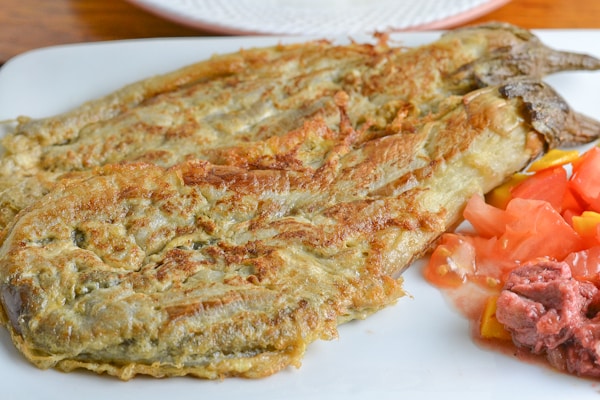
    Can I Use Boiled Okra and Eggplant in an Omelette?

    Yes, you can use boiled okra and eggplant in an omelette. Simply follow the eggplant omelette recipe tutorial for step-by-step instructions. The combination of these vegetables adds a unique and delicious flavor to the omelette. Enjoy experimenting with this tasty twist on a classic dish!

    Tips for Perfecting Pinoy Vegetarian Dishes

    To perfect Pinoy vegetarian dishes, start by sourcing fresh and high-quality vegetables for optimal flavor and texture. Enhance the taste of your dishes by incorporating a variety of herbs and spices.

    Experiment with different cooking techniques like grilling, roasting, or stir-frying to add depth to your recipes. Achieve flavor balance by combining sweet, salty, sour, and savory elements in your dishes.

    Keep your vegetarian meals exciting and delicious by trying new ingredient combinations. Don’t hesitate to get creative in the kitchen to make your vegetarian dishes stand out.

    With these tips, you can create flavorful and satisfying vegetarian dishes that will impress even the most devout meat-lovers.

    Frequently Asked Questions

    How Many Minutes Do You Boil Okra?

    Boil okra for 3-5 minutes for a tender, slightly crisp texture. Be mindful of not overcooking to avoid sliminess. After boiling, blanch in ice water to retain the green color. Enjoy with bagoong sauce for a flavorful dish.

    What Is the Best Cooking Technique for Okra?

    To cook okra perfectly, blanch it in boiling water for 3-5 minutes. Don’t overcook to avoid slime. Experiment with grilling, stir-frying, or roasting. Find your favorite way to enjoy okra while preserving its crunch and vibrant color.

    How Do You Prepare Okra Before Cooking?

    Before cooking okra, wash it thoroughly, trim the stems, and consider slicing it to reduce sliminess. Soak in vinegar or lemon water, pat dry to remove excess moisture. Always remember these steps for perfectly prepared okra.

    Why Do You Rub Okra With Salt?

    You rub okra with salt to reduce sliminess. Salt draws out moisture, giving a firmer texture. It makes okra more appealing by seasoning it inside out. Enhancing flavor and texture, this common practice improves the overall okra dish experience.

    Conclusion

    In conclusion, mastering the art of cooking boiled okra and eggplant with delicious apan-apan is easy and rewarding.

    With simple ingredients and easy-to-follow steps, you can create a budget-friendly and flavorful Filipino dish in under 20 minutes.

    The bagoong dipping sauce adds an extra kick of flavor to this satisfying meal that pairs perfectly with warm rice.

    Try out this recipe today and impress your family and friends with your culinary skills!

  • Step-By-Step Guide to Perfecting Dinengdeng With Bilong-Bilong

    Step-By-Step Guide to Perfecting Dinengdeng With Bilong-Bilong

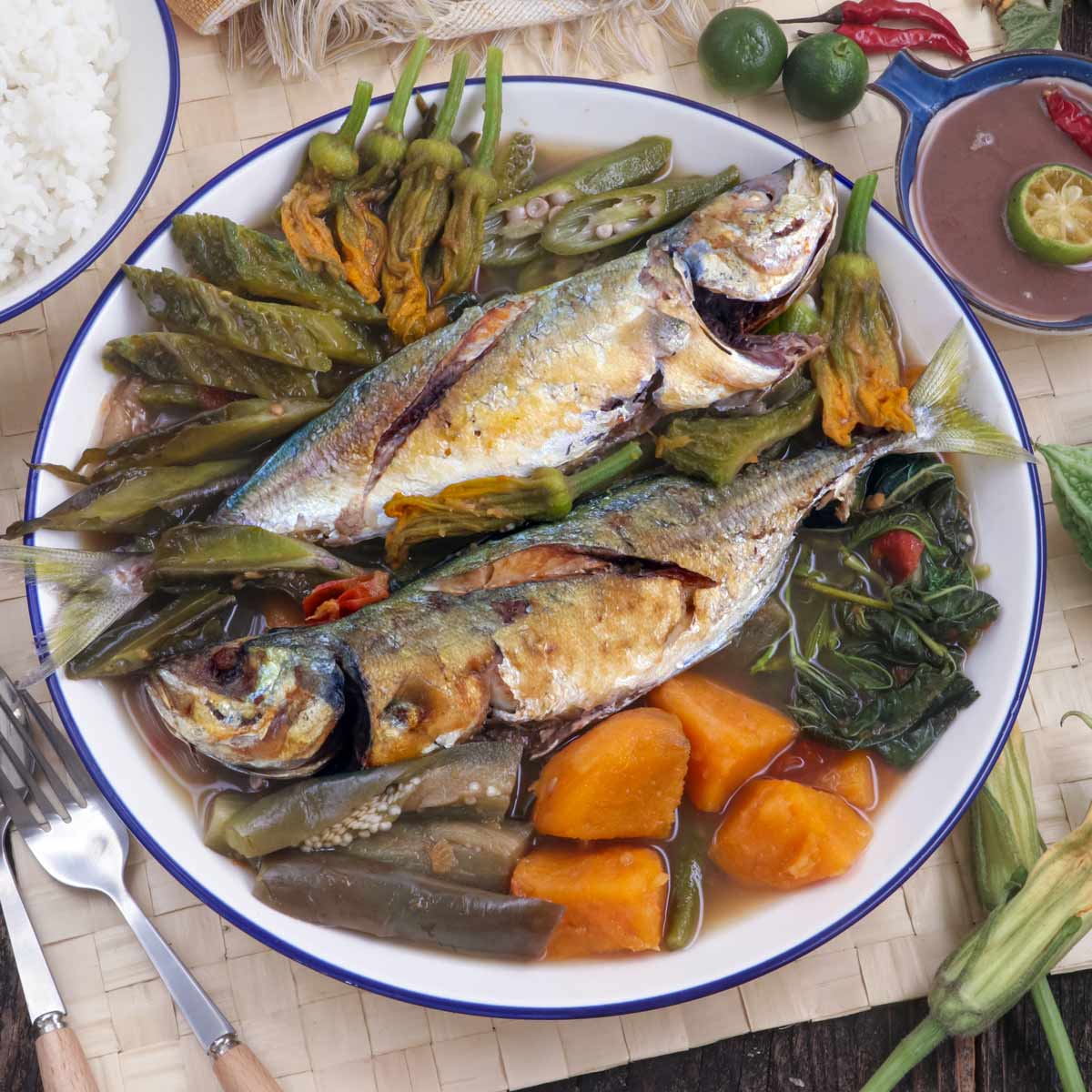
    Perfecting Dinengdeng with Bilong-Bilong is made easy with our simplified guide. Select fresh ingredients, follow detailed instructions, and enjoy a flavorful Filipino dish celebrating Ilocos’ culinary heritage.

    Key Takeaways

    • Enhance dinengdeng with nutritious bilong-bilong for added flavor and texture.
    • Carefully select and prepare fresh ingredients for optimal taste and quality.
    • Elevate flavors with rich umami taste and distinctive kick from bilong-bilong.
    • Serve hot dinengdeng with complementary sides for a delicious and healthy meal.

    Benefits of Adding Bilong-Bilong

    Adding bilong-bilong to your dinengdeng not only enhances its nutritional value but also introduces a unique flavor and texture to the dish.

    This traditional Ilocano ingredient, also known as bamboo shoots, is rich in fiber, vitamins, and minerals, boosting the overall health benefits of the dish.

    The crunchy texture of bilong-bilong adds a delightful contrast to the soft vegetables commonly found in dinengdeng, creating a satisfying mouthfeel.

    Moreover, including bilong-bilong in your dinengdeng brings a fresh and earthy flavor profile to the recipe, giving it a distinct taste that complements the other ingredients.

    Embracing this traditional ingredient not only elevates the authenticity of your dish but also contributes to its nutritional value and overall appeal.

    Selecting Fresh Ingredients

    When selecting fresh ingredients for your dinengdeng, ensure you pick vibrant vegetables and high-quality condiments to enhance the overall flavor of the dish.

    • Choose fresh and vibrant vegetables like malunggay leaves, squash flower, okra, string beans, and ampalaya for the best flavor in your dinengdeng.
    • Look for firm, unblemished vegetables to ensure they’re at their peak freshness and will enhance the overall dish.
    • Opt for high-quality bagoong isda (fermented fish sauce) to add depth and savory richness to your dinengdeng.

    Preparing the Vegetables

    Now, let’s get started on preparing the vegetables for your delicious dinengdeng.

    Wash and chop the malunggay leaves, squash flowers, okra, string beans, and ampalaya to the desired size.

    Remember to handle them with care, ensuring they’re fresh, clean, and free from any imperfections.

    Vegetable Selection Tips

    For the best results in preparing your Dinengdeng, begin by carefully selecting fresh and vibrant vegetables that will enhance both the flavor and texture of your dish. When choosing vegetables for this Filipino Cuisine vegetable dish, opt for traditional vegetables like squash flower, ampalaya, and malunggay.

    To ensure even cooking and an attractive presentation, cut the vegetables into uniform sizes. This step not only improves the aesthetics but also helps in the cooking process.

    Proper Washing Techniques

    To ensure your Dinengdeng is prepared with the freshest ingredients, begin by thoroughly washing the vegetables using proper techniques. In Filipino Cuisine, particularly in the Ilocos region, where this vegetable dish originates, cleanliness is crucial for an authentic taste.

    Rinse the malunggay leaves under running water to get rid of any dirt. Soak the squash flowers in water, gently agitating them to remove impurities. Scrub the okra with a vegetable brush, ensuring a clean surface. Trim and wash string beans in a colander to remove any dirt.

    After washing, pat the vegetables dry with a clean kitchen towel to eliminate excess water before cooking. Following these steps will help you achieve the traditional flavors recommended by experts like Vanjo Merano.

    Ideal Cutting Methods

    After ensuring your vegetables are properly washed, the ideal cutting methods play a crucial role in preparing the ingredients for your flavorful Dinengdeng dish. To achieve perfection, follow these cutting tips:

    • Uniform Cuts: Ensure vegetables are uniformly cut to promote even cooking.
    • Bitter Gourd Technique: Soak bitter gourd in saltwater to reduce bitterness in your dish.
    • Layering Vegetables: Add longer-cooking vegetables first to allow them to cook properly.

    Adopting these cutting methods won’t only enhance the flavors and textures of your vegetables but also contribute to the overall perfection of your Dinengdeng.

    Cooking the Dinengdeng

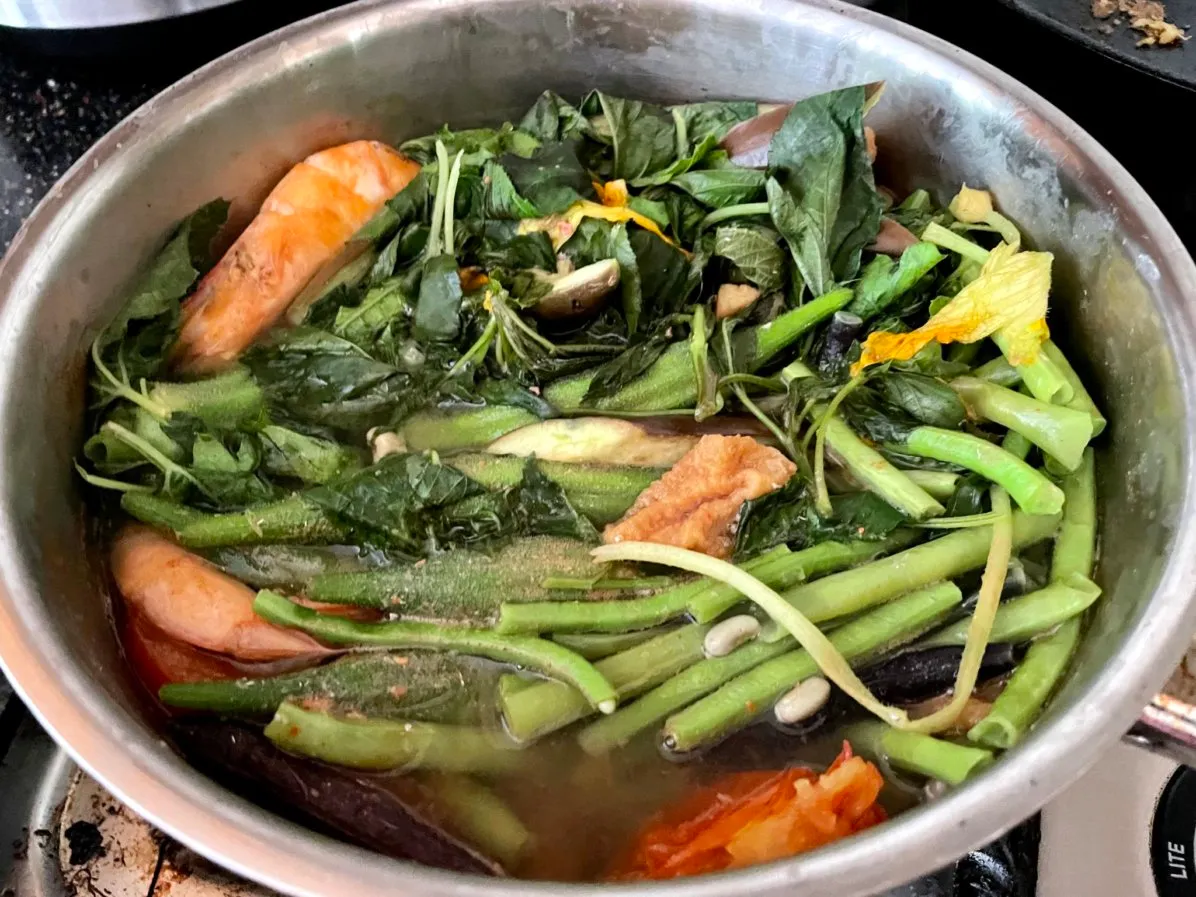
    Create a flavorful base for your Dinengdeng by boiling water with ginger, onion, and tomato. Add bagoong isda, okra, and string beans. Cook for 7-10 minutes to let the flavors meld together. Include ampalaya for a slightly bitter taste. Continue cooking and add squash flower and malunggay leaves to enhance the visual appeal and nutrition.

    Lastly, integrate grilled milk fish at the end. Here is a table to summarize the cooking process:

    Cooking Process Different Vegetables
    Boil water with ginger, onion, and tomato Bagoong isda, okra, string beans
    Cook for 7-10 minutes Include ampalaya
    Add squash flower and malunggay leaves Integrate grilled milk fish at the end

    Cook your Filipino vegetable dish with the fried fish on top for a delightful meal.

    Enhancing Flavors With Bilong-Bilong

    For an added depth of flavor in your Dinengdeng, consider incorporating the traditional ingredient, Bilong-Bilong, known for its rich umami profile. Bilong-bilong, a fermented fish paste used in Ilocano cuisine, enhances the overall taste experience of the dish by providing a unique and savory kick.

    Here are some ways it can enhance your Dinengdeng:

    • Adds a rich umami flavor to the dish
    • Creates a distinctive and authentic taste
    • Elevates the overall flavor profile with its traditional touch

    Can I Use Bilong-Bilong in Crab and Corn Chopsuey?

    Yes, you can definitely use bilong-bilong in your crab and corn chopsuey. In fact, adding bilong-bilong can bring a unique flavor to the dish. For a perfecting crab and corn chopsuey tutorial, be sure to include bilong-bilong as one of the essential ingredients for a delicious and authentic taste.

    Serving and Enjoying Your Dish

    When serving your dinengdeng, remember to plate it attractively for a pleasing presentation.

    Enhance the flavors by incorporating fresh herbs like malunggay into your dish.

    Consider pairing your dinengdeng with different options to elevate your dining experience.

    Plating Techniques for Presentation

    Enhancing the visual appeal of your Dinengdeng with Bilong-Bilong can be achieved by skillfully arranging the colorful vegetables and fish in a shallow bowl or plate. To make your dish visually enticing, consider the following:

    • Experiment with Plating Styles: Try different approaches like layering ingredients or creating symmetrical designs.
    • Garnish with Herbs: Add a pop of green and freshness by garnishing with fresh malunggay leaves or chopped herbs.
    • Add Citrusy Touch: Enhance the flavors by including a slice of lemon or calamansi on the side for a citrusy kick.

    Enhancing Flavors With Herbs

    Enhance the enjoyment of your Dinengdeng by incorporating a variety of herbs that not only elevate the flavors but also add nutritional value and visual appeal to your dish.

    Consider adding malunggay leaves for a unique taste and added nutrients. Freshly picked herbs like squash flower can enhance the visual appeal, making your dish more inviting.

    Infuse your Dinengdeng with a warm and spicy flavor profile by including aromatic herbs such as ginger.

    Don’t forget about herbs like okra and string beans, which not only contribute to the overall flavor but also provide texture and nutrients.

    Pairing Options for Dinengdeng

    To fully savor and appreciate your Dinengdeng, consider exploring various pairing options that complement the flavors of this traditional dish. You can enhance your dining experience by trying out these suggestions:

    • Pairing Options:
    • Enjoy Dinengdeng with a simple dipping sauce made of vinegar, soy sauce, and chili peppers.
    • Serve Dinengdeng with a side of sliced fresh tomatoes and onions drizzled with fish sauce for a complete meal.
    • Try pairing Dinengdeng with crispy fried pork belly or grilled pork skewers to add flavor and protein to your dish.

    These pairing options can elevate the taste of Dinengdeng and provide a more fulfilling dining experience.

    Frequently Asked Questions

    What Is the Best Partner of Dinengdeng?

    Grilled or fried fish, like milkfish or bangus, is the best partner for Dinengdeng. It complements the vegetable flavors, adding a savory touch. The fish provides protein and omega-3s, while the veggies offer essential nutrients for a balanced meal.

    What Is the Difference Between Dinengdeng and Pinakbet?

    In Dinengdeng, fish is the traditional protein choice, creating a soupy texture. Pinakbet, on the other hand, uses pork and is sautéed with less water. Dinengdeng is seen as a healthier option due to its lower fat content.

    Conclusion

    Now that you have followed this step-by-step guide to perfecting dinengdeng with bilong-bilong, you’re ready to enjoy a delicious and nutritious Filipino dish bursting with traditional flavors.

    Remember to select fresh ingredients, prepare the vegetables with care, and enhance the flavors with bilong-bilong for an authentic taste experience.

    Serve up this dish with pride and savor every bite of this classic Filipino favorite. Enjoy!

  • How to Cook Ginisang Sitaw and Kalabasa

    How to Cook Ginisang Sitaw and Kalabasa

    To cook Ginisang Sitaw and Kalabasa, chop string beans and squash, sauté garlic and onions, then season with Knorr liquid seasoning and soy sauce for a flavorful Filipino dish. Incorporate fresh ingredients like parsley and ensure proper vegetable preparation for optimal taste and presentation.

    Key Takeaways

    • Incorporate fresh string beans and squash for a nutritious and budget-friendly dish.
    • Sauté garlic and onions to create a fragrant base for the vegetables.
    • Enhance flavors with Knorr liquid seasoning, soy sauce, and herbs like parsley.
    • Ensure proper preparation of vegetables for optimal taste and presentation.

    Ingredients for Ginisang Sitaw and Kalabasa

    To prepare Ginisang Sitaw and Kalabasa, gather fresh string beans and squash as the main ingredients. This Filipino dish is known for its savory flavors and nutritious qualities. The key to its delicious taste lies in the sautéing process, where the string beans and squash are cooked with garlic, onions, and other seasonings.

    By combining these simple yet flavorful ingredients, you can create a budget-friendly and wholesome meal that pairs perfectly with rice. Ginisang Sitaw and Kalabasa offer a great way to incorporate healthy vegetables into your diet while enjoying a traditional Filipino dish.

    Preparing the String Beans and Squash

    For optimal cooking results, ensure the string beans are chopped into 2-inch lengths and the squash is peeled, seeded, and cut into desired sizes before proceeding with the recipe. Here are some essential tips for preparing the string beans and squash:

    1. Chop String Beans: To ensure even cooking and easy eating, chop the string beans into 2-inch lengths.
    2. Peel and Seed Squash: Peel the squash to remove the tough outer layer and scoop out the seeds before cutting it into pieces.
    3. Rich in Fiber and Antioxidants: Both string beans and squash are rich in fiber, vitamins, and antioxidants, adding nutritional value to your dish.
    4. Crunchy Texture: String beans, or sitaw, contribute a crunchy texture to the dish, enhancing its overall appeal.

    Cooking Process for Ginisang Sitaw and Kalabasa

    After preparing the string beans and squash, the next step in cooking Ginisang Sitaw and Kalabasa involves sautéing garlic and onions to build flavor before adding the vegetables. This process creates a fragrant base for the dish, enhancing its overall taste. Below is a table illustrating the cooking process for Ginisang Sitaw and Kalabasa:

    Cooking Process for Ginisang Sitaw and Kalabasa
    1. Heat oil in a pan over medium heat.
    2. Sauté garlic and onions until fragrant.
    3. Add string beans and kalabasa to the pan.

    Seasoning and Flavoring the Dish

    When seasoning and flavoring the dish, remember to balance the flavors with salt, pepper, and your preferred seasonings for a delicious outcome. Here are some tips to enhance the taste of your Ginisang Sitaw and Kalabasa:

    1. Use Knorr liquid seasoning: Add a few drops of Knorr liquid seasoning for an extra boost of flavor.
    2. Incorporate soy sauce or fish sauce: These ingredients can bring depth and umami taste to the dish.
    3. Add garlic and onions: Sautéed vegetables benefit from the savory base and aroma provided by garlic and onions.
    4. Experiment with herbs: Try parsley, basil, or cilantro to elevate the dish and introduce a touch of freshness.

    Remember to adjust the seasoning according to your taste preferences while keeping the overall balance of flavors in mind.

    Tips for Perfect Ginisang Sitaw at Kalabasa

    To perfect your Ginisang Sitaw at Kalabasa, ensure you have the right cooking tools handy for efficient preparation. Properly trim and cut your vegetables for even cooking and appealing presentation.

    Balance the flavors using salt, pepper, and soy sauce to uplift the taste without overshadowing the natural goodness of the string beans and squash.

    Cooking Tools Needed

    For perfect Ginisang Sitaw at Kalabasa, ensure you have the necessary cooking tools like a pan, knife, cutting board, and stirring utensil. Here are the essential tools you’ll need:

    1. Pan with Lid: A good quality pan with a lid is crucial for sautéing and simmering the vegetables evenly.
    2. Sharp Knife: Use a sharp knife to cut the squash and string beans into uniform sizes for a visually appealing dish.
    3. Cutting Board: A stable cutting board provides a surface for efficient ingredient prep.
    4. Stirring Utensil: A reliable stirring utensil helps in evenly cooking and mixing the vegetables and meat in the pan.

    Make sure you have these tools ready before starting to cook your delicious Ginisang Sitaw at Kalabasa.

    Vegetable Preparation Tips

    Ensure your kalabasa is peeled and chopped into desired sizes for even cooking in your Ginisang Sitaw at Kalabasa dish.

    String the sitaw and chop them into 2-inch lengths to maintain a crunchy texture.

    Preparing the vegetables in advance guarantees even cooking and vibrant colors. Properly chopped vegetables not only enhance even cooking but also contribute to a visually appealing dish.

    Taking the time to prep your vegetables correctly is crucial for the overall taste and presentation of your ginisang sitaw at kalabasa.

    Seasoning and Flavors

    For a savory and flavorful Ginisang Sitaw at Kalabasa, season your dish with salt, pepper, and Knorr liquid seasoning.

    To enhance the flavors, add a dash of soy sauce and Worcestershire sauce.

    For a touch of sweetness, incorporate a hint of sugar or honey.

    Elevate the dish by infusing it with the aromatic essence of sesame oil or fish sauce.

    Experiment with herbs such as parsley or cilantro to introduce a fresh and herbaceous note to your dish.

    The right combination of seasoning and flavors will elevate your Ginisang Sitaw at Kalabasa to a whole new level, making it a delicious and satisfying meal for you and your loved ones.

    Serving Suggestions for the Dish

    Enhancing the presentation of Ginisang Sitaw and Kalabasa can be achieved by incorporating simple yet effective serving suggestions.

    Serve this delicious Filipino dish on a clean serving plate to showcase its vibrant colors. Pair it with steamed rice to create a well-rounded meal.

    Adding a side dish of fish sauce or soy sauce with calamansi will elevate the flavors with a hint of umami and acidity. Sprinkle some crispy fried garlic on top for an extra burst of flavor and texture.

    For a finishing touch, garnish with freshly chopped spring onions or cilantro to add a pop of color and freshness. These serving suggestions won’t only enhance the dish visually but also elevate its taste profile.

    Can I Use the Same Cooking Method for Ginisang Upo as I Would for Ginisang Sitaw and Kalabasa?

    Yes, you can use the same cooking method for ginisang upo as you would for ginisang sitaw and kalabasa. For a delicious ginisang upo recipe, simply sauté garlic, onions, and tomatoes before adding the sliced upo and other vegetables. Season with salt, pepper, and a bit of fish sauce for added flavor.

    Health Benefits of Ginisang Sitaw and Kalabasa

    Ginisang Sitaw and Kalabasa offer a range of health benefits due to their rich fiber content and high levels of essential vitamins. Here are some reasons why including these vegetables in your diet is beneficial:

    1. Fiber: Promotes digestive health and aids in weight management.
    2. Vitamins A and C: Support a healthy immune system and skin.
    3. Antioxidants: May help reduce the risk of chronic diseases.
    4. Low in Calories: Nutritious choice for weight-conscious individuals.

    Frequently Asked Questions

    How Many Calories Are There in Ginisang Kalabasa at Sitaw?

    In Ginisang Kalabasa at Sitaw, the calorie count typically falls between 150-200 calories. Variations may occur based on serving size and ingredients. This dish is relatively low-cal compared to other Filipino dishes, with calories mainly from squash, string beans, and added fats.

    How Many Calories Does Ginataang Kalabasa Have?

    Ginataang Kalabasa typically contains 150-200 calories. It varies based on ingredients and serving size. This dish, rich in nutrients and coconut milk, offers vitamins, minerals, and healthy fats. Enjoy it in moderation for a tasty addition to your diet.

    Conclusion

    In conclusion, cooking Ginisang Sitaw and Kalabasa is a simple and delicious way to enjoy a nutritious Filipino dish.

    By combining string beans, squash, and pork with flavorful seasonings, you can create a satisfying meal that’s both hearty and flavorful.

    Whether enjoyed on its own or paired with rice, this dish is sure to please your taste buds and provide you with a taste of traditional Filipino cuisine.

  • Master the Art of Cooking Ginisang Pechay at Home

    Master the Art of Cooking Ginisang Pechay at Home

    Cooking Ginisang Pechay at home is simple and rewarding, requiring fresh ingredients and basic steps for a delicious Filipino meal. Customize with meat or tofu, experiment with seasonings, and enjoy a well-balanced dish with rice.

    Key Takeaways

    • Use fresh pechay and sauté ingredients thoroughly for flavorful Ginisang Pechay.
    • Garnish with green onions and pair with rice for a well-balanced meal.
    • Customize with meat, tofu, or shrimp for diverse variations.
    • Experiment with seasonings and vegetables to create unique and nutritious versions.

    Ingredients for Ginisang Pechay

    To prepare Ginisang Pechay at home, gather fresh pechay, ground pork, oyster sauce, garlic, and cooking oil as the essential ingredients.

    When cooking, start by heating a pan over medium heat. Add a small amount of cooking oil to the pan. Begin by browning the ground pork, ensuring it’s cooked through.

    Next, add minced garlic to infuse flavor into the pork. Once the pork is cooked and the garlic is fragrant, incorporate the fresh pechay into the pan.

    Stir-fry the ingredients together until the pechay wilts slightly but remains vibrant green. To enhance the flavors, drizzle oyster sauce over the mixture and continue to cook for a few more minutes.

    This combination of ingredients creates a delicious and nutritious dish.

    Cooking Steps for Ginisang Pechay

    Sauteing garlic, onion, and tomato creates a flavorful base for cooking Ginisang Pechay at home. To prepare this delicious dish, follow these simple steps:

    • Heat oil in a medium pan.
    • Add garlic, onion, and tomato; sauté until fragrant.
    • Include your choice of sliced pork belly or ground pork; cook until browned.
    • Pour fish sauce for seasoning.
    • Add fresh pechay and a sprinkle of ground black pepper.
    • Simmer the ingredients for 10-15 minutes to let the flavors blend.

    Enjoy your Ginisang Pechay with warm white rice or a side of fried fish for a satisfying meal.

    Tips for Perfecting Ginisang Pechay

    For best results in perfecting Ginisang Pechay, remember to use fresh and vibrant pechay for optimal flavor and texture.

    When cooking this traditional Filipino food, start by heating cooking oil and sautéing ground pork until golden brown. Make sure not to overcook the pechay to maintain its crispness and vibrant green color.

    Sauté garlic, onion, and tomato well to create a flavorful base for the dish.

    As you simmer the Bok Choy, allow it to wilt slightly to absorb the delicious flavors without turning mushy.

    Following these tips will help you create a delicious and well-balanced vegetable dish that will surely satisfy your taste buds.
    Serving Suggestions for Ginisang Pechay

    Consider garnishing your ginisang pechay with green onions to enhance its flavor profile and presentation.

    When serving this traditional Filipino cuisine, ensure the pork is tender and the Chinese cabbage is cooked to perfection by starting with oil in a pan.

    For a satisfying meal, pair ginisang pechay with a side of steamed rice.

    To create a well-balanced combination, consider serving it alongside fried fish or grilled meat.

    Elevate your dining experience by enjoying this dish with a cold glass of iced tea or a refreshing soda.

    Leftover ginisang pechay can be conveniently stored in an airtight container and reheated later for another delicious meal.

    What are the Different Ways to Cook Ginisang Vegetables at Home?

    One flavorful ginisang sigarilyas recipe involves sautéing chopped onion and garlic in oil before adding sliced sigarilyas and other mixed vegetables. Season with salt and pepper and stir-fry until the vegetables are tender yet crisp. Another way is to add shrimp or pork for added flavor to the dish.

    Variations of Ginisang Pechay

    Customize your Ginisang Pechay by incorporating various protein options such as chicken, tofu, or shrimp for a diverse Filipino culinary experience.

    In a pan over medium heat, cook pork until browned, then add your choice of protein and cook until done. Add pechay and let it cook until slightly wilted.

    Enhance the flavor and texture by adding mushrooms or bell peppers. For a vegetarian twist, substitute meat with tofu or seitan. Experiment with seasonings like soy sauce, chili flakes, or sesame oil to create unique variations.

    To finish, bring the mixture to a boil, then turn off the heat. Consider including other leafy greens like spinach or kale for added nutrition and taste in your Ginisang Pechay.

    Frequently Asked Questions

    Can I Use a Different Type of Leafy Green Vegetable Instead of Pechay in This Recipe?

    Yes, you can substitute pechay with other leafy greens like bok choy or spinach in this recipe. Just adjust cooking times accordingly and enjoy experimenting with different flavors and textures in your dish.

    How Long Can I Store Leftover Ginisang Pechay in the Refrigerator?

    You can store leftover ginisang pechay in the refrigerator for up to 3 days. Just make sure to transfer it to an airtight container. When reheating, add a splash of water to maintain the dish’s flavors.

    Is There a Way to Make This Recipe Spicier for Those Who Enjoy Extra Heat?

    If you want to add extra heat to your ginisang pechay, try tossing in some chopped chili peppers or a pinch of red pepper flakes during cooking. Adjust the amount based on your spice preference.

    Can I Add Meat or Protein to This Dish, and if So, What Would You Recommend?

    Yes, you can add meat or protein to Ginisang Pechay. A popular choice is pork, but you can also use chicken or tofu. Simply cook the meat first before adding the pechay to ensure everything is cooked through.

    Are There Any Alternative Cooking Methods for Making Ginisang Pechay, Such as Using an Air Fryer or Slow Cooker?

    Yes, you can explore alternative cooking methods for ginisang pechay. Try stir-frying in an air fryer for a crispy twist or simmering in a slow cooker for a hands-off approach. Experiment to find your favorite!

    Conclusion

    Now that you’ve mastered the art of cooking Ginisang Pechay at home, you can enjoy this delicious and comforting dish anytime you want.

    With just a few simple ingredients and easy cooking steps, you can create a flavorful meal that will surely satisfy your cravings.

    Don’t forget to experiment with different variations and serving suggestions to make it your own signature dish.

    Happy cooking!

  • Step-By-Step Guide to Cooking Ginataang Langka With Alimasag

    Step-By-Step Guide to Cooking Ginataang Langka With Alimasag

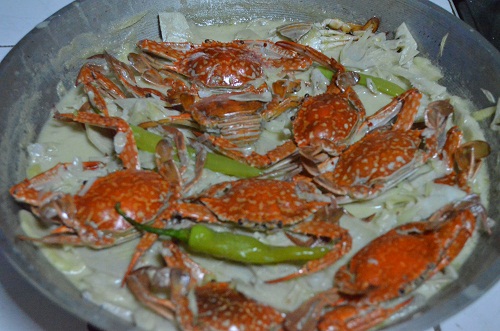
    To cook Ginataang Langka with Alimasag, you’ll need high-quality coconut milk for a creamy base and rich flavor. Clean and prepare crabs carefully for optimal taste and safety. Extract Alimasag meat gently for succulent and flavorful results. Properly handling ingredients ensures a delicious and high-quality dish.

    Key Takeaways

    • Use high-quality coconut milk for a creamy base and rich flavor.
    • Clean and prepare crabs carefully for optimal taste and safety.
    • Extract Alimasag meat gently for succulent and flavorful results.
    • Properly handling ingredients ensures a delicious and high-quality Ginataang Langka With Alimasag dish.

    Ingredients for Ginataang Langka With Alimasag

    To prepare Ginataang Langka With Alimasag, you’ll need a selection of fresh ingredients that come together to create a delicious and satisfying dish. One essential component is coconut milk, which forms the creamy base of this Filipino dish. The coconut milk not only adds richness but also infuses the dish with a subtle sweetness that complements the flavors of the crab and jackfruit.

    When simmered together, the coconut milk blends with the natural juices of the crab and young jackfruit, creating a velvety sauce that coats each ingredient in a luscious layer of flavor. Make sure to use high-quality coconut milk to achieve the perfect consistency and taste in your Ginataang Langka With Alimasag.

    Preparing the Alimasag

    When preparing the alimasag, make sure to clean the crabs thoroughly. Remove the shells carefully and prepare the crab meat for cooking. This process is crucial in ensuring that your dish turns out delicious and free from any unwanted bits.

    Taking the time to handle the alimasag properly will result in a flavorful and satisfying meal.

    Cleaning the Crabs

    Before starting, ensure you have removed the top shell and gills from the blue crabs and thoroughly rinsed them under cold running water. Discard the innards and use a small brush to scrub the shells and legs, removing any dirt. This step helps ensure the crabs are clean and free of debris.

    Additionally, trim any sharp points or edges on the crabs using kitchen shears for easier handling during cooking. Properly cleaning the crabs is crucial to preparing them for the Ginataang Langka with Alimasag recipe.

    Once cleaned, the crabs will be ready to be used in the dish, enhancing the overall flavor and quality of the final dish.

    Removing Shells Carefully

    After cleaning the crabs thoroughly, your next step in preparing the Alimasag for Ginataang Langka is to carefully remove the shells by gently pulling them apart. Use a kitchen towel or gloves to shield your hands from the sharp edges of the crab shells.

    Start by taking off the top shell of the alimasag to access the meat inside. Discard the innards after removing the top shell. Remember to handle the shells with care to avoid any accidents.

    Preparing Crab Meat

    To prepare the crab meat for Ginataang Langka, carefully extract the succulent Alimasag meat from the shells using a gentle pulling motion while ensuring to discard the innards and handle the shells with caution. Once you have separated the crab meat, you can incorporate it into the dish along with other ingredients. Here is a simple table to guide you through the preparation:

    Steps to Prepare Crab Meat Description Additional Tips
    Remove crab meat from shells Gently pull the Alimasag meat out of the shells Be thorough to get all the meat out
    Discard innards Remove any undesirable parts such as gills and organs Use a small spoon for precision
    Rinse crab meat Wash the meat under cold water Pat dry with paper towels

    Incorporating the prepared Alimasag meat into the ginataang langka along with coconut cream will enhance the flavor and richness of the dish.

    Preparing the Ginataang Sauce

    Saute garlic, onions, and ginger in oil until fragrant to begin preparing the Ginataang sauce for Ginataang Langka with Alimasag.

    After that, add coconut milk, green chilies, and cleaned paddle crabs to the sautéed mixture and bring it to a boil. Let it simmer for 8 minutes to meld the flavors together.

    Once done, remove the cooked crabs, set them aside, and introduce sliced young jackfruit to the sauce. Continue simmering the jackfruit over high heat until the coconut milk reduces and becomes oily.

    Next, add back the crabs and simmer for an additional 5 minutes. Finally, season the dish according to your taste before serving the delicious Ginataang Langka with Alimasag.

    Cooking the Alimasag

    For cooking the Alimasag, start by gently adding the cleaned paddle crabs into the simmering coconut milk mixture to infuse their sweet flavor into the dish. Cooking alimasag in coconut milk is essential as it helps maintain the crab meat’s tenderness and juiciness, enhancing its natural taste.

    The combination of alimasag and coconut milk creates a rich and creamy seafood flavor commonly found in dishes like ginataang langka. Simmering the alimasag in coconut milk allows the flavors to blend harmoniously, resulting in a savory and delicious outcome.

    Filipino cuisine often utilizes alimasag for its delicate and sweet taste when cooked in coconut milk, making it a popular choice for seafood dishes.

    Adding the Jackfruit (Langka)

    Now, let’s move on to incorporating the jackfruit (langka) into the dish to complement the flavors of the coconut milk-infused alimasag. Jackfruit adds a unique sweetness and texture to the curry, absorbing the rich coconut milk and spices. This versatile ingredient enhances the tropical and exotic taste of the dish, perfectly complementing the savory flavors of the crab.

    Below is a table that summarizes the key points about adding jackfruit to ginataang langka with alimasag:

    Jackfruit in Ginataang Langka
    Adds sweetness and texture
    Enhances tropical flavors
    Absorbs coconut milk and spices
    Complements savory crab
    Creates a flavorful combination

    Simmering to Perfection

    To achieve the desired flavors and tenderness in your ginataang langka with alimasag, simmer the dish gently in the flavorful coconut milk broth. Here are some key steps to simmering your dish to perfection:

    • Keep the heat low and steady to ensure the jackfruit and crab cook evenly.
    • Stir occasionally to prevent sticking and promote even distribution of flavors.
    • Simmer until the jackfruit is tender but not mushy, allowing it to soak up the coconut milk goodness.
    • Taste along the way and adjust seasoning if needed to balance the flavors.

    Can I Use Similar Ingredients in Gising-Gising and Ginataang Langka With Alimasag?

    Traditionally, the gisinggising cooking instructions don’t involve jackfruit or crab, yet a culinary twist can fuse Gising-Gising and Ginataang Langka with Alimasag. Both dishes revel in creamy coconut milk’s richness, so similar ingredients like long chilies and shrimp paste can harmonize these distinct Filipino flavors.

    Serving and Enjoying Your Dish

    When serving and savoring your Ginataang Langka with Alimasag, enhance the experience by pairing it with a side of steamed rice or garlic fried rice.

    The sweet jackfruit, creamy coconut milk, and savory crab flavors in this dish make for a delightful combination.

    For a finishing touch, garnish with fresh cilantro or spring onions to add a pop of color and freshness.

    Serve the Ginataang Langka with Alimasag hot and freshly cooked to enjoy the best flavor and texture.

    Share this unique Filipino dish with family and friends to introduce them to the delicious flavors of Filipino cuisine.

    Enjoy the blend of ingredients in every bite and savor the taste of this wonderful dish!

    Frequently Asked Questions

    Is Ginataang Langka Healthy?

    Yes, ginataang langka is healthy. It is rich in fiber, vitamins, and minerals from young jackfruit. Coconut milk adds healthy fats. Alimasag provides protein and essential nutrients. When balanced, it makes a wholesome and delicious meal choice.

    Where Did Ginataang Langka Come From?

    Ginataang Langka originated in the Philippines, blending young jackfruit and coconut milk to create its creamy, sweet flavor. It’s a beloved dish in Filipino cuisine, often enjoyed during special occasions for its unique taste.

    Conclusion

    Now that you have followed the steps to cook Ginataang Langka with Alimasag, you can enjoy a delicious and flavorful Filipino seafood dish that will surely satisfy your cravings.

    The creamy coconut milk sauce, combined with the tender crab and jackfruit, creates a unique and tasty experience for your taste buds.

    Serve this dish hot and enjoy the rich flavors that this recipe has to offer. Bon appétit!

  • What Are the Key Ingredients for Making Flavorful Burong Mustasa?

    What Are the Key Ingredients for Making Flavorful Burong Mustasa?

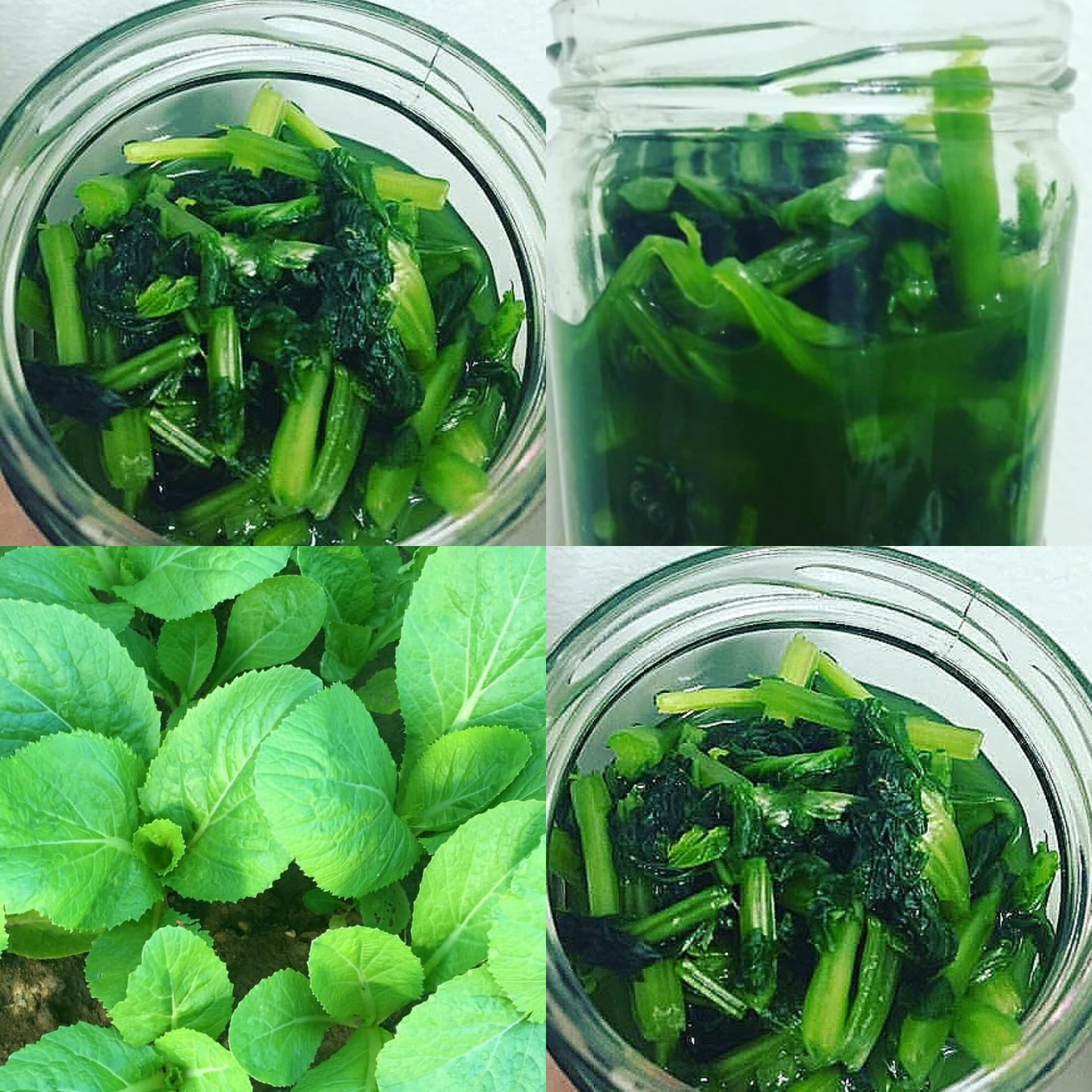
    To create flavorful Burong Mustasa, start with fresh mustard greens, salt, rice wash, garlic, ginger, sugar, red chili, and water. Layer these ingredients in a jar and ferment for 5-7 days to enjoy the tangy and slightly sour taste of this traditional Filipino dish.

    Key Takeaways

    • Mustard greens undergo unique transformation for a distinct taste profile.
    • Precision in salt measurement crucial for flavor balance and preservation.
    • Rice wash enhances tanginess and contributes to the unique flavor profile.
    • Garlic and ginger add depth, complexity, and aroma to burong mustasa.

    Mustard Greens

    If you want to create flavorful burong mustasa, you need to start with fresh mustard greens. These vibrant mustard leaves are essential for their peppery kick and rich nutrients.

    When combined with fermented rice, mustard greens undergo a transformation, developing a unique taste profile. The slightly bitter undertones of the leaves mellow out during the fermentation process, contributing to the overall complexity of the dish.

    The mustard leaves also provide a satisfying crunch, adding texture and depth to every bite of burong mustasa. Packed with vitamins A, C, and K, as well as minerals like calcium and iron, mustard greens not only enhance the flavor but also boost the nutritional value of this traditional fermented dish.

    Salt

    To enhance the flavor and preservation of your burong mustasa, salt is a fundamental ingredient that plays a vital role in the fermentation process. Salt isn’t only crucial for flavor but also acts as a preservative, ensuring your mustard greens are well-preserved.

    When measuring salt for your burong mustasa, precision is key to achieving the perfect balance of flavors in the final dish. Additionally, salt plays a crucial role in the fermentation process by preventing the growth of harmful bacteria, ensuring the safety of your fermented mustard greens.

    The type of salt you choose can significantly impact the overall taste and texture of your burong mustasa, so selecting the right one is essential for a delicious outcome.

    Rice Wash

    When preparing flavorful burong mustasa, incorporating rice wash is essential for enhancing the tanginess and depth of flavor in the pickled mustard greens.

    Here are some key points about rice wash:

    1. Rice wash, also known as rice water, is a crucial component in making burong mustasa.
    2. It’s produced by cooking rice in water and utilizing the starchy liquid for fermentation.
    3. The unique tanginess and depth of flavor in pickled mustard greens are attributed to the addition of rice wash.
    4. The natural enzymes and nutrients present in rice water play a vital role in the fermentation process of burong mustasa, aiding in the development of its characteristic taste and texture.

    Garlic

    Garlic plays a crucial role in enhancing the flavor of Burong Mustasa. It not only adds a robust and savory taste but also contributes to the fermentation process.

    Including garlic in the preparation of this dish elevates the overall taste experience by providing depth and complexity.

    Garlic’s Role in Flavor

    In crafting flavorful burong mustasa, garlic plays a vital role in enhancing the savory and aromatic notes of the dish. Here’s how garlic contributes to the overall flavor profile:

    1. Depth of Flavor: Garlic adds a layer of complexity to the taste of burong mustasa.
    2. Intensified Compounds: During fermentation, garlic’s natural compounds become more pronounced, infusing the dish with a rich essence.
    3. Balanced Taste: When combined with other seasonings, garlic helps create a well-balanced and robust flavor in the fermented mustard greens.
    4. Subtle Spiciness: The use of garlic in the recipe provides a subtle hint of spiciness, adding an extra dimension to the final product.

    Enhancing Fermentation Process

    To enhance the fermentation process of burong mustasa, incorporating garlic introduces additional layers of flavor and complexity. Garlic contributes a savory and aromatic element to the pickling solution, infusing the mustard greens with a rich taste. The inclusion of garlic helps balance out the tanginess and saltiness of the dish.

    Additionally, garlic contains allicin, a compound that may offer health benefits and contribute to the overall flavor profile of the fermented mustard greens. Fermenting garlic alongside the mustard greens can create a complex and robust flavor profile in the final dish.

    Benefits of Garlic in Fermentation Process
    Introduces additional flavors
    Contributes a savory and aromatic element
    Helps balance the tanginess and saltiness

    Ginger

    When it comes to ginger, you’ll be intrigued by its health benefits and various cooking techniques.

    Ginger not only adds a subtle spicy kick to Burong Mustasa but also brings a delightful aroma to the dish.

    Discover how to maximize the flavor potential of ginger in your culinary creations.

    Health Benefits of Ginger

    Ginger, with its renowned anti-inflammatory properties and bioactive compounds, offers a wide array of potential health benefits. Here are four key health benefits associated with consuming ginger:

    1. Reduced Muscle Pain: Ginger may help alleviate muscle pain and soreness, making it a useful addition to your post-exercise routine.
    2. Improved Digestion: Incorporating ginger into your diet could aid in digestion and help alleviate digestive discomfort.
    3. Nausea Relief: Ginger has been linked to reducing nausea and may be particularly helpful for individuals experiencing motion sickness or morning sickness.
    4. Potential Blood Sugar Regulation: Some studies suggest that ginger consumption could help lower blood sugar levels and contribute to better heart health.

    Cooking Techniques for Ginger

    Enhance your dishes with the spicy and warm flavor of ginger using various cooking techniques like slicing, mincing, grating, or julienning.

    Whether you want a subtle hint or a bold kick of flavor, ginger can elevate your culinary creations.

    Slicing ginger into thin strips is perfect for stir-fries, while mincing it finely enhances marinades and sauces.

    Grating ginger adds a burst of intense flavor to soups and curries, and julienning is ideal for salads or garnishes.

    Remember, cooking ginger at high temperatures can mellow its taste, while adding it towards the end retains its spiciness.

    You can also pickle ginger in a jar, candy it for a sweet treat, or use fresh ginger leaves to infuse dishes with its aromatic essence.

    Sugar

    Sugar plays a minimal role in the traditional preparation of flavorful burong mustasa, where the primary flavors stem from salt and the fermentation process. Here are some key points to consider regarding sugar in making burong mustasa:

    1. Sugar Exclusion: Traditional burong mustasa recipes don’t include sugar as an essential ingredient.
    2. Salt Dominance: The use of rock salt or iodized salt is crucial in brining the mustard leaves for the fermentation process.
    3. Flavor Development: The rice water used during fermentation contributes significantly to the unique taste of burong mustasa.
    4. Optional Additions: While ginger strips can be added for extra flavor, sugar isn’t a typical component in authentic burong mustasa recipes.

    Red Chili

    Red chili infuses a spicy kick into the flavorful burong mustasa, enhancing its taste profile with a subtle heat.

    Siling labuyo, a popular Filipino chili variety, is commonly used to achieve this spiciness.

    The red chili’s heat complements the tangy and sour flavors of the pickled mustard greens, creating a well-balanced combination of tastes.

    Depending on personal preference, the amount of red chili can be adjusted to control the level of spiciness in the burong mustasa.

    This ingredient plays a crucial role in providing that extra punch of flavor, making each bite of the pickled mustard greens a delightful experience for those who enjoy a bit of heat in their dishes.

    Can I Use Burong Mustasa as an Ingredient in Ginisang Upo With Kalabasa?

    Yes, you can use Burong Mustasa as an ingredient in Ginisang Upo with Kalabasa. Adding Burong Mustasa to your cooking ginisang upo recipe will give it a unique and delicious flavor. It will also provide added nutrients and probiotics to your dish.

    Water

    Water serves as the foundational element in crafting the brine solution essential for fermenting flavorful Burong Mustasa. When working with water for this process, consider the following:

    1. Cleanliness: Ensure the water used is clean and free from contaminants to maintain the quality of the final product.
    2. Rice Water: Utilize rice water, a byproduct of cooking rice, in the brine solution for its natural fermentation properties.
    3. Quantity: The amount of water incorporated into the brine solution directly impacts the texture and taste of the pickled mustard greens.
    4. Precision: Properly measure and incorporate water during the fermentation process to guarantee a successful and flavorsome outcome of Burong Mustasa.

    Frequently Asked Questions

    What Are the Different Types of Buro?

    When it comes to Buro, you’ll find variations like Burong Mangga, Burong Hipon, and Burong Mustasa. Each offers unique flavors and textures, from sweet mangoes to yeasty shrimp, and pickled mustard leaves with a kick.

    What Do Chinese Mustard Greens Taste Like?

    Chinese mustard greens have a spicy and slightly bitter taste akin to horseradish. They offer a unique pungent flavor with a mustard-like zing. Enjoy them raw in salads or cooked in various dishes for a flavorful experience.

    What Does Preserved Mustard Taste Like?

    Preserved mustard tastes tangy and slightly sour. Fermentation enhances the flavor, making it unique. Mustard leaves absorb brine, adding depth. The process mellows raw mustard’s sharpness, creating complexity. Balancing saltiness and sourness, it offers versatility.

    How Do You Preserve Mustard Greens?

    To preserve mustard greens, ferment them in a brine of salt and rice water. This process maintains nutrients, develops tangy flavor, and extends storage for up to 3 weeks. Fermenting creates burong mustasa, a probiotic-rich Filipino delight.

    Conclusion

    In conclusion, to make flavorful Burong Mustasa, you’ll need the following ingredients:

    • Mustard greens
    • Salt
    • Rice wash
    • Garlic
    • Ginger
    • Sugar
    • Red chili
    • Water

    By following the simple preparation method of layering the ingredients in a jar and allowing them to ferment for 5-7 days, you can enjoy the tangy and slightly sour taste of this traditional Filipino dish.

    Add Burong Mustasa to your favorite dishes for a burst of flavor that will delight your taste buds.

  • What Cultural Significance Does Dinengdeng Na Saluyot Hold in Filipino Cuisine?

    What Cultural Significance Does Dinengdeng Na Saluyot Hold in Filipino Cuisine?

    Dinengdeng na Saluyot embodies Ilocano culinary philosophy and showcases Filipino culinary heritage through essential ingredients like saluyot and bagoong. Its regional variations highlight the diversity of Filipino cuisine and cooking techniques, preserving the authenticity and cultural significance of the dish.

    Key Takeaways

    • Dinengdeng na Saluyot embodies Ilocano culinary philosophy and traditional cooking practices.
    • Essential ingredients like saluyot and bagoong showcase Filipino culinary heritage.
    • Regional variations highlight the diversity of Filipino cuisine and cooking techniques.
    • Ingredient selection and preparation methods preserve the authenticity and cultural significance of the dish.

    History and Origins of Dinengdeng Na Saluyot

    Dive into the roots of Dinengdeng na Saluyot, uncovering its rich history and origins in the vibrant culinary tapestry of the Ilocos region.

    Saluyot leaves, a leafy green vegetable, play a central role in this traditional Filipino dish. Prepared simply to highlight the freshness of the vegetables and fish, Dinengdeng na Saluyot often features bagoong, a fermented fish sauce, adding a layer of umami depth.

    The dish encapsulates the Ilocano culinary philosophy of utilizing locally sourced ingredients. Its history intertwines with the region’s preference for wholesome, straightforward flavors that celebrate the natural essence of each component.

    Dinengdeng na Saluyot stands as a testament to the Ilocos people’s deep connection to their land and traditional cooking practices.

    Traditional Ingredients Used in Dinengdeng

    In traditional Dinengdeng, a harmonious blend of ampalaya, kamote tops, alugbati, labong, bagoong monamon, and saluyot leaves creates a flavorful and nutritious dish that embodies the essence of Filipino cuisine.

    Labong, or young bamboo shoots, adds a unique flavor and texture to the dish, while bagoong monamon, a fermented fish sauce, serves as a common seasoning.

    Saluyot leaves are essential, contributing a distinct taste and nutritional value to Dinengdeng. The combination of these traditional ingredients not only results in a delicious meal but also reflects the rich culinary heritage of the Philippines.

    When preparing Dinengdeng, these ingredients come together to create a dish that’s both satisfying and culturally significant in Filipino gastronomy.

    Cooking Techniques and Preparation Methods

    When preparing Dinengdeng na Saluyot, selecting the right ingredients and understanding regional cooking variations are crucial. Grilling or frying fish adds depth to the dish while properly preparing labong and saluyot maintains their flavors.

    Commercially processed labong offers convenience, but traditional methods of simmering bagoong sauce and seasoning with pepper remain essential for an authentic Dinengdeng na Saluyot experience.

    Ingredient Selection Importance

    Selecting the right ingredients for Dinengdeng na Saluyot is crucial to capturing the authentic flavors and textures of this traditional Filipino dish. Here are three key points to consider when choosing the ingredients for this flavorful dish:

    1. Traditional Vegetables: Including staples like saluyot leaves, ampalaya, and kamote tops is essential to maintain the dish’s authentic taste and cultural significance.
    2. Freshness Matters: Using fresh ingredients ensures vibrant flavors and textures, enhancing the overall dining experience.
    3. Balanced Combination: Achieving a harmonious blend of flavors from different vegetables is key to creating a delicious and nutritious Dinengdeng na Saluyot.

    Regional Variations in Cooking

    To explore the diverse regional adaptations of Dinengdeng na Saluyot, consider the unique cooking techniques and preparation methods that distinguish this traditional Filipino dish across different areas.

    Regional variations in cooking involve differences in ingredients, such as the use of sweet potato tubers in buridibod or various Ilocano vegetables in Hawaii. The dish’s texture can vary, with sweet potato tubers sometimes disintegrating to create a thicker soup consistency in some regional versions.

    In Hawaii, Dinengdeng is known as sari-sari Tagalog and was popularized by Theo Butuyan in 1974, featuring a specific recipe including eggplant, bottle gourd, water spinach, tomatoes, onions, shrimp, and crispy pork belly.

    These regional adaptations showcase the adaptability and versatility of this traditional Filipino dish, highlighting the rich diversity and cultural significance of Dinengdeng na Saluyot in Filipino cuisine.

    Regional Variations of Dinengdeng Recipe

    Exploring the diverse regional adaptations of the Dinengdeng recipe reveals a rich tapestry of flavors and ingredients unique to each locality.

    1. Buridibod: This variation incorporates sweet potato tubers, adding a hint of sweetness to the traditional dish.
    2. Sari-Sari Tagalog: The Hawaiian version of Dinengdeng, coined by Theo Butuyan in 1974, features a mix of Ilocano vegetables and seafood like shrimp, offering a tropical twist to the classic recipe.
    3. Cultural Celebrations: The Dinengdeng Festival in Agoo, La Union, showcases the dish annually, not only celebrating its flavors but also promoting tourism and preserving cultural heritage.

    Each regional variation brings its own flair to the beloved Dinengdeng, showcasing the diversity and adaptability of Filipino cuisine.

    Significance of Dinengdeng in Filipino Culture

    In Filipino culture, Dinengdeng na Saluyot stands as a symbol of traditional Ilocano cuisine, embodying the essence of local agricultural practices and communal gatherings. This dish holds immense cultural significance, representing the rich heritage of the Philippines through the use of locally grown vegetables and fish.

    Dinengdeng isn’t just a meal; it’s a tradition deeply rooted in the Ilocano way of life, showcasing the importance of sustainability and honoring traditional farming methods. When Dinengdeng is prepared during special occasions and family gatherings, it serves as a unifying element, bringing people together and fostering a sense of togetherness.

    Passed down through generations, this beloved dish plays a crucial role in preserving the culinary traditions of the Ilocano people.

    Is Dinengdeng Na Saluyot also a traditional dish with a rich history in Filipino cuisine?

    Yes, Dinengdeng Na Saluyot is another traditional dish with a rich history in Filipino cuisine. Similar to the history of laing na gabi, this popular vegetable dish has been enjoyed for generations and continues to be a staple in Filipino households.

    Health Benefits of Dinengdeng Na Saluyot

    Rich in essential nutrients like vitamins A, C, and E, as well as minerals like iron and calcium, saluyot, the main ingredient in Dinengdeng na Saluyot, offers a myriad of health benefits.

    Health Benefits of Dinengdeng Na Saluyot:

    1. Nutrient-Rich: Saluyot is packed with essential vitamins and minerals that are vital for overall health and well-being.
    2. Digestive Health: The high fiber content in saluyot aids in digestion and promotes a healthy gut.
    3. Antioxidant Power: The antioxidants present in saluyot can help boost your immune system and protect your body against various diseases.

    Including Dinengdeng na Saluyot in your diet can’t only tantalize your taste buds with its flavors but also contribute to a healthier lifestyle due to its nutrient-dense composition.

    Frequently Asked Questions

    What Is the Meaning of Dinengdeng?

    Dinengdeng, derived from ‘dengdeng,’ means ‘to mix various vegetables together.’ This Ilocano dish is loved for its simplicity and local ingredients. It’s a popular choice for family gatherings, showcasing the importance of fresh, seasonal veggies in Filipino cuisine.

    What Western Visayan Dish Resembles the Ilocos Dinengdeng Dish How Do They Differ From Each Other?

    In Western Visayas, you’ll find Laswa, akin to Ilocos Dinengdeng. It stars veggies like okra, eggplant, squash, and malunggay, plus shrimp. Unlike Dinengdeng, Laswa skips bamboo shoots and flaunts malunggay leaves for a unique taste twist.

    What Is the Best Partner of Dinengdeng?

    For Dinengdeng, bagoong monamon is the ideal partner, infusing the dish with savory umami. Made from fermented fish, this traditional Filipino condiment complements the vegetables perfectly, creating a harmonious and flavorful combination.

    Where Did Inabraw Come From?

    Inabraw, also known as Dinengdeng, originated from the Ilocano region of the Philippines. It is a traditional vegetable stew featuring local vegetables and fish or shrimp cooked in a savory bagoong sauce.

    Conclusion

    In conclusion, Dinengdeng na Saluyot plays a crucial role in Filipino cuisine by showcasing traditional flavors and ingredients from the Ilocano region.

    This dish not only represents a connection to the land and cultural heritage but also promotes tourism and celebrates Filipino culinary diversity.

    With its rich history, unique blend of vegetables, and health benefits, Dinengdeng na Saluyot holds significant cultural significance in Filipino cuisine.

  • How to Cook Ginataang Santol (Sinantolan)?

    How to Cook Ginataang Santol (Sinantolan)?

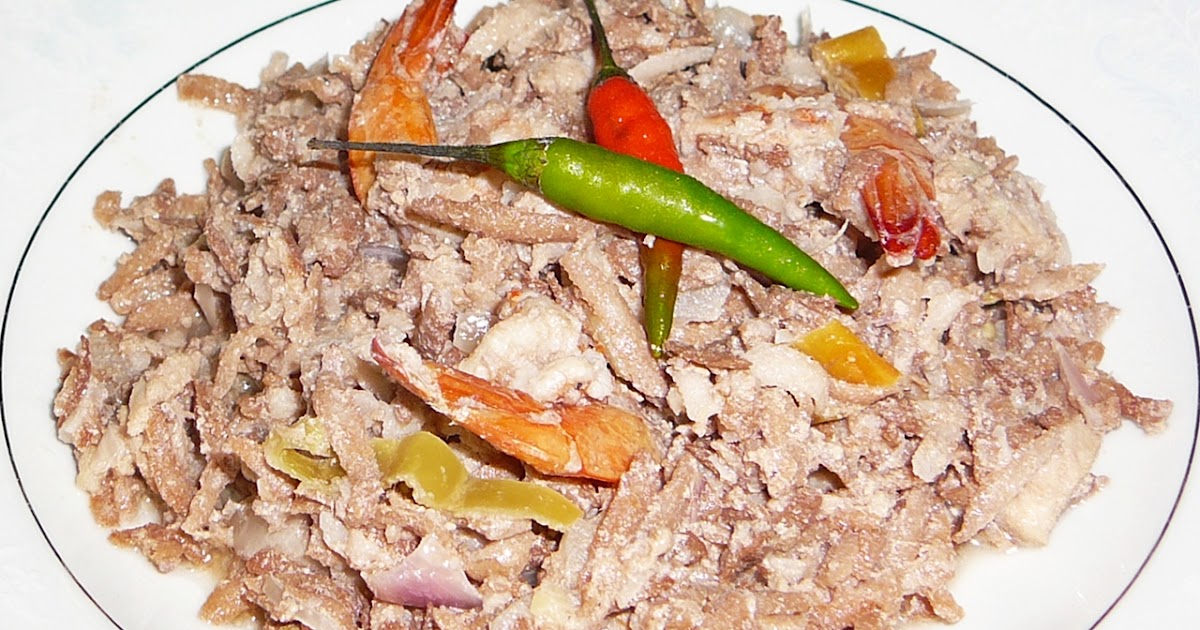
    To cook Ginataang Santol (Sinantolan), extract santol juice and mince it for a flavorful base, then simmer it in coconut milk with shrimp paste and chili for a rich, creamy outcome. Enjoy this traditional Filipino dish by serving it garnished with shrimp paste, chilies, sugar, and salt for an authentic taste experience.

    Key Takeaways

    • Extract santol juice and mince for a flavorful base.
    • Create a luscious coconut milk sauce with shrimp paste and chili.
    • Simmer santol in coconut milk for a rich, creamy outcome.
    • Enhance flavors with shrimp paste, chilies, sugar, and salt; serve garnished for a traditional Filipino dish.

    Ingredients for Ginataang Santol (Sinantolan)

    To prepare Ginataang Santol (Sinantolan), gather the following essential ingredients: coconut milk, pork, shrimp paste, chili, and, of course, santol.

    Begin by extracting the liquid from the minced santol and sautéing it with garlic, onion, and ground pork. The magic happens when you add the creamy coconut milk. Let it simmer until the liquid reduces, creating a rich and flavorful base for the dish.

    The coconut milk infuses the santol with its tropical essence, resulting in a creamy and aromatic delight. This key ingredient not only adds a luscious texture but also enhances the overall taste profile with its subtly sweet and nutty undertones.

    Preparing the Santol for Cooking

    Prepare the santol for cooking by mincing it using a food processor or chopping it finely by hand. Extract the liquid from the minced santol using cheesecloth before adding it to the dish. Santol needs to be cut in half, scraped, peeled, and finely chopped before use in the recipe. The preparation of santol involves squeezing out the juice to enhance the flavor and texture of the dish.

    Preparing the santol is essential to ensure that it blends well with the other ingredients in the ginataang santol recipe.

    Preparation Steps Description
    Cut Santol in Half Split the santol into halves
    Scrape and Peel Remove the seeds, scrape, and peel the flesh
    Finely Chop Chop the santol finely for cooking
    Mince Using Processor Use a food processor to mince the santol
    Extract Juice Squeeze out the juice using cheesecloth

    Making the Coconut Milk Sauce

    For the creamy and aromatic base of your Ginataang Santol, start by extracting the liquid from minced santol using cheesecloth. When making the coconut milk sauce, consider the following:

    • Saute garlic, onion, and ground pork to enhance the flavors.
    • Add coconut cream to create a rich and creamy consistency.
    • Include shrimp paste and chili to elevate the taste profile.

    The coconut milk sauce plays a vital role in Ginataang Santol, providing a luscious base for the dish. Balancing the flavors in the sauce is crucial for an authentic Filipino taste.

    Cooking the Santol in Coconut Milk

    Now it’s time to cook the santol in coconut milk.

    Begin by sautéing the minced santol with garlic, onion, ground pork, shrimp paste, and chili.

    Adding coconut milk will create a creamy and flavorful base for the dish.

    Santol Preparation

    After briefly boiling and grating or blending the santol until smooth, proceed to saute minced onion, garlic, pork, chilis, and shrimp paste before adding the grated santol and coconut milk.

    • Boil and blend santol for a smooth texture.
    • Saute a flavorful mix of onion, garlic, pork, chilis, and shrimp paste.
    • Combine grated santol and creamy coconut milk for a luscious base.

    These steps set the foundation for a rich and tangy santol dish that captures the essence of Filipino cuisine.

    Cooking santol in coconut milk infuses the dish with a unique creaminess that complements the tanginess of the fruit.

    Stay tuned for the simmering process to complete this delightful culinary experience.

    Coconut Milk Simmering

    Begin by simmering the grated santol in creamy coconut milk to create a luscious and flavorful base for this traditional Filipino dish known as Sinantolan.

    Simmering santol in coconut milk infuses the fruit with a rich, creamy flavor, softening it and enhancing its natural sweetness. The coconut milk not only adds a luscious texture but also forms a delectable sauce for the santol.

    This process allows the flavors to meld together harmoniously, resulting in a uniquely flavorful dish. Cooking santol in coconut milk is essential to creating the traditional Filipino delicacy Sinantolan, known for its creamy and rich taste.

    Enjoy the process of coconut milk simmering as it transforms the santol into a savory delight.

    Adding Flavor Enhancers

    To enhance the flavor of Ginataang Santol, consider incorporating shrimp paste or bagoong for a savory umami taste. Here are some additional flavor enhancers to elevate your dish:

    • Add red chilies for a spicy kick that complements the creamy coconut milk.
    • Balance the flavors with a touch of sugar to counter the sourness of the santol fruit.
    • Adjust the seasoning with salt to bring out the natural flavors of the ingredients in Ginataang Santol.

    Serving and Garnishing the Dish

    Enhance the presentation of your ginataang santol by garnishing it with chopped fresh chili peppers for an added kick of spice and color. Serve the dish in a traditional Filipino wooden bowl or on a banana leaf for an authentic touch.

    For extra freshness, sprinkle chopped green onions or cilantro on top. Before serving, squeeze some calamansi or lime juice over the dish to elevate the flavors.

    To add a creamy and rich finish, consider adding a dollop of coconut cream on top of the ginataang santol. These simple steps won’t only enhance the visual appeal of your dish but also complement the flavors for a delightful dining experience.

    Can I Use the Same Cooking Technique for Ginataang Santol as I Would for Ginataang Langka with Alimasag?

    Yes, the same cooking ginataang langka recipe can be used for ginataang santol. The process involves combining coconut milk, aromatics, and the main ingredient in a pot, then simmering until cooked. Whether with langka and alimasag or santol, the result is a delicious, creamy dish.

    Tips for Perfect Ginataang Santol

    For a perfect ginataang santol, ensure you select fresh, ripe santol to maximize flavor and texture. When cooking this dish, consider the following tips:

    • Thoroughly extract the liquid from the minced santol: This step enhances the dish’s consistency.
    • Adjust shrimp paste and chili to taste: Customize saltiness and spiciness levels to suit your preference.
    • Simmer slowly for rich flavors: Allowing the ingredients to meld together over low heat will develop a more flavorful dish.

    Frequently Asked Questions

    How Do You Use Sinantolan?

    To use sinantolan, you simply enjoy it as a flavorful dish made with minced santol fruit cooked in coconut milk. Pair it with steamed white rice for a delicious balance of sour, spicy, and creamy flavors that make it a Filipino comfort food favorite.

    What to Pair With Sinantolan?

    Pair sinantolan with steamed white rice to balance its rich flavors. The sour santol complements coconut milk’s sweetness. Try it with grilled pork, chicken, or fish. Add pickled veggies or a fresh salad for contrast.

    What Is the Other Name for Ginataang Santol?

    Ginataang Santol is also known as Sinantolan in Filipino cuisine. It’s a dish made with minced santol fruit cooked in coconut milk. Sinantolan is a popular Filipino dish that highlights the richness of coconut milk.

    Is Sinantolan Sour?

    Yes, sinantolan is sour. The natural tanginess of santol fruit gives this dish its unique flavor. When cooked in coconut milk with savory ingredients, the sourness is balanced out, creating a delightful and satisfying taste.

    Conclusion

    Enjoy the creamy and flavorful Ginataang Santol (Sinantolan) by following these simple steps.

    With the perfect balance of sour and spicy flavors, this Filipino dish is a comforting and satisfying meal.

    Serve it with steamed rice for a delicious dining experience.

    Try this recipe today and treat yourself to a taste of traditional Filipino cuisine at its best!

  • Quick and Tasty Eggplant Omelette How-To: Try It Today!

    Quick and Tasty Eggplant Omelette How-To: Try It Today!

    To make a quick and tasty eggplant omelette, you’ll need eggplants, eggs, and salt. First, boil the eggplant until tender, then peel and slice it into fan shapes. Fry the eggplant until it’s a caramel brown color. Mix the cooked eggplant with whisked eggs and fry until set. You can also grill the eggplant for a smoky flavor. Serve with steamed rice or a side salad for a satisfying meal.

    Key Takeaways

    • Nutrient-rich eggplant omelette is a low-calorie protein option.
    • Customize with herbs and spices for flavor.
    • Incorporate eggplant and eggs for muscle support.
    • Enjoy a delicious, nutritious omelette with simple preparation.

    Benefits of Eggplant Omelette

    Eggplant omelette offers a nutrient-rich and low-calorie option for those seeking a satisfying and healthy meal. In Filipino cuisine, this dish combines the goodness of eggplant and eggs, providing a substantial source of protein vital for muscle repair and growth.

    The vitamins, minerals, and antioxidants found in eggplant contribute to the overall nutritional value of the omelette. It’s a versatile choice, allowing for customization with herbs, spices, and additional ingredients to suit different flavor preferences.

    Essential Ingredients for Eggplant Omelette

    To make a delicious Eggplant Omelette, you’ll need eggplants, eggs, and salt as the essential ingredients.

    Preparing the dish involves boiling, peeling, cutting, and shaping the eggplant before cooking.

    Techniques like grilling the eggplant for a smoky flavor and adding ground meat for extra protein are optional but enhance the dish.

    Key Ingredients List

    For a flavorful and satisfying eggplant omelette, ensure you have the essential ingredients of eggs, salt, and any additional toppings you desire. Here is a quick overview of the key ingredients you’ll need:

    Ingredient Description
    Eggplants Main vegetable used in the omelette, typically fried after being boiled, peeled, and cut.
    Eggs Fundamental for binding the omelette ingredients together.
    Salt Enhances the overall flavor of the dish.
    Toppings Optional additions like cheese, herbs, or ground meat for extra taste.

    Having these key ingredients ready will set you up for a delicious eggplant omelette experience.

    Prep and Chop

    Begin by slicing the eggplant into fan shapes after boiling it until tender for your flavorful omelette preparation. Peel the eggplant first, then cut it into thin slices resembling a fan.

    Once boiled, shape the eggplant slices and proceed to fry them until they achieve a caramel brown color. Frying the eggplant adds a delicious texture and flavor to your omelette.

    The fried eggplant will bring a rich and savory element to the dish, complementing the other ingredients perfectly. Ensure the eggplant is cooked through and nicely browned before incorporating it into your omelette mixture.

    This simple preparation step will elevate the taste of your eggplant omelette to a whole new level.

    Cooking Techniques

    Enhance the smoky essence in your Eggplant Omelette by grilling the essential ingredient – the eggplant. Start by slicing the eggplant into rounds or lengthwise strips, then brush them lightly with olive oil before placing them on a preheated grill.

    Grill the eggplant until it develops grill marks and turns tender, intensifying its flavor. Once grilled, chop the eggplant into smaller pieces and incorporate it into your whisked egg mixture.

    The smoky undertones from the grilled eggplant will infuse the omelette with a delightful aroma and taste. Remember to cook the egg mixture with the eggplant until perfectly set, creating a delicious harmony of flavors in your Eggplant Omelette.

    Step-by-Step Eggplant Omelette Recipe

    To create a delicious Eggplant Omelette, it’s essential to select firm and glossy eggplants with no soft spots and a vibrant green stem.

    When cooking, remember to peel the eggplant carefully to maintain its shape and texture.

    Following these steps will ensure a flavorful and satisfying meal.

    Eggplant Selection Tips

    For the best results in your eggplant omelette, consider opting for Filipino eggplant to achieve an authentic flavor profile. While Italian or Asian eggplants can be used as substitutes, Filipino eggplant is recommended for its ability to enhance the overall taste of the dish.

    The recipe allows for flexibility in eggplant choices to cater to individual preferences. When selecting Filipino eggplant, look for ones that are firm, shiny, and free of blemishes. This variety of eggplant is known for its mild and slightly sweet flavor, making it perfect for an omelette.

    Experimenting with different eggplant varieties can bring unique and delicious twists to your eggplant omelette.

    Cooking Process Details

    Consider starting the cooking process for your eggplant omelette by boiling, peeling, and shaping the eggplant into a fan before frying it to perfection.

    To cook the eggplant, grill it for a smoky flavor, ensuring it reaches a dark caramel color to avoid a mushy texture in the omelette. Retain the eggplant’s shape by using the stalk and carefully peeling the skin, creating a visually appealing dish.

    Mix the cooked eggplant with whisked eggs and fry until caramel brown to develop a delicious and unique flavor profile for your Eggplant Omelet.

    Cooking Techniques for Perfect Omelette

    When grilling or broiling the eggplant for your omelette, ensure the smoky flavor enhances the overall taste profile. To achieve the perfect eggplant omelette, follow these cooking techniques:

    • Grill over Gas Stove: Use a gas stove to grill the eggplant for that smoky flavor.
    • Broil in Oven: Alternatively, broil the eggplant in the oven for a similar taste.
    • Add Depth of Flavor: Grilling adds crucial depth of flavor to the omelette.
    • Cooking Times: Pay attention to cooking times to avoid undercooking or overcooking the eggplant.
    • Enhance Flavor: Proper cooking techniques are key to a flavorful and satisfying eggplant omelette.

    Serving Suggestions for Eggplant Omelette

    Enhance your eggplant omelette experience by pairing it with a side of fresh salad. Here are some quick and tasty serving suggestions to elevate your dish:

    Serving Suggestions Description
    Steamed Rice Enjoy a satisfying meal with rice.
    Crispy Oil Drizzle Add an extra kick of flavor.
    Main Dish Serve for a hearty and nutritious option.
    Snack Option Grab a quick and delicious bite.

    These serving ideas will complement the flavors of the eggplant omelette, making it a versatile dish for any time of day.

    Can Eggplant Omelette Provide Similar Health Benefits as Vegetable Okoy?

    When comparing eggplant omelette to vegetable okoy, it’s clear that both offer unique health benefits. While eggplant omelette is high in fiber and antioxidants, the health benefits of okoy lie in its abundance of vitamins and minerals. Both can contribute to a well-rounded and nutritious diet.

    Variations to Customize Your Omelette

    To elevate your eggplant omelette further, explore various ingredient combinations that cater to your taste preferences and create a personalized culinary experience. Try customizing your eggplant omelette with these ingredients:

    • Cheese: Enhance the creaminess of your omelette with your favorite cheese.
    • Cooked Pork: Add a savory element by incorporating cooked pork into your omelette.
    • Diced Tomatoes: Bring a juicy sweetness to your dish with diced tomatoes.
    • Chopped Bell Peppers: Provide a crunchy texture by adding chopped bell peppers to your omelette.
    • Grated Parmesan Cheese: Sprinkle some Parmesan cheese on top for a salty and nutty flavor profile.

    Experiment with these variations to create a unique and delicious eggplant omelette tailored to your liking.

    Frequently Asked Questions

    How Do You Make Eggplant Taste Better?

    To make eggplant taste better, season it with salt to reduce bitterness, use flavorful ingredients like garlic and herbs, and try different cooking methods. Choose high-quality eggs and pair with complementary ingredients such as cheese or spices for enhanced taste.

    Which Egg Dish in the World Is Best for Eggplant Omelette?

    For the best egg dish to pair with Eggplant Omelette, try a classic Spanish Tortilla. The creamy potatoes complement the smoky eggplant flavors perfectly. It’s a delicious combination that will surely satisfy your taste buds.
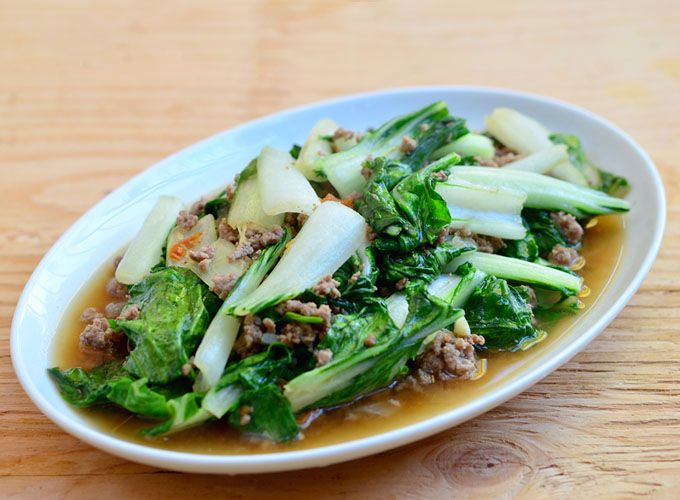
    Should Eggplant Be Soaked Before Cooking?

    Yes, eggplant should be soaked before cooking to reduce bitterness and excess moisture. Soak sliced or diced eggplant for about 30 minutes, helping it absorb less oil. Some chefs skip soaking based on preference, but it enhances texture and flavor.

    How to Cook Eggplant Right?

    To cook eggplant right, start by grilling or broiling for a smoky flavor. Boil, peel, and shape it before frying for texture. Add ground meat for protein. Cook until dark brown for better texture. Use the stalk to retain shape and peel carefully for presentation.

    Conclusion

    Try this quick and tasty eggplant omelette today for a delicious twist on a classic dish. With simple ingredients and easy steps, you can enjoy a flavorful and satisfying meal in no time.

    Whether you’re looking to switch up your breakfast routine or impress your brunch guests, this eggplant omelette is sure to please.

    Don’t wait, give it a try and savor the unique flavors it has to offer!