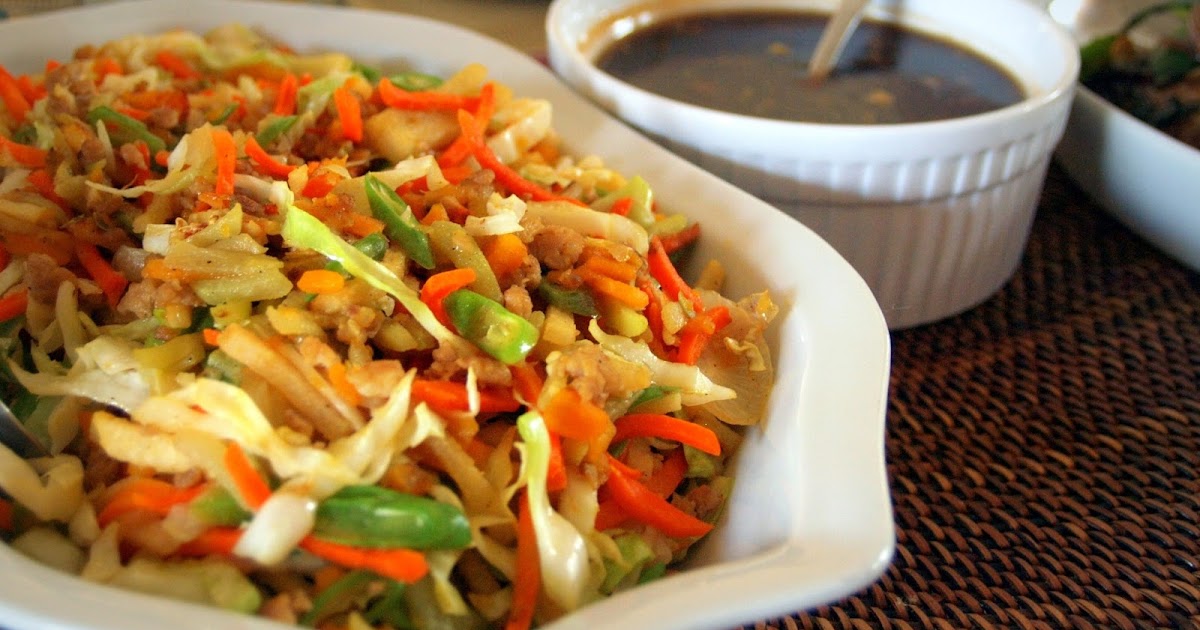
Author: A. Pineda

  • 7 Easy Steps to Make the Best Lumpiang Hubad Recipe

    7 Easy Steps to Make the Best Lumpiang Hubad Recipe

    Prepare fresh, thinly sliced vegetables for a balanced filling and cook a simple wrapper with flour, water, and salt. Enjoy the flavorful Lumpiang Hubad with garlicky peanut sauce as a snack, side dish, or main meal.

    Key Takeaways

    • Prepare fresh, thinly sliced vegetables for a balanced filling.
    • Cook a simple and flavorful wrapper with flour, water, and salt.
    • Season vegetables generously with Knorr shrimp cubes for a delicious taste.
    • Serve with garlicky peanut sauce as a versatile snack, side dish, or main meal.

    Preparing the Vegetables

    To ensure a well-balanced and flavorful filling for your lumpia, slice the vegetables thinly and chop the shrimp finely. Start by mincing garlic for a fragrant base.

    Cut sweet potatoes into thin strips to achieve a tender texture in every bite. Slice green beans thinly to add a delicate crunch that complements the other vegetables.

    Make sure to finely chop the shrimp to evenly distribute the seafood flavor throughout the filling. By keeping cooking time minimal, you preserve the natural colors, flavors, and nutrients of the ingredients.

    These simple steps will help you create a delicious and well-rounded filling for your lumpia, setting the stage for a tasty dish.

    Making the Lumpia Wrapper

    To make the lumpia wrapper, you’ll need to master the dough preparation technique, rolling out the wrappers, and cooking them to perfection.

    It’s a straightforward process that adds a homemade touch to your lumpiang hubad dish.

    Get ready to enjoy the flavorful filling without the fuss of traditional wrappers.

    Dough Preparation Technique

    For creating the lumpia wrapper in this Easy Lumpiang Hubad recipe, you’ll need simple ingredients and a straightforward technique. Here’s a simple guide to preparing the dough for your Naked Lumpia:

    1. Mixing Ingredients:
    • Combine all-purpose flour, water, and a pinch of salt in a mixing bowl.
    1. Creating the Batter:
    • Whisk the ingredients together until a smooth batter forms.
    1. Cooking the Wrapper:
    • Heat a non-stick pan and pour a ladle of the batter, spreading it thinly to form a circular shape.
    1. Cook Until Set:
    • Let the wrapper cook until the edges start to lift, then carefully remove it from the pan.

    Enjoy the simplicity of this wrapper as it complements the flavorful vegetable and protein filling of your Lumpiang Hubad recipe.

    Rolling Out Wrappers

    With the dough preparation technique covered, now let’s move on to making the lumpia wrapper for your Easy Lumpiang Hubad recipe.

    Since Lumpiang Hubad doesn’t require traditional wrappers, you won’t be rolling out any dough for this dish. Instead, focus on cooking the flavorful vegetable filling. Sauté garlic in a pan, then add your favorite vegetables and protein. Once they’re cooked to perfection, you can assemble your Lumpiang Hubad without the need for wrapping.

    This unique vegetable dish allows you to enjoy the delicious ingredients without the fuss of traditional lumpia wrappers.

    Stay tuned for the next step where we delve into cooking the wrapper for your Easy Lumpiang Hubad recipe.

    Cooking the Wrapper

    Begin by sautéing a medley of vegetables and protein in a pan for your Lumpiang Hubad wrapper. Here’s how to cook the wrapper for your delicious Lumpiang Hubad:

    1. Prepare the Vegetables: Chop a variety of vegetables like carrots, cabbage, and green beans finely.
    2. Cook the Vegetables: Sauté the vegetables in a pan with minced meat until they’re tender.
    3. Season the Mixture: Add soy sauce, salt, pepper, and other desired seasonings for flavor.
    4. Simmer to Perfection: Let the vegetable and meat mixture simmer until the flavors meld together, creating a tasty wrapper for your Lumpiang Hubad.

    Cooking the Vegetable Filling

    When cooking the vegetable filling for your Lumpiang Hubad, remember to choose fresh and vibrant vegetables for the best flavor. Properly cut your vegetables into uniform sizes to ensure even cooking.

    Season your filling generously with Knorr shrimp cubes and other seasonings to create a delicious and savory taste.

    Vegetable Selection Tips

    For optimal results in your lumpiang hubad, choose fresh and firm vegetables such as cabbage, bean sprouts, sweet potatoes, green beans, and celery for the flavorful filling.

    When selecting vegetables for your Filipino dish, keep the following tips in mind:

    1. Look for fresh and vibrant vegetables to ensure the best taste and texture.
    2. Opt for firm tofu to add a protein-rich element to your lumpia.
    3. Consider the color contrast of the vegetables for an appealing presentation.
    4. Ensure the vegetables are free from blemishes and bruises to maintain the quality of your lumpiang hubad.

    Proper Cutting Techniques

    To ensure your Lumpiang Hubad turns out delicious and visually appealing, remember to wield a sharp knife for precise cuts and uniform vegetable sizes during the cooking process. Cut the vegetables into thin strips or small pieces that fit well inside the spring roll wrapper.

    Add minced garlic to enhance the flavor profile of the filling. Stir-fry the vegetables until they’re tender but still retain some crunch. Consistent cutting techniques not only contribute to the dish’s aesthetics but also help improve the overall texture and taste of your Lumpiang Hubad.

    Make good use of a cutting board to ensure safety and stability while preparing the ingredients. Mastering proper cutting techniques is crucial for a successful Lumpiang Hubad recipe.

    Seasoning for Flavor

    Ensure your lumpia filling bursts with delightful flavors by infusing it with Knorr shrimp cubes and a medley of garlic, onions, shrimps, and various veggies. Here’s how to season your lumpiang hubad filling for maximum taste:

    1. Knorr Shrimp Cubes: Add depth of flavor by incorporating these cubes into your filling mixture.
    2. Garlic and Onions: Create a savory base by sautéing these aromatic ingredients with shrimps.
    3. Assorted Vegetables: Enhance the taste with singkamas, kamote, and other veggies for a well-rounded filling.
    4. Careful Water Adjustment: Prevent a soupy texture by adjusting the water quantity judiciously while cooking the filling.

    Balancing these flavors and ingredients will result in a delicious lumpiang hubad that your taste buds will thank you for.

    Assembling the Naked Lumpia

    When assembling the Naked Lumpia, ensure the filling is placed generously at the center of a softened wrapper.

    Roll the wrapper tightly around the vegetable filling, making sure to tuck in the sides to secure all the ingredients inside. This step helps create a compact roll that prevents the filling from spilling out during frying.

    Repeat the process for each Naked Lumpia until all the filling is used up.

    Once assembled, serve the Naked Lumpia with a side of flavorful peanut sauce for dipping.

    Enjoy this delicious dish that combines the freshness of the vegetable filling with the savory taste of the peanut sauce, all wrapped in a delicate wrapper.

    Frying the Lumpiang Hubad

    For perfect results, fry the Lumpiang Hubad in hot oil until it turns golden brown and crispy. Here are some essential steps to follow while frying your Lumpiang Hubad:

    1. Maintain the Right Temperature: Ensure the oil is hot enough to prevent the lumpia from becoming greasy.
    2. Use a Slotted Spoon: After frying, use a slotted spoon to remove the lumpia from the oil. This helps drain excess oil and keeps them crispy.
    3. Fry in Batches: Avoid overcrowding the pan by frying the lumpia in batches. This ensures even cooking and a consistent result.
    4. Enhance Texture and Flavor: The frying process adds a delightful crunch to the Lumpiang Hubad, elevating its overall taste and texture.

    Making the Garlicky Peanut Sauce

    To prepare the garlicky peanut sauce for your Lumpiang Hubad, start by infusing soy sauce, water, sugar, and peanuts for a flavorful base. Here is a simple table to guide you through the process:

    Ingredient Amount
    Water 1 cup
    Soy Sauce 1/4 cup
    Chopped Peanuts 1/2 cup
    Brown Sugar 2 tablespoons
    Garlic (minced) 2 cloves

    Combine these ingredients in a saucepan over medium heat, simmer until the sauce thickens, and adjust the seasoning to your taste. This garlicky peanut sauce will complement your Lumpiang Hubad perfectly.

    Can I use the same recipe steps to make lumpiang hubad at home?

    Yes, you can use the same easy homemade recipe steps to make lumpiang hubad at home. The process involves preparing the filling, wrapping it in a thin rice paper, and then deep-frying until golden brown. With these easy homemade recipe steps, you can enjoy delicious lumpiang hubad anytime.

    Serving and Enjoying the Dish

    Ready to elevate your Lumpiang Hubad experience? Here are some tips to serve and enjoy this delightful dish:

    1. Versatile Dining: Serve lumpiang hubad as a snack, side dish, or main meal for a versatile dining option.
    2. Proper Storage: Store the sauce and vegetables separately for leftovers to maintain freshness and flavor.
    3. Reheating: Reheat the sauce and vegetables properly to enjoy the dish as if freshly made.
    4. Toppings: Serve the vegetable spring mix topped with sauce, ground peanuts, and minced garlic for added texture and flavor.

    Follow these steps to enjoy your Vegetable Spring roll with enhanced flavors. Heat the sauce on medium heat, add soy sauce, and crushed peanuts for the perfect finishing touch.

    Frequently Asked Questions

    How Many Days Does Fresh Lumpia Last?

    Fresh lumpia typically lasts 2-3 days in the fridge. Store it airtight or wrap tightly to extend shelf life. Don’t leave it out for more than 2 hours. Check for spoilage signs. Consume within the first few days for best quality.

    Can I Put Fresh Lumpia in the Fridge?

    Yes, you can put fresh lumpia in the fridge. Wrap it tightly in plastic or foil, keeping the sauce separate. Reheat in the oven for a crispy texture. Avoid freezing as it alters the veggies’ and wrapper’s texture.

    How Do You Preserve Lumpiang Sariwa?

    To preserve lumpiang sariwa, store the vegetable mixture separately from the sauce. Reheat both properly before serving for the best taste. Keep leftovers in airtight containers in the fridge. Reheat sauce and vegetables separately to maintain flavors. Enjoy your delicious meal!

    What Is the History of Lumpiang Hubad?

    The history of Lumpiang Hubad traces back to Filipino culinary heritage. It features a mix of fresh ingredients and robust flavors. Enjoyed as a popular street food, this dish showcases simplicity and delicious taste, making it a beloved Filipino favorite.

    Conclusion

    Now that you’ve followed the 7 easy steps to make the best Lumpiang Hubad recipe, it’s time to enjoy the delicious and satisfying dish you’ve created.

    The combination of tender pork, fresh vegetables, and flavorful sauce is sure to impress your taste buds.

    Serve up this Filipino favorite at your next meal and savor every bite of these Naked Spring Rolls topped with garlicky peanut sauce.

    Happy cooking and happy eating!
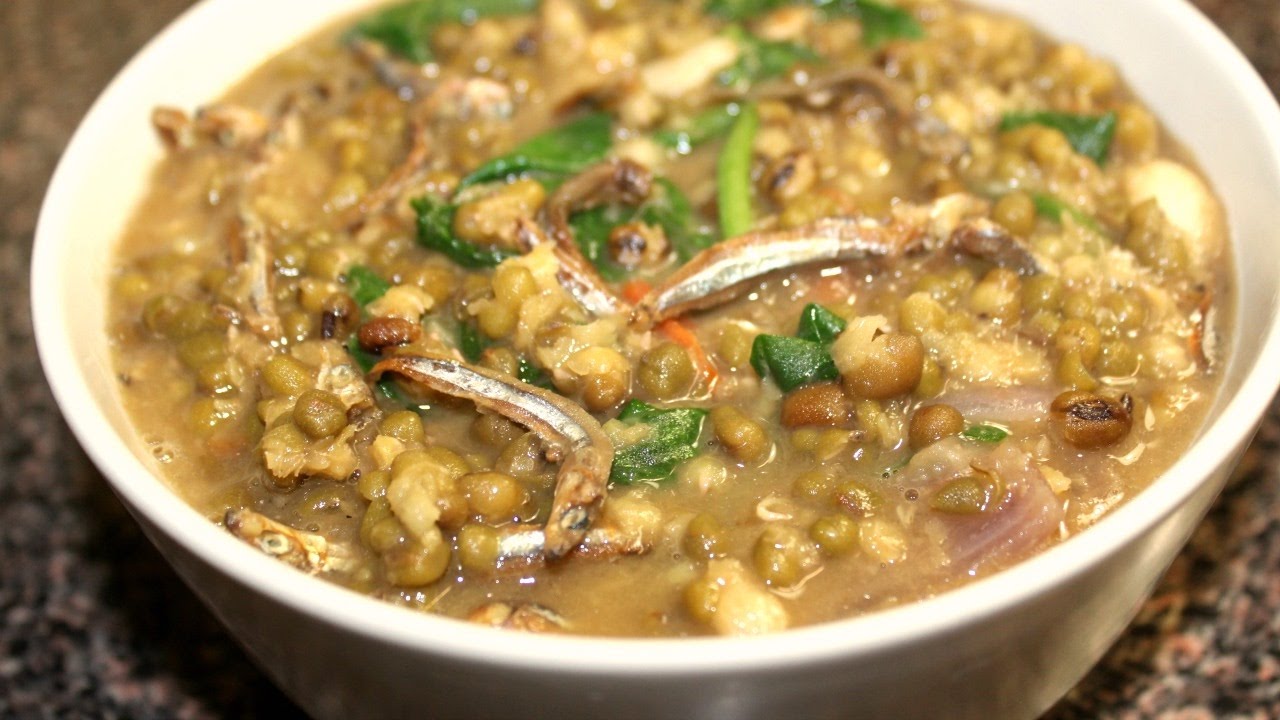
  • Cook Like a Pro: Ginisang Monggo With Dilis Made Simple

    Cook Like a Pro: Ginisang Monggo With Dilis Made Simple

    Cook like a pro with this simple Ginisang Monggo with Dilis recipe, featuring traditional flavors of garlic, tomatoes, and onions for an authentic taste. Experiment with additional ingredients like pork or shrimp to add variety and enhance flavors with fish sauce and fresh herbs for a rich taste profile.

    Key Takeaways

    • Traditional flavors of garlic, tomatoes, and onions for authentic taste
    • Experiment with additional ingredients like pork or shrimp for variety
    • Enhance flavors with fish sauce and fresh herbs for a rich taste profile
    • Share unique variations of Ginisang Monggo to inspire creativity and culinary exploration

    Ingredients for Ginisang Monggo With Dilis

    What’re the essential ingredients for making Ginisang Monggo With Dilis?

    Mung beans, dried anchovies, garlic, onion, and tomatoes are key components.

    The mung beans provide a hearty base, while the dried anchovies, when sautéed, contribute a distinct umami flavor and salty kick to the dish. This combination not only enhances the taste but also offers a rich source of protein, ideal for those following plant-based diets.

    Additionally, the garlic, onion, and tomatoes form a flavorful foundation for the Ginisang Monggo With Dilis, adding layers of complexity to the overall taste.

    The amalgamation of these ingredients results in a popular and satisfying Filipino dish known for its well-balanced flavors.

    Preparation Steps for Ginisang Monggo

    To prepare Ginisang Monggo, start by soaking the mung beans for at least 1 hour to soften them before cooking.

    After soaking, sauté a mix of onion, garlic, tomato, and dried anchovies to build a flavorful base for the dish.

    Once the mung beans are softened, boil them in water until fully cooked. Season the dish with fish sauce for a savory kick. Remember to add black pepper for a hint of spice.

    To enhance the dish’s nutritional value, incorporate spinach into the mix.

    Following these simple preparation steps will help you create a delicious Ginisang Monggo packed with all the traditional flavors.

    Cooking the Mung Beans and Anchovies

    When cooking the mung beans and anchovies for Ginisang Monggo, ensure to soak the mung beans for a minimum of 2 hours to soften them before proceeding with the recipe.

    After soaking, boil the mung beans in water until they become soft and tender, which usually takes about 30-45 minutes.

    In a pan, sauté the mung beans with dried anchovies to create a flavorful base for the dish. Season the sautéed mung beans with ground black pepper to enhance the taste.

    The combination of these ingredients not only offers a delicious flavor but also provides a nutritious meal rich in protein and essential nutrients.

    Get ready to enjoy a hearty and satisfying dish of Ginisang Monggo with Dilis.

    Enhancing Flavor With Additional Ingredients

    To elevate the taste of your Ginisang Monggo with Dilis, consider adding:

    • Garlic for a savory kick
    • Tomatoes for a touch of sweetness and acidity
    • Onions to enrich the flavors

    Don’t forget to include:

    • Fish sauce to enhance the umami notes
    • Fresh spinach for added color, texture, and a hint of earthiness

    These simple yet impactful additions will take your dish to a whole new level of deliciousness.

    Flavorful Spice Combinations

    For an added burst of flavor, consider mixing in a variety of spices and ingredients when preparing Ginisang Monggo with Dilis. Enhance the sauteed mung beans with garlic and onions for a deeper flavor profile. Add dried anchovies (dilis) to bring a savory and umami-rich element to the dish. Balancing the flavors with fish sauce will contribute a salty and savory taste to your Ginisang Monggo.

    Experiment with ingredients like tomatoes for a tangy sweetness, or try incorporating pork, shrimp, or vegetables to elevate the dish with unique and complementary flavors.

    Spice/Ingredient Flavor Profile
    Garlic & Onions Depth of Flavor
    Dried Anchovies Savory & Umami-rich
    Fish Sauce Salty & Savory

    Fresh Herbs Infusion

    Enhance the vibrant flavors of Ginisang Monggo with Dilis by infusing fresh herbs like cilantro, parsley, or basil for a refreshing and aromatic finish.

    • Fresh herbs add a burst of flavor and aroma to the dish
    • Cilantro brings a citrusy note while parsley offers a fresh, earthy taste
    • Basil contributes a sweet and slightly peppery hint
    • The addition of fresh herbs elevates the overall taste profile of the sautéed mung beans
    • Experiment with different herbs to customize the dish to your liking

    Umami Boosting Ingredients

    Boost the savory richness of your Ginisang Monggo by incorporating umami-boosting ingredients like dried anchovies.

    Dried anchovies, also known as dilis, are packed with glutamate, an amino acid that enhances the savory flavor in dishes.

    By adding dried anchovies to your Ginisang Monggo, you introduce a layer of depth and complexity to the mung bean dish.

    These umami-boosting ingredients not only elevate the taste but also contribute to a more satisfying culinary experience.

    The unique umami taste from the dried anchovies complements the earthy notes of the mung beans perfectly, creating a harmonious blend of flavors in your Ginisang Monggo.

    Don’t hesitate to include dried anchovies for an extra burst of umami in your dish.

    Pro Tips for Perfect Ginisang Monggo

    To achieve the perfect Ginisang Monggo, focus on flavorful ingredient combinations, masterful cooking techniques, and garnishing for extra flair.

    These aspects are key in elevating the taste and overall quality of your dish.

    Pay attention to these pro tips for a truly delicious and satisfying Ginisang Monggo experience.

    Flavorful Ingredient Combinations

    Wondering how to elevate the flavor of your Ginisang Monggo to perfection with the right ingredient combinations? Here are some pro tips for creating a delicious dish:

    • Salted dried anchovies: These dilis provide a savory umami flavor that enhances the overall taste profile.
    • Protein-packed: The combination of mung beans and dilis offers a rich and satisfying dish loaded with protein.
    • Unique texture: Dilis adds a unique texture and depth of flavor to the sautéed mung beans.
    • Perfect complement: The salty and fishy notes from dilis complement the earthy taste of mung beans perfectly.
    • Popular comfort food: Dilis enhances the dish, making Ginisang Monggo a beloved Filipino comfort food choice.

    Cooking Technique Secrets

    For perfectly cooked Ginisang Monggo, master these cooking technique secrets to elevate your dish to new levels of flavor and satisfaction. Saute the dried anchovies until crispy to enhance their flavor and texture in the dish.

    Use high-quality fish sauce for an authentic and robust umami taste.

    Adding a touch of vinegar or calamansi juice at the end of cooking will brighten the flavors and balance the dish perfectly.

    To enhance the overall taste profile, consider adding a pinch of sugar for a subtle twist.

    These techniques will help you achieve a delicious Ginisang Monggo that will surely impress your taste buds.

    Garnish for Extra Flair

    Ready to take your Ginisang Monggo to the next level? Garnishing with these pro tips will add extra flair and elevate your dish to new heights of flavor and presentation.

    • Sprinkle crispy fried garlic: Adds a flavorful crunch and enhances texture.
    • Squeeze of calamansi or lemon juice: Provides a zesty citrusy kick.
    • Dollop of coconut cream or coconut milk: Offers creamy richness and depth of flavor.
    • Chopped green onions: Adds a fresh and vibrant touch.
    • Freshly chopped cilantro or parsley: Provides a herbaceous and bright finish.

    Serving Suggestions for Dilis and Monggo

    Consider enhancing your Ginisang Monggo with Dilis by garnishing it with crispy fried dilis or pork for an extra layer of texture and flavor. Serve this hearty dish hot over steamed rice to create a complete and satisfying meal.

    For an added burst of flavor, top it off with a squeeze of calamansi or lemon juice, providing a refreshing citrusy kick. Whether enjoyed during lunch or dinner gatherings with loved ones, this traditional Filipino dish is sure to please.

    The combination of mung beans and dilis not only offers a delicious taste but also provides a balanced mix of protein, fiber, and essential nutrients, making it a wholesome and nutritious choice for any occasion.

    Nutritional Value of Ginisang Monggo

    Unlock the nutritional benefits of Ginisang Monggo with Dilis by savoring a dish packed with plant-based protein, essential minerals, and fiber for your overall well-being. Dive into the goodness of this Filipino favorite with the following key nutrients:

    • Plant-Based Protein: Mung beans provide a rich source of protein for muscle health.
    • Calcium: Dried anchovies offer calcium for strong bones and teeth.
    • Essential Minerals: Enjoy a dose of potassium, iron, and magnesium for overall health.
    • Fiber: Enhance digestive health and weight management with the fiber content.
    • Vitamins and Antioxidants: Spinach boosts the dish’s nutritional profile, providing essential vitamins and antioxidants for a balanced diet.

    Can I Use the Same Cooking Technique for Ginisang Labanos as I Would for Ginisang Monggo With Dilis?

    Yes, you can use the same cooking technique for both ginisang labanos and ginisang monggo with dilis. For the ginisang labanos recipe, sauté the garlic and onion first, then add the sliced labanos and cook until tender. Similarly, for ginisang monggo with dilis, sauté the garlic and onion, then add the monggo beans and dilis and cook until the beans are soft.

    Share Your Ginisang Monggo Experience

    Share your experience with Ginisang Monggo by describing the flavors and textures that made your meal memorable.

    Did the earthy taste of mung beans combined with savory dilis create a comforting dish that reminded you of home?

    Share your cooking time and any special techniques you used to enhance the flavors of this classic Filipino cuisine.

    Connect with fellow food enthusiasts by tagging us on Instagram and showcasing your unique variations of Ginisang Monggo.

    Engage in conversations about the different ingredients and methods employed in preparing this hearty and nutritious dish.

    Rate the recipe based on your personal preferences and share your insights to inspire others to explore the delicious world of Ginisang Monggo.

    Frequently Asked Questions

    What Pairs Well With Ginisang Monggo?

    To enhance the flavors of ginisang monggo, try serving it with steamed white rice for a satisfying meal. Pair it with fried or grilled fish to create a delicious contrast in textures. Add pickled vegetables for a refreshing acidity.

    Is Ginisang Monggo Healthy?

    Yes, ginisang monggo is healthy. It offers plant-based protein from mung beans, fiber for digestion, and key nutrients like iron and potassium. Dried dilis adds savory flavor without excess sodium. Enjoy this nutritious dish for overall well-being.

    What Is the English of Ginisang Monggo?

    The English translation of Ginisang Monggo is sautéed mung beans. It’s a Filipino dish with mung beans, garlic, tomatoes, and seasonings. Dilis, dried anchovies, add a unique flavor. Enjoy this hearty and flavorful meal!

    Is Ginisang Monggo Low Carb?

    Yes, Ginisang Monggo is low carb. Mung beans are a great source of protein and fiber with fewer carbs. Dilis adds flavor without upping carb intake. Veggies like spinach and tomatoes provide nutrients without spiking carbs. Enjoy this satisfying dish!

    Conclusion

    Now that you’ve mastered the art of cooking Ginisang Monggo with Dilis, you can enjoy this flavorful and nutritious dish anytime.

    Experiment with different ingredients and make it your own.

    Don’t forget to share your experience with others and spread the joy of this Filipino favorite.

    Happy cooking!

  • Ginisang Sayote 101: Simple Steps to Tasty Perfection

    Ginisang Sayote 101: Simple Steps to Tasty Perfection

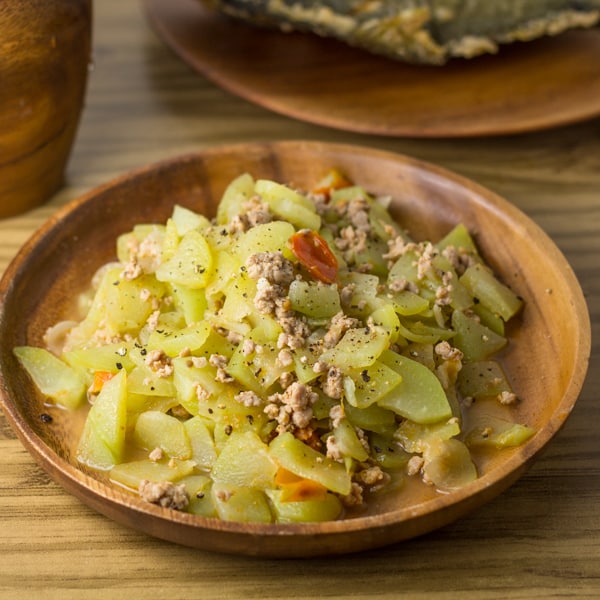
    Ginisang Sayote, a Filipino favorite, is a simple and affordable dish made with sautéed chayote and savory ground pork, highlighting the natural sweetness of chayote. Enhance your Ginisang Sayote by pairing it with steamed rice or other Filipino dishes for a complete meal experience.

    Key Takeaways

    • Prepare chayote with care for optimal flavor and texture.
    • Saute with garlic, onions, and seasonings for a flavorful dish.
    • Customize with protein, veggies, and varied seasonings for versatility.
    • Serve with rice or other Filipino dishes for a complete meal experience.

    Why Ginisang Sayote Is a Filipino Favorite

    If you’re wondering why Ginisang Sayote has captured the hearts of many Filipinos, its delightful blend of flavors and textures is the key. This Filipino dish, often made with sautéed chayote, is a beloved part of Filipino cuisine.

    The addition of savory ground pork enhances the dish, providing a rich and satisfying element. In Filipino households, Ginisang Sayote is a popular choice due to its simplicity, affordability, and delicious taste.

    The crunch of the chayote pairs perfectly with the aromatic garlic, onions, and tomatoes, creating a harmonious balance of flavors. This dish not only highlights the natural sweetness of chayote but also showcases the versatility and ingenuity of Filipino cooking.

    Ginisang Sayote truly embodies the essence of Filipino comfort food.

    Essential Ingredients for Ginisang Sayote

    To make the perfect Ginisang Sayote, you’ll need key ingredients like chayote, garlic, onion, tomato, and your choice of meat. These fresh produce choices, along with seasonings such as salt and black pepper, will enhance the flavors of your dish.

    Key Ingredients List

    In ginisang sayote, the essential ingredients include chayote, garlic, onion, tomato, and your choice of protein like pork or shrimp for flavor and texture enhancement. These ingredients come together to create a delicious Filipino dish that’s both nutritious and budget-friendly.

    In addition to these key components, seasonings like oyster sauce, salt, and black pepper are crucial to enhancing the overall taste of Ginisang Sayote. The mild flavor of chayote pairs perfectly with the aromatic garlic and onion, while the protein adds depth and richness to the dish.

    When cooked with care and attention to seasoning, Ginisang Sayote becomes a flavorful and satisfying meal that’s often enjoyed with a side of steamed rice.

    Fresh Produce Choices

    For your Ginisang Sayote recipe, selecting fresh produce such as firm and smooth-skinned chayote is essential to ensuring the best quality and taste in your dish. Chayote, a staple in Filipino cuisine, isn’t only delicious but also highly nutritious, packed with fiber, antioxidants, vitamins C and B, potassium, and folate, making it a valuable addition to your diet.

    Fresh Produce Choices:

    1. Choose chayote that’s firm and smooth-skinned for optimal quality.
    2. Look for fruits without blemishes or soft spots to enhance the flavor of your Ginisang Sayote.
    3. Consider using chayote in various dishes like salads, stir-fries, and soups for a versatile culinary experience.
    4. Growing chayote in warm climates with proper sunlight and soil conditions can provide a sustainable source of this nutritious vegetable for your cooking needs.

    Preparing the Sayote for Cooking

    Before you start cooking, remember to peel the chayote to get rid of its tough outer skin.

    Don’t forget to remove the seed core as well, as it can be hard and unappetizing.

    Slice the chayote into even pieces for consistent cooking results.

    Peel and Chop

    To prepare the sayote for cooking, start by peeling off the skin and removing any blemishes using a vegetable peeler or knife. After peeling, follow these steps to chop the chayote effectively:

    1. Cut in Half: Slice the chayote in half lengthwise.
    2. Remove Seeds: Scoop out and discard the seed core from the center.
    3. Slice or Cube: Cut the chayote into uniform pieces for even cooking.
    4. Enhance Flavors: Chopping the chayote into consistent sizes allows it to absorb flavors well during cooking.

    Remove Seed Core

    Once you’ve peeled and chopped the chayote, the next essential step is to remove the seed core before cooking to ensure optimal texture and flavor in your dish.

    The seed core of the chayote is inedible and can negatively impact the overall taste and consistency of your recipe if left untouched. By taking the time to remove the seed core, you allow the chayote to cook more evenly and absorb the delicious flavors of the other ingredients you’re using.

    After eliminating the seed core, slicing the chayote as needed for your recipe will help it blend seamlessly into dishes like stir-fries and soups. Properly prepared chayote without the seed core will offer a delightful crunch and mild flavor to enhance your culinary creations.

    Sauteing the Sayote to Perfection

    For achieving the perfect saute on your sayote, start by heating a skillet over medium heat with a drizzle of oil. Sauteing the sayote properly is crucial to retaining its crunch and flavor. Follow these steps for a tasty outcome:

    1. Prepare the Ingredients:
    • Peel and slice the sayote into uniform pieces.
    • Mince a few cloves of garlic for added flavor.
    1. Saute the Sayote:
    • Add the sliced sayote to the heated skillet.
    • Sprinkle with a pinch of ground black pepper.
    1. Enhance the Flavor:
    • Drizzle a tablespoon of oyster sauce over the sayote.
    • Stir-fry until the sayote is tender-crisp.

    Adding Flavorful Seasonings

    As you continue perfecting the sauté of your sayote, consider enhancing its flavor profile with a variety of seasonings for a satisfying and delicious outcome. Here are some suggestions to elevate your ginisang sayote:

    Seasonings Usage Benefits
    Salt Sprinkle to taste Enhances natural flavors
    Soy Sauce Add for umami depth Provides a savory taste
    Herbs Experiment with parsley, cilantro, green onions Adds freshness and aroma

    Incorporating these seasonings like soy sauce and herbs will transform your ginisang sayote into a flavorsome dish that delights the taste buds.

    Tips for Enhancing the Dish

    Consider incorporating additional protein sources like shrimp, tofu, or your preferred protein to enhance the flavor profile of your Ginisang Sayote. To make your dish even more delightful, here are some Simple and Easy tips for enhancing the flavor:

    1. Add a variety of vegetables such as bell peppers, snow peas, or snap peas for a healthier twist.
    2. Garnish the dish with fresh herbs like cilantro, parsley, or green onions to boost aroma and taste.
    3. Experiment with different seasonings like soy sauce, oyster sauce, or fish sauce to customize the flavor to your liking.
    4. For a touch of sweetness, sprinkle a bit of sugar or honey while sautéing the ingredients.

    These additions will surely take your Ginisang Sayote to the next level of deliciousness!

    Serving Suggestions for Ginisang Sayote

    When serving Ginisang Sayote, consider garnishing options like fresh herbs or a squeeze of calamansi for added flavor.

    Pairing it with fried fish or grilled meats can create a delicious meal combination.

    Experiment with different protein choices such as shrimp, chicken, or tofu to elevate the dish further.

    Garnishing Options

    To elevate the flavor and presentation of your Ginisang Sayote, consider experimenting with various garnishing options that can add depth and texture to this delightful dish. Here are some ideas to enhance your dish:

    1. Sprinkle crispy fried garlic on top for added flavor and crunch.
    2. Add a burst of freshness by sprinkling chopped fresh cilantro or parsley over the sautéed chayote.
    3. Enhance the overall taste with a squeeze of calamansi or lemon juice for a citrusy brightness.
    4. For a spicy kick, consider garnishing with sliced red chili peppers or a drizzle of chili oil.

    These garnishing options can take your Ginisang Sayote to the next level, providing a variety of flavors and textures to enjoy.

    Pairing Ideas

    Elevate your Ginisang Sayote experience by exploring delicious pairing ideas that complement this flavorful Filipino dish. Serve it with steamed white rice for a complete and satisfying meal.

    For a nutritious twist, pair it with grilled or fried fish to add a tasty vegetable component. Create a balanced Filipino meal by combining Ginisang Sayote with adobo or sinigang.

    If you prefer a vegetarian option, try serving it with tofu or tempeh for a protein-rich plant-based meal. For a traditional touch, complement Ginisang Sayote with sliced fresh tomatoes and salted egg on the side.

    These meal combinations will enhance the flavors of Ginisang Sayote and offer a delightful dining experience.

    Health Benefits of Ginisang Sayote

    Rich in fiber, antioxidants, and essential vitamins and minerals, Ginisang Sayote offers a nutritious boost to your overall health and well-being. Here are some health benefits of including Ginisang Sayote in your diet:

    1. Weight Management: Low in calories, it can help you manage your weight effectively.
    2. Nutrient-Rich: High in vitamin C, folate, and potassium, promoting overall health.
    3. Digestive Support: Supports digestion and regulates blood pressure.
    4. Immune Boost: Helps boost the immune system and promotes heart health, healthy skin, and provides essential amino acids.

    Vegan and Vegetarian Variations

    For a flavorful twist on Ginisang Sayote, consider exploring vegan and vegetarian variations using plant-based alternatives like tofu, tempeh, or mushrooms.

    Vegan variations can be achieved by replacing the ground pork with protein-rich ingredients such as chickpeas, lentils, or quinoa. Vegetarian versions can be crafted by omitting the meat and enhancing flavors with herbs, spices, and vegetable broth.

    To elevate the nutritional value, incorporate colorful vegetables like bell peppers, snow peas, and carrots. Experiment with seasonings like soy sauce, coconut aminos, curry powder, or miso to bring diverse flavors to the dish.

    These adjustments not only cater to vegans and vegetarians but also add a delightful twist to the traditional Ginisang Sayote recipe.

    Can I Use the Same Cooking Techniques for Ginisang Gulay as I Do for Ginisang Sayote?

    Yes, you can use the same cooking techniques for ginisang gulay as you do for ginisang sayote. However, to ensure the perfect outcome, consider applying some perfecting ginisang gulay tips and tricks for both dishes. This will enhance the flavors and textures of the vegetables, resulting in a delicious and satisfying meal.

    Exploring Other Filipino Vegetable Dishes

    To expand your culinary horizons beyond Ginisang Sayote, venture into the realm of Filipino vegetable dishes that showcase a diverse array of local produce and traditional cooking methods.

    When exploring other Filipino vegetable dishes, you’ll discover a rich tapestry of flavors and textures that celebrate the abundance of nature.

    Here are some popular options to try:

    1. Pinakbet: A flavorful mix of local vegetables cooked in shrimp paste.
    2. Laing: Taro leaves cooked in coconut milk and spices.
    3. Vegetarian Versions: Many Filipino vegetable dishes offer meat-free options for plant-based meal choices.
    4. Regional Influence: Filipino vegetable dishes are influenced by regional specialties and cultural traditions, reflecting the diverse culinary heritage of the Philippines.

    Embark on a culinary journey through the vibrant world of Filipino vegetable dishes made with fresh local produce.

    Frequently Asked Questions

    What Is the Best Way to Eat Chayote?

    For the best chayote experience, try sautéing it to bring out its natural sweetness and texture. You can also enjoy it raw in salads or pickled for a tangy kick. Chayote’s versatility shines in various dishes!

    Do You Peel Chayote Before Cooking?

    Yes, you should peel chayote before cooking. It removes the tough skin, revealing the crisp, mild flesh inside. Peeling helps enhance the taste and texture of dishes like Ginisang Sayote. Ensure a better culinary experience by peeling chayote.

    How Long Does It Take to Boil Chayote?

    Boiling chayote takes about 7-10 minutes until tender. Submerge slices in water, bring to a boil, then simmer. Chayote cooks quickly due to its tender texture. Watch the time to avoid mushiness.

    Is Ginisang Sayote Healthy?

    Yes, ginisang sayote is healthy. It’s packed with fiber, antioxidants, and vitamin C. This dish is low in calories and fat, great for weight management. Including it in your diet supports digestion, heart health, and boosts your immune system.

    Conclusion

    In just 30 minutes, you can enjoy a delicious and nutritious meal with Ginisang Sayote.

    With simple ingredients and easy steps, this Filipino favorite is perfect for any occasion.

    Whether you’re a beginner or a seasoned cook, this dish is sure to impress with its flavor and simplicity.

    Try Ginisang Sayote today and elevate your dining experience with this tasty perfection.

  • Flavorful Oyster Sauce Giniling and Pechay Saute Recipe

    Flavorful Oyster Sauce Giniling and Pechay Saute Recipe

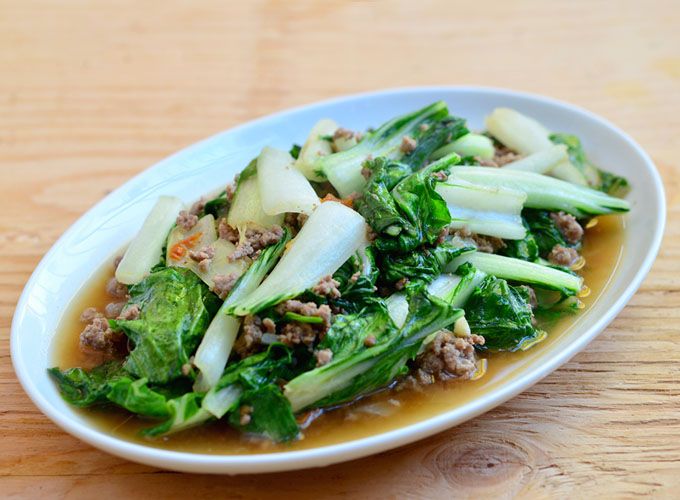
    Oyster sauce giniling combines umami richness with savory pork and crisp bok choy, creating a delightful Filipino dish. Enhance the flavor with soy sauce, sesame oil, vinegar, and ginger for a satisfying meal.

    Key Takeaways

    • Oyster sauce giniling combines umami richness with savory pork and crisp bok choy.
    • Simple yet satisfying dish enjoyed in Filipino cuisine.
    • Enhance flavor with soy sauce, sesame oil, vinegar, and ginger.
    • Nutrient-rich with vitamins, iron, potassium, and protein for overall well-being.

    Overview of Oyster Sauce Giniling Recipe

    Oyster sauce giniling is a beloved Filipino dish featuring ground pork and bok choy cooked in rich oyster sauce. The sautéed mix of ground pork, bok choy (pechay), and oyster sauce creates a delightful blend of flavors. The umami-rich oyster sauce complements the savory ground pork, while the fresh bok choy adds a crisp texture to the dish.

    This easy-to-make recipe is a go-to choice for those seeking a quick and delicious meal. The Filipino roots of this dish shine through in its simplicity and satisfying taste, making it a popular option for anyone craving a taste of comforting home-cooked flavors.

    Ingredients for Giniling and Pechay Saute

    For your Giniling and Pechay saute, gather the essential ingredients like ground pork, bok choy, garlic, onion, and oyster sauce for a flavorful and nutritious meal. These ingredients come together to create a delicious and balanced dish that’s perfect for any mealtime.

    • Ground pork: Provides a rich and meaty base for the saute.
    • Bok choy: A nutritious leafy vegetable that adds freshness and texture to the dish.
    • Oyster sauce: Adds a savory flavor that enhances the overall taste of the saute.

    Step-by-Step Cooking Instructions

    After gathering the essential ingredients for Giniling and Pechay saute, proceed to the step-by-step cooking instructions to create a delicious and balanced dish.

    Start by sauteing onion and garlic until soft, then cook the ground pork until light brown to build a flavorful base. Next, add oyster sauce and water, allowing it to boil for a rich umami flavor.

    Incorporate chopped bok choy into the mix and cook for 2-3 minutes to maintain its crisp texture. Season the dish with salt and pepper before serving to enhance the flavors.

    This nutrient-rich dish provides 284kcal, 15g carbs, 14g protein, and 20g fat per serving, making it a satisfying and wholesome meal option.

    Tips for Enhancing Flavor

    To enhance the flavor of your Giniling and Pechay saute, consider incorporating a splash of soy sauce for an added umami richness. Here are some additional tips to elevate the taste of your dish:

    • Add a touch of sesame oil for a nutty depth to the overall flavor profile.
    • Balance the sweetness of oyster sauce with a hint of vinegar to elevate the dish’s complexity.
    • Include minced ginger to introduce a subtle spicy and aromatic note to the sautéed pechay and ground pork.

    Nutritional Benefits of the Dish

    Boost your health with the nutritional benefits packed in each serving of Ginisang Pechay with Ground Pork and Shrimp. This dish is a powerhouse of vitamins K, C, and A from the bok choy, essential for immune function and vision.

    Bok choy also contributes vital minerals like iron and potassium, supporting overall well-being. Ground pork provides a good dose of protein, necessary for muscle growth and repair. Shrimp adds selenium and other nutrients that boost metabolism and heart health.

    The oyster sauce enhances the flavor while adding depth to the dish’s nutritional profile. Enjoy the health benefits of this flavorful meal, knowing that you’re fueling your body with a variety of essential nutrients.

    Serving Suggestions for Presentation

    Consider garnishing the dish with a sprinkle of sesame seeds for added texture and flavor before serving. To enhance the presentation of your Filipino cuisine creation, try these suggestions:

    • Serve alongside warm white rice for a satisfying meal pairing.
    • Pair with fried fish to create a delicious and balanced combination.
    • Garnish with fresh herbs like chopped cilantro or green onions for extra flavor and visual appeal.

    These serving suggestions will elevate the sauteed bok choy and ground pork dish, making it a delightful addition to your dining experience.

    How to Store Leftovers Properly

    When storing your Ginisang Pechay and Ground Pork with Oyster Sauce leftovers, ensure they cool down first.

    Use an airtight container with a snug lid to maintain freshness.

    Remember to refrigerate the leftovers for a maximum of 3 days to keep them safe for consumption.

    Storage Container Selection

    To store leftovers properly, select airtight containers made of glass or BPA-free plastic. Make sure the containers have tight-fitting lids to maintain freshness and prevent odors from spreading.

    Here are some key points to consider when choosing storage containers:

    • Opt for containers with tight-fitting lids to maintain freshness.
    • Choose airtight containers made of glass or BPA-free plastic.
    • Ensure the container is clean and dry before storing leftovers.

    Refrigeration Time Limits

    Wondering how long you can refrigerate your sauteed pechay and ground pork for optimal freshness? After preparing your flavorful dish, make sure to cool it completely before storing it in an airtight container in the refrigerator. Leftovers of sauteed pechay and ground pork can be safely refrigerated for up to 3 days to maintain their freshness. When reheating, use a saucepan or microwave, and add water as needed during the process.

    By following these storage and reheating practices, you not only ensure food safety but also help preserve the quality of your meal. Check out the table below for a quick reference on how long you can refrigerate your leftovers:

    Leftover Item Refrigeration Time Limit
    Sauteed Pechay and Ground Pork Up to 3 days

    Can I Use Oyster Sauce in Different Filipino Dishes?

    Yes, you can use oyster sauce in different Filipino dishes. A simple garlic oyster sauce recipe can be a great addition to classics like adobo and stir-fried vegetables. Its savory and slightly sweet flavor adds depth to the dish without overpowering the other ingredients.

    More Pinoy Vegetarian Recipes to Try

    Exploring a plethora of Pinoy vegetarian recipes provides a flavorful and nutrient-rich culinary adventure.

    • Try the delicious Ginisang Pechay with Tofu for a meat-free alternative.
    • Vegetarian dishes offer a variety of nutrients, including vitamins, minerals, and fiber.
    • Tofu can be a versatile protein option in Filipino cuisine, providing a plant-based alternative.

    These recipes aren’t only flavorful but also packed with essential nutrients, making them a delightful addition to your Pinoy recipe collection. Whether you’re a vegetarian or simply looking to incorporate more plant-based meals into your diet, these dishes are sure to satisfy your cravings while keeping you healthy and energized.

    Frequently Asked Questions

    What Do You Do With Oyster Sauce?

    When you cook with oyster sauce, you elevate flavors with its savory umami punch. It’s versatile for marinades, stir-fries, or as a dipping sauce. Remember, a little goes a long way, so start small and adjust to taste.

    Does Oyster Sauce Need to Be Cooked?

    Yes, oyster sauce doesn’t require cooking as it’s a condiment. However, heating it can deepen flavors. Its savory and sweet profile complements dishes. Use it straight from the bottle or simmer to blend in recipes.

    Conclusion

    Enjoy the deliciousness of oyster sauce giniling and pechay saute by following this easy recipe. With a perfect blend of flavors and textures, this dish is a sure crowd-pleaser.

    Try it out for a satisfying meal that can be enjoyed with your favorite side dishes. Don’t forget to store any leftovers properly to enjoy later!

  • What Are the Best Side Dishes to Pair With Kilawing-Labanos?

    What Are the Best Side Dishes to Pair With Kilawing-Labanos?

    Enhance Kilawing-Labanos with a vibrant vegetable stir-fry for a colorful contrast. Opt for grilled eggplant to complement the tangy flavors with a smoky touch.

    Key Takeaways

    • Enhance Kilawing-Labanos with a vibrant vegetable stir-fry for a colorful and nutritious contrast.
    • Opt for grilled eggplant to complement the tangy flavors with a smoky, low-calorie option.
    • Fresh Tomato Salad provides a refreshing and vitamin-packed contrast to the dish.
    • Garlic fried rice offers a versatile and savory addition that pairs well with Kilawing-Labanos.

    Vegetable Stir-Fry

    Enhance your Kilawing-Labanos meal with a vibrant and nutritious vegetable stir-fry.

    In Filipino cuisine, this stir-fry can include daikon radish, bell peppers, broccoli, carrots, and snap peas.

    Quickly cooked over high heat with a dash of vinegar, salt, and pepper, this side dish adds a colorful contrast to the rich flavors of the pork belly in Kilawing-Labanos.

    The crunch of the vegetables complements the tangy and savory notes of the main dish, creating a well-rounded dining experience.

    Packed with vitamins, minerals, and fiber, this vegetable stir-fry not only amplifies the taste but also provides a healthy balance to your meal.

    Enjoy the convenience and burst of flavors this side dish brings to your table.

    Grilled Eggplant

    Switch up your side dish game with the versatile and nutritious option of grilled eggplant to complement the tangy flavors of Kilawing Labanos. Grilled eggplant is a healthy and low-calorie side dish that pairs perfectly with the acidity of Kilawing Labanos. Its smoky flavor and tender texture enhance the overall dining experience, balancing the bold flavors of the main dish.

    Grilling the eggplant not only brings out its natural sweetness but also adds a charred depth of flavor that harmonizes well with the tangy marinade. The simplicity of grilled eggplant makes it a convenient and delicious choice to accompany your Kilawing Labanos. Check out the table below for a quick overview of the benefits of this side dish:

    Benefits of Grilled Eggplant
    Versatile
    Healthy
    Low-Calorie

    Fresh Tomato Salad

    Fresh Tomato Salad is a perfect choice to accompany your Kilawing Labanos.

    This light and tangy side dish, with its ripe tomatoes, onions, and cilantro, adds a refreshing contrast to the meal.

    The acidity of the tomatoes and vinegar in the salad enhances the overall dining experience.

    Tomato Salad Benefits

    Indulge in the vibrant goodness of a fresh tomato salad, a perfect accompaniment to elevate the flavors of Kilawing-Labanos. Tomatoes in the salad are packed with vitamins A, C, and K, benefiting your skin, vision, and bone health.

    With low calories and high antioxidants, tomatoes offer a nutritious addition. The juicy texture and sweet-tart taste of the salad provide a refreshing contrast to the rich and tangy Kilawing-Labanos.

    Enhance the dish further by adding fresh herbs like basil or cilantro for aromatic and flavorful notes. Enjoy the burst of flavor and brightness that the tomato salad brings, adding an extra layer of enjoyment to your meal.

    Tomato Salad Variations

    Enhance the pairing of Kilawing-Labanos with a Fresh Tomato Salad by exploring various flavorful variations. When preparing a tomato salad to accompany your Kilawing-Labanos, consider adding a mix of onions, herbs, and cucumbers to elevate the dish. The acidity of tomatoes combined with a tangy vinaigrette creates a perfect balance with the rich flavors of Kilawing-Labanos.

    Here is a simple table showcasing some delicious tomato salad variations:

    Tomato Salad Variations Ingredients
    Classic Tomato Salad Tomatoes, onions, herbs
    Mediterranean Tomato Salad Tomatoes, cucumbers, vinaigrette
    Herb-infused Tomato Salad Tomatoes, herbs, vinaigrette

    Experiment with these variations to find the perfect tomato salad that complements the robust flavors of Kilawing-Labanos.

    Garlic Fried Rice

    To make delicious garlic fried rice to accompany your Kilawing Labanos, start by sautéing cooked rice with minced garlic until fragrant and slightly crispy.

    This Filipino side dish is known for its aromatic garlic flavor, adding a savory and comforting element to your meal.

    The versatility of garlic fried rice allows it to pair well with a variety of Filipino dishes, enhancing the overall dining experience.

    The crispy texture and rich garlic taste of this dish provide a satisfying contrast to the tangy and fresh flavors of Kilawing Labanos.

    Whether enjoyed on its own or alongside other dishes, garlic fried rice is sure to be a hit at your dining table.

    Seaweed Salad

    You can elevate your Kilawing-Labanos experience with a flavorful variety of seaweed salad options. The tangy dressing choices available will add a zing to your meal, enhancing the overall dining experience.

    Not only is seaweed salad delicious, but it also brings a plethora of nutritional benefits to the table.

    Flavorful Seaweed Varieties

    When preparing a side dish to accompany Kilawing-Labanos, consider exploring the diverse and flavorful seaweed varieties commonly used in seaweed salads.

    • Wakame: Adds a delicate texture and a slightly sweet flavor to the salad.
    • Kombu: Known for its rich umami taste and high mineral content.
    • Nori: Provides a crisp texture and is packed with vitamins and antioxidants.
    • Dulse: Offers a chewy texture and a savory taste, enhancing the overall umami experience.

    These seaweed varieties not only contribute to the savory flavors of the seaweed salad but also bring a wealth of vitamins, minerals, and antioxidants to create a well-balanced accompaniment to your Kilawing-Labanos.

    Tangy Dressing Options

    For a zesty kick to your seaweed salad, consider incorporating tangy dressing options that elevate the flavors of the dish.

    Seaweed salad offers a crunchy texture that complements the umami taste of the seaweed, creating a refreshing contrast to the rich flavors of Kilawing-Labanos.

    This pairing not only enhances the overall dining experience but also provides nutritional benefits like vitamins, minerals, and antioxidants.

    By combining Kilawing-Labanos with seaweed salad, you can create a balanced and satisfying meal that satisfies both your taste buds and your body’s needs.

    Enjoy the unique blend of flavors and textures for a delightful dining experience that’s both delicious and nutritious.

    Nutritional Benefits Highlighted

    Highlighting the nutritional benefits of seaweed salad, this nutrient-dense side dish enhances the overall meal experience when paired with Kilawing-Labanos. When you choose seaweed salad, you benefit from:

    • Vitamins and Minerals: Packed with iodine, calcium, magnesium, and iron.
    • Low-Calorie: A healthy option for those looking to manage their calorie intake.
    • Antioxidants: Helps in fighting off harmful free radicals in your body.
    • Umami Flavor: Adds a savory depth to your meal, elevating the taste experience.

    Are Chop Suey and Kilawing-Labanos Often Paired Together as Side Dishes?

    Yes, chop suey and kilawing-labanos are often paired together as side dishes. Both dishes offer a wonderful contrast of flavors and textures that complement each other perfectly. If you’re looking for delicious chop suey options, consider serving it alongside kilawing-labanos for a delightful meal.

    Mango Cucumber Salsa

    Enhance your Kilawing-Labanos meal with the refreshing and tangy Mango Cucumber Salsa. This side dish offers a sweet and juicy flavor that perfectly balances the sourness of the Kilawin.

    The crunchy texture from the combination of mango and cucumber creates a delightful contrast with the softness of the main dish. Packed with vitamins and antioxidants, thanks to the mango and cucumber, this salsa is a nutritious addition to your meal.

    The vibrant colors and flavors of the mango cucumber salsa not only add an aesthetic appeal but also elevate the overall dining experience when enjoyed alongside the bold flavors of Kilawing-Labanos. Try this delightful salsa to bring a burst of freshness to your meal.

    Frequently Asked Questions

    Can Kilawing-Labanos Be Served With Other Types of Meat Besides Pork?

    Yes, kilawing-labanos can be served with various meats like chicken, beef, or seafood. The tangy flavor of the dish complements these meats well, offering a delicious twist to your meal. Give it a try!

    Are There Any Traditional Filipino Condiments or Dipping Sauces That Pair Well With Kilawing-Labanos?

    When enjoying kilawing-labanos, you can enhance the flavors with traditional Filipino condiments like spiced vinegar or soy sauce with calamansi. These pairings complement the dish’s tangy and savory taste, creating a delightful culinary experience.

    How Spicy Is Kilawing-Labanos Typically Prepared, and Can the Level of Spiciness Be Adjusted?

    Kilawing-Labanos is usually prepared with a moderate level of spiciness. You can adjust the heat by controlling the amount of chili peppers used. Experiment to find your preferred spice level to suit your taste buds.

    Are There Any Recommended Beverage Pairings to Complement the Flavors of Kilawing-Labanos?

    For complementing the flavors of kilawing-labanos, you can try refreshing beverages like coconut water, a cold lager, or a citrusy iced tea. These options can balance the dish’s acidity and spiciness effectively.

    Is Kilawing-Labanos Typically Served as a Main Dish or as a Side Dish in Filipino Cuisine?

    In Filipino cuisine, kilawing-labanos is typically served as a main dish. Its tangy flavors and unique ingredients make it a standout choice. Consider pairing it with refreshing sides like ensaladang talong or steamed rice.

    Conclusion

    In conclusion, pairing Kilawing-Labanos with side dishes like Vegetable Stir-Fry, Grilled Eggplant, and Fresh Tomato Salad can elevate the dining experience by complementing the tangy and savory flavors of the dish.

    Adding Garlic Fried Rice, Seaweed Salad, or Mango Cucumber Salsa can also provide a variety of tastes and textures to enhance the overall meal.

    Experimenting with different side dishes can help you discover the perfect combination that suits your taste preferences.

  • What Are Some Variations of Pinakbet in the Tagalog Region?

    What Are Some Variations of Pinakbet in the Tagalog Region?

    Variations of Pinakbet in the Tagalog region include incorporating Lechon Kawali for rich flavors and balancing textures with crispy pork belly and soft vegetables. These variations showcase culinary creativity by fusing diverse influences, offering a delightful twist on the traditional Filipino dish.

    Key Takeaways

    • Incorporating Lechon Kawali for rich and savory flavor profiles.
    • Balancing textures with crispy pork belly and soft vegetables.
    • Introducing seafood elements like squid in coconut milk for a unique twist.
    • Showcasing culinary creativity by fusing diverse influences in Pinakbet variations.

    Pinakbet Tagalog With Pork Belly

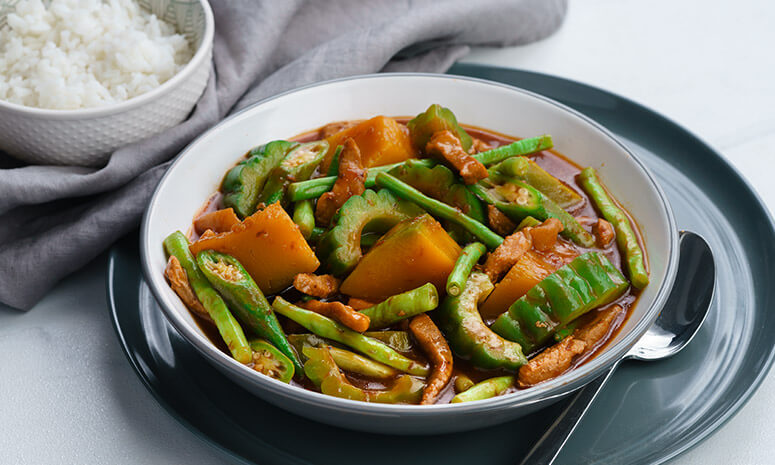
    When preparing Pinakbet Tagalog with pork belly, you typically start by sautéing the pork belly until it’s golden brown. This dish combines the richness of pork belly with the earthy flavors of squash, string beans, eggplant, and bitter melon.

    The addition of bagoong alamang provides a unique umami depth, differentiating it from other regional variations. In some recipes, coconut milk is incorporated to add a creamy texture, enhancing the overall taste experience.

    The sweetness of the Tagalog version balances well with the savory elements, creating a harmonious blend of flavors that make this dish a favorite among many. Try cooking this hearty and flavorful Pinakbet Tagalog with pork belly for a satisfying meal that captures the essence of traditional Filipino cuisine.

    Pinakbet Recipe With Lechon Kawali

    When making Pinakbet with Lechon Kawali, you’ll enjoy the perfect pairing of crispy pork belly with a medley of vegetables.

    You’ll notice ingredient variations that blend traditional Pinakbet flavors with the richness of Lechon Kawali.

    The cooking techniques involved in this recipe create a satisfying and indulgent dish for a hearty meal.

    Lechon Kawali Pairing

    For a delightful twist on the traditional Pinakbet dish, enhance your meal by incorporating crispy Lechon Kawali alongside the flavorful vegetable stew.

    The Filipino dish of Pinakbet, a savory vegetable medley, pairs exceptionally well with the crispy pork belly goodness of Lechon Kawali. The contrast between the soft vegetables and the crunchy texture of the Lechon Kawali creates a satisfying experience for meat lovers.

    The addition of Lechon Kawali not only adds a meaty element to the dish but also elevates its overall flavor profile. This combination results in a hearty and fulfilling meal that’s sure to please your taste buds and leave you craving more of this delicious Pinakbet and Lechon Kawali pairing.

    Ingredient Variations

    Incorporate crispy Lechon Kawali into your Pinakbet recipe to elevate the flavors and textures of this traditional vegetable stew. When adding this savory crispy pork belly to your dish, consider the following:

    1. Rich Flavor: Lechon kawali brings a rich and savory flavor to the Tagalog region’s Pinakbet, enhancing its taste profile.
    2. Meat Element: The addition of lechon kawali introduces a meat element to the vegetable stew, catering to meat lovers’ preferences.
    3. Balance of Textures: The combination of vegetables and lechon kawali offers a balance of textures, adding a delightful crunch to the dish.
    4. Culinary Influences: Pinakbet with lechon kawali showcases the diverse culinary influences in Filipino cuisine, particularly within the Tagalog region.

    Cooking Techniques

    To infuse your Pinakbet with a delightful twist, consider the cooking techniques involved in incorporating crispy Lechon Kawali into the traditional vegetable stew. Cooking Pinakbet with Lechon Kawali combines the savory pork belly with the vegetable stew, providing a satisfying and hearty meal. The crispy texture of the Lechon Kawali contrasts beautifully with the soft and flavorful vegetables, creating an indulgent dish for meat lovers.

    Check out the table below for a quick overview of the cooking techniques and benefits of adding Lechon Kawali to your Pinakbet:

    Cooking Techniques Description
    Deep-frying pork belly Adds a crispy texture and rich flavor
    Incorporating meat component Enhances the savory profile of the dish
    Creating a hearty meal Makes the dish more satisfying and filling
    Contrasting textures Combines crispy meat with soft vegetables
    Indulgent twist Appeals to those craving a more indulgent variation

    Baked Pinakbet Variation

    Experience a new twist on the traditional Filipino vegetable stew with the Baked Pinakbet variation, showcasing layers of flavor and a unique texture. This family-style dish resembles a lasagna, incorporating ground pork for rich umami flavors. Here’s why this Baked Pinakbet variation stands out:

    1. Traditional Roots: Maintains the essence of traditional Pinakbet while adding a modern twist.
    2. Baking Method: The baking process infuses unique flavors and textures into the dish.
    3. Creative Approach: Offers a different way to enjoy Pinakbet, especially for fans of baked dishes.
    4. Delicious Outcome: Combines the familiar flavors of Pinakbet with the savory goodness of baked dishes, creating a delightful culinary experience.

    Pakbet Ilocano With Chicharon

    Adding a crispy twist to the traditional Pinakbet dish, Pakbet Ilocano with chicharon features a topping of crispy pork belly for an enhanced flavor experience. Chicharon brings a crunchy texture and savory taste to this regional variation popular in the Ilocos region of the Philippines. The combination of the crispy pork belly and the vegetable medley creates a delightful contrast that showcases the diverse flavors of Filipino cuisine.

    This dish is a testament to the creativity and ingenuity of Filipino cooks in enhancing classic recipes. Try Pakbet Ilocano with chicharon for a delicious blend of traditional and modern flavors that will surely satisfy your taste buds.

    Ingredients Benefits
    Crispy pork belly Adds crunchiness
    Chicharon Enhances flavor
    Vegetable medley Provides nutrients
    Savory seasonings Elevates taste

    Pinakbet Rice With Lechon Kawali

    You’ll love how Pinakbet Rice with Lechon Kawali perfectly marries the crispy goodness of lechon kawali with the savory flavors of pinakbet.

    This variation brings together regional ingredients to create a harmonious blend of vegetables and pork that’s sure to satisfy your cravings.

    The pairing of lechon kawali with pinakbet rice offers a delightful contrast that highlights the best of Filipino cuisine.

    Lechon Kawali Pairing

    Pairing Pinakbet Rice with crispy Lechon Kawali creates a delightful fusion of flavors and textures popular in the Tagalog region. This variation combines the traditional flavors of pinakbet with the crispy pork belly goodness of lechon kawali, offering a satisfying meal that appeals to meat lovers.

    Here are four key points about this dish:

    1. Harmony of Flavors: The savory vegetable stew of pinakbet complements the rich and crispy lechon kawali, creating a harmonious blend of tastes.
    2. Texture Contrast: The contrast between the crunchy pork belly and the soft vegetables adds an enjoyable texture dimension to the dish.
    3. Local Creativity: This pairing showcases the creativity and local flavors of Filipino cuisine in the Tagalog region.
    4. Hearty Meal: By combining vegetables and meat, this dish provides a hearty and fulfilling dining experience.

    Regional Ingredient Influence

    Incorporating deep-fried pork belly into the traditional pinakbet rice elevates the dish’s flavors with a rich and savory twist. This variation, known as Pinakbet Rice with Lechon Kawali, is a popular choice in the Tagalog region.

    By adding crispy pork belly to the mix, the dish satisfies meat lovers while still honoring the essence of pinakbet with its mix of vegetables. The combination of the traditional flavors with the indulgent lechon kawali creates a hearty and unique meal experience.

    Pinakbet Rice with Lechon Kawali exemplifies the adaptability and creativity of Filipino cuisine, showcasing how regional influences can enhance traditional dishes. Enjoy the delightful fusion of flavors and textures in this satisfying Tagalog variation.

    All-Vegetable Pinakbet Version

    For a vegetarian twist on the classic Pinakbet recipe in the Tagalog region, indulge in the all-vegetable version showcasing the vibrant flavors of local produce.

    1. This all-vegetable version of Pinakbet is meat-free, perfect for vegetarians looking to enjoy a traditional dish.
    2. It emphasizes local vegetables such as kalabasa (squash) and baby ampalaya, enriching the flavor profile.
    3. By focusing solely on vegetables, this variation offers a unique twist to the traditional Pinakbet recipe.
    4. Despite omitting meat, the all-vegetable Pinakbet version maintains the authentic and harmonious taste that defines this dish.

    Vegetarians can savor the distinct flavors and nutritional benefits of Pinakbet with this all-vegetable rendition, highlighting the richness of Tagalog region produce.

    Pinakbet With Lechon Kawali

    Enhance your traditional Pinakbet dish with a crispy and flavorful twist by adding Lechon Kawali. This variation combines the richness of crispy pork belly with the savory flavors of the vegetable stew, creating a satisfying meal for meat lovers. The crispy texture of the lechon kawali complements the traditional Pinakbet, adding an indulgent element to the dish. Check out the table below for a quick comparison:

    Features Pinakbet with Lechon Kawali
    Main Ingredients Vegetables, Lechon Kawali
    Texture Crispy pork belly
    Flavor Profile Savory

    Try this fusion of crispy pork belly and vegetables in the Filipino cuisine staple, Pinakbet, for a delightful culinary experience.

    Can I Use Different Variations of Pinakbet in the Ginataang Kalabasa at Sitaw Recipe?

    Yes, you can use different variations of pinakbet in the Filipino ginataang kalabasa recipe. The addition of different veggies like eggplant, bitter melon, and squash with coconut milk and spices creates a flavorful dish. The new textures and flavors make it a delicious twist on the classic recipe.

    Pinakbet With Squid in Coconut Milk

    To elevate your Pinakbet experience, consider trying the unique variation of Pinakbet with Squid in Coconut Milk, a delightful twist on the traditional dish in the Tagalog region. This savory dish combines the flavors of the sea with the richness of coconut milk, creating a delicious and creamy vegetable stew.

    Here are four key points about Pinakbet with Squid in Coconut Milk:

    1. The addition of squid introduces a seafood element to the dish, enhancing its taste and texture.
    2. Coconut milk adds a creamy and slightly sweet undertone to the savory vegetable stew.
    3. This variation offers a unique twist on the classic pinakbet, providing a different culinary experience.
    4. The dish is popular in the Tagalog region of the Philippines for its delicious blend of flavors.

    Frequently Asked Questions

    What Are the Different Versions of Pinakbet?

    You explore various Pinakbet versions, discovering unique twists like bitter melon or coconut milk in Tagalog variations. Sub tofu for pork in vegetarian options. Each region in the Philippines adds its touch to this flavorful dish.

    What Is the Other Term of Pakbet?

    The other term for Pakbet is Pinakbet Tagalog. It’s a variation of the original Ilocano pinakbet. This version often includes yellow squash (kalabasa) and shrimp paste (bagoong alamang). It showcases regional variations in the Tagalog region.

    What Is Similar to Pinakbet?

    Similar to pinakbet, Pinakbet Tagalog features yellow squash and shrimp paste, giving it a unique savory flavor. The dish includes squash, string beans, eggplant, bitter melon, and okra. Different regions may have variations in ingredients and seasonings.

    What Region Does Pinakbet Come From?

    Pinakbet originates from the Ilocos region in the northern provinces of the Philippines. It is a traditional vegetable dish showcasing locally grown produce like bitter melon, eggplant, and string beans, cooked in a clay pot called Palayok.

    Conclusion

    In conclusion, the variations of Pinakbet in the Tagalog region showcase unique flavors and ingredients such as pork belly, lechon kawali, chicharon, and squid in coconut milk. Each version adds its own twist to this beloved Filipino vegetable stew, creating a diverse and delicious array of dishes for everyone to enjoy.

    Try out these different variations to experience the rich and vibrant flavors of Pinakbet in the Tagalog region.

  • How to Cook Ginisang Labanos

    How to Cook Ginisang Labanos

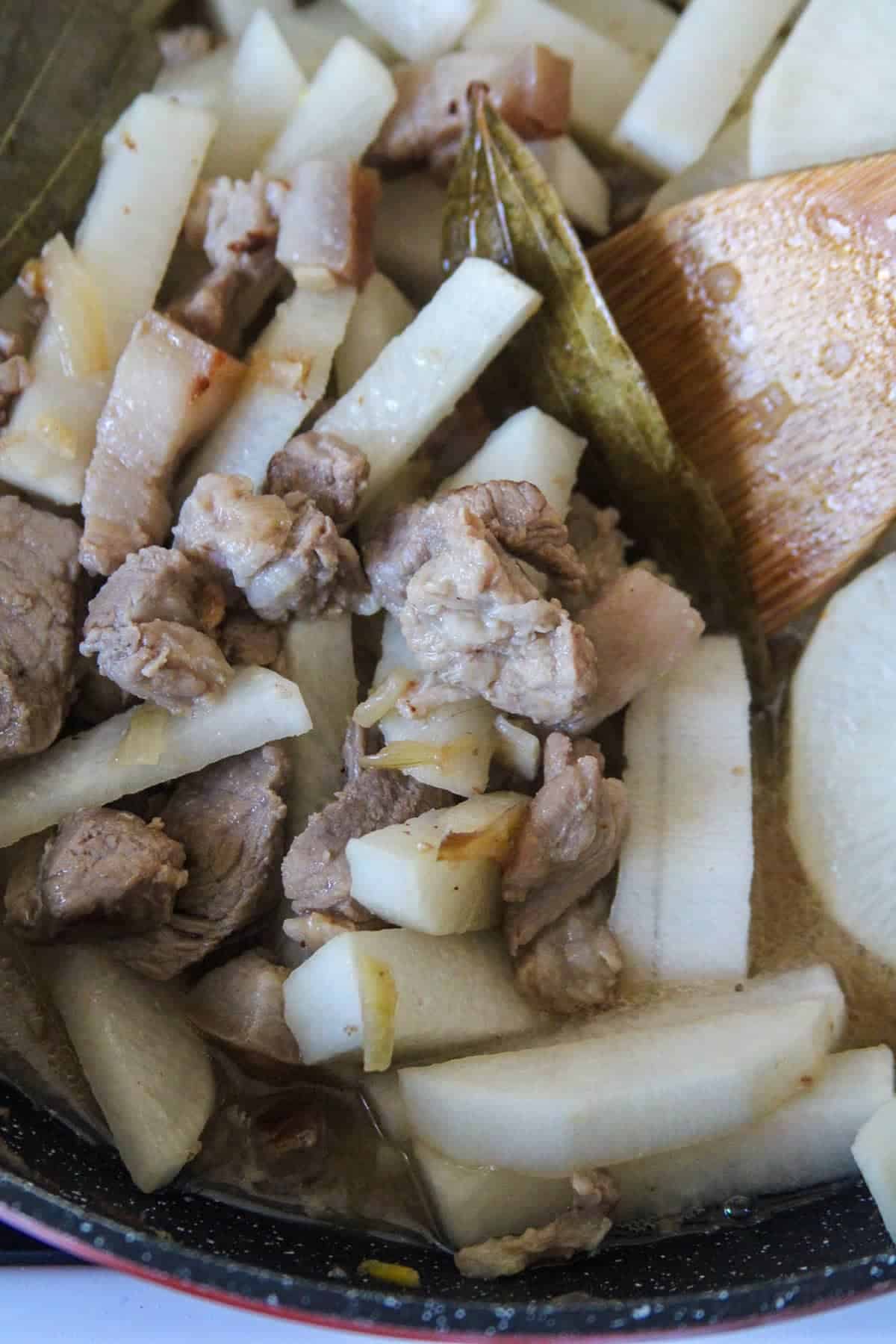
    To cook Ginisang Labanos, start by selecting fresh ingredients like pork, white radish, and colorful vegetables for a flavorful dish. Follow essential steps such as slicing radish, cooking pork, and sautéing garlic and onions.

    Key Takeaways

    • Select fresh ingredients like pork, white radish, and colorful vegetables for a flavorful dish.
    • Follow essential preparation steps like slicing radish, cooking pork, and sautéing garlic and onions.
    • Cook radish and veggies until tender-crisp, season with soy sauce and fish sauce for enhanced flavors.
    • Serve Ginisang Labanos hot with steamed rice, garnish with green onions, pair with grilled meat for a balanced meal.

    Ingredients for Ginisang Labanos Recipe

    To prepare Ginisang Labanos, gather pork, white radish, and assorted vegetables as key ingredients. The white radish adds a unique flavor and texture to the dish, while the pork provides a savory element.

    Vegetables like carrots, bell peppers, and green beans complement the flavors and add color to the dish. When combined, these ingredients create a delicious and nutritious meal that’s rich in protein, vitamins, and minerals.

    The white radish, also known as labanos, is the star of this dish, offering a mild peppery taste that pairs well with the other components. With these simple yet flavorful ingredients, you can easily whip up a satisfying Ginisang Labanos in no time.

    Preparation Steps for Ginisang Labanos

    For preparing Ginisang Labanos, start by gathering and preparing all the necessary ingredients. Here is a simple table outlining the preparation steps for this delicious Filipino dish:

    Preparation Steps
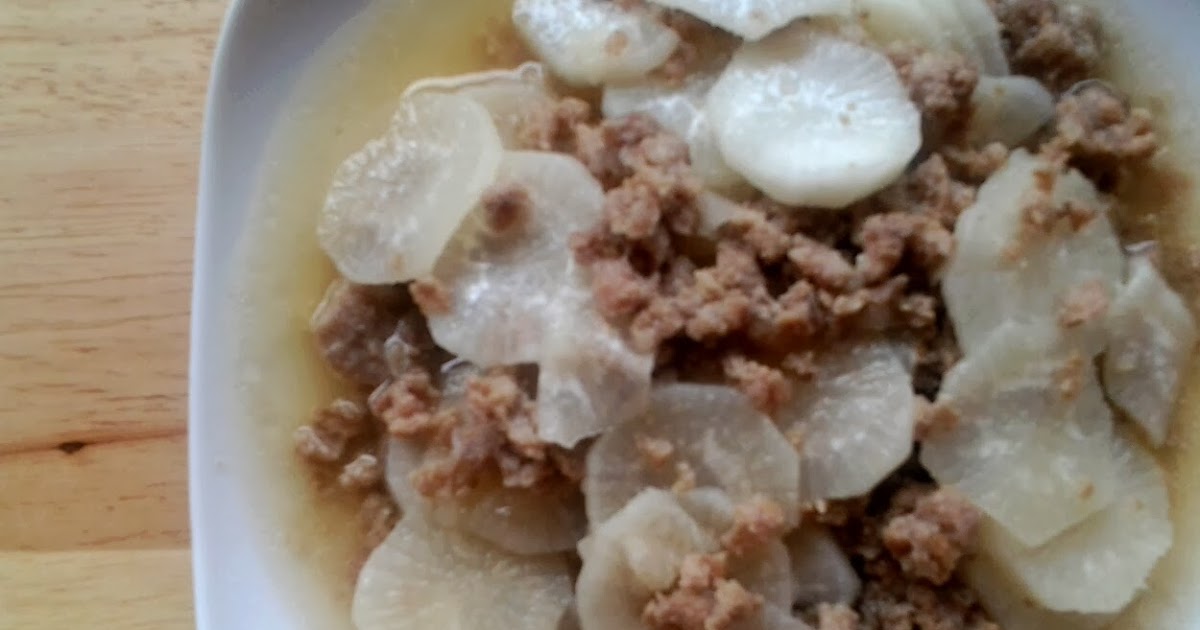
    1. Peel and slice the white radish into thin rounds.
    2. Cook ground pork in a pan until browned.
    3. Add fish sauce to the pork and stir well.
    4. Sautee garlic and onions until fragrant.

    These are the essential steps to get your Ginisang Labanos ready for cooking. Once you have completed these preparations, you’ll be all set to move on to the next step of actually cooking this tasty dish.

    Cooking Technique for Ginisang Labanos

    When cooking Ginisang Labanos, start by heating oil in a pan over medium heat. Once the oil is hot, add garlic and onions, sautéing them until fragrant.

    Next, include your choice of protein, like pork, and cook until browned. Then, add the sliced white radish and other vegetables, stirring them in the hot oil.

    Continue cooking until the radish is tender-crisp, which should take about 5-7 minutes. To enhance the flavors, season with soy sauce and fish sauce.

    This sautéing process is simple and easy, ensuring that the ingredients are cooked just right to create a delicious Ginisang Labanos dish packed with savory goodness.

    Tips for Perfect Ginisang Labanos

    For perfect Ginisang Labanos, slice the daikon radish thinly to ensure even cooking.

    Adjust the seasoning with soy sauce, fish sauce, and pepper for a flavorful dish.

    Enhance the dish by adding colorful vegetables like carrots or bell peppers for extra nutrients and texture.

    Cooking Techniques

    To achieve a flavorful base for your Ginisang Labanos, start by sautéing the garlic and onions until fragrant. This step is essential in creating an easy and delicious dish.

    Make sure to cook the pork until browned to enhance the depth of flavor. Slice the daikon radish thinly for even cooking and a pleasant texture in the final dish.

    Add a combination of soy sauce, fish sauce, and black pepper to elevate the taste profile of your Ginisang Labanos. Once cooked, serve the dish hot as a side or main course, ideally paired with steamed rice.

    These cooking techniques will help you make a perfect Ginisang Labanos every time.

    Ingredient Selection

    For the perfect Ginisang Labanos, select fresh, firm white radishes with smooth skin and a firm texture. When choosing radishes, opt for medium-sized ones that are heavy for their size, ensuring juiciness and crispness. Avoid any radishes with blemishes, soft spots, sponginess, or pungent odors, as these may affect the dish’s quality. Keeping it simple with the right selection of ingredients can elevate the flavors in this dish that features various vegetables.

    Here is a guide to help you pick the best radishes for your Ginisang Labanos:

    Criteria Description
    Skin Texture Smooth skin without blemishes or soft spots
    Size Opt for medium-sized radishes, not too big or too small for even cooking
    Weight Select radishes that are heavy for their size, indicating they are juicy

    Serving Suggestions for Ginisang Labanos

    Enhance your Ginisang Labanos meal by garnishing it with chopped green onions for a burst of flavor and freshness. This tasty dish can be served as a satisfying side dish alongside steamed rice.

    For a complete meal, pair Ginisang Labanos with grilled fish or meat to balance the flavors. To add a tangy twist, consider serving it with a side of pickled vegetables to complement the dish’s lightness.

    Whether enjoyed for lunch or dinner, Ginisang Labanos offers a healthy and flavorful option. Remember to adjust the seasoning according to your preference and enjoy this Filipino favorite with your preferred accompaniments for a delightful dining experience.

    Storage Recommendations for Ginisang Labanos

    When storing Ginisang Labanos, ensure to place any leftovers in an airtight container in the refrigerator to maintain its freshness for up to 3 days. Reheating the dish gently in a pan or microwave before serving can help restore its flavors. For a complete meal, serve Ginisang Labanos with steamed rice to create a satisfying and balanced dish. Proper storage of Ginisang Labanos helps preserve its quality and taste for future consumption.

    Following storage recommendations ensures that you can enjoy the flavors of Ginisang Labanos even after it has been prepared.

    Storage Recommendations Duration
    Airtight container Up to 3 days
    Refrigerator Maintain freshness
    Reheating before serving Restore flavors
    Complete meal Serve with steamed rice
    Preserve quality Enjoy even later

    Is the Cooking Technique for Ginisang Labanos and Ginisang Pechay Similar?

    Yes, the cooking technique for Ginisang Labanos and Ginisang Pechay at home is quite similar. Both recipes involve sautéing the vegetables with garlic, onions, and tomatoes, then simmering until the vegetables are tender. The main difference is the choice of vegetable, but the cooking method remains unchanged.

    Nutritional Value of Ginisang Labanos

    Ginisang Labanos offers a range of health benefits due to its low-calorie content and high protein levels. Knowing the nutritional value of this dish can help you make informed decisions about your diet.

    Understanding its cooking methods can further enhance the dish’s nutritional profile.

    Health Benefits

    Indulge in the nutritional benefits of Ginisang Labanos, a dish packed with Vitamin C, protein, and moderate fat content. Each serving provides approximately 44mg of Vitamin C, making it a great choice to boost your immune system.

    With around 57g of protein per serving, Ginisang Labanos can assist in muscle repair and growth. Additionally, its moderate fat content of 25g allows for a balanced diet.

    It’s worth noting that the dish is low in calories, providing only about 492kcal per serving. However, be mindful of the sodium content, which is around 2481mg per serving.

    Enjoy the health benefits of Ginisang Labanos in moderation to support your well-being.

    Cooking Methods

    To harness the full nutritional value of Ginisang Labanos, understanding its cooking methods is essential for creating a balanced and flavorful dish. When preparing Ginisang Labanos, remember these key steps:

    1. Stir and Cook: Begin by sautéing the ingredients in oil, allowing the flavors to meld together.
    2. Moderate Salt Intake: Be mindful of the sodium content in Ginisang Labanos to maintain a healthy balance in your diet.
    3. Easy to Make: This dish is straightforward to prepare, making it a convenient option for a delicious and nutritious meal.

    Frequently Asked Questions

    How Do You Eat or Cook Radishes?

    You can eat or cook radishes in various ways. Enjoy them raw in salads, pickled, roasted, or cooked in dishes like stir-fries. Their crunchy texture and peppery flavor add a refreshing element to meals.

    Is Labanos Same as Daikon?

    Yes, labanos is the same as daikon. They both refer to the mild-flavored radish used in Asian cuisine. Labanos and daikon come from the same species, Raphanus sativus, and offer versatility in raw, pickled, or cooked dishes.

    Conclusion

    In conclusion, cooking Ginisang Labanos is a simple and delicious way to enjoy daikon radish and vegetables. With the right seasonings and cooking techniques, you can create a flavorful Filipino dish that pairs well with steamed rice.

    Whether as a side dish or main course, Ginisang Labanos is a versatile meal option that can be enjoyed by the whole family. Give it a try and savor the flavors of this classic Filipino recipe.

  • Mastering the Art of Cooking Adobong Kangkong Perfectly

    Mastering the Art of Cooking Adobong Kangkong Perfectly

    Mastering the art of cooking Adobong Kangkong perfectly involves understanding its key ingredients and flavors, like water spinach, soy sauce, and vinegar. Proper preparation techniques, such as washing thoroughly and removing tough stems, are essential for a fresh and flavorful dish.

    Key Takeaways

    • Understanding the nutritional benefits and versatility of kangkong.
    • Key ingredients and flavors essential for a delicious Adobong Kangkong.
    • Proper preparation techniques for fresh and flavorful kangkong dishes.
    • Balancing soy sauce and vinegar for a flavorful adobo sauce is crucial.

    Understanding Kangkong: A Brief Introduction

    Kangkong, also known as water spinach, is a versatile and nutrient-rich vegetable that offers a mild and slightly sweet taste, making it a popular choice in various dishes, including Filipino food like Adobong Kangkong.

    Packed with Vitamin A, copper, calcium, and zinc, this leafy green is a healthy addition to any balanced diet. Its tender leaves and crunchy stalks provide a unique texture when cooked.

    In Filipino cuisine, Adobong Kangkong stands out as a flavorful dish where kangkong is typically stir-fried with garlic, soy sauce, vinegar, and other seasonings. With its nutritional content and delicious taste, kangkong isn’t only a culinary delight but also a beneficial vegetable for your overall well-being.

    Key Ingredients for Adobong Kangkong

    For a flavorful and satisfying dish of Adobong Kangkong, gather the essential ingredients like water spinach, garlic, soy sauce, vinegar, and optional pork. Water spinach, also known as kangkong, is the key vegetable that gives this dish its unique taste and texture.

    The combination of soy sauce and vinegar creates the signature adobo flavor profile, striking a perfect balance between salty and tangy notes. While pork can be included for added richness and depth, it’s entirely optional and can be omitted for a vegetarian version.

    To enhance the taste of Adobong Kangkong, consider adding seasonings like black pepper, bay leaf, and other spices according to your preference. These ingredients form the foundation for a delicious Adobong Kangkong dish.

    Preparing Kangkong for Cooking

    Firstly, wash the kangkong thoroughly in cold water to ensure it’s clean.

    Next, trim off the tough ends of the kangkong stalks for better texture.

    Remember to separate the leaves from the stalks before cooking for even cooking results.

    Wash Kangkong Thoroughly

    Ensuring thorough cleanliness, wash kangkong under running water before cooking to eliminate any dirt or impurities. Separating the leaves from the stalks, gently rub them under water to remove debris. Trim any damaged parts and cut the stalks into manageable pieces. This step ensures that your kangkong is fresh and free from any unwanted elements.

    Properly cleaned kangkong is crucial for a delicious adobong kangkong dish. By washing the kangkong meticulously, you set the foundation for a flavorful meal. Remember, clean kangkong enhances the overall taste of the dish, whether you’re cooking it with meats or vegetables.

    Remove Tough Stems

    Consider trimming the tough stems from the kangkong to ensure a more enjoyable dining experience with tender leaves and stalks. When preparing Adobong Kangkong, it’s crucial to remove these tough stems to enhance the overall texture of the dish.

    By separating the leaves and tender stalks from the fibrous stems, you create a more pleasant eating experience. This step also helps the kangkong absorb flavors better, especially when cooking it with ingredients like pork belly and oyster sauce.

    Removing the tough stems not only improves the dish’s consistency but also ensures that each bite is flavorful and tender. So, take the time to discard the tough stems for a delicious and satisfying Adobong Kangkong dish.

    The Secret to Flavorful Adobo Sauce

    To achieve a flavorful adobo sauce, focus on striking the perfect balance between soy sauce and vinegar. The savory, tangy, and slightly sweet taste profile of adobo sauce is a result of simmering meats or vegetables in a mixture of soy sauce, vinegar, garlic, and spices. As these ingredients meld together, the flavors intensify, creating a rich and complex sauce. The ratio of soy sauce to vinegar can be adjusted according to personal preferences, allowing for customization of the sauce’s flavor profile.

    Experimenting with different proportions can lead to surprising and delightful outcomes, uncovering new depths of flavor that you never knew existed. Here’s a simple table to guide you in finding your ideal soy sauce to vinegar ratio:

    Soy Sauce Vinegar
    1/2 1/2
    2/3 1/3
    3/4 1/4
    1/4 3/4

    Cooking Adobong Kangkong: Step-by-Step Guide

    For an authentic Adobong Kangkong experience, start by preparing your ingredients and heating a pan over medium heat. Season your pork with salt, brown it in oil, then add garlic for flavor when making this dish.

    Next, boil the pork with water, soy sauce, vinegar, and bay leaf to infuse the meat with adobo flavors. Simmer the kangkong in the savory adobo sauce for a short time to retain its freshness and nutrients.

    Don’t forget to season the dish with ground black pepper to enhance the flavors of the pork and kangkong. Serve your Adobong Kangkong hot, garnished with crispy fried garlic for a delicious and aromatic presentation.

    Tips for Perfecting Adobong Kangkong

    To ensure your Adobong Kangkong turns out perfectly, remember to blanch the kangkong briefly to preserve its vibrant green color and crispy texture. This step is crucial as it helps the kangkong maintain its freshness and appeal.

    Additionally, adjusting the soy sauce and vinegar ratio will ensure a balanced mix of sweet, salty, and tangy flavors in your dish. Using fresh garlic and onions will enhance the overall taste, creating a robust aromatic base.

    For those seeking a spicier flavor profile, consider adding sliced chili peppers or chili flakes. Finally, allowing the dish to simmer gently will meld the flavors together, resulting in a harmonious and delicious final product.

    Never heard of these tips before? Try them out for a delightful Adobong Kangkong with a golden brown hue.

    Serving Suggestions for Adobong Kangkong

    Blanching the kangkong and adjusting the soy sauce and vinegar ratio are key steps in perfecting Adobong Kangkong; now, let’s explore serving suggestions for this flavorful dish.

    When serving Adobong Kangkong, remember to never let it sit too long to keep the kangkong leaves fresh and vibrant. Enhance the dish by garnishing it with crispy fried garlic for an extra burst of flavor and texture.

    Pair this delightful dish with steamed rice or enjoy it as a side dish to complement whatever meat you prefer—be it pork or chicken.

    The savory and slightly tangy flavors, along with the visually appealing vibrant green kangkong leaves, make this a perfect addition to any Filipino meal.

    Can Pickled Daikon and Atcharang Labanos be used in Cooking Adobong Kangkong?

    Yes, pickled daikon and atcharang labanos can definitely be used in cooking adobong kangkong. The tangy and savory flavors from pickling daikon and atcharang labanos will add a unique and delicious twist to the traditional adobo sauce, enhancing the overall taste of the dish. Furthermore, the crunchiness of the pickled daikon and atcharang labanos will add a textural component to the adobong kangkong. Including these pickled vegetables in the dish is a great way to elevate the flavors and create a more dynamic eating experience. Try this unique twist on the traditional Filipino adobo recipe and impress your friends and family with a new and exciting take on a classic dish.

    Variations and Substitutions for Adobong Kangkong

    Consider substituting baby bok choy for kangkong in Adobong Kangkong for a similar taste and texture experience. You can also experiment with using different meats like beef or lamb to create unique variations of this dish to suit your preferences.

    Additionally, try incorporating various vegetables into the adobo sauce to discover exciting flavor combinations. Adjusting the soy sauce and vinegar ratio allows you to tailor the intensity levels to your liking. Adobong Kangkong is versatile and can be customized to accommodate various dietary restrictions or personal tastes, offering a wide range of possibilities for ingredients and flavors.

    Have fun exploring these substitutions and variations to make your Adobong Kangkong truly your own.

    Frequently Asked Questions

    How to Cook Adobo in 5 Steps?

    To cook adobo in 5 steps, start by sautéing garlic and onion. Then add soy sauce, vinegar, and kangkong stalks. Simmer, season with salt and pepper, and garnish with browned garlic. Enjoy the flavorful dish!

    How Do You Separate Kangkong?

    To separate kangkong, hold the base and leaves, gently twist and pull to detach them. The tender leaves come off easily from the tougher stem. Both parts can be used in cooking, but may need different cooking times.

    What Is the Origin of Adobong Kangkong?

    Adobong Kangkong originates from the Philippines, where adobo-style cooking blends soy sauce and vinegar. It combines adobo flavors with nutritious water spinach, creating a unique dish. The use of kangkong adds freshness to the savory adobo sauce.

    What Does Kangkong Taste Like?

    Kangkong tastes mild with a slightly sweet and slightly earthy flavor. The leaves are tender, while the stalks offer a pleasant crunch. Cooking it with garlic, soy sauce, and vinegar enhances its taste, making it perfect for Filipino dishes.

    Conclusion

    Congratulations on mastering the art of cooking Adobong Kangkong perfectly!

    With the right ingredients and techniques, you can create a flavorful and delicious dish that will impress your family and friends.

    Remember to season well, cook with care, and enjoy the unique taste experience of this classic Filipino dish.

    Keep experimenting and have fun in the kitchen!

  • What Restaurants Serve Authentic Chop Suey Dishes?

    What Restaurants Serve Authentic Chop Suey Dishes?

    Restaurants serving authentic chop suey dishes include Wong Chun Lo, Golden Fortune, Ming’s Garden, and Xin Tian Di in Manila, and Ching Palace in Lahug, Cebu. For a vegetarian option, look for Chinese cuisine restaurants emphasizing fresh ingredients.

    Key Takeaways

    • Traditional chop suey can be found at Wong Chun Lo, Golden Fortune, Ming’s Garden, and Xin Tian Di in Manila.
    • For a local experience, try Ching Palace in Lahug, Cebu, or Wing On Inn in Manila.
    • Look for vegetarian chop suey at restaurants specializing in Chinese cuisine with an emphasis on fresh ingredients.
    • Explore regional variations like Visayas, Mindanao, and Luzon for unique chop suey flavors blending Chinese and Filipino influences.

    Top Picks in Manila for Chop Suey

    If you’re craving authentic and flavorful chop suey in Manila, Wong Chun Lo Restaurant should be your top pick. This Chinese restaurant is renowned for its delicious chop suey dish, prepared with a perfect blend of fresh ingredients and traditional flavors.

    Another popular spot in Manila for classic chop suey is Golden Fortune Restaurant in Chinatown. Ming’s Garden is also a fantastic choice if you’re looking for a delectable chop suey experience with authentic Chinese cuisine.

    For those seeking a truly authentic dining experience, Xin Tian Di at Joy-Nostalg Center is a go-to option. President Grand Palace Restaurant is known for its excellent preparation of traditional chop suey, making it a must-visit spot in Manila for lovers of this iconic Chinese dish.

    Authentic Chop Suey Spots in Cebu

    When exploring Cebu’s culinary scene, you’ll want to check out the top spots for authentic chop suey dishes. Local finds like ‘Luy’s Classic Tea House’ and ‘Chowking’ offer must-try chop suey joints that cater to traditional flavors.

    Experience the vibrant mix of fresh vegetables and savory sauces that define Cebu’s chop suey offerings.

    Top Cebu Chop Suey

    For authentic chop suey enthusiasts in Cebu, discovering the top spots to savor this traditional dish is a delightful culinary adventure. Cebu, influenced by Chinese immigrants, offers a vibrant selection of authentic Chinese food, including flavorful chop suey dishes.

    Local restaurants in Cebu take pride in showcasing traditional ingredients such as crunchy vegetables and savory meats in their chop suey preparations. The province’s culinary scene uniquely presents chop suey, reflecting local tastes and preferences while maintaining the essence of this classic dish.

    Whether you’re a tourist or a local resident, exploring Cebu’s dining establishments allows you to experience the rich flavors and textures of authentic chop suey. With diverse dining options available, chop suey enthusiasts are sure to find a satisfying and genuine culinary experience in Cebu.

    Local Chop Suey Finds

    Discover the authentic chop suey spots in Cebu, starting with Ching Palace in Lahug known for its traditional and flavorful preparations of this classic dish.

    Ching Palace stands out among the local Chinese American chop suey joints for its dedication to using fresh ingredients and authentic cooking techniques.

    The restaurant has built a strong reputation for its high-quality chop suey, drawing both locals and tourists looking for an genuine taste of classic Chinese cuisine.

    With a focus on traditional flavors and consistent excellence, Ching Palace remains a top choice for chop suey enthusiasts in Cebu. Be sure to add this renowned spot to your list when exploring the local culinary scene for an authentic chop suey experience.

    Must-Try Chop Suey Joints

    Delight in the authentic flavors of chop suey at renowned spots across Cebu, each offering a unique take on this classic Chinese American food.

    Wing On Inn Restaurant is known for its flavorful chop suey dish, while Ming’s Garden offers a traditional experience with fresh ingredients.

    The Golden Rice Bowl is popular for its delicious chop suey, and Lee Hong Kee is a go-to for traditional, expertly crafted dishes.

    For a satisfying meal, head to Lotus Garden and enjoy their carefully prepared chop suey. These spots in Cebu ensure you get a taste of authentic chop suey made with care and expertise, making them must-try chop suey joints for any food enthusiast.

    Where to Find Delicious Chop Suey in Davao

    If you’re craving top-notch chop suey in Davao, head to renowned spots like Mandarin Tea Garden and Lachi’s. These popular eateries are known for serving up delicious and authentic chop suey dishes that showcase a perfect balance of flavors.

    Treat yourself to a satisfying meal of chop suey with a delightful mix of meats, fresh veggies, and savory sauces in Davao.

    Top Davao Chop Suey

    For an authentic taste of Davao’s culinary heritage, seek out the top spots serving up delectable Chop Suey dishes in Davao City, Philippines. Chinese restaurants in Davao offer a unique twist on the classic dish, incorporating local flavors and ingredients to create a vibrant culinary experience.

    When craving a taste of Davao Chop Suey, explore the diverse eateries and restaurants known for their exceptional Chop Suey offerings. Delight in the rich and flavorful combinations that showcase the region’s gastronomic creativity.

    From traditional recipes to modern interpretations, Davao’s Chop Suey options cater to a variety of tastes, highlighting the abundance of local produce and cooking techniques. Immerse yourself in the culinary scene of Davao through these mouthwatering Chop Suey dishes.

    Popular Chop Suey Spots

    Exploring Davao for delicious Chop Suey spots reveals a culinary adventure waiting to be savored.

    Ming’s Chop Suey, known for its authentic flavors and fresh ingredients, stands out as a top origin chop suey restaurant in Davao.

    Golden Chopsticks Restaurant also impresses locals and visitors with its perfectly cooked chop suey, offering a delightful mix of meat and vegetables.

    For a unique twist on this classic dish, Lao Rossa Chinese Restaurant combines traditional flavors with modern techniques, creating a memorable dining experience.

    Oriental Spoon Kitchen is another must-visit spot in Davao, where patrons enjoy the balance of textures and aromatics in their chop suey.

    Lastly, Chow King Express remains a local favorite, serving up nostalgia and traditional flavors in every bite.

    Best Restaurants for Vegetarian Chop Suey

    When seeking out the best restaurants for vegetarian chop suey, consider establishments that specialize in traditional Chinese cooking. These places often excel in creating authentic and flavorful vegetarian dishes that capture the essence of chop suey.

    Here are some key features to look for in restaurants offering top-notch vegetarian chop suey:

    • Emphasis on fresh, seasonal vegetables
    • Skillful preparation of tofu for added protein
    • Attention to achieving a balance of flavors and textures
    • Commitment to meatless variations of traditional chop suey recipes

    Opting for these restaurants ensures a satisfying and delicious vegetarian chop suey experience that stays true to the dish’s roots.

    Hidden Gems: Chop Suey Joints in Baguio

    Hidden gems await in Baguio, showcasing authentic chop suey joints that embody the city’s culinary heritage and diverse food scene. These local eateries are treasured for their traditional preparation methods and fresh, locally sourced ingredients used in crafting delicious chop suey dishes.

    When in Baguio, exploring these hidden gems offers a unique culinary experience, allowing you to savor the authentic flavors and textures of Filipino chop suey. The chop suey joints in Baguio not only provide a taste of cultural heritage but also highlight the city’s rich food culture.

    Locals and tourists alike flock to these establishments to enjoy the various rich and flavorful renditions of chop suey, each with its local twist, making it a must-try when in Baguio.

    Must-Try Chop Suey Places in Visayas

    You should try the top chop suey spots in Visayas for an authentic dining experience. Discover popular eateries in the region that serve the best local chop suey dishes made with fresh ingredients.

    Indulge in the flavors of traditional Filipino-Chinese cuisine at these must-visit establishments.

    Top Visayas Chop Suey

    For those seeking the best Chop Suey experiences in Visayas, exploring these top-notch establishments is a flavorful culinary adventure. Visayas is renowned for its unique and flavorful version of Chop Suey, prepared with locally sourced ingredients and a colorful mix of vegetables like cabbage, carrots, bell peppers, and snap peas.

    The savory sauce used in Visayan Chop Suey enhances the dish’s taste, which can be further customized with protein options such as chicken, pork, or shrimp. When visiting Visayas, don’t miss the opportunity to indulge in traditional Chop Suey dishes that highlight the region’s culinary heritage and offer a delightful explosion of flavors.

    • *Local Ingredients*: Fresh and locally sourced vegetables
    • *Colorful Mix*: Cabbage, carrots, bell peppers, snap peas
    • *Savory Sauce*: Enhances the dish’s taste
    • *Protein Options*: Chicken, pork, or shrimp

    Popular Authentic Eateries

    Among the array of dining options in Visayas, explore these popular authentic eateries serving must-try Chop Suey dishes.

    Yuyuan Garden Restaurant in Cebu City is known for its flavorful chop suey, appealing to both locals and Chinese Americans.

    Casa Verde in Cebu offers a unique twist on traditional chop suey, attracting a diverse crowd of diners.

    Ming’s Native Kitchen in Bacolod prides itself on using fresh, local ingredients to create delicious and authentic chop suey.

    The Suite Room in Iloilo City is a popular spot for those craving authentic chop suey in a cozy atmosphere.

    Anzani New Mediterranean Cuisine in Cebu City presents a high-end version of chop suey, blending traditional flavors with a modern touch.

    Best Local Chop Suey

    Discover the top destinations for authentic and delicious chop suey in the vibrant region of Visayas. When craving a taste of Chinese American cuisine with a Visayan twist, these local chop suey spots are a must-visit:

    • Mama’s Chop Suey House: A beloved eatery known for its flavorful chop suey made with locally sourced vegetables.
    • Chop Suey King: Offering a modern take on the traditional chop suey dish, combining classic flavors with innovative twists.
    • Chop ‘n’ Wok Express: Known for its quick service and generous portions of chop suey, a favorite among locals and visitors alike.
    • Wok ‘n’ Roll: Serving up a fusion of Chinese American flavors, their chop suey tells a story of Visayas’ culinary heritage.

    Exploring Mindanao’s Chop Suey Scene

    Indulge in Mindanao’s vibrant chop suey scene, where Chinese and Filipino culinary traditions entwine harmoniously. Restaurants in Mindanao offer a unique take on chop suey, blending Chinese and American influences with local ingredients. The dishes reflect the region’s diverse cultural heritage and culinary creativity, providing visitors with an authentic taste of Mindanao.

    Prepared using a mix of Chinese cooking techniques and Filipino flavors, chop suey in Mindanao showcases the region’s rich history of culinary exchange and innovation. You’ll find traditional chop suey recipes with a local twist, incorporating fresh, indigenous ingredients that highlight the region’s commitment to preserving its culinary identity.

    Experience the fusion of flavors that make Mindanao’s chop suey scene a must-try for food enthusiasts.

    Regional Flavors: Chop Suey in Luzon

    In Luzon, the largest island in the Philippines, you’ll find a distinctive regional twist on traditional chop suey dishes that highlights a fusion of Spanish, Chinese, and indigenous Filipino flavors. When exploring chop suey in Luzon, you’ll discover a mix of local vegetables like Baguio beans, cabbage, and carrots in authentic recipes.

    Additionally, indigenous ingredients such as sayote (chayote) and upo (bottle gourd) are commonly used, adding a unique touch to the dish. The culinary influence of Spanish, Chinese, and indigenous Filipino flavors can be seen in Luzon-style chop suey preparations, showcasing a rich tapestry of tastes that evolved through Chinese immigration and the use of soy sauce.

    • Mix of local vegetables like Baguio beans, cabbage, and carrots
    • Indigenous ingredients such as sayote (chayote) and upo (bottle gourd)
    • Culinary influence of Spanish, Chinese, and indigenous Filipino flavors
    • Evolution of flavors through Chinese immigration and soy sauce

    Vegetarian Delights: Chop Suey in Mindanao

    Amidst the vibrant culinary scene of Mindanao, savor the delectable vegetarian chop suey dishes showcasing a medley of fresh vegetables and tofu.

    Mindanao’s vegetarian chop suey is a flavorful delight, with indigenous vegetables like sayote and sigarilyas adding a unique twist.

    The dish is known for its rich, savory sauce crafted from a blend of soy sauce and oyster sauce, enhancing the natural flavors of the ingredients.

    Local restaurants in Mindanao take pride in offering authentic chop suey dishes that reflect the region’s diverse culinary heritage.

    Whether you’re a vegetarian or simply craving a veggie-packed meal, Mindanao’s chop suey is a must-try for anyone looking to experience a taste of Filipino flavors with a healthy twist.

    Are There Any Restaurants That Serve Authentic Chop Suey Dishes With Kilawing-Labanos?

    Yes, there are restaurants that serve authentic chop suey dishes with kilawing-labanos, considered as one of the best side dishes kilawinglabanos. These establishments take pride in offering traditional and flavorful Chinese cuisine, complete with the perfect accompaniment of kilawing-labanos to enhance the dining experience.

    Trendy Chop Suey Eateries in the Philippines

    Exploring the trendy chop suey eateries in the Philippines unveils a fusion of traditional flavors with modern twists, catering to evolving tastes in the vibrant culinary landscape of the country. These eateries offer a unique dining experience, combining authenticity with innovation to satisfy your chop suey cravings.

    When visiting the Philippines, make sure to check out ‘Chop Stop’ and ‘Chop Chop Food Centre’ for their authentic and innovative chop suey dishes. Additionally, ‘Chow King Express’ and ‘Wok and Roll’ are must-visit spots known for their creative chop suey creations that attract both locals and tourists.

    Filipino chop suey variations often incorporate local ingredients and spices, adding a distinct Filipino flair to this classic dish.

    Frequently Asked Questions

    Is Chop Suey a Real Chinese Dish?

    Chop suey isn’t a traditional Chinese dish but an American creation by Chinese immigrants blending culinary influences. While not authentically Chinese, it represents a significant fusion in Chinese American cuisine history, showcasing adaptability and creativity.

    Which Is Better Chinese or American Chop Suey?

    When deciding between Chinese or American chop suey, choose based on your preference for traditional Chinese flavors or a familiar, American-style dish. Both offer unique interpretations, catering to different tastes and backgrounds.

    What’s the Difference Between Chop Suey and Chow Mein Dishes?

    When comparing chop suey and chow mein, note that the former features a mix of meat, veggies, and eggs with a thicker sauce, served with rice or soft noodles, while chow mein boasts crispy noodles and a lighter soy-based sauce.

    What Is Another Name for Chop Suey?

    Another name for chop suey is ‘tsap seui’ in Cantonese, translating to ‘miscellaneous leftovers.’ This term reflects the eclectic mix of ingredients in chop suey, showcasing its historical origins as a resourceful and creative dish.

    Conclusion

    So, next time you’re craving authentic chop suey, head to Chinese American restaurants for a delicious and satisfying meal. With their focus on fresh ingredients and traditional recipes, you’re sure to enjoy a true taste of this iconic dish.

    Whether you’re in Manila, Cebu, Davao, Baguio, or anywhere in the Philippines, there are plenty of options to explore and satisfy your chop suey cravings. Enjoy every flavorful bite!

  • Quick and Tasty Ginataang Talong Malunggay Tofu Guide

    Quick and Tasty Ginataang Talong Malunggay Tofu Guide

    To make a quick and tasty Ginataang Talong Malunggay Tofu, you’ll need eggplant, malunggay leaves, tofu, coconut milk, and garlic. Grill the eggplant, sauté garlic, add tofu and malunggay leaves, and season with salt and pepper. The dish is rich in vitamins and plant-based protein, and the coconut milk provides a velvety sauce and heart-healthy fats.

    Key Takeaways

    • Rich in vitamins and plant-based protein
    • Versatile with ingredient swaps like tempeh or shrimp
    • Coconut milk for a velvety sauce and heart-healthy fats
    • Serve with rice and pair with pickled veggies or meats

    Ingredients for Ginataang Talong Malunggay Tofu

    To make Ginataang Talong Malunggay Tofu, you’ll need eggplant, malunggay leaves, tofu, coconut milk, and garlic.

    The coconut milk serves as the creamy base of this dish, providing a rich and luscious texture to complement the other ingredients. Not only does the coconut milk add a delightful creaminess, but it also infuses a subtle sweetness that enhances the overall flavor profile of the dish.

    When simmered with garlic, the coconut milk becomes infused with a savory aroma that will tantalize your taste buds. This key ingredient, coconut milk, is what gives Ginataang Talong Malunggay Tofu its signature velvety sauce that coats the eggplant, tofu, and malunggay leaves, creating a delicious and nutritious meal.

    Step-by-Step Cooking Instructions

    Grilling the eggplant until soft not only enhances its flavor and texture but also sets the stage for the next steps in preparing the delectable Ginataang Talong Malunggay Tofu dish.

    After grilling, sauté garlic to infuse the coconut milk base with a savory aroma.

    Add tofu for a protein-rich element, and include Malunggay leaves to boost the dish’s nutritional value with vitamins and minerals.

    Season with salt and pepper to ensure a well-balanced taste profile in the final dish.

    These steps, from grilling the eggplant to incorporating tofu and Malunggay, are crucial in creating a flavorful and nutritious Ginataang Talong Malunggay Tofu that you and your loved ones will enjoy.

    Health Benefits of Ginataang Talong

    Ginataang Talong offers a plethora of health benefits, thanks to its nutrient-rich combination of eggplant, malunggay leaves, tofu, and creamy coconut milk sauce. Malunggay leaves, rich in vitamins A, C, and E, along with minerals like calcium and potassium, enhance the dish’s nutritional value. Tofu serves as a plant-based protein source, making Ginataang Talong a satisfying meal option. The coconut milk in the recipe provides healthy fats beneficial for heart health. This dish is low in calories yet high in fiber, essential nutrients, and flavor.

    Health Benefits of Ginataang Talong
    Rich in vitamins A, C, and E
    Good source of plant-based protein
    Provides healthy fats for heart health
    Low in calories, high in fiber
    Loaded with essential nutrients

    Variations and Substitutions to Try

    Switch things up by experimenting with different ingredients and techniques in your Ginataang Talong Malunggay Tofu.

    Try swapping out regular tofu for silken tofu to achieve a softer consistency or adding shrimp or chicken for a protein-packed twist.

    Get creative by incorporating colorful veggies like squash or string beans, opting for coconut cream for a creamier sauce, and topping it off with crunchy garnishes like fried garlic or toasted coconut flakes.

    Flavorful Ingredient Swaps

    Consider trying out some flavorful ingredient swaps to elevate the taste and texture of your Ginataang Talong Malunggay dish.

    Instead of fried tofu, you can substitute it with tempeh for a different and nuttier flavor.

    For a nutrient boost, swap Malunggay leaves with spinach or kale.

    To make the sauce richer, opt for coconut cream in place of coconut milk.

    Enhance the protein content and heartiness by adding shrimp or chicken to the recipe.

    For a unique twist, experiment with spices like turmeric, curry powder, or chili flakes.

    These simple swaps can bring a whole new dimension to your Ginataang Talong Malunggay, making it even more delicious and exciting.

    Creative Cooking Methods

    Elevate your Ginataang Talong Malunggay dish by exploring creative cooking methods through variations and substitutions that can add a new twist to your culinary experience. Try these ideas to enhance your Ginataang Gulay:

    1. Protein Swap: Substitute tofu with seitan or tempeh for a different plant-based protein option.
    2. Meaty Addition: Add shrimp or shredded chicken for a non-vegetarian twist on the dish.
    3. Green Variety: Incorporate other leafy greens like spinach or kale to switch up the traditional Malunggay leaves.

    These creative cooking methods won’t only add a new dimension of flavors to your Ginataang Gulay but also provide a unique and exciting dining experience.

    Serving Suggestions and Pairings

    To enhance your dining experience with Ginataang Talong Malunggay Tofu, consider these ideal pairings and serving suggestions.

    Serve this delicious dish with steamed rice to create a satisfying meal. Garnish it with chopped spring onions for an extra burst of flavor and freshness.

    For a perfect balance, enjoy it alongside pickled vegetables that cut through the creaminess of the coconut milk. Add a squeeze of calamansi juice for a touch of citrusy brightness that elevates the overall taste.

    To make a complete and hearty meal, pair Ginataang Talong Malunggay Tofu with fried fish or grilled meat dishes. These combinations are sure to delight your taste buds and leave you feeling fully satisfied.

    Can I Use Tofu in Different Variations of Pinakbet in the Tagalog Region?

    Yes, tofu can be used in different variations of pinakbet recipe in the Tagalog region. The traditional dish typically includes vegetables like eggplant, bitter melon, and squash, but adding tofu is a great way to incorporate protein into the dish. Variations may include tofu as a delicious addition.

    Tips for Storing and Reheating Leftovers

    For optimal freshness and taste, properly store and reheat your leftover Ginataang Talong Malunggay Tofu with these simple tips.

    1. Store leftover Ginataang Talong Malunggay Tofu in an airtight container in the refrigerator for up to 3-4 days to maintain its flavors and texture.
    2. Reheat the dish in a microwave-safe bowl with a splash of water to prevent drying out, ensuring it stays moist and delicious.
    3. Stir the reheated dish halfway through the heating process to ensure even warming and to distribute the flavors evenly.

    Following these steps will help you enjoy your Ginataang Talong Malunggay Tofu leftovers as if they were freshly made.

    Frequently Asked Questions

    Can I Use Regular Tofu Instead of Silken Tofu in This Recipe?

    Yes, you can use regular tofu instead of silken tofu in this recipe. The regular tofu may have a slightly different texture, but it will still work well with the other ingredients to create a delicious dish.

    Is It Necessary to Peel the Eggplant Before Cooking It in the Ginataang Talong Dish?

    You don’t have to peel the eggplant before cooking it in ginataang talong. The skin adds texture and nutrients to the dish. Just make sure to wash it well and cut it into bite-sized pieces for a delicious meal.

    Can I Substitute Spinach for Malunggay Leaves in This Recipe?

    Yes, you can substitute spinach for malunggay leaves in this recipe. Spinach will bring a slightly different flavor but will still work well with the other ingredients. Give it a try and enjoy your tasty dish!

    How Long Can I Store Leftovers of Ginataang Talong Malunggay Tofu in the Refrigerator?

    You can store leftovers of ginataang talong malunggay tofu in the refrigerator for up to 3 days. Make sure to keep it in an airtight container. Reheat thoroughly before enjoying to maintain its flavors and texture.

    Can I Freeze Ginataang Talong Malunggay Tofu for Later Consumption?

    Yes, you can freeze ginataang talong malunggay tofu for later consumption. Ensure it’s properly sealed to prevent freezer burn. Thaw in the fridge before reheating. Freezing may slightly alter texture, but overall, it’s a convenient option.

    Conclusion

    In just a few simple steps, you can create a flavorful and nutritious dish with the Quick and Tasty Ginataang Talong Malunggay Tofu Guide.

    This recipe combines eggplant, tofu, and malunggay leaves in a creamy coconut milk sauce that’s sure to satisfy your taste buds.

    Don’t forget to share your creation and enjoy the benefits of this delicious meal packed with vitamins and minerals.

    Happy cooking!