Author: A. Pineda

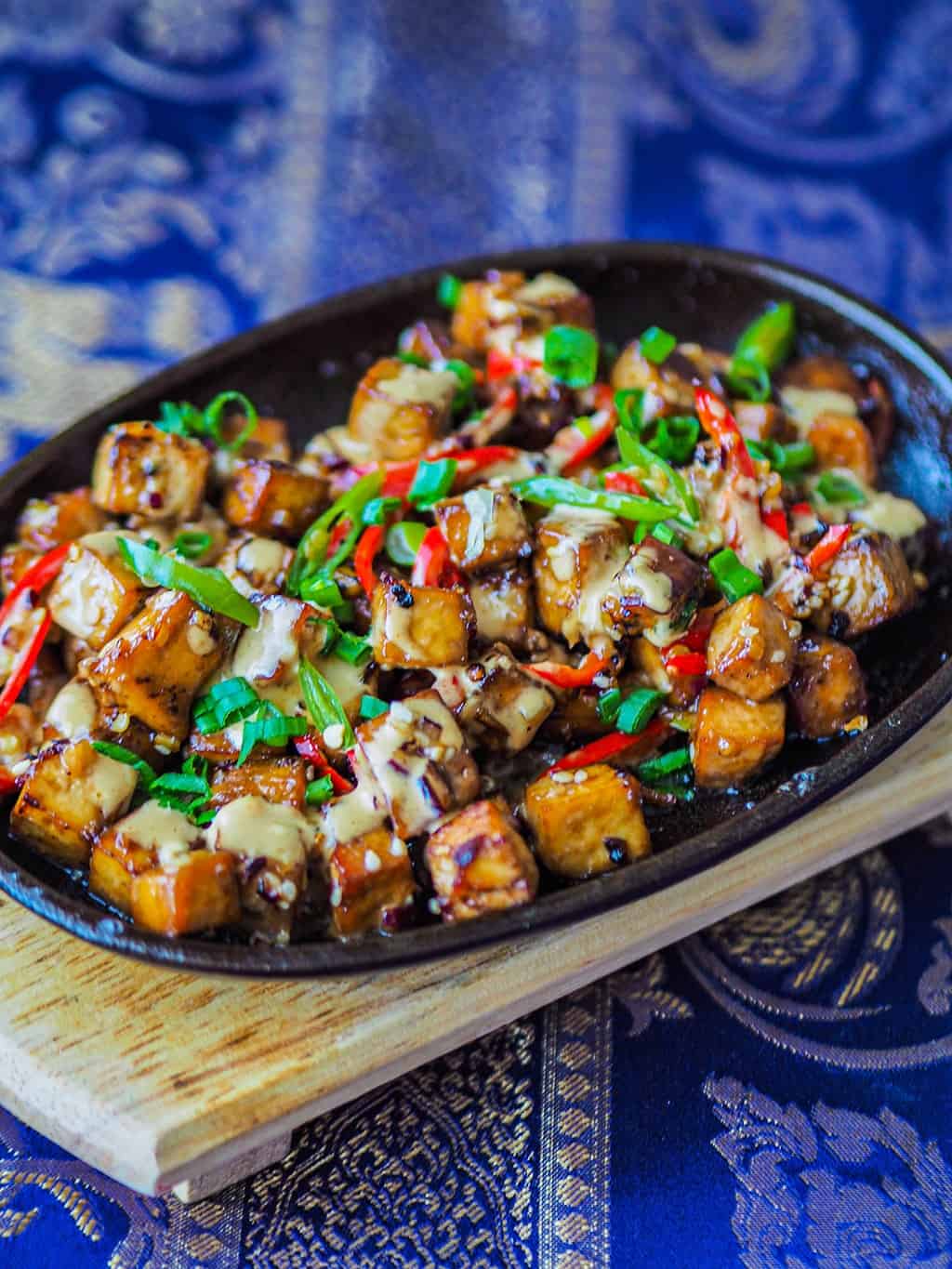
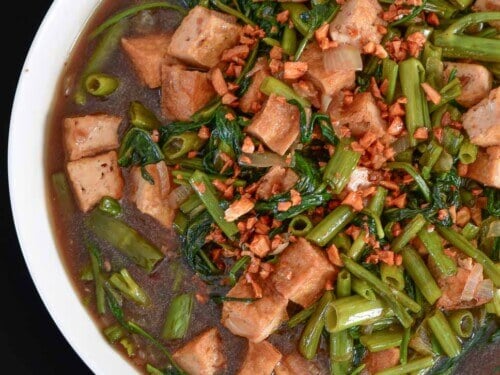
  • Simple Garlic Oyster Sauce Recipe for Tokwa Kangkong Dish

    Simple Garlic Oyster Sauce Recipe for Tokwa Kangkong Dish

    A flavorful Tokwa Kangkong dish is made with garlic, tofu, kangkong, and oyster sauce, creating a delicious Filipino-inspired meal bursting with bold flavors and textures. Enhance your dining experience by serving it with rice or as a side dish alongside fried fish or grilled meat for a well-rounded meal.

    Key Takeaways

    • Garlic, tofu, kangkong, and oyster sauce are essential ingredients for a flavorful Tokwa Kangkong dish.
    • Follow key steps like frying tofu, sautéing with oyster sauce, and customizing with veggies or protein.
    • Serve the dish with rice or as a side with complementary dishes like fried fish or grilled meat.
    • Enhance presentation with garnishes like minced garlic, sesame seeds, and fresh chilies for added flavor and appeal.

    Ingredients for Garlic Oyster Sauce Recipe

    To create the flavorful Garlic Oyster Sauce Recipe for the Tokwa Kangkong dish, gather oyster sauce, garlic, tofu, kangkong, and onions as the key ingredients. Garlic plays a crucial role in this recipe as it’s crushed, chopped, and cooked in oil until golden brown, enhancing the dish’s aroma and flavor.

    Tofu, a versatile ingredient, absorbs the savory oyster sauce mixture, providing a contrasting texture to the crunchy kangkong. The combination of garlic and oyster sauce infuses the dish with a deliciously bold and garlicky taste, complementing the freshness of the kangkong.

    These ingredients work harmoniously to create a Filipino-inspired dish that’s both satisfying and bursting with flavor.

    Preparation Steps for Tokwa Kangkong Dish

    If you’ve got your garlic and oyster sauce ready, it’s time to move on to the preparation steps for the Tokwa Kangkong dish. To start, prepare the garlic by crushing, chopping, and cooking it in oil until golden brown. Remember to separate the garlic bits from the garlic oil using a kitchen sieve. Next, fry the extra firm tofu in oil until golden brown, dice it, and set it aside.

    Below is a table summarizing the key preparation steps for the Tokwa Kangkong dish:

    Preparation Steps Details
    Prepare Garlic Crush, chop, and cook in oil until golden brown
    Separate Garlic Bits Use a kitchen sieve to separate from oil
    Fry Extra Firm Tofu Fry in oil until golden brown, then dice
    Mix Sauce Ingredients Combine oyster sauce, Knorr Liquid Seasoning, soy sauce, cornstarch, and water
    Sauté Ingredients Sauté onions, tofu, and water spinach in garlic oil

    Cooking Tokwa and Kangkong in Oyster Sauce

    When cooking Tokwa and Kangkong in Oyster Sauce, gather your ingredients, follow the cooking process steps, and consider serving suggestions.

    Start by frying tofu until golden, then sauté garlic, onions, and kangkong in the flavorful oyster sauce mixture.

    Customize with additional veggies or protein for a versatile dish that can be enjoyed as a main entree or a side with rice.

    Ingredients Needed

    For this delectable Tokwa and Kangkong dish in Oyster Sauce, you’ll need tofu, kangkong, garlic, and oyster sauce as the key ingredients. When preparing this flavorful Filipino dish, make sure you have the following items ready:

    • Tofu: Provides a protein-rich base for the dish.
    • Kangkong: Adds a fresh and vibrant green element to the recipe.
    • Garlic: Infuses a deliciously aromatic flavor into the dish.
    • Oyster Sauce: Brings a savory and slightly sweet taste to the overall flavor profile.

    These ingredients come together harmoniously to create a quick and satisfying meal that blends Chinese and Filipino culinary traditions seamlessly.

    Cooking Process Steps

    To start cooking Tokwa and Kangkong in Oyster Sauce, gather your prepped tofu, kangkong, garlic, and oyster sauce near the stove. Below is a simple guide on how to cook this delicious dish:

    Steps Instructions
    1. Fry Tofu Heat oil in a pan, fry tofu until golden brown.
    2. Saute Garlic In the same pan, sauté garlic until fragrant.
    3. Add Kangkong Toss in kangkong and stir-fry until wilted.
    4. Pour Oyster Sauce Mixture Add the oyster sauce mixture, stir well, and simmer.

    Serving Suggestions

    Enhance your dining experience with the delectable combination of Garlic Tokwa and Kangkong in Oyster Sauce. When serving this dish, consider these suggestions to elevate your meal:

    • Pairing: Serve with steamed rice to enhance the flavors of the sauce and ingredients.
    • Complement: Include fried fish or grilled meat to create a well-rounded meal.
    • Garnish: Sprinkle fresh chopped chillies on top for a touch of spice and a visually appealing presentation.
    • Versatility: This recipe can serve 4 as a side dish or 2 as a main meal, making it suitable for various dining occasions.

    Tips for Perfect Garlic Oyster Sauce

    Consider combining the rich flavors of oyster sauce, Knorr Liquid Seasoning, soy sauce, cornstarch, and water to elevate the taste of your Garlic Oyster Sauce. To ensure the perfect Garlic Oyster Sauce, cook the garlic until golden brown to bring out its aromatic qualities. Achieve a crispy texture by cooking the tofu until golden brown before adding the sauce mixture. Infuse flavors by sautéing onions, tofu, and water spinach in garlic oil.

    Lastly, season the dish to taste after adding the sauce mixture for a well-balanced flavor profile. Check out the table below for a quick summary of tips:

    Tips for Perfect Garlic Oyster Sauce
    Cook garlic until golden brown
    Cook tofu until golden brown
    Sauté onions, tofu, and spinach in garlic oil
    Season dish after adding sauce
    Enjoy a flavorful Garlic Oyster Sauce

    Serving Suggestions for Tokwa Kangkong

    When serving Tokwa Kangkong, consider pairing it with steamed rice, fried fish, or grilled meat for a satisfying meal.

    Enhance its presentation by garnishing with fresh chopped chilies for a spicy kick.

    Experimenting with different flavor combinations can elevate the dish to suit various dining occasions.

    Dish Pairing Ideas

    For a satisfying meal, pair your Tokwa Kangkong with steamed rice to elevate the dish’s flavors. Here are some dish pairing ideas to enhance your dining experience:

    • Fried Fish: Serve alongside fried fish for a complete and satisfying meal.
    • Grilled Meat: Complement the savory and garlicky profile of the Garlic Oyster Sauce dish with grilled meat.
    • Main Entree or Side Dish: Enjoy the dish as a main entree or as a flavorful side dish.
    • Pickled Vegetables: Pairing with pickled vegetables adds a refreshing and balanced element to the meal.

    These pairings won’t only complement the flavors of the Tokwa Kangkong but also add variety and depth to your dining experience.

    Presentation Tips

    To enhance the overall dining experience of your Garlic Tokwa and Kangkong in Oyster Sauce, consider incorporating creative serving suggestions that elevate the dish’s visual appeal and taste profile.

    Start by arranging the pan-fried tofu and kangkong on a large serving platter, ensuring they’re evenly distributed. Garnish generously with freshly minced garlic to add a burst of flavor. Additionally, season the dish with a sprinkle of sesame seeds for a nutty undertone.

    For an extra touch of freshness, place a wedge of lemon on the side for a hint of citrus. These simple yet effective presentation tips won’t only make your dish visually appealing but also enhance its overall taste profile.

    Flavor Enhancements

    Looking to add an extra kick to your Garlic Tokwa and Kangkong in Oyster Sauce? Enhance the flavors with these suggestions:

    • Garnish the dish with fresh chopped chillies for added heat and flavor.
    • Serve the Garlic Tokwa and Kangkong with steamed rice to complement the savory and garlicky notes.
    • Customize the seasoning to suit your taste preferences, creating a personalized culinary experience.
    • The combination of oyster sauce, garlic, tofu, and kangkong results in a harmonious blend of savory, umami, and slightly sweet flavors in every bite.

    Variations to Tokwa Kangkong Recipe

    Consider exploring exciting variations to the traditional Tokwa Kangkong recipe to elevate your culinary experience.

    Try adding tender pork belly in Kakaibang Tokwat Baboy for a unique twist.

    For a sweeter flavor, experiment with Tokwa At Baboy Humba using rich and juicy ingredients.

    If you’re hosting a gathering, consider Grilled Liempo With Fried Tofu for a flavorful party option.

    Don’t limit yourself to the usual; explore different Filipino tofu recipes to discover a variety of tastes and textures.

    Get creative and craft your own unique tofu dishes by playing around with various ingredients and flavor combinations.

    Dare to innovate and make your Tokwa Kangkong dishes stand out with these delightful variations!

    Health Benefits of Garlic Oyster Sauce

    Garlic oyster sauce offers you a range of health benefits. It boosts your immune system, improves heart health, and enhances digestive function.

    Incorporating this sauce into your meals can be a flavorful way to promote your overall well-being.

    Boosts Immune System

    By combining the immune-boosting properties of garlic and the essential minerals in oyster sauce, this dish offers a flavorful way to support your overall health. Garlic in oyster sauce provides antibacterial and antiviral properties that can help boost the immune system. Oyster sauce contains essential minerals like iron, which supports the production of red blood cells for a healthy immune response.

    Garlic is rich in antioxidants that help reduce inflammation and strengthen the immune system. The combination of garlic and oyster sauce in the dish can enhance immunity by supporting overall health and well-being. Consuming garlic oyster sauce regularly can contribute to a stronger immune system, especially when paired with nutrient-rich vegetables like kangkong.

    Improves Heart Health

    To enhance heart health, incorporating garlic oyster sauce into your diet can provide valuable benefits. Garlic in oyster sauce contains allicin, a compound known to reduce cholesterol levels and improve heart health. Oyster sauce is a good source of antioxidants, which can help reduce inflammation and protect cardiovascular health. Regular consumption of garlic may lower blood pressure and decrease the risk of heart disease.

    Additionally, oyster sauce contains essential minerals like iron that support red blood cell production and overall heart function. By including garlic oyster sauce in your meals, you can contribute to a heart-healthy eating pattern and promote your overall well-being. Start adding this flavorful and heart-boosting ingredient to your dishes today.

    Enhances Digestive Function

    Enhance your digestive function by incorporating garlic oyster sauce into your meals, reaping the health benefits of improved gut health and nutrient absorption. Garlic and oyster sauce work together to support your digestive system in various ways:

    • Garlic in oyster sauce contains allicin, aiding digestion by promoting beneficial gut bacteria growth.
    • Oyster sauce rich in umami enhances taste and stimulates appetite for better digestion.
    • Garlic acts as a natural prebiotic, supporting probiotic growth in the gut for improved digestion.
    • Oyster sauce provides essential nutrients like iron and zinc, crucial for maintaining a healthy digestive system.

    Incorporating this flavorful combination into dishes like tokwa kangkong can significantly enhance your digestion and overall gut health.

    Tokwa Kangkong Recipe Video Guide

    Get ready to elevate your cooking skills with the step-by-step Garlic Tokwa and Kangkong in Oyster Sauce recipe video guide. This tutorial offers valuable insights into preparing this traditional Filipino cuisine, a delightful tofu stir-fry dish. By following along, you can learn new techniques and cooking tips to enhance your culinary expertise.

    The video not only guides you through the recipe but also provides visual cues, making it easier to replicate the dish accurately. Share this resource with fellow food enthusiasts to promote the appreciation of Filipino cuisine. Take a look at the table below for a sneak peek at what the video guide entails:

    Cooking Step Description
    Preparation Gather ingredients
    Cooking Technique Stir-frying tofu and kangkong
    Finishing Touches Drizzling oyster sauce

    Nutritional Value of Tokwa Kangkong Dish

    For a comprehensive understanding of the nutritional value of the Tokwa Kangkong dish, delve into its calorie content and nutrient composition.

    When preparing Garlic Tokwa and Kangkong in Oyster Sauce, you can expect approximately 861 calories per serving. Moreover, this dish serves as a good source of essential macronutrients like protein and fat. It also provides important vitamins such as A and C, along with minerals like calcium and iron.

    By adjusting the recipe to suit specific dietary preferences or restrictions, you can ensure a well-rounded meal that balances flavors and nutrition.

    Enjoy the benefits of garlic and oyster sauce while relishing the nutritional goodness of this flavorful dish.

    Can I Use Garlic Oyster Sauce in an Authentic Adobong Sitaw at Kangkong Recipe?

    Yes, you can use garlic oyster sauce in an authentic adobong sitaw recipe for a delicious twist on the classic Filipino dish. The rich flavors of the oyster sauce complement the savory taste of the adobong sitaw and kangkong, creating a delightful fusion of flavors.

    Sharing Your Tokwa Kangkong Creation

    Share your delectable Garlic Tokwa and Kangkong in Oyster Sauce creation on social media to inspire others. Encourage your friends and family to try out the recipe by sharing your cooking experience and useful tips. Engage with online cooking communities to exchange ideas and gather feedback on your dish. Don’t forget to tag us in your posts to connect with a broader audience of Filipino food enthusiasts. Use popular hashtags like #FilipinoFood or #GarlicTokwaKangkong to reach a larger audience and showcase your culinary skills.

    Sharing your culinary creations not only spreads joy but also fosters a sense of community around food. Let your creativity shine and inspire others to explore the delicious world of garlic tokwa kangkong.

    Share on Social Media Connect with Filipino Food Enthusiasts
    Encourage Friends & Family Use Popular Hashtags

    Frequently Asked Questions

    What Are the Ingredients in Oyster Sauce?

    Oyster sauce typically contains oyster extracts, sugar, salt, water, and sometimes soy sauce, caramel color, and cornstarch for thickening. It adds a rich, savory flavor to dishes, making it a versatile condiment in Asian cuisine.

    What’s the Difference Between Hoisin Sauce and Oyster Sauce?

    Hoisin sauce is sweet and complex with garlic and spices, while oyster sauce is rich and savory with umami from oyster extracts. Use hoisin for glazing or dipping and oyster to add depth to seafood or stir-fries.

    What’s the Difference Between Fish Sauce and Oyster Sauce?

    Fish sauce brings intense, pungent aroma, while oyster sauce offers sweeter, richer taste. Use fish sauce as seasoning and oyster sauce as condiment in Asian dishes. Both are essential for distinct umami and flavor enhancements.

    How to Use Oyster Sauce?

    To use oyster sauce, add a touch for a burst of flavor. Drizzle it over stir-fries or marinate meats. Remember, a little oyster sauce goes a long way due to its concentrated taste. Enjoy the savory richness it brings!

    Conclusion

    In conclusion, this simple Garlic Oyster Sauce Recipe for Tokwa Kangkong Dish is a flavorful and satisfying dish that combines the goodness of tofu and water spinach with the savory notes of oyster sauce and garlic.

    With just a few ingredients and easy steps, you can create a delicious meal that’s sure to please your taste buds.

    Try this recipe today and enjoy a tasty Filipino dish with a twist!

  • Quick Kangkong Ground Pork Oyster Sauce Stir-Fry Tutorial

    Quick Kangkong Ground Pork Oyster Sauce Stir-Fry Tutorial

    Prepare a flavorful Kangkong Ground Pork Oyster Sauce Stir-Fry by following these simple steps. Enjoy the dish hot with rice for a satisfying and delicious meal.

    Key Takeaways

    • Prepare kangkong and pork properly for a flavorful stir-fry.
    • Enhance the dish with oyster sauce for depth of flavor.
    • Serve the hot stir-fry with warm rice for a satisfying meal.
    • Customize flavors with variations like fish sauce and chili flakes.

    Ingredients for Kangkong Ground Pork Stir-Fry

    To make Kangkong Ground Pork Stir-Fry, gather kangkong, ground pork, garlic, onion, and soy sauce as your main ingredients. The savory flavor of the dish primarily comes from the ground pork, which adds a rich taste to the stir-fry. Soy sauce enhances the umami profile of the dish, while oyster sauce brings a depth of flavor to the overall taste.

    Kangkong leaves provide a vibrant green color and a unique texture to the stir-fry, creating a visually appealing dish. Ensure you have these ingredients ready before you start cooking to prepare a delicious and nutritious Kangkong Ground Pork Stir-Fry that can be enjoyed as a main dish or as a flavorful side to complement your meal.

    Preparing the Kangkong and Pork

    Ensure the kangkong is thoroughly washed to remove any dirt or impurities before proceeding with the preparation of the ground pork. After washing, chop the kangkong into manageable pieces.

    For the minced pork, season it with a pinch of salt for flavor. Heat a pan and brown the minced pork until it’s cooked through. It’s essential to ensure the pork is well-cooked before mixing it with the kangkong later on.

    By preparing the kangkong and seasoning the minced pork properly, you set the stage for a delicious stir-fry with oyster sauce.

    Now that the ingredients are ready, it’s time to move on to cooking the stir-fry with the oyster sauce.

    Cooking the Stir-Fry With Oyster Sauce

    For a flavorful and quick meal, start by heating a pan to cook the stir-fry with oyster sauce. The oyster sauce will infuse the dish with savory depth and umami richness. Follow these steps to create a delicious stir-fry:

    Ingredients Instructions
    Ground beef Brown the ground beef in the pan
    Leafy green (e.g., water spinach) Add the leafy greens and stir-fry
    Oyster sauce and water Mix oyster sauce and water, then pour over the ingredients
    Salt and pepper Season with salt and pepper to taste
    Stir-fry Cook everything together until well combined

    Stir-frying with oyster sauce ensures that the flavors coat the ingredients evenly, creating a well-balanced and tasty dish.

    Serving and Enjoying the Dish

    Savor the aromatic blend of Kangkong and Ground Pork with Oyster Sauce Stir-Fry as it delights your taste buds with each bite.

    Season the dish with salt and a sprinkle of freshly ground black pepper to enhance the flavors.

    Cook the stir-fry for 1 minute to ensure the ingredients are well combined.

    Serve the dish hot alongside warm rice for a satisfying meal.

    Garnish with chopped spring onions to add a touch of freshness and color.

    Enjoy this flavorful dish with a side of fried fish or seafood for a delicious combination.

    For a refreshing drink pairing, consider serving the stir-fry with a cold beverage like iced tea or citrus-infused drink.

    Can I Use Oyster Sauce in the Squid Balls and Kangkong Dish Recipe?

    Yes, you can absolutely use oyster sauce in the quick squid balls recipe and kangkong dish recipe. Oyster sauce adds a rich and savory flavor to the dish, enhancing the overall taste. It’s a popular ingredient in many Asian recipes and complements the flavors of squid balls and kangkong perfectly.

    Tips and Variations for Flavor

    To elevate the flavors of your Kangkong and Ground Pork Oyster Sauce Stir-Fry, consider experimenting with different ingredients and seasonings. When cooking, ensure you sauté the stalks on medium heat for the perfect tender shoots consistency. For an authentic Filipino cuisine twist, add a dash of fish sauce to enhance the savory taste.

    If you enjoy a bit of heat, sprinkle some chili flakes into the pan. To enrich the aroma, drizzle a bit of sesame oil before serving. A touch of sugar can help balance out the saltiness and elevate the overall taste profile. Experiment with these variations to create a personalized and delicious stir-fry experience.

    Ingredients Flavor Profile Recommendation
    Fish Sauce Savory Enhances taste
    Sesame Oil Nutty Adds aroma
    Chili Flakes Spicy For heat lovers

    Frequently Asked Questions

    Can I Substitute Kangkong With a Different Leafy Green Vegetable in This Recipe?

    Yes, you can swap kangkong with another leafy green in this recipe. Spinach, bok choy, or even kale would work well. Just ensure similar cooking times for the substitution to maintain the dish’s balance and flavors.

    How Long Can I Store Leftovers of This Kangkong Ground Pork Stir-Fry in the Refrigerator?

    You can store leftovers of this kangkong ground pork stir-fry in the refrigerator for up to 3 days. Make sure to transfer it to an airtight container. Reheat thoroughly before enjoying again for the best taste.

    Can I Use a Different Type of Meat Instead of Ground Pork in This Dish?

    Yes, you can substitute other meats like ground chicken or beef in this dish. Adjust cooking times as needed for different meats. Experiment to find your favorite flavor combination! Enjoy your cooking adventures!

    Are There Any Specific Brands of Oyster Sauce That You Recommend for This Recipe?

    For this recipe, any reputable oyster sauce brand will work well. Look for brands like Lee Kum Kee or Kikkoman for quality and authentic flavor. Choose one that suits your taste preference and enjoy cooking!

    Can I Add Additional Vegetables to This Stir-Fry, and if So, Which Ones Would Pair Well With the Flavors of the Dish?

    Yes, you can add more veggies. Bell peppers, mushrooms, or snap peas complement the flavors. Just chop them finely for quick cooking. Experiment and enjoy creating your personalized stir-fry with your preferred vegetables.

    Conclusion

    Enjoy this quick and delicious kangkong ground pork oyster sauce stir-fry for a satisfying meal that’s packed with flavor.

    With just a few simple ingredients and easy steps, you can create a flavorful dish that’s perfect for any occasion.

    Serve it with steamed rice for a complete and satisfying meal that’s sure to impress your family and friends.

    Try it today and enjoy the savory goodness of this Filipino-inspired dish!

  • Simple Basic Tortang Talong Recipe in 5 Easy Steps

    Simple Basic Tortang Talong Recipe in 5 Easy Steps

    To make a simple Tortang Talong, choose Filipino eggplants, grill or broil them until soft and blackened, steam them in a ziplock bag for easy peeling, dip in beaten eggs seasoned with salt and pepper, and fry until crispy. Serve with rice and condiments for a delicious meal.

    Key Takeaways

    • Choose Filipino eggplants for authentic flavor and firmness
    • Prepare by roasting, grilling, or steaming for easy peeling
    • Season eggs generously for a creamy and crispy coating
    • Serve hot with rice and condiments for a versatile meal option

    Selecting the Eggplants

    When selecting eggplants for your tortang talong recipe, opt for Filipino eggplants to achieve an authentic flavor profile. These Asian eggplants are smaller and rounder, perfect for this classic Filipino dish. Look for firm and shiny eggplants without blemishes to ensure the best results.

    Filipino eggplants offer a unique smoky flavor that complements the dish perfectly. Avoid overripe eggplants and choose ones that are fresh for a tastier outcome. The size of the eggplants will impact both the cooking time and the final presentation of your tortang talong.

    Filipino eggplants can be roasted directly on a gas stove until charred, making them easy to prepare for this delicious recipe.

    Preparing the Eggplants for Cooking

    To prepare the eggplants for cooking, ensure they are grilled or broiled until soft and blackened to enhance the dish’s smoky flavor. Steaming the eggplants in a ziplock bag after grilling can make peeling the skin easier. Once the eggplants are peeled, dip them in beaten eggs seasoned with salt and pepper.

    Fry the eggplants until crispy to achieve a golden-brown exterior. Finally, drain the fried eggplants on a paper towel to remove excess oil, ensuring a lighter texture. Here is a table summarizing the key steps:

    Eggplant Preparation
    Grill or Broil until soft and blackened
    Steam in a ziplock bag
    Dip in seasoned beaten eggs
    Fry until crispy and drain on a paper towel

    Making the Egg Mixture

    Consider using a generous amount of salt and pepper to season the beaten eggs for the Tortang Talong recipe. Seasoning the beaten eggs is crucial as it enhances the flavor profile of the dish.

    The beaten eggs serve as a coating that helps bind the eggplant together, creating a creamy texture. This mixture plays a significant role in ensuring a golden and crispy exterior when frying the egg-coated eggplant.

    Cooking the Tortang Talong

    To cook the Tortang Talong successfully, broil the eggplant until soft and blackened to enhance its smoky flavor. Once the eggplant is broiled, follow these steps to create a delicious dish:

    • Steam the eggplant in a ziplock bag to make peeling easier and more efficient.
    • Beat eggs in a shallow bowl, season with salt and pepper for the egg wash.
    • Dip the eggplants in the beaten eggs before frying to create a crispy coating.

    Can the Tortang Talong Recipe be Modified to Make Lumpiang Hubad?

    The Tortang Talong recipe can be modified to make Lumpiang Hubad by combining the traditional ingredients with a twist. For the best Lumpiang Hubad recipe, simply replace the eggplant with a variety of vegetables and ground meat, then wrap it in a thin spring roll wrapper for a delightful Filipino dish.

    Serving and Enjoying the Dish

    For a satisfying dining experience, pair your tortang talong with a side of steamed rice. Once your delicious eggplant omelette is cooked to perfection, serve it hot on a serving plate. Enhance the flavors by offering hot sauce or banana ketchup on the side for an extra kick. To prepare the perfect tortang talong, cook it over medium heat until golden brown.

    The key ingredients in the egg mixture such as fish sauce and garlic powder add depth to the dish. Enjoy this Filipino favorite for lunch, dinner, breakfast, or even as a quick snack. The versatility of tortang talong makes it a delightful choice for any time of the day.

    Serving Suggestions
    Steamed rice Hot sauce
    Banana ketchup

    Frequently Asked Questions

    What Is the Best Way to Prepare Eggplant?

    To prepare eggplant best, grill or broil until soft, steam for easy peeling, dip in beaten eggs for a crispy coat, season, and drain on paper towel. This process enhances flavor and texture, making your dish delicious.

    Why Do You Need to Soak Eggplant Before Frying?

    To ensure tender, less greasy eggplant, soaking before frying is key. It removes bitterness, excess moisture, and aids even cooking. Soak in salted water for optimal results. Improve texture and flavor effortlessly with this simple step.

    How to Make Your Best Omelet Yet?

    To make your best omelet yet, crack eggs into a bowl, season with salt and pepper, whisk well. Heat a non-stick pan, add butter, pour in eggs. Cook until edges set, then fold. Enjoy!

    Do You Peel Eggplant Before Cooking?

    You peel eggplant before cooking depending on the dish. Consider the recipe requirements and desired texture. Some dishes benefit from the extra nutrients, fiber, and color in the skin, while others may call for a smoother texture without it.

    Conclusion

    Now that you have followed these five easy steps to make a delicious Tortang Talong, you can enjoy this simple yet flavorful Filipino dish at any time of the day.

    With just a few ingredients and minimal effort, you can savor the smoky and savory flavors of the eggplant, perfectly complemented by the seasoned egg wash and garlic.

    Serve and enjoy this versatile dish with rice or as a snack on its own.

  • Step-By-Step: Cooking Ginisang Upo With Kalabasa

    Step-By-Step: Cooking Ginisang Upo With Kalabasa

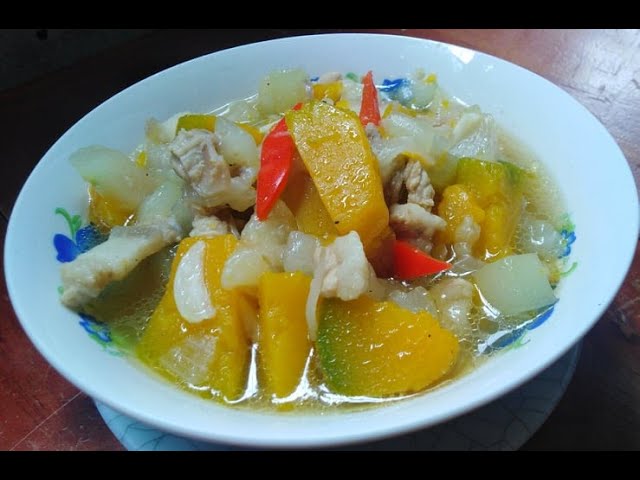
    Prepare Ginisang Upo with Kalabasa by washing, peeling, and cutting them into cubes. Sauté with garlic, onion, tomatoes, fish sauce, and pepper for a traditional Filipino flavor.

    Key Takeaways

    • Prepare Upo and Kalabasa by washing, peeling, and cutting them into uniform cubes.
    • Sauté vegetables with garlic, onion, and tomatoes to release flavors and blend tastes beautifully.
    • Season with fish sauce and pepper for traditional Filipino flavor, adjusting to personal taste.
    • Cook until butternut squash is tender but not mushy, ensuring a delightful texture for Ginisang Upo.

    Ingredients for Ginisang Upo With Kalabasa

    To prepare Ginisang Upo with Kalabasa, gather the main ingredients of Opo squash and butternut or calabaza squash.

    Sliced pork, garlic, onion, and fish sauce are also essential for this savory dish. The pork adds a rich flavor to the meal, while the garlic and onion provide a fragrant base for sauteing. Fish sauce adds a savory depth that complements the sweetness of the squash.

    These ingredients come together to create a hearty and nutritious meal that’s perfect for lunch or dinner. Once you have all these components ready, you can proceed to the next steps of cooking Ginisang Upo with Kalabasa.

    Preparing the Upo and Kalabasa

    To start preparing the Upo and Kalabasa, wash and peel the vegetables thoroughly.

    Then, cut them into uniform cubes to ensure even cooking.

    Following these steps will help you create a delicious and well-balanced dish.

    Wash and Peel

    Preparing the Upo and Kalabasa begins with thoroughly washing and peeling both vegetables to ensure a clean and flavorful base for your dish. The process of washing and peeling removes impurities and tough outer layers, allowing the flavors to shine through during cooking.

    Here is a simple guide on how to wash and peel the Upo and Kalabasa:

    Upo Kalabasa
    Wash under water Wash under running water
    Peel using a vegetable peeler or knife Remove skin with a sharp knife or peeler
    Ensure to remove tough outer skin Remove all tough skin
    Helps improve texture and flavor absorption Enhances texture and flavor absorption

    Properly washed and peeled Upo and Kalabasa are essential for a delicious and well-cooked dish.

    Cut Into Cubes

    Begin by cutting the washed and peeled Upo and Kalabasa into uniform cubes to ensure even cooking and optimal flavor absorption. Remember to remove the seeds from the Kalabasa as they can affect the texture. Aim for 1-inch cubes to help them cook evenly and maintain their shape.

    Cubing the vegetables not only aids in even cooking but also allows them to absorb the flavors of the Filipino sauce better. This step is crucial for a visually appealing presentation of the dish.

    After cutting them, you’re ready to proceed with the cooking process. Season the cubes with salt and get ready to enjoy the delicious combination of Upo and Kalabasa, also known as butternut squash, in your savory Filipino dish.

    Sautéing the Vegetables

    Heat some oil in a pan, then add your vegetables and stir them well.

    Sautéing helps to release the flavors of the garlic, onion, and tomatoes, creating a delicious base for your dish.

    This process also allows the vegetables to soften and blend their tastes together beautifully.

    Heat Oil in Pan

    To ensure a successful sautéing process, start by heating oil in a pan until it shimmers, indicating it’s ready for cooking. Using a neutral oil like vegetable or canola oil helps to develop the flavors of the vegetables evenly. Allow the oil to coat the pan evenly for consistent cooking. Sautéing is essential as it helps to enhance the taste of the ingredients by bringing out their natural flavors.

    The sizzling sound when you add the vegetables to the hot oil signals that it’s at the right temperature for cooking. This step sets the foundation for a delicious and well-cooked dish.

    Heat Oil Facts
    Neutral oil Vegetable or Canola
    Even cooking Ensures consistency
    Develop flavors Enhances taste

    Add Vegetables and Stir

    When sautéing the vegetables for Ginisang Upo with Kalabasa, ensure they’re tender yet slightly crisp for the perfect texture.

    • Saute the vegetables: Use a gentle tossing motion to cook them evenly.
    • Stir continuously: Prevent sticking and ensure all sides are cooked.
    • Maintain vibrant colors: The vegetables should look bright and appealing.
    • Season to taste: Add salt and pepper for flavor enhancement.

    Adding Seasonings and Flavors

    For a traditional Filipino flavor in your Ginisang Upo with Kalabasa dish, season it with fish sauce. Enhance the taste by adding ground black pepper to the sautéed vegetables and pork.

    Feel free to experiment with different seasonings like soy sauce or oyster sauce for a unique twist. Remember to adjust the seasoning levels according to your personal taste preferences for a customized dish.

    The combination of garlic, onion, and tomatoes forms a flavorful base for your dish. By incorporating these elements thoughtfully, you can create a delicious and well-balanced Ginisang Upo with Kalabasa that will surely delight your taste buds.

    Cooking Until Tender

    For perfectly cooked Ginisang Upo with Kalabasa, ensure the butternut squash reaches a tender consistency, adding a delightful texture to your dish. When cooking, remember to cook until tender, making sure the squash is soft but not mushy.

    To achieve this, follow these steps:

    • Cook the butternut squash for 3-5 minutes until soft.
    • Check that the squash is tender but still holds its shape.
    • Ensure the squash is fully cooked before adding the opo squash.
    • Cooking until tender guarantees a well-cooked dish with a delightful texture.

    Serving Suggestions for Ginisang Upo

    To elevate your dining experience, consider serving Ginisang Upo with Kalabasa alongside steamed rice for a classic Filipino meal.

    For a more fulfilling dining experience, complement the dish with a side of grilled meat or fried fish.

    If you have leftovers, store them in airtight containers in the refrigerator for up to 3 days. When ready to enjoy the leftovers, reheat them in a saucepan or microwave until thoroughly heated.

    To explore diverse meal options, try different variations like Ginisang Upo with Shrimp or Tinolang Manok with Upo. These variations can add exciting flavors and textures to your dining repertoire.

    Enjoy the versatility and flavors of Ginisang Upo with these serving suggestions.

    Storage Tips for Leftovers

    When storing your leftover Ginisang Upo with Kalabasa, ensure to place them in airtight containers in the refrigerator to maintain their freshness.

    • Store leftover Ginisang Upo with Kalabasa in airtight containers in the refrigerator.
    • Leftovers can be kept for up to 3 days without compromising taste or quality.
    • Reheat the leftovers in a saucepan or microwave until thoroughly heated before serving.
    • Proper storage helps preserve the flavors and textures of the dish for future enjoyment.

    Can I Use the Same Cooking Method for Ginisang Upo With Kalabasa for Ginisang Sitaw and Kalabasa?

    Yes, you can use the same cooking method for ginisang upo with kalabasa for cooking ginisang sitaw and kalabasa. The process involves sautéing garlic, onions, and tomatoes in oil, adding the vegetables, seasoning with salt and pepper, and simmering until the vegetables are tender.

    Enjoying Your Ginisang Upo Dish

    Enhance your dining experience with the delightful flavors of Ginisang Upo by pairing it with warm rice for a satisfying meal. Adjust the seasoning to suit your taste preferences and enjoy this traditional Filipino vegetable dish. After preparing this dish, share your culinary creation on social media platforms like Instagram. Engage with the cooking community by leaving a rating and comment on the recipe post. For a unique twist, consider exploring variations such as adding crispy fried dilis or substituting pork with shrimp. Join the conversation and interact with other readers and the recipe creator to exchange tips and experiences.

    Share Your Dish on Social Media Tag @PanlasangPinoy for Recipe Appreciation Leave a Rating and Comment
    Adjust Seasoning to Taste Explore Variations for a Unique Twist Interact with Cooking Community

    Frequently Asked Questions

    Do I Need to Remove Seeds From Upo?

    You should remove the upo seeds for a smoother dish. This step is crucial as mature upo seeds can be tough and bitter, affecting the overall taste. Enjoy the tender and flavorful flesh without distractions by taking out the seeds.

    What Is the English of Ginisang Upo?

    The English translation of ‘Ginisang Upo’ is ‘Sauteed Bottle Gourd.’ It’s a Filipino dish where bottle gourd is sautéed with pork, garlic, onions, and tomatoes. It’s simple, nutritious, and delicious served with rice.

    What Is a Batsu Ilocano Dish?

    Batsu, an Ilocano dish, features fermented fish paste. Originating from the Ilocos region, it boasts a strong umami flavor and pungent aroma. Typically made with fermented fish paste, tomatoes, onions, and chili peppers, it enhances various Ilocano dishes.

    Can We Eat the Seeds of Upo?

    Yes, you can eat the seeds of Upo squash. Depending on maturity, they vary in flavor and texture. Simply cut the squash in half lengthwise and scoop out the seeds with a spoon before cooking or eating.

    Conclusion

    Now that you’ve cooked Ginisang Upo with Kalabasa, you can enjoy a delicious and nutritious meal that’s perfect for any time of day.

    With its combination of flavors and simple preparation, this dish is a great addition to your Filipino cuisine repertoire.

    Remember to savor each bite and share this comforting dish with your loved ones.

    Happy cooking and happy eating!

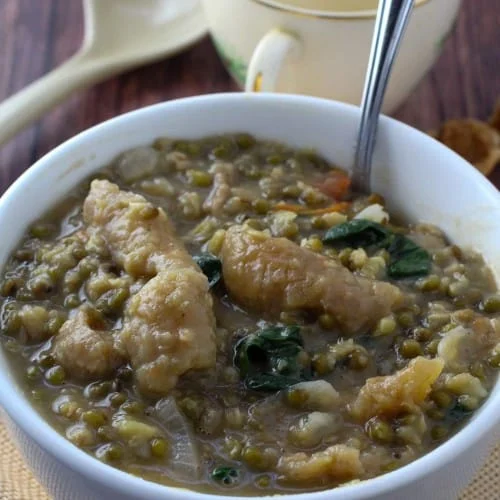
  • Savory Ginisang Monggo With Dilis: 3 Easy Steps

    Savory Ginisang Monggo With Dilis: 3 Easy Steps

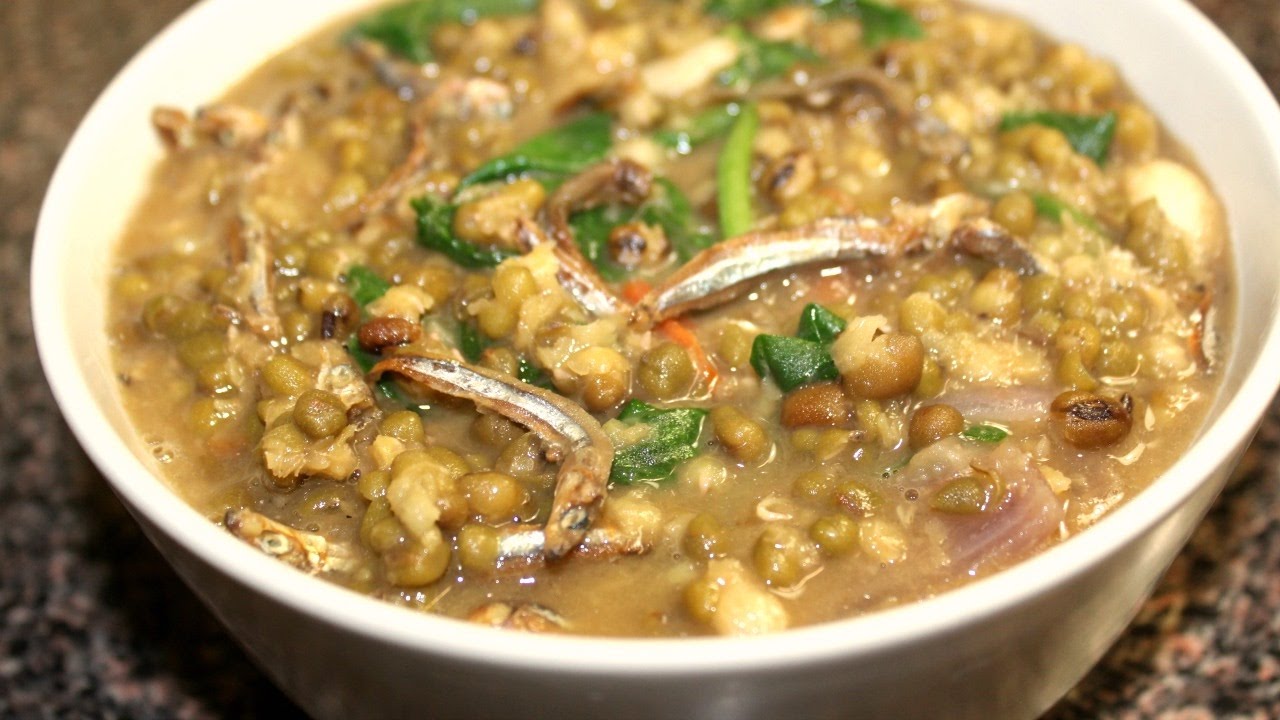
    To make a savory Ginisang Monggo with Dilis, you’ll need mung beans, dried anchovies, and garlic. Soak the mung beans for a smoother texture, then sauté garlic, onion, and tomatoes for flavor. Add the mung beans and anchovies to the pan, and stir in fish sauce, black pepper, and other seasonings. Serve with calamansi and garnish with spring onions for freshness.

    Key Takeaways

    • Soak mung beans for a smoother texture and enhanced flavor.
    • Saute garlic, onion, and tomatoes for a flavorful base.
    • Season with fish sauce, black pepper, and other seasonings.
    • Serve with calamansi and garnish with spring onions for freshness.

    Ingredients for Ginisang Monggo With Dilis

    Wondering what essential ingredients you need to prepare a delicious Ginisang Monggo With Dilis dish? To make this Filipino favorite, you’ll need mung beans, dried anchovies (dilis), and garlic.

    The mung beans, when combined with the dried anchovies, create a dish rich in nutrients like iron and magnesium. Dried anchovies not only bring a crispy texture but also add calcium, Omega-3 fatty acids, and protein to the meal. Garlic, along with other aromatics like onion and tomatoes, enhances the flavor profile of the dish, providing depth and complexity.

    Soaking the mung beans overnight is crucial for achieving a smoother texture in the final sautéed mung bean dish. These ingredients are the foundation of a hearty and nutritious Ginisang Monggo With Dilis.

    Preparation of Mung Beans and Anchovies

    To prepare the mung beans and anchovies for your Ginisang Monggo With Dilis:

    • Soak the mung beans in water overnight to soften them and reduce the cooking time.
    • Rinse the dried anchovies to remove excess salt.
    • Sauté garlic, onion, and tomatoes in oil for flavor.
    • Use a non-stick pan to prevent sticking.

    Sautéing the Mung Beans and Dilis

    Heat some oil in a pan and add the mung beans.

    Then stir in the dilis.

    This process infuses the dish with rich flavors and textures.

    Sautéing the mung beans and dilis together creates a savory and satisfying meal.

    Heat Oil in Pan

    Start by heating oil in a pan over medium heat to sauté the mung beans, garlic, onions, and tomatoes for a flavorful base.

    Here are some essential steps to follow:

    • Ensure the oil is heated evenly before adding the ingredients.
    • Sauté the mung beans until they turn slightly brown and release a nutty aroma.
    • Stir the mixture consistently to avoid burning and achieve uniform cooking.
    • Use a spatula to move the ingredients around the pan for even distribution of heat.

    Add Mung Beans

    Once the mung beans have reached a soft and tender consistency, it’s time to introduce the crispy fried dilis to enhance the dish’s savory profile.

    Adding the dilis to the sautéed mung beans not only infuses a savory taste but also contributes a delightful crunch. The mung beans, packed with protein and nutrients, blend harmoniously with the dilis, creating a flavorful Filipino dish.

    The dilis brings a distinct seafood essence to the mix, elevating the overall taste experience. The combination of these ingredients allows the flavors to meld together, resulting in a dish that isn’t only delicious but also satisfyingly wholesome.

    Get ready to enjoy a protein-rich and savory ginisang monggo with a delightful crunch from the dilis.

    Stir in Dilis

    To enhance the savory profile of your ginisang monggo, stir in the crispy fried dilis after achieving a soft and tender consistency with the mung beans. The combination of the umami flavor from the Dilis and the creamy texture of the mung beans creates a delicious contrast.

    Here are some key points to consider when sautéing the Dilis:

    • Dilis, or dried anchovies, add a unique umami flavor to the dish.
    • Sautéing the Dilis until crispy enhances its texture and brings out its savory taste.
    • The Dilis provides a crunchy contrast to the creamy texture of the mung beans.
    • Adding Dilis to the dish boosts its protein content and enriches its overall flavor profile.

    Seasoning the Ginisang Monggo Dish

    When seasoning your Ginisang Monggo dish, remember to add fish sauce for a savory umami kick.

    Sprinkle in some black pepper for a touch of spiciness, and don’t forget to balance it all out with a hint of salt.

    Experiment with adding a beef cube for extra depth of flavor.

    Flavorful Spice Mix

    Enhance the flavor profile of your Ginisang Monggo with Dilis by incorporating a spice mix featuring garlic, onion, and tomatoes. To create a flavorful spice mix for your dish, consider the following tips:

    • Start by sautéing finely chopped garlic and onion in a bit of oil until fragrant.
    • Add diced tomatoes to the mix and cook until they break down and release their juices.
    • Adjust the seasoning with salt and pepper to enhance the flavors further.
    • Allow the spice mix to simmer and meld together before adding it to your Ginisang Monggo with Dilis for a burst of aromatic goodness.

    Balancing Salty and Sweet

    For a well-rounded flavor in your Ginisang Monggo dish, skillfully balance the salty notes from fish sauce with a subtle sweetness from tomatoes. Adjusting the amount of fish sauce ensures a flavorful dish without being overly salty. To enhance the balance further, consider adding a touch of sugar or a squeeze of calamansi for a delightful twist.

    Achieving the perfect equilibrium between salty and sweet elevates the taste profile, making each bite more enjoyable. Experiment with different seasoning ratios to customize the dish according to your preferences, creating a tailored dining experience that suits your taste buds.

    Salty Sweet
    Fish Sauce Tomatoes
    Sugar

    Serving Suggestions for Ginisang Monggo

    To elevate your Ginisang Monggo experience, consider pairing it with a side of tangy calamansi for a burst of citrusy flavor. Here are some serving suggestions to enhance your Filipino cuisine meal:

    • Garnish your Ginisang Monggo with chopped spring onions for a fresh and aromatic touch.
    • Serve your Ginisang Monggo with steamed rice to balance the flavors and textures of the dish.
    • Pair your Ginisang Monggo with fried fish to introduce a contrast of flavors and add a protein-rich element to your meal.
    • Enjoy your Ginisang Monggo with calamansi on the side for a tangy and citrusy flavor that enhances the overall taste.

    Health Benefits of Ginisang Monggo

    Indulge in the wholesome benefits of Ginisang Monggo as it offers a nutritious blend of fiber, protein, vitamins, and minerals essential for your overall well-being.

    The high fiber content in Ginisang Monggo aids in digestion and promotes gastrointestinal health. Additionally, this dish is rich in protein, crucial for muscle growth and repair in your body.

    Moreover, Ginisang Monggo contains essential vitamins and minerals like iron and magnesium, which are vital for maintaining good health. Consuming mung beans in this dish can also help lower cholesterol levels and support heart health.

    The inclusion of dried anchovies (dilis) provides Omega-3 fatty acids, which are beneficial for brain function and heart health, making Ginisang Monggo a nutritious choice for your diet.

    Variations to Ginisang Monggo Recipe

    Enhance your Ginisang Monggo experience by exploring diverse ingredient combinations to create unique and flavorful dishes. Dive into the world of Filipino food with these variations to elevate your Ginisang Monggo:

    • Use different proteins like pork, shrimp, or tofu for added flavor and texture.
    • Experiment with various vegetables such as bitter melon (ampalaya), leafy greens like spinach or malunggay, or squash to create unique dishes.
    • Substitute dried anchovies (dilis) with other dried fish like danggit or small shrimp for different taste profiles.
    • Explore vegetarian options by omitting meat and using alternative seasonings like soy sauce or miso for a different umami flavor.

    Quick Tips for Cooking Ginisang Monggo

    For quicker preparation of Ginisang Monggo, consider soaking mung beans overnight to expedite cooking and enhance digestibility.

    Saute garlic, onion, and tomatoes to build a flavorful base for this Filipino cuisine. The addition of dried anchovies (dilis) brings a salty and umami-rich taste to the dish.

    Simmer the mung beans with water until soft to achieve a creamy texture. For extra crunch and flavor, fry the dried anchovies until crispy.

    These quick tips will help you create a delicious Ginisang Monggo dish in no time, perfect for a comforting and satisfying meal.

    Can I Use Different Ingredients to Make Ginisang Monggo With Dilis?

    Yes, you can definitely use different ingredients to make ginisang monggo recipe with dilis. You can add vegetables such as spinach, bitter melon, or squash to enhance the flavor. You can also experiment with adding shrimp, pork, or tofu for a different twist on this classic Filipino dish.

    Sharing Your Ginisang Monggo Experience

    Share your Ginisang Monggo journey with others to foster culinary connections and inspire fellow food enthusiasts. When you share your experience online, especially on platforms like Instagram, you not only showcase your cooking skills but also create opportunities to engage with a broader community of food lovers.

    Here are some tips to make your sharing experience more impactful:

    • Comment: Engage with others by leaving comments on recipe posts and sharing your own tips or modifications.
    • Rate and Provide Feedback: Help others by rating the recipe and sharing your cooking experience to guide those attempting the dish.
    • Explore: Dive into related posts and recipes for more inspiration and ideas on Filipino cooking.
    • Join Communities: Connect with like-minded individuals in online cooking communities or forums to exchange experiences about making Ginisang Monggo with Dilis.

    Frequently Asked Questions

    What Pairs Well With Ginisang Monggo?

    When enjoying Ginisang Monggo, think about pairing it with fried fish or grilled seafood for a tasty combo. Don’t forget to add a side of pickled vegetables like atchara or green mango for extra flavor!

    What Is Ginisang Monggo Made Of?

    Ginisang Monggo is made of mung beans, dried anchovies, garlic, onion, and tomatoes. It’s a Filipino comfort food packed with fiber and protein. The combination creates a hearty and satisfying dish known for its simplicity and savory flavors.

    Is Ginisang Monggo Healthy?

    Yes, Ginisang Monggo is healthy. Packed with fiber, protein, vitamins, and minerals, it aids digestion and heart health. Dilis adds calcium, Omega-3, and protein. Enjoy this nutritious dish for overall well-being.

    Why Do We Cook Monggo on Friday?

    You cook monggo on Fridays because it’s a Filipino tradition tied to Catholic practices, where meat is avoided for penance. Monggo dishes like Ginisang Monggo are favored for being simple, affordable, and nutritious, aligning with Lenten fasting practices.

    Conclusion

    So there you have it, a delicious and nutritious dish of Savory Ginisang Monggo With Dilis in just 3 easy steps.

    With the perfect blend of mung beans, anchovies, and seasonings, this Filipino favorite is sure to satisfy your taste buds and provide you with essential nutrients.

    Give it a try and enjoy a flavorful meal that’s both hearty and healthy!

  • What Restaurants Serve Delicious Chop Suey?

    What Restaurants Serve Delicious Chop Suey?

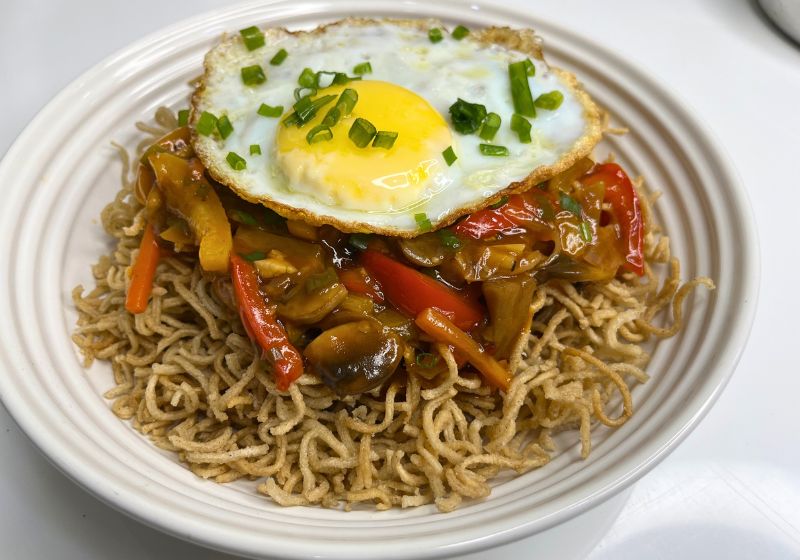
    To find restaurants that serve delicious chop suey in Houston, consider visiting Original ChopShop in River Oaks, which offers a 4.9 delivery rating and fast delivery in 20-35 minutes. Charlie’s BBQ is another option, with a 15-30 minute delivery time, and Tout Suite SoDo provides a 4.5-rated chop suey with a 20-35 minute delivery. Corner Bakery Cafe at 1000 Main St 101 offers a 4.6-rated chop suey with a 15-30 minute delivery.

    Key Takeaways

    • Original ChopShop in River Oaks offers fresh and vibrant Chop Suey with a 4.9 delivery rating.
    • Charlie’s BBQ serves hearty Chop Suey with smoked meats in 15-30 minutes.
    • Tout Suite SoDo provides flavorful Chop Suey with a 4.5 rating and 20-35 minute delivery.
    • Corner Bakery Cafe at 1000 Main St 101 offers satisfying Chop Suey with a 4.6 rating and 15-30 minute delivery.

    Top Houston Restaurants for Chop Suey

    When looking for the best Chop Suey in Houston, head to these top restaurants for a delicious dining experience. Houston offers a variety of options for Chinese food lovers.

    Original ChopShop in River Oaks is known for its delicious Chop Suey with a high delivery rating of 4.9 and speedy delivery in 20–35 minutes.

    Midtown Cafe & Deli is another excellent choice, serving up tasty Chop Suey with a delivery time of 30–45 minutes.

    If you’re in the mood for a flavorful Chop Suey option, Charlie’s BBQ in Houston provides a quick delivery time of 15–30 minutes.

    For a top-notch delivery experience, Tout Suite SoDo offers a solid 4.5 rating and a delivery time of 20–35 minutes.

    Additionally, Corner Bakery Cafe at 1000 Main St #101 in Houston offers quality Chop Suey with a 4.6 rating and a delivery time of 15–30 minutes.

    Must-Try Chop Suey Spots in Houston

    Explore the must-try Chop Suey spots in Houston for a delectable dining experience.

    If you’re craving Chop Suey, check out Tout Suite SoDo for a 4.5-rated option delivered in 20-35 minutes. Original ChopShop – River Oaks is another excellent choice with a high rating of 4.9 and a similar delivery time.

    For a bit longer wait of 30-45 minutes, you can enjoy Midtown Cafe & Deli’s delicious Chop Suey. Charlie’s BBQ is a popular spot with a quick delivery time of 15-30 minutes.

    Lastly, Corner Bakery Cafe at 1000 Main St #101 offers quality Chop Suey rated at 4.6 and delivered in 15-30 minutes. These spots in Houston promise a tasty Chop Suey experience.

    Best Places for Chop Suey in Houston

    For those seeking the best places to enjoy Chop Suey in Houston, a variety of top delivery options stand out, including Tout Suite SoDo, Charlies BBQ, and Original ChopShop – River Oaks, each offering quick delivery times ranging from 15 to 35 minutes. To help you decide where to order your next Chop Suey meal, here is a comparison table showcasing the delivery times of these popular eateries:

    Restaurant Delivery Time
    Tout Suite SoDo 15 minutes
    Charlies BBQ 25 minutes
    Original ChopShop – River Oaks 35 minutes

    With this information, you can choose the option that best fits your timeline and cravings. Enjoy your delicious Chop Suey from these fantastic Houston spots!

    Houston’s Delicious Chop Suey Options

    Indulge in Houston’s diverse Chop Suey options at top eateries like Tout Suite SoDo, Charlies BBQ, and more. Whether you’re craving traditional Chop Suey or a unique twist on this classic dish, Houston has you covered. Check out these fantastic spots for a Chop Suey experience you won’t forget:

    • Tout Suite SoDo: A trendy cafe offering a flavorful Chop Suey.
    • Charlies BBQ: Enjoy a hearty serving of Chop Suey with a side of smoked meats.
    • Corner Bakery Cafe: Try their delicious Chop Suey for a satisfying meal.
    • Midtown Cafe & Deli: A cozy spot serving up comforting Chop Suey dishes.
    • Original ChopShop – River Oaks****: Fresh and vibrant Chop Suey options for a delightful dining experience.

    Are the Delicious Chop Suey Dishes at These Restaurants Authentic?

    If you’re craving authentic chop suey dishes, head to these restaurants. The flavorful and traditional chop suey dishes they offer will transport you to Asia with every bite. From the fresh ingredients to the rich flavors, you won’t be disappointed with the authenticity of these dishes.

    Where to Find Authentic Chop Suey

    When searching for authentic Chop Suey, prioritize seeking out popular Chinese restaurants with a reputation for traditional recipes and high ratings.

    Chinese restaurants are known for their expertise in preparing classic dishes like Chop Suey. Look for establishments that use fresh ingredients and follow traditional Chinese cooking techniques to ensure the best flavor.

    Reading reviews can help you identify restaurants that serve delicious and authentic Chop Suey, satisfying your cravings for this beloved dish. Consider exploring local Chinese eateries that offer a variety of Chop Suey options, catering to different preferences and dietary restrictions.

    Frequently Asked Questions

    What Is Another Name for Chop Suey?

    Another name for Chop Suey is ‘Tsap Seui’ in Cantonese, translating to ‘mixed pieces.’ It originated from the Taishan dialect of Chinese, meaning ‘assorted pieces.’ This dish became a staple in Chinese-American cuisine, reflecting its diverse ingredients.

    What Is the Difference Between American Chop Suey and Chinese Chop Suey?

    When comparing American Chop Suey to Chinese Chop Suey, note the distinction in ingredients and cooking styles. American version resembles a hearty casserole with beef and pasta, while Chinese version is a veggie-filled stir-fry with meat and savory sauce.

    What Is Special Chop Suey?

    Special Chop Suey is a Chinese-American dish with shrimp, ham, and chicken in a tasty sauce. It’s a popular option offering a mix of protein and veggies, often served with rice or noodles. Customize it for a delicious meal.

    Is Chop Suey a Real Chinese Dish?

    Yes, Chop Suey is not a traditional Chinese dish but a Chinese-American creation. It typically includes meat, veggies, and sauce over rice or noodles. While its exact origins are debated, it’s a popular dish in Chinese-American cuisine.

    Conclusion

    So, next time you’re craving delicious Chop Suey in Houston, be sure to check out Original ChopShop and Charlies BBQ for some mouthwatering options.

    With a variety of protein and veggie choices, affordable prices, and great ratings, these restaurants are sure to satisfy your cravings.

    Don’t hesitate to treat yourself to some authentic and flavorful Chop Suey at these top spots in Houston!

  • Authentic Filipino Ginataang Kalabasa at Sitaw Recipe

    Authentic Filipino Ginataang Kalabasa at Sitaw Recipe

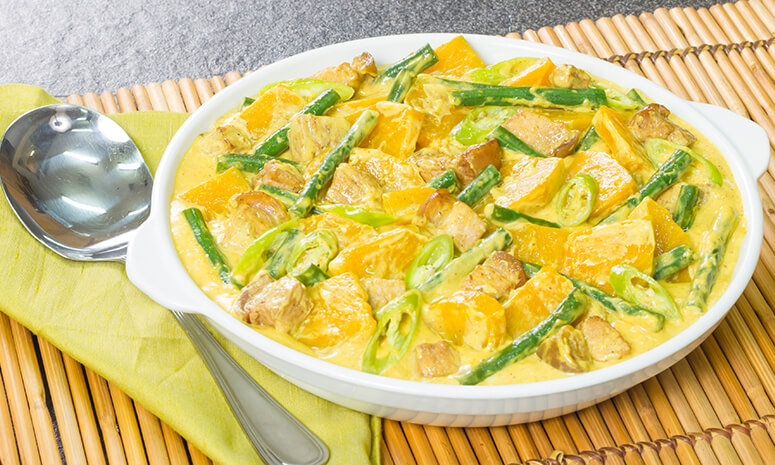
    Ginataang Kalabasa at Sitaw is a traditional Filipino dish featuring squash and long beans cooked in creamy coconut milk, offering a sweet and nutty flavor. Customize ingredients and seasonings to your liking for a personalized touch.

    Key Takeaways

    • Customize ingredients and seasonings for a personalized touch.
    • Enhance flavors with Knorr Pork Cube and cooking variations.
    • Store leftovers properly and reheat gently for best results.
    • Embrace the cultural significance and health benefits of this traditional Filipino dish.

    Ingredients for Ginataang Kalabasa at Sitaw

    For making Ginataang Kalabasa at Sitaw, you’ll need a few key ingredients that contribute to its rich and flavorful taste. The dish features squash (kalabasa) and yardlong beans (sitaw) cooked in creamy coconut milk, a staple in Filipino cuisine. The squash provides a sweet and nutty flavor, while the yardlong beans offer a mild taste. Common protein options like pork, chicken, or shrimp can be added for extra substance.

    The coconut milk not only creates a luscious, creamy texture but also enhances the overall richness of the dish. What’s great about this recipe is its flexibility for customization, allowing you to adjust ingredients and seasonings according to your preferences.

    Preparation Steps for Ginataang Kalabasa at Sitaw

    Now, let’s get ready to prepare your Ginataang Kalabasa at Sitaw.

    The upcoming points will guide you through the required ingredients and the simple cooking instructions for this traditional Filipino dish.

    Get your kitchen prepped for a delicious culinary experience!

    Ingredients Needed

    Prepare the following ingredients for making Ginataang Kalabasa at Sitaw:

    • pork (belly or shoulder)
    • squash (kalabasa)
    • yardlong beans (sitaw)
    • coconut milk
    • shrimp paste

    These are the key components for this traditional Filipino dish. For protein choices, you can also use chicken or shrimp. Cooking variations may involve using different protein options or substituting the shrimp paste with fish sauce or sea salt. Additionally, you can adjust the recipe by using Kabocha or butternut squash and opting for coconut milk instead of coconut cream.

    When serving Ginataang Kalabasa at Sitaw, it pairs well with steamed rice or complements dishes like fried or grilled meat. Leftovers can be stored in the refrigerator or freezer for later consumption.

    Cooking Instructions

    To begin making Ginataang Kalabasa at Sitaw, heat a pot over medium heat and add oil for sautéing the garlic, onions, and ginger. Once fragrant, pour in the coconut milk, bringing it to a gentle simmer.

    Add the squash and string beans, letting them cook until tender yet slightly crisp. Season the dish with salt and pepper to enhance the savory flavors. Stir occasionally to ensure even cooking and to meld the creamy coconut milk with the vegetables.

    This Filipino dish isn’t only easy to prepare but also rich in nutrients, offering a comforting and satisfying meal that showcases the delicious combination of squash, string beans, and coconut milk.

    Cooking Instructions for Ginataang Kalabasa at Sitaw

    When cooking Ginataang Kalabasa at Sitaw, ensure you have all ingredients prepped and ready for a smooth cooking process.

    You can explore various cooking methods like adding coconut cream for a richer taste or incorporating different proteins for a twist.

    Consider serving the dish with steamed rice and a sprinkle of crispy fried garlic on top for extra flavor and texture.

    Ingredient Preparation Tips

    For optimal flavor and texture in your Ginataang Kalabasa at Sitaw, ensure the string beans, squash, onions, ginger, and garlic are thoroughly cleaned and chopped before cooking.

    To enhance the dish, brown and crisp the pork in oil before sautéing the garlic, onion, and ginger.

    When incorporating coconut milk, gently simmer it to avoid curdling and allow the flavors to blend.

    Cooking the squash for 5 minutes before adding the string beans ensures both vegetables are tender.

    Adding Knorr Pork Cube enriches the savory taste of the dish and complements the natural sweetness of the squash and string beans.

    Proper preparation and cooking techniques will result in a delicious and authentic Filipino Ginataang Kalabasa at Sitaw.

    Cooking Method Variations

    Enhance the depth of flavors in your Ginataang Kalabasa at Sitaw by experimenting with different cooking methods such as grilling or roasting the vegetables before simmering them in coconut milk. Here are some variations to consider:

    1. Grilling: Char the string beans and squash before adding them to the coconut milk for a smoky flavor.
    2. Roasting: Roast the vegetables in the oven until they caramelize slightly, then incorporate them into the simmering coconut milk.
    3. Sautéing: Instead of boiling, sauté the string beans and squash in garlic and ginger to intensify their taste before combining with coconut milk.
    4. Seasoning: Adjust the seasoning by tasting and adding more salt, pepper, or a Knorr Pork Cube for an extra burst of umami richness.

    Serving Suggestions and Garnishes

    To elevate the presentation of your Ginataang Kalabasa at Sitaw, consider garnishing the dish with a sprinkle of toasted coconut flakes. Additionally, you can enhance the flavor profile by adding fried garlic and chopped green onions as garnishes.

    Serve this creamy and nutritious Filipino cuisine hot with steamed rice as a main course or side dish. The combination of squash and string beans in coconut milk not only provides a creamy texture but also offers a well-balanced meal.

    The visual appeal of Ginataang Kalabasa at Sitaw, along with its rich flavors, makes it a popular and satisfying choice in Filipino cuisine. Enjoy this dish with the suggested garnishes and serving suggestions for a delightful dining experience.

    Tips for Perfecting Ginataang Kalabasa at Sitaw

    Achieving the perfect balance of coconut milk and vegetables is key to mastering the authentic flavor of Ginataang Kalabasa at Sitaw. Here are some tips to help you perfect this creamy and flavorful dish:

    1. Choose Fresh Ingredients: Properly selecting and preparing fresh squash and string beans is essential for an authentic taste.
    2. Maintain the Right Balance: Ensure you have the correct ratio of coconut milk to vegetables for a creamy and flavorful outcome.
    3. Cook Vegetables Just Right: Aim to cook the vegetables until tender but still firm to maintain the perfect texture.
    4. Enhance Flavor: Season with Knorr Pork Cube to add depth of flavor and elevate the overall taste of the dish.

    Serving Suggestions for Ginataang Kalabasa at Sitaw

    For a delightful dining experience, consider pairing Ginataang Kalabasa at Sitaw with fragrant jasmine rice. The creamy coconut milk in the dish complements the sweetness of the squash and the earthy flavor of the long beans, creating a savory combination that goes perfectly with the lightness of jasmine rice.

    This traditional Filipino dish isn’t only delicious but also nutritious, providing essential vitamins like vitamin C and a good source of plant-based protein. To enhance the overall meal, you can also serve it with a side of tangy pickled vegetables or a fresh green salad.

    Storage Guidelines for Ginataang Kalabasa at Sitaw

    Properly storing Ginataang Kalabasa at Sitaw in a tightly sealed container in the refrigerator maintains its freshness for up to 3 days.

    When dealing with leftovers, follow these guidelines:

    1. Refrigerate Promptly: Store any leftover Ginataang Kalabasa at Sitaw in the fridge within two hours of cooking to maintain its quality.
    2. Avoid Freezing: Freezing may alter the vegetable texture and sauce consistency, affecting the overall taste upon reheating.
    3. Reheating Tips: When reheating, use a saucepan over low heat until it reaches 165°F for a safe and delicious meal.
    4. Quality Maintenance: Stir regularly during reheating to ensure even warming and preserve the dish’s original taste and vegetable texture.

    Nutritional Value of Ginataang Kalabasa at Sitaw

    To understand the health benefits of Ginataang Kalabasa at Sitaw, consider its impressive nutritional profile. A serving of this dish contains 512kcal, 41g of carbohydrates for energy, 13g of protein for muscle repair, 38g of fat, and 11g of fiber for digestion.

    The carbohydrates provide essential energy for your daily activities, while the protein supports muscle repair and growth. Additionally, the high fiber content aids in digestion and helps you feel full.

    With a balance of nutrients like carbohydrates, protein, fat, and fiber, Ginataang Kalabasa at Sitaw offers a satisfying and wholesome meal option that can contribute to your overall well-being.

    Are there other authentic Filipino recipes similar to Ginataang Kalabasa at Sitaw that I can try?

    Yes, there are plenty of other authentic Filipino recipes similar to Ginataang Kalabasa at Sitaw that you can try. One popular dish is the Filipino Shrimp Laing recipe, which features shrimp cooked in a flavorful coconut milk and taro leaves mixture. It’s a must-try for lovers of Filipino cuisine.

    Feedback and Comments on Ginataang Kalabasa at Sitaw

    Upon tasting Ginataang Kalabasa at Sitaw, enthusiasts often rave about its creamy texture and rich coconut milk flavor. Here are some common feedback and comments on this authentic Filipino dish:

    1. The perfect balance of flavors between the squash and string beans is often highlighted.
    2. Many enjoy the addition of pork for that extra protein and flavor boost.
    3. Some suggest trying variations with different proteins like shrimp or chicken for a twist.
    4. Overall, the dish receives praise for its simplicity, affordability, and genuine Filipino taste.

    These aspects contribute to making Ginataang Kalabasa at Sitaw a beloved dish that captures the essence of Filipino cuisine in a delightful and satisfying manner.

    Frequently Asked Questions

    What Is the English of Ginataang Kalabasa?

    The English translation of Ginataang Kalabasa is ‘Squash in Coconut Milk.’ It’s a Filipino dish with squash and long beans cooked in a creamy coconut milk sauce. The combo of squash and string beans makes a delicious and nutritious meal.

    How Many Calories in a Sitaw at Kalabasa?

    In a serving of Sitaw at Kalabasa, you’ll find around 512 calories. This dish is rich in carbs, offering about 41 grams per serving. Additionally, it provides a decent amount of protein, with approximately 13 grams per serving.

    What Is the Meaning of Ginataang?

    Ginataang is a Filipino cooking method where ingredients are simmered in coconut milk. It creates creamy, flavorful dishes. It’s derived from ‘gata,’ meaning coconut milk. Enjoy the rich taste and comforting textures of ginataang recipes.

    What Is the Nutrients of Ginataang Kalabasa?

    Ginataang Kalabasa is packed with essential nutrients like vitamins A and C, dietary fiber promoting gut health, and a balanced mix of carbohydrates, protein, and healthy fats. This dish offers around 512 calories per serving for a satisfying meal.

    Conclusion

    Enjoy the rich and comforting flavors of Authentic Filipino Ginataang Kalabasa at Sitaw in every bite.

    With its creamy coconut milk base, tender squash, and crisp string beans, this dish is a delicious and nutritious addition to any meal.

    Whether served as a main dish or a side, this recipe captures the essence of Filipino cuisine and is sure to be a crowd-pleaser.

    Try making it today for a taste of home-cooked goodness!

  • How to Make Delicious Ginisang Munggo in 10 Easy Steps

    How to Make Delicious Ginisang Munggo in 10 Easy Steps

    To make delicious Ginisang Munggo in 10 easy steps, start by properly preparing and cooking Mung beans for essential texture and taste, then sauté onions, garlic, and tomatoes to build a flavorful base. Remember to season with fish sauce, salt, and pepper for a well-balanced flavor and garnish with herbs, citrus, and protein accompaniments for a complete experience.

    Key Takeaways

    • Properly prepare and cook Mung beans for essential texture and taste.
    • Sauté onions, garlic, and tomatoes to build a flavorful base.
    • Season with fish sauce, salt, and pepper for a well-balanced flavor.
    • Garnish with herbs, citrus, and protein accompaniments for a complete Ginisang Munggo experience.

    Preparing the Mung Beans

    To begin preparing the Mung beans, thoroughly rinse 1 ½ cups of Mung beans to remove any dirt or debris. Once clean, boil 24 ounces of water in a pot before adding the rinsed Mung beans to cook until soft. During boiling, remember to skim off any foam that forms on the water’s surface. Stir the Mung beans occasionally to prevent them from sticking to the pot’s bottom.

    To check if they’re ready, press one bean between your fingers; it should easily mash. Cooking the Mung beans to the right consistency is crucial for a delicious Ginisang Munggo, a traditional Filipino dish.

    Next, we’ll move on to sautéing the aromatics to enhance the flavors further.

    Sautéing the Aromatics

    When sautéing the aromatics for your Ginisang Munggo, remember to heat the oil first before adding onions, garlic, and tomatoes. This process allows the flavors to develop and create a rich base for your dish.

    Soften and caramelize the aromatics until they’re fragrant to enhance the overall taste of your mung bean dish.

    Onion and Garlic Sauté

    Begin by sautéing finely chopped onions until they turn translucent to bring out their sweet flavor.

    Adding minced garlic to the sautéed onions enhances the aromatic base for your Ginisang Munggo.

    The combination of these ingredients forms the essential flavor profile of the dish. Cooking them together properly ensures a rich and savory taste in your final dish.

    The sautéed onions and garlic create a flavorful foundation, setting the stage for the rest of the ingredients to shine. Pay attention to this step, as it lays the groundwork for a delicious and authentic Ginisang Munggo.

    Mastering the art of onion and garlic sauté will elevate the overall taste of your dish.

    Aromatic Flavor Development

    Enhance the depth and richness of your Ginisang Munggo by sautéing aromatics like garlic, onion, and tomato to release their flavors and create a tantalizing aroma that will elevate your dish to new heights. Sautéing the aromatics on medium heat allows them to soften and caramelize slightly, unlocking their full potential in the dish.

    The combination of garlic, onion, and tomato forms the base of many Filipino dishes, providing depth and richness to the flavor profile. Properly sautéing the aromatics until they are fragrant helps to build layers of flavor in the dish. The aroma from the sautéed aromatics creates a tantalizing scent that entices the appetite and adds to the overall sensory experience of the dish.

    Aromatics Sautéing Flavors
    Garlic Fragrant Rich
    Onion Caramelize Depth
    Tomato Release Layers

    Adding the Mung Beans

    To incorporate the Mung beans into your Ginisang Munggo, start by rinsing 1 ½ cups of Mung beans and adding them to 24 ounces of boiling water.

    Boil the Mung beans until they become soft and tender, usually requiring 45 minutes to 1 hour. Remember to stir occasionally to ensure even softening and avoid sticking.

    Mung beans are packed with protein, fiber, and essential nutrients, making them a nutritious choice for your dish. These beans not only add texture and flavor to your Ginisang Munggo but also contribute to its overall nutritional value.

    Adding Mung beans is a fundamental step in creating a delicious and wholesome dish that your taste buds and body will appreciate.

    Seasoning the Dish

    As you continue preparing your Ginisang Munggo, the next step is to season the dish to enhance its flavors and overall taste profile. Adding fish sauce brings an umami flavor and saltiness that balances the dish perfectly. Don’t forget to sprinkle a bit of salt and pepper for that extra depth and heat.

    Balancing the seasoning is crucial; taste as you go to ensure it meets your preferences. Proper seasoning not only elevates the mung beans but also enhances the flavors of the vegetables and meats in the stew.

    Incorporating Vegetables

    To enhance the nutritional value and flavor profile of your Ginisang Munggo, consider incorporating a variety of vegetables such as leafy greens like spinach or malunggay. These vegetables not only add vitamins and minerals but also bring a unique taste to the dish.

    You can also add vegetables like bokchoy or cubed squash for different textures and flavors. Experimenting with leafy greens such as pepper leaves can offer a twist to your traditional Ginisang Munggo, making it a versatile and nutritious vegetable dish.

    If you prefer a lighter option, you can skip the coconut milk to reduce the calorie content while still enjoying the delicious flavors of the pork and fish sauce in your vegetable dish.

    Simmering to Perfection

    When simmering your mung beans, aim for that ideal softness by cooking them for about 1 to 1.5 hours. Remember to stir now and then to keep them from sticking and ensure even cooking.

    Adjust the water level as needed to get that perfect, hearty consistency.

    Ideal Simmering Time

    For the perfect Ginisang Munggo, ensure the simmering time lasts between 30 to 45 minutes post adding the sautéed ingredients to the boiled mung beans. Here’s a quick guide to help you achieve the ideal simmering time:

    1. Maintain the Simmer: Keep the heat low to medium to maintain a gentle simmer.
    2. Infuse Flavors: Allow the aromatics, meats, and vegetables to infuse with the mung beans for a well-rounded taste.
    3. Stir Occasionally: Prevent sticking or burning by stirring occasionally during the simmering process.
    4. Adjust Consistency: If the dish becomes too thick, adjust the consistency by adding more water as needed.

    Flavor-Enhancing Simmering Techniques

    Enhance the flavors of your Ginisang Munggo to perfection by skillfully simmering the ingredients together, allowing their essences to meld harmoniously.

    When simmering mung beans with aromatics like garlic, onion, and tomatoes, you’re infusing your dish with layers of flavor. The gentle simmering process helps the mung beans absorb the rich flavors of the broth and seasonings, resulting in a more robust taste.

    Adding spinach to the simmering mix not only brings a vibrant color to your dish but also introduces extra nutrients.

    Adding Coconut Milk

    To enhance the creamy texture and rich flavor of your Ginisang Munggo, consider adding coconut milk for a luscious tropical twist. When adding coconut milk to your dish, follow these steps:

    1. Creamy Texture: Coconut milk provides a velvety texture, making your Ginisang Munggo more satisfying and filling.
    2. Rich Flavor Profile: The addition of coconut milk adds a hint of sweetness that enhances the earthy flavors of the mung beans.
    3. Luscious Consistency: Coconut milk creates a more luscious and creamy consistency, elevating the overall dining experience.
    4. Tropical Twist: The tropical notes from the coconut milk bring a unique twist to the dish, making it a flavorful and comforting meal option.

    Final Seasoning Touches

    Consider adding a splash of fish sauce to infuse your Ginisang Munggo with a savory umami flavor that elevates its overall taste profile.

    Sprinkle some freshly ground black pepper to add a subtle warmth and depth to the dish.

    Remember to adjust the seasonings carefully, tasting as you go and balancing the flavors. If needed, add a pinch of salt, but be mindful of the saltiness from the fish sauce.

    Before serving, taste the Ginisang Munggo one last time and make any final adjustments to ensure a well-balanced and delicious flavor typical of Filipino Cuisine.

    These final seasoning touches will bring out the best in your dish, making it a flavorful delight for everyone to enjoy.

    Garnishing and Serving

    When garnishing Ginisang Munggo, consider topping it with freshly chopped spring onions or cilantro for a burst of freshness and color.

    To enhance the overall dining experience, serve the hot Ginisang Munggo with a side of crispy fried fish or pork cracklings for added texture and flavor contrast.

    Just before serving, squeeze some calamansi or lemon juice over the dish to elevate its brightness and tanginess.

    For those who enjoy a bit of spice, sprinkle chopped red chilies or add a dollop of chili garlic sauce on top of the Ginisang Munggo.

    To add a touch of homeliness to the presentation, consider serving the dish in a traditional Filipino clay pot or a rustic ceramic bowl.

    Can I Use the Same Cooking Technique for Making Ginisang Munggo to Make Ginisang Repolyo With Chicken?

    Yes, you can use the same cooking technique in your make ginisang repolyo recipe for both making ginisang munggo and ginisang repolyo with chicken. The sautéing method and seasoning process can be applied to both dishes, resulting in delicious and flavorful Filipino meals.

    Enjoying Your Ginisang Munggo

    For maximum enjoyment of your Ginisang Munggo, pair it with steamed white rice for a satisfying meal.

    Garnish your Ginisang Munggo with crispy fried fish or pork to add extra flavor and texture.

    Enhance the dish’s brightness by squeezing some calamansi or lemon juice before serving.

    Especially on cold days, savor your Ginisang Munggo hot for a comforting meal.

    If you have leftovers, don’t worry; you can reheat your delicious Ginisang Munggo and enjoy it for up to 3-4 days, making it a convenient meal option.

    Frequently Asked Questions

    What Is Ginisang Monggo Made Of?

    Ginisang Munggo is made of boiled mung beans sautéed with garlic, onions, tomatoes, and protein like pork or tofu for flavor. Seasoned with fish sauce and black pepper, it often includes leafy greens for nutrients.

    What to Eat With Ginisang Monggo?

    Pair Ginisang Monggo with steamed white rice for a classic combo. Enhance the meal with fried or grilled fish, crispy pork cracklings, and sliced tomatoes with calamansi. Add leafy greens or a salad for a complete feast.

    Why Is Ginisang Munggo Healthy?

    Ginisang Munggo is healthy because mung beans are packed with fiber, protein, vitamins, and minerals. Spinach adds nitrates, chlorophyll, and other nutrients. This dish can help prevent high blood pressure and offers a nutritious, balanced meal option.

    How Long Does It Take to Cook Mung Beans?

    To cook mung beans, it usually takes about 1 to 1.5 hours until they’re soft. The time can vary based on freshness, with older beans needing more time. Presoaking overnight can help soften them faster.

    Conclusion

    In just 10 easy steps, you can create a delicious Ginisang Munggo dish that will warm you up on cold days.

    With the perfect balance of flavors and ingredients, this Filipino favorite is sure to satisfy your cravings.

    So gather your ingredients, follow the steps, and enjoy a hearty and comforting meal that will surely impress your family and friends.

    Ginisang Munggo – a simple and flavorful dish that never disappoints.

  • Spicy Sizzling Tofu Sisig: Ultimate Recipe for Beginners

    Spicy Sizzling Tofu Sisig: Ultimate Recipe for Beginners

    To create a delectable Tofu Sisig, prepare crispy tofu with a flavorful sauce for a vegan twist on the Filipino classic. Serve hot on a sizzling plate, garnished with spring onions and calamansi juice for a crowd-pleasing meal.

    Key Takeaways

    • Prepare crispy tofu with flavorful sauce for a vegan twist on a Filipino classic.
    • Achieve ideal texture through blanching, frying, and precise seasoning techniques.
    • Serve hot on a sizzling plate, garnished with spring onions and calamansi juice.
    • Customize spice levels, explore flavor variations, and store leftovers properly for best results.

    Tofu Sisig Recipe Overview

    Discover how to create a delectable Tofu Sisig with this simple vegan twist on the classic Filipino dish.

    This spicy and sizzling plate of goodness starts with crispy tofu as the star ingredient. The tofu is cooked until golden and crunchy, then sautéed with a flavorful and spicy sauce that gives it that authentic sisig taste.

    Served piping hot on a sizzling plate, this vegan version of the popular Filipino dish is a sure crowd-pleaser. To add creaminess, vegan mayonnaise is mixed in, elevating the dish to a new level.

    Enjoy your Tofu Sisig with a side of rice or sinangag for a complete and satisfying meal that will have you coming back for more.

    Essential Ingredients for Tofu Sisig

    To craft a flavorful Tofu Sisig dish, gather essential ingredients such as firm tofu, vegetable oil, spicy peppers, salt, pepper, oyster sauce, mayonnaise, and butter. When preparing your tofu sisig, remember the following key points:

    1. Firm Tofu: Opt for firm tofu for the best texture in your dish.
    2. Variety of Peppers: Incorporate different peppers for a spicy kick.
    3. Hot Oil: Ensure the oil is hot but not smoking before cooking to achieve the perfect sizzle.

    Preparation Steps for Tofu Sisig

    Start by draining excess liquid from the tofu and mushrooms before slicing them into small pieces for the sisig.

    Prepare a flavorful sauce using soy sauce, veg oyster sauce, calamansi juice, sugar, and pepper.

    Cook tofu until crispy in a non-stick pan with vegan butter or oil.

    Sauté onion, garlic, chiles, and peppers before adding mushrooms.

    Mix the crispy tofu with the prepared sauce, vegan mayonnaise, and seasonings for the perfect tofu sisig.

    Serve the hot and flavorful tofu sisig on a sizzling plate, accompanied by rice or sinangag for a delicious meal.

    These preparation steps will ensure your tofu sisig is bursting with flavor and texture, ready to impress your taste buds.

    Cooking Techniques for Tofu Sisig

    To cook perfect tofu sisig, focus on achieving the ideal texture through blanching, freezing, and shallow-frying techniques.

    Enhance the flavor by mastering the art of creating a delicious sisig sauce with the right combination of seasonings.

    Control the cooking temperature precisely to ensure that the tofu crisps up beautifully without burning.

    Tofu Texture Tips

    For achieving the ideal texture in your tofu sisig, begin by blanching the tofu in hot salted water to eliminate any sour taste and extract excess moisture for easier drying. When preparing tofu for your sizzling tofu sisig, consider these essential tofu texture tips:

    1. Freezing Tofu: Enhance the chewiness by freezing tofu before use for a meatier texture.
    2. Pressing Tofu: Defrost tofu overnight to press out excess moisture, aiding in achieving a firmer texture.
    3. Shallow-Frying Tofu: Achieve a crispy exterior by slicing tofu into uniform cubes, frying in batches until golden, seasoning with salt, and draining on a wire rack to remove excess oil.

    Flavorful Seasoning Secrets

    Enhance the flavor of your tofu sisig by infusing a blend of soy sauce, vegan oyster sauce, calamansi juice, sugar, and pepper for a delectable seasoning base.

    To add depth, include ingredients like garlic, onions, chiles, and bell peppers in your seasoning mix.

    For a creamy texture and enhanced flavor profile, mix in some vegan mayonnaise.

    Customize the spice level by experimenting with different chili peppers based on your preference.

    Remember, the key to a delicious tofu sisig is achieving a perfect balance of flavors and seasonings.

    This will result in a satisfying vegan twist on the traditional Filipino dish, ensuring a mouthwatering experience with every bite.

    Cooking Temperature Control

    Maintain the ideal cooking temperature of 350-375°F (175-190°C) to achieve crispy tofu in your sisig.

    Tips for Cooking Temperature Control:

    1. Avoid Burning: Overheating the oil can lead to burnt tofu, impacting the taste and texture.
    2. Crispiness is Key: Keeping the temperature consistent ensures the tofu gets crispy on the outside.
    3. Use a Thermometer: Employ a cooking thermometer to monitor and control the oil temperature accurately.

    Serving Suggestions for Tofu Sisig

    When serving tofu sisig, consider presenting it on a hot sizzling plate for an authentic touch.

    Enhance the dish by garnishing with chopped spring onions and squeezing fresh calamansi juice on top.

    Don’t forget to add a dollop of vegan mayonnaise for a creamy contrast to the spicy flavors of the sisig.

    Plating Tips

    For an authentic and visually appealing presentation, consider serving your tofu sisig on a sizzling plate. To enhance the dish further, follow these plating tips:

    1. Garnish the tofu sisig with chopped spring onions to add freshness and a pop of color.
    2. Squeeze additional calamansi juice on top before serving for a tangy kick.
    3. Optionally, add a dollop of vegan mayonnaise for a creamy and rich texture.

    Side Dish Ideas

    To complement your flavorful Spicy Sizzling Tofu Sisig, consider these side dish ideas for a well-rounded meal experience.

    Serve your sizzling tofu sisig with steamed rice or sinangag to create a satisfying Filipino meal.

    Enhance the dish by garnishing it with chopped spring onions for a fresh burst of flavor.

    For an extra tangy kick, squeeze some calamansi juice on top of the spicy tofu.

    If you desire creaminess, top it off with a dollop of vegan mayonnaise.

    Remember, the key to enjoying the Spicy Sizzling Tofu Sisig to its fullest is to savor it hot and crispy.

    These side dish suggestions will elevate your tofu sisig experience to a whole new level.

    Flavor Variations for Tofu Sisig

    Explore the vast array of flavor possibilities by experimenting with different chili peppers and marinades when preparing your tofu sisig. Here are some ways to elevate the taste of your dish:

    1. Adjust Spice Level: Customize the heat by choosing chili peppers like jalapeños for a milder kick or habaneros for a fiery experience.
    2. Marinade Variety: Try out soy sauce for a savory twist, vinegar for tanginess, or citrus-based marinades for a refreshing flavor burst.
    3. Cheesy Indulgence: Add vegan cheese on top for a creamy and cheesy element that enhances the overall richness of the tofu sisig.

    With these flavor variations, you can create a tofu sisig dish that suits your taste preferences and culinary creativity.

    Storage Tips for Tofu Sisig Leftovers

    When storing leftover tofu sisig, ensure you place it in an airtight container in the refrigerator for optimal freshness. Leftovers can be stored this way for up to 3-4 days.

    When ready to enjoy them again, reheat the tofu sisig in a pan on the stove or in the microwave until heated through. Avoid freezing the leftover tofu sisig, as the texture may become mushy upon thawing.

    To refresh the flavors of the dish, consider adding a squeeze of fresh calamansi or lemon juice before reheating. Remember to discard any tofu sisig that has been left out at room temperature for more than 2 hours to prevent foodborne illness.

    Can I Use Tofu in Different Filipino Recipes, Such as Spicy Sizzling Tofu Sisig?

    Yes, you can definitely use tofu in different Filipino recipes, including the popular Spicy Sizzling Tofu Sisig. Tofu is a versatile ingredient that can easily be incorporated into traditional Filipino dishes, such as the tasty ginataang talong recipe, to create a delicious vegan alternative.

    Tofu Sisig Recipe Troubleshooting

    If you’ve encountered issues with your tofu sisig, troubleshooting can involve adjusting the tofu’s crispiness by draining excess moisture before cooking.

    When troubleshooting your tofu sisig recipe, consider the following:

    1. Ensure Proper Seasoning: Make sure your tofu is well-seasoned to enhance the flavors in your dish.
    2. Manage Heat Level: Adjust the amount of chili peppers or hot sauce to control the spiciness of your tofu sisig.
    3. Monitor Cooking Time and Temperature: Pay attention to cooking time and temperature to prevent the tofu from becoming too dry or overcooked, ensuring a delicious consistency.

    Frequently Asked Questions

    How to Cook Tofu for Beginners?

    To cook tofu for beginners, blanch it in hot salted water, freeze for a chewier texture, press out moisture before frying, ensure hot oil for crispiness, then drain on a rack. These steps ensure a delicious result.

    How Do Chinese Restaurants Make Crispy Tofu?

    To make crispy tofu, Chinese restaurants drain, press, and cut tofu into pieces. They coat it with cornstarch or batter and deep fry at the right oil temperature to avoid sogginess, creating a crispy exterior perfect for various dishes.

    Why Boil Tofu Before Frying?

    To make your tofu tastier and texture perfect, boil it before frying. This step removes sourness, excess moisture, and ensures freshness. Just pat dry after boiling, and you’re ready for a flavorful dish!

    What Seasoning Is Good on Tofu?

    For seasoning tofu, try soy sauce, garlic powder, onion powder, chili flakes, paprika, cumin, turmeric, nutritional yeast, tamari, sesame oil, cilantro, parsley, chives, curry powder, lemon pepper, or herb de Provence. Experiment with different blends for diverse flavors.

    Conclusion

    In conclusion, this spicy sizzling tofu sisig recipe is a must-try for beginners looking to explore vegan Filipino cuisine. With simple preparation steps and bold flavors, this dish offers a delicious and satisfying alternative to traditional sisig.

    Whether you’re a seasoned cook or just starting out, this recipe is sure to impress with its tasty combination of tofu and spicy seasonings. Give it a try and enjoy a flavorful culinary experience!

  • Quick and Tasty Recipe: Ginataang Sitaw Kalabasa Fried Tilapia

    Quick and Tasty Recipe: Ginataang Sitaw Kalabasa Fried Tilapia

    Enjoy a balanced meal with squash, string beans, coconut milk, and fried tilapia. Elevate the dining experience with complementary side dishes like Spicy Eggplant Stir Fry or Ginataang Monggo. Pair it with steamed white rice and refreshing beverages like calamansi juice or sago’t gulaman. Embrace Filipino culinary traditions and connect to cultural roots and heritage.

    Key Takeaways

    • Enjoy a balanced meal with Ginataang Sitaw Kalabasa, combining squash, string beans, coconut milk, and fried tilapia.
    • Elevate the dining experience with complementary side dishes like Spicy Eggplant Stir Fry or Ginataang Monggo.
    • Enhance the meal by pairing it with steamed white rice and refreshing beverages like calamansi juice or sago’t gulaman.
    • Embrace Filipino culinary traditions by preparing and sharing this flavorful dish, connecting to cultural roots and heritage.

    Flavor Profile of Ginataang Sitaw Kalabasa

    Ginataang Sitaw Kalabasa delivers a creamy and savory flavor profile that combines squash, string beans, and coconut milk in a harmonious blend. The tender squash and crisp string beans complement each other, creating a balance of textures in the creamy stew. The coconut milk adds a rich and velvety base, enhancing the overall taste of the dish.

    When served with fried tilapia, the crispy and golden-brown exterior of the fish provides a delightful contrast to the creamy stew, elevating the dining experience. This comforting and satisfying meal isn’t only flavorful but also nutritious, packed with essential vitamins from the vegetables and coconut milk.

    Ginataang Sitaw Kalabasa is a perfect choice for those seeking a hearty and delicious Filipino dish.

    Preparation Steps for Ginataang Sitaw Kalabasa

    To prepare Ginataang Sitaw Kalabasa, start by sautéing garlic, onions, squash, and string beans before simmering them in coconut milk.

    • Dice the squash and string beans into bite-sized pieces.
    • Sauté the garlic and onions until fragrant.
    • Add the diced squash and string beans, then pour in the coconut milk for a creamy texture.

    These steps will help you create a flavorful Filipino dish that combines the richness of squash and string beans with the lusciousness of coconut milk. Remember, this dish is traditionally served with fried tilapia for a complete and satisfying meal. Enjoy the comforting flavors and textures of Ginataang Sitaw Kalabasa!

    Pairing Suggestions for Ginataang Sitaw Kalabasa

    Pair your Ginataang Sitaw Kalabasa with steamed white rice for a traditional Filipino combination.

    Consider adding a side of tangy Sinigang soup to create a delightful contrast in flavors.

    For a lighter option, serve a refreshing cucumber salad to complement the richness of the coconut milk sauce.

    Flavorful Side Dishes

    For a flavorful accompaniment to your Ginataang Sitaw Kalabasa, consider adding a Spicy Eggplant Stir Fry for a kick of heat and aromatic sesame oil.

    • Spicy Eggplant Stir Fry: Thai chili peppers add a fiery kick to the dish.
    • Ginataang Monggo: A vegetarian option rich in protein and nutrients.
    • Lumpiang Sariwa: Fresh Spring Rolls with a special sauce provide a light and fresh balance.

    These side dishes enhance the overall meal experience by adding variety, texture, and different flavor profiles. Consider healthy and flavorful complements like these to elevate your dining experience and enjoy a well-rounded meal.

    Complementary Beverage Options

    Enhance your dining experience with Ginataang Sitaw Kalabasa by exploring complementary beverage options that perfectly complement the flavors of this creamy coconut dish.

    Freshly squeezed calamansi juice offers a refreshing and tangy pairing, while Buko juice provides a sweet and hydrating option to match the coconut sauce.

    Enjoy a cold glass of sago’t gulaman for a sweet and refreshing accompaniment, or opt for iced lemongrass tea for a light and herbal choice that balances the rich flavors.

    For a tropical twist, consider mango or pineapple juice to add a fruity element to your meal.

    Choose from these beverages to elevate your dining experience with Ginataang Sitaw Kalabasa.

    Spicy Eggplant Stir Fry Recipe

    Whip up a flavorful Asian dish with eggplant, sesame oil, and Thai chili peppers in this quick and easy Spicy Eggplant Stir Fry recipe. This vegetarian-friendly option offers a perfect balance of heat and umami flavors, enhancing the taste of the eggplant. The use of Thai chili peppers adds a spicy kick to the stir fry, perfect for those who enjoy a bit of heat in their dishes.

    • Sauté sliced eggplant in fragrant sesame oil.
    • Add Thai chili peppers for a spicy punch.
    • Enjoy a quick and delicious stir fry bursting with flavors.

    Ginataang Monggo With Tofu Recipe

    Savor the comforting flavors of Ginataang Monggo with Tofu, a nourishing Filipino dish featuring mung beans and tofu simmered in rich coconut milk.

    This vegetarian-friendly dish is nutritious, packed with protein, fiber, and essential vitamins and minerals. The creamy and savory taste of coconut milk blends perfectly with the earthy mung beans and soft tofu, creating a delightful flavor profile.

    Ginataang Monggo with Tofu is a budget-friendly and easy-to-make dish that offers a satisfying meal option. Enjoy it as a wholesome and flavorful main course in Filipino cuisine, served alongside steamed rice for a complete dining experience.

    Lumpiang Sariwa Recipe

    Indulge in the freshness of Lumpiang Sariwa, a delectable Filipino spring roll bursting with vegetables, shrimp, pork, and tofu. The combination creates a harmonious blend of flavors and textures that will tantalize your taste buds.

    This popular dish is typically served with a luscious peanut sauce that enhances the overall experience. When you take a bite, expect a symphony of colors and tastes that reflect the vibrant Filipino culinary heritage.

    Enjoy the crispness of the fresh vegetables, the succulence of the shrimp, and the richness of the pork and tofu all wrapped in a delicate, egg-based pancake wrapper. Dip it in garlic-infused vinegar for an extra layer of flavor that complements the dish perfectly.

    Tutorial Video for Cooking Instructions

    As you explore the culinary world of Filipino dishes, the Tutorial Video for Cooking Instructions offers a practical guide to preparing Ginataang Sitaw at Kalabasa with Fried Tilapia.

    This video demonstrates step-by-step cooking instructions, showcasing techniques for frying crispy tilapia and creating a creamy coconut sauce. Viewers can learn about ingredient preparation and serving suggestions, making it a helpful resource for recreating the dish at home.

    The video emphasizes the use of fish sauce to enhance the flavors of the tilapia and highlights the importance of using fresh Kalabasa and Sitaw to achieve an authentic Ginataang taste.

    Watch the video to master this delicious coconut-infused recipe.

    Nutritional Value of the Dish

    Discover the moderate-calorie content and balanced macronutrient profile of the dish, providing a rich source of essential nutrients.

    The dish contains approximately 451 calories, with 10g of carbohydrates, 5g of protein, and 46g of fat. The 29g of saturated fat gives it a creamy texture from coconut milk. Additionally, it offers 547mg of potassium per serving, contributing to overall health.

    This dish is also rich in essential vitamins like A (1875IU), C (12.7mg), calcium (68mg), and iron (5.8mg), ensuring a well-rounded nutritional profile.

    With the combination of coconut milk, tilapia, and a variety of essential nutrients, this dish isn’t only flavorful but also nutritious.

    How Can I Incorporate Tilapia into Ginataang Sitaw Kalabasa?

    When preparing Ginataang Sitaw Kalabasa, you can easily incorporate tilapia by adding it to the dish during the last few minutes of cooking. The fish will absorb the creamy coconut flavor, enhancing the overall taste of the dish. Try this ampalaya con carne recipe for a delicious variation!

    Sharing Your Cooking Experience

    How did your cooking experience with Ginataang Sitaw Kalabasa Fried Tilapia turn out? Embrace the essence of Filipino cuisine by trying out different ingredients and techniques to personalize this dish. Engage in the cooking process, savor the aromas, and enjoy the flavors that come together in this delightful meal. Document your culinary journey with photos or videos to inspire others to embark on their own Filipino food adventures. Experiment with the recipe, make it your own, and share the joy of cooking Ginataang Sitaw Kalabasa Fried Tilapia with your loved ones. Let the rich flavors and textures of this dish transport you to the heart of Filipino cuisine, where every bite tells a story of tradition and taste.

    Share Your Cooking Experience Enjoy the Delicious Flavors
    Experiment with Ingredients Savor the Aromas
    Document Cooking Journey Personalize the Dish
    Engage in Cooking Process Share the Joy with Loved Ones
    Embrace Filipino Cuisine Transport to Tradition

    Frequently Asked Questions

    How Many Calories Are in Ginataang Sitaw at Kalabasa?

    For Ginataang Sitaw at Kalabasa, the calorie count per serving is around 451. It packs 10g of carbs, 5g of protein, and 46g of fat. This dish offers 1875IU of Vitamin A, 12.7mg of Vitamin C, 68mg of Calcium, and 5.8mg of Iron.

    Conclusion

    Indulge in the comforting and flavorful combination of Ginataang Sitaw Kalabasa Fried Tilapia for a quick and satisfying meal.

    With its creamy coconut sauce, crispy fried tilapia, and colorful vegetables, this dish is sure to please your taste buds and impress your family and friends.

    Try this recipe today and enjoy a delicious and nutritious Filipino meal that’s both easy to make and delightful to savor.