Author: A. Pineda

  • Simple Utan Bisaya Recipe for Beginners

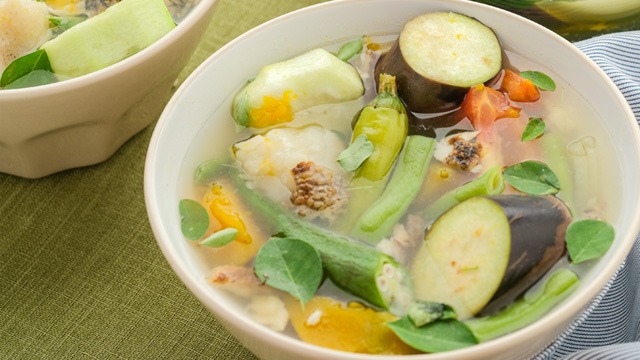
    Simple Utan Bisaya Recipe for Beginners

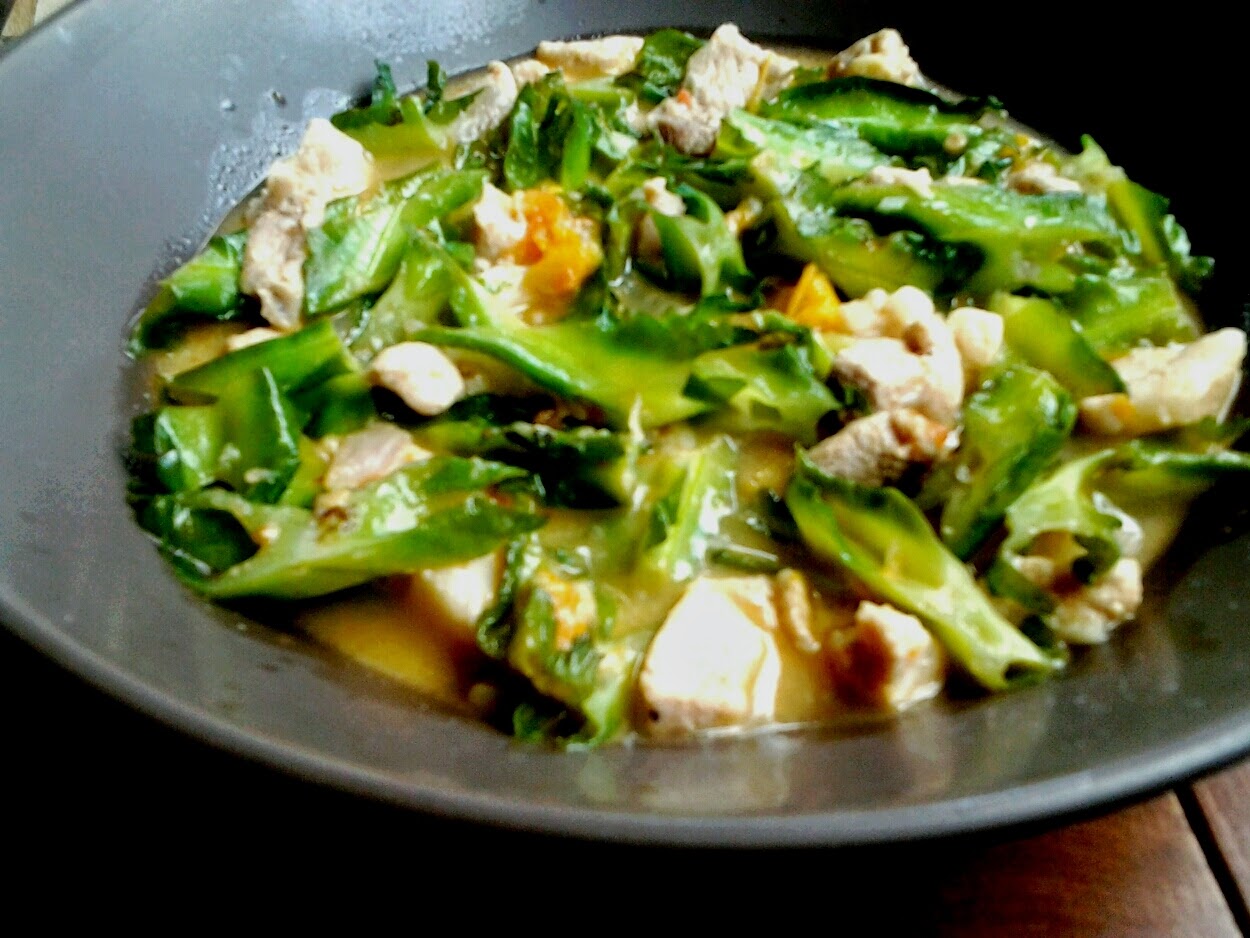
    Utan Bisaya is a simple, nutritious Filipino dish that uses squash, okra, eggplant, beans, and spinach. It’s flavored with lemongrass, ginger, and Knorr Shrimp Cube, and balanced with Filipino seasonings like fish sauce, chilis, and traditional herbs. It’s a low-calorie meal rich in fiber, vitamins, and minerals for overall well-being. The dish is often enjoyed with fried fish and steamed rice.

    Key Takeaways

    • Utan Bisaya is a nutritious, simple Visayan dish using squash, okra, eggplant, beans, and spinach.
    • Enhance flavor with fried galunggong, lemongrass, ginger, and Knorr Shrimp Cube.
    • Balance flavors with Filipino seasonings like fish sauce, chilis, and traditional herbs.
    • Provides a healthy, low-calorie meal rich in fiber, vitamins, and minerals for overall well-being.

    Utan Bisaya Recipe Overview

    In preparing Utan Bisaya, you’ll find that combining a variety of fresh vegetables is key to creating a flavorful and nutritious dish. This Filipino vegetable dish is a staple in Visayan cuisine, known for its simplicity and health benefits.

    Utan Bisaya typically includes ingredients like squash, okra, eggplant, string beans, and malunggay leaves. The medley of vegetables not only adds vibrant colors to the dish but also offers a range of nutrients. This easy-to-cook recipe is a favorite among many for its light yet satisfying flavors.

    Utan Bisaya is often enjoyed with a side of fried fish and steamed rice, making it a well-rounded and wholesome meal option.

    Key Ingredients for Utan Bisaya

    For a delicious Utan Bisaya, gather a variety of fresh vegetables like squash, okra, eggplant, string beans, and spinach. These vegetables form the base of this nutritious dish, providing a burst of flavors and textures. To enhance the taste further, include fried galunggong fish, lemongrass, ginger, and Knorr Shrimp Cube in your recipe. Here is a breakdown of the key ingredients you will need:

    Vegetable Quantity
    Squash 1 cup
    Okra 1 cup
    Eggplant 1 cup
    String Beans 1 cup
    Spinach 1 cup

    Preparing the Vegetables

    To prepare the vegetables for your Utan Bisaya recipe, start by chopping various vegetables like eggplant, okra, squash, and string beans. Here are some essential steps to follow:

    • Slicing the eggplant: Cut the eggplant into uniform slices for even cooking.
    • Crushing ginger: Smash the ginger to release its flavors into the dish.
    • Tying lemongrass: Bundle the lemongrass together to infuse its citrusy essence.
    • Cubing squash: Dice the squash into bite-sized cubes for a delightful texture.
    • Cutting string beans: Trim the ends and slice the string beans into manageable pieces.

    These steps are crucial in ensuring your Utan Bisaya is packed with flavor and cooked to perfection.

    Cooking Utan Bisaya Step by Step

    After preparing the vegetables for your Utan Bisaya recipe, it’s time to move on to cooking the dish step by step. Start by bringing a pot of water to a boil.

    Add in your nutrient-rich vegetables such as squash, okra, eggplant, and string beans. Let them simmer until they’re tender but still slightly crisp.

    To enhance the flavor, dissolve shrimp or fish bouillon cubes in the broth. Stir well to ensure the cubes are fully incorporated. Allow the soup to simmer for a few more minutes to let the flavors meld together.

    Once done, serve your delicious Utan Bisaya hot alongside steamed rice and fried fish for a complete meal from the Visayan region.

    Seasoning and Flavoring Tips

    When seasoning your Utan Bisaya, consider enhancing the natural flavors of the ingredients.

    Balance the taste by adjusting the salt and acidity levels accordingly.

    Don’t be afraid to experiment with different spices to elevate the dish.

    Enhancing Natural Ingredients

    Consider enhancing the natural ingredients in your Utan Bisaya recipe with these seasoning and flavoring tips.

    • Use Knorr Shrimp Cube for added umami flavor.
    • Enhance the taste of Law Uy with a chicken bouillon cube.
    • Season Utan Bisaya with Maggi Magic Sarap for a savory taste.
    • Incorporate fish sauce and salt to bring out the vegetable flavors.
    • Experiment with adding bird’s eye chilis for a spicy kick.

    Balancing Salt and Acid

    To achieve a well-rounded flavor profile in your Utan Bisaya recipe, focus on balancing salt and acid effectively. Seasoning with salt or fish sauce provides a savory base, while adding a touch of acid with calamansi or vinegar enhances the overall taste.

    Properly seasoning with salt and acid can elevate the flavors of the vegetables and fish in the dish, creating a harmonious blend of tastes. Adjusting the levels of salt and acid to suit your personal preference is crucial for crafting a delicious and well-balanced Utan Bisaya. Experimenting with different types of salt and acid can also introduce unique flavor variations to the traditional recipe, allowing you to tailor the dish to your liking.

    Experimenting With Spices

    Experiment with a variety of spices like garlic, onion, and tomatoes to enhance the flavor profile of your Utan Bisaya dish. When experimenting with spices, consider the following tips:

    • Use traditional Filipino seasonings like fish sauce or shrimp paste for an authentic taste.
    • Add a touch of heat with bird’s eye chilis or chili flakes for a spicy kick.
    • Try incorporating herbs like lemongrass or ginger for a fragrant and aromatic twist to the dish.
    • Balance the flavors by adjusting the amount of seasoning to suit your taste preferences.

    Serving Suggestions for Utan Bisaya

    When serving Utan Bisaya, remember to pair it with steamed rice for a complete meal.

    Enhance the dish with fried or grilled fish on the side for added flavor and texture.

    Consider garnishing with pickled vegetables or achara to complement the dish perfectly.

    Utan Bisaya Variations

    Consider enhancing your Utan Bisaya experience by serving it alongside a crispy fried fish like Galunggong for that extra burst of flavor and protein. Here are some variations to explore:

    • Add bird’s eye chilis for a spicy kick to your Utan Bisaya.
    • Customize the dish with different combinations of fresh vegetables.
    • Enjoy a vegetarian version by skipping the fish and focusing on the variety of vegetables.
    • Experiment with unique vegetable choices based on personal preferences and availability.
    • Traditional serving includes a side of rice to complement the flavors of the dish.

    Pairing With Rice

    Enhance your Utan Bisaya experience by serving it with a side of steamed white rice to create a well-rounded and satisfying meal.

    The combination of rice and Utan Bisaya in Filipino cuisine offers a balanced blend of vegetable flavors, providing a nutritious and fulfilling dining experience.

    The starchy texture of rice complements the light and refreshing qualities of the dish, making it a popular choice for a complete meal.

    This classic pairing of vegetables and rice is a common practice in Filipino households and restaurants, showcasing the harmonious relationship between the two elements.

    Enjoy the hearty goodness of Utan Bisaya alongside a serving of rice for a traditional and delicious Filipino meal.

    Garnishing Tips

    For a delightful presentation and added flavor, consider garnishing your Utan Bisaya with fresh malunggay leaves.

    • Sprinkle fried garlic on top for enhanced aroma and taste.
    • Squeeze some calamansi juice for a tangy kick.
    • Add a dollop of shrimp paste on the side for a savory umami flavor.
    • Drizzle coconut milk for a creamy and rich dimension.

    Utan Bisaya Recipe Variations

    Explore the diverse array of Utan Bisaya recipe variations incorporating a mix of vegetables and seafood to tantalize your taste buds. These variations can include a combination of vegetables like squash, okra, eggplant, and string beans, along with seafood such as shrimp or fish to elevate the dish’s flavor.

    If you prefer a vegetarian version, you can exclude meat or seafood and focus solely on the vegetables and seasonings. Regional adaptations may showcase local produce and unique ingredients specific to certain areas in the Philippines.

    Get creative with your Utan Bisaya by experimenting with different herbs, spices, or condiments to tailor the flavor profile to your liking. Enjoy the endless possibilities of this traditional Filipino dish!

    Utan Bisaya Nutrition Facts

    When considering Utan Bisaya nutrition facts, you’ll find a detailed breakdown of its nutrient content and an overview of its health benefits.

    This dish offers a well-balanced mix of carbohydrates, protein, and fats, providing essential nutrients for your body.

    With its high fiber content and array of vitamins and minerals from ingredients like eggplant and spinach, Utan Bisaya is a nutritious addition to your diet.

    Nutrient Content Breakdown

    Delve into the nutrient content breakdown of Utan Bisaya by examining its macronutrient profile.

    • Fiber Content: A serving offers 6g of fiber, promoting digestive health and aiding in satiety.
    • Vitamins and Minerals: Utan Bisaya is rich in essential vitamins, minerals, and antioxidants for overall well-being.
    • Macronutrient Balance: With 25g of carbohydrates, 7g of protein, and 1g of fat, it provides a well-rounded nutrient profile.
    • Low-Calorie Option: This nutrient-dense dish is a healthy, low-calorie choice for a balanced diet.
    • Nutrient Density: Utan Bisaya offers a good balance of macronutrients and micronutrients for optimal health maintenance.

    Health Benefits Overview

    To understand the health benefits of Utan Bisaya, focus on its nutrient-rich composition and how it can contribute to your overall well-being. Utan Bisaya is a nutritious dish packed with essential components. It’s a good source of protein, offering 14% of the daily value, and contains 6 grams of fiber, which accounts for 24% of your daily fiber needs.

    With only 1 gram of fat, Utan Bisaya is a low-fat option that supports a healthy diet. Additionally, this dish is high in carbohydrates, providing 8% of the daily value, making it a great source of energy. By incorporating Utan Bisaya into your diet, you can easily meet your daily nutritional requirements for vitamins and minerals.

    Utan Bisaya Cooking Tips

    For optimal results in your Utan Bisaya dish, ensure that your vegetables are chopped uniformly to promote even cooking and an appealing presentation.

    Here are some cooking tips to help you perfect your dish:

    • Use a mix of vegetables like eggplant, okra, squash, and string beans for a well-rounded flavor profile.
    • Prepare lemongrass and ginger-infused water for a fragrant and flavorful base.
    • Enhance the umami taste by adding Knorr Shrimp Cube to the dish.
    • Cook the vegetables in stages according to their required cooking times to maintain texture and color.
    • Enjoy the process of boiling the vegetables to create a delicious Bisaya dish that everyone will love.

    What Are Some Beginner-Friendly Recipes Using Utan Nga Langka?

    Looking for creative utan nga langka serving ideas? Try making a flavorful langka curry or a tangy langka salad. For a sweeter option, whip up some langka ice cream or bake a batch of langka muffins. These beginner-friendly recipes are sure to impress with their unique utan nga langka twist.

    Utan Bisaya FAQs

    If you’re curious to learn more about Utan Bisaya and how to make it, let’s address some common questions in the Utan Bisaya FAQs.

    FAQs Answers
    What is Utan Bisaya? Utan Bisaya is a Filipino dish consisting of boiled vegetables.
    What vegetables are typically used in Utan Bisaya? Utan Bisaya usually includes squash, eggplant, okra, string beans, and more.
    How is Utan Bisaya seasoned? It is seasoned with ingredients like lemongrass, ginger, onions, and bouillon cubes.
    Where is Utan Bisaya popular? This dish is popular in the Visayas region of the Philippines.
    What is Utan Bisaya’s appeal? Utan Bisaya is nutritious, comforting, and perfect for rainy days.

    Frequently Asked Questions

    What Are the Benefits of Utan Bisaya?

    Discover the benefits of Utan Bisaya. This nutritious dish offers high fiber, low calories, and a vitamin-packed meal. It caters to both vegetarians and seafood lovers, providing a healthy, balanced option that celebrates local produce.

    What Is Utan Bisaya in English?

    In English, Utan Bisaya translates to ‘Visayan vegetable soup.’ It’s a traditional Filipino dish with a mix of fresh veggies boiled in water and seasoned with fish or shrimp paste. Enjoy this light and nutritious meal!

    What Are the Ingredients of Nilaw Uy?

    In Nilaw Uy, you’ll find a mix of spinach, patola, eggplant, squash, okra, long beans, and spring onion. Enhance the flavors with lemongrass, ginger, red onion, and a chicken bouillon cube. Enjoy this nutritious dish with rice.

    What Is Utan in Tagalog?

    In Tagalog, ‘utan’ refers to a traditional Filipino vegetable soup dish. It is known as ‘Utan Bisaya’ in the Visayas region. Utan typically includes a variety of locally grown vegetables, making it nutritious and flavorful.

    Conclusion

    In conclusion, the Simple Utan Bisaya recipe for beginners is a delicious and nutritious vegetable soup that’s easy to prepare.

    With a variety of fresh vegetables and flavorful seasonings, this dish is a perfect introduction to Filipino cuisine.

    Whether you add fried fish or enjoy it as a vegetarian option, Utan Bisaya is a versatile and satisfying meal that’s sure to please your taste buds.

    Give it a try and enjoy a taste of traditional Visayan flavors!
  • What Are the Health Benefits of Eating Binagoongang Talong?

    What Are the Health Benefits of Eating Binagoongang Talong?

    Binagoongang Talong provides fiber, protein, and antioxidants for digestive health and overall well-being. Antioxidants in eggplant and shrimp paste lower chronic disease risk and strengthen the immune system.

    Key Takeaways

    • Binagoongang Talong provides fiber, protein, and antioxidants for digestive health and overall well-being.
    • Antioxidants in eggplant and shrimp paste lower chronic disease risk and strengthen the immune system.
    • Regular consumption may manage inflammation, support heart health, and aid in cholesterol management.
    • Choosing heart-healthy ingredients supports gut health, inflammation reduction, and overall cardiovascular well-being.

    Nutritional Profile of Binagoongang Talong

    Binagoongang Talong boasts a nutrient-packed profile, offering a range of essential vitamins and minerals crucial for a healthy diet. The eggplant in this dish provides fiber, promoting digestive health. Shrimp paste adds protein, omega-3 fatty acids, zinc, and iron. Garlic and tomatoes not only enhance the flavor but also contribute antioxidants, supporting overall well-being.

    These antioxidants help combat oxidative stress in your body. By including Binagoongang Talong in your diet, you aren’t only enjoying a delicious meal but also benefiting from a low-calorie option that can aid in weight management. The combination of these ingredients creates a balanced dish rich in nutrients and flavors that are beneficial for your health.

    Antioxidant Properties of Eggplant

    Rich in antioxidants like nasunin, eggplant offers numerous health benefits that can protect your cells from damage caused by free radicals. Here are some key points about the antioxidant properties of eggplant:

    • Nasunin in eggplant helps reduce inflammation.
    • The anthocyanins in eggplant are powerful antioxidants.
    • Antioxidants in eggplant may lower the risk of chronic diseases like heart disease and cancer.
    • Regular consumption of eggplant can improve cognitive function and protect brain health.
    • The antioxidant properties of eggplant contribute to a stronger immune system.

    Including eggplant in your diet can be a delicious way to boost your health and protect your body from oxidative stress.

    Health Benefits of Fermented Shrimp Paste

    Fermented shrimp paste offers a range of health benefits due to its rich nutrient content and enhanced bioavailability through the fermentation process. This traditional Filipino condiment is packed with essential nutrients like protein, omega-3 fatty acids, zinc, and iron.

    The fermentation process not only increases the absorption of these nutrients but also intensifies the umami flavor in the shrimp paste, providing depth to dishes like Binagoongang Talong. Moreover, the beneficial bacteria present in fermented shrimp paste can promote gut health and aid in digestion.

    Potential Anti-Inflammatory Effects

    Eating a combination of eggplant and shrimp paste can potentially help reduce inflammation in your body. This is due to the anti-inflammatory properties found in the ingredients. Here are some key points to consider:

    • Eggplant in Binagoongang Talong is rich in antioxidants like nasunin, which may aid in reducing inflammation.
    • Shrimp paste used in the dish contains omega-3 fatty acids, known for their anti-inflammatory effects.
    • Consuming Binagoongang Talong could assist in maintaining a healthy immune system by lowering inflammation levels.
    • The nutrient content of eggplant and shrimp paste offers a potential anti-inflammatory effect when combined.
    • Regularly including Binagoongang Talong in your diet may help manage inflammation and promote overall health.

    High Fiber Content for Digestive Health

    Moving from its potential anti-inflammatory effects, Binagoongang Talong offers a significant advantage in promoting digestive health due to its high fiber content. The fiber in Binagoongang Talong aids in smooth bowel movements, preventing constipation and supporting a healthy gut microbiome.

    This fiber-rich food helps regulate blood sugar levels, making it beneficial for individuals managing diabetes or seeking to balance blood glucose. Additionally, the fiber contributes to a feeling of fullness, potentially assisting in weight management by curbing overeating.

    Furthermore, the fiber content in Binagoongang Talong supports heart health by lowering cholesterol levels, thus reducing the risk of cardiovascular diseases. Incorporating Binagoongang Talong into your diet can be a tasty way to enhance your digestive health and overall well-being.

    Vitamins and Minerals in Binagoongang Talong

    Binagoongang Talong is packed with essential vitamins and minerals that contribute to your overall health. These nutrients play a vital role in keeping your body functioning optimally and support various bodily functions.

    Let’s explore the nutritional value breakdown and health benefits that these vitamins and minerals offer in this Filipino dish.

    Essential Nutrients Content

    Rich in essential nutrients like fiber, antioxidants, and vitamins, Binagoongang Talong provides a nutritious boost thanks to its key ingredient, eggplant. When you indulge in this flavorful dish, you aren’t only satisfying your taste buds but also nourishing your body with vital elements. Here are some of the key nutrients found in Binagoongang Talong:

    • Fiber for a healthy digestive system
    • Antioxidants to combat oxidative stress and inflammation
    • Vitamins A, C, and K for immune support and overall well-being
    • Protein, omega-3 fatty acids, zinc, and iron from shrimp paste for various health benefits
    • Potassium, magnesium, and folate for heart health and proper muscle function

    Enjoying Binagoongang Talong can be a delicious way to boost your nutrient intake and promote a balanced diet.

    Health Benefits Overview

    To understand the health benefits of Binagoongang Talong, consider the array of vitamins and minerals present in this dish. The eggplant provides fiber, vitamins, and minerals essential for overall health. Meanwhile, the shrimp paste contributes protein, omega-3 fatty acids, zinc, and iron, supporting various bodily functions.

    The fiber from the eggplant aids in digestion, and the protein from the shrimp paste provides necessary amino acids for bodily processes. By consuming Binagoongang Talong, you can meet your daily nutrient requirements, support heart health, manage weight, and benefit from antioxidant properties.

    This dish offers a balanced combination of nutrients that promote optimal health and well-being.

    Nutritional Value Breakdown

    When it comes to the nutritional value breakdown of Binagoongang Talong, delve into the vitamins and minerals present in this flavorful dish. Here are some key components that contribute to the dish’s health benefits:

    • Vitamin C: Found in eggplants and tomatoes, this vitamin supports the immune system and aids in collagen production.
    • Fiber: Eggplants and tomatoes provide a good source of fiber, promoting healthy digestion and gut function.
    • Iron: The shrimp paste in Binagoongang Talong adds iron, crucial for red blood cell production and oxygen transport.
    • Potassium: This dish offers a good amount of potassium from its ingredients, supporting heart health and muscle function.
    • Antioxidants: Eggplants and tomatoes contain antioxidants that help combat inflammation and protect cells from damage.

    Can Binagoongang Talong also be a Quick and Tasty Recipe?

    Yes, binagoongang talong can also be a quick and tasty recipe. By using pre-made bagoong and stir-frying the eggplant, you can have a delicious dish in no time. Pair it with a quick ginataang sitaw recipe for a complete and satisfying meal.

    Binagoongang Talong and Heart Health

    Eating Binagoongang Talong can benefit your heart health by helping lower cholesterol levels with its fiber-rich eggplants.

    The omega-3 fatty acids from the shrimp paste in Binagoongang Talong support heart function and reduce the risk of cardiovascular diseases.

    Including this dish in your diet regularly can promote proper blood circulation, reduce inflammation, and contribute to a healthy heart.

    Heart Benefits Overview

    Boost your heart health with Binagoongang Talong, a dish packed with fiber and antioxidants from eggplant, known to promote cardiovascular well-being. When you enjoy this heart-friendly meal, you’re benefiting in various ways:

    • Fiber-rich Eggplant: Supports heart health by aiding in digestion and lowering cholesterol levels.
    • Antioxidants: Help reduce inflammation and oxidative stress, protecting your heart from damage.
    • Reduced Risk of Heart Disease: Eggplant consumption has been associated with a lower risk of heart disease.
    • Heart-Healthy Ingredients: Shrimp paste and tomatoes in Binagoongang Talong contribute to a heart-healthy diet.
    • Low in Cholesterol and Saturated Fats: Supports overall cardiovascular health and well-being.

    Impact on Cholesterol Levels

    Incorporating Binagoongang Talong into your diet can positively impact your cholesterol levels and contribute to a heart-healthy eating pattern due to its fiber-rich eggplant and heart-healthy ingredients like shrimp paste. The fiber in eggplant aids in reducing LDL (bad) cholesterol levels, promoting heart health within a balanced diet.

    Additionally, shrimp paste, rich in omega-3 fatty acids, can help lower cholesterol, further supporting heart health. By including Binagoongang Talong in your meals, you can potentially reduce the risk of cardiovascular diseases and maintain overall heart health.

    Choosing healthier cooking methods and ingredients when preparing this dish can make it a cholesterol-friendly option that aligns with your heart health goals.

    Frequently Asked Questions

    Can Binagoongang Talong Be a Good Option for Individuals With Hypertension or High Blood Pressure?

    For individuals with hypertension or high blood pressure, binagoongang talong may not be the best choice due to its high sodium content from the fermented shrimp paste. Opt for lower-sodium options instead.

    Are There Any Potential Side Effects or Risks Associated With Consuming Binagoongang Talong Regularly?

    Eating binagoongang talong regularly may have potential side effects like increased sodium intake leading to high blood pressure. It’s essential to monitor your consumption and balance it with other nutrient-rich foods.

    How Does the Fermentation Process Affect the Nutritional Content of Shrimp Paste Used in Binagoongang Talong?

    When shrimp paste ferments, it enhances the nutritional content by increasing beneficial bacteria and enzymes that aid digestion. This process also boosts the umami flavor and adds depth to the dish, enriching your culinary experience.

    Are There Any Specific Groups of People Who Should Avoid Consuming Binagoongang Talong Due to Potential Health Concerns?

    If you have health concerns like high blood pressure or kidney issues, it’s best to avoid binagoongang talong due to its high salt content. Consulting with a healthcare provider can help determine if it’s suitable for you.

    Can Binagoongang Talong Be a Suitable Food Option for Individuals Following a Low-Sodium Diet?

    If you’re following a low-sodium diet, binagoongang talong may not be the best choice due to its high salt content from shrimp paste. Consider other vegetable dishes for a healthier option that aligns with your dietary needs.

    Conclusion

    In conclusion, eating binagoongang talong can offer various health benefits due to its nutritious ingredients like eggplant and shrimp paste.

    From promoting heart health to providing essential vitamins and minerals, this dish can be a delicious and wholesome addition to your diet.

    So next time you’re craving a flavorful Filipino dish, consider enjoying some binagoongang talong for a boost in both taste and nutrition.

  • Whip Up a Flavorful Ginisang Sigarilyas Recipe in Minutes

    Whip Up a Flavorful Ginisang Sigarilyas Recipe in Minutes

    Whip up a flavorful Ginisang Sigarilyas recipe in minutes with winged beans, garlic, and shrimp paste for a delightful Filipino dish rich in fiber and protein. Enjoy the unique flavor and crunchy texture of this nutritious meal that can be prepared quickly and easily.

    Key Takeaways

    • Ginisang Sigarilyas is a nutritious, low-calorie dish rich in fiber, vitamins, and protein.
    • This Filipino recipe offers a unique flavor and crunchy texture that can be enjoyed in minutes.
    • Prepare Ginisang Sigarilyas with key ingredients like winged beans, garlic, and shrimp paste for a delightful dish.
    • Enhance the dish with Filipino seasonings, sautéed aromatics, and a touch of acidity for a well-balanced flavor profile.

    The Benefits of Ginisang Sigarilyas

    Discover the nutritional advantages of Ginisang Sigarilyas, a wholesome Filipino dish featuring winged beans sautéed with garlic, onions, and tomatoes.

    This dish isn’t only delicious but also packed with essential nutrients like fiber, vitamins A and C, iron, and protein. Winged beans used in Ginisang Sigarilyas are low in calories, making it a healthy option for those looking to manage their weight and improve overall wellness.

    Moreover, the unique flavor and crunchy texture of winged beans add a delightful element to this recipe.

    Cooking up a batch of Ginisang Sigarilyas is quick and easy, offering a convenient way to enjoy the benefits of this nutritious vegetable dish while savoring a taste of Filipino cuisine.

    Ingredients Needed for the Recipe

    If you’re ready to recreate the flavorful Ginisang Sigarilyas dish at home, gather these essential ingredients to start cooking up this delicious Filipino recipe.

    You’ll need winged beans, garlic, shrimp paste, and other common kitchen staples. Winged beans are a key ingredient in this dish, providing a unique texture and taste. Garlic adds aromatic flavor, enhancing the savory profile of this Filipino cuisine. Shrimp paste contributes a salty and umami depth to the overall taste, balancing the slight bitterness of the beans.

    This quick and easy recipe is perfect for a satisfying meal. With these ingredients on hand, you’ll be all set to whip up a delicious Ginisang Sigarilyas in no time!

    Step-by-Step Cooking Instructions

    Now, let’s get cooking!

    Start by preparing your ingredients and then move on to the cooking process.

    Following these simple steps will ensure a delicious Ginisang Sigarilyas dish in no time.

    Ingredient Preparation

    To prepare the flavorful Ginisang Sigarilyas dish, start by washing and trimming the winged beans. Slice the winged beans into bite-sized pieces for easy cooking. Prepare the garlic by peeling and finely mincing it to enhance the flavor of the dish. Heat oil in a pan and sauté the garlic until fragrant before adding the winged beans. Stir-fry the winged beans until they are tender-crisp, then season with salt and pepper to taste.

    Ingredients Preparation
    Winged Beans Wash and trim, slice into pieces
    Garlic Peel and finely mince
    Salt & Pepper Season to taste

    Cooking Process

    Start by heating oil in a pan to sauté garlic, onions, and tomatoes until fragrant for the flavorful Ginisang Sigarilyas dish.

    Peel and slice the sigarilyas (winged beans) into bite-sized pieces. Add the sliced sigarilyas to the pan and stir-fry for a few minutes until they start to soften.

    Season with salt, pepper, and desired spices for flavor. Cook until the sigarilyas are tender yet still crisp.

    Once ready, serve the Ginisang Sigarilyas hot as a delicious and nutritious vegetable side dish. This simple recipe offers a tasty way to enjoy the unique flavor and texture of winged beans, making it a perfect addition to your meal.

    Tips for Enhancing Flavor

    To enhance the flavor of your Ginisang Sigarilyas, consider using shrimp paste or fish sauce for extra taste. Incorporate diced tomatoes and onions for a burst of freshness. Add a touch of vinegar or calamansi juice for a hint of acidity.

    Fresh herbs can elevate the aroma. Cooking techniques like toasting garlic and shallots can infuse savory undertones into the dish.

    Seasoning for Extra Taste

    For enhanced flavor in your Ginisang Sigarilyas, consider incorporating traditional Filipino seasonings like soy sauce, fish sauce, or shrimp paste. These seasonings add depth to the dish, enhancing the natural taste of the winged beans.

    Boost the flavor by sautéing aromatics such as garlic, onions, and tomatoes for a savory base. To make the dish more filling, include protein sources like pork, shrimp, or tofu.

    Balance the flavors by adding a touch of acidity with calamansi juice or vinegar towards the end of cooking. Experiment with herbs and spices like bay leaves, black peppercorns, or chili peppers to customize the taste to your liking.

    These additions will elevate the overall flavor profile of your Ginisang Sigarilyas.

    Fresh Herbs for Aroma

    Enhance the aroma and flavor profile of your Ginisang Sigarilyas by incorporating fresh herbs such as parsley, cilantro, or basil. Adding these fresh herbs can provide a refreshing herbal note and elevate the overall experience with their vibrant and aromatic qualities. Chop the herbs finely and sprinkle them over the dish towards the end of cooking to maximize their flavor impact. Experiment with different herbs to customize the taste of your Ginisang Sigarilyas to suit your preferences.

    Check out the table below for a quick reference on these herbs:

    Herb Aroma
    Parsley Fresh
    Cilantro Citrusy
    Basil Sweet, Minty

    Cooking Techniques for Infusion

    Elevate your Ginisang Sigarilyas to new levels of flavor by mastering essential cooking techniques for infusion. Infusion is a versatile technique that enhances the taste, aroma, and complexity of dishes like this savory Filipino winged beans recipe.

    By soaking ingredients like herbs, spices, or fruits in liquids such as oil, vinegar, or broth, you can impart unique flavors to your dish. The process can take anywhere from minutes to weeks, depending on the intensity of flavor you desire.

    Experiment with different infusion methods to discover how they can elevate the taste profiles of your favorite dishes, making them more flavorful and aromatic. Embrace the art of infusion to unlock new dimensions of taste in your cooking.

    Serving Suggestions for the Dish

    Consider pairing Ginisang Sigarilyas with steamed rice for a classic Filipino meal combination. Enhance the dining experience by exploring these serving suggestions:

    1. Complement to Grilled Meats and Seafood: Serve Ginisang Sigarilyas alongside your favorite grilled meats or seafood to create a well-rounded and satisfying meal.
    2. Vegetarian Meal Option: Enjoy this dish on its own as a nutritious vegetarian meal, packed with the goodness of winged beans and flavorful seasonings.
    3. Creative Serving Options: Get creative with how you serve Ginisang Sigarilyas by incorporating it into wraps or salads for a refreshing twist. Garnish with crispy fried garlic or sliced red chili to elevate the flavors and textures.

    Can I Substitute Sigarilyas for Okra in the Ginisang Recipe?

    Yes, you can substitute sigarilyas for okra in the ginisang okra fish recipe. Both vegetables have a similar texture and can absorb the flavors of the dish. The sigarilyas will add a unique twist to the recipe while maintaining the deliciousness of the original dish.

    Health Benefits of Ginisang Sigarilyas

    To understand the health benefits of Ginisang Sigarilyas, consider its nutrient-rich profile and how it can enhance your overall well-being. This Filipino dish, made with winged beans, garlic, and seasonings, is a powerhouse of vitamins and minerals.

    Packed with fiber, protein, Vitamin C, folate, and tryptophan, Ginisang Sigarilyas can boost your nutrition intake. Including this dish in your meals can contribute to a healthy diet, supporting your overall wellness.

    The combination of these nutrients not only adds a delicious flavor to your plate but also promotes a balanced lifestyle. Make the most of the health benefits that Ginisang Sigarilyas offers by incorporating it into your regular meal rotation.

    Frequently Asked Questions

    What Is the Best Fertilizer for Winged Beans?

    For your winged beans, go for a balanced fertilizer rich in nitrogen, phosphorus, and potassium. High phosphorus types boost flower and fruit growth. Organic choices like compost or manure provide gradual nourishment. Regularly feed your beans for robust development.

    What Is the Flavor of Winged Beans?

    Winged beans boast a mild, nutty flavor with a hint of sweetness, often compared to a blend of asparagus and green beans. They cook up slightly crunchy and absorb seasoning well, pairing deliciously with garlic, soy sauce, and savory ingredients.

    How Long Does It Take for Winged Beans to Flower?

    It typically takes around 60-70 days for winged beans to flower. Flowering can last for months depending on conditions. The flowers are white to pale blue and last a day before pods form. Proper care like watering and sunlight helps.

    What Is the Chinese Name for Winged Beans?

    In Chinese, winged beans are called ‘jiān guǎ jiāo’ (箭瓜角). ‘Jiān’ means arrow for their shape, ‘guǎ’ is for melon, and ‘jiāo’ describes the winged protrusions. Knowing this helps with Chinese cuisine discussions.

    Conclusion

    In just a few minutes, you can enjoy the flavorful and nutritious Ginisang Sigarilyas stir-fry dish.

    With the unique taste and crunchy texture of winged beans, this recipe is a simple yet satisfying addition to your meal rotation.

    Try it out today for a delicious and healthy dining experience that everyone will love.

    Whip up this dish in no time and enjoy the benefits of this tasty Filipino favorite!

  • What Are the Health Benefits of Eating Vegetable Okoy?

    What Are the Health Benefits of Eating Vegetable Okoy?

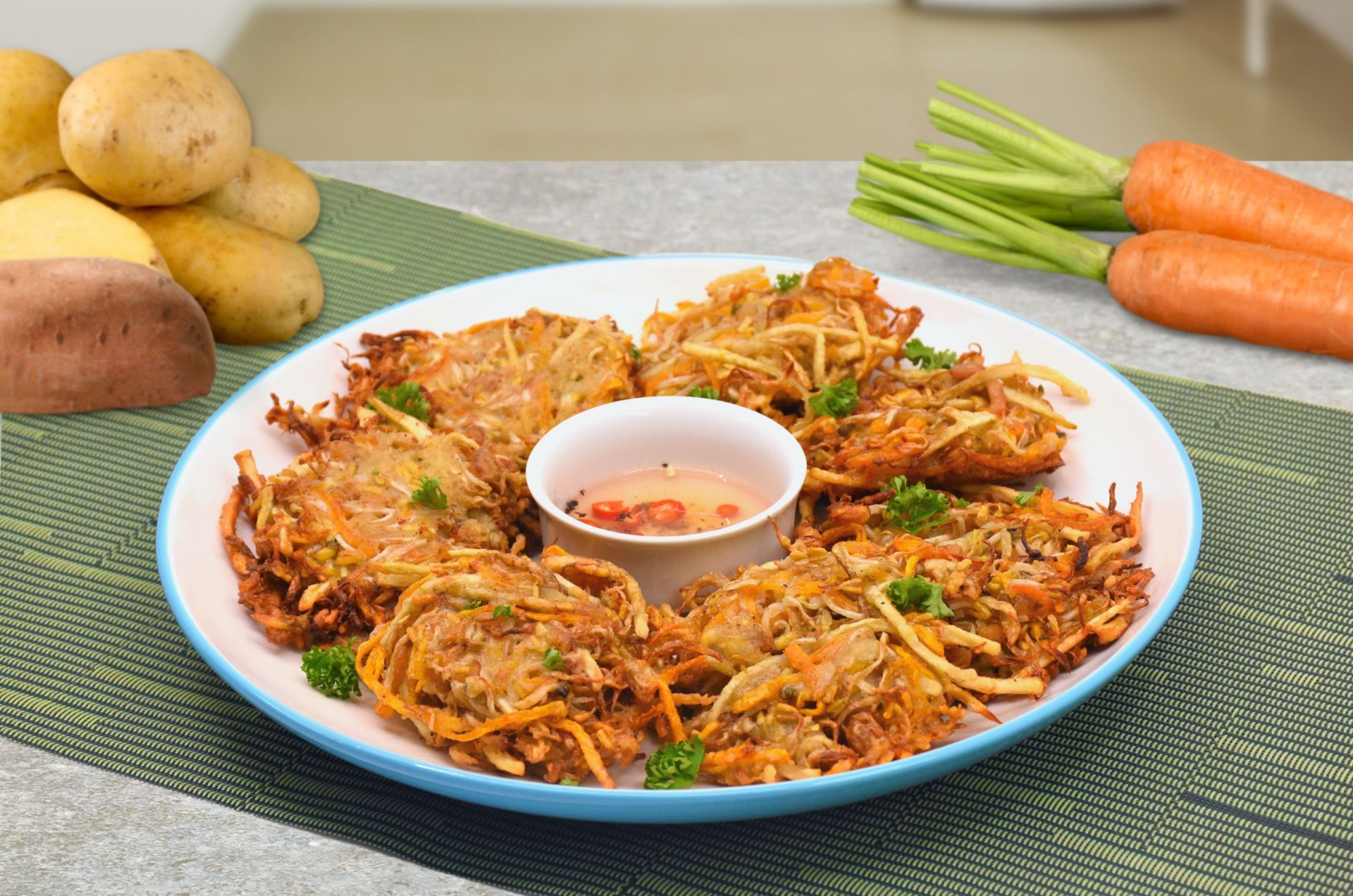
    Eating vegetable okoy provides protein for muscle building, omega-3 for heart health, and vitamins for immunity. It is a nutritious, low-calorie option with antioxidant properties and digestive benefits.

    Key Takeaways

    • Vegetable okoy is a protein-rich dish with essential amino acids for muscle building and overall health.
    • It contains omega-3 fatty acids EPA and DHA from shrimp, known for anti-inflammatory properties.
    • Rich in Vitamin C and calcium crucial for collagen production, immunity, bone health, and muscle function.
    • Vegetable okoy promotes digestive health, supports weight management, and provides essential amino acids for muscle repair.

    Protein-Rich Content

    Indulge in the protein-rich goodness of vegetable okoy, a dish packed with essential amino acids for muscle building and overall health.

    The combination of vegetables in okoy provides a well-rounded source of plant-based protein, aiding in tissue repair, enzyme production, and immune system function.

    The protein content in vegetable okoy is beneficial for meeting daily protein requirements, supporting optimal health.

    Including this dish in your diet not only ensures a satisfying and nutritious option but also serves as a valuable plant-based protein source.

    With vegetable okoy, you can enjoy a delicious meal while nourishing your body with the protein it needs for various essential functions.

    Omega-3 Fatty Acids

    Benefit from the omega-3 fatty acids found in vegetable okoy, particularly EPA and DHA from shrimp, renowned for their anti-inflammatory properties and support for heart and brain health.

    These essential fatty acids play a crucial role in reducing inflammation in your body, which is key to maintaining a healthy heart. Additionally, omega-3 fatty acids are known to enhance cognitive function and promote overall well-being, making them vital for your brain health.

    By including vegetable okoy in your diet, you can easily boost your intake of these beneficial omega-3 fatty acids, supporting a healthy lifestyle and ensuring that your body functions optimally.

    Make a conscious choice to enjoy the health benefits that omega-3 fatty acids in vegetable okoy offer.

    Essential Vitamins and Minerals

    Rich in essential vitamins and minerals, vegetable okoy offers a myriad of health benefits to support your overall well-being. It contains Vitamin C, providing 108mg per serving, essential for collagen production, antioxidant defense, and overall immunity.

    Additionally, vegetable okoy supplies 241mg of calcium per serving, crucial for bone health and muscle function. Vitamin C supports your body’s ability to fight off infections and helps in the absorption of iron. Calcium, on the other hand, plays a vital role in maintaining strong bones and teeth.

    Low-Calorie Option

    Opt for a lighter alternative by choosing vegetable okoy, a low-calorie option that can be enjoyed without worrying about excessive caloric intake. When looking for a healthier snack or meal option, vegetable okoy is a great choice. Here are four reasons why vegetable okoy serves as a beneficial low-calorie option:

    1. Calorie Control: A serving of vegetable okoy typically contains around 140 calories, allowing you to manage your caloric intake effectively.
    2. Vegetable-Based: By using vegetables as the main ingredient, vegetable okoy offers a lighter alternative to traditional ukoy made with shrimp.
    3. Healthy Fritter Option: Enjoy a crispy fritter without the guilt of excessive caloric content by opting for vegetable okoy.
    4. Balanced Diet: Including vegetable okoy in your meals can help you maintain a balanced diet while relishing a flavorful and satisfying dish.

    Amino Acid Source

    Vegetable okoy serves as a protein-rich source of amino acids vital for muscle repair and overall body function. By enjoying this nutrient-dense vegetarian snack, you can benefit from plant-based amino acids essential for your well-being.

    Including vegetable okoy in your diet ensures you receive the necessary building blocks for a healthy body.

    Protein-Rich Vegetable Fritter

    Including shrimp in your vegetable okoy provides a complete amino acid source, supporting various bodily functions and enhancing muscle growth and repair.

    Here are some key points to consider about protein-rich vegetable fritters:

    1. Complete Protein: Shrimp fritters offer a complete protein profile with all essential amino acids.
    2. Muscle Repair: The amino acids from shrimp aid in muscle repair post-exercise.
    3. Nutrient Dense: Vegetable okoy is a nutrient-dense snack option for protein intake.
    4. Satiety: Protein-rich fritters help in feeling full and satisfied for longer periods.

    Nutrient-Dense Vegetarian Snack

    For a nutrient-packed snack rich in essential amino acids, consider indulging in this flavorful vegetarian delight. Vegetable okoy, a combination of various vegetables like pumpkin, sweet potato, and bell pepper, offers a complete protein source for vegetarians.

    The assortment of vegetables provides a diverse range of amino acids essential for bodily functions. The starchy vegetables used in vegetable okoy not only enhance its texture but also contribute to its binding properties, ensuring a satisfying eating experience.

    This vegetarian snack is a delicious way to consume a variety of vitamins, minerals, and dietary fiber in one dish. With vegetable okoy, you can enjoy a tasty treat that nourishes your body with the nutrients it needs.

    Plant-Based Amino Acids

    Indulge in a variety of plant-based amino acids found in vegetable okoy, essential for supporting protein synthesis and various bodily functions. These amino acids play a crucial role in muscle repair, enzyme production, and hormone regulation in your body. By consuming vegetable okoy, you can easily meet your daily amino acid requirements for overall health and well-being.

    The plant-based amino acids in vegetable okoy are vital for tissue growth, immune function, and neurotransmitter synthesis. Including vegetable okoy in your diet ensures a diverse intake of amino acids necessary for optimal health and wellness.

    1. Plant-based amino acids in okoy support muscle repair.
    2. Amino acids found in okoy aid in enzyme production.
    3. Consuming okoy helps meet daily amino acid requirements.
    4. Okoy provides amino acids essential for immune function.

    Antioxidant Properties

    Boost your body’s defense against oxidative stress by indulging in vegetable okoy, packed with antioxidant-rich ingredients like kalabasa, carrots, and moringa leaves. These antioxidants help protect your cells from damage and lower the risk of chronic diseases. Kalabasa squash is abundant in beta-carotene, a potent antioxidant that converts to vitamin A, supporting eye health and immunity.

    Carrots provide beta-carotene and vitamin C, boosting your immune system and overall well-being. Moringa leaves offer a mix of antioxidants, vitamins, and minerals, enhancing the nutritional profile of vegetable okoy. Embrace the power of antioxidants found in vegetable okoy for a healthier you.

    Antioxidant-Rich Ingredients Benefits
    Kalabasa squash Rich in beta-carotene, converts to vitamin A
    Carrots Provides beta-carotene and vitamin C
    Moringa leaves Offers a mix of antioxidants, vitamins, and minerals

    Dietary Fiber Benefits

    Vegetable okoy contains a good amount of dietary fiber, beneficial for your digestion. It helps keep your bowel movements regular and prevents constipation.

    Including okoy in your diet can aid in managing your weight by making you feel full and reducing calorie intake.

    Digestive Health Benefits

    How can including vegetable okoy in your diet positively impact your digestive health?

    Vegetable okoy, rich in dietary fiber, can greatly benefit your digestive system. Here are four ways it can enhance your digestive health:

    1. Regulating Bowel Movements: The fiber content in vegetable okoy supports regularity in bowel movements.
    2. Promoting Gut Health: Consuming vegetable okoy can help prevent constipation and maintain a healthy gut environment.
    3. Improving Nutrient Absorption: The dietary fiber in vegetable okoy aids in better absorption of nutrients in your digestive tract.
    4. Enhancing Gastrointestinal Function: Including vegetable okoy in your diet can improve overall gastrointestinal function, supporting better digestion and overall health.

    Weight Management Benefits

    Incorporating vegetable okoy into your diet can support weight management through its rich dietary fiber content, aiding in promoting feelings of fullness and preventing overeating.

    The dietary fiber in vegetable okoy plays a crucial role in regulating bowel movements and fostering a healthy gut microbiome. Moreover, the fiber present in vegetable okoy can help lower cholesterol levels, reducing the risk of heart disease.

    For individuals managing diabetes, the dietary fiber in vegetable okoy assists in stabilizing blood sugar levels. By including vegetable okoy regularly in your meals, you can enjoy a satisfying and nutritious option that supports a healthy weight while reaping the benefits of dietary fiber for overall well-being.

    What Are the Different Health Benefits of Eating Binagoongang Talong and Vegetable Okoy?

    Binagoongang talong and vegetable okoy offer a range of health benefits. Binagoongang talong, made from eggplant and fermented shrimp paste, provides fiber and antioxidants, aiding digestion and promoting a healthy gut. Meanwhile, vegetable okoy, a fritter made with various vegetables, delivers vitamins and minerals essential for overall well-being.

    Immune-Boosting Potential

    Boost your immune system naturally by enjoying the immune-boosting potential of vegetable okoy.

    1. Rich in Vitamins and Minerals: Vegetable okoy contains essential nutrients that can help strengthen your immune system.
    2. Malunggay Leaves: Ingredients like malunggay leaves in vegetable okoy provide additional support for immune function.
    3. Overall Immune Health: Regular consumption of vegetable okoy can contribute to your body’s overall immune health and resilience.
    4. Antioxidant Protection: The combination of vegetables in okoy offers a variety of antioxidants that play a role in protecting your cells from damage.

    Including vegetable okoy in your diet can enhance your body’s ability to fight off infections and illnesses, keeping you healthy and strong.

    Frequently Asked Questions

    What Is Okoy in English?

    In English, okoy translates to shrimp and vegetable fritters. It’s a crispy snack made by deep-frying a mix of shrimp, veggies, and batter. You’ll enjoy this Filipino dish as a tasty appetizer or snack.

    How Many Calories Are in an Okoy?

    In an Okoy, the calorie count can vary based on ingredients and size, typically around 140 calories per serving. Portion control and ingredient choices impact caloric intake. Be mindful of these factors to manage caloric content effectively.

    What Is the Best Partner for Ukoy?

    For Ukoy, the best partner is a tangy vinegar-based dipping sauce. It’s made with onions, vinegar, fish sauce, and pepper. This sauce enhances the crispy Ukoy fritters, cutting through their richness and adding depth to the dish.

    Conclusion

    In conclusion, eating vegetable okoy offers a range of health benefits, including being a good source of protein, essential vitamins and minerals, and antioxidants.

    With its low-calorie content and immune-boosting potential, vegetable okoy is a nutritious and flavorful addition to any diet.

    Consider incorporating this dish into your meals to meet your daily nutrient needs and enjoy a delicious, healthful option.

  • Impress Your Guests With Ginataang Hipon Sitaw at Kalabasa: a Simple Recipe

    Impress Your Guests With Ginataang Hipon Sitaw at Kalabasa: a Simple Recipe

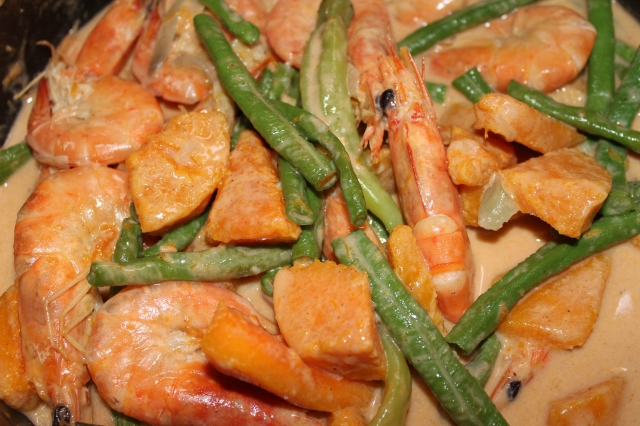
    Impress your guests with Ginataang Hipon Sitaw at Kalabasa, a flavorful Filipino dish combining shrimp, string beans, and squash in creamy coconut milk. Elevate your dining experience with this nutritious and visually appealing stew.

    Key Takeaways

    • Elevate your dining experience with a flavorful Ginataang Hipon Sitaw at Kalabasa dish.
    • Enjoy a nutritious meal rich in protein, fiber, and essential vitamins.
    • Impress your guests with a visually appealing and delicious shrimp, string beans, and squash stew.
    • Explore variations like adding chili or using fresh coconut milk for a unique twist.

    Ingredients for Ginataang Hipon Sitaw at Kalabasa

    For making Ginataang Hipon Sitaw at Kalabasa, gather the following essential ingredients: coconut milk, shrimp, string beans, and squash. This traditional Filipino dish is celebrated for its creamy and flavorful coconut milk base that perfectly complements the seafood and vegetables.

    The rich umami flavor of the shrimp, paired with the tender-crisp texture of the string beans and the softness of the squash, creates a harmonious blend of tastes and textures. When combined, these ingredients result in a balanced and satisfying meal that’s both delicious and nutritious.

    Ginataang Hipon Sitaw at Kalabasa is a popular choice for gatherings and special occasions due to its simplicity in preparation and the delightful flavors it offers.

    Preparing the Shrimp, String Beans, and Squash

    Peel and devein the shrimp for a more flavorful dish.

    Trim and chop the string beans into bite-sized pieces for easy eating.

    Cut the squash into cubes or slices to ensure even cooking in the coconut milk.

    Cleaning the Shrimp

    To enhance the dish’s appeal and make it easier to enjoy, start by peeling and deveining the shrimp. Cleaning the shrimp ensures a cleaner taste and better texture in your Ginataang Hipon Sitaw at Kalabasa dish.

    After cleaning the shrimp, trim the string beans by removing the ends, ensuring uniform pieces for even cooking. For the squash, cut it into uniform pieces to promote consistent cooking and a satisfying bite.

    Chopping String Beans

    After cleaning the shrimp for your Ginataang Hipon Sitaw at Kalabasa dish, it’s time to ensure the string beans are chopped into uniform pieces for even cooking.

    To cook the green beans evenly with the shrimp and squash in the coconut milk, make sure to chop them into uniform sizes. Consistent chopping guarantees that the string beans will cook at the same pace as the other ingredients, resulting in a harmonious blend of flavors and textures.

    Dicing the Squash

    For even cooking and optimal texture in your Ginataang Hipon Sitaw at Kalabasa, ensure the squash is diced into uniform pieces. Start by cleaning the squash, then peel off the skin and remove the seeds.

    Cutting the squash into consistent cubes will help it cook evenly with the shrimp and string beans. Remember to devein and clean the shrimp thoroughly before adding them to the dish.

    Dicing the squash properly not only aids in uniform cooking but also enhances the overall presentation of the dish. By following these steps and preparing each ingredient meticulously, you set the stage for a delicious and visually appealing Ginataang Hipon Sitaw at Kalabasa.

    Cooking Steps for Ginataang Hipon Sitaw at Kalabasa

    You’re ready to start cooking Ginataang Hipon Sitaw at Kalabasa!

    Gather your ingredients and follow the simple cooking instructions to create this delicious Filipino dish.

    Get ready to sauté, simmer, and combine the flavors of shrimp, string beans, and squash in a creamy coconut milk sauce.

    Ingredients Needed

    To start preparing the Ginataang Hipon Sitaw at Kalabasa, gather the required ingredients listed below.

    Ingredients
    Coconut milk
    Shrimp
    String beans
    Squash
    Filipino dish

    Ginataang Hipon Sitaw at Kalabasa is a comforting and nutritious Filipino dish that combines the richness of shrimp, the freshness of string beans, and the sweetness of squash, all simmered in creamy coconut milk. This easy-to-make recipe offers a delightful way to showcase the flavors of Filipino cuisine and is perfect for both casual family meals and special gatherings. Get ready to impress your guests with this flavorful and satisfying dish that brings a taste of the Philippines to your table.

    Cooking Instructions

    As you gather the coconut milk, shrimp, string beans, and squash for the Ginataang Hipon Sitaw at Kalabasa recipe, get ready to follow these straightforward cooking instructions to create a flavorful Filipino dish.

    • Combine coconut milk, garlic, onion, and ginger in a cooking pot and bring to a boil for the base of the dish.
    • Add Knorr Shrimp Cube for added flavor, cover, and cook over medium heat for 15 minutes.
    • Incorporate kalabasa (squash) and long green pepper, cooking for an additional 5 minutes.
    • Introduce shrimp into the dish, pour coconut cream, and let it boil for a rich, creamy texture.

    Serving Suggestions for the Dish

    For an added touch of freshness and color, garnish the Ginataang Hipon Sitaw at Kalabasa dish with chopped green onions.

    To enhance the flavors with a citrusy kick, squeeze calamansi or lemon over the dish.

    Pair this delicious dish with a side of crispy fried fish for a delightful contrast in textures.

    Serve it alongside steamed rice to create a satisfying and complete meal.

    The creamy coconut milk base complements the tender shrimp, crunchy green beans, and soft kalabasa perfectly.

    These serving suggestions will elevate your dining experience, offering a comforting and flavorful meal that will surely impress your guests.

    Tips for Perfecting Your Ginataang Hipon Sitaw at Kalabasa

    Achieve optimal flavor and texture in your Ginataang Hipon Sitaw at Kalabasa by selecting fresh ingredients like shrimp, string beans, and squash. To perfect your dish, consider the following tips:

    • Adjust the amount of coconut milk to reach the desired richness and creaminess.
    • Properly sauté garlic, onion, and ginger to enhance the overall flavor profile.
    • Ensure the shrimp is cooked just right to maintain tenderness and succulence.
    • Garnish your dish with fresh herbs or chili flakes for an added pop of color and flavor.

    Nutritional Value of Ginataang Hipon Sitaw at Kalabasa

    Enhance your meal with the nutritious value of Ginataang Hipon Sitaw at Kalabasa, incorporating protein, fiber, and essential vitamins for a balanced diet. This dish combines coconut milk for healthy fats, shrimp for protein, string beans for fiber, and squash for vitamins, creating a well-rounded nutritional profile.

    The protein from shrimp aids in muscle growth and repair, while the fiber from string beans supports digestion and helps you feel full longer. Additionally, the vitamins from squash promote overall health and well-being.

    Storage and Reheating Instructions

    To ensure freshness and optimal taste, store leftover Ginataang Hipon Sitaw at Kalabasa in a tightly sealed container in the refrigerator for up to 3 days.

    When reheating, place the dish in a saucepan over low heat until it reaches 165°F. Stir regularly during reheating to ensure even heating.

    Freezing may alter the texture of the vegetables and the consistency of the sauce.

    For the best taste, serve the reheated Ginataang Hipon Sitaw at Kalabasa hot with steamed rice.

    Can I Use the Same Recipe Format for Cooking Ginataang Santol as Ginataang Hipon Sitaw at Kalabasa?

    Yes, you can use the same cooking ginataang santol recipe for ginataang hipon sitaw at kalabasa. The coconut milk base and spices will complement the flavors of the shrimp, string beans, and squash just as they do with the santol fruit. Simply adjust the cooking times for the different ingredients.

    Explore More Pinoy Vegetarian Recipes

    Discover delicious and nutritious Pinoy vegetarian recipes that showcase the vibrant flavors of Filipino cuisine. Embrace the use of coconut milk, string beans, squash, and other vegetables to create creamy and satisfying dishes.

    Dive into the world of Philippine cuisine with vegetarian options like Ginataang Hipon Sitaw at Kalabasa, which typically features shrimp but can be adapted to suit a vegetarian diet by omitting the seafood. The creamy sauce made from coconut milk provides a rich base for the vegetables, offering a comforting and flavorful meal.

    Experiment with different vegetable combinations to tailor the dish to your preferences while still enjoying the essence of traditional Filipino flavors in a vegetarian-friendly way.

    Frequently Asked Questions

    Where Did Ginataang Kalabasa Come From?

    Ginataang Kalabasa originated from the Bicol region in the Philippines. It features squash cooked in coconut milk, creating a creamy base. Bicol cuisine’s use of coconut milk is highlighted in this comforting and nutritious dish enjoyed by many.

    How Many Calories Are in Ginataang Sitaw at Kalabasa?

    Enjoy Ginataang Sitaw at Kalabasa, typically 200-300 calories. Varies with ingredients and portions. Coconut milk, shrimp, squash, and beans contribute. Balance portions for calorie control while relishing this tasty dish.

    What Is the English of Ginataang Gulay?

    The English translation of ‘Ginataang Gulay’ is ‘Vegetables in Coconut Milk.’ It’s a Filipino dish combining various veggies in creamy coconut milk. Enjoy its rich flavors and nutrients in this popular vegetarian option.

    What Are the Nutrients in Ginataang Gulay?

    In Ginataang Gulay, you get a mix of essential nutrients like vitamins, minerals, and fiber from veggies like squash and string beans. The coconut milk adds healthy fats, making it a nutritious choice for your diet.

    Conclusion

    Impress your guests with Ginataang Hipon Sitaw at Kalabasa, a delicious Filipino dish that combines shrimp, string beans, and squash in creamy coconut milk.

    With aromatic spices like ginger, garlic, and onion, this dish offers a delightful blend of flavors that’s sure to satisfy.

    Easy to make and perfect with steamed rice, this dish is a great choice for any special occasion or family dinner.

    Try it out and enjoy the unique combination of ingredients and flavors!

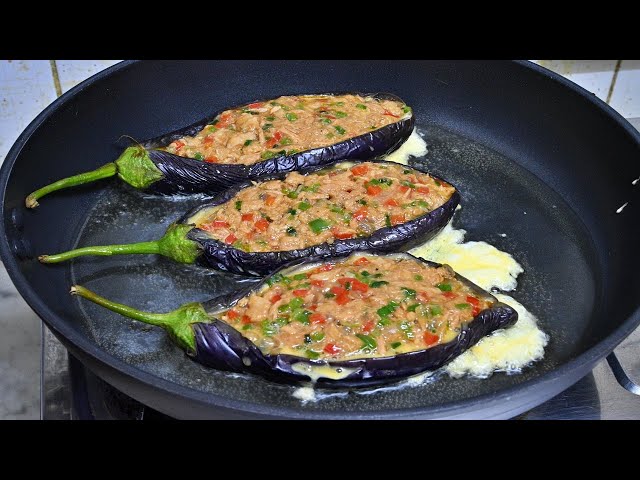
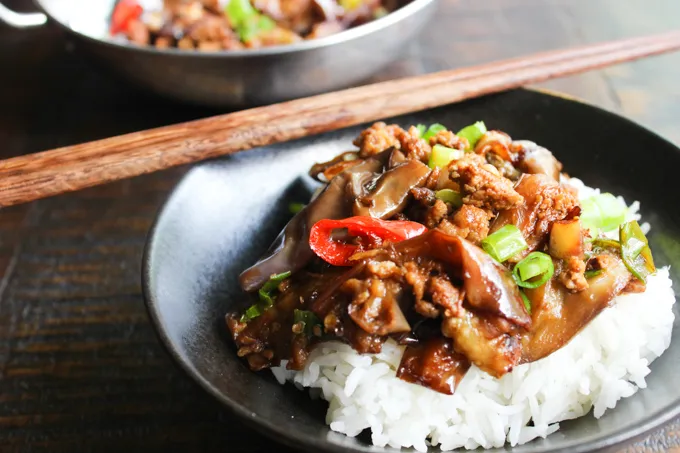
  • Elevate Your Cooking With Spicy Eggplant Stir-Fry

    Elevate Your Cooking With Spicy Eggplant Stir-Fry

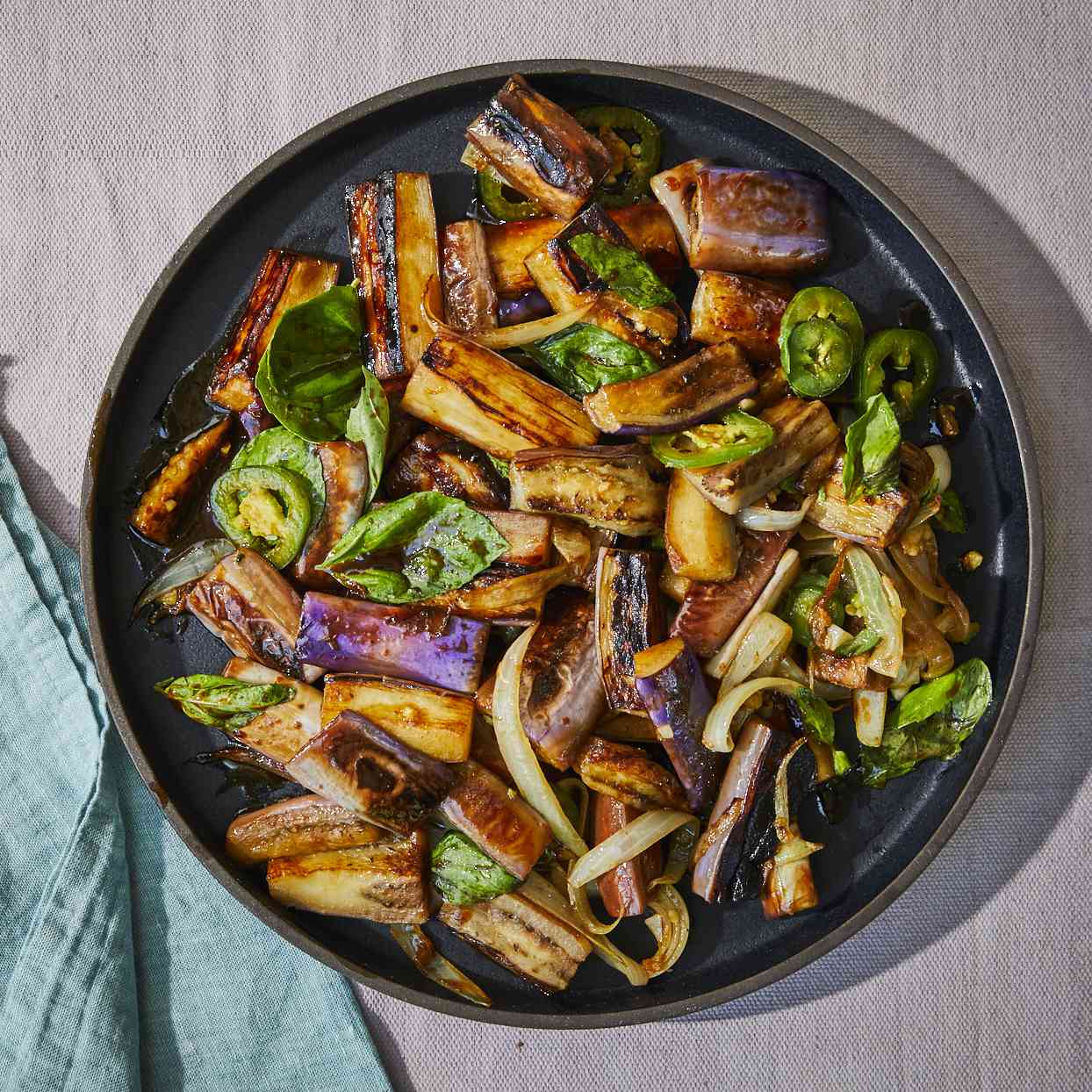
    To make a spicy eggplant stir-fry, you’ll need Asian eggplant, garlic, ginger, Sichuan peppercorn, and red chili flakes. Cook the eggplant using flash frying or air frying to preserve its texture and color. Serve with steamed rice and balanced sides for a complete meal. This dish adds flavor and nutrition to your meals, and the Sichuan peppercorn and red chili can help boost metabolism. Experiment with different cooking techniques to find the perfect method for your taste buds.

    Key Takeaways

    • Spicy eggplant adds flavor and nutrition to dishes, enhancing the dining experience.
    • Asian eggplant absorbs bold spices well, creating a delicious and satisfying stir-fry.
    • Cooking techniques like flash frying and air frying preserve eggplant’s texture and color.
    • Pair eggplant stir-fry with steamed rice and balanced sides for a complete and vibrant meal.

    Benefits of Adding Spicy Eggplant

    By incorporating spicy eggplant into your meals, you can enjoy a flavorful boost while reaping the nutritional benefits of this fiber-rich vegetable. Eggplant usually takes on a meaty texture when cooked, making it a popular choice for vegetarian dishes.

    When transformed into spicy eggplant stir-fry with the addition of Sichuan peppercorn and red chili, it creates a dish that tantalizes the taste buds with a perfect balance of heat and flavor. The Sichuan peppercorn in the dish not only adds a unique tingling sensation to your palate but also enhances the overall dining experience.

    Moreover, the capsaicin from the red chili can potentially aid in boosting metabolism, supporting your weight management goals. Adding this dish to your meal rotation introduces variety and excitement to your cooking routine.

    Ingredients for Flavorful Stir-Fry

    For a flavorful stir-fry, gather the key ingredients such as doubanjiang, garlic, ginger, Sichuan peppercorn, and red chili flakes.

    To make your stir-fry spicy and delicious, consider adding these items to your dish:

    • Asian Eggplant: Use Asian eggplant for its tender texture and mild flavor, perfect for absorbing the bold spices.
    • Garlic and Onion: Saute garlic and onion to create a fragrant base that enhances the overall taste of the dish.
    • Sesame Seeds: Sprinkle sesame seeds over the finished stir-fry for a nutty flavor and a delightful crunch.

    These ingredients will come together to elevate your spicy eggplant stir-fry to a whole new level of deliciousness.

    Tips for Perfectly Cooked Eggplant

    Consider salting Asian eggplants to enhance their flavor and reduce bitterness before cooking. When preparing eggplant stir-fry, it’s crucial to use the right techniques for perfectly cooked eggplant. Here are some tips to help you achieve the best results:

    Tip Description
    Flash Fry at 350-360ºF Preserves color and texture
    Air Fry at 350ºF for 5-6 mins Healthier cooking method
    Avoid Cooking with Water Prevents mushiness, retains texture

    Elevate Your Cooking Techniques

    To enhance your culinary skills, explore innovative cooking techniques that elevate your eggplant dishes to new heights. When preparing Asian-inspired eggplant stir-fries, consider the following methods:

    • Flash frying: This high-heat technique preserves the texture and color of the eggplant, resulting in a visually appealing dish.
    • Pan frying: While this method may brown the skin, be cautious as it can lead to more oil absorption compared to flash frying.
    • Air frying: Cooking eggplant in an air fryer at 350ºF for 5-6 minutes offers a healthier alternative with less oil.

    Experimenting with these different frying techniques can help you achieve the perfect eggplant stir-fry while adding a unique flair to your cooking repertoire.

    How Can I Incorporate Eggplant into Different Types of Dishes, Such as Stir-Fry and Boiled Dishes?

    Eggplant, a versatile vegetable, can be incorporated into various dishes like stir-fries and boiled preparations. When stir-frying, slice the eggplant into thin strips, ensuring even cooking. For boiled dishes, try pairing it with other vegetables and proteins like boiled okra. Experiment with spices and sauces to add flavor while maintaining the unique texture of the eggplant. Explore boiled okra cooking tips to discover creative ways to enjoy this vegetable combination.

    Serving Suggestions for Eggplant Stir-Fry

    Enhance your eggplant stir-fry with creative serving suggestions that complement its spicy flavors. Pair it with steamed rice for a complete meal or balance the heat with a side of cooling cucumber salad or pickled vegetables.

    Garnish your dish with fresh cilantro, chopped peanuts, or a squeeze of lime to add texture and flavor. Serve the stir-fry hot and fresh to enjoy its vibrant colors and flavors at their best.

    For leftovers, store them in an airtight container in the refrigerator for up to 2-3 days and reheat before serving. Consider adding a small amount of soy sauce or oyster sauce while reheating to refresh the flavors.

    You can find specialty ingredients like oyster sauce at Asian supermarkets to elevate your dish further.

    Frequently Asked Questions

    How Do You Make Eggplant Taste Better?

    To make eggplant taste better, salt it to reduce bitterness. Enhance flavor with a sauce of doubanjiang, garlic, ginger, and Sichuan peppercorn. Adjust spice levels to your liking and balance with sugar. Garnish with scallions and sesame seeds for freshness and nuttiness.

    How Do You Keep Eggplant From Absorbing Oil When Frying?

    To keep eggplant from absorbing oil when frying, cut it small to reduce absorption, preheat oil to 350-360ºF, use a non-stick pan, air fry for less oil, and pat dry to remove excess moisture.

    Does Eggplant Need to Be Soaked Before Frying?

    Before frying, soak eggplant if using larger globe varieties to reduce bitterness and oil absorption. Pat dry after soaking to prevent a mushy texture. Asian eggplants are less bitter and might not require soaking.

    How Do You Cut Eggplant for Stir Fry?

    To cut eggplant for stir-fry, slice Chinese or Japanese eggplants into 2.5-3-inch sections, then into 1/4-1/2-inch batons. Ensure uniform pieces for even cooking and ideal texture. Don’t make them too thin to prevent mushiness.

    Conclusion

    Elevate your cooking game with a spicy eggplant stir-fry that packs a punch of flavor and heat. With the right ingredients and cooking techniques, you can create a delicious and satisfying meal that’s both healthy and versatile.

    Whether you’re a beginner or a seasoned chef, this dish is sure to impress your taste buds and elevate your dining experience. Give it a try and take your cooking to the next level!

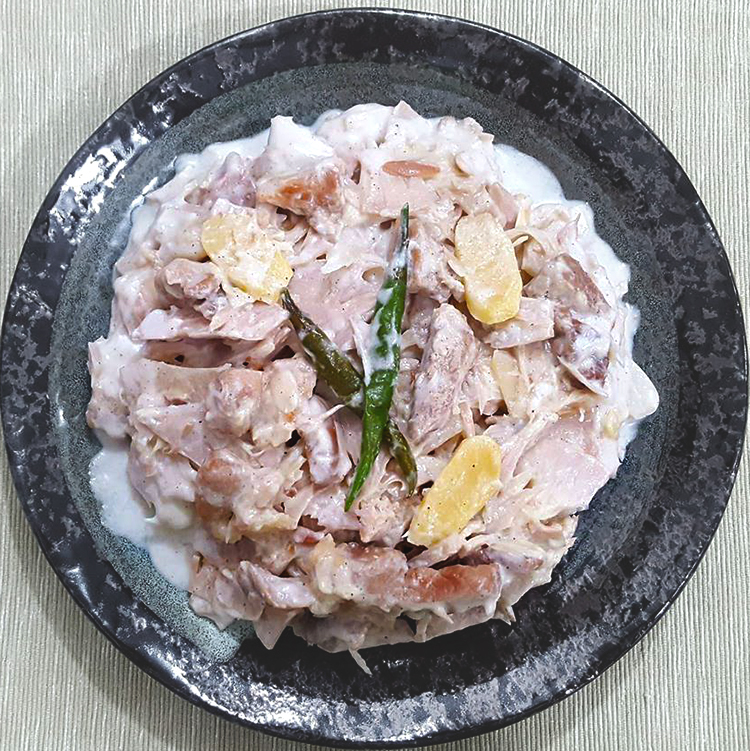
  • What Are Creative Ways to Serve Utan Nga Langka?

    What Are Creative Ways to Serve Utan Nga Langka?

    Creative ways to serve Utan Nga Langka include making tacos with a savory filling of jackfruit, shrimp, and coconut milk, or creating fritters by mixing cooked Utan Nga Langka with a batter and frying until crispy. Experiment with incorporating Langka into baked goods or savory dishes like stir-fries and curries for new and exciting flavors.

    Key Takeaways

    • Combine young jackfruit with assorted vegetables for flavorful dishes.
    • Elevate Utan Nga Langka with unique marinades and curry variations.
    • Explore Utan Nga Langka in salads, stir-fries, grilled skewers, and more.
    • Impress with baked casseroles, tacos, fritters, and stuffed peppers showcasing this versatile ingredient.

    Utan Nga Langka Salad Recipe

    To make a refreshing Utan Nga Langka Salad, gather sliced young jackfruit, mixed greens, cherry tomatoes, and a tangy vinaigrette for a unique culinary experience.

    The combination of the young jackfruit’s subtle sweetness, the freshness of mixed greens, and the burst of flavor from cherry tomatoes creates a delightful harmony in each bite. Drizzling the tangy vinaigrette ties all the flavors together, enhancing the overall taste of the salad.

    This vibrant dish offers a perfect balance of textures and tastes, making it a versatile option for any occasion. Whether enjoyed as a light main course or a refreshing appetizer, the Utan Nga Langka Salad is sure to impress with its tropical twist and innovative approach to a traditional Filipino dish.

    Utan Nga Langka Stir-Fry

    Looking to add a burst of flavor and crunch to your meal?

    Utan Nga Langka Stir-Fry brings together a medley of veggies and the delightful crunch of unripe jackfruit.

    With this dish, you can enjoy a tasty and unique veggie stir-fry that combines the creamy texture of coconut milk with the fresh, crunchy goodness of jackfruit.

    Flavorful Veggie Medley

    For a burst of flavors and nutrients, consider whipping up a delightful Utan Nga Langka Stir-Fry with a vibrant mix of young jackfruit and assorted vegetables. This healthy stir-fry combines the goodness of young jackfruit and an array of vegetables, making it a nutritious choice for your meals.

    You can customize this dish by adding vegetables like okra, eggplant, and squash to enhance both the taste and texture. The stir-frying method preserves the vibrant colors and natural flavors of the vegetables, ensuring a visually appealing and delicious outcome.

    Embrace the Utan Nga Langka Stir-Fry as a tasty way to elevate your vegetable intake while enjoying a flavorful medley of veggies in every bite.

    Crunchy Jackfruit Delight

    Embrace the delightful crunchiness of Utan Nga Langka Stir-Fry, a vibrant and nutritious dish that tantalizes your taste buds with each bite. When stir-frying Utan Nga Langka, you unlock a satisfyingly crunchy texture while preserving the natural flavors and nutrients through the quick cooking method.

    The colors and aromas of the jackfruit are enhanced, making it visually appealing and appetizing. This versatile dish allows for customization by adding ingredients like tofu or bell peppers, elevating its taste profile. Whether enjoyed as a standalone meal or paired with rice or noodles, this cooking technique results in a vibrant and flavorful dish that’s sure to please your palate.

    • Stir-frying offers a delightful crunchy texture.
    • Quick cooking method retains natural flavors and nutrients.
    • Enhances colors and aromas, visually appealing.
    • Customizable with ingredients like tofu or bell peppers.
    • Versatile dish perfect as a standalone meal or paired with rice or noodles.

    Grilled Utan Nga Langka Skewers

    Skewer your young jackfruit pieces along with bell peppers, onions, and shrimps to create a vibrant and tasty dish.

    Marinate these skewers in a blend of soy sauce, calamansi juice, and garlic for an added punch of flavor.

    Grill them over medium heat until the jackfruit caramelizes and the shrimps are perfectly cooked, then serve with a zesty vinegar dipping sauce for a delightful twist.

    Flavorful Marinade Options

    To enhance the flavors of grilled Utan Nga Langka skewers, marinate sliced unripe jackfruit in a savory mixture of soy sauce, calamansi juice, garlic, and pepper for at least 30 minutes. When preparing your marinade, consider these flavorful options:

    • Experiment with adding a touch of honey or brown sugar for a hint of sweetness.
    • Include a splash of coconut milk to impart a creamy richness to the jackfruit.
    • Try incorporating minced lemongrass or ginger for a fragrant and zesty kick.
    • Infuse some heat by mixing in chopped chili peppers or a dash of cayenne pepper.
    • For an earthy undertone, sprinkle in a pinch of ground cumin or coriander.

    These additions will elevate the taste profile of your grilled Utan Nga Langka skewers, making them a delightful and memorable dish.

    Grilling Tips and Tricks

    Enhance your grilled utan nga langka skewers by mastering essential grilling tips and tricks. Marinate jackfruit in a blend of soy sauce, calamansi juice, and garlic for at least 30 minutes before skewering.

    Thread the marinated jackfruit with bell peppers, onions, and cherry tomatoes for a colorful presentation. Grill the skewers over medium-high heat for 10-15 minutes, turning occasionally until the jackfruit caramelizes and the vegetables char slightly.

    Serve the skewers hot off the grill with a side of spicy vinegar dip for a delicious twist. Garnish with chopped spring onions and sesame seeds for added flavor and visual appeal.

    Enjoy the unique flavors and textures of these grilled utan nga langka skewers.

    Utan Nga Langka Curry

    Transform your traditional Utan Nga Langka into a flavorful and aromatic delight with the fusion twist of Utan Nga Langka Curry. This Filipino-Indian fusion dish combines the familiar flavors of Utan Nga Langka with the richness of curry powder and the warmth of turmeric, creating a unique culinary experience.

    Here are some ways to enjoy Utan Nga Langka Curry:

    • Enhance the dish with a variety of Indian spices like cumin and coriander.
    • Serve the curry over steamed rice for a comforting meal.
    • Pair it with naan bread to enjoy the curry sauce to the last drop.
    • Explore adding coconut milk for a creamy texture.
    • Experiment by incorporating lentils or chickpeas for added protein and heartiness.

    Utan Nga Langka Spring Rolls

    Looking to elevate your usual spring roll game? Consider the flavorful filling options, crispy wrapping technique, and dipping sauce variations when making Utan Nga Langka Spring Rolls.

    These rolls offer a unique twist on a classic dish, providing a delicious combination of textures and flavors in every bite.

    Experiment with different fillings and sauces to create a personalized and mouthwatering snack or meal.

    Flavorful Filling Options

    For a delightful twist on traditional Filipino cuisine, consider filling your Utan Nga Langka Spring Rolls with a vibrant mixture of jackfruit, shrimp, and moringa leaves. These flavorful options will elevate your spring rolls to a new level of taste and texture.

    Here are some creative ideas to enhance your Utan Nga Langka Spring Rolls:

    • Add a touch of sweetness with caramelized jackfruit.
    • Incorporate a hint of spice by mixing in some sautéed shrimp with garlic and chili.
    • Boost the nutritional value by including fresh moringa leaves for a pop of green color.
    • Enhance the umami flavor by seasoning the filling with soy sauce and sesame oil.
    • Create a fusion twist by adding some shredded coconut for a tropical flair.

    Crispy Wrapping Technique

    To achieve the perfect crispy texture for your Utan Nga Langka Spring Rolls, ensure that the spring roll wrappers are properly sealed before frying.

    Start by placing a generous amount of the cooked Utan Nga Langka mixture, which includes young jackfruit, shrimp, and moringa leaves, onto the wrapper. Fold the edges inwards and roll tightly to secure the filling inside. Make sure the rolls are sealed completely to prevent any leakage while frying.

    Heat oil in a pan and fry the spring rolls until they turn golden brown and crispy. The crispy wrapping will contrast perfectly with the flavorful filling.

    Once done, serve these delectable Utan Nga Langka Spring Rolls with your favorite dipping sauce for a delightful meal.

    Dipping Sauce Variations

    Enhance your Utan Nga Langka Spring Rolls dining experience by exploring a variety of delectable dipping sauce variations.

    • Create a sweet and tangy dipping sauce by mixing vinegar, soy sauce, minced garlic, and sugar for Utan Nga Langka spring rolls.
    • Experiment with a spicy peanut sauce made from peanut butter, soy sauce, sriracha, and lime juice to complement the flavors of Utan Nga Langka.
    • Try a creamy coconut milk-based sauce with a hint of curry powder and lime juice for a tropical twist on Utan Nga Langka spring rolls.
    • Elevate the dish with a zesty mango salsa dipping sauce featuring diced mangoes, red onions, cilantro, lime juice, and a touch of jalapeño for a refreshing kick.
    • Explore a fusion approach by serving Utan Nga Langka spring rolls with a hoisin and sesame-based dipping sauce for a flavorful Asian-inspired experience.

    Utan Nga Langka Soup With a Twist

    Elevate your Utan Nga Langka soup experience by adding a tropical twist with coconut cream and zesty lemongrass. Enhance the soup’s richness with creamy coconut cream while infusing it with a refreshing citrusy aroma from lemongrass.

    For an extra crunch and flavor, top your soup with crispy fried shallots. Brighten up the taste by adding a splash of calamansi juice or lime juice just before serving. These additions will give your soup a delightful mix of creamy, citrusy, and crunchy textures, making each spoonful a delightful experience.

    Don’t forget to garnish with fresh cilantro or parsley for that added pop of color and hint of herbaceousness. Enjoy this flavorful and comforting dish with a twist!

    Baked Utan Nga Langka Casserole

    If you’re looking to switch up your Utan Nga Langka experience, consider trying out a flavorful Baked Utan Nga Langka Casserole. This creative twist on the traditional Filipino dish brings together the unique flavors of jackfruit with a cheesy crust, making it a comforting and satisfying meal option. Here are some reasons to give this dish a try:

    • The layers of cooked jackfruit, vegetables, and savory sauce create a delightful medley of flavors.
    • Baking enhances the textures and melds the ingredients together seamlessly.
    • It can be served as a main dish or a side, perfect for gatherings and special occasions.
    • The casserole offers a unique presentation that will impress your guests.
    • Enjoy a convenient way to savor Utan Nga Langka with a delicious twist.

    Utan Nga Langka Tacos

    For a flavorful fusion dish that combines Filipino and Mexican flavors, try Utan Nga Langka Tacos featuring a savory filling of jackfruit, shrimp, and coconut milk served in taco shells or tortillas. These tacos offer a delicious blend of textures and flavors, adding a modern twist to traditional Filipino cuisine. Check out the table below for a quick overview:

    Ingredients Preparation Serving Suggestions
    Jackfruit Cook with shrimp Fill taco shells
    Shrimp Saute with coconut milk Stuff tortillas
    Coconut milk Simmer with seasonings Top with salsa

    Utan Nga Langka Tacos are a creative and tasty way to enjoy the best of both Filipino and Mexican cuisines in one delightful dish.

    Utan Nga Langka Fritters

    To create flavorful Utan Nga Langka Fritters, simply mix cooked Utan Nga Langka with a batter and fry until golden and crispy. These fritters offer a crispy texture on the outside while preserving the delightful flavors of jackfruit and coconut milk within.

    Here are some creative ways to enjoy Utan Nga Langka Fritters:

    • Serve them as appetizers for a Filipino-themed party.
    • Pair them with a sweet and tangy dipping sauce for a flavor contrast.
    • Use mini Utan Nga Langka Fritters as unique finger foods for gatherings.
    • Experiment with adding spices like turmeric or cumin to the batter for a twist.
    • Enjoy them alongside a refreshing cucumber salad to balance out the richness.

    Can I use Langka in Creative Ways Other Than the 3 Easy Steps?

    Yes, you can use langka in creative ways other than the 3 easy steps. Try incorporating langka into baked goods like cakes and cookies, or use it to add a unique twist to savory dishes like stir-fries and curries. Experiment with different langka preparation method steps to discover new and exciting flavors.

    Utan Nga Langka Stuffed Peppers

    When preparing Utan Nga Langka Stuffed Peppers, consider the vibrant combination of sweet bell peppers and savory cooked Utan Nga Langka for a delightful culinary experience. The hollowed bell peppers stuffed with the flavorful Utan Nga Langka create a unique presentation that is both visually appealing and delicious. Baking the peppers in the oven allows the flavors to meld together, resulting in a harmonious taste profile. To enhance the dish, garnish the stuffed peppers with fresh herbs like cilantro or parsley for a pop of color and added freshness. Utan Nga Langka stuffed peppers are not only aesthetically pleasing but also nutrient-rich, making them a versatile option as a main course or a side dish.

    Ingredients Instructions
    Bell peppers Hollow out and stuff with cooked Utan Nga Langka
    Cooked Utan Nga Langka Bake in the oven until peppers are tender
    Fresh herbs Garnish before serving

    Frequently Asked Questions

    What Is the English of Ginataang Langka?

    The English translation of ‘Ginataang Langka’ is ‘Young Jackfruit in Coconut Milk.’ It’s a classic Filipino dish combining young jackfruit and creamy coconut milk. You can elevate it by adding shrimp, pork, or veggies for variety.

    Is Ginataang Langka Healthy?

    Yes, ginataang langka is healthy. It’s packed with vitamins, heart-healthy fats, and antioxidants. The garlic, onion, and green chili add antibacterial properties and metabolism boost. Enjoy this nutritious and flavorful dish for overall health benefits.

    What Is Langka Made Of?

    Langka, the primary ingredient in Utan nga Langka, is made of unripe jackfruit. It’s a tropical fruit with a neutral taste, rich in fiber, vitamins, and minerals. When cooked, it mimics a meat-like texture, popular in vegetarian dishes.

    Conclusion

    So there you have it – creative ways to serve Utan Nga Langka that will surely impress your taste buds!

    Whether you try it in a salad, stir-fry, curry, or even as a filling for tacos or spring rolls, the unique flavors of jackfruit will shine through.

    Get creative in the kitchen and enjoy this traditional dish in new and exciting ways!

  • Elevate Your Cooking With Relyenong Talong Stuffed With Tuna

    Elevate Your Cooking With Relyenong Talong Stuffed With Tuna

    Elevate your cooking with Relyenong Talong stuffed with tuna by combining rich flavors and textures. Experiment with alternative ingredients like zucchini or bell peppers for a personalized touch.

    Key Takeaways

    • Elevate your cooking with Relyenong Talong by combining tuna richness with eggplant flavors.
    • Enjoy a blend of textures and tastes rich in protein, vitamins, fiber, and iron.
    • Experiment with alternative ingredients like zucchini, bell peppers, or tofu for a personalized touch.
    • Explore various filling options and cooking methods to create delicious flavor profiles.

    Understanding Relyenong Talong

    Indulge in the essence of Filipino cuisine by exploring the intricacies of Relyenong Talong. This traditional dish combines the richness of tuna with the unique flavors of eggplant to create a delightful culinary experience.

    The process begins with roasting the eggplants until tender, then carefully peeling and flattening them. The tuna mixture, seasoned to perfection, is then generously stuffed inside the eggplants before cooking.

    The result is a harmonious blend of textures and tastes, where the earthy notes of the eggplant complement the savory tuna filling. Relyenong Talong with Tuna isn’t only a delicious dish but also a nutritious one, packed with protein, vitamins A and C, fiber, and iron.

    Enjoy this Filipino favorite for a special occasion or as a satisfying meal any day.

    Essential Ingredients for the Dish

    To prepare Relyenong Talong with Tuna, gather the key ingredients like eggplant, tuna, eggs, salt, and pepper for a flavorful stuffing.

    1. Eggplant: Provides a hearty base for the dish, contributing to its unique texture and taste.
    2. Tuna: Adds a protein-rich element, enhancing the overall flavor profile of the stuffing.
    3. Eggs: Used to bind the tuna mixture together, ensuring a cohesive filling for the eggplant.
    4. Salt and Pepper: Seasonings that bring out the flavors of the ingredients, balancing the taste of this traditional Filipino Cuisine.

    Combine these elements thoughtfully to create a delightful Relyenong Talong stuffed with tuna that captures the essence of Filipino cuisine.

    Health Benefits of Tuna Stuffing

    Incorporating tuna stuffing into your diet regularly can provide numerous health benefits due to its high protein content, omega-3 fatty acids, and essential nutrients. Tuna is a Filipino favorite that offers a rich source of high-quality protein essential for muscle repair and growth. It is low in fat and calories, making it a healthy option for weight management.

    Tuna’s omega-3 fatty acids are beneficial for heart health and reducing inflammation, while its vitamins and minerals like vitamin D, selenium, and B vitamins support overall health. Boost your nutrient intake with tuna stuffing while enjoying the delicious flavor it adds to dishes like Relyenong Talong.

    Health Benefits of Tuna Stuffing
    High-Quality Protein Muscle Repair
    Low in Fat and Calories Weight Management
    Omega-3 Fatty Acids Heart Health
    Vitamins and Minerals Overall Wellness
    Delicious Flavor Addition Enjoyable Eating

    Step-by-Step Preparation Guide

    When preparing Relyenong Talong Stuffed With Tuna, start by roasting the eggplant until tender and peeling off the skin.

    Then, flatten the slices, season them with salt and pepper, and create a flavorful tuna mixture.

    Ingredient Preparation Tips

    For easier peeling, roast the eggplant until the skin is charred and the flesh is tender. Here are some ingredient preparation tips to help you create a delicious Relyenong Talong stuffed with tuna:

    1. Flatten the roasted eggplant to provide a stable base for the tuna mixture, ensuring consistent stuffing.
    2. Season the flattened eggplant generously with salt and pepper to elevate the dish’s flavors.
    3. Thoroughly mix the tuna with eggs, salt, and pepper to achieve a rich and well-seasoned filling.
    4. Fry the stuffed eggplant in oil until both sides are golden brown, resulting in a crispy exterior and a flavorful interior.

    Stuffing the Eggplant

    After properly roasting and seasoning the eggplant, the next step in preparing your Relyenong Talong stuffed with tuna is to expertly stuff the eggplant with the flavorful tuna mixture. Make sure to flatten the eggplant slices gently to create an even surface for stuffing. Season the eggplant with salt and pepper to enhance the taste. Generously fill the eggplant with the tasty tuna mixture for a satisfying meal.

    Cooking the stuffed eggplant in oil until golden brown will give it a crispy texture. Follow the steps below for stuffing the eggplant:

    Steps to Stuffing the Eggplant
    1. Roast and season the eggplant
    2. Gently flatten the eggplant slices
    3. Fill generously with tuna mixture
    4. Cook in oil until golden brown

    Cooking and Serving

    To achieve a crispy texture, fry the stuffed eggplant in oil until golden brown on both sides.

    1. Roast the eggplant until tender and peel off the skin before stuffing.
    2. Flatten the eggplant slices, season with salt and pepper, and fill with the tuna mixture.
    3. Make the tuna mixture by combining tuna with eggs, salt, and pepper for a savory, protein-rich element.
    4. Serve the tortang talong with tuna hot, garnished with herbs and a drizzle of sauce for a delicious meal.

    Cooking Techniques for Optimal Flavor

    To truly bring out the flavors in your relyenong talong stuffed with tuna, focus on sautéing the tuna and eggplant with onions and garlic to enhance the taste.

    Season the tuna mixture with Knorr Liquid Seasoning for a richer and more savory filling.

    Mix in colorful ingredients like carrots, green onions, and bell peppers to create a visually appealing and delicious stuffing.

    Flavor-Enhancing Cooking Techniques

    Enhance the flavor of your dish by marinating the tuna in a flavorful mixture before stuffing. To further elevate the taste profile of your Relyenong Talong, consider the following flavor-enhancing cooking techniques:

    1. Sauté the onions and garlic until caramelized for added depth and richness in the filling.
    2. Season the eggplant with salt and pepper before stuffing to ensure a well-seasoned final dish.
    3. Fry the stuffed eggplant until golden brown to create a crispy exterior and add texture to the dish.
    4. Garnish your dish with fresh herbs like parsley or cilantro to introduce a pop of color and freshness to the presentation.

    Tips for Optimal Taste

    For optimal taste in your Relyenong Talong, ensure you use fresh tuna and season it generously with herbs and spices. The freshness of the tuna will enhance the overall flavor of the dish, while a well-seasoned mixture will add depth and complexity.

    To achieve a tender texture, make sure the eggplant is thoroughly cooked before stuffing it with the tuna filling. When frying the stuffed eggplant, opt for a hot pan and sufficient oil to create a crispy exterior and a moist interior, balancing textures for a delightful experience.

    Garnish your Relyenong Talong with fresh herbs like parsley or cilantro to not only add a pop of color but also a touch of freshness that elevates the dish to a new level.

    Serving Suggestions and Presentation Tips

    Consider incorporating fresh herbs like parsley or cilantro to garnish your Relyenong Talong with Tuna for a vibrant touch of color and added flavor. To elevate your presentation further, follow these serving suggestions and presentation tips:

    1. Drizzle a light sauce made with soy sauce, vinegar, and a touch of sugar over the stuffed eggplants to enhance the dish’s taste.
    2. Serve the tortang talong hot to enjoy the flavors at their best and ensure a satisfying dining experience.
    3. Experiment with different plating styles to present your Relyenong Talong with Tuna in an appealing and visually pleasing way.
    4. Share this delightful dish with friends and family to showcase your culinary skills and introduce them to a unique Filipino recipe.

    Alternative Ingredients and Substitutions

    To add a unique twist to your Relyenong Talong recipe, feel free to experiment with various alternative ingredients and substitutions. Opt for canned or fresh tuna based on your preference.

    Swap eggplant with zucchini or bell peppers to bring a different flavor to the dish. For a vegetarian version, substitute tuna with sautéed mushrooms or tofu for a protein-packed alternative.

    Customize the flavor profile by trying out different herbs and spices like basil, oregano, or paprika. If you’re feeling indulgent, consider adding cheese such as feta or mozzarella to the tuna mixture for a creamy variation of Relyenong Talong.

    Relyenong Talong Variations to Try

    Try exploring different flavorful fillings like ground pork, shrimp, or even a mix of various vegetables to customize your Relyenong Talong.

    Experiment with cooking methods such as grilling or baking the stuffed eggplants for a unique twist on this traditional dish.

    Elevate the presentation and taste by adding creative garnishes like fresh herbs, toasted nuts, or a drizzle of tangy sauce.

    Flavorful Filling Options

    For a delightful twist on traditional Relyenong Talong, explore various flavorful filling options to elevate your culinary experience.

    1. Tuna and Cheese: Combine tuna with creamy cheese for a rich and indulgent filling.
    2. Spicy Tuna: Add some heat to your dish by mixing tuna with spicy seasonings like chili flakes or jalapeños.
    3. Tuna and Vegetable Medley: Enhance the nutritional value by incorporating a mix of diced vegetables like bell peppers, carrots, and peas to the tuna filling.
    4. Tuna and Mushroom: Incorporate earthy mushrooms into the tuna mixture for a savory and aromatic flavor profile.

    Cooking Method Variations

    If you’re looking to add a new dimension to your Relyenong Talong experience, consider exploring different cooking methods that can transform this traditional Filipino dish.

    One variation to try is baking the stuffed eggplant instead of frying it in oil. Baking can result in a lighter and healthier dish while still achieving a delicious flavor profile.

    Another option is grilling the Relyenong Talong for a smoky twist. Grilling adds a unique charred taste to the dish, enhancing its overall appeal.

    Presentation and Garnishing

    Enhance the visual appeal of your Relyenong Talong by experimenting with various garnishing options to elevate its presentation and flavor profile. Try these garnishing ideas to take your dish to the next level:

    1. Chopped parsley, thinly sliced green onions, or a drizzle of garlic sauce can add a burst of flavor and freshness.
    2. Sprinkle toasted sesame seeds or crushed peanuts on top for a delightful crunch and nutty taste.
    3. Top the dish with cherry tomatoes or a squeeze of lemon juice for a pop of color and added freshness.
    4. Place slices of fresh cucumber or radish alongside the Relyenong Talong to enhance presentation and offer a textural contrast.

    Storage and Reheating Instructions

    When storing leftover Relyenong Talong stuffed with Tuna, place it in an airtight container in the refrigerator for up to 3 days. To reheat, use the microwave or oven until it’s heated through. Avoid freezing to maintain the eggplant’s texture. Reheating in a pan with a bit of oil helps retain its crispy texture. For the best taste and texture, enjoy the dish freshly reheated.

    Storage Reheating Avoid Tip
    Airtight container Microwave or oven Freezing Reheat in a pan with oil
    Refrigerator for 3 days Heat until warmed through Texture change upon thawing Enjoy freshly reheated

    Can I Use Tuna in Spicy Eggplant Stir-Fry?

    Yes, you can use tuna in a spicy eggplant stir-fry recipe. The rich and meaty flavor of the tuna pairs well with the spicy and savory taste of the eggplant stir-fry. It adds a delicious twist to the traditional recipe and provides a nice contrast in texture.

    Sharing Your Relyenong Talong Creations

    Consider sharing your Relyenong Talong creations on social media platforms to inspire others. When posting, use popular foodie hashtags like #RelyenongTalong or #FilipinoFood to reach a wider audience of culinary enthusiasts.

    Encourage your friends and family to taste your unique dish for a delightful dining experience. Experiment with different plating techniques and garnishes to make your Relyenong Talong visually appealing before sharing it online.

    Frequently Asked Questions

    Can Relyenong Talong Be Made Ahead of Time and Frozen for Later Use?

    Yes, you can make relyenong talong ahead of time and freeze it for later use. By preparing it in advance, you can save time and have a delicious meal ready whenever you need it.

    What Are Some Creative Ways to Serve Relyenong Talong Besides as a Main Dish?

    Get inventive with serving relyenong talong! Try slicing it into bite-sized pieces for appetizers, incorporating it into salads for added flavor, or using it as a filling in sandwiches or wraps. Explore and enjoy!

    Can the Tuna Stuffing in Relyenong Talong Be Substituted With Other Types of Fish or Meat?

    Yes, you can substitute the tuna stuffing in relyenong talong with other types of fish or meat. Get creative with flavors like salmon, chicken, or even tofu to customize this dish to your liking.

    Are There Any Special Tips for Selecting the Perfect Eggplants for This Dish?

    When selecting eggplants for relyenong talong, choose ones that are firm, smooth, and have a shiny skin. Avoid those with soft spots or wrinkled skin. Opt for medium-sized eggplants for easier stuffing and a more balanced dish.

    How Long Does It Typically Take to Prepare and Cook Relyenong Talong From Start to Finish?

    Typically, it takes about 45-60 minutes to prepare and cook relyenong talong from start to finish. This Filipino dish involves stuffing eggplants with tuna mix, breading, and frying. Enjoy the flavorful outcome!

    Conclusion

    Elevate your cooking with Relyenong Talong stuffed with tuna for a delicious and nutritious meal. By following the simple steps outlined, you can enjoy a flavorful dish that combines the textures and tastes of eggplant, tuna, and a variety of vegetables.

    Don’t hesitate to try this recipe and share your creations with friends and family for a memorable dining experience. Enjoy the culinary journey!

  • Step-by-Step Guide to Perfecting Crab and Corn Chopsuey

    Step-by-Step Guide to Perfecting Crab and Corn Chopsuey

    To perfect Crab and Corn Chopsuey, quick high-heat cooking ensures flavor, while firm tofu adds texture and depth. Garnish with fresh herbs and nuts for a visually appealing dish that promotes health and well-being.

    Key Takeaways

    • Quick cooking over high heat ensures a flavorful and vibrant dish.
    • Incorporating firm tofu adds texture and depth to the chopsuey.
    • Garnish with fresh herbs and nuts for a visually appealing presentation.
    • Nutrient-rich ingredients promote health and well-being in this balanced meal.

    Ingredients for Crab and Corn Chopsuey

    When preparing Crab and Corn Chopsuey, gather essential ingredients such as canola oil, onion, garlic, chicken breast fillet, chicken liver, assorted vegetables, and Knorr Crab and Corn Soup.

    In Filipino cuisine, the combination of Crab, Knorr, Chicken, and assorted vegetables creates a flavorful and hearty dish. The use of Knorr Crab and Corn Soup enhances the seafood essence of the dish, while the chicken breast fillet and liver add a rich protein element.

    Canola oil, commonly used in Filipino cooking, provides a neutral base for sautéing the ingredients. Assorted vegetables like sayote and cabbage not only contribute to the nutritional value but also add texture to the Crab and Corn Chopsuey.

    This blend of ingredients captures the essence of traditional Filipino cuisine in a delicious and satisfying way.

    Preparation of the Vegetables

    To prepare the vegetables for the Crab and Corn Chopsuey, ensure they’re fresh and thoroughly washed before chopping them into uniform, bite-sized pieces for even cooking. Chop the onion, garlic, carrot, cauliflower, broccoli, cabbage, green bell pepper, and snow peas into uniform pieces to create a balance of textures and flavors.

    When cooking, keep the vegetables slightly crisp by quickly cooking them over high heat to retain their nutrients and vibrant colors. These vegetables, along with firm tofu, will complement the flavors of the Crab and Corn Soup. Remember to incorporate oyster sauce to enhance the overall taste of the dish.

    Cutting the vegetables into bite-sized pieces will make them easier to enjoy in the final Crab and Corn Chopsuey.

    Cooking the Crab and Corn Chopsuey

    Freshly sautéed onions and garlic create a flavorful base for the succulent Crab and Corn Chopsuey, infusing every bite with richness and depth.

    When cooking the Crab and Corn Chopsuey, follow these steps:

    1. Sauté Chicken Breast and Chicken Liver: Ensure the chicken breast and chicken liver are fully cooked before adding other ingredients to guarantee a safe and delicious dish.
    2. Add Corn and Knorr Crab: Incorporate corn and dissolve Knorr Crab and Corn Soup to create a creamy and savory base for the Chopsuey.
    3. Simmer to Perfection: Allow the flavors to meld together by simmering, covering, and cooking for 8 minutes, resulting in a delectable Crab and Corn Chopsuey bursting with flavor.

    Serving and Garnishing Tips

    For an eye-catching presentation and burst of freshness, consider garnishing your Crab and Corn Chopsuey with a sprinkling of fresh chopped green onions or cilantro. The Knorr Crab seasoning enhances the seafood flavor in this traditional Filipino dish.

    To add a crunchy texture and nutty taste, you can also top it off with sesame seeds or crushed peanuts. Serve the Chopsuey hot and fresh to maintain the textures and flavors of the vegetables and seafood.

    For a creative twist, consider serving the dish in a hollowed-out pineapple or bell pepper to enhance its presentation. Pair this flavorful dish with steamed white rice or noodles for a complete and satisfying meal.

    Can I Substitute the Ingredients in the Crab and Corn Chopsuey Recipe with Tomato, Onion, and Bagoong Isda?

    Yes, you can substitute the ingredients in the Crab and Corn Chopsuey recipe with perfect chopped tomato, onion, and bagoong isda. These added ingredients will give the dish a unique flavor and a Filipino twist that will surely delight your taste buds.

    Nutritional Value and Health Benefits

    Rich in essential nutrients and vitamins, Crab and Corn Chopsuey is a balanced dish that combines a variety of vegetables to provide a nutritious meal option. When preparing this Filipino classic, you can benefit from its nutritional value and health benefits:

    1. Protein Richness: The inclusion of ingredients like Knorr Crab, chicken breast, chicken liver, and fried tofu ensures a protein-packed meal that supports muscle growth and repair.
    2. Vitamin and Mineral Content: The vegetables in Crab and Corn Chopsuey offer a wide array of essential vitamins and minerals, promoting overall health and well-being.
    3. Fiber and Healthy Fats: By incorporating seafood like crab and a mix of vegetables, this dish provides a good source of fiber for digestion and healthy fats for a balanced diet.

    Frequently Asked Questions

    What Does Chop Suey Consist Of?

    Chop suey consists of a mix of vegetables like cabbage, bell peppers, carrots, and snow peas. Protein options can include chicken, pork, shrimp, or a combination. Sauce variations range from light soy-based to flavorful gravy, allowing for diverse customization.

    What Is the Introduction of Chop Suey?

    Chop Suey, a stir-fry dish originating in the US, is a mix of veggies, meat, and thickened sauce. Its name means ‘miscellaneous leftovers.’ Enjoy its versatility by customizing ingredients to suit your taste.

    How Do You Eat Chinese Chopsuey?

    To eat Chinese chopsuey, grab your chopsticks or fork, mix the veggies and proteins, and enjoy the versatile flavors. It’s perfect with rice or noodles. Share this communal dish with family and friends for a delightful dining experience.

    How Do You Cut Carrots in Chopsuey?

    To cut carrots in chopsuey, peel the carrot first. Then, slice it into thin rounds or julienne strips for even cooking. The uniform size ensures they cook evenly. Bite-sized pieces blend perfectly with other veggies, enhancing the dish’s texture and flavor.

    Conclusion

    In conclusion, mastering the art of crab and corn chopsuey is easier than you think. By following this step-by-step guide, you can create a delicious and satisfying dish that’s sure to impress your taste buds.

    With a few simple ingredients and easy-to-follow instructions, you can enjoy a flavorful meal that highlights the natural sweetness of crab and corn.

    Give it a try and elevate your cooking skills today!

  • Tasty Oyster Sauce Pork and Eggplant Stir-Fry Guide

    Tasty Oyster Sauce Pork and Eggplant Stir-Fry Guide

    Oyster sauce enhances the umami flavor in this Tasty Oyster Sauce Pork and Eggplant Stir-Fry, creating a harmonious blend of savory goodness. Searing pork over high heat and stir-frying eggplant ensure a flavorful dish that pairs perfectly with rice.

    Key Takeaways

    • Oyster sauce and Chinese soup stock enhance the umami flavor in pork and eggplant stir-fry.
    • Proper eggplant selection and cutting ensure optimal taste and texture in the dish.
    • Searing pork over high heat and stir-frying eggplant create a flavorful and harmonious combination.
    • Thicken the sauce with starch, garnish with green onions, and serve with rice for a satisfying meal experience.

    Ingredients for Oyster Sauce Pork Stir-Fry

    When preparing the oyster sauce pork stir-fry, gather thinly sliced pork, oyster sauce, sake, garlic paste, and Chinese soup stock to create a flavorful dish.

    The oyster sauce brings a rich umami flavor, while the sesame oil adds a nutty touch to the dish. These simple ingredients work harmoniously to elevate the taste of the pork stir-fry.

    Thinly sliced pork cooks quickly, ensuring it absorbs the savory sauce effectively. The addition of Chinese soup stock enriches the overall flavor profile, making each bite delicious and satisfying.

    Preparation Steps for Eggplant Stir-Fry

    When preparing the eggplant stir-fry, it’s crucial to select firm and shiny eggplants for the best results.

    Ensuring that you cut the eggplant into small and even pieces will help with even cooking and flavor distribution.

    Sauteing the eggplant in oil before adding the pork allows it to soften and develop its unique taste.

    Eggplant Selection Tips

    For optimal results in your Eggplant Stir-Fry, select firm, glossy, and heavy eggplants with smooth, unblemished skin and vibrant color.

    • Choose eggplants that are firm, glossy, and heavy for their size.
    • Look for smooth, unblemished skin and vibrant color.
    • Avoid wrinkled skin, soft spots, or signs of decay.
    • Consider salting eggplants before cooking to reduce bitterness.
    • Aim for evenly-sized pieces when cutting for stir-fry.

    Cutting Techniques for Eggplant

    To prepare your eggplant for the stir-fry, ensure you cut it into uniform, bite-sized pieces for even cooking and optimal flavor absorption. Aim for consistency in your cuts to promote even doneness throughout the dish.

    Consider slicing the eggplant into small chunks or thin slices to expedite the cooking process. Removing the skin can help reduce bitterness and enhance the overall texture of the stir-fry.

    To prevent browning, soak the cut eggplant in a saltwater solution before cooking. For enhanced flavor infusion, try slicing the eggplant at a slight angle to increase its surface area.

    Cooking the Pork and Eggplant

    To cook the pork and eggplant, start by searing the thinly sliced pork in a hot pan to lock in flavors.

    Then, add garlic paste and Chinese soup stock for a savory base before incorporating the oyster sauce mixture.

    Make sure the eggplant is tender yet slightly crisp by cooking it just right with the pork for a delicious contrast of textures and flavors.

    Searing the Pork

    Begin by heating a skillet over high heat to sear the pork and eggplant for a caramelized crust and enhanced flavor.

    • Searing the pork in a hot skillet adds a caramelized crust to the meat, enhancing flavor and texture.
    • Cooking the pork and eggplant together allows the flavors to meld, creating a harmonious dish.
    • The high heat helps to quickly cook the thinly sliced pork, keeping it tender and juicy.
    • Stirring frequently while searing ensures even cooking and prevents sticking or burning.
    • The Maillard reaction that occurs during searing adds depth and complexity to the overall taste of the dish.

    Stir-Frying Eggplant

    For optimal results in your stir-fry, start by sautéing the eggplant until it reaches a slight brown color and a tender texture without becoming mushy.

    Remember to thinly slice the pork for quick and even cooking. The oyster sauce will provide a rich umami flavor to the dish.

    Create a flavorful and thickening sauce by mixing garlic, sake, sesame oil, and starch.

    When stir-frying, combine the pork and eggplant to blend the flavors and textures seamlessly.

    Tips for Flavorful Stir-Fry

    For a truly flavorful stir-fry experience, consider marinating the pork in sake and garlic paste to enhance the meat’s taste effortlessly.

    • Enhance the overall savory taste by adding Chinese soup stock or chicken stock.
    • Infuse a rich umami flavor into the stir-fry by using oyster sauce in the seasoning mixture.
    • Ensure the sauce coats the ingredients evenly by thickening it with potato starch or cornstarch.
    • Add a fresh and aromatic element to the dish by garnishing with sliced green onions.

    Serving Suggestions for the Dish

    Consider serving this flavorful oyster sauce pork and eggplant stir-fry with steamed rice for a satisfying meal option. Pair it with a side of stir-fried vegetables or a simple salad to add variety. Garnish the dish with sliced green onions for a pop of color and freshness.

    For a complete Japanese meal, serve it alongside miso soup and a small portion of pickled vegetables. The savory pork, tender eggplant, and flavorful oyster sauce create a delicious and balanced meal. These serving suggestions enhance the overall dining experience and complement the dish’s rich flavors.

    Enjoy a well-rounded meal with this tasty oyster sauce pork and eggplant stir-fry.

    Variations to the Classic Recipe

    Enhance the classic oyster sauce pork and eggplant stir-fry by incorporating bell peppers or mushrooms for added depth of flavor.

    Add chili peppers or chili paste for a spicier kick.

    Substitute the pork with tofu or seitan to make it vegetarian.

    Experiment with different meats like chicken, beef, or shrimp.

    Opt for lean protein sources and increase the vegetable to meat ratio for a healthier twist.

    Can Oyster Sauce be used in various stir-fry recipes besides pork and eggplant?

    Absolutely! Oyster sauce is a versatile ingredient that can be used in a variety of stir-fry recipes. Its rich flavor and umami depth make it a great addition to chicken, beef, and vegetable stir-fries. Try incorporating it into your next flavorful oyster sauce recipe for a delicious twist!

    Nutritional Value of the Dish

    To understand the nutritional value of the dish, consider the richness of protein from the pork and the essential nutrients provided by the eggplant. The pork contributes important nutrients like iron, zinc, and B vitamins, while the eggplant offers dietary fiber, vitamins, and minerals such as potassium and magnesium.

    Oyster sauce enhances the flavor without significantly increasing the calorie count. This stir-fry provides a balanced mix of macronutrients and micronutrients, making it a satisfying and nutritious meal option.

    With the combination of protein, fiber, vitamins, and minerals, this dish can be a wholesome addition to your diet. Enjoy the flavors while nourishing your body with this tasty oyster sauce pork and eggplant stir-fry.

    Frequently Asked Questions

    Why Is Oyster Sauce Used in Stir Fry?

    Oyster sauce is used in stir-fry to enhance flavor. It adds a rich umami taste, caramelizes when cooked, and complements ingredients like pork and eggplant. The sauce’s savory-sweet profile elevates the dish, making it delicious.

    Do You Have to Salt Japanese Eggplant Before Cooking?

    You don’t have to salt Japanese eggplant before cooking, especially with fresh ones. Salting can reduce bitterness and improve texture but isn’t always necessary. Skip salting if short on time, but adjust based on taste and recipe.

    How to Cut and Stir Fry Eggplant?

    To cut eggplant for stir-frying, trim the ends and slice evenly. Choose rounds, cubes, or strips. Larger pieces need more time. Stir-fry in oil on high heat till tender and browned. Eggplant’s versatile and tasty in stir-fries.

    How to Cook String Beans With Eggplant?

    To cook string beans with eggplant, start by slicing both veggies. Heat oil in a pan, add garlic, then stir-fry the string beans and eggplant until tender. Season with oyster sauce for flavor. Enjoy this nutritious dish!

    Conclusion

    In conclusion, this Tasty Oyster Sauce Pork and Eggplant Stir-Fry is a delicious and easy-to-make dish that offers a perfect blend of flavors.

    With succulent pork, tender eggplant, and a rich oyster sauce seasoning, this stir-fry is sure to satisfy your taste buds.

    Whether enjoyed on its own or paired with other dishes, this recipe is a winner for any mealtime.

    Give it a try and experience the deliciousness for yourself!